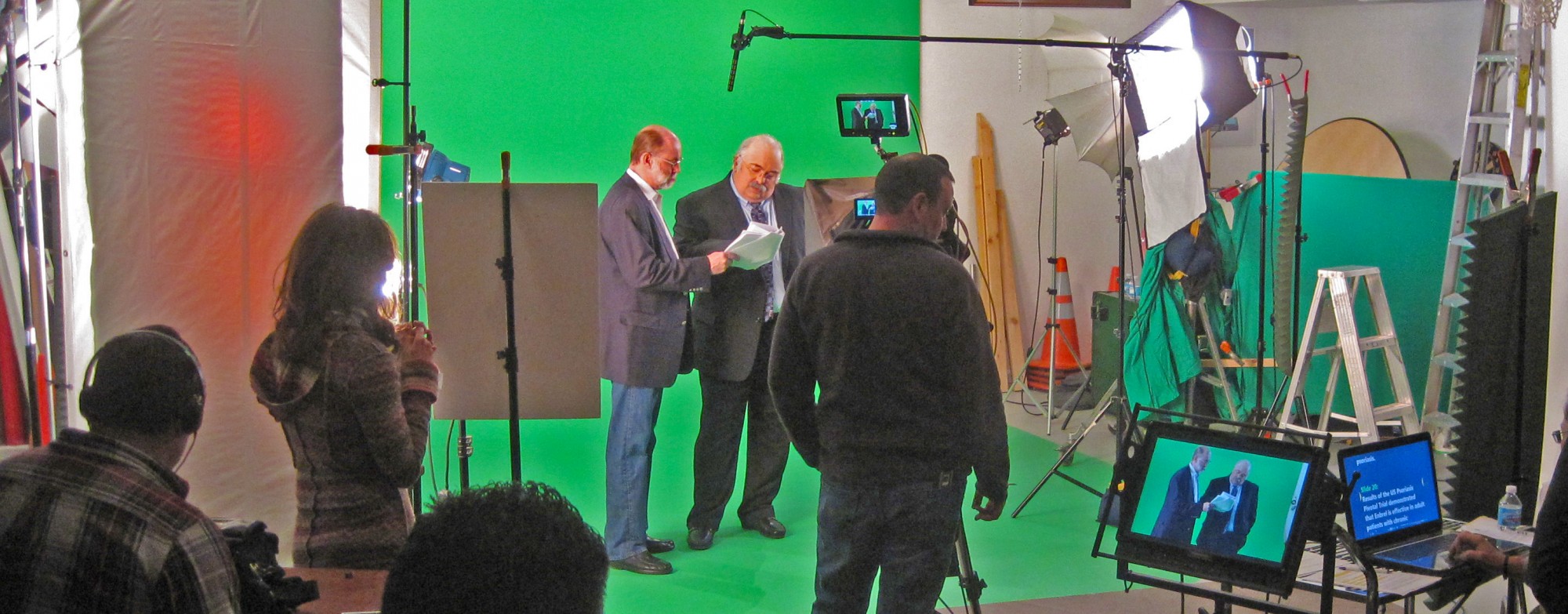
As a content creator, conducting studio production interviews can be a valuable addition to your content strategy. Interviews provide a unique perspective and add depth and credibility to your content. Whether you’re conducting interviews for a podcast, video series, or blog, it’s important to ensure that your interviews are of the highest quality. We’ll cover the best practices towards studio production interviews. From preparation and research to conducting the interview and post-production editing, we’ll provide expert advice on how to create compelling and engaging interviews that resonate with your audience.
Importance of Studio Production Interviews
Studio production interviews are a powerful tool that can help you create compelling and engaging content for your audience. They provide a unique perspective and allow your audience to hear directly from experts in your field. This can add credibility to your content and help establish you as a thought leader in your industry.
Interviews can also help you build relationships with experts in your field. By showcasing their expertise and knowledge, you can create a mutually beneficial relationship that can lead to future collaborations and networking opportunities.
Overall, studio production interviews are an effective way to create valuable and engaging content that resonates with your audience and establishes you as a thought leader in your industry.
Research and Preparation for Studio Production Interviews
The key to a successful studio production interview is preparation. Before conducting an interview, it’s important to research your interviewee and understand their background, expertise, and perspective. This will help you create a list of questions that are relevant and engaging for your audience.
To begin your research, start by looking at the interviewee’s website, social media profiles, and any other relevant online content. This will give you an idea of their expertise and the topics they are passionate about.
Next, create a list of questions that will help you delve deeper into the interviewee’s background and expertise. Make sure to ask open-ended questions that allow the interviewee to provide detailed and thoughtful answers.
Finally, make sure to communicate with your interviewee before the interview to ensure that they are comfortable with the topics you plan to cover. This will help build trust and establish a positive rapport between you and your interviewee.
Creating a List of Questions for the Interview
Creating a list of questions for a studio production interview is a critical step in the preparation process. The questions you ask will determine the direction and overall tone of the interview. To create a list of questions that are engaging and informative, consider the following tips:
- Ask open-ended questions that allow the interviewee to provide detailed and thoughtful answers.
- Ask follow-up questions to further explore the interviewee’s answers and provide additional context for your audience.
- Incorporate current events and trends in your industry to keep the interview relevant and timely.
- Avoid asking questions that the interviewee has already answered in previous interviews or online content.
By following these tips, you can create a list of questions that will help you conduct a compelling and engaging interview.
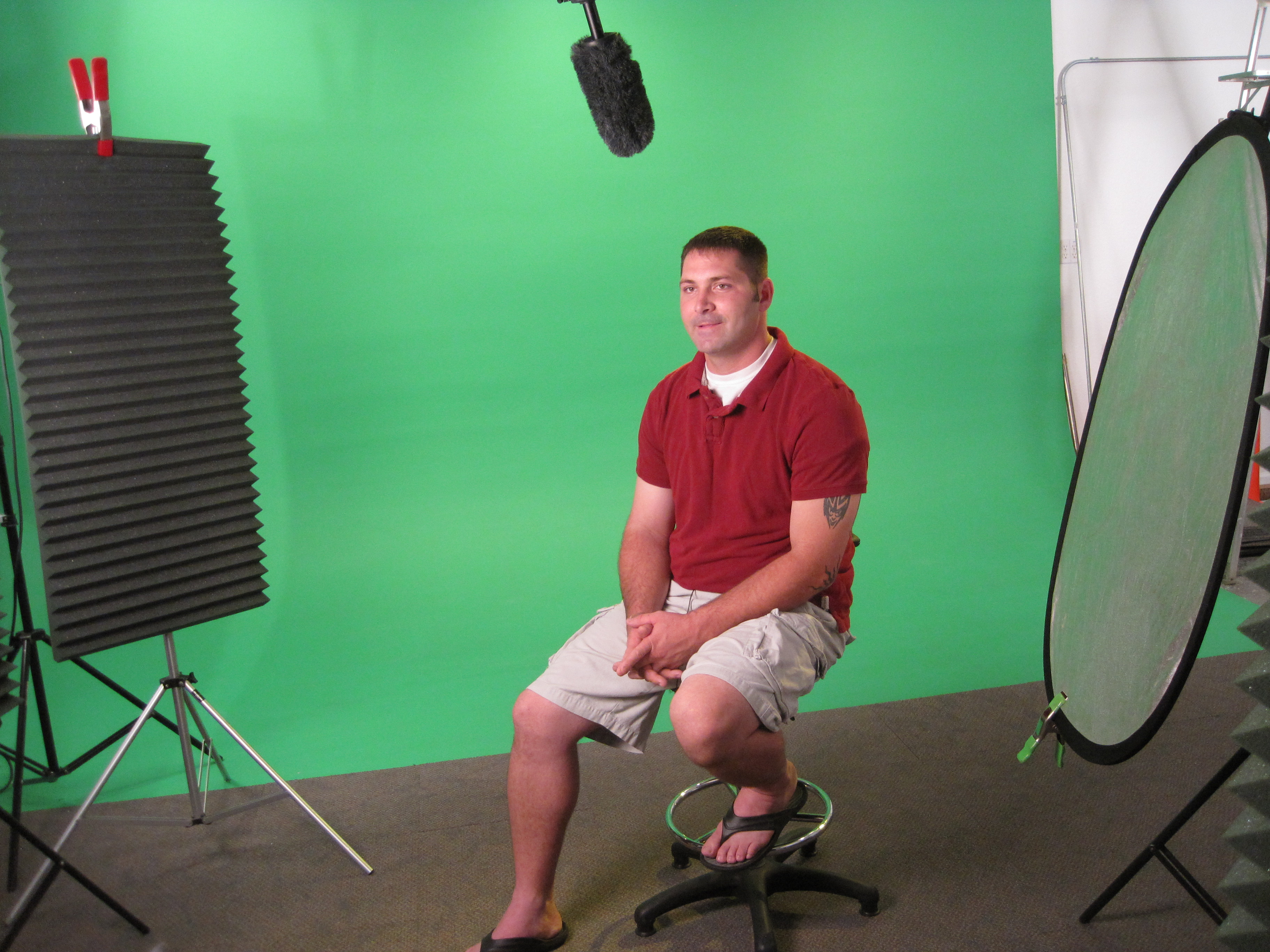
Conducting the Interview: Best Practices for the Interviewer
As the interviewer, it’s your responsibility to create a positive and engaging environment for the interviewee. To ensure a successful interview, consider the following best practices:
- Start with an icebreaker question to help the interviewee feel comfortable and relaxed.
- Avoid interrupting the interviewee or talking over them.
- Listen actively and ask follow-up questions to further explore the interviewee’s answers.
- Maintain a positive and professional tone throughout the interview.
- Avoid asking leading questions that can influence the interviewee’s answers.
By following these best practices, you can create a positive and engaging environment for the interviewee and ensure a successful interview.
Conducting the Interview: Best Practices for the Interviewee
As the interviewee, it’s important to prepare and present yourself in a professional and engaging manner. To ensure a successful interview, consider the following best practices:
- Take time to prepare and research the interviewer and their audience.
- Be authentic and honest in your answers.
- Speak clearly and concisely.
- Avoid using jargon or technical language that may not be understood by the audience.
- Keep your answers focused and on topic.
By following these best practices, you can present yourself in a positive and engaging manner and ensure a successful interview.
Recording and Editing the Interview
After conducting the interview, it’s important to properly record and edit the content. This will ensure that the final product is of the highest quality and engages your audience.
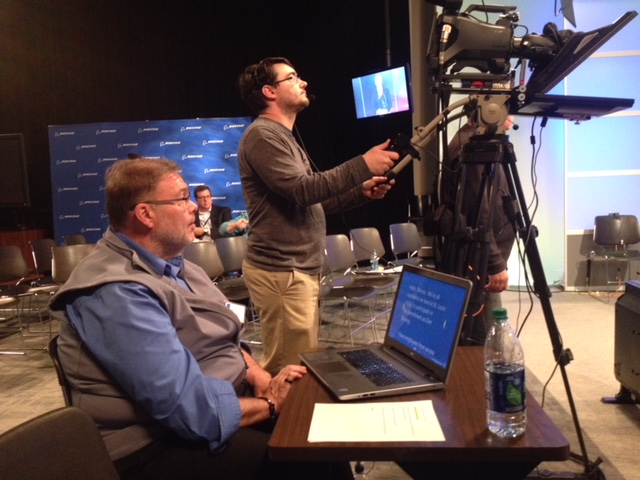
When recording the interview, make sure to use high-quality equipment and test it beforehand to ensure that the sound and video quality are optimal. It’s also important to have backup equipment in case of technical difficulties.
When editing the interview, focus on creating a cohesive and engaging story that flows well and keeps the audience’s attention. Remove any unnecessary or repetitive content and ensure that the final product is polished and professional.
Tips for Creating Engaging and Informative Content from the Interview
To create engaging and informative content from the interview, consider using the following tips:
- Create a summary or highlights reel that captures the most important points of the interview.
- Break the interview into smaller segments that focus on specific topics or themes.
- Incorporate visuals and graphics to enhance the content.
- Use quotes and sound bites from the interview to create social media posts and promotional material.
By using these tips, you can create engaging and informative content from the interview that resonates with your audience.
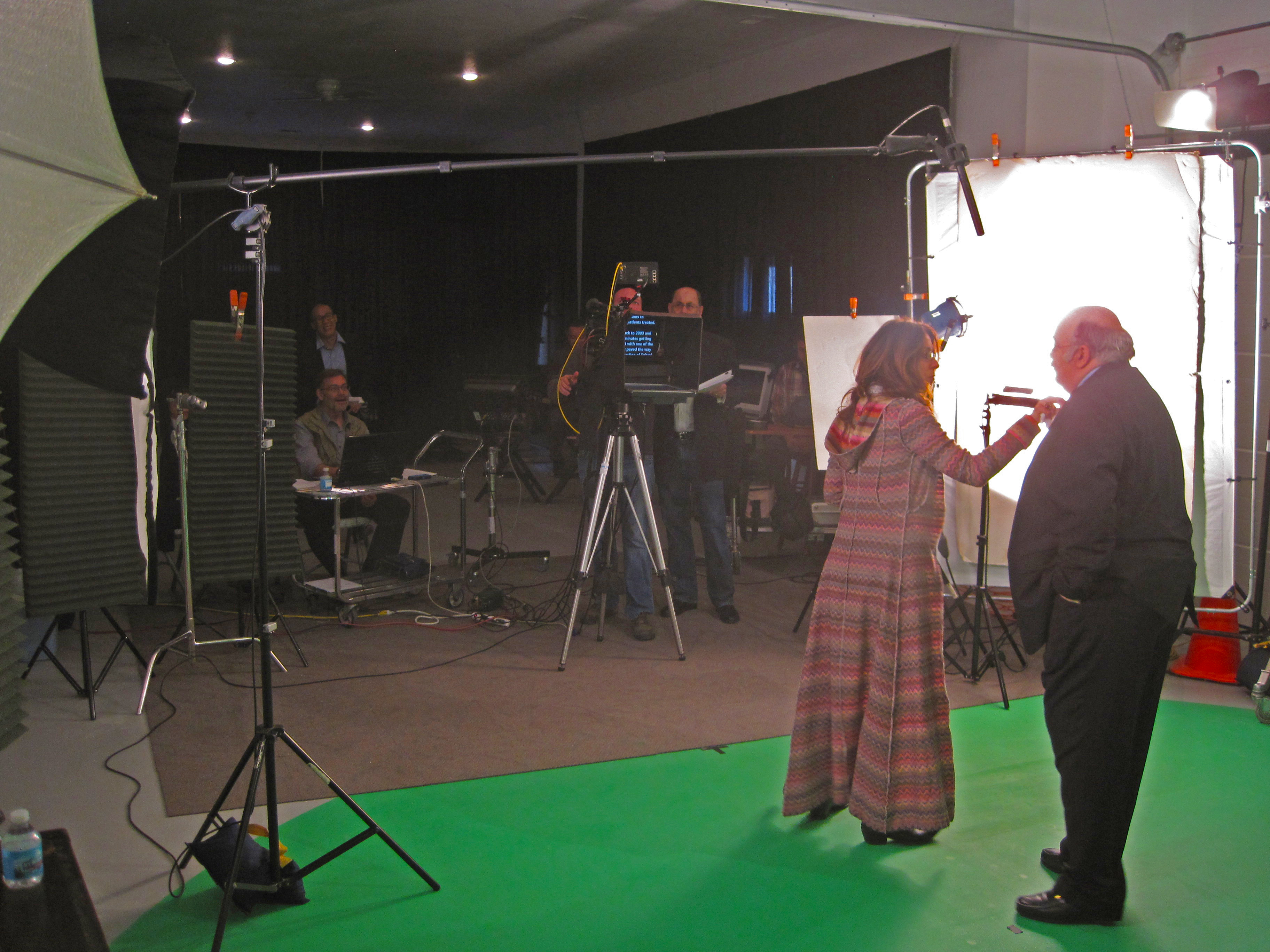
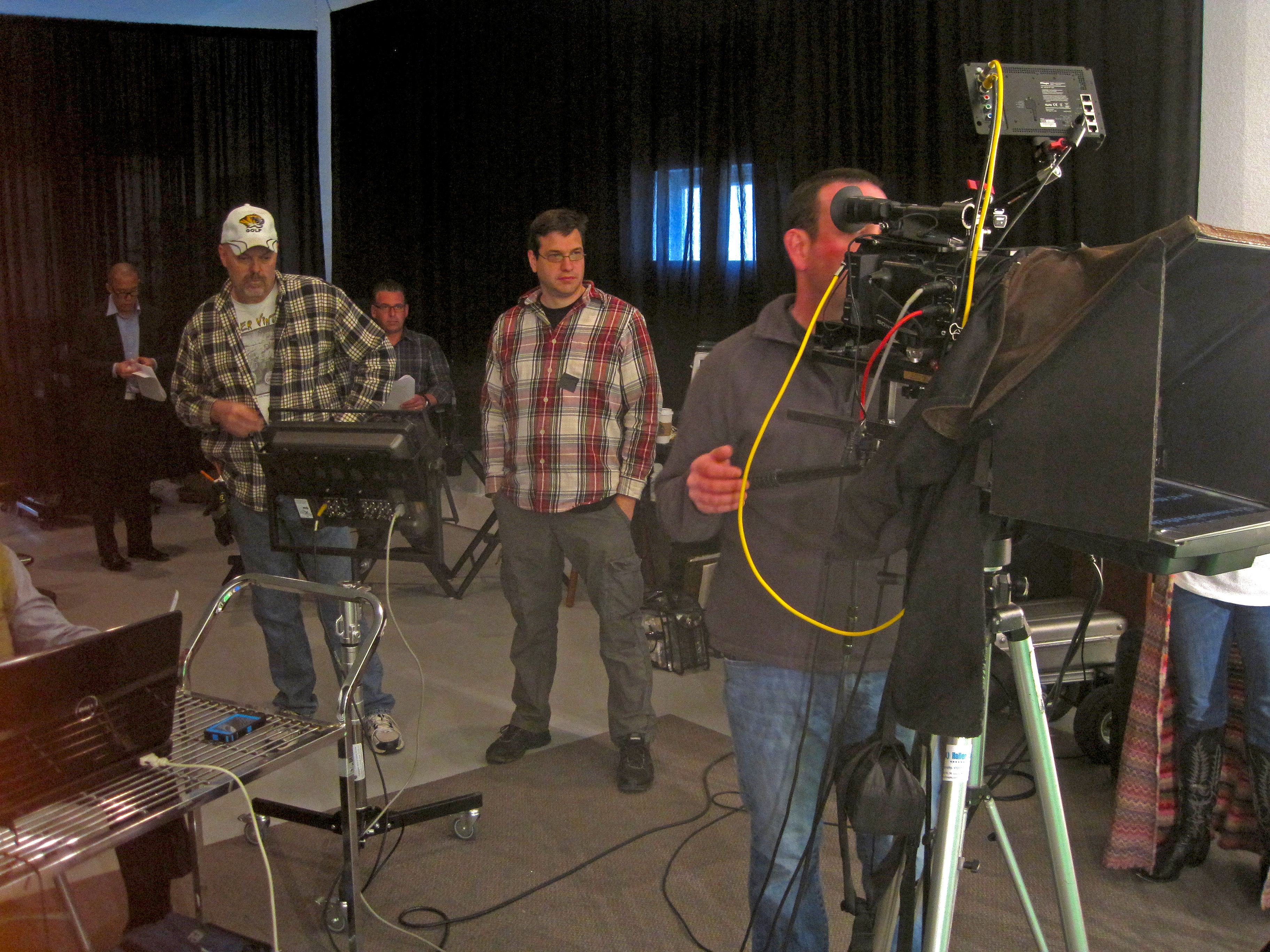
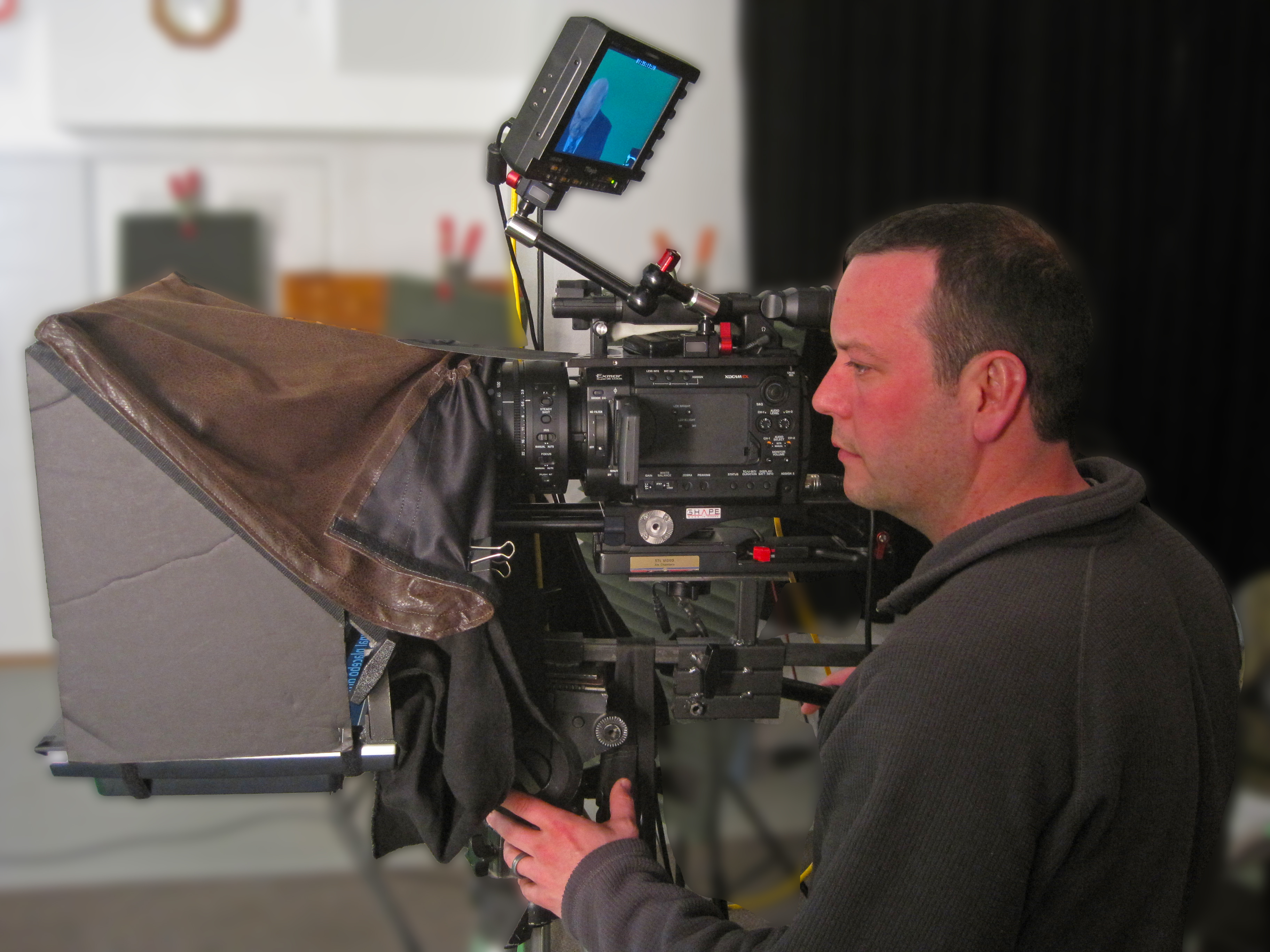
The Role of Post-Production in Creating a Successful Interview
Post-production is a critical step in creating a successful interview. It involves editing the content, adding visuals and graphics, and ensuring that the final product is polished and professional.
To ensure a successful post-production process, consider the following tips:
- Use high-quality editing software and equipment.
- Add visual elements such as graphics, images, and B-roll footage to enhance the content.
- Ensure that the audio and video quality are optimal.
- Test the final product on multiple devices and platforms to ensure that it is accessible to your audience.
By following these tips, you can ensure that the final product is of the highest quality and engages your audience.
Common Mistakes to Avoid in Studio Production Interviews
To ensure a successful studio production interview, it’s important to avoid common mistakes that can detract from the quality of the content. Some common mistakes to avoid include:
- Asking leading or closed-ended questions.
- Interrupting the interviewee or talking over them.
- Focusing too much on your own agenda and not allowing the interview to flow naturally.
- Neglecting to prepare and research the interviewee beforehand.
By avoiding these mistakes, you can create a positive and engaging environment for the interviewee and ensure a successful interview.
Best Practices for Promoting and Sharing Your Interview
After creating a successful interview, it’s important to promote and share the content to ensure that it reaches your audience. To promote and share your interview, consider the following best practices:
- Share the content on your website and social media platforms.
- Create social media posts and promotional material that highlights the most engaging and informative aspects of the interview.
- Reach out to the interviewee and ask them to share the content on their platforms.
- Consider collaborating with other content creators or influencers to promote the content.
By following these best practices, you can ensure that your interview reaches a wider audience and resonates with your target demographic.
Examples of Successful Studio Production Interviews
To see the best practices towards studio production interviews in action, consider the following examples of successful interviews:
- The Tim Ferriss Show: Tim Ferriss interviews experts in the fields of business, health, and wellness, and delves into their routines and habits.
- Armchair Expert: Dax Shepard interviews celebrities and experts in various fields and explores their personal and professional experiences.
- TED Talks: TED Talks feature experts from various fields who share their innovative ideas and insights on a wide range of topics.
By studying these examples, you can gain insight into the best practices towards studio production interviews and apply them to your own content strategy.
Resources for Improving Your Studio Production Interview Skills
To improve your studio production interview skills, consider the following resources:
- Books on interviewing and journalism, such as “The Art of Asking” by Amanda Palmer and “The New New Journalism” by Robert Boynton.
- Online courses and tutorials on interview skills and techniques, such as those offered by Udemy and Skillshare.
- Podcasts and blogs on interviewing and content creation, such as “The Creative Penn” and “The Podcast Host.”
The most requested types of video production shot in a studio can vary depending on the needs of the client and the purpose of the video, but here are some common types:
1. Corporate videos: Corporate videos are used to promote a company or its products/services. They are often shot in a studio with a clean background and professional lighting to convey a polished and professional image.
2. Product demos: Product demos are videos that showcase a product’s features and benefits. These videos are often shot in a studio with a white or black background and close-up shots of the product to highlight its details.
3. Interviews: Interviews are commonly shot in a studio with a plain background and professional lighting to create a consistent look and feel. They can be used for a variety of purposes, such as to capture customer testimonials or expert opinions.
4. Promotional videos: Promotional videos are created to promote a specific event, product launch, or service. They often include a mix of live action footage, motion graphics, and animation, and can be shot in a studio or on location.
5. Training videos: Training videos are used to educate employees or customers on a specific process or product. They are often shot in a studio with a clear and concise presentation style, and may include animations or graphics to illustrate complex concepts.
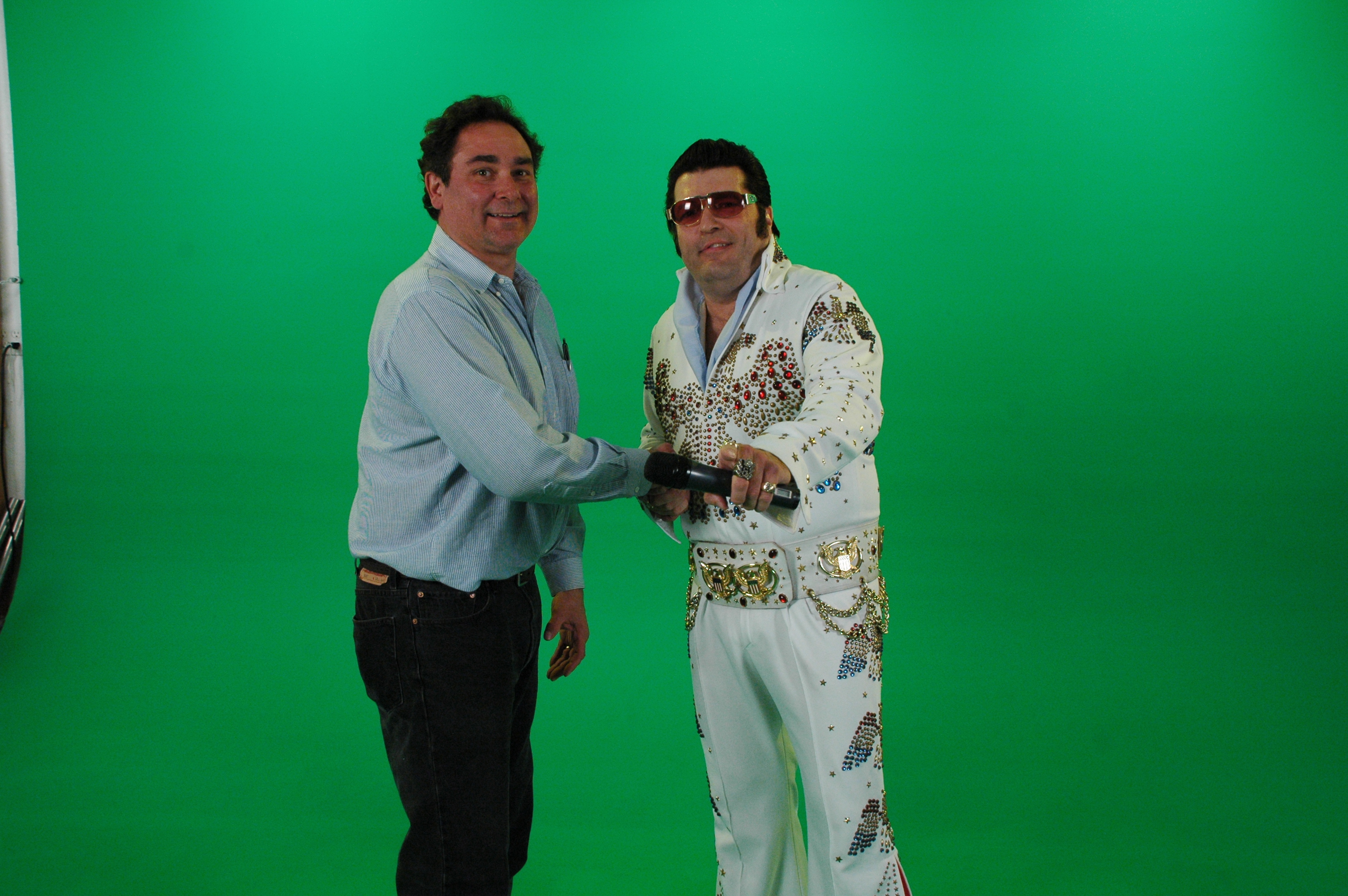
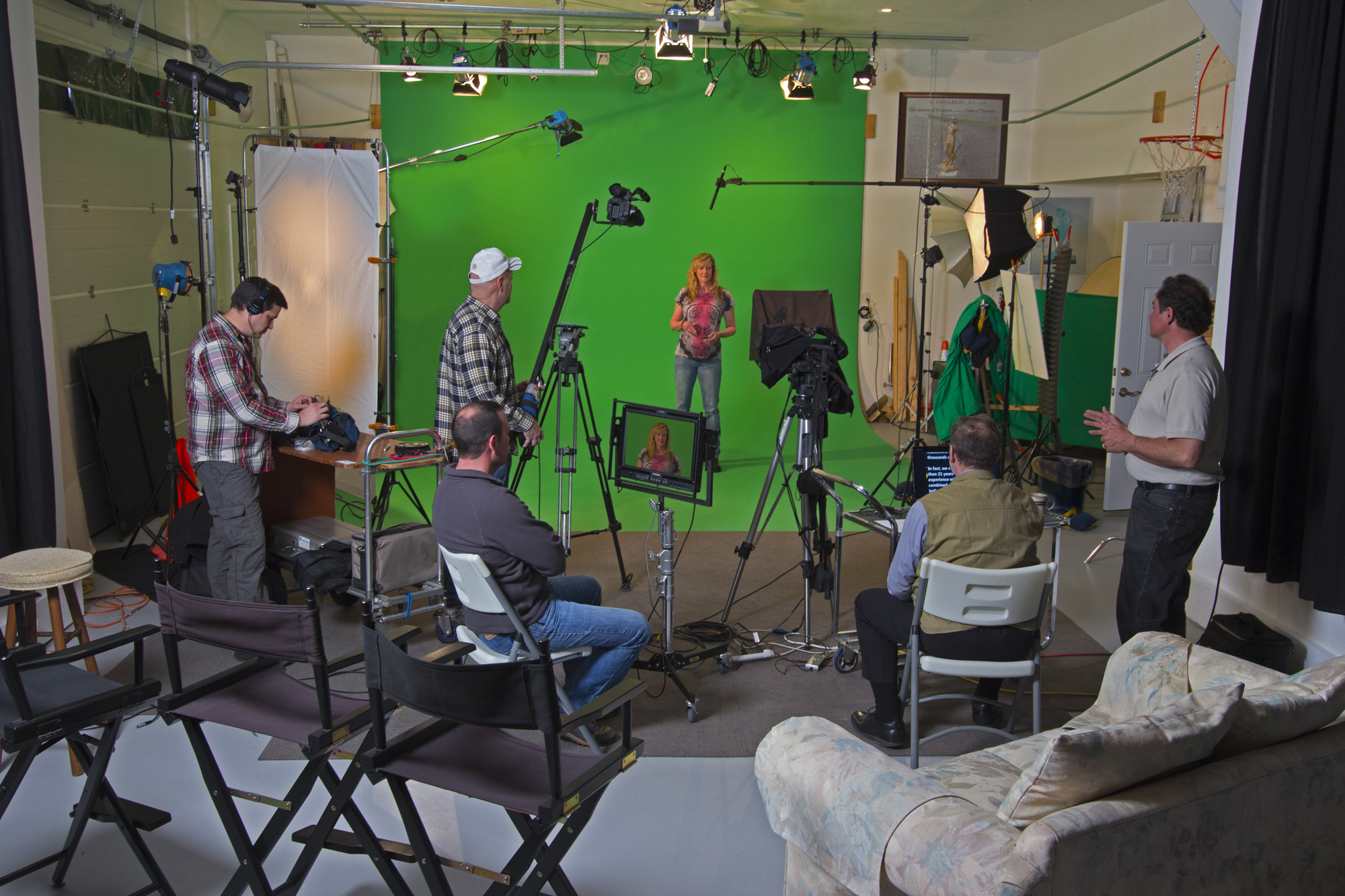
6. Green screen videos: Green screen videos allow for the insertion of different backgrounds or images in post-production. They are often shot in a studio with a green screen backdrop and professional lighting to ensure a clean key. They can be used for a variety of purposes, such as product demos or virtual events.
Conclusion
By utilizing these resources, you can improve your studio production interview skills and create engaging and informative content for your audience. Studio production interviews are a valuable tool in creating compelling and engaging content for your audience. By following the best practices towards studio production interviews, you can ensure that your content stands out in a crowded online space. From research and preparation to post-production editing and promotion, every step in the process is critical to creating a successful interview. By utilizing the tips and resources outlined in this article, you can take your interview skills to the next level and create content that resonates with your audience and establishes you as a thought leader in your industry.
314-604-6544
Rob Haller
saintlouismostudios@gmail.com
 st louis video production studio