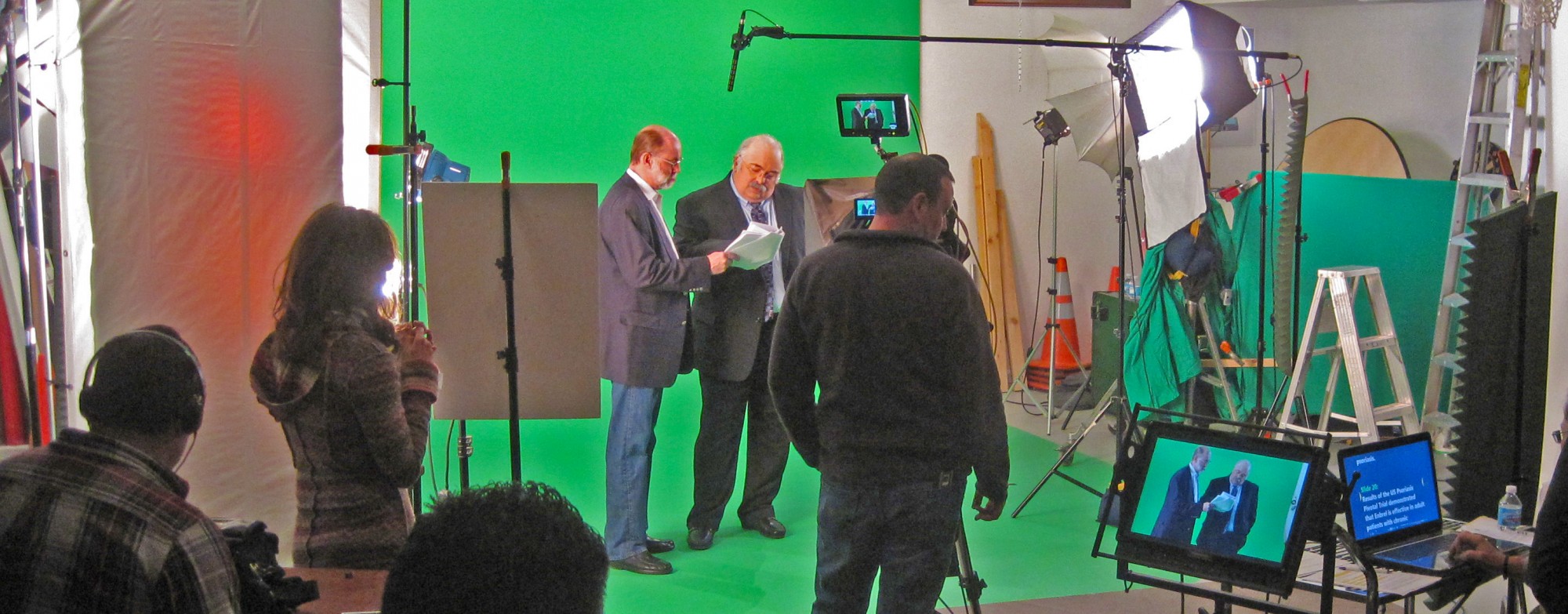
If you’re responsible for marketing outcomes, the real question isn’t, “How much does a video cost?” It’s:
How reliably can we produce on-brand content, at speed, with predictable approvals—without burning budget on reshoots, revisions, and one-off deliverables?
A cost-efficient video and photography studio is not the lowest bidder. It’s the team that runs production like a system: clear pre-production, controlled execution, and post-production workflows designed for repurposing across channels. That’s how you protect both your budget and your brand.
Below is a field-tested framework decision makers can use to evaluate—and consistently win with—cost-efficient production in St. Louis.
Cost-efficient doesn’t mean “cheap”—it means “low waste per finished asset”
The hidden cost drivers in content production are almost always operational:
- unclear messaging that forces re-editing
- noisy locations that destroy audio
- inconsistent lighting that breaks continuity
- missing coverage that requires pickups
- deliverables created for one channel only
- unstructured review cycles with conflicting feedback
A cost-efficient studio reduces waste by engineering the process around repeatable outcomes.
The highest ROI move: design deliverables first, then shoot backward
Most production waste starts with a backwards workflow: people shoot “what feels right,” then try to force it into social, web, paid, and sales afterward.
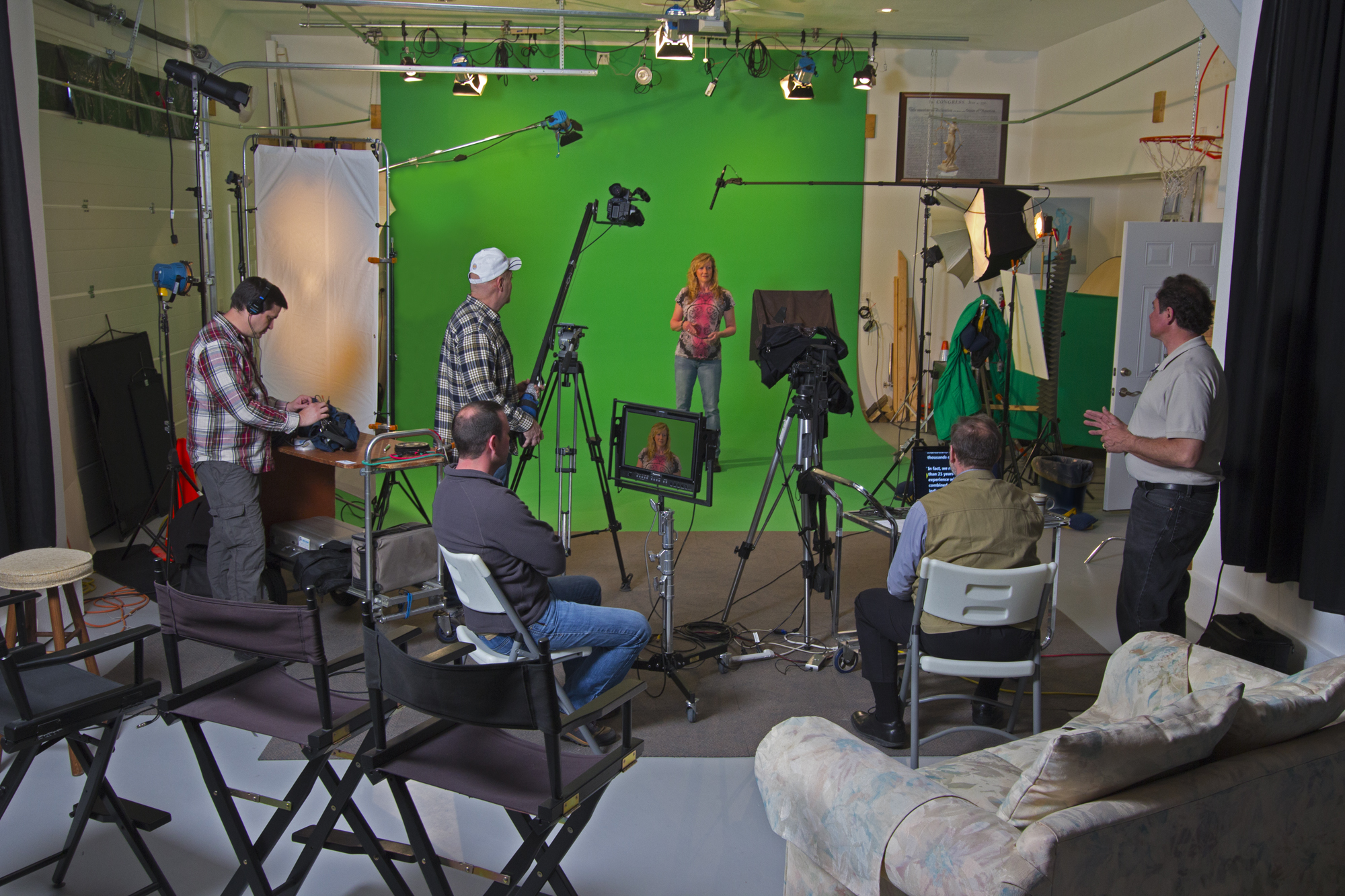
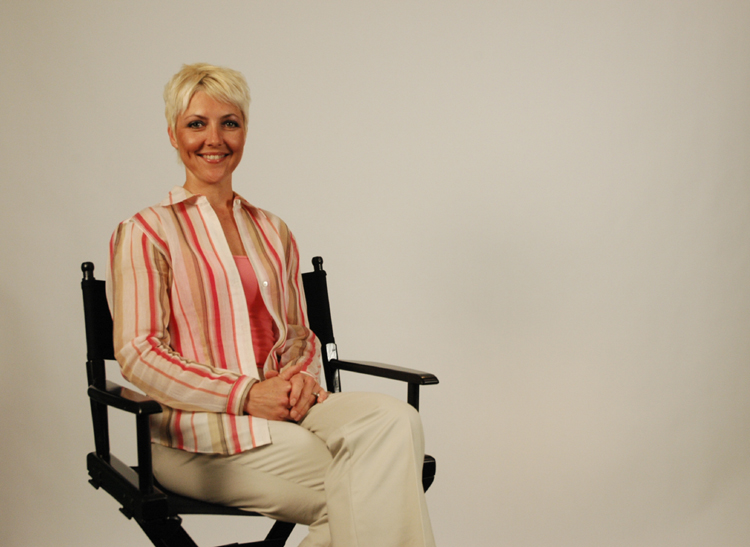
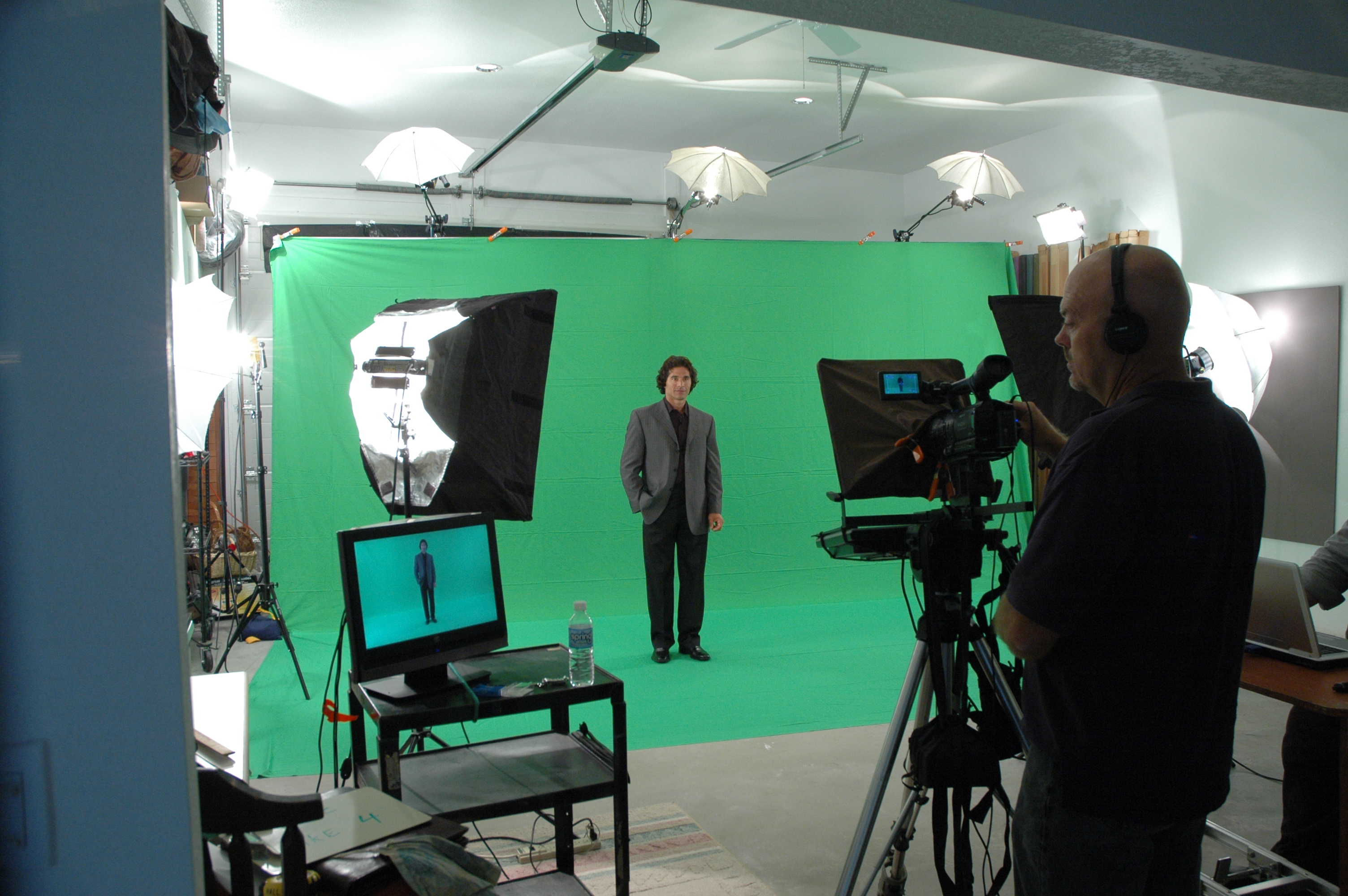
A cost-efficient plan starts with a deliverable map, such as:
- Hero video (brand narrative, campaign centerpiece)
- 30–60s cutdowns for paid and web
- 15s versions for social and retargeting
- vertical edits for mobile-first placements
- short clips for ads, email, LinkedIn, and reels
- stills and thumbnails pulled from footage
- b-roll library that can be reused for months
When you define outputs up front, you create a shot list that guarantees coverage—and eliminates “we didn’t get what we need” problems.
Pre-production is where you buy speed, protect budget, and prevent reshoots
Decision makers often underestimate pre-production because it’s not cinematic. But it’s the most controllable variable in cost and timeline.
Cost-efficient pre-production includes:
1) A brief that’s built for approvals
- single objective (not five)
- primary audience + secondary audiences
- key message hierarchy (what must be said vs. nice to have)
- proof points (data, outcomes, differentiators)
- CTA and where it lives (end card, VO, on-screen text, caption)
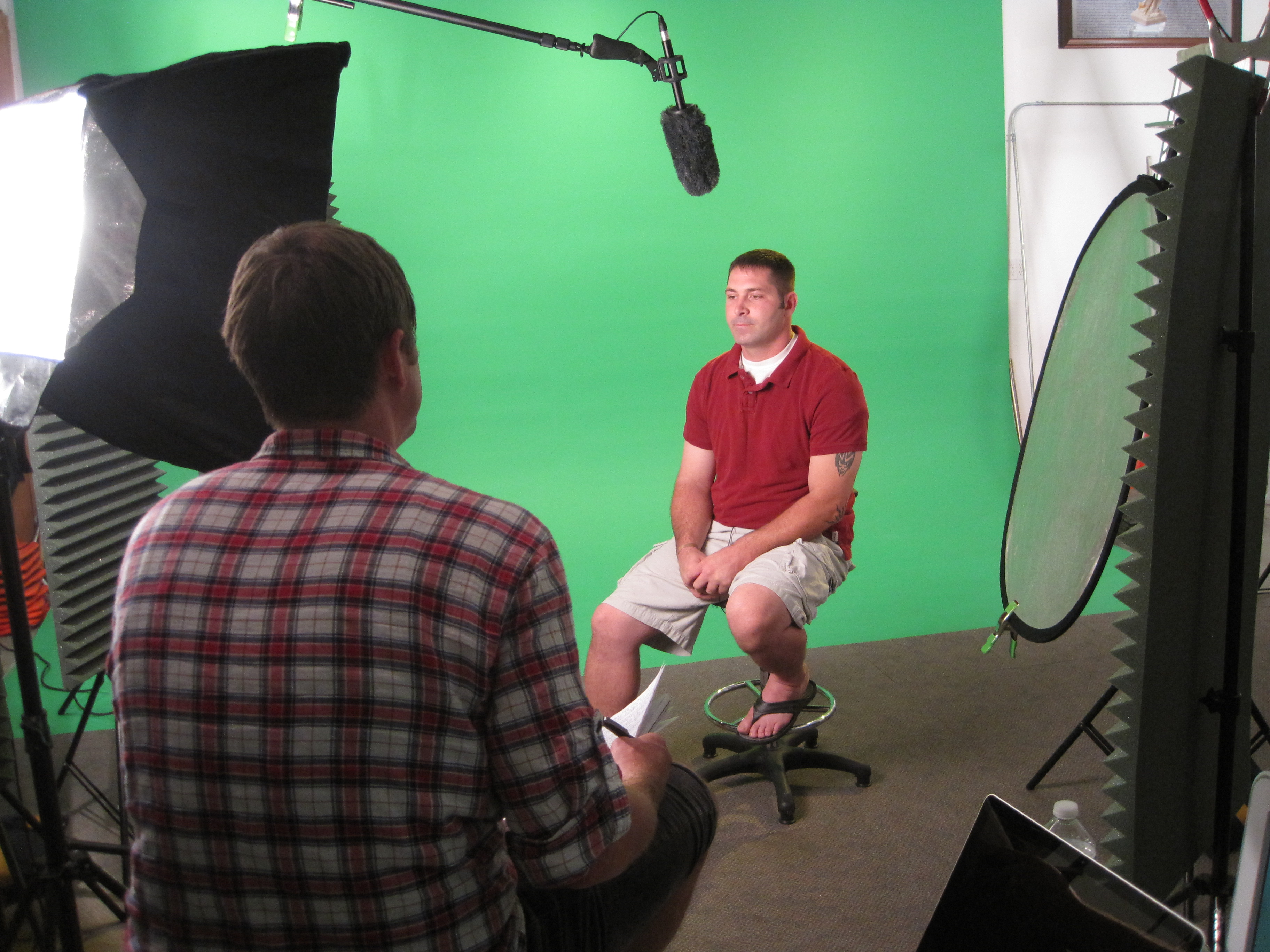

2) Interview architecture that edits cleanly
Good interview planning prevents long, repetitive edits. It assigns topics to speakers, avoids overlap, and produces soundbites that convert.
3) Location and set control
Cost-efficient doesn’t mean “anywhere.” It means choosing spaces that reduce:
- ambient noise
- poor acoustics
- foot traffic interruptions
- lighting inconsistencies
- power and staging problems
When you control variables, you reduce time-on-set and reduce post fixes.
Studio vs. location: pick control when you need consistency
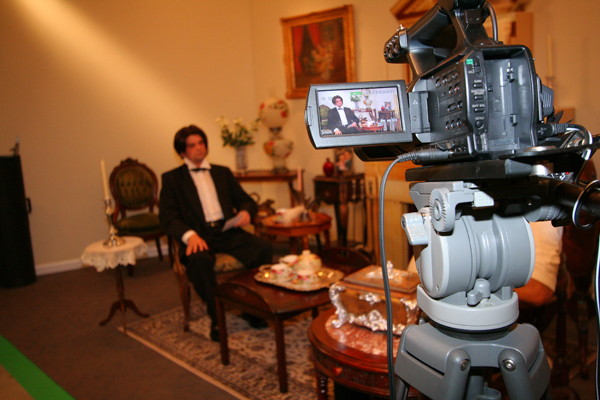
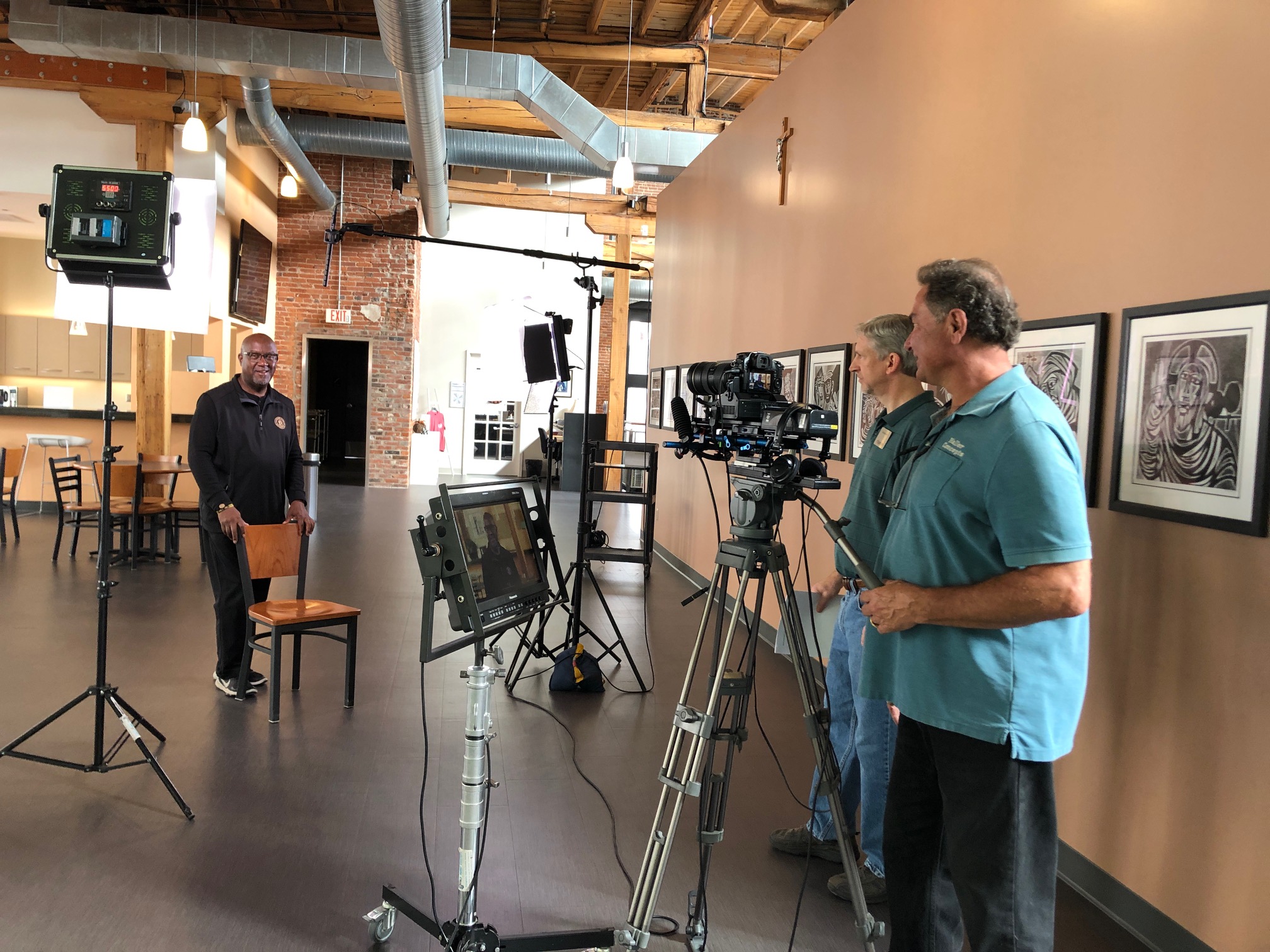
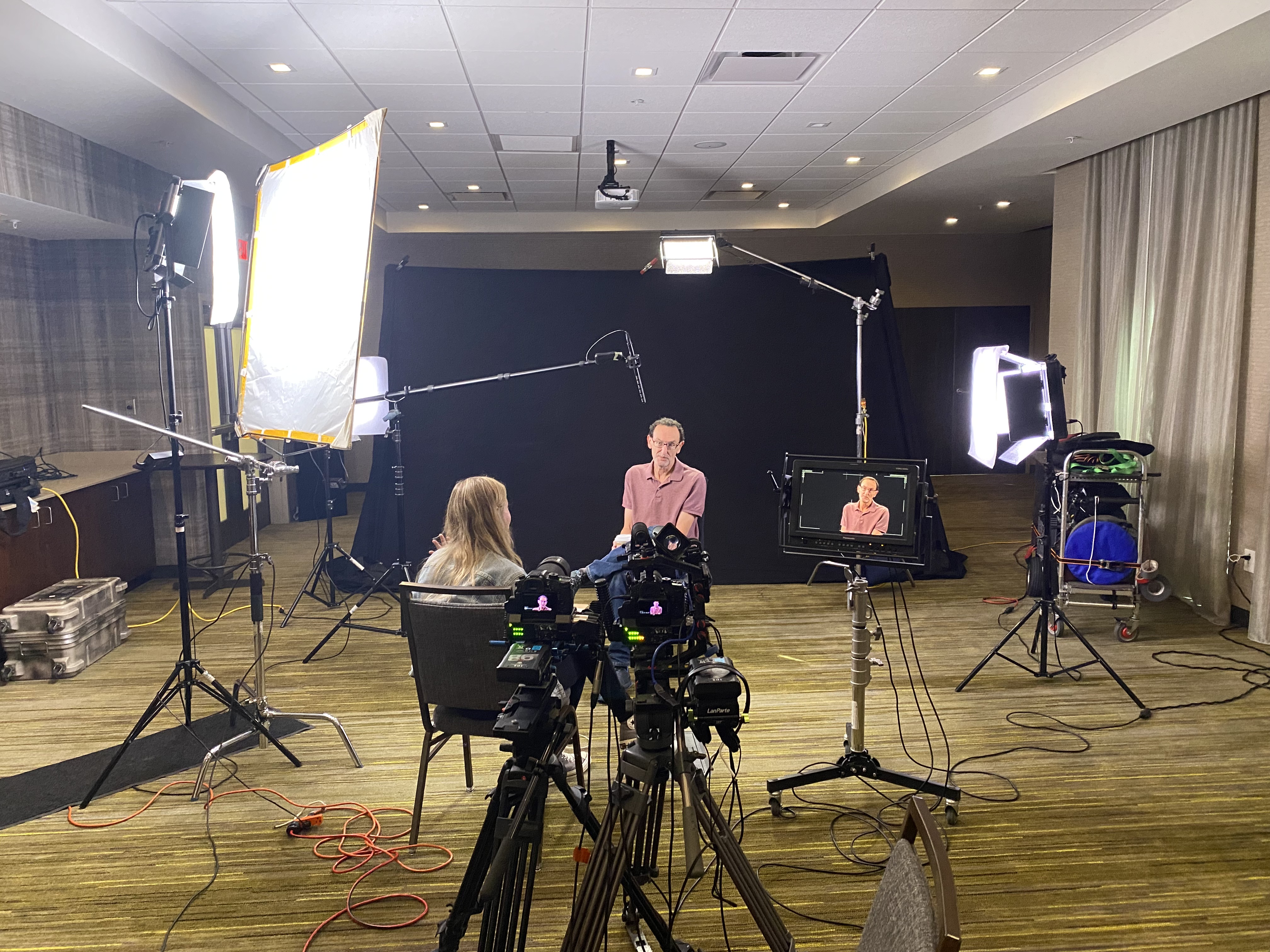
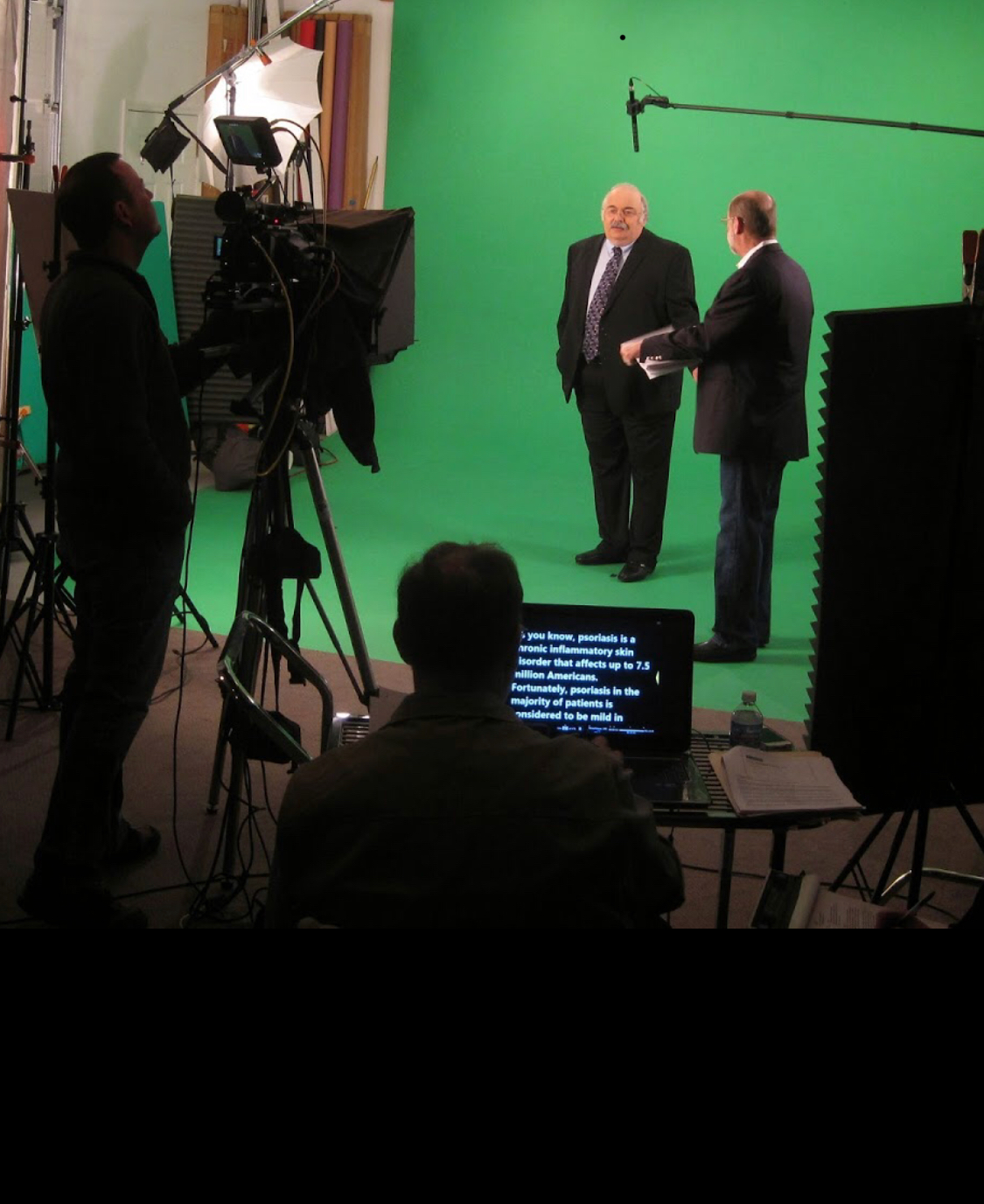
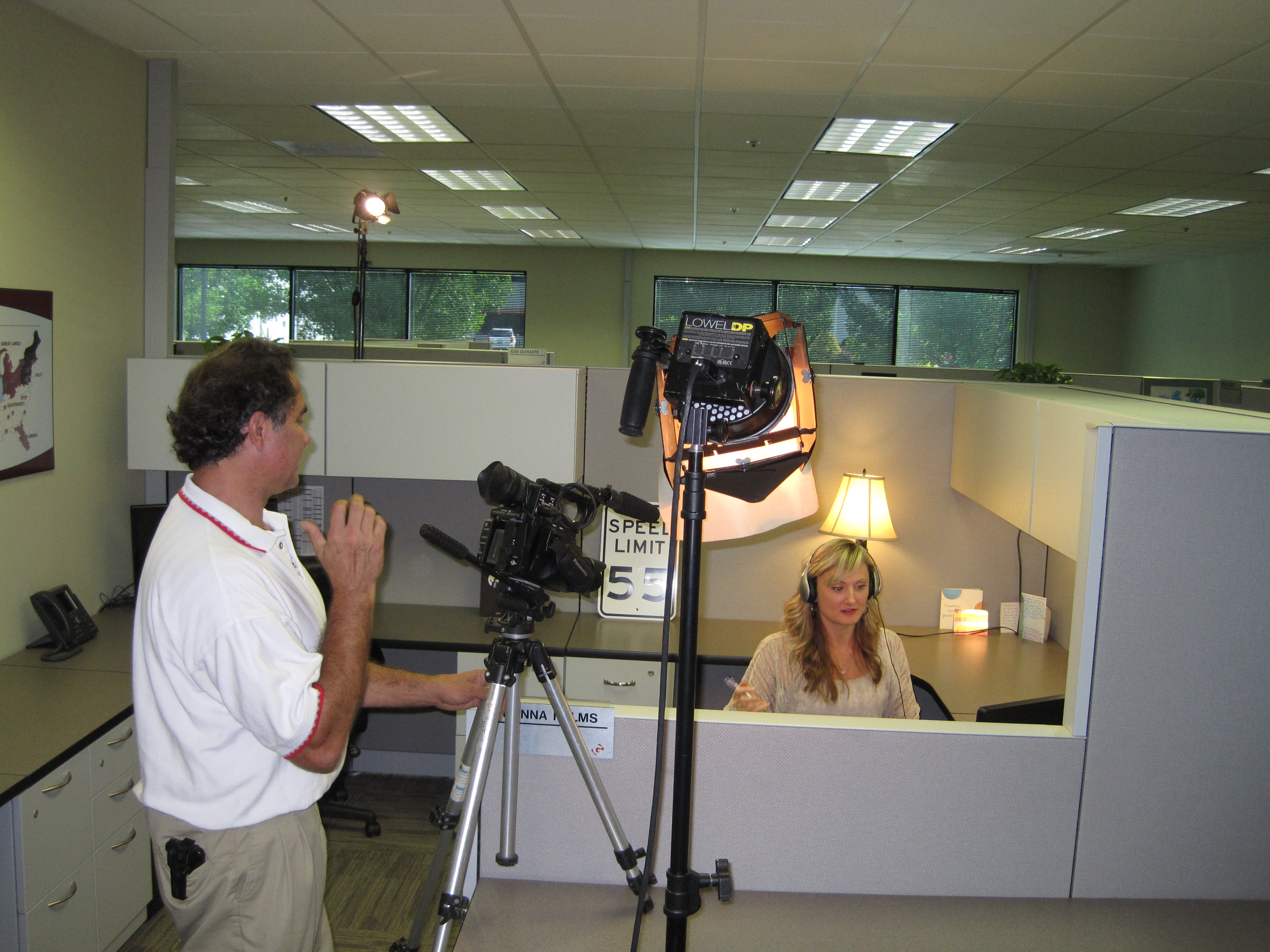
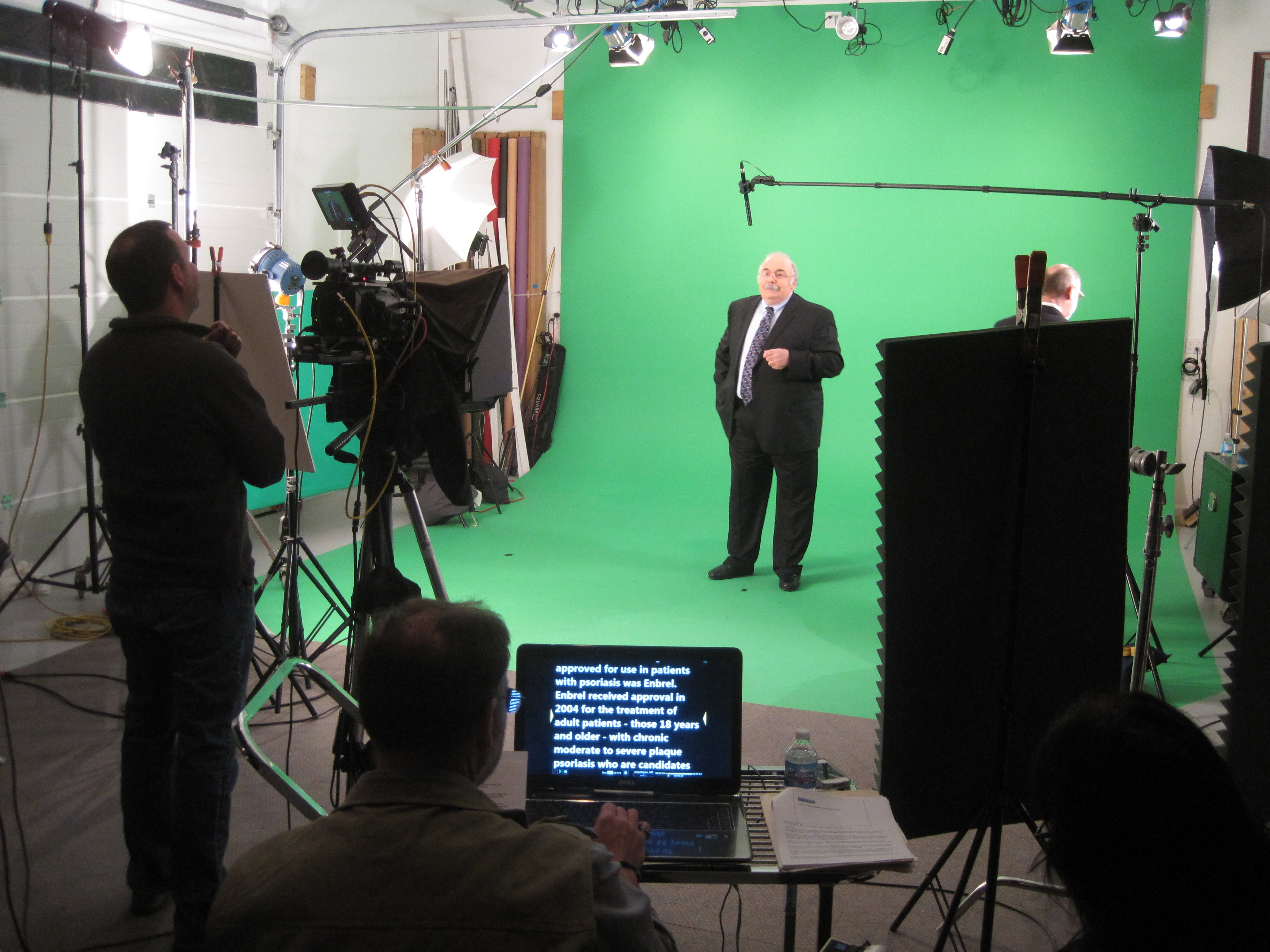
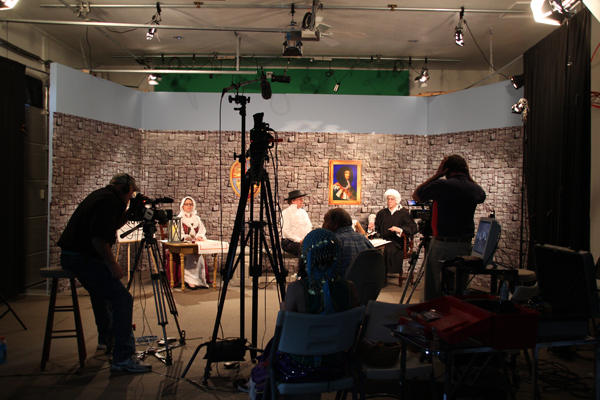
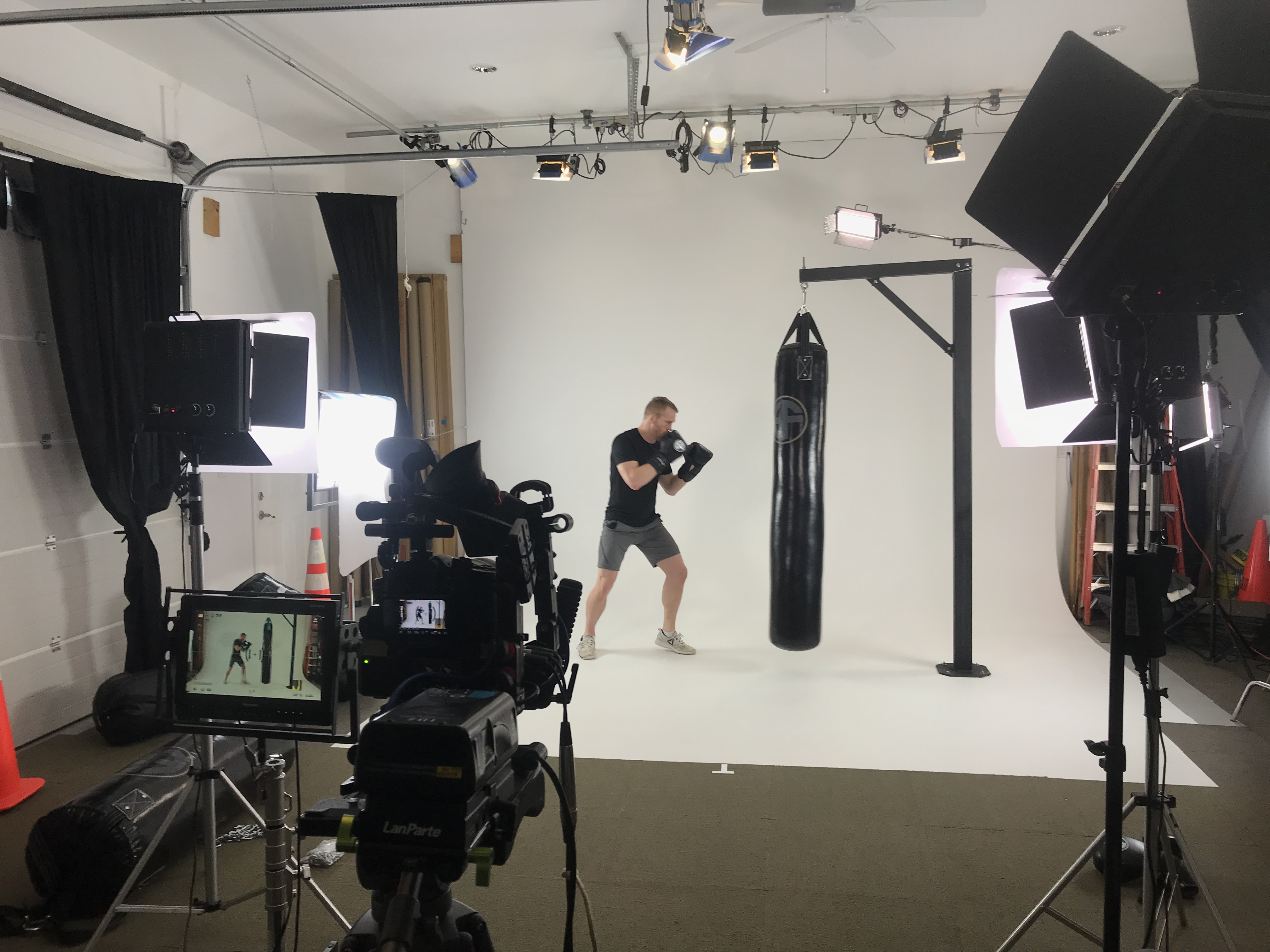
A cost-efficient studio environment typically wins when you’re producing:
- executive messaging
- testimonials
- recruiting and culture features
- training and internal comms
- product or service explainers
- repeated content series (monthly/quarterly)
Studios are cost-efficient because they:
- shorten setup time
- stabilize lighting and sound
- enable batch production (multiple interviews in one day)
- maintain consistent brand look across campaigns
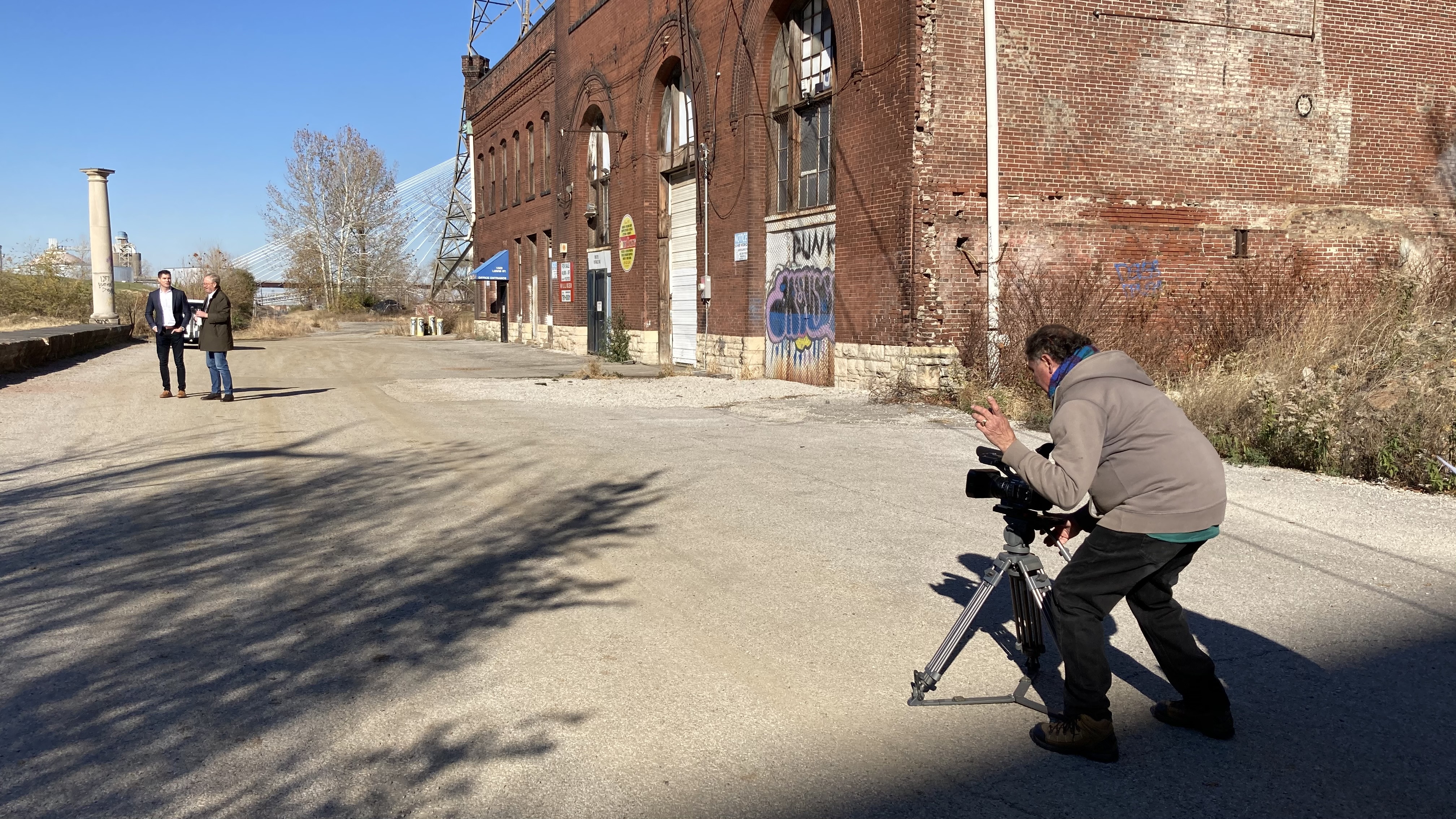
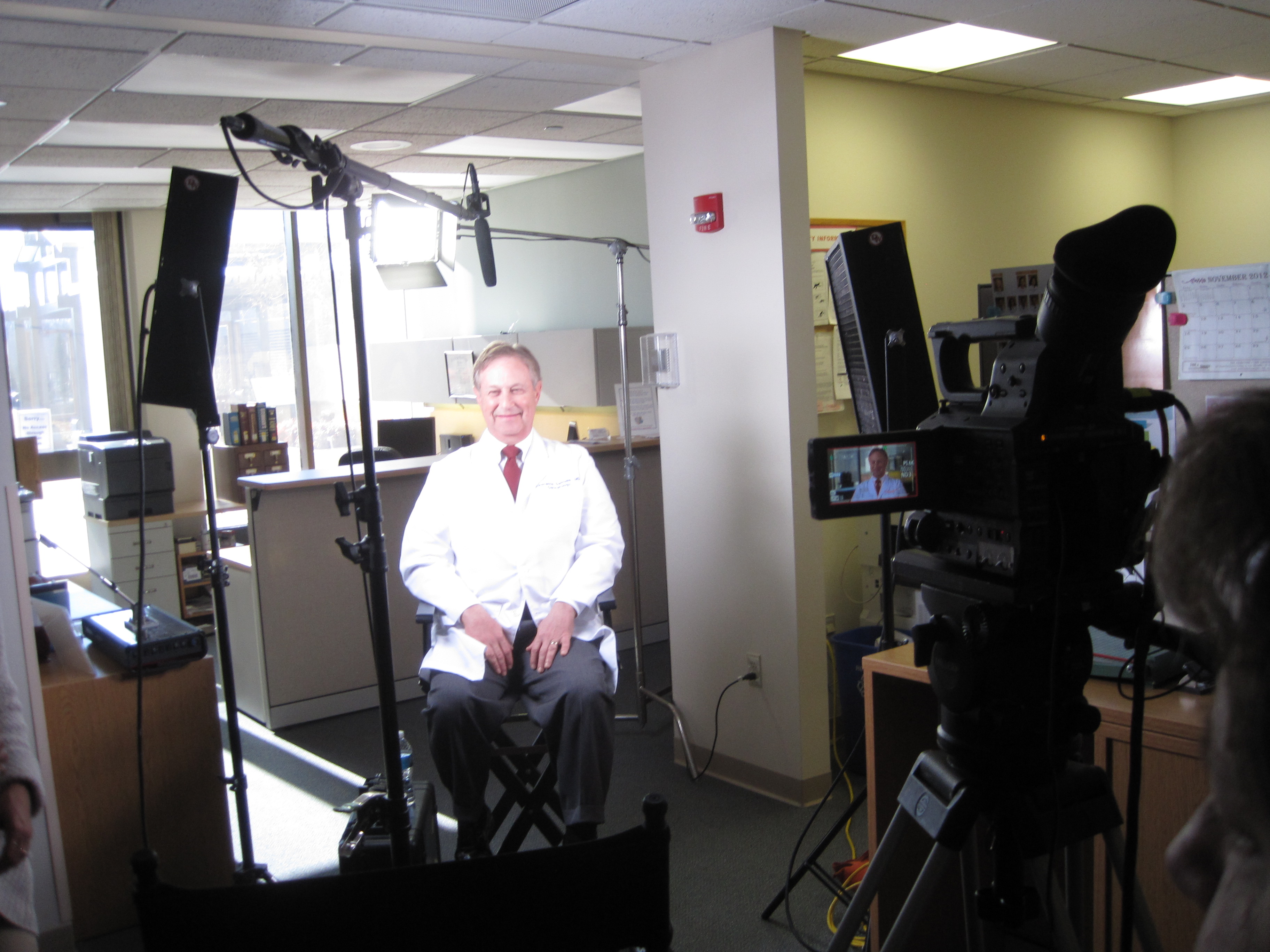
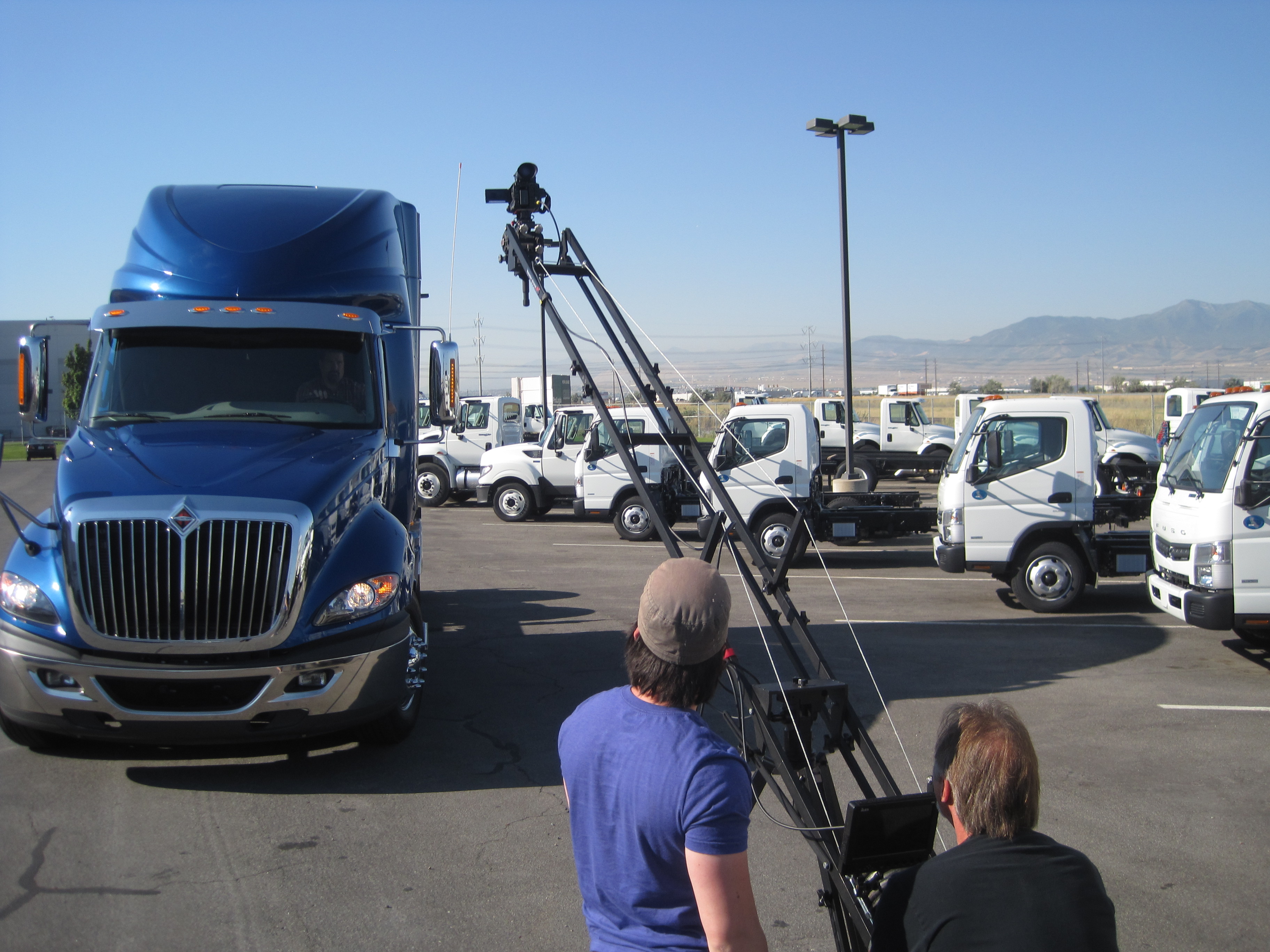
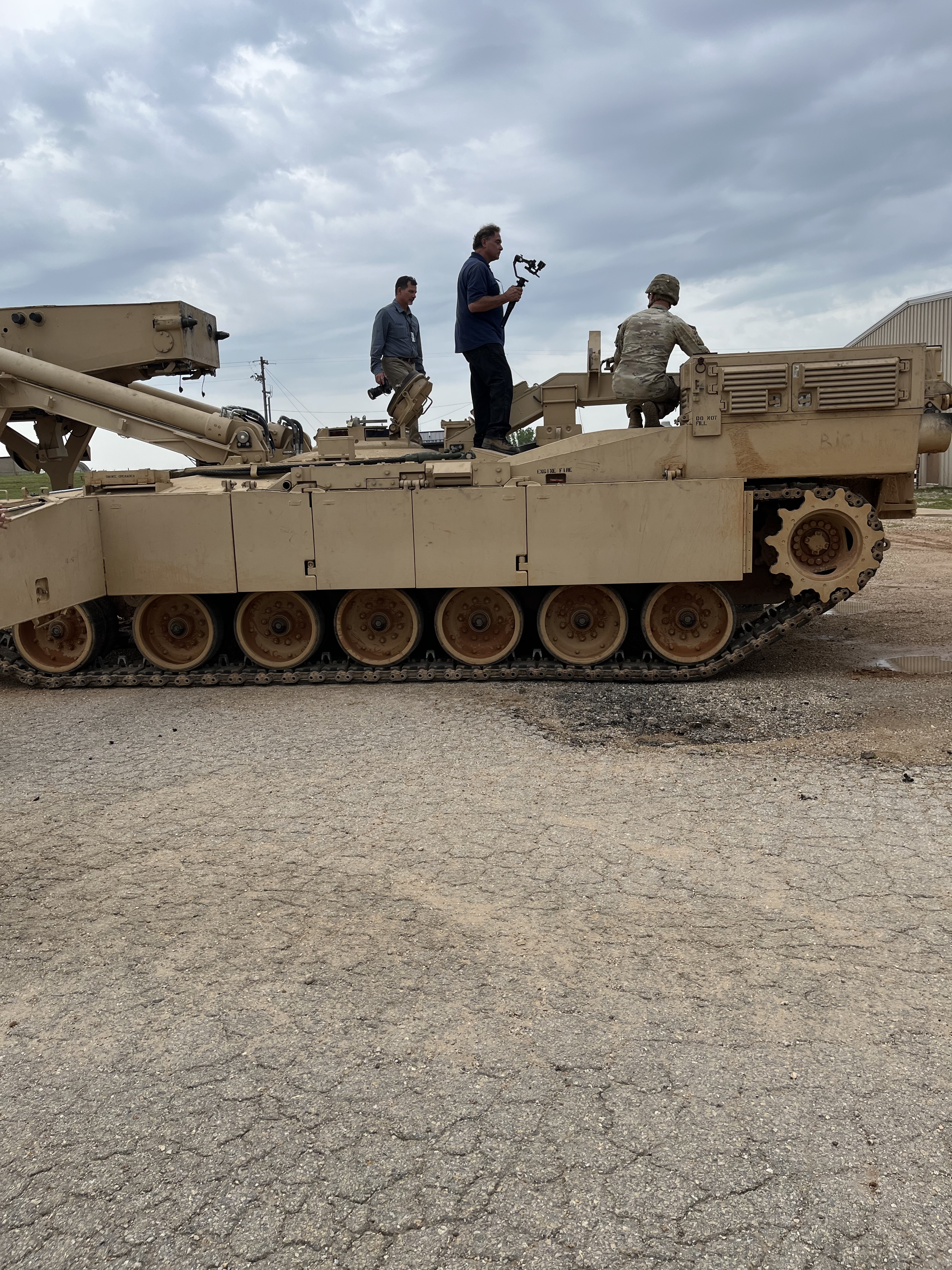
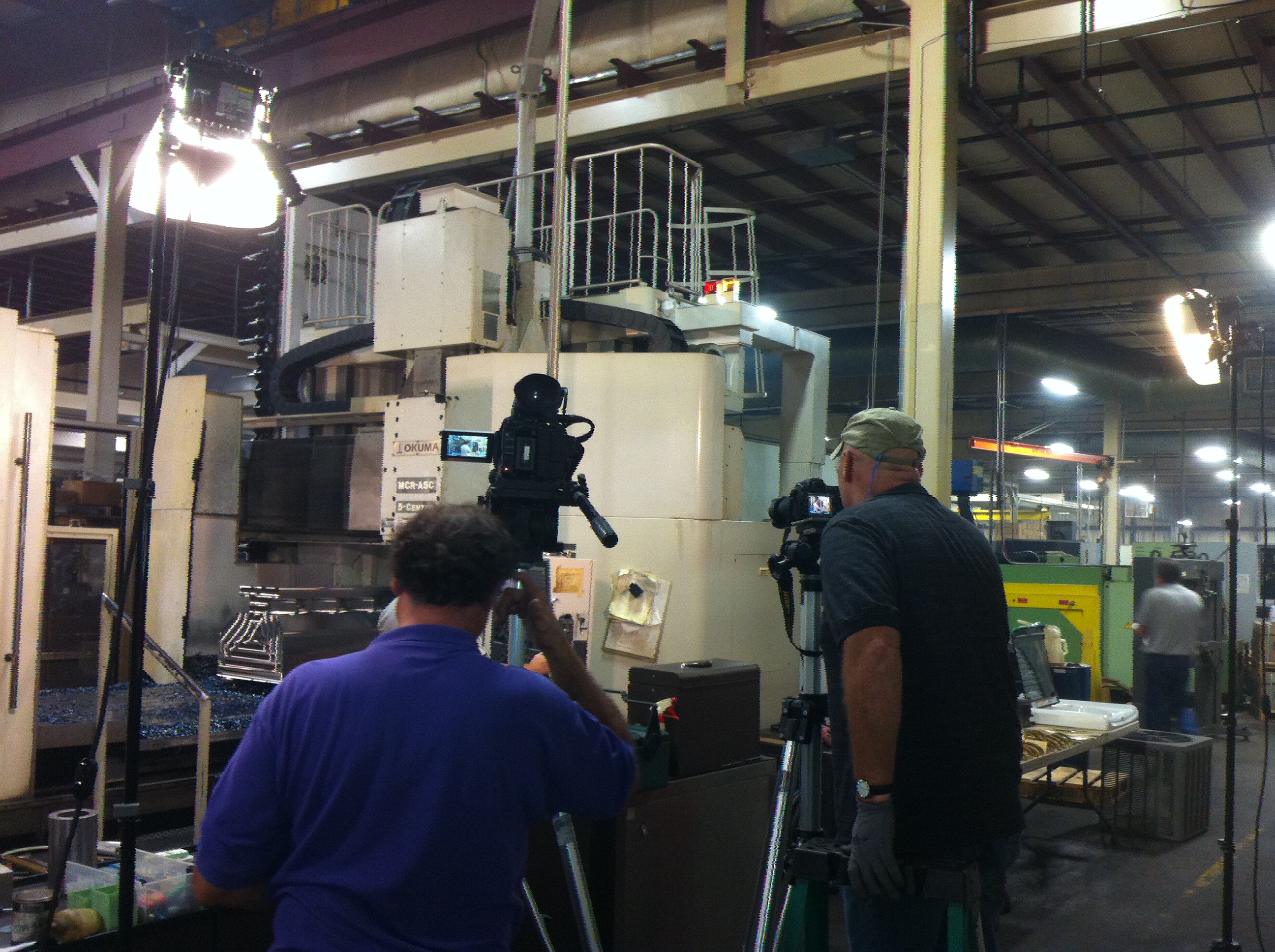
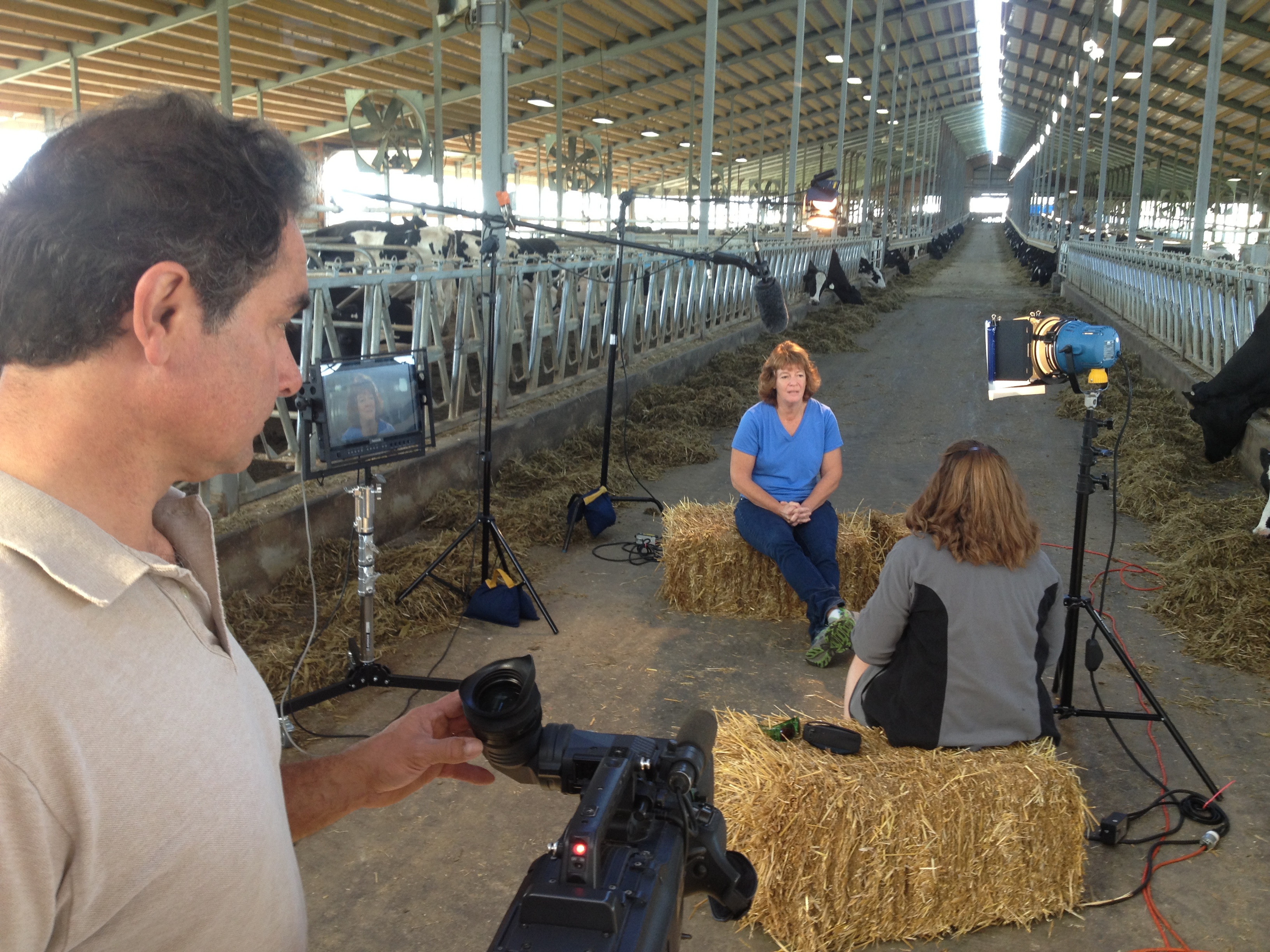
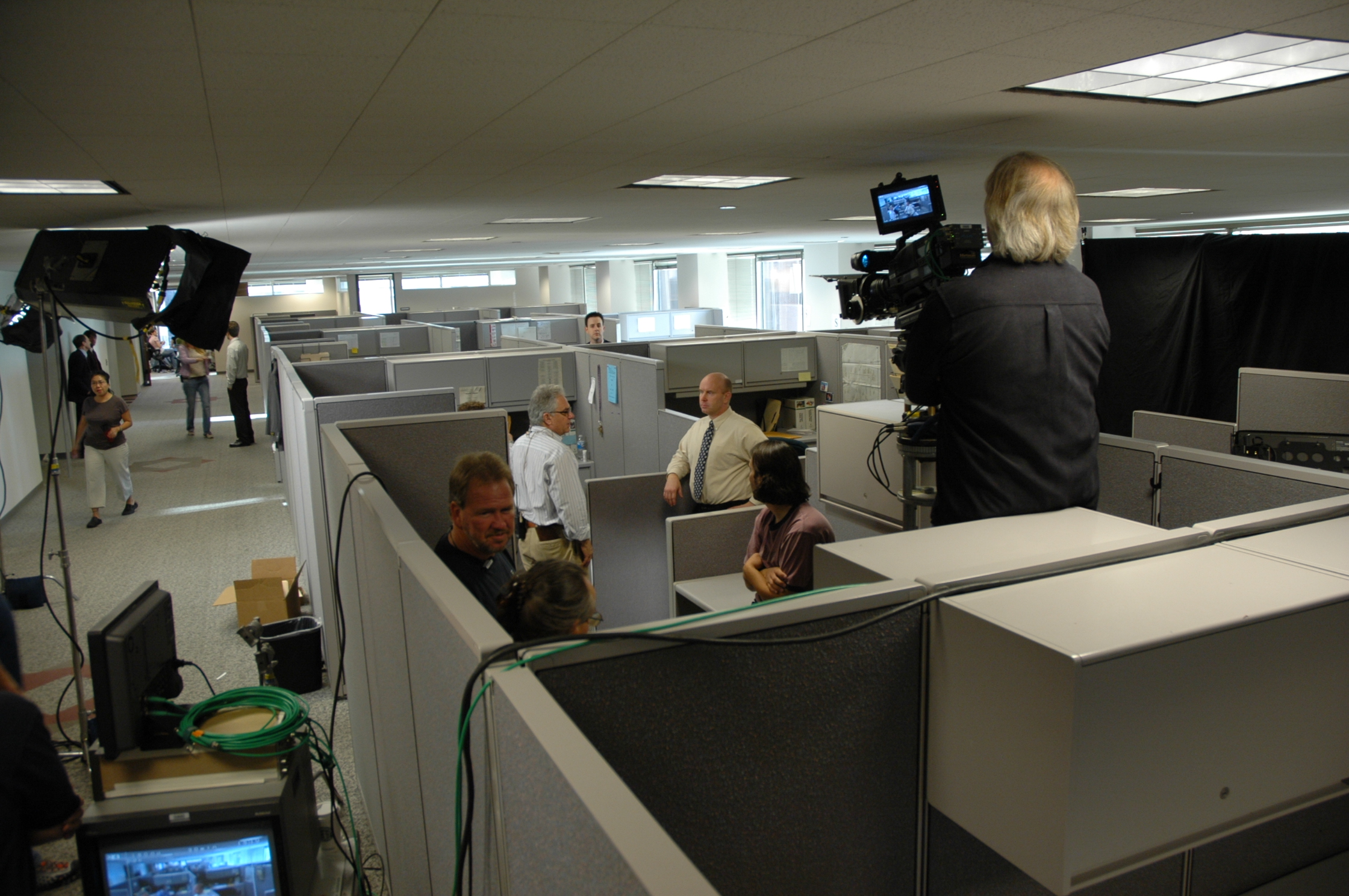
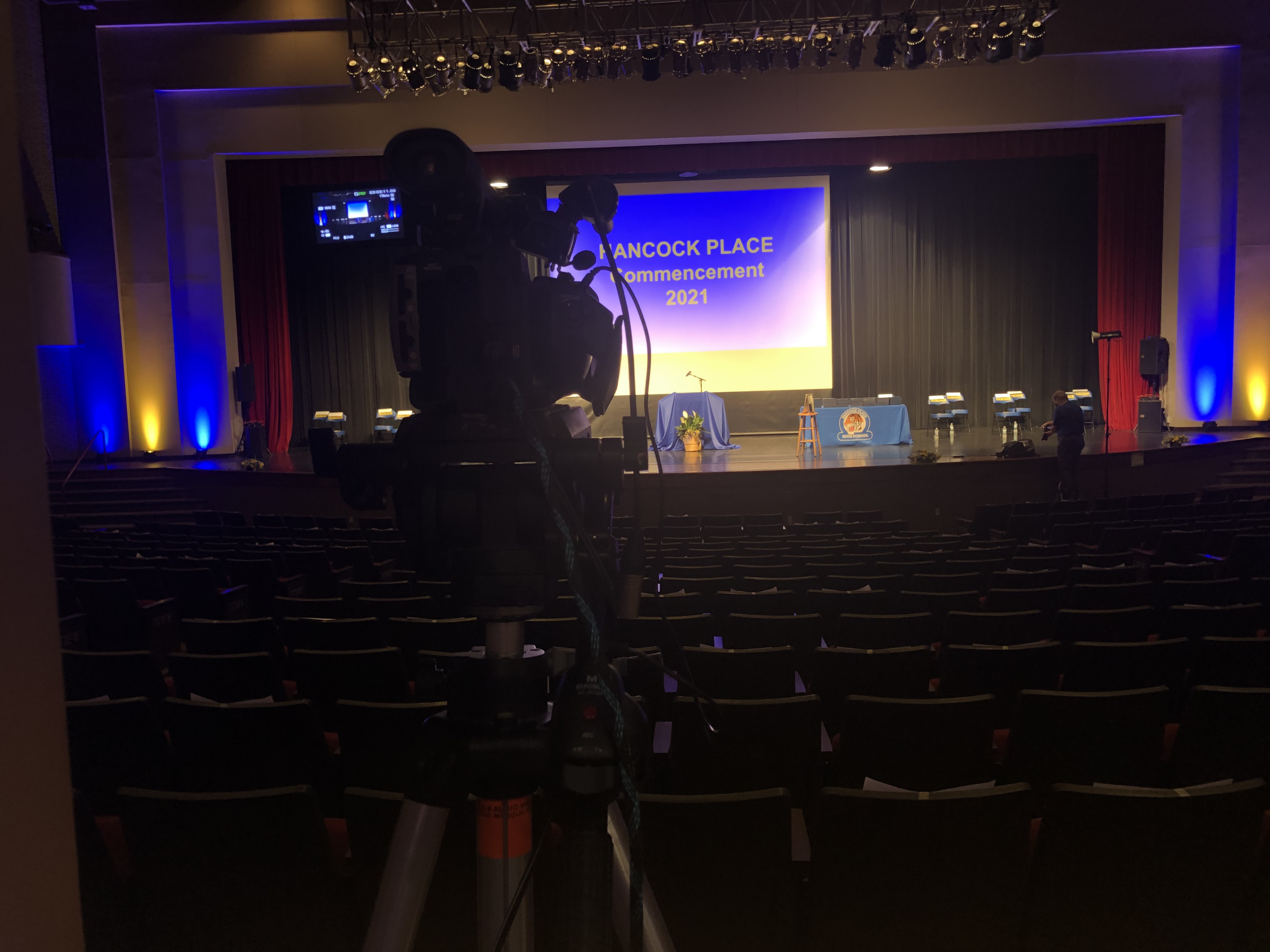
Location production is essential for authenticity and proof (operations, scale, real-world context). The efficient strategy is often hybrid:
- studio for messaging and interviews
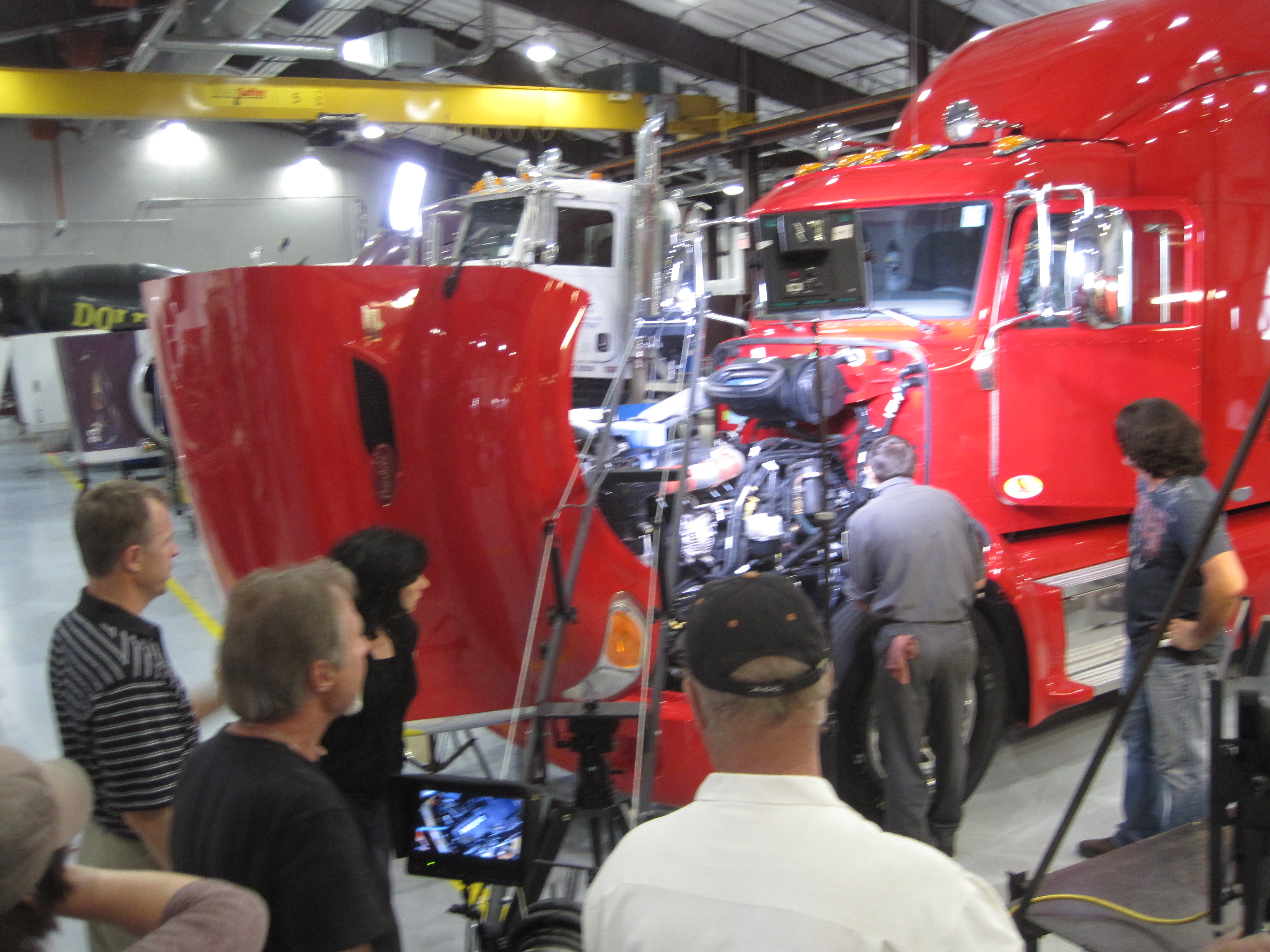
- location for targeted b-roll and environment shots
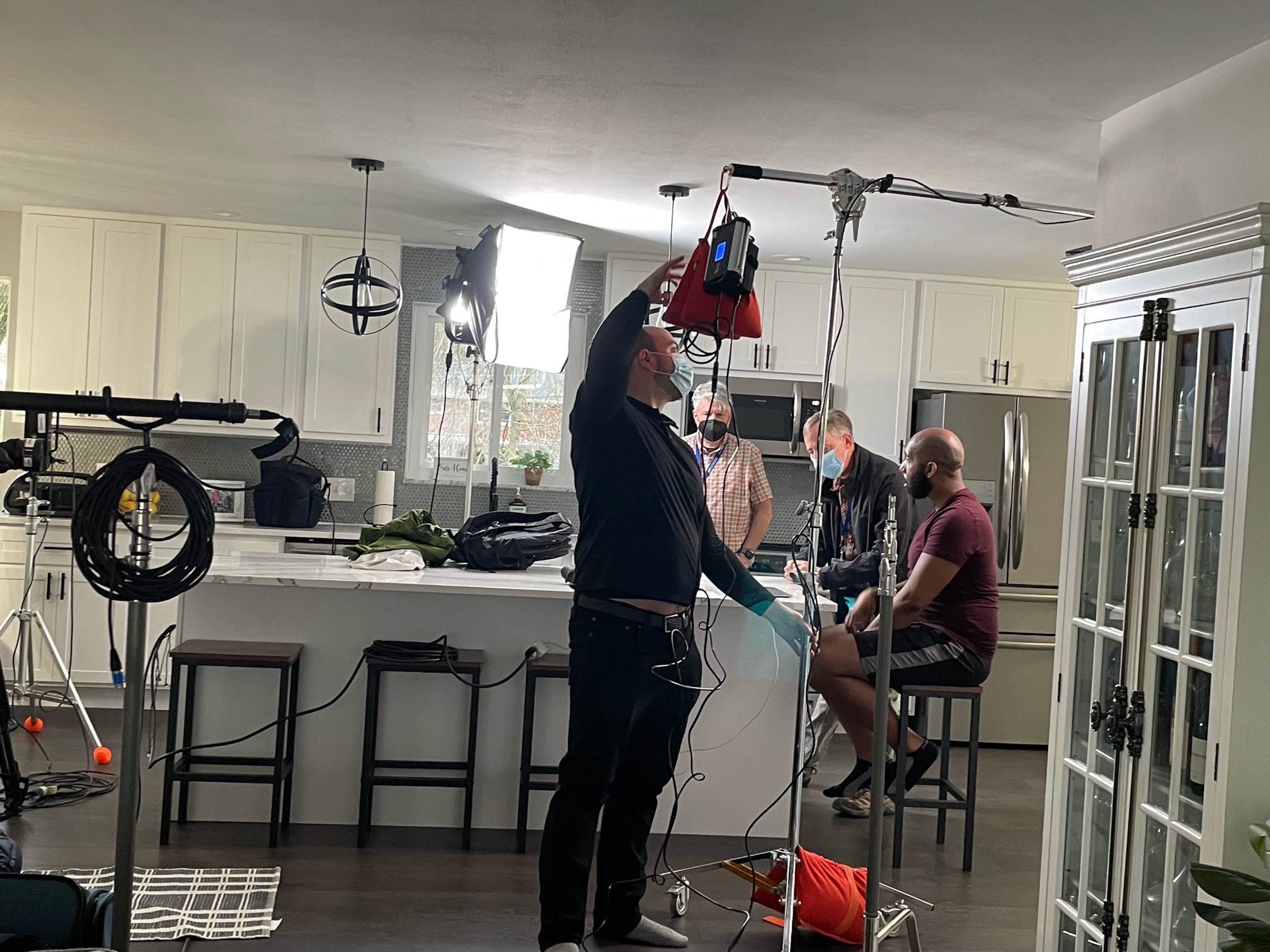
Lighting: the fastest way to make content look expensive (without spending like it)
Lighting is not a “nice-to-have.” It’s one of the strongest determinants of perceived quality.
Cost-efficient lighting setups:
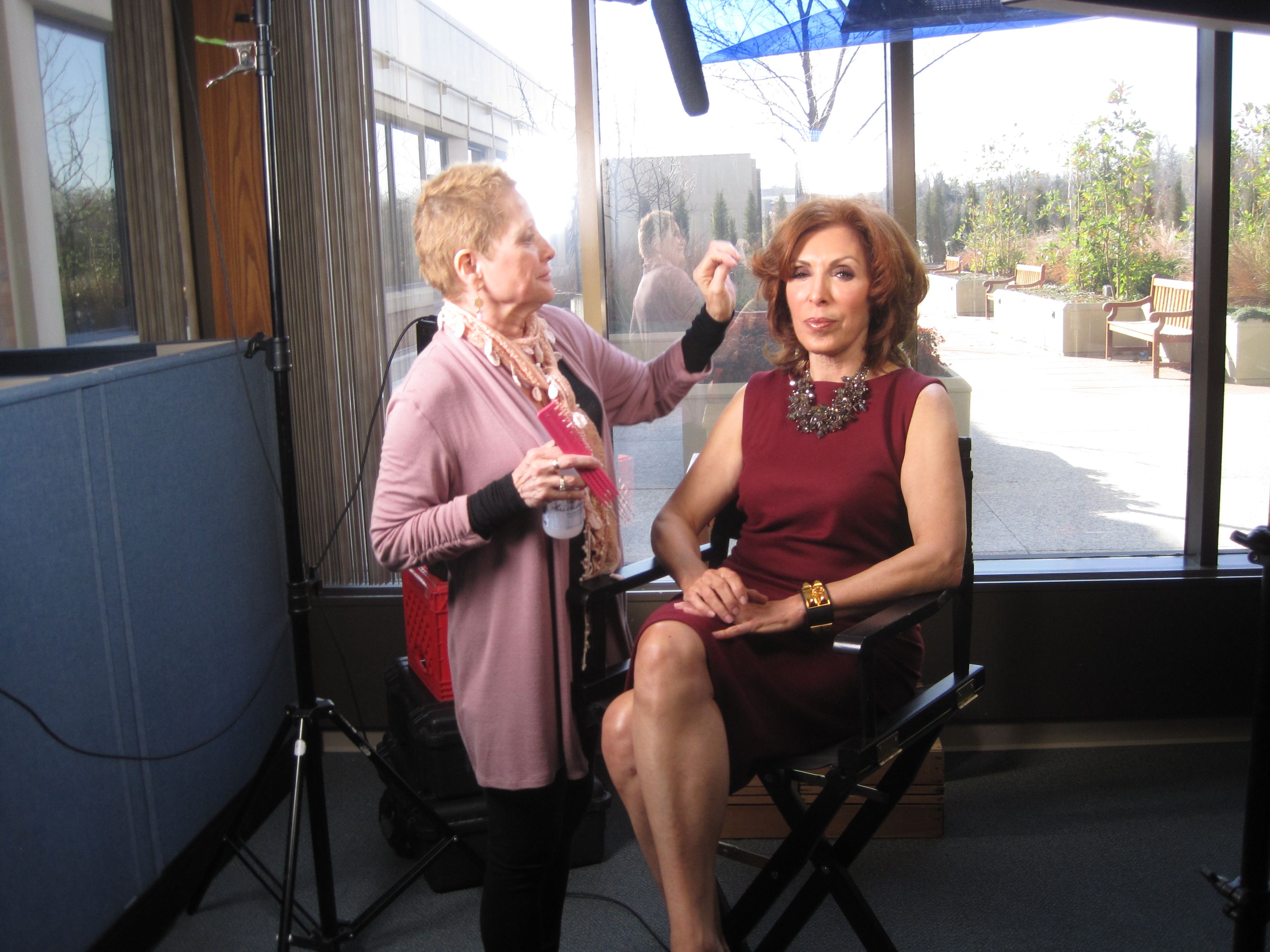
- shape faces and reduce retouching time
- create depth and separation (premium feel)
- keep continuity across multiple shoot days
- reduce time spent “fixing” in color



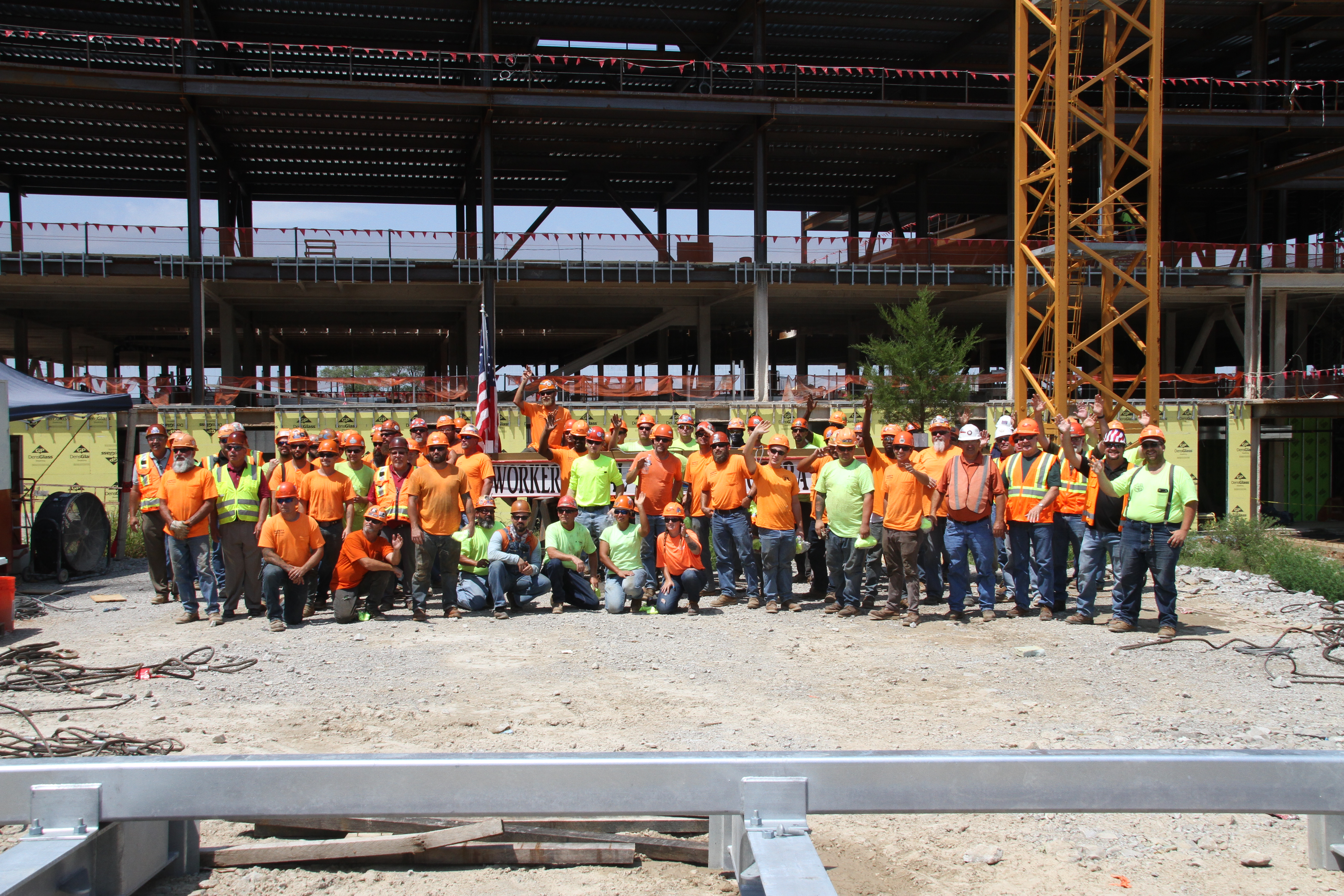
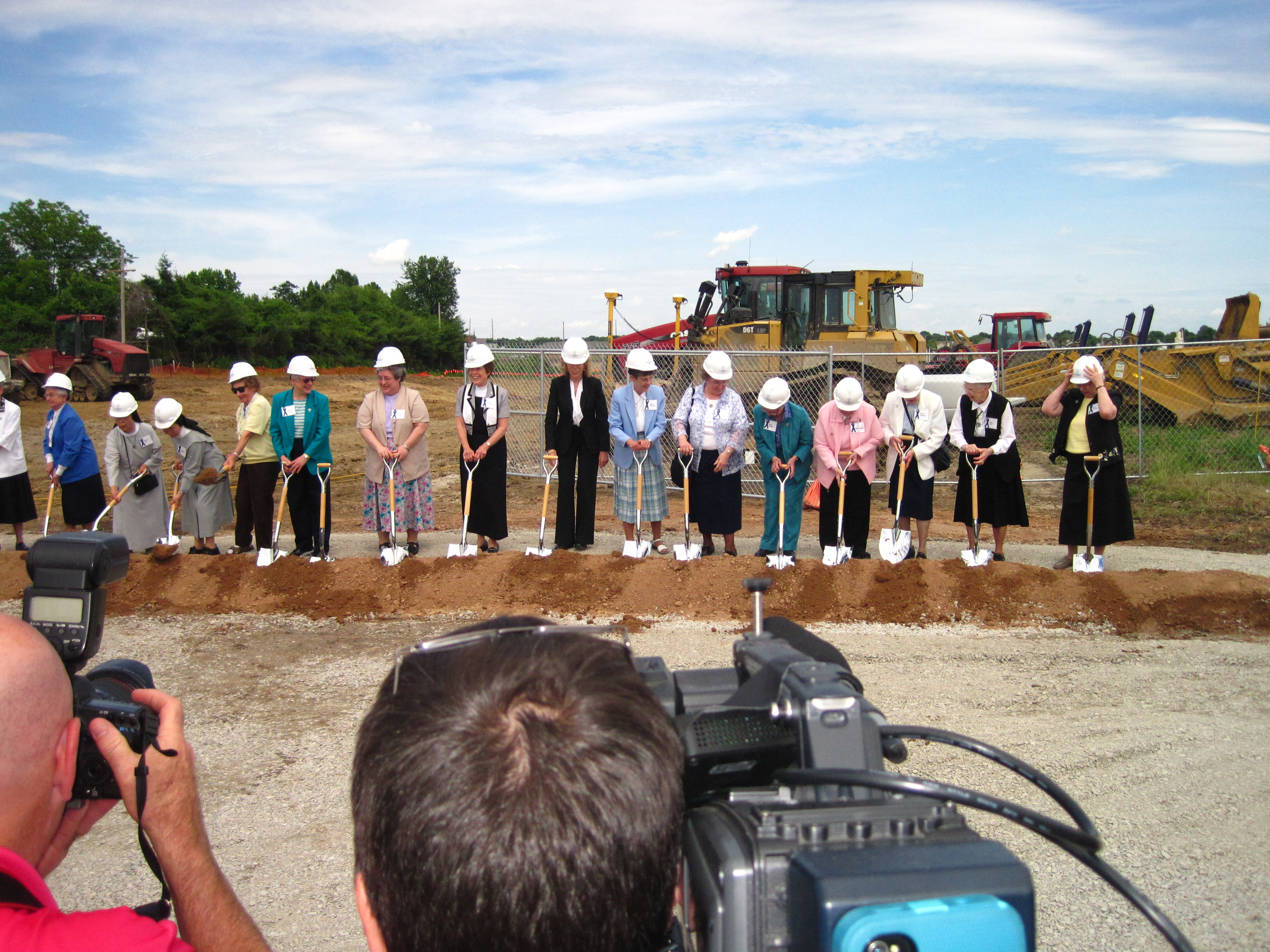
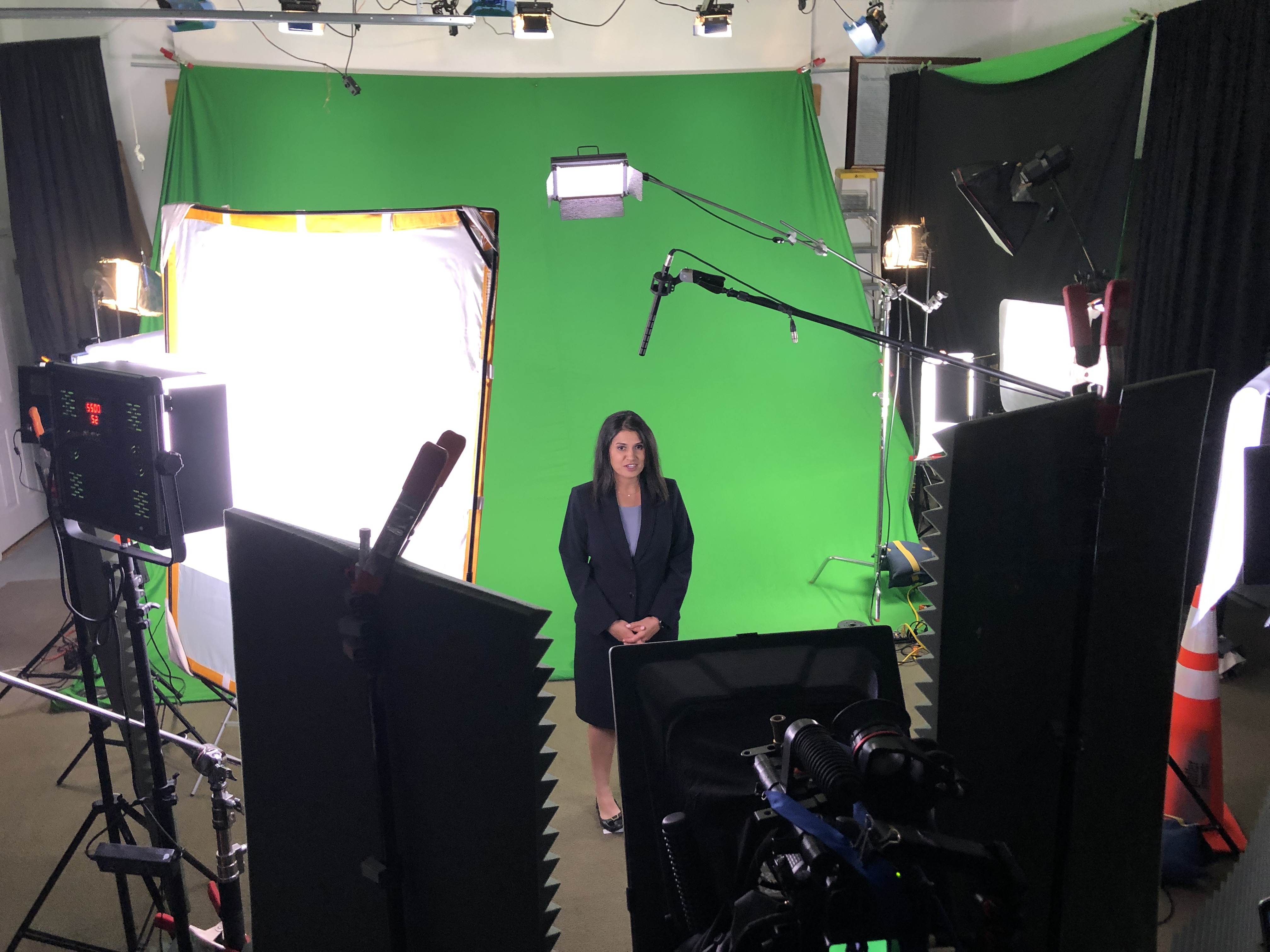
A studio built for controlled lighting is one of the most practical advantages you can buy—because it protects time and produces repeatable brand visuals.
Audio: the most common production failure—and the least economical to fix later
If your content includes people speaking, audio is the product.
Bad audio drives costs through:
- longer edit hours
- attempts at repair (often limited)
- re-recording or pickups
- slower approvals because stakeholders “feel” it’s amateur
Cost-efficient production treats audio with intent:
- proper mic strategy (and redundancy)
- controlled environments
- clean recording levels
- proactive noise management
This is one of the simplest ways to keep budgets predictable.




Post-production is where cost-efficient studios separate themselves
If production is the acquisition, post is where you either:
- deliver a clean set of platform-ready assets quickly, or
- bleed time in endless revisions and “can we also…” requests.
Cost-efficient post-production is a structured workflow:
Milestones that keep reviews tight
- story outline / edit plan
- assembly cut
- fine cut
- color + audio polish
- versions (lengths, ratios, captions)
- final exports and handoff
Feedback consolidation
One owner. One channel. One set of notes per round. That alone can cut revision time dramatically.
Versioning and packaging
Efficiency comes from templates, consistent motion design, predictable export specs, and systematic naming conventions—so your team can deploy assets without friction.
Repurposing: the cost-efficient multiplier most teams leave on the table
The easiest way to waste money is to treat each platform like a new project.
Cost-efficient studios plan for repurposing at the shoot level:
- framing that supports horizontal and vertical crops
- intentional “headline lines” and micro soundbites
- capture of transitions, inserts, and clean action loops
- b-roll that matches what’s being said (editable proof)
- still frames designed for web and sales decks
One well-planned shoot can fuel:
- your website refresh
- paid campaigns
- sales enablement
- recruiting
- internal comms
- trade show playback
- email marketing
That’s cost efficiency: more usable outputs per production day.
AI: speed gains are real—when applied to the right tasks
AI can meaningfully improve cost efficiency in production when used to accelerate work you already need to do, such as:
- faster transcript-based selects and story assembly
- quick caption creation and formatting
- rapid versioning for different audiences or platforms
- search and retrieval across archived footage
- targeted cleanup workflows (used with discretion)
The smart approach: AI supports the pipeline, while human operators protect messaging, legal risk, and brand tone.
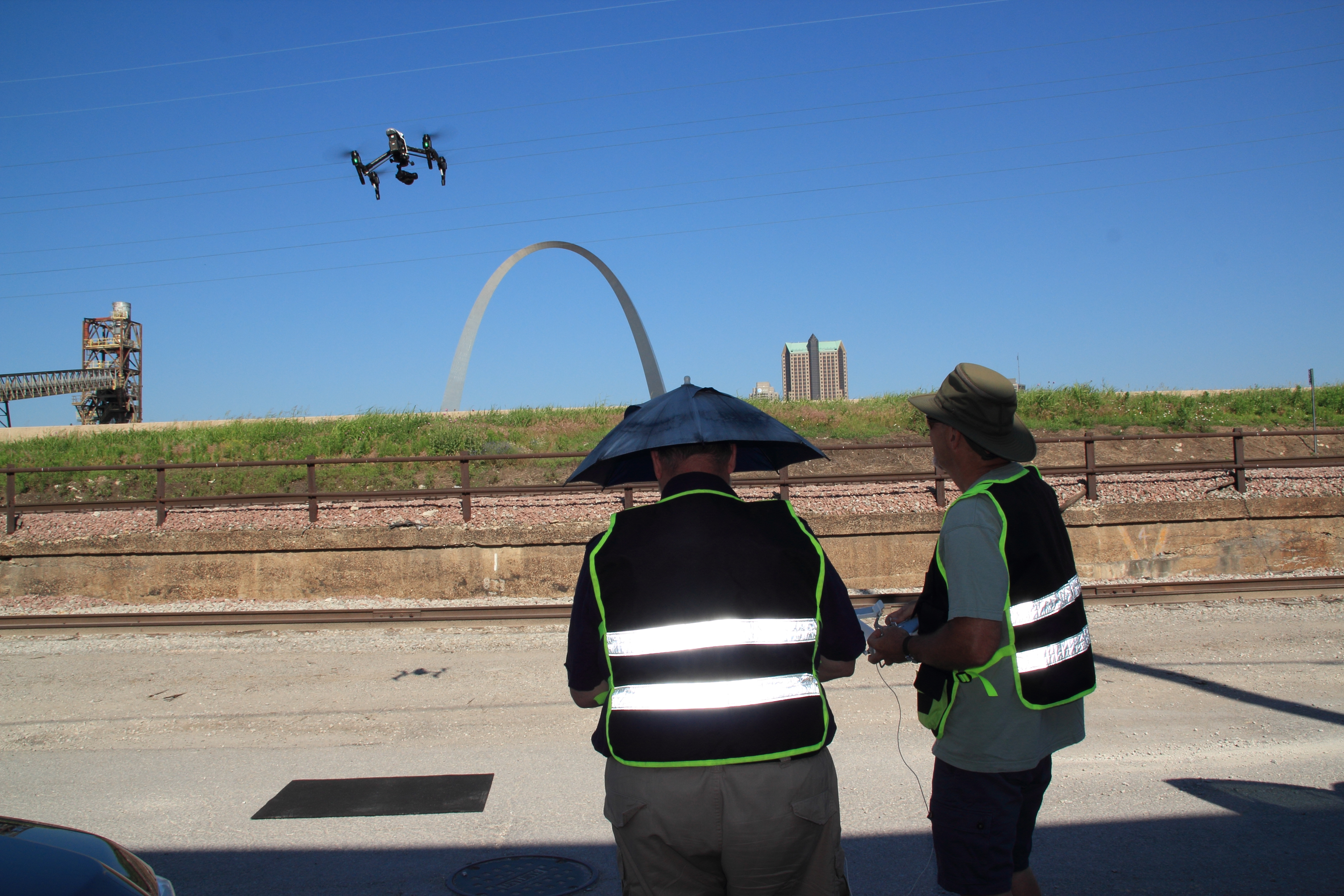
Indoor drones: a production-value upgrade when used with purpose
Indoor drone work can be a cost-efficient way to capture:
- facility walkthroughs
- operational scale
- dynamic transitions
- “movement” shots that would otherwise require more rigging
But it must be planned and executed safely and intentionally. When done right, indoor drone footage can increase production value without inflating production time.
What to ask when evaluating a “cost-efficient” studio partner
If you want predictable outcomes, ask for operational clarity:
- How do you structure pre-production to prevent reshoots?
- What’s your audio plan, and what redundancies do you use?
- How do you design shoots for repurposing across channels?
- What does your review cycle look like, and how is feedback consolidated?
- Can you deliver platform-ready versions (lengths, ratios, captions) as part of the workflow?
- How do you manage files, formats, and handoff for internal teams?
The best studios can answer these questions without hesitation—because they run a system.
Why St Louis Video Production Studio is built for cost-efficient, high-impact content
At St Louis Video Production Studio, cost efficiency isn’t a buzzword—it’s a workflow refined through decades of real-world client demands. As a full-service video and photography production corporation since 1982, we’ve worked with many businesses, marketing firms, and creative agencies throughout the St. Louis area, delivering marketing photography and video built for performance, consistency, and reuse.
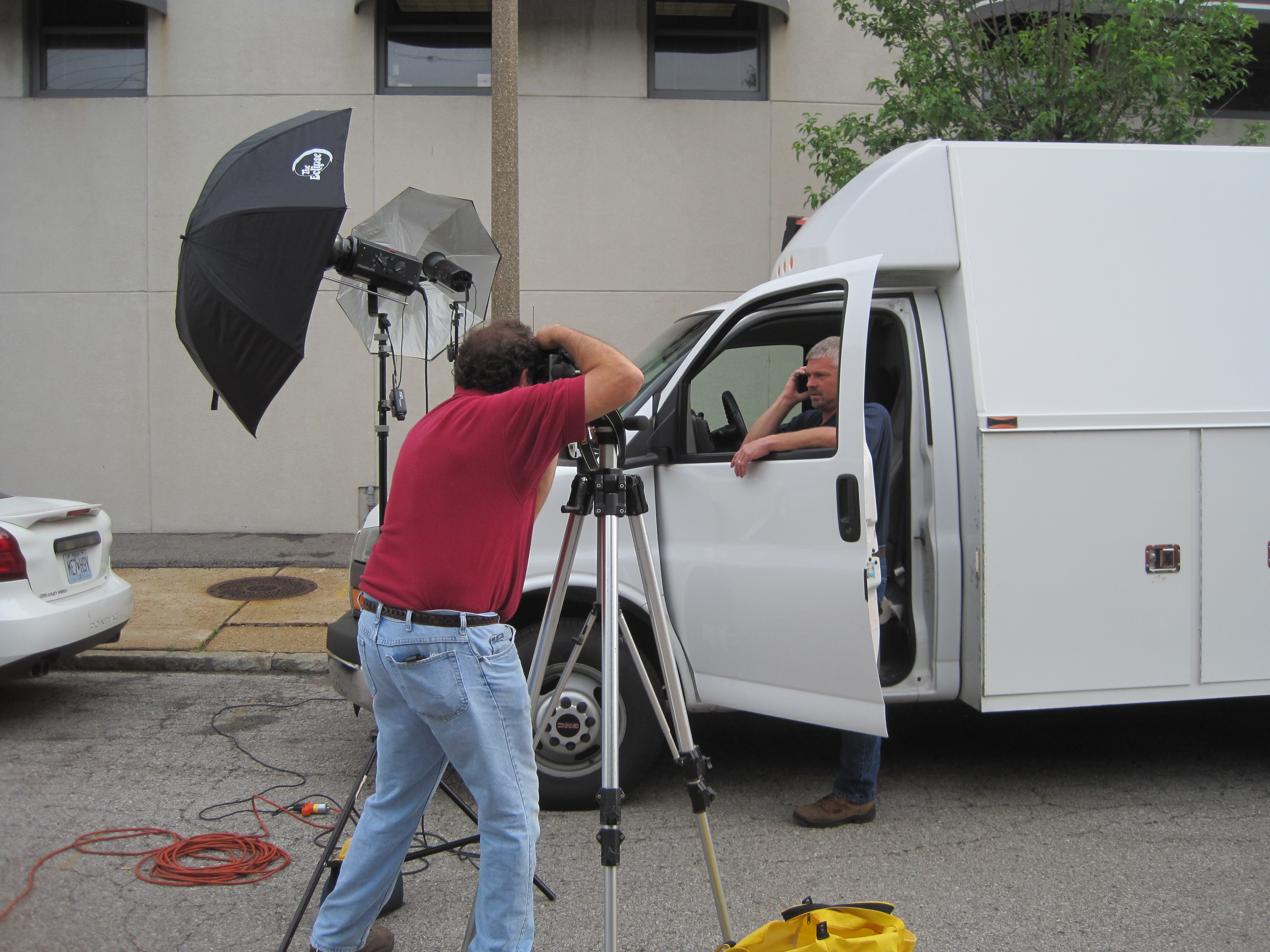
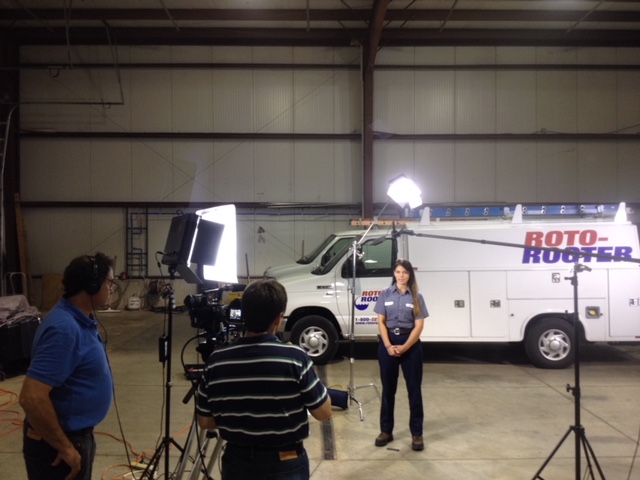
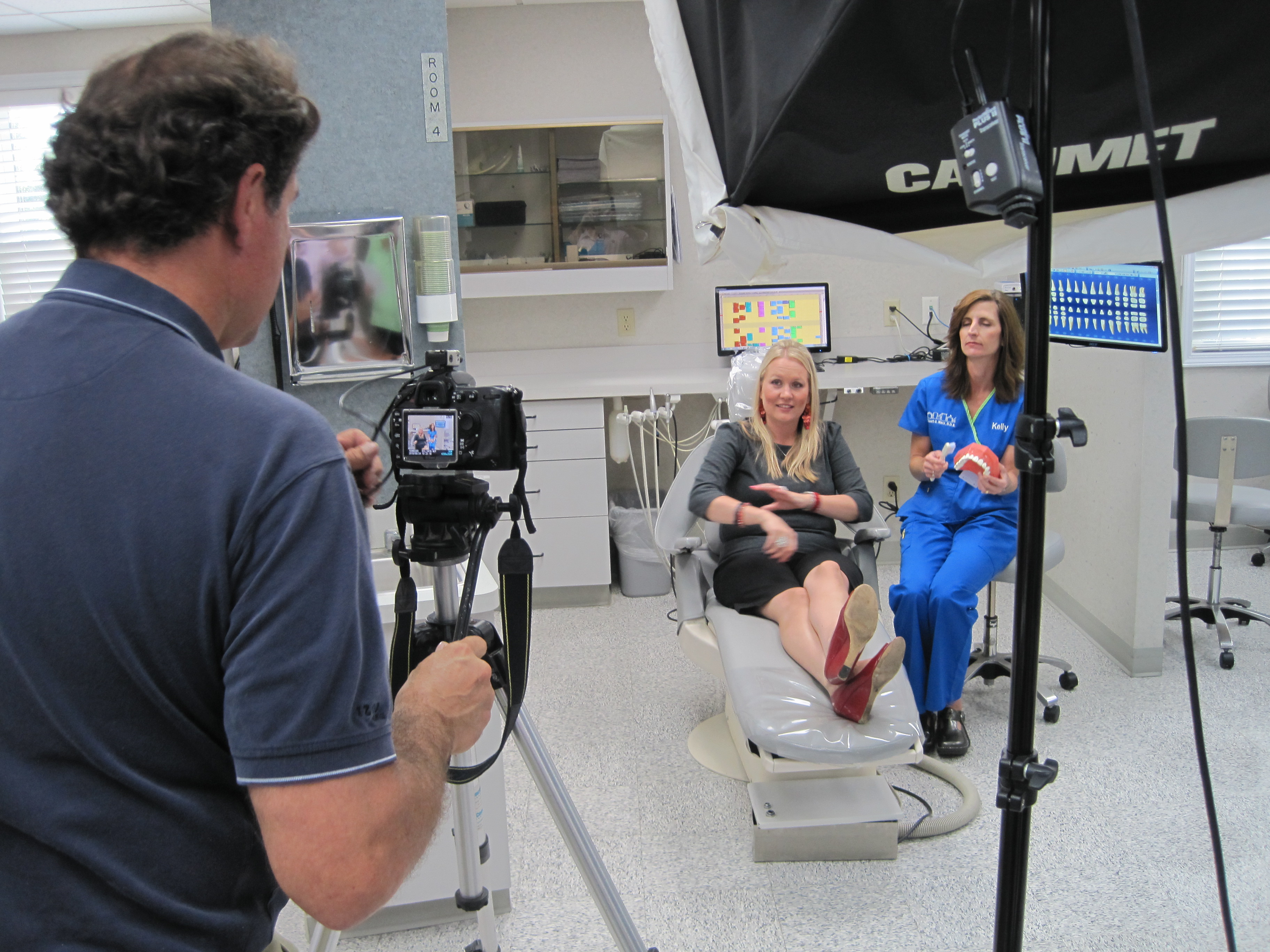
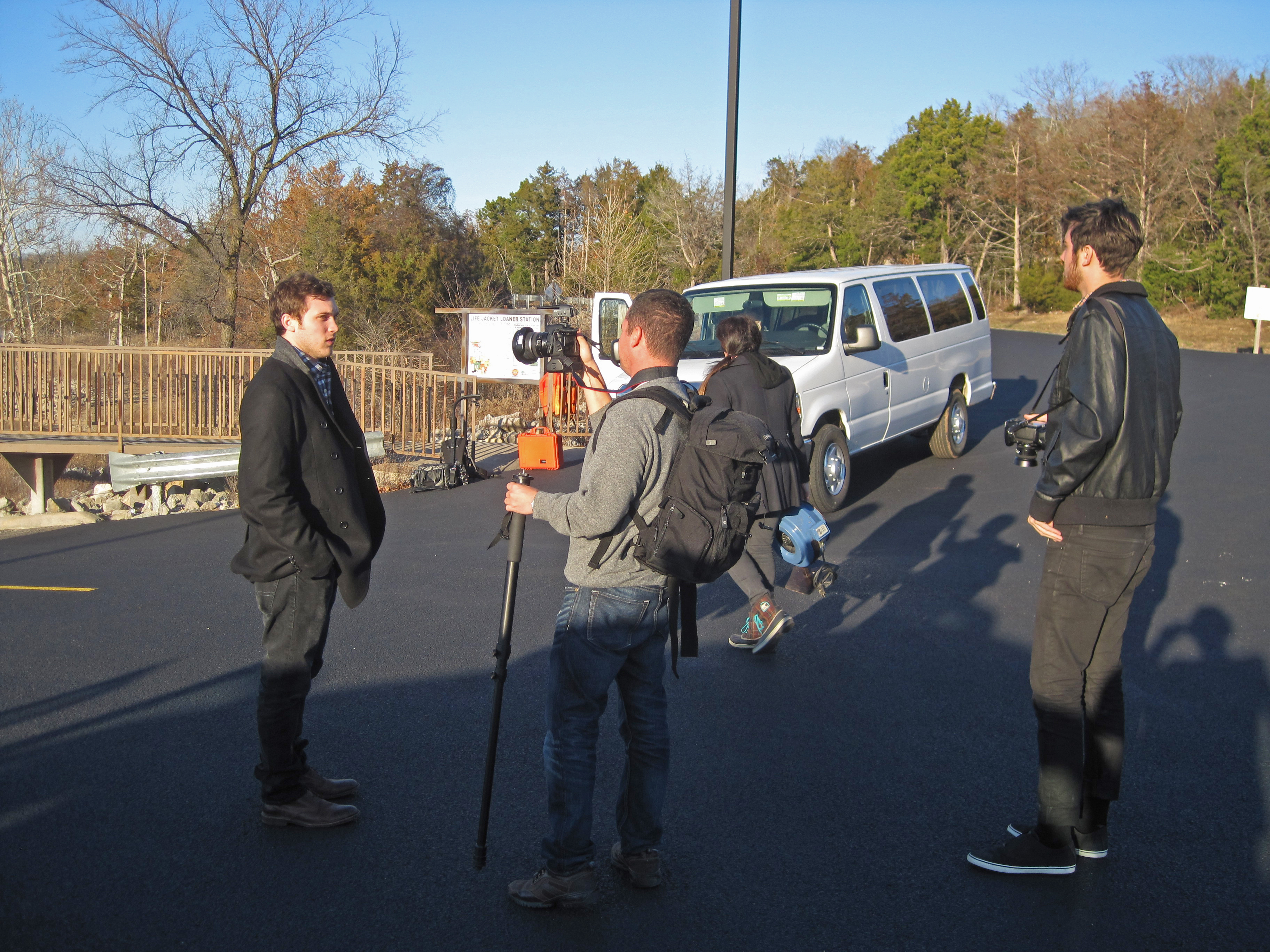
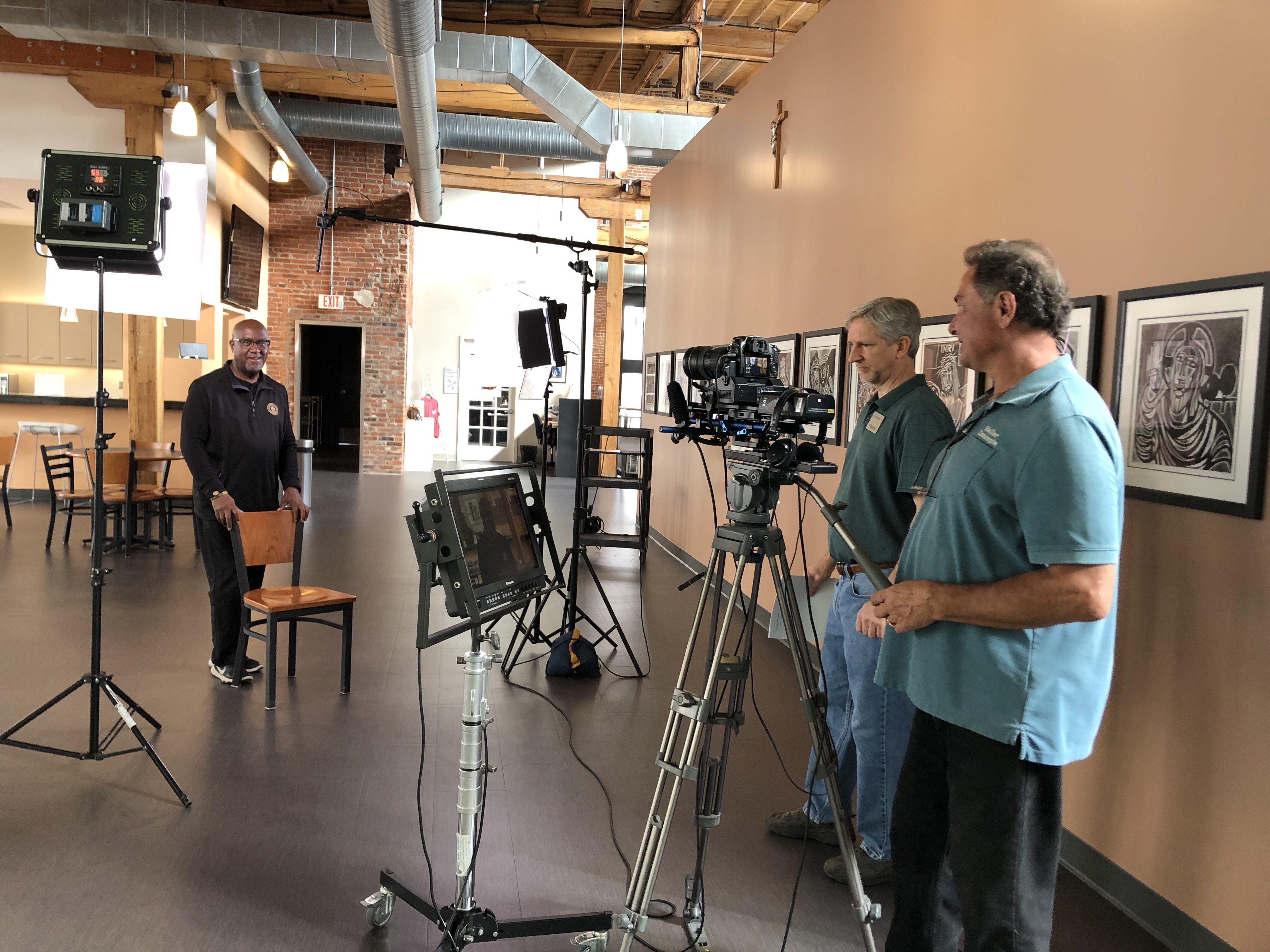
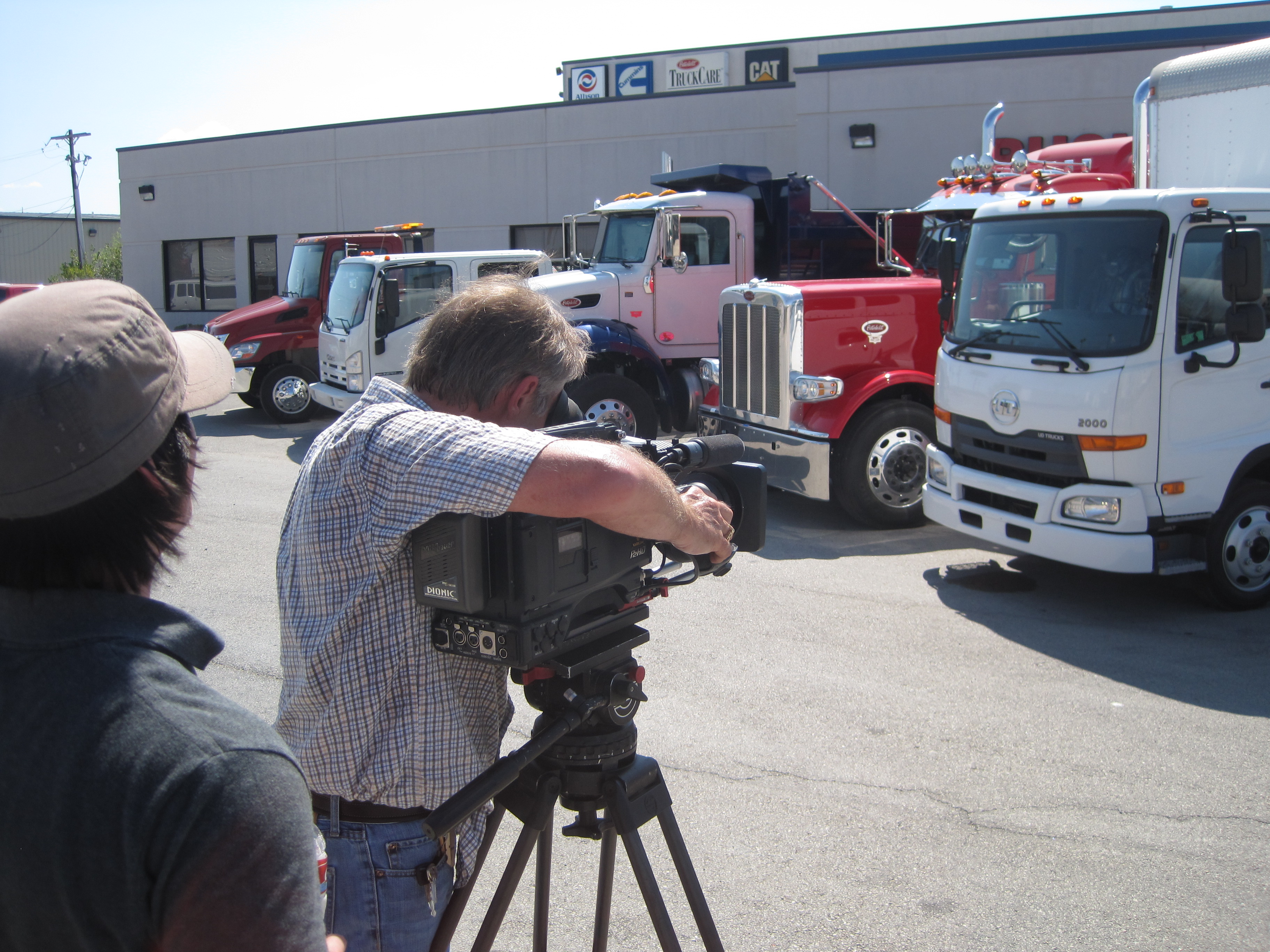
We’re a full-service professional commercial photography and video production company with the right equipment and creative crew service experience for successful image acquisition. We offer full-service studio and location video and photography, plus editing, post-production, and licensed drone capabilities. St Louis Video Production Studio can customize your productions for diverse media requirements, and repurposing your photography and video branding to gain more traction is one of our specialties.



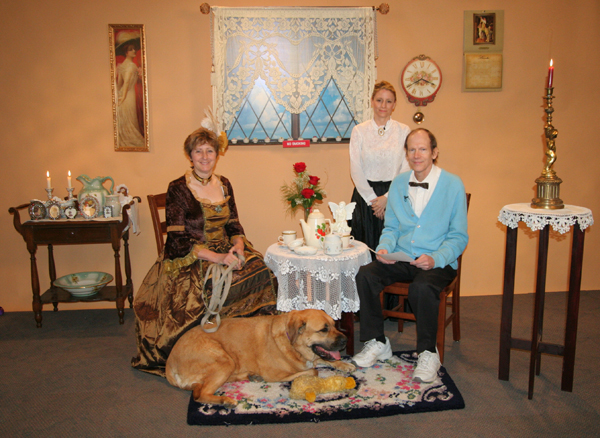
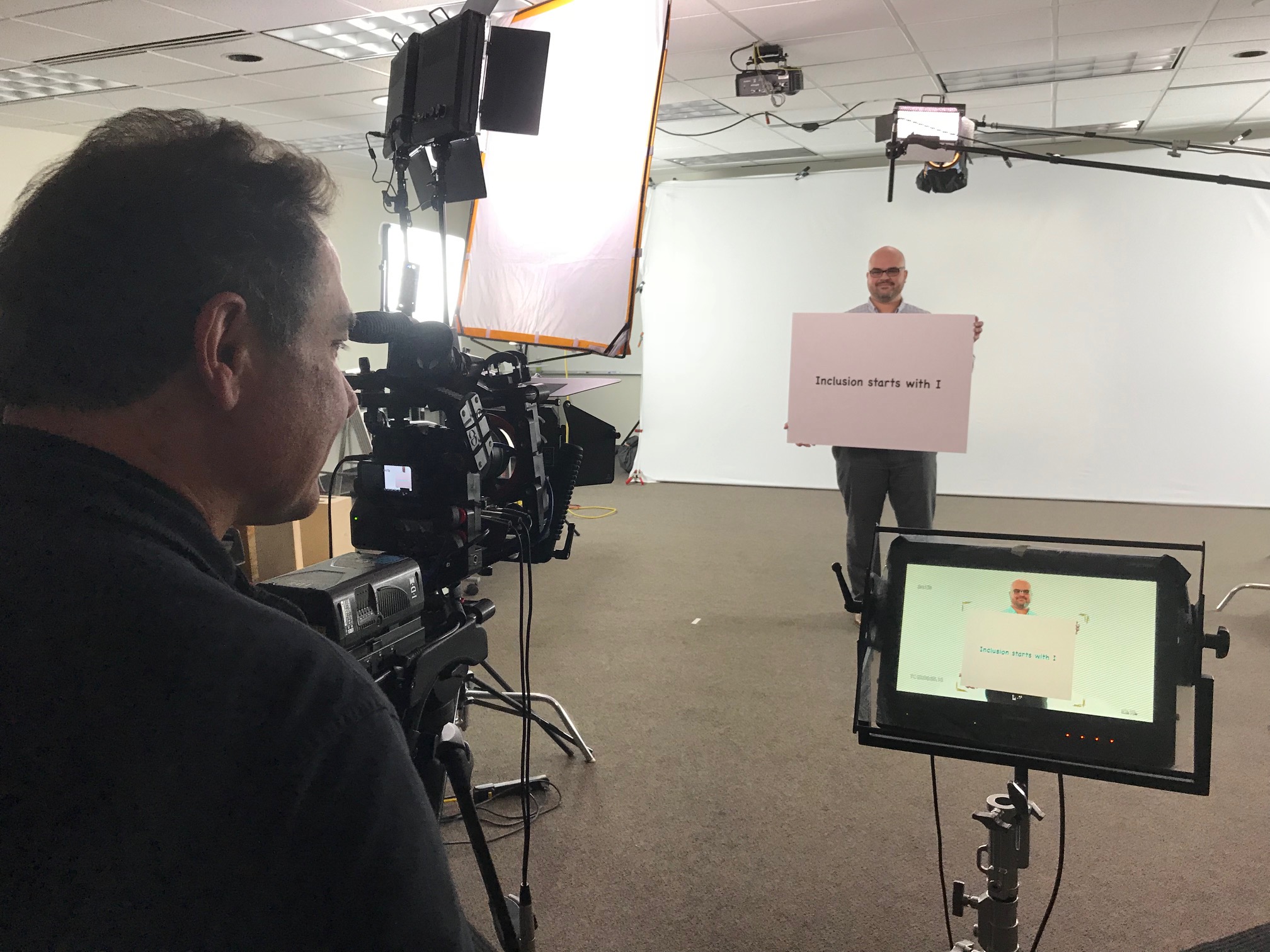
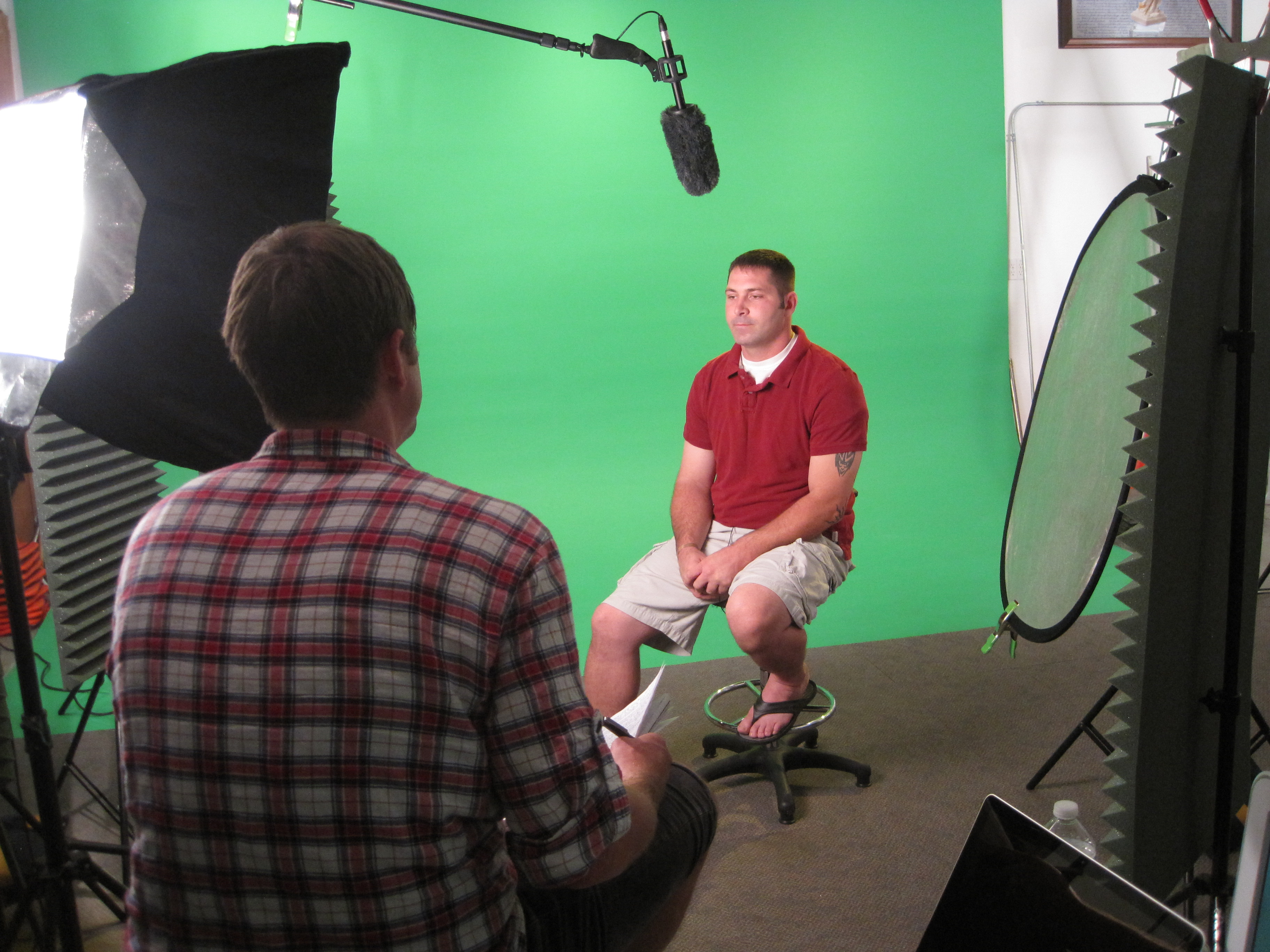
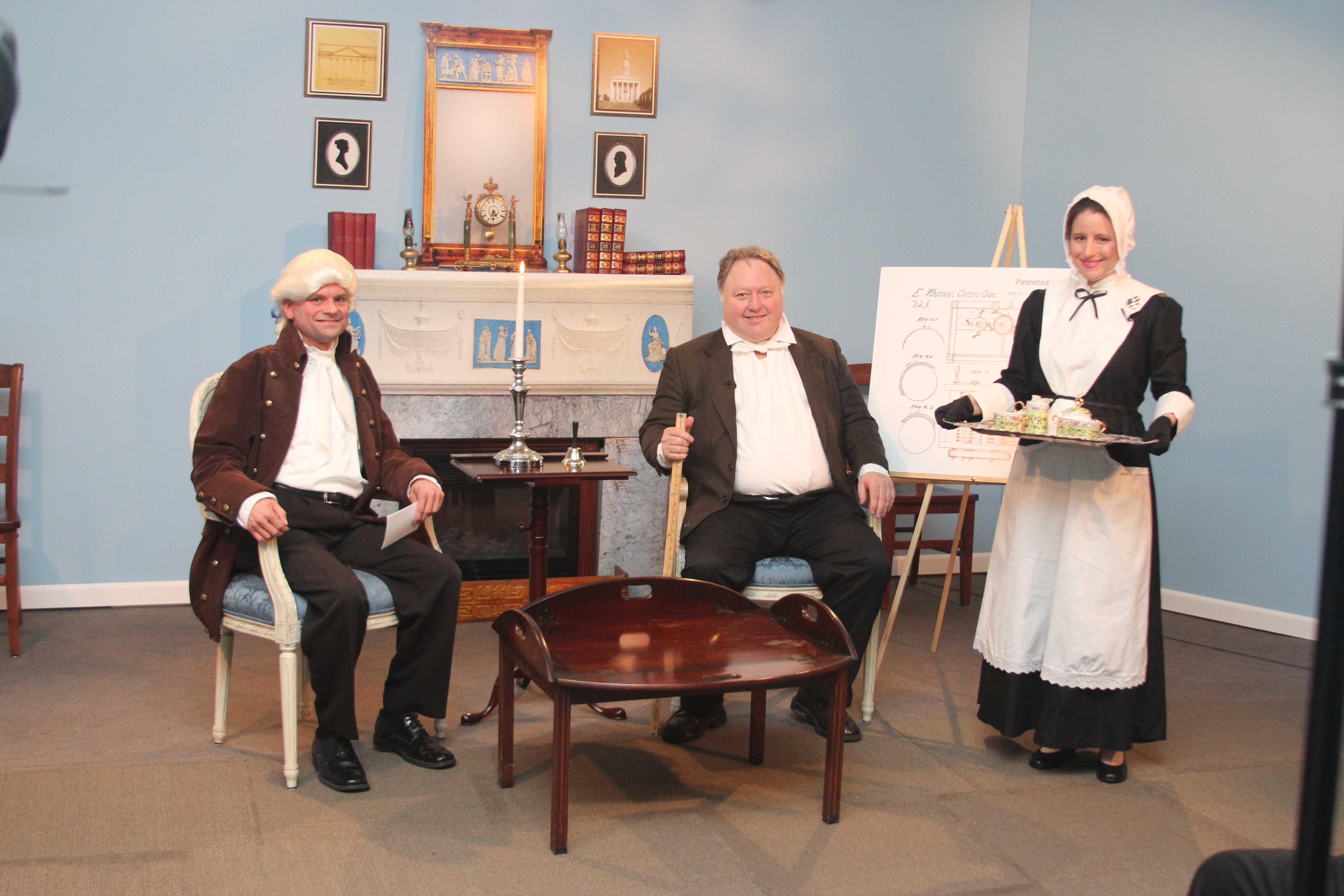
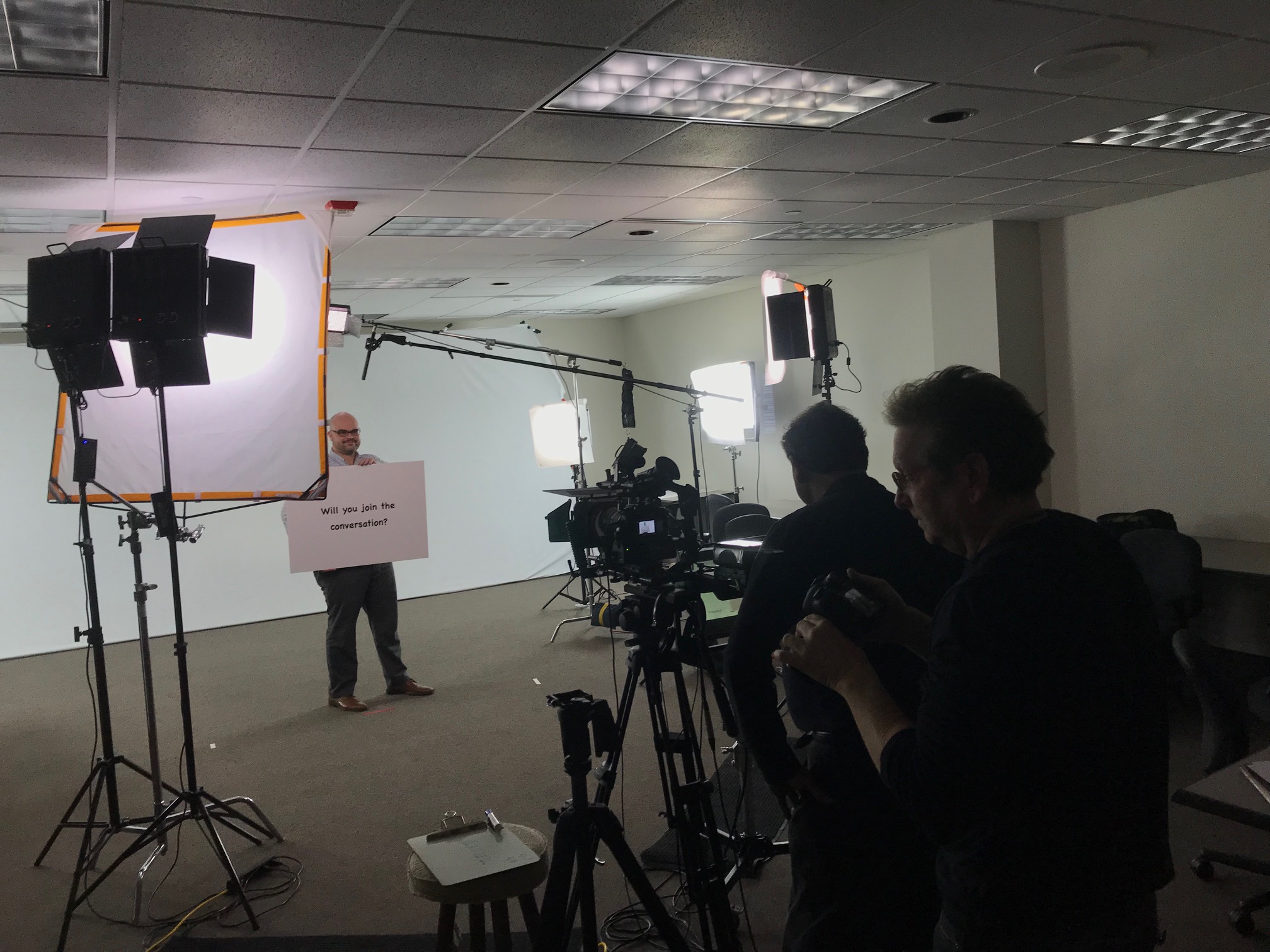
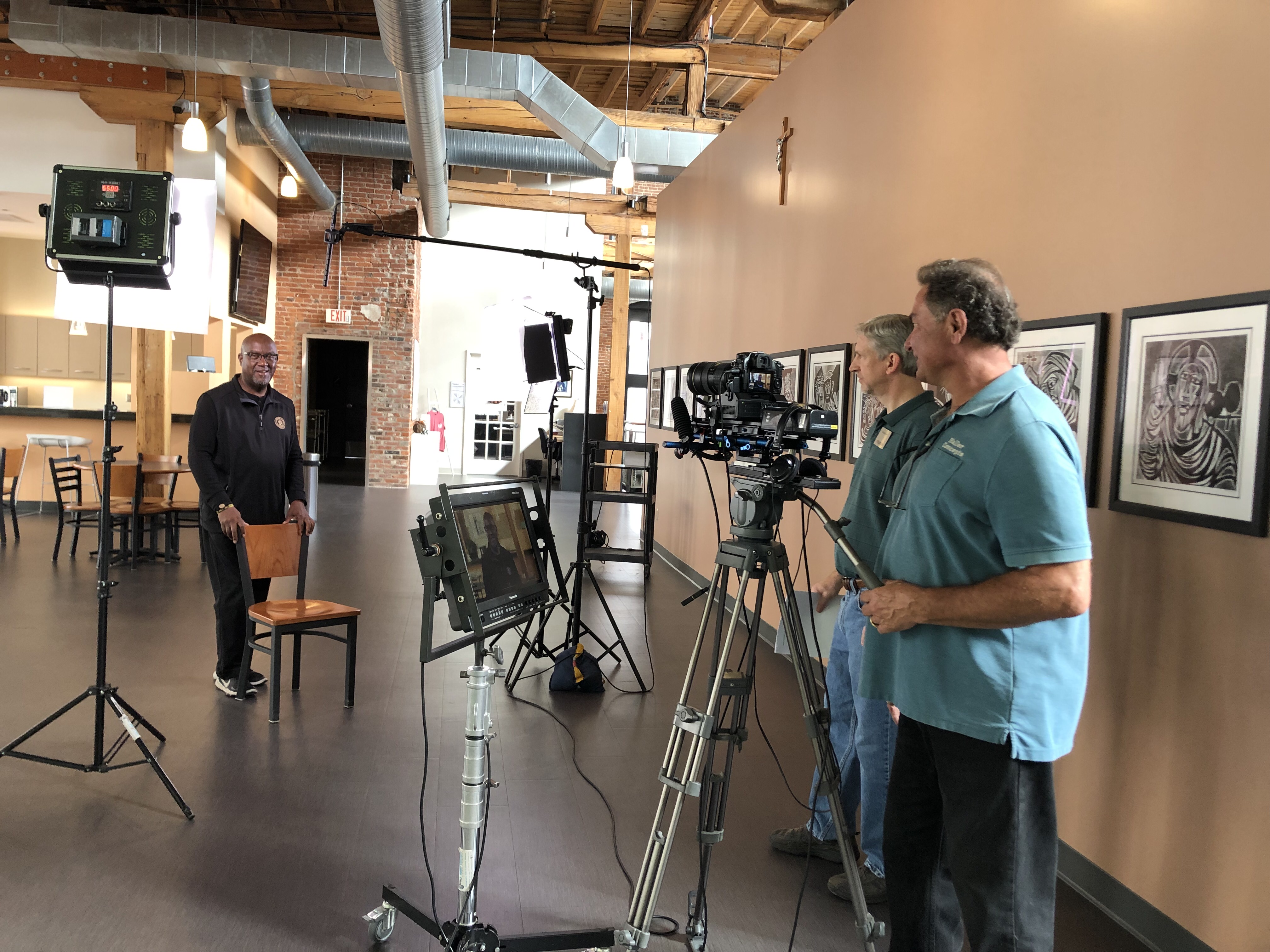
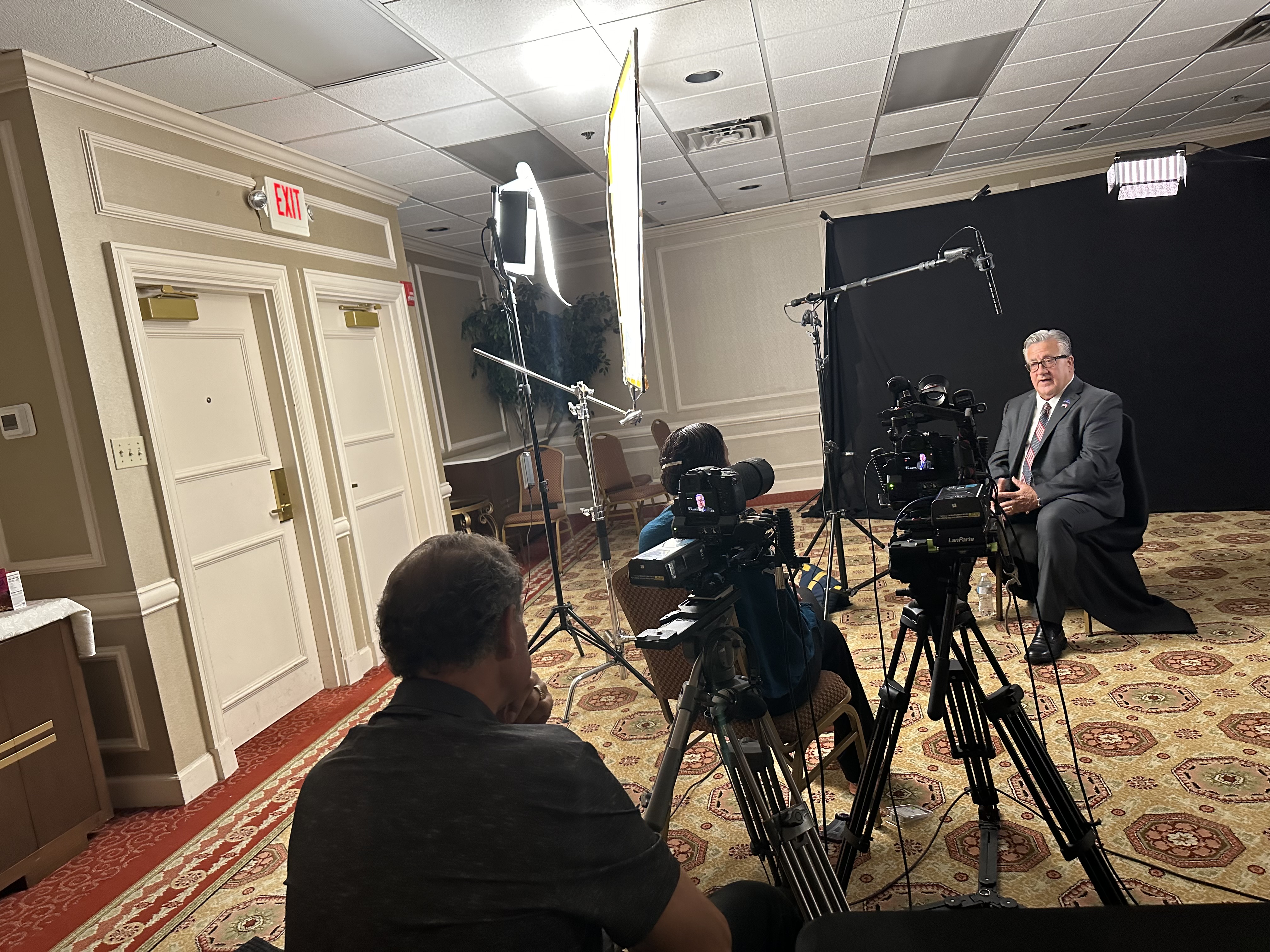
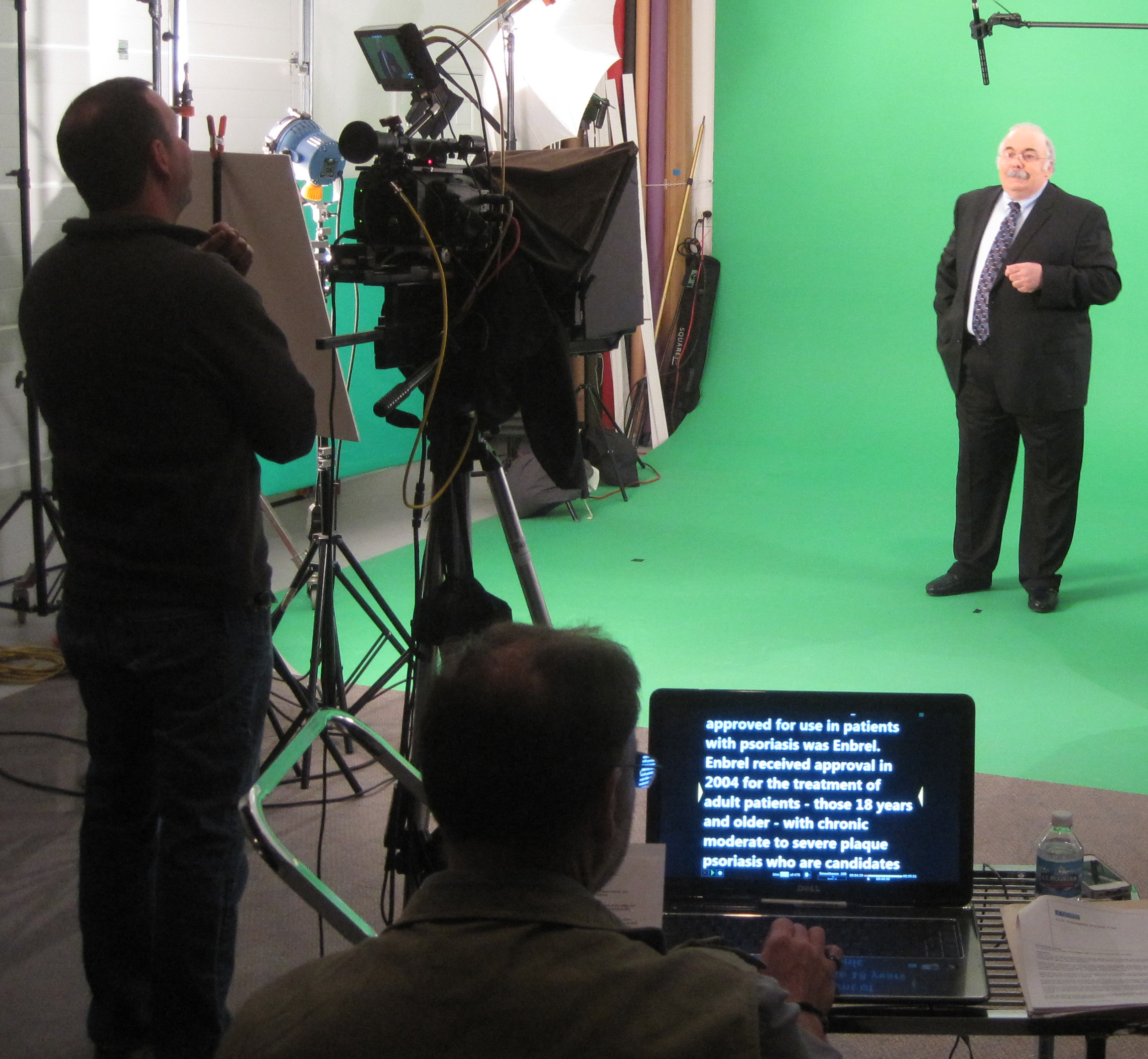
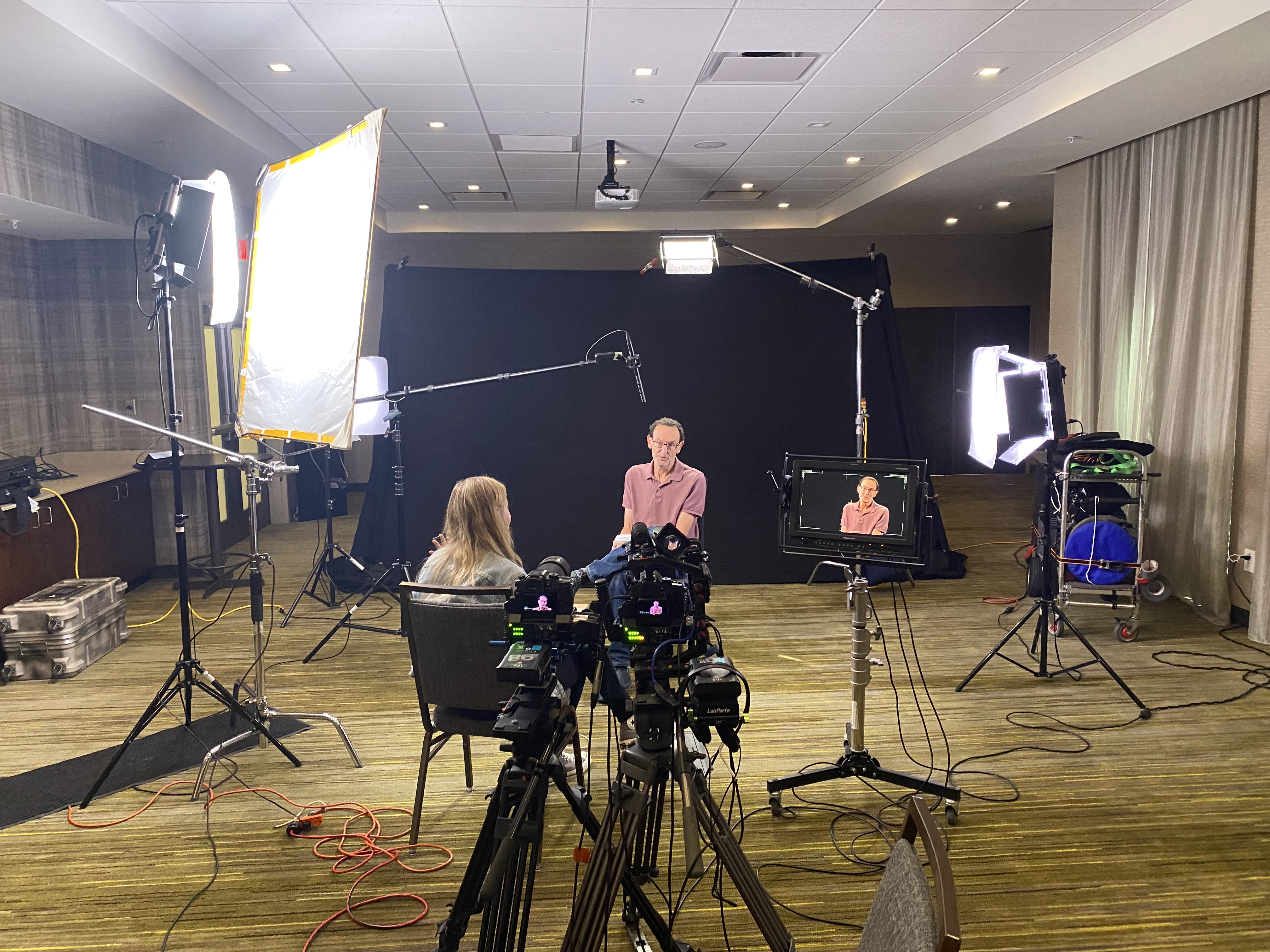
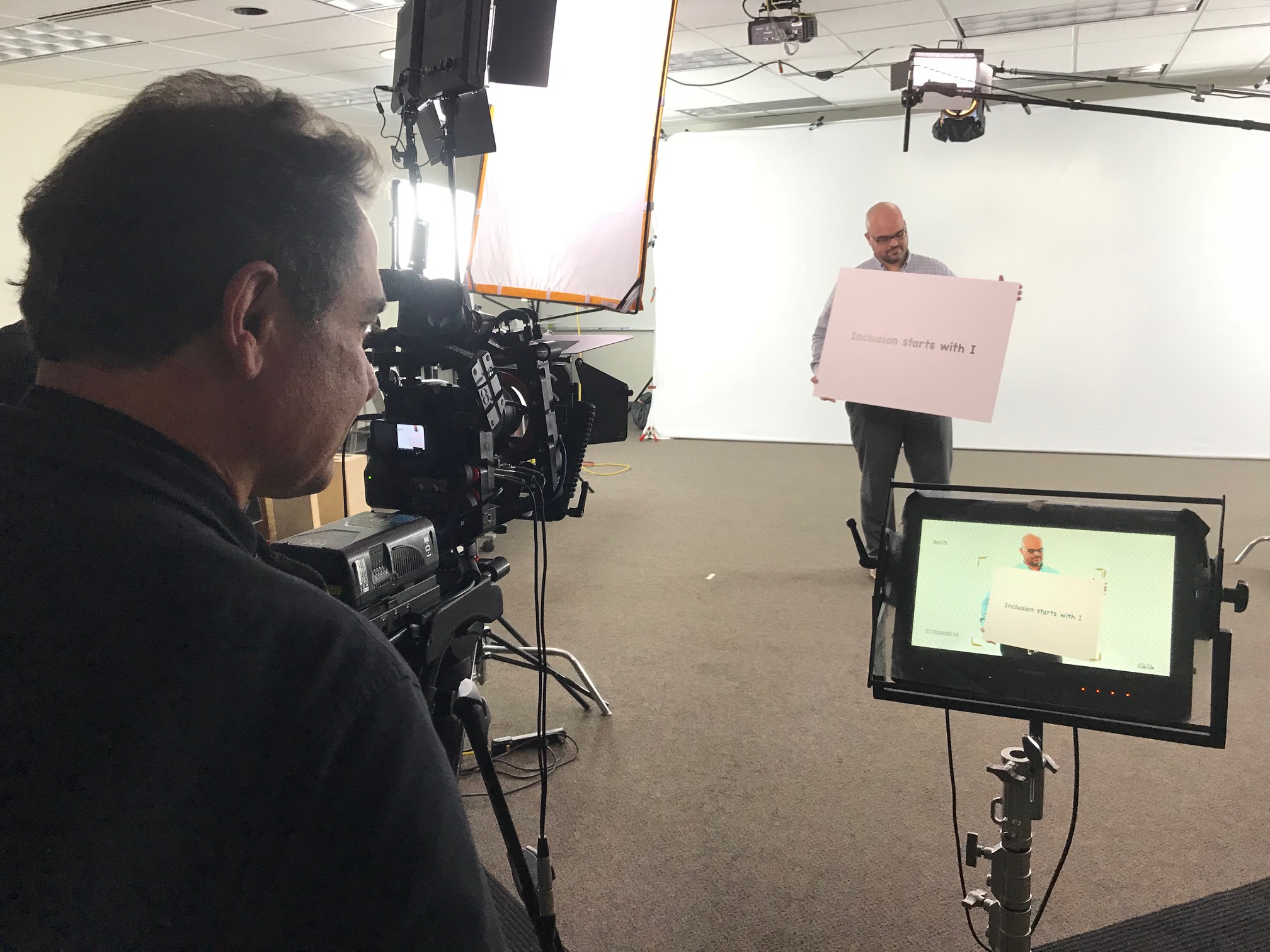
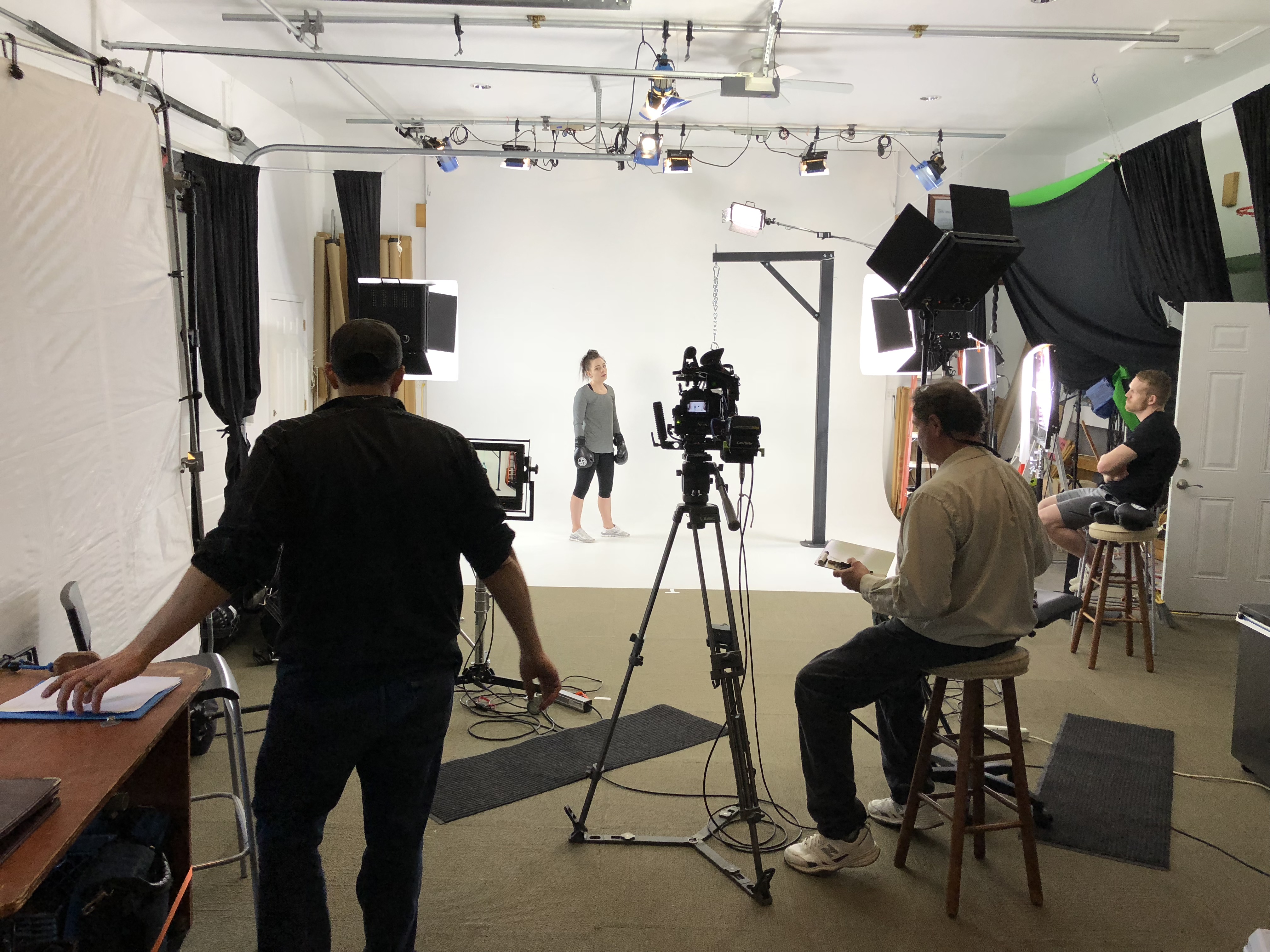
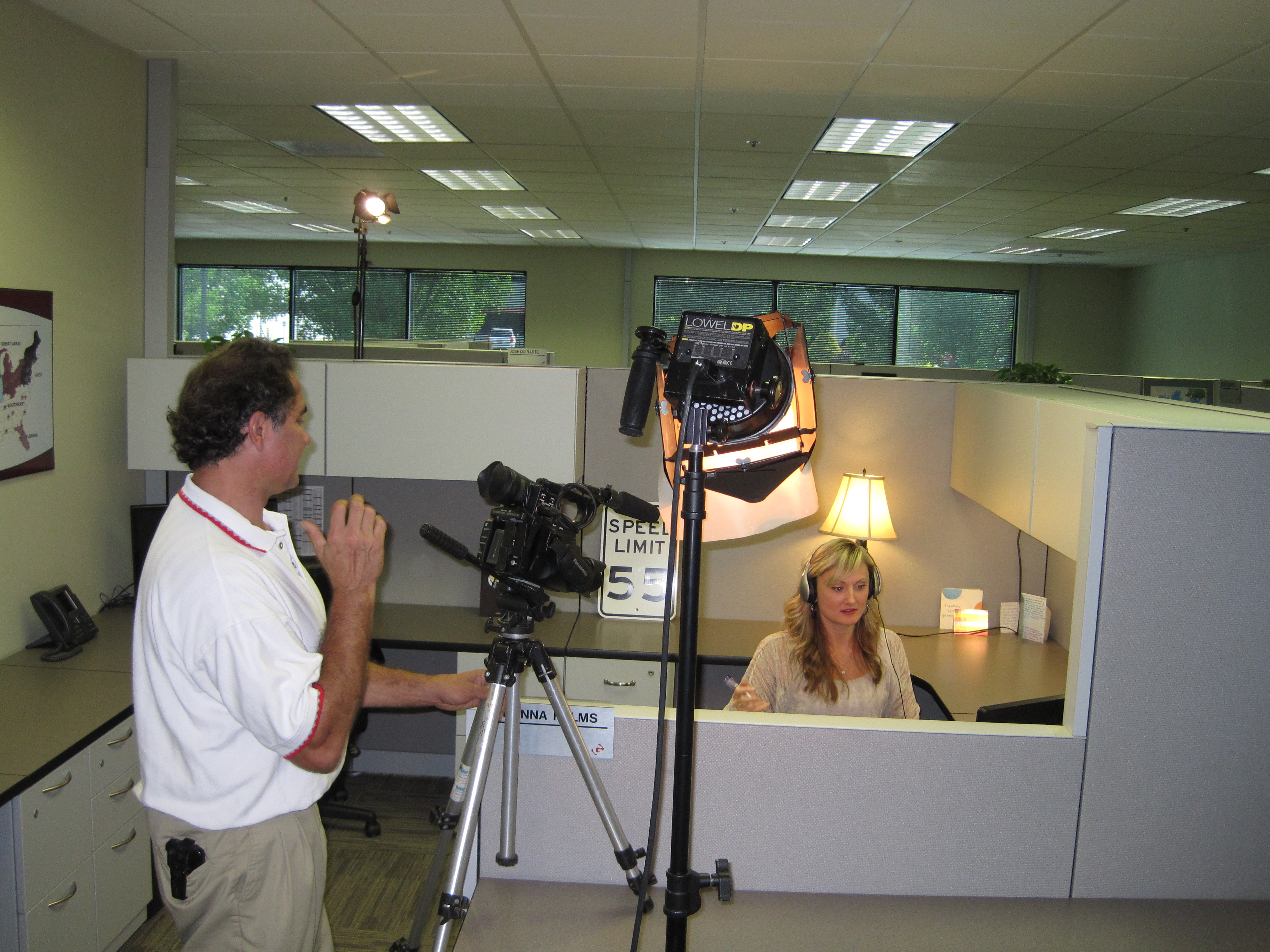
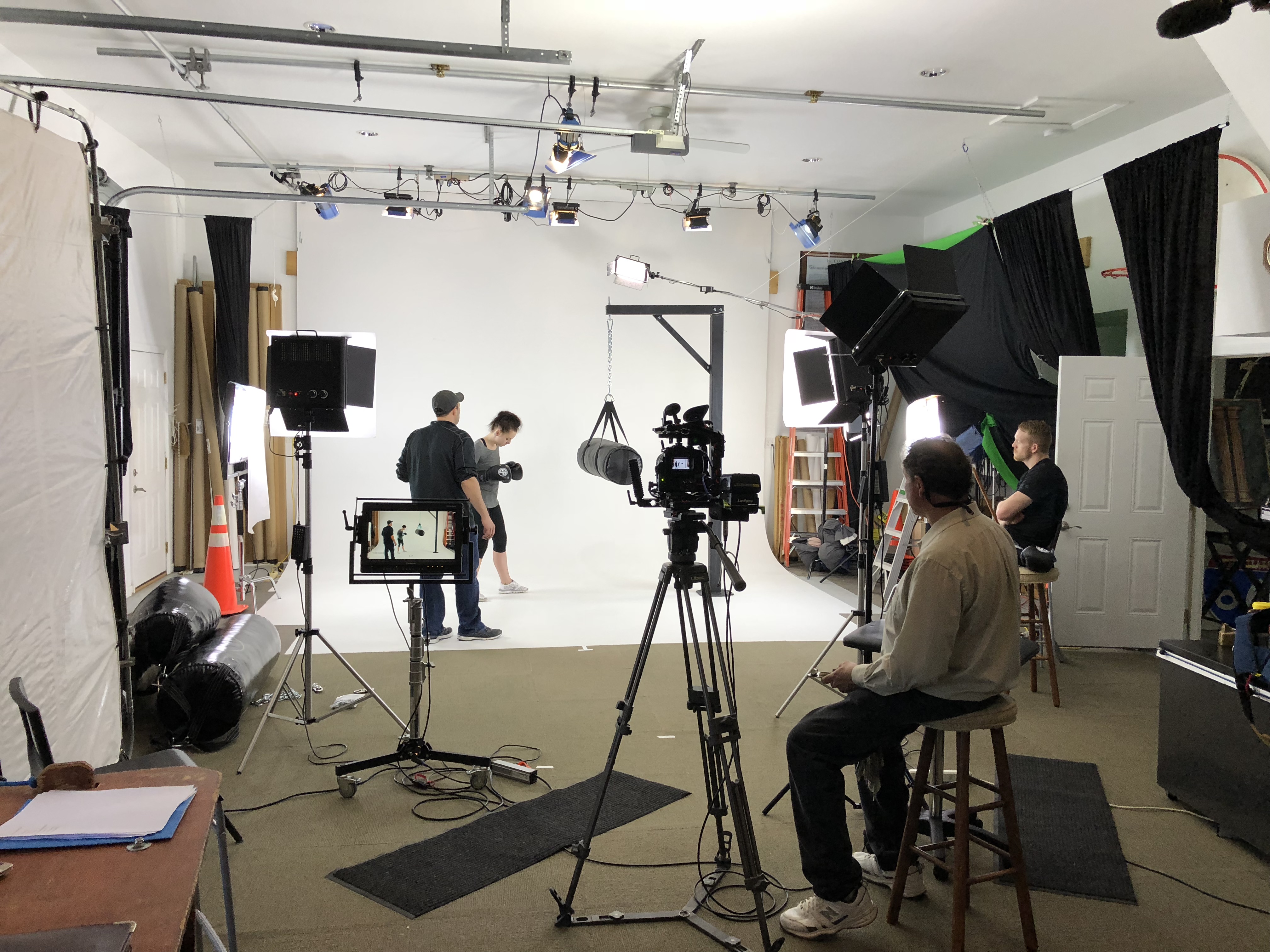
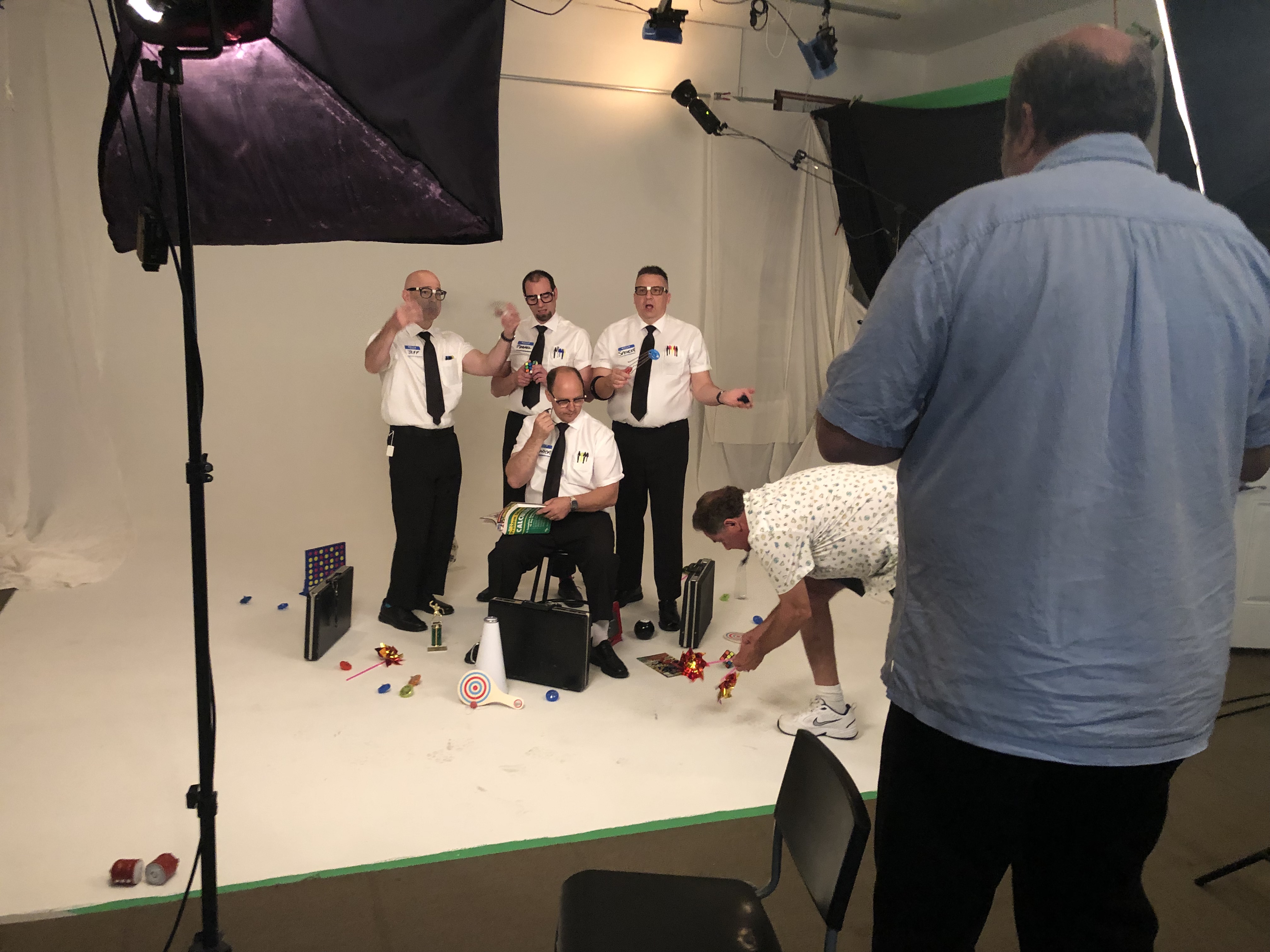
We’re well-versed in all file types, media styles, and accompanying software—and we use the latest in Artificial Intelligence across our media services to accelerate workflows while keeping creative control and brand standards intact. Our private studio lighting and visual setup is perfect for small productions and interview scenes, and our studio is large enough to incorporate props to round out your set.
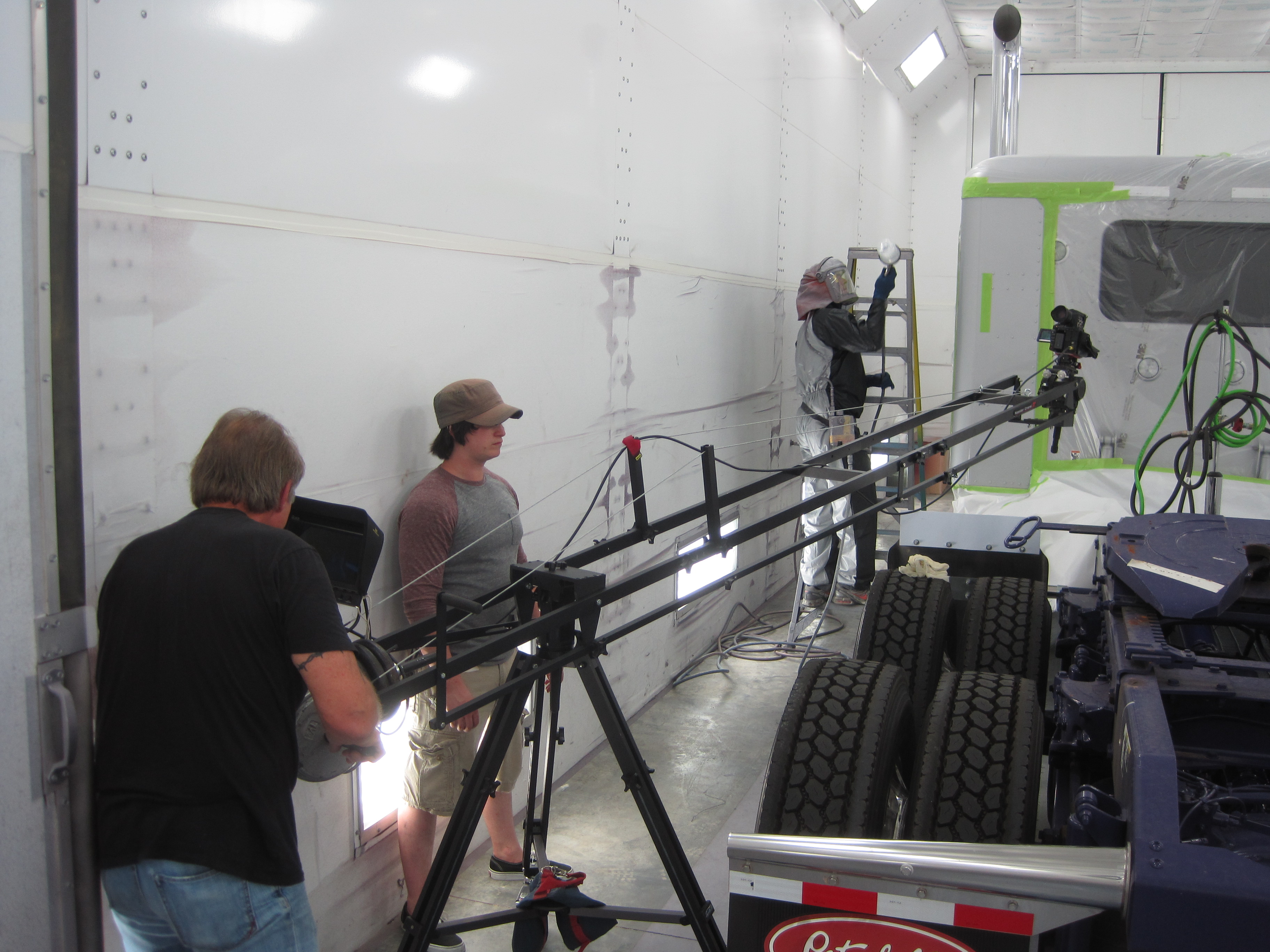
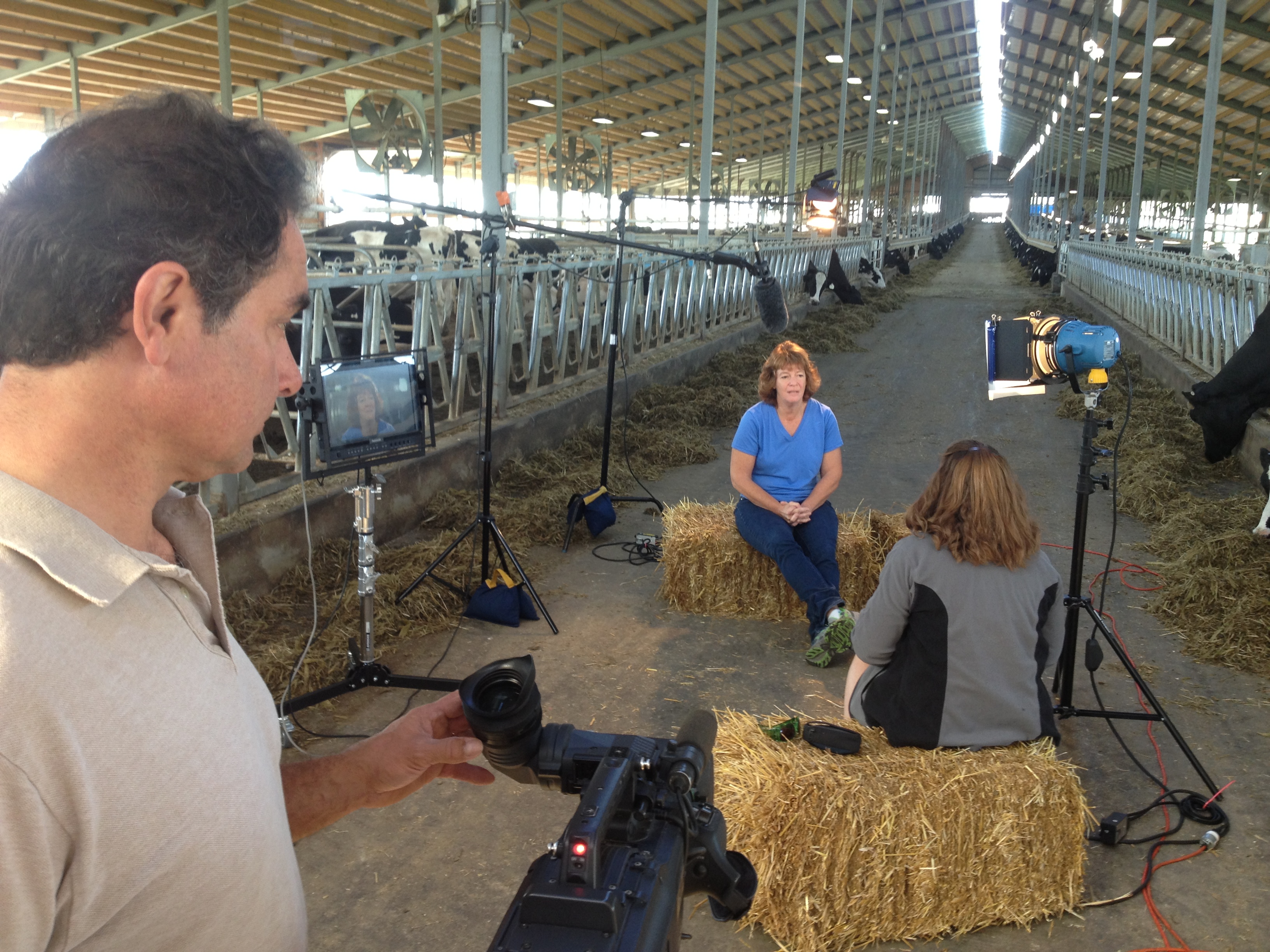
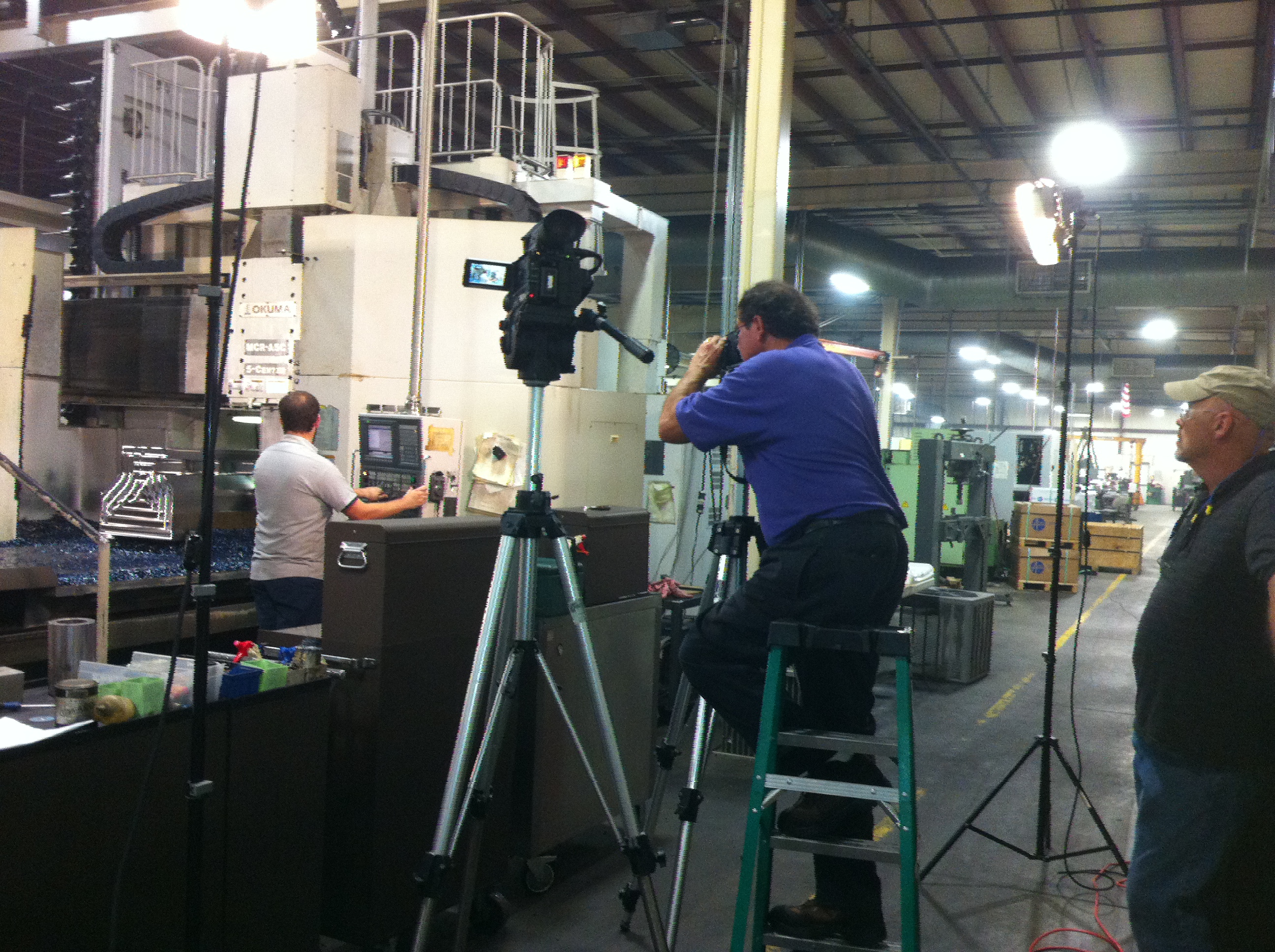
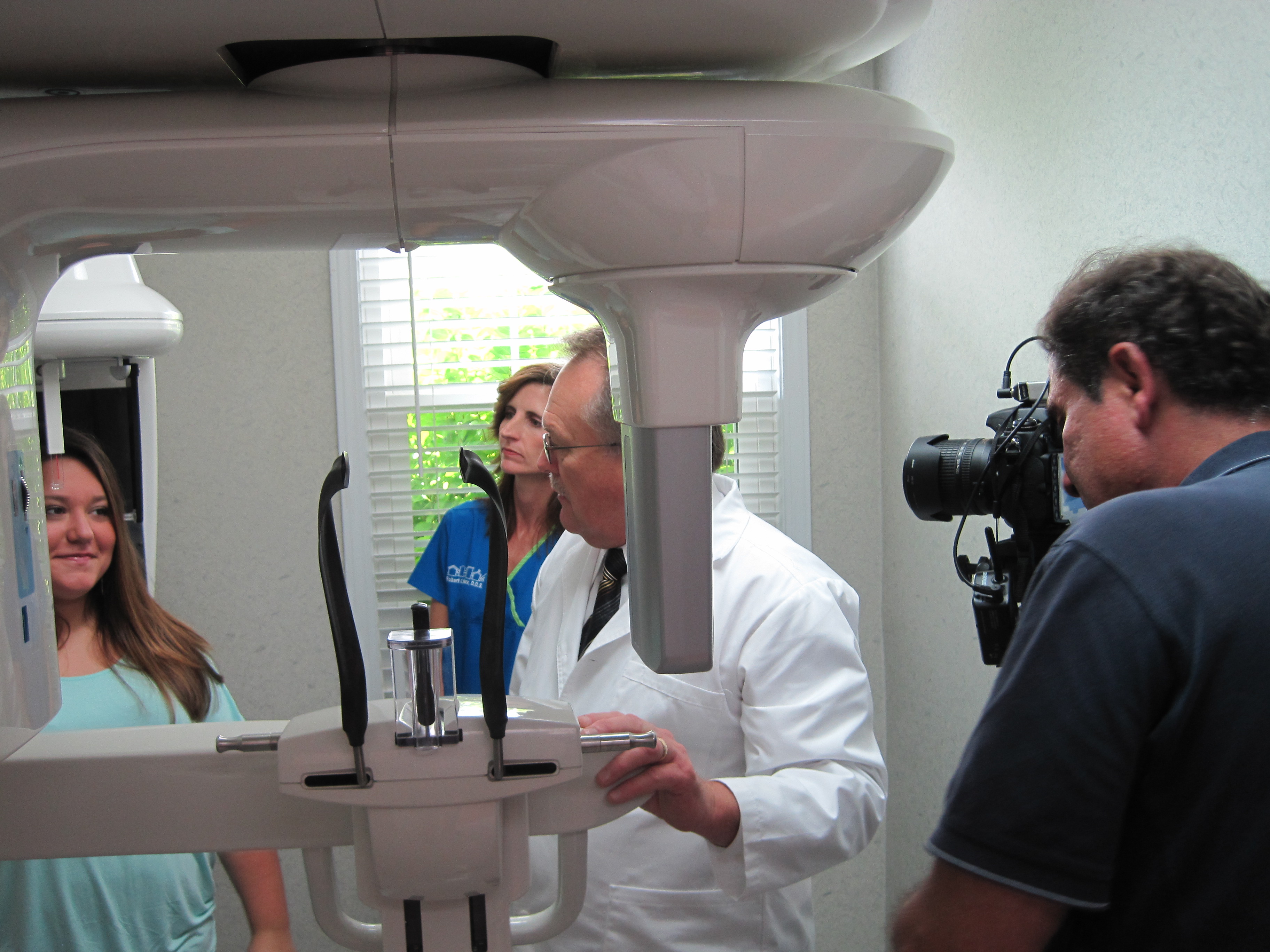
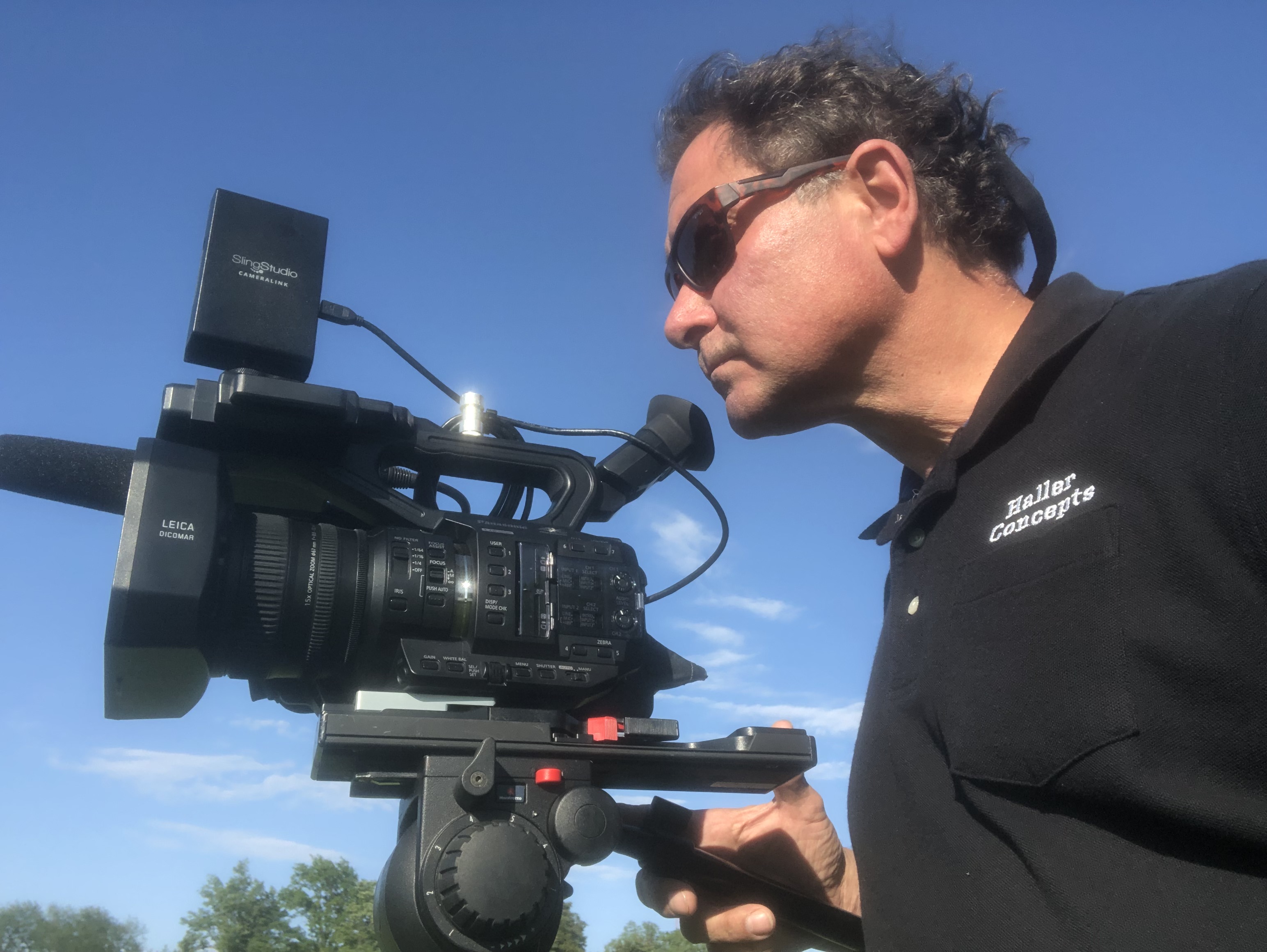
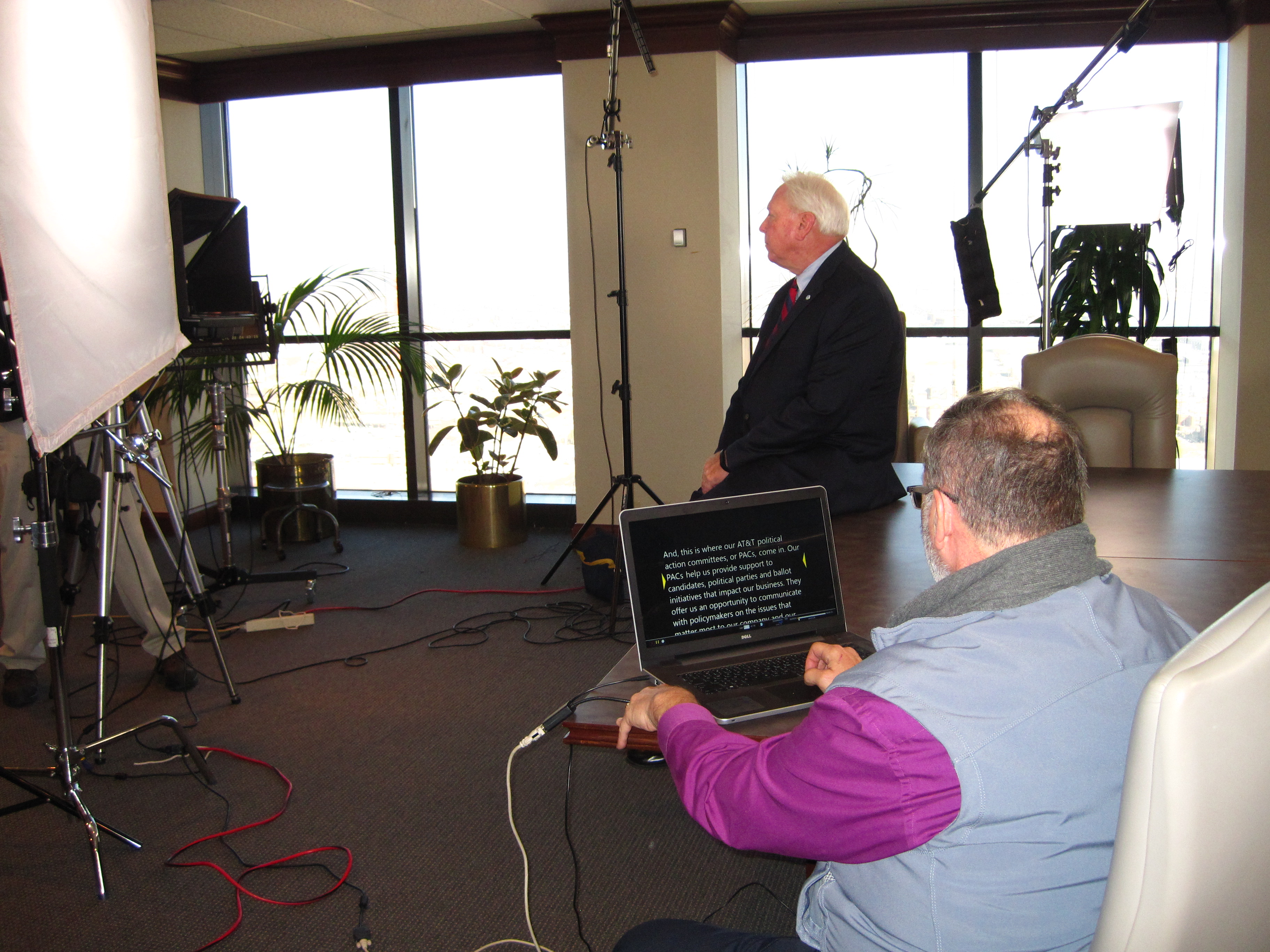
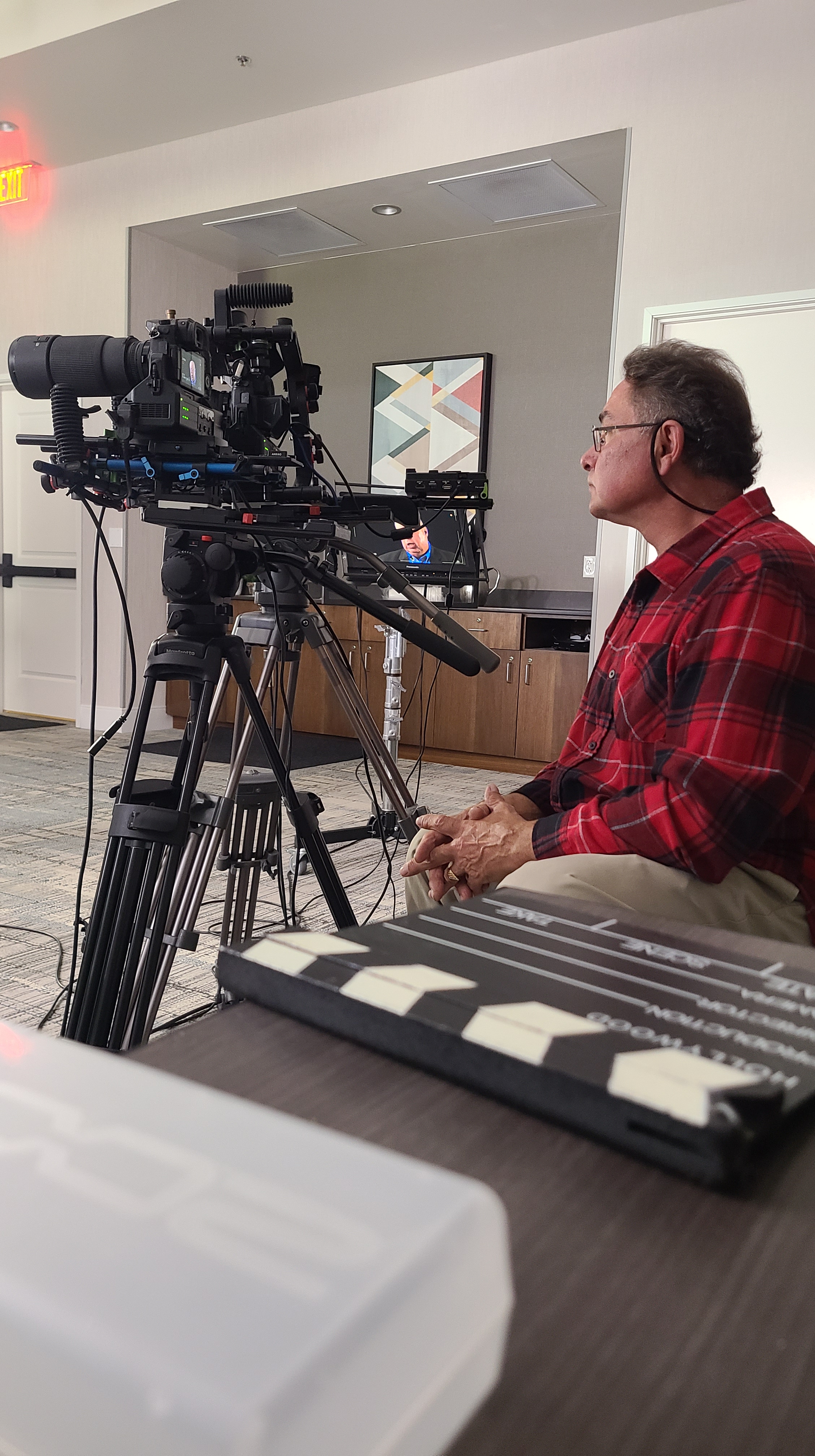
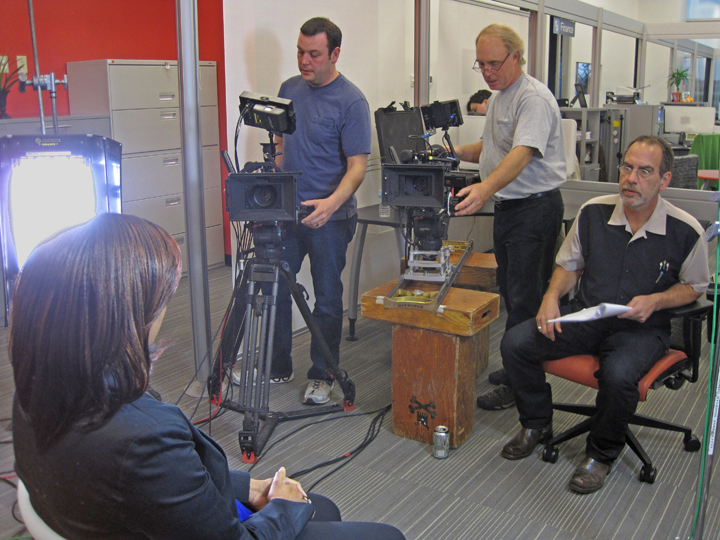
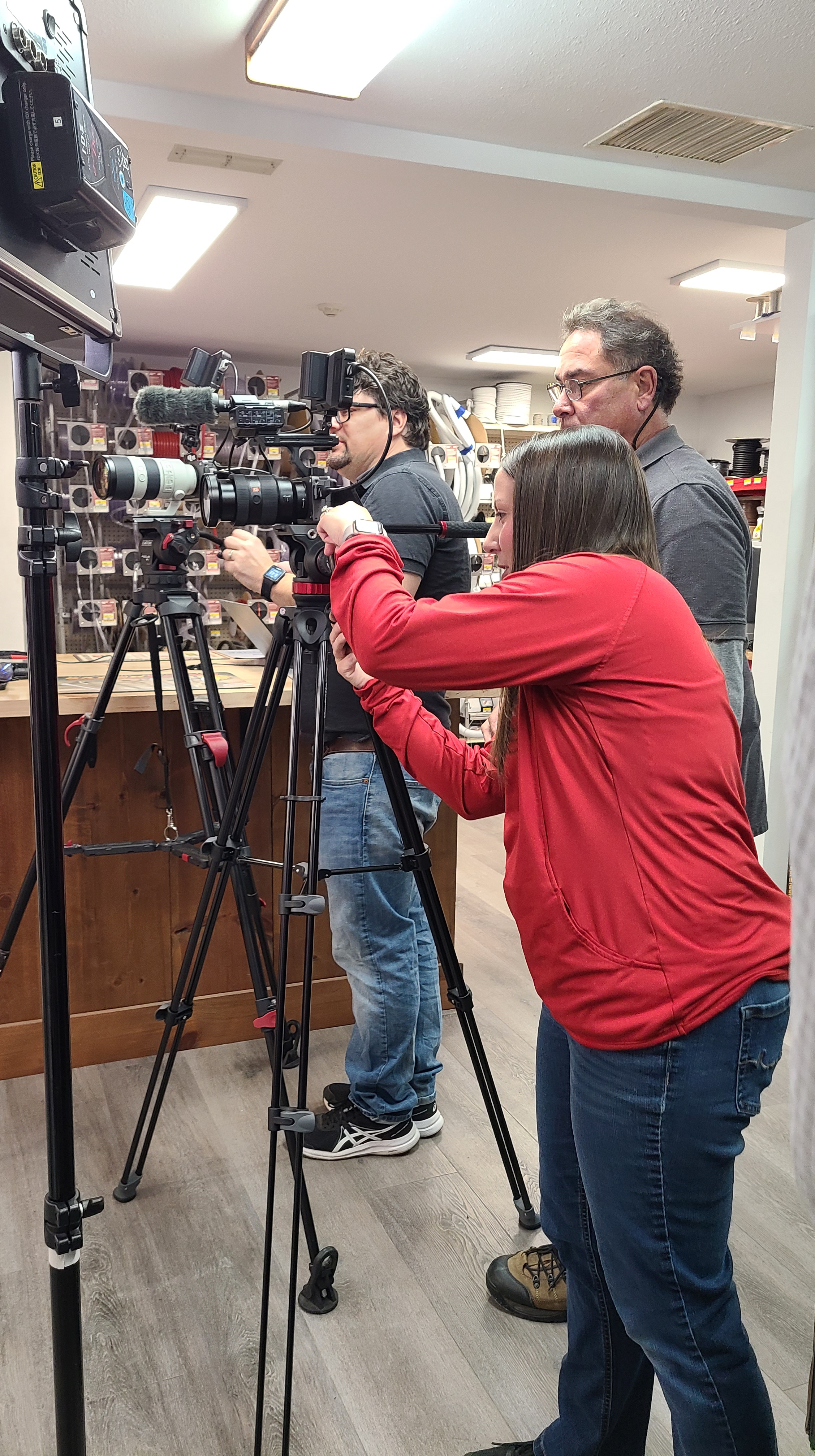
We support every aspect of your production—from setting up a private, custom interview studio to supplying professional sound and camera operators, and providing the right equipment—ensuring your next video production is seamless and successful. We can also fly our specialized drones indoors when the shot calls for it.
If you need a studio partner that protects budget by eliminating waste—while still delivering premium, platform-ready assets—St Louis Video Production Studio is built for exactly that.
































 st louis video production studio