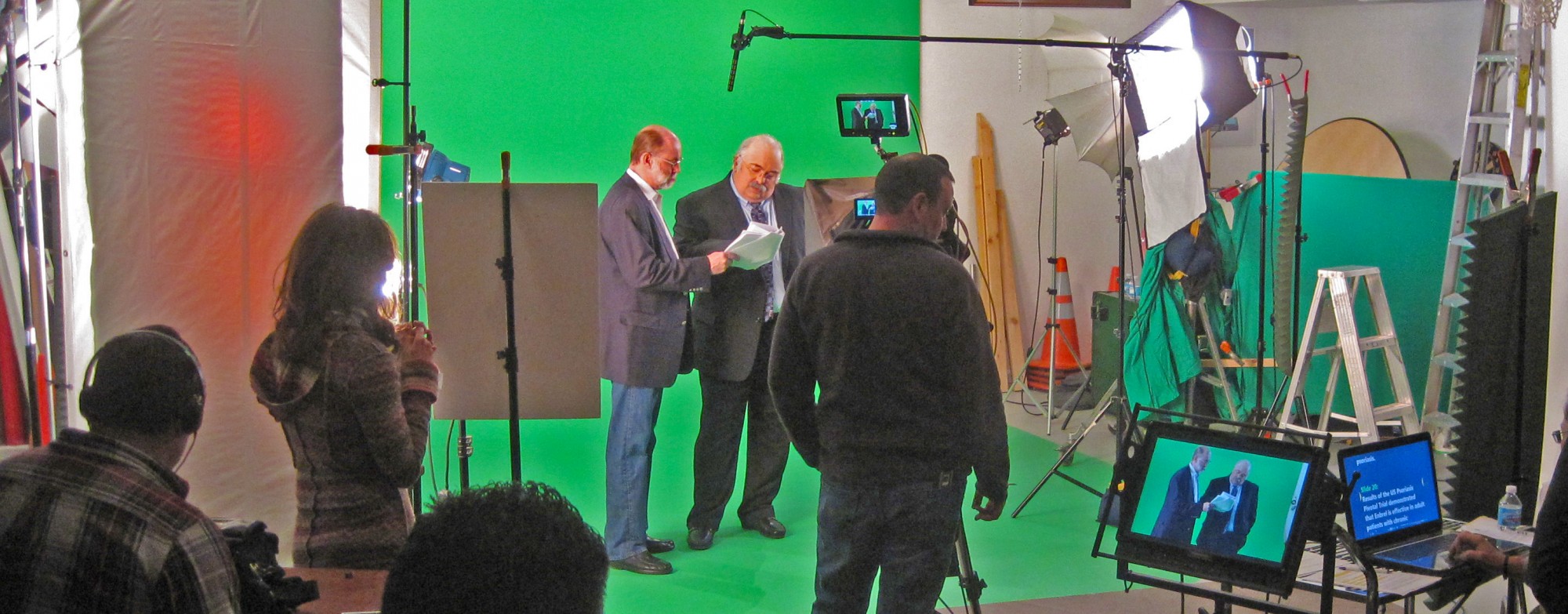
When planning a video production, especially for interviews, it’s crucial to understand that there’s much more to it than simply pointing a camera and asking questions. Successful video interviews require careful consideration of the technical setup, the interview style, and the overall message you want to convey. Whether you’re creating a corporate video, testimonial, case study, or marketing piece, the way you approach an interview can dramatically affect the final outcome.
In this guide, we’ll explore different video production interview techniques, the best practices for each, and how the right technical setup can elevate your production. As an experienced videographer and photographer at St. Louis Video Production Studio, we’ve had the privilege of helping numerous businesses, marketing firms, and agencies craft compelling videos that capture the essence of their brand.
1. Traditional One-on-One Interview
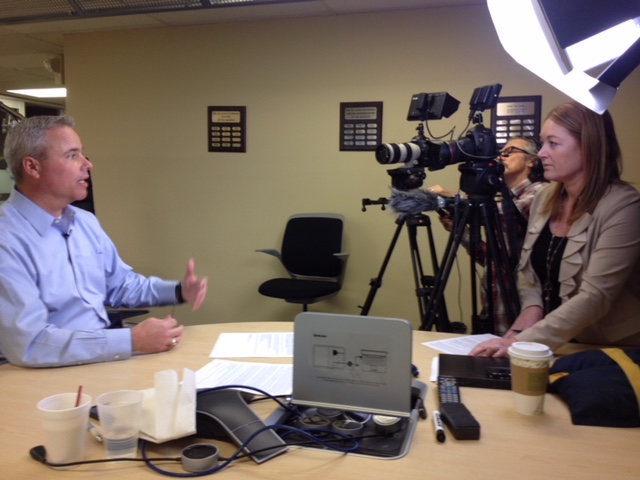
The traditional interview format is the most commonly used style. It involves a conversation between the interviewer and the subject, typically filmed with the interviewer off-camera. The subject speaks directly to the interviewer, but to the audience, it looks like they are having a conversation with someone out of frame.
Best Practices:
- Framing: Ensure your subject is positioned slightly off-center in the frame (a technique called the “rule of thirds”) for visual appeal.
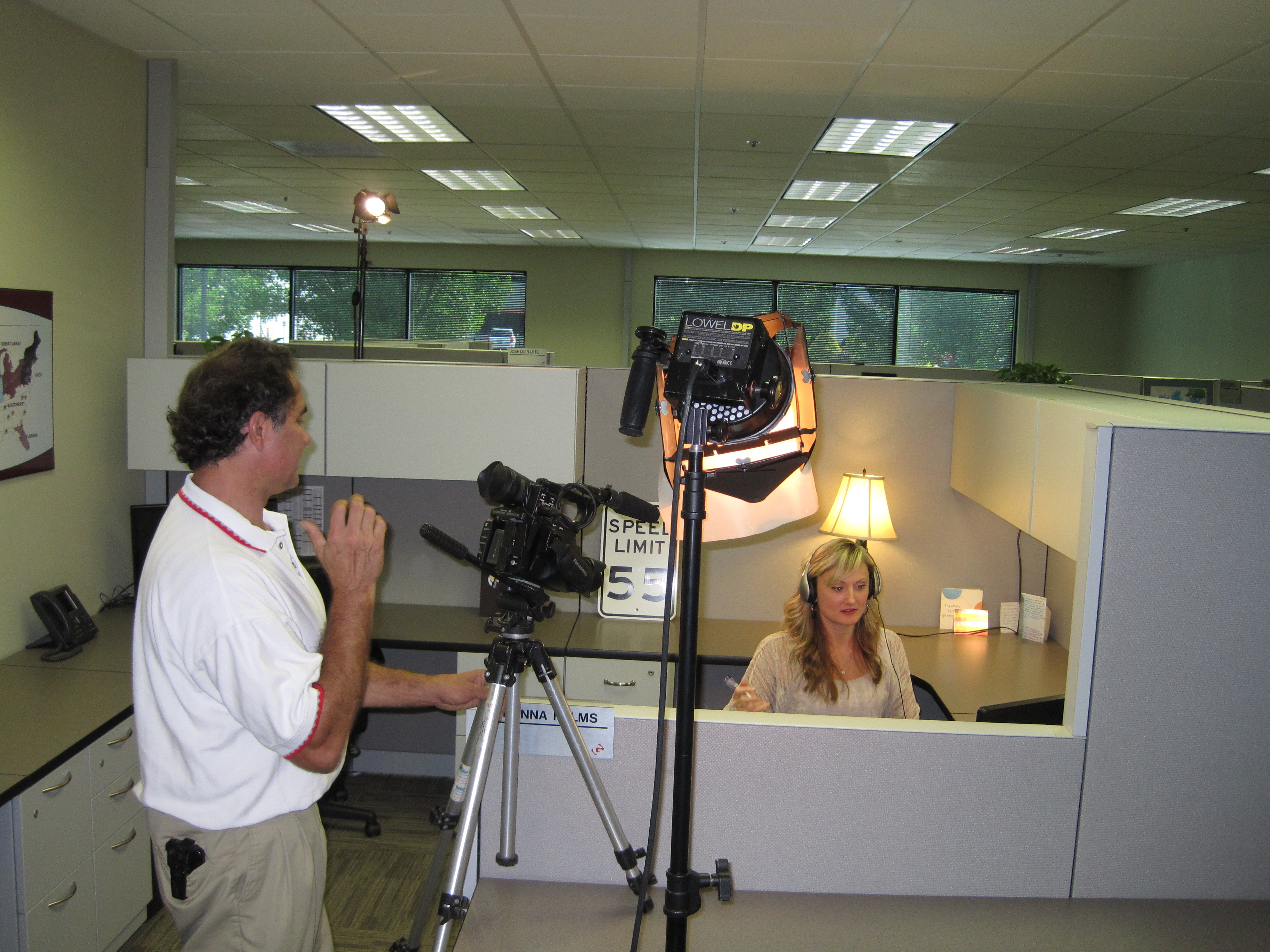
- Lighting: Use soft, flattering lighting to eliminate harsh shadows and make your subject appear natural. A three-point lighting setup, with a key light, fill light, and backlight, is ideal.
- Audio: Clear audio is essential. A lavalier microphone attached to the subject can ensure crystal-clear sound, avoiding any background noise from a handheld mic.
2. Testimonial Interviews
Testimonial interviews are often used for customer stories or employee experiences. These videos are highly effective for building trust, as they provide firsthand accounts of how your product or service has made a positive impact.
Best Practices:
- Set the Scene: Testimonial interviews should feel natural, as though the subject is having an honest conversation with the audience. Use b-roll footage to illustrate key points.
- Tone & Environment: Create a comfortable setting for your subject. A relaxed tone helps the person feel more at ease and speak freely.
- Framing: Similar to the one-on-one interview, make sure to have the subject look slightly off-camera. Positioning the camera slightly to the side adds dynamism to the shot, making the conversation feel more authentic.


3. Panel Interviews
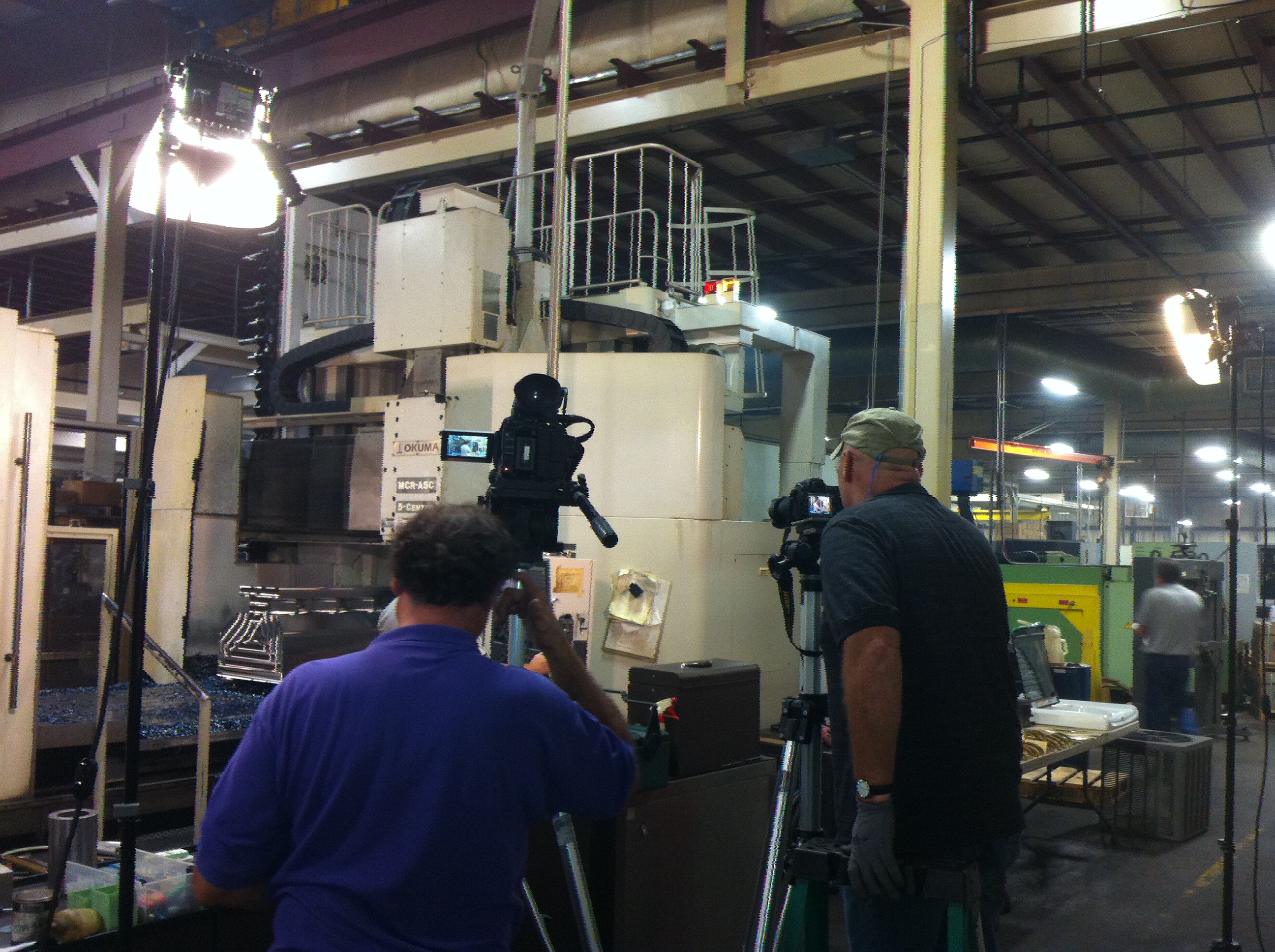
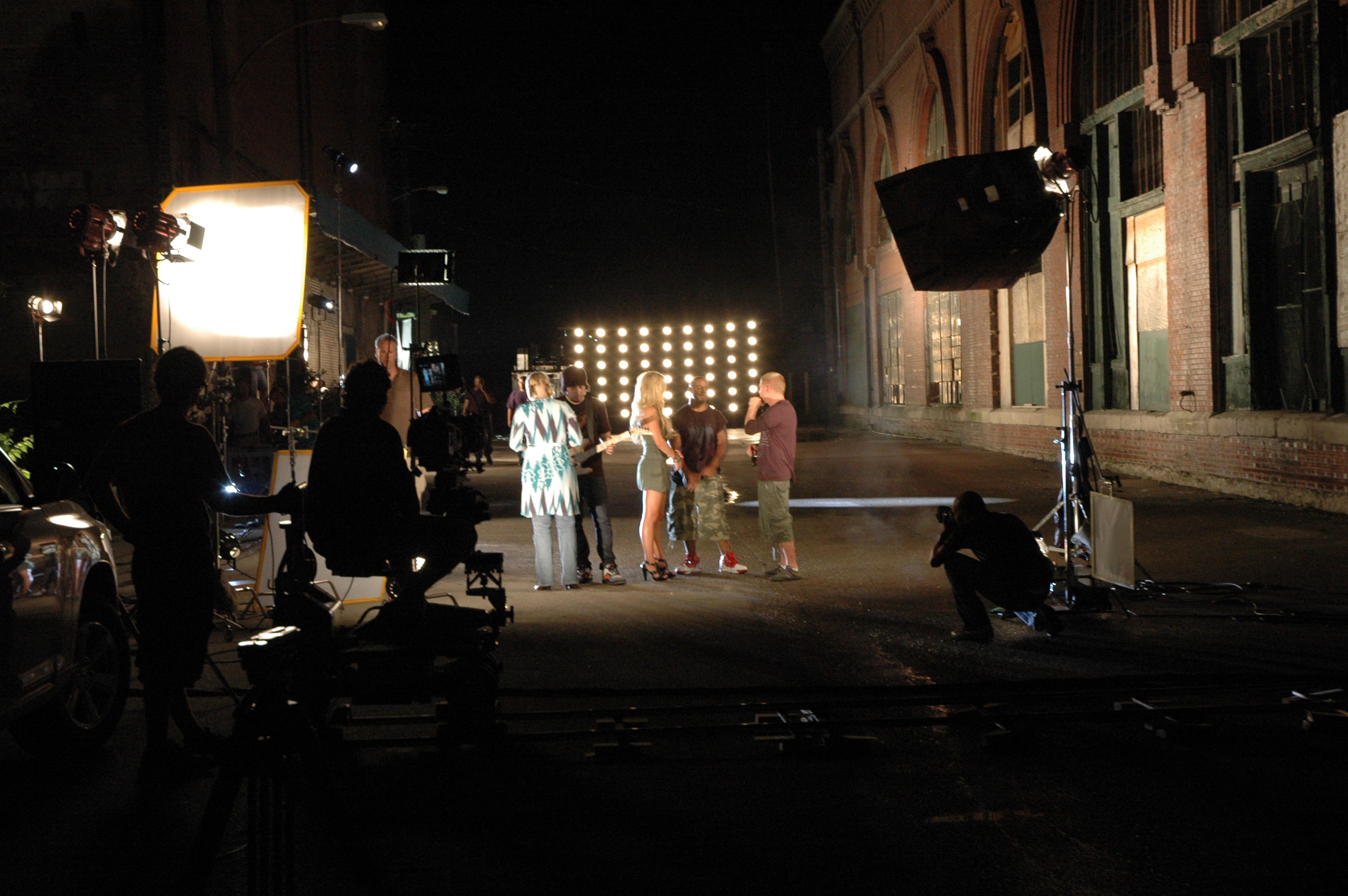
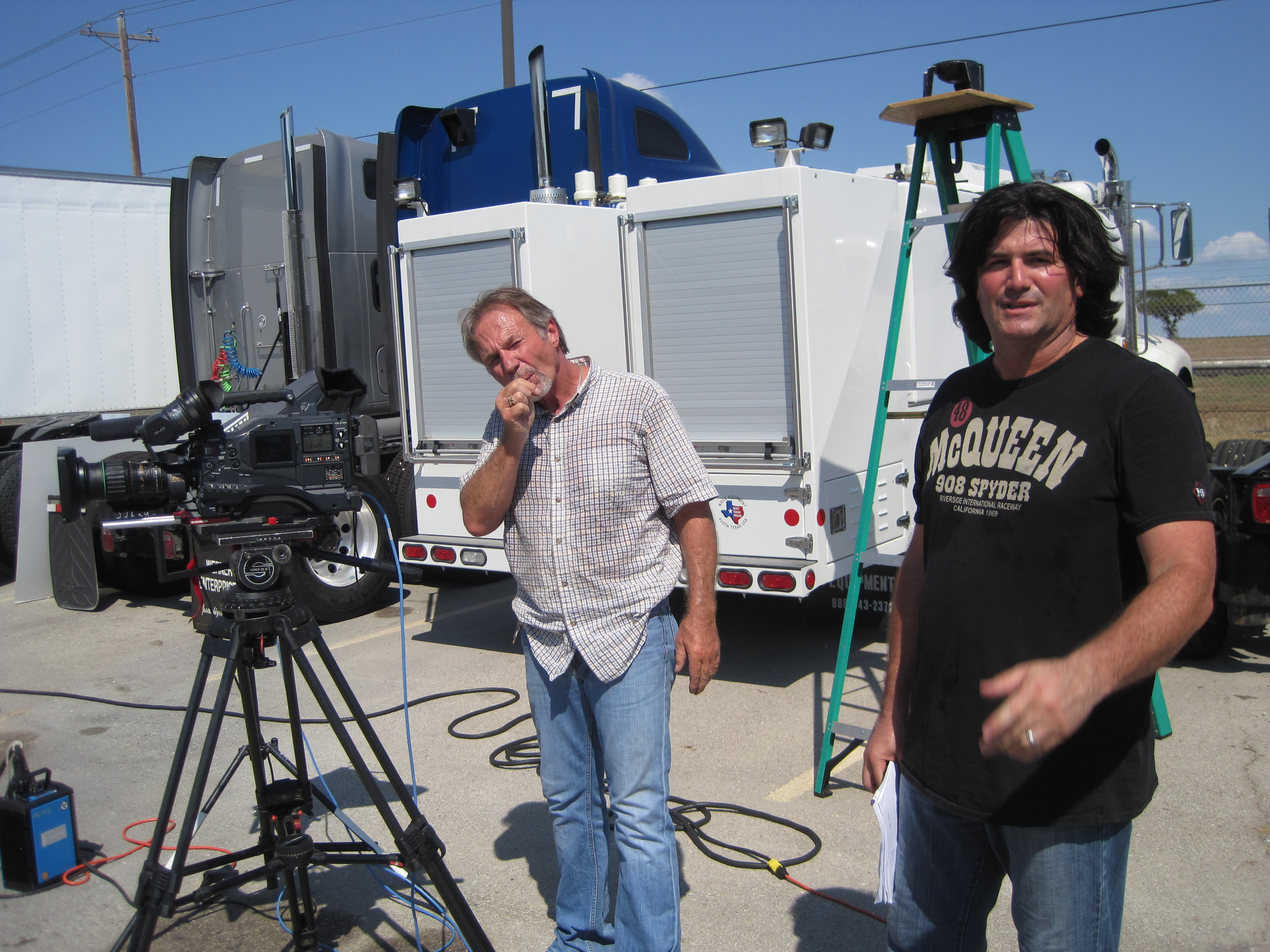
Panel interviews are perfect for discussions with multiple experts or stakeholders. These videos are often used in corporate settings for roundtable discussions or leadership insights. Panel interviews require multiple cameras to capture each person at the right time, ensuring a dynamic flow.
Best Practices:
- Multiple Angles: Use at least two or three cameras to capture the action from different perspectives, alternating between wide shots and close-ups.
- Microphones: Use individual microphones for each person to ensure high-quality sound. Overhead mics can also be helpful in capturing ambient sound.
- Lighting: Lighting should be balanced across all panel members, but make sure each person is properly lit to avoid shadows or uneven exposure.
4. On-the-Go (Walking) Interviews
Walking interviews have become increasingly popular in corporate video production as they lend an informal, dynamic style. Filming while walking allows you to capture movement, making the interview feel more energetic and conversational.
Best Practices:
- Stabilization: A handheld gimbal or Steadicam is essential for smooth footage when following the subject on the move. Avoid shaky camera work by using a tripod or mount when possible.
- Audio: Use a wireless microphone system to allow for unrestricted movement while ensuring the audio remains clear.
- Framing: Focus on wide shots to allow for movement within the frame. This style is best suited for relaxed, informal environments.
5. Virtual Interviews
In the age of remote work, virtual interviews have become commonplace. These interviews are conducted through video conferencing platforms like Zoom, and capturing high-quality visuals and sound can be tricky when the setup is outside of your control.
Best Practices:
- Lighting: Encourage the interviewee to use soft, even lighting. Natural light from a window is preferable, but they may need to supplement it with additional lamps or ring lights.
- Camera Positioning: Frame the subject’s head and shoulders. Ensure they’re centered in the frame, with their eye level aligned with the camera lens.
- Technical Considerations: Use an external microphone to capture clearer audio and reduce distractions like echo or background noise. Make sure their internet connection is stable.
6. Documentary-Style Interviews
For a documentary feel, interviews are often interwoven with b-roll footage that illustrates the subject’s story. These interviews tend to be more immersive and personal, focusing on in-depth responses.
Best Practices:
- Visual Storytelling: Use b-roll footage that complements what the subject is talking about. For instance, if someone is discussing their work, show shots of them in action.
- Lighting: Keep the lighting natural but flattering. Avoid over-stylizing the scene to maintain the authenticity of the moment.
- Tone: Let the subject speak freely. Focus on organic storytelling that engages the audience with real, raw emotions.
Why St. Louis Video Production Studio is Your Best Choice for Corporate Video Production
At St. Louis Video Production Studio, we understand that a great interview requires not only the right technique but also the best equipment and a skilled creative team. With decades of experience in full-service commercial photography and video production, we have the expertise to take your video projects to the next level.
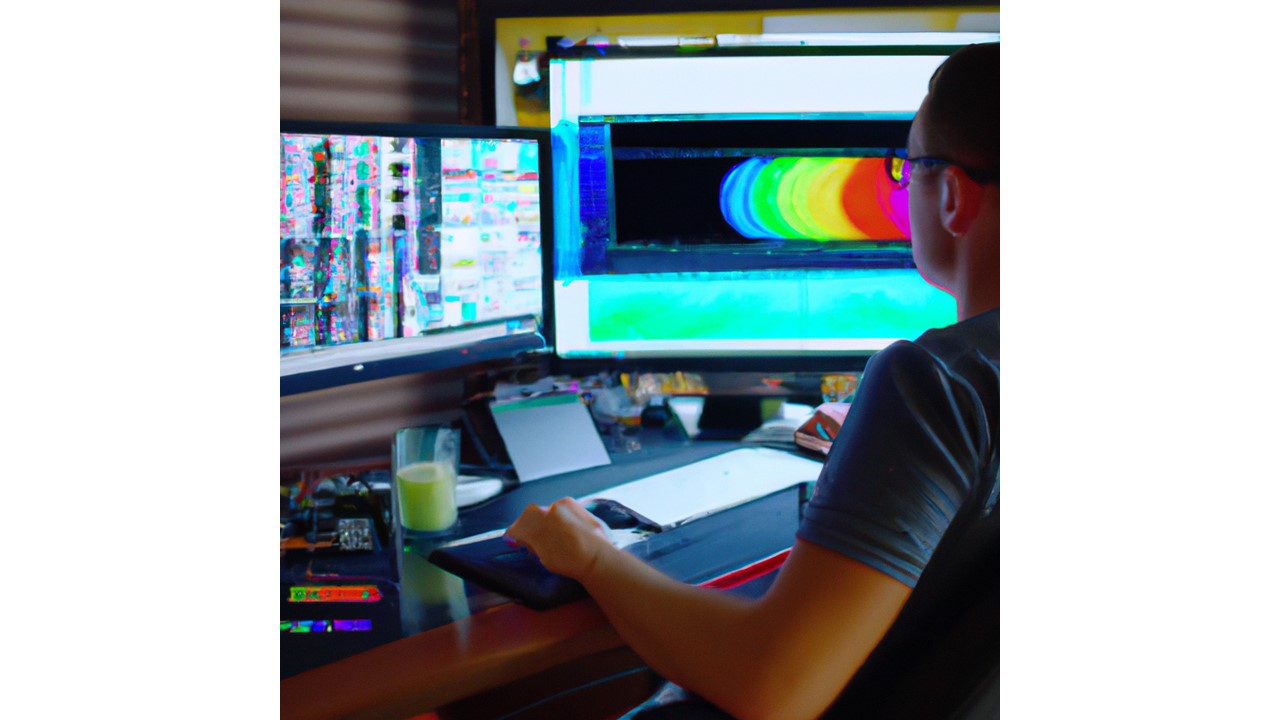
We offer comprehensive services, from studio and location video and photography to editing and post-production. Whether you’re shooting interviews, testimonials, or corporate videos, we have the right tools to create impactful content that resonates with your audience. Our private studio is equipped with custom lighting and visual setups, perfect for small productions or interview scenes. We also offer a flexible space large enough to incorporate props for your set.
Our team is well-versed in all file types and media styles, ensuring that your video is optimized for every platform. If you’re looking for something unique, we can even fly drones indoors, adding an exciting dynamic to your footage. Whether you’re creating corporate content or need a specialized setup, we provide everything from sound and camera operators to equipment for a seamless production.
Since 1982, we’ve worked with businesses, marketing firms, and agencies throughout the St. Louis area, customizing productions to meet diverse media requirements and repurposing your branding to maximize impact. At St. Louis Video Production Studio, our goal is to help you craft videos that not only look great but drive results.
Let us help make your next video production perfect. Reach out today to discover how we can bring your vision to life.
 st louis video production studio