In the world of marketing videos, compelling storytelling is key to capturing the audience’s attention. One of the most powerful tools to enhance an interview-based marketing video is the effective use of B-roll footage. B-roll serves as the visual glue that ties together narratives, reinforces messaging, and maintains engagement. However, the way B-roll is edited can make or break a marketing interview video. Here are expert editing tips to maximize the impact of your B-roll in marketing interviews.
1. Plan B-Roll with Intent
Before stepping into the editing suite, B-roll should be purposefully planned. It should align with the key themes of the interview and reinforce the main talking points. Editors should review the interview footage first and identify moments where B-roll can provide context, highlight an emotion, or add visual interest to what’s being said.
2. Maintain Visual Continuity
Seamless transitions between A-roll (interview footage) and B-roll are critical to a professional-looking edit. Ensure that B-roll clips match the flow of the interview by maintaining visual continuity in terms of lighting, color, and composition. This avoids abrupt visual shifts that could distract viewers.
3. Use B-Roll to Cover Edits and Jump Cuts
In interview-based marketing videos, jump cuts can disrupt the flow and make the content feel disjointed. Using B-roll as a cutaway technique helps smooth out these transitions, allowing the editor to remove filler words, hesitations, or off-topic tangents without viewers noticing any abrupt cuts.
4. Sync B-Roll with Key Soundbites
B-roll is most effective when it is used to complement rather than compete with the spoken content. Match B-roll to key phrases and soundbites from the interview. For example, if a subject talks about a hands-on customer experience, showing B-roll of a client interacting with a product or service reinforces the message visually.
5. Enhance Emotion Through Slow Motion and Close-Ups
If the goal is to evoke emotion, incorporating slow-motion shots or close-ups in the B-roll sequence can add a cinematic feel and deepen engagement. These techniques work particularly well for highlighting subtle expressions, product details, or immersive experiences.
6. Utilize Motion Graphics for Story Enhancement
Adding motion graphics or subtle text overlays to B-roll can further reinforce messaging. Lower thirds, infographics, or call-to-action elements placed over B-roll help provide additional context and make marketing interviews more informative and persuasive.
7. Avoid Overuse and Maintain Pacing
While B-roll is essential, overloading a marketing interview with excessive or irrelevant B-roll can be counterproductive. It’s important to strike a balance—ensuring that B-roll supports the narrative without overwhelming or distracting from the interviewee’s message.
8. Consider Audio Elements When Editing B-Roll
Sound plays a significant role in video editing. Background noises in B-roll footage should not interfere with the clarity of the interview dialogue. When necessary, use ambient sound, subtle background music, or audio crossfades to ensure a polished and immersive viewing experience.
9. Use B-Roll to Reinforce Brand Identity
B-roll is an opportunity to showcase branding elements. Whether it’s including shots of company logos, employees at work, or behind-the-scenes moments, ensuring that B-roll aligns with the brand’s visual identity strengthens brand recognition and credibility.
10. Test Different Sequences for Maximum Impact
The same set of B-roll clips can be arranged in various ways to evoke different emotions and engagement levels. A/B testing different sequences can help identify the most compelling version of the edit before finalizing the video.
Partner with Experts for Professional Marketing Videos
At St. Louis Video Production Studio, we understand the critical role of B-roll in crafting high-quality marketing interviews. Our team of expert videographers, editors, and producers ensure that your video content is professionally shot and seamlessly edited for maximum impact.
As a full-service professional commercial photography and video production company, we have the right equipment and creative crew service experience for successful image acquisition. Our expertise includes studio and location video production, editing, post-production, and licensed drone services to meet diverse media requirements. Whether you need a private custom interview studio setup, camera operators, or a large studio space with props, we have everything necessary to make your next marketing video a success. Our ability to repurpose photography and video branding ensures that your content gains maximum traction.
With over 40 years of experience, St. Louis Video Production Studio has been the trusted partner for businesses, marketing firms, and creative agencies throughout St. Louis. Contact us today to elevate your marketing interview videos with professional B-roll editing and production solutions.
In today’s fast-paced business environment, training videos have become an essential tool for educating employees, engaging clients, and sharing company processes. However, to truly be effective, training videos must do more than just present information—they must engage viewers, facilitate learning, and promote retention. As an experienced videographer and photographer at St. Louis Video Production Studio, we understand that the key to creating engaging training videos lies in following a set of best practices that elevate the viewer experience and improve outcomes. Below are some guidelines to boost engagement in your next training video.
Keep your content dynamic by using varying shot compositions, scene transitions, and editing techniques.
1. Keep it Focused and Concise
When it comes to training videos, brevity is crucial. Viewers often have limited attention spans, and lengthy, drawn-out content can result in disengagement. Focus on delivering key information in bite-sized segments. Aim for videos that are concise, with each segment targeting one specific learning objective. Break down larger topics into multiple videos to prevent overwhelming your audience, and make it easy for them to navigate to the information that matters most.
2. Incorporate Visuals to Reinforce Key Concepts
Humans process visual information faster than text, so incorporating visuals into your training videos is a powerful strategy. Use high-quality images, infographics, and on-screen text to reinforce the points being made in your narration. Additionally, animations or screen captures can help break down complex information, making it more digestible for viewers. The use of compelling visuals not only enhances learning but also helps keep the audience engaged throughout the video.
3. Tell a Story
One of the best ways to keep viewers engaged is to incorporate storytelling into your training videos. People are naturally drawn to stories, and weaving in relatable scenarios helps make abstract concepts more concrete. Whether it’s a success story, a problem-solving scenario, or a case study, storytelling engages emotions, making the learning experience both enjoyable and memorable.
4. Interactive Elements
Consider adding interactive elements to your training videos. These could be in the form of quizzes, polls, or decision-based branching scenarios. Interactive videos create a more engaging experience by inviting the viewer to actively participate, rather than passively watch. This can significantly enhance learning, as viewers are more likely to retain information they’ve actively engaged with.
5. High-Quality Audio and Visuals
One of the most important aspects of any video is its quality. Poor video or audio quality can quickly turn off viewers, making them less likely to absorb the material presented. Ensure your video is shot in high definition, with proper lighting and sound. Our private studio lighting setup at St. Louis Video Production Studio is designed to create professional-quality visuals, ideal for small productions and interview scenes. Clear, crisp audio, along with clean visuals, sets the stage for an immersive and effective training experience.
6. Keep the Pace Moving
A slow-paced video can quickly become boring, while a fast-paced one can leave viewers struggling to keep up. The key to engagement is maintaining a rhythm that allows viewers to absorb information without losing their interest. Keep your content dynamic by using varying shot compositions, scene transitions, and editing techniques. A combination of close-ups, wide shots, and smooth transitions will keep the video flowing naturally, making it more enjoyable for the viewer.
7. Use Real-Life Examples and Demonstrations
Theory can often be dry and difficult for viewers to relate to. By using real-life examples and practical demonstrations, you can help the audience understand how the training applies to their own work. Hands-on examples help ground the material, making it more relatable and engaging. A strong example will also help reinforce key concepts and show how they can be applied in real-world situations.
8. Provide Clear Instructions and Summaries
At the start of the video, provide an outline of the objectives so viewers know what to expect. After each section, summarize the main takeaways, and ensure the conclusion clearly recaps the overall lesson. This reinforces the key points, helping viewers retain information more effectively.
9. Repurpose Your Content for Better Reach
One of the biggest advantages of training videos is their ability to be repurposed. Repurpose your training videos into smaller clips or create supplementary materials, like infographics or slideshows, to reinforce the learning. You can also share shorter excerpts or highlights on social media to increase engagement and reach a wider audience. At St. Louis Video Production Studio, we specialize in repurposing video and photography content to optimize engagement and ensure that it reaches the right people at the right time.
10. Provide a Personal Touch
One of the most powerful ways to engage viewers is by making the training feel personal. Consider incorporating interviews or testimonials from employees, leadership, or subject matter experts to add depth and authenticity. Personalized videos where the instructor addresses the viewer directly also create a connection, making the experience feel more interactive.
Why St. Louis Video Production Studio is Your Partner for Engaging Training Videos
Creating engaging training videos requires more than just following guidelines; it requires the right tools and expertise. At St. Louis Video Production Studio, we are a full-service professional commercial photography and video production company with decades of experience. Since 1982, we have been working with businesses, marketing firms, and agencies in the St. Louis area, helping them produce high-quality training videos that resonate with audiences.
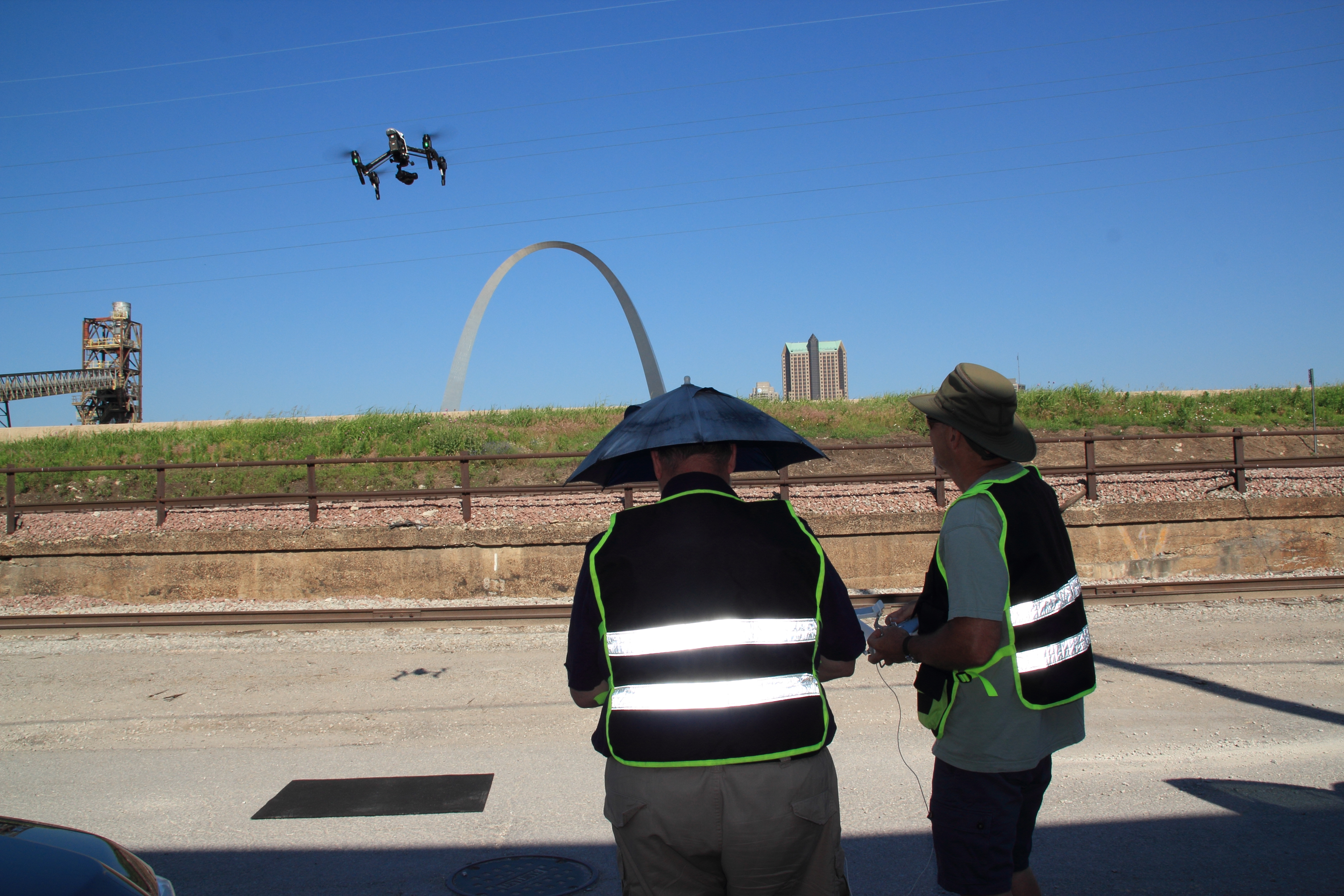
Our team includes experienced sound and camera operators, directors, and an entire creative crew capable of bringing your vision to life. With our private studio lighting and setup, we can cater to small productions and interview scenes with ease. We offer a variety of services, from location video and photography to editing and post-production. We also have licensed drone pilots, capable of flying specialized drones indoors, adding a unique touch to your production.
At St. Louis Video Production Studio, we are well-versed in all file types and media styles, and we work with the latest software to ensure your content looks its best across all platforms. Whether you need a custom interview studio setup, sound and camera equipment, or a tailored production plan, we have the expertise to deliver. Our ability to repurpose your video and photography branding helps your content gain more traction and reach the right audience. Trust us to make your next training video production both engaging and successful.
Let us help you elevate your training materials with professionally produced, engaging videos that not only inform but also inspire action. Contact St. Louis Video Production Studio today to begin your journey toward better, more impactful training videos.
When planning a video production, especially for interviews, it’s crucial to understand that there’s much more to it than simply pointing a camera and asking questions. Successful video interviews require careful consideration of the technical setup, the interview style, and the overall message you want to convey. Whether you’re creating a corporate video, testimonial, case study, or marketing piece, the way you approach an interview can dramatically affect the final outcome.
Use an external microphone to capture clearer audio and reduce distractions like echo or background noise. Make sure their internet connection is stable.
In this guide, we’ll explore different video production interview techniques, the best practices for each, and how the right technical setup can elevate your production. As an experienced videographer and photographer at St. Louis Video Production Studio, we’ve had the privilege of helping numerous businesses, marketing firms, and agencies craft compelling videos that capture the essence of their brand.
1. Traditional One-on-One Interview
The traditional interview format is the most commonly used style. It involves a conversation between the interviewer and the subject, typically filmed with the interviewer off-camera. The subject speaks directly to the interviewer, but to the audience, it looks like they are having a conversation with someone out of frame.
Best Practices:
Framing: Ensure your subject is positioned slightly off-center in the frame (a technique called the “rule of thirds”) for visual appeal.
Lighting: Use soft, flattering lighting to eliminate harsh shadows and make your subject appear natural. A three-point lighting setup, with a key light, fill light, and backlight, is ideal.
Audio: Clear audio is essential. A lavalier microphone attached to the subject can ensure crystal-clear sound, avoiding any background noise from a handheld mic.
2. Testimonial Interviews
Testimonial interviews are often used for customer stories or employee experiences. These videos are highly effective for building trust, as they provide firsthand accounts of how your product or service has made a positive impact.
Best Practices:
Set the Scene: Testimonial interviews should feel natural, as though the subject is having an honest conversation with the audience. Use b-roll footage to illustrate key points.
Tone & Environment: Create a comfortable setting for your subject. A relaxed tone helps the person feel more at ease and speak freely.
Framing: Similar to the one-on-one interview, make sure to have the subject look slightly off-camera. Positioning the camera slightly to the side adds dynamism to the shot, making the conversation feel more authentic.
3. Panel Interviews
Panel interviews are perfect for discussions with multiple experts or stakeholders. These videos are often used in corporate settings for roundtable discussions or leadership insights. Panel interviews require multiple cameras to capture each person at the right time, ensuring a dynamic flow.
Best Practices:
Multiple Angles: Use at least two or three cameras to capture the action from different perspectives, alternating between wide shots and close-ups.
Microphones: Use individual microphones for each person to ensure high-quality sound. Overhead mics can also be helpful in capturing ambient sound.
Lighting: Lighting should be balanced across all panel members, but make sure each person is properly lit to avoid shadows or uneven exposure.
4. On-the-Go (Walking) Interviews
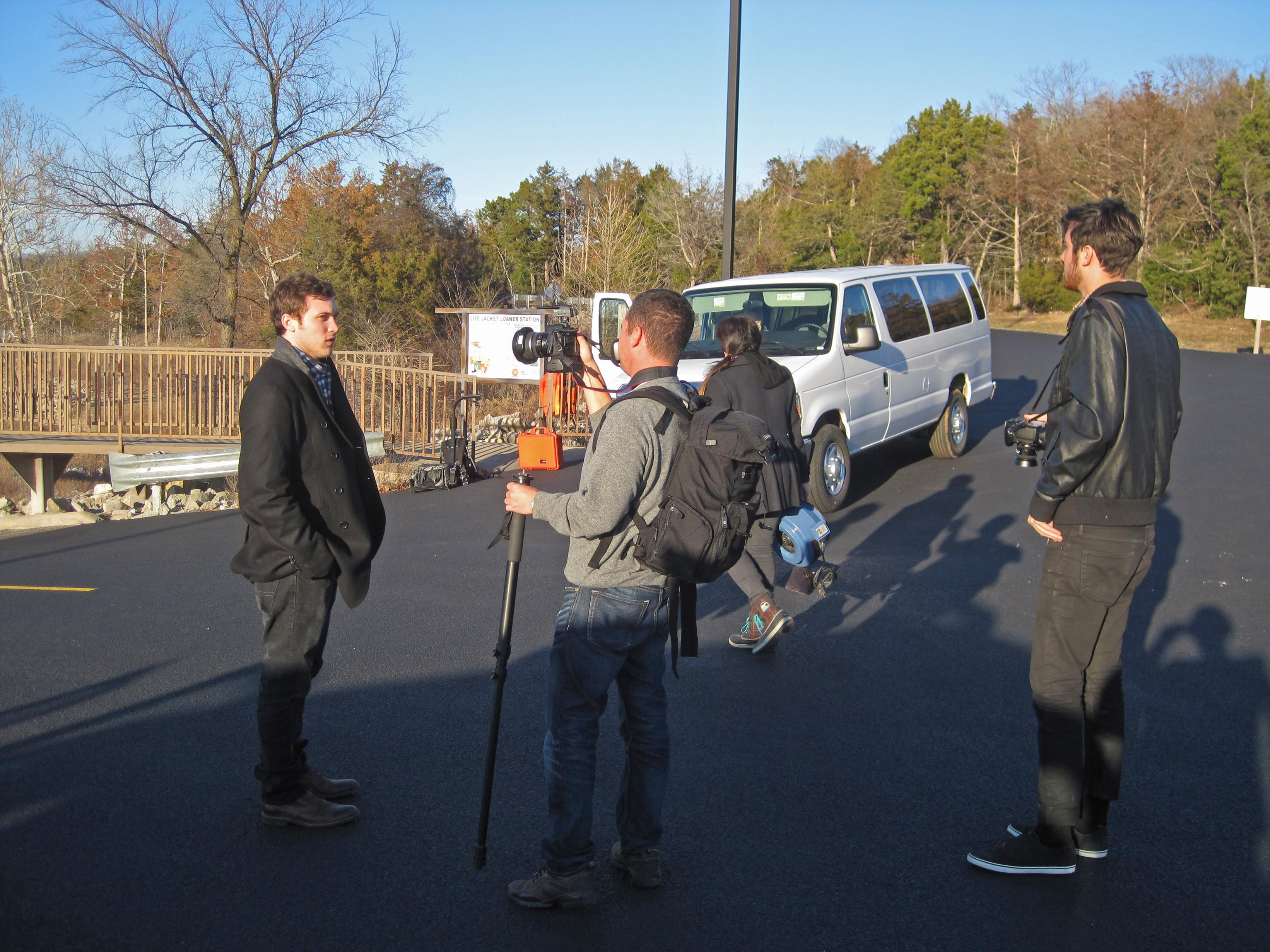
Walking interviews have become increasingly popular in corporate video production as they lend an informal, dynamic style. Filming while walking allows you to capture movement, making the interview feel more energetic and conversational.
Best Practices:
Stabilization: A handheld gimbal or Steadicam is essential for smooth footage when following the subject on the move. Avoid shaky camera work by using a tripod or mount when possible.
Audio: Use a wireless microphone system to allow for unrestricted movement while ensuring the audio remains clear.
Framing: Focus on wide shots to allow for movement within the frame. This style is best suited for relaxed, informal environments.
5. Virtual Interviews
In the age of remote work, virtual interviews have become commonplace. These interviews are conducted through video conferencing platforms like Zoom, and capturing high-quality visuals and sound can be tricky when the setup is outside of your control.
Best Practices:
Lighting: Encourage the interviewee to use soft, even lighting. Natural light from a window is preferable, but they may need to supplement it with additional lamps or ring lights.
Camera Positioning: Frame the subject’s head and shoulders. Ensure they’re centered in the frame, with their eye level aligned with the camera lens.
Technical Considerations: Use an external microphone to capture clearer audio and reduce distractions like echo or background noise. Make sure their internet connection is stable.
6. Documentary-Style Interviews
For a documentary feel, interviews are often interwoven with b-roll footage that illustrates the subject’s story. These interviews tend to be more immersive and personal, focusing on in-depth responses.
Best Practices:
Visual Storytelling: Use b-roll footage that complements what the subject is talking about. For instance, if someone is discussing their work, show shots of them in action.
Lighting: Keep the lighting natural but flattering. Avoid over-stylizing the scene to maintain the authenticity of the moment.
Tone: Let the subject speak freely. Focus on organic storytelling that engages the audience with real, raw emotions.
Why St. Louis Video Production Studio is Your Best Choice for Corporate Video Production
At St. Louis Video Production Studio, we understand that a great interview requires not only the right technique but also the best equipment and a skilled creative team. With decades of experience in full-service commercial photography and video production, we have the expertise to take your video projects to the next level.
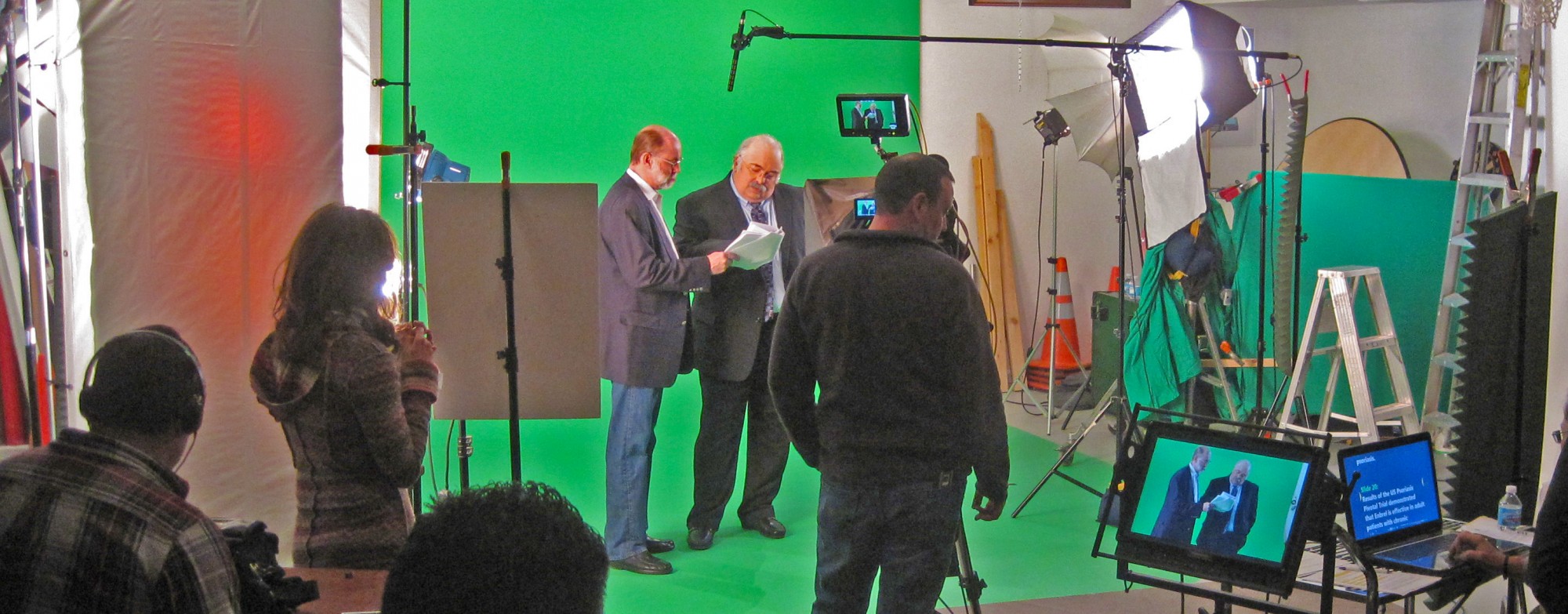
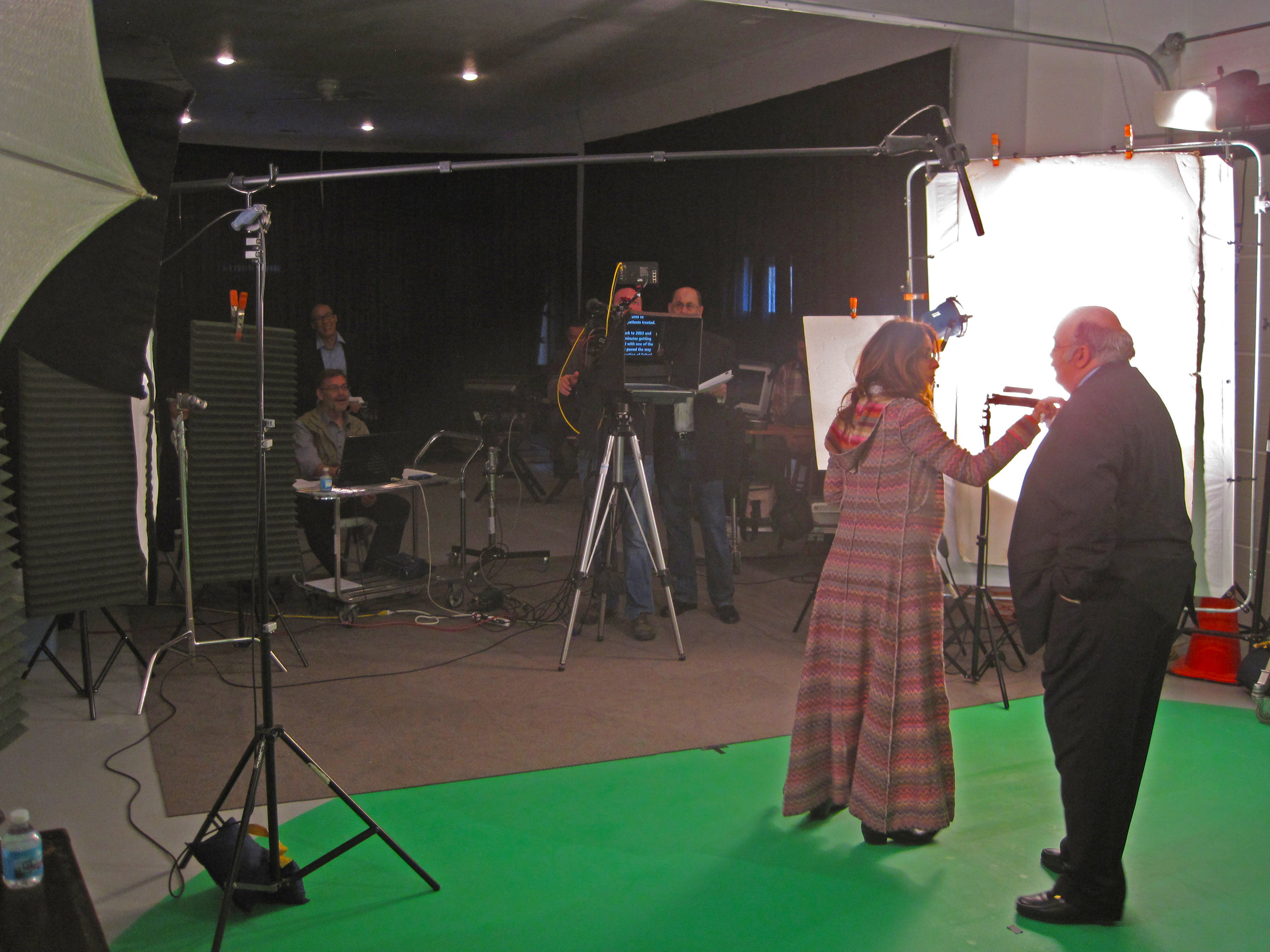
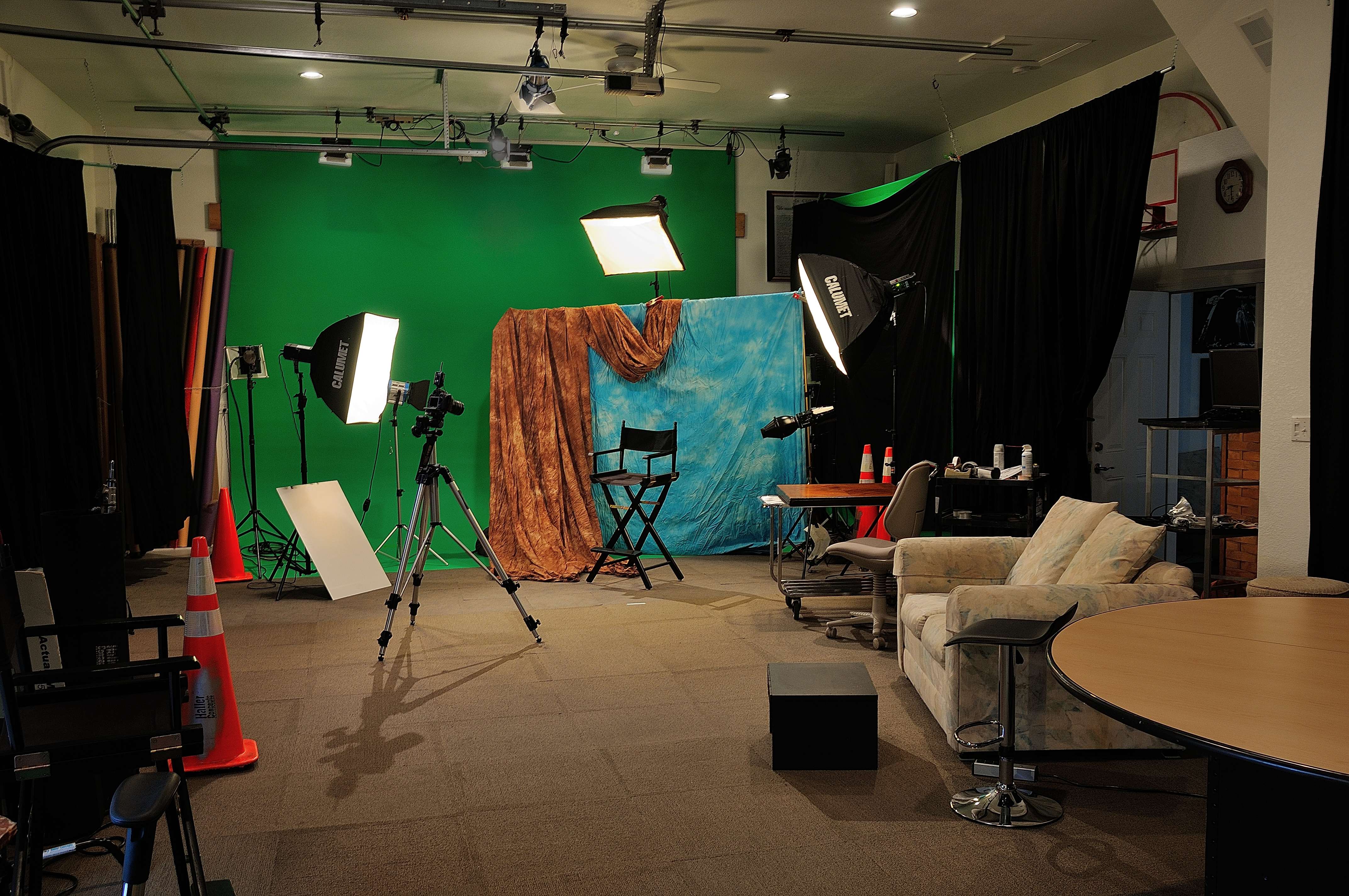
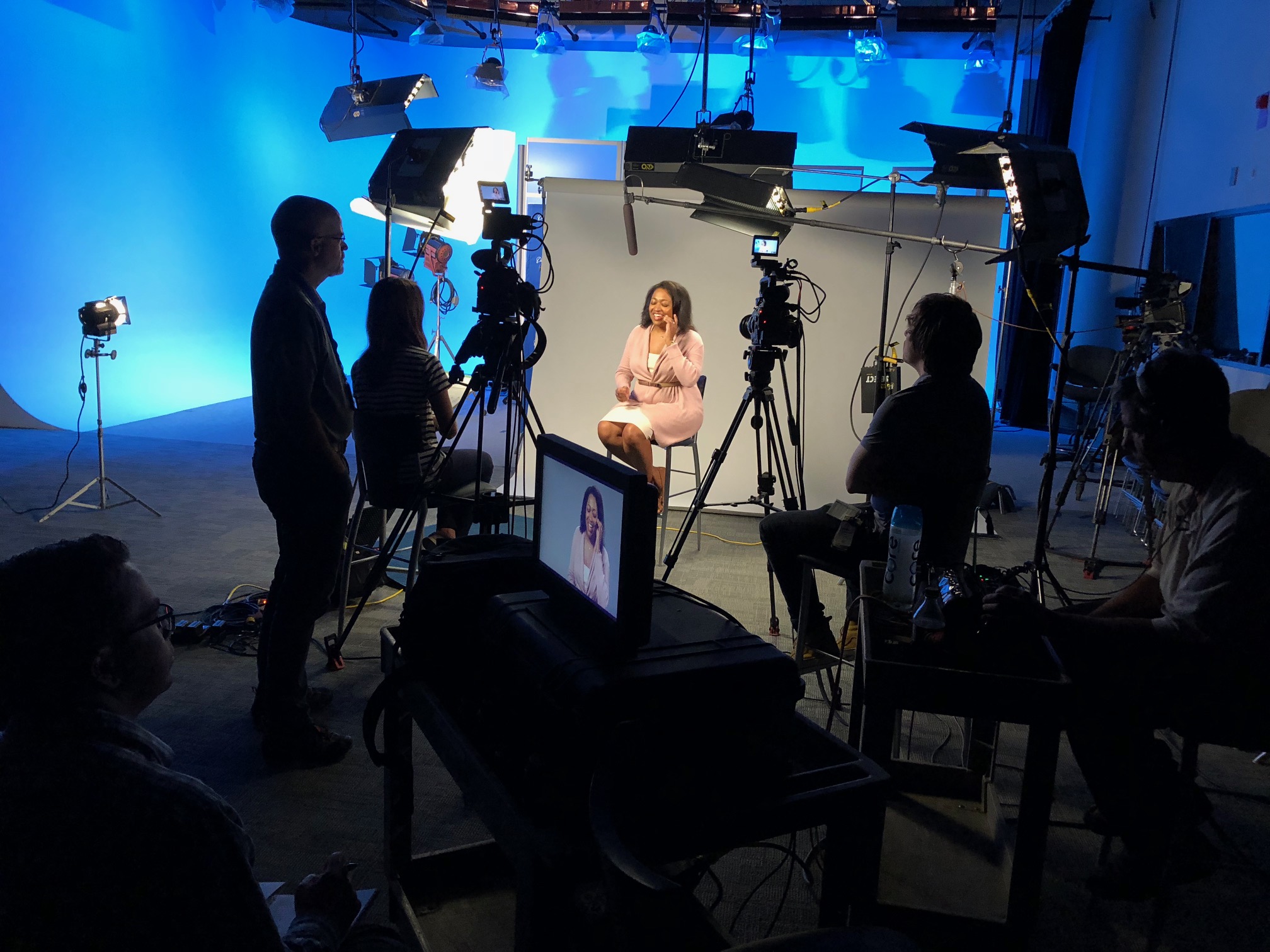
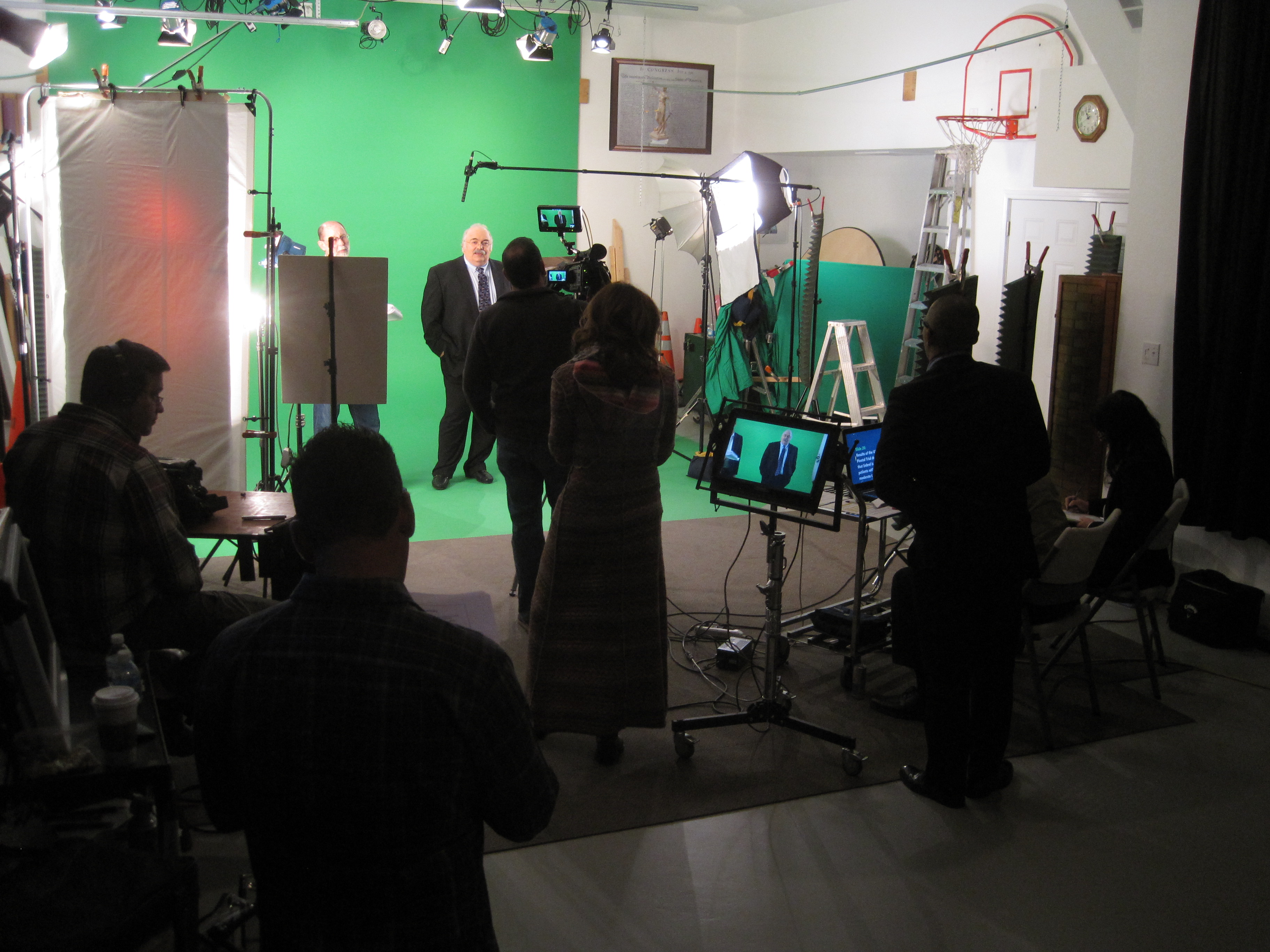
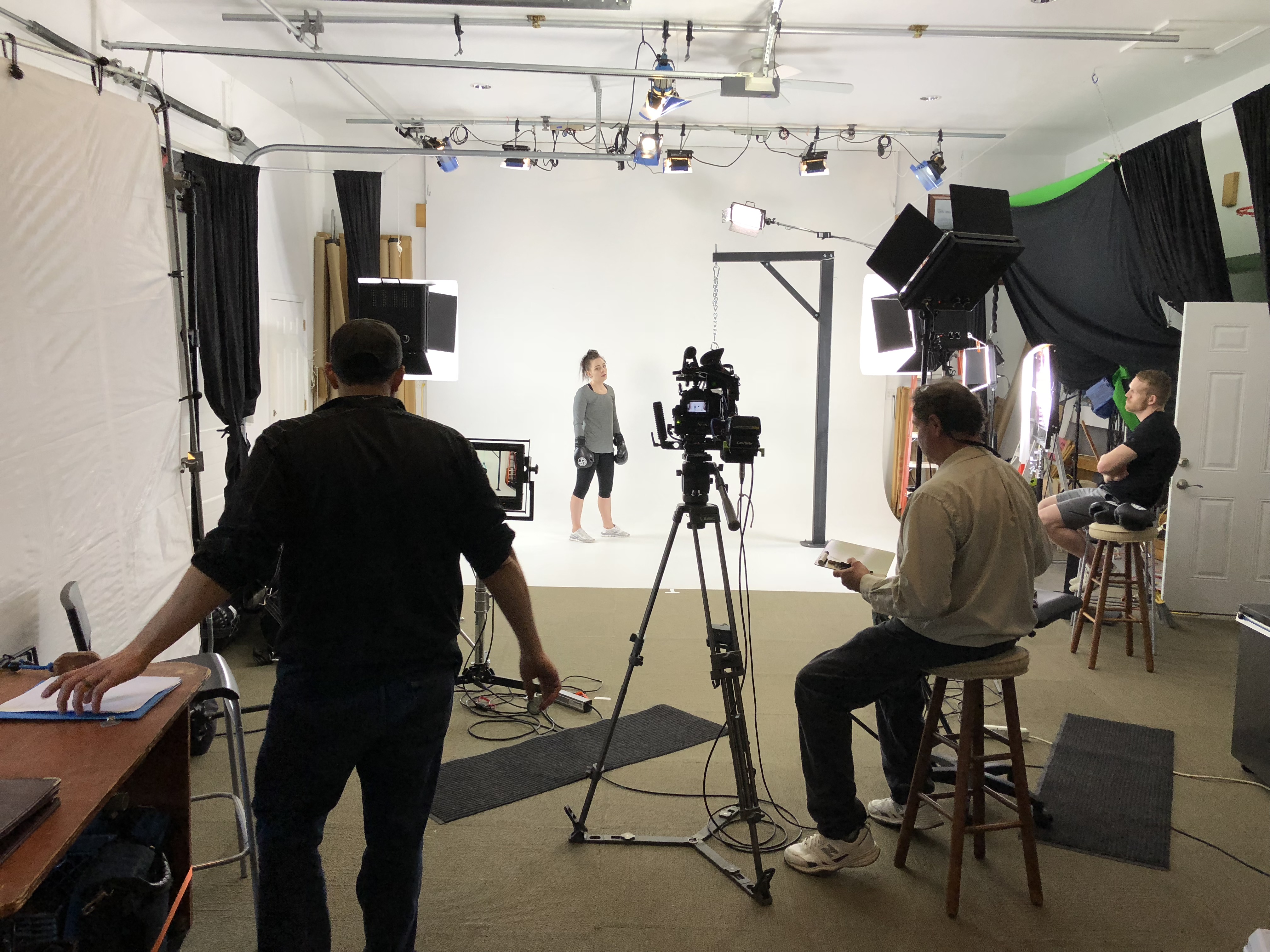
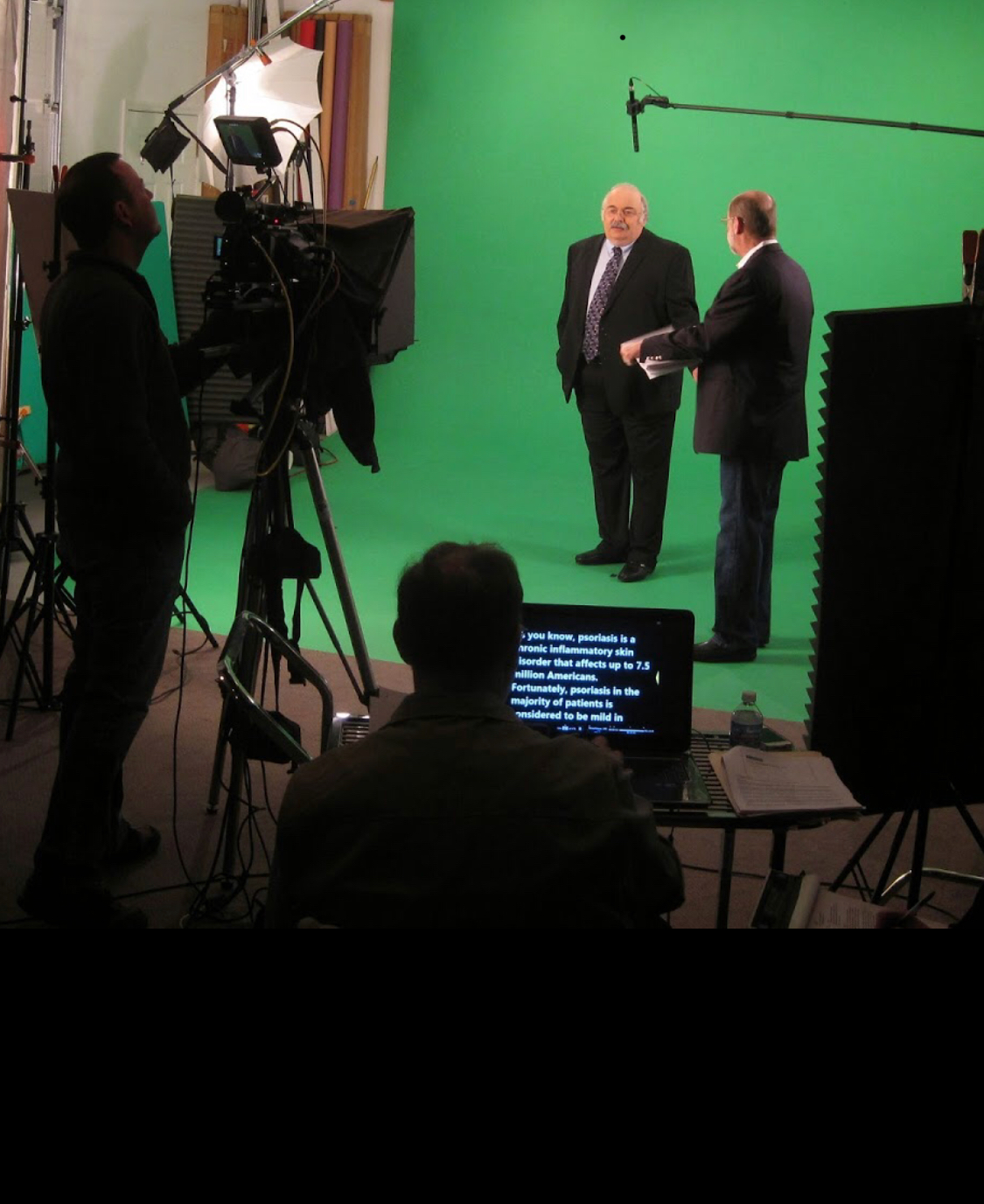
We offer comprehensive services, from studio and location video and photography to editing and post-production. Whether you’re shooting interviews, testimonials, or corporate videos, we have the right tools to create impactful content that resonates with your audience. Our private studio is equipped with custom lighting and visual setups, perfect for small productions or interview scenes. We also offer a flexible space large enough to incorporate props for your set.
Our team is well-versed in all file types and media styles, ensuring that your video is optimized for every platform. If you’re looking for something unique, we can even fly drones indoors, adding an exciting dynamic to your footage. Whether you’re creating corporate content or need a specialized setup, we provide everything from sound and camera operators to equipment for a seamless production.
Since 1982, we’ve worked with businesses, marketing firms, and agencies throughout the St. Louis area, customizing productions to meet diverse media requirements and repurposing your branding to maximize impact. At St. Louis Video Production Studio, our goal is to help you craft videos that not only look great but drive results.
Let us help make your next video production perfect. Reach out today to discover how we can bring your vision to life.
In today’s competitive business landscape, content is king, and video has emerged as one of the most compelling mediums to capture audience attention. Whether you’re producing corporate videos, marketing materials, or internal communications, efficiency in both time and cost is paramount. One of the most overlooked ways to maximize these efficiencies is by leveraging a professional video production studio. When you understand the true cost of doing it yourself versus using a full-service production studio, the benefits become crystal clear.
Repurposing photography and video branding is one of the best ways to gain more traction and value from your initial production.
1. Cutting Costs with Expert Resources
Producing a high-quality video requires not just a camera, but specialized equipment, lighting setups, audio gear, editing software, and—most importantly—experienced professionals to operate and manage everything. If you were to invest in all of this independently, costs would skyrocket. A professional studio has everything in-house, which eliminates the need for businesses to purchase or rent equipment for individual projects.
At St Louis Video Production Studio, we’ve invested in state-of-the-art equipment and have an expert crew ready to deliver a polished final product. This enables you to avoid costly investments in equipment, training, and the time-consuming task of managing a production in-house. The equipment we offer—including specialized drones, private studio lighting, and custom setups for interview scenes—adds significant value, making the entire process streamlined and budget-friendly.
2. Time is Money
When you work with a professional video production studio, you’re also saving valuable time. From the moment you bring a project to the table, our team can handle every stage, from pre-production to post-production. This means less time spent coordinating multiple vendors, managing logistics, or troubleshooting technical issues, allowing you and your team to stay focused on your core business activities.
Our streamlined processes ensure quick turnaround times. Our in-house editing and post-production services mean there’s no need to send footage off to third parties. This level of efficiency keeps timelines on track, preventing delays that could impact your project’s delivery and potentially your bottom line.
3. Customization Without the Premium Price
A misconception some businesses have is that custom video productions are expensive. However, by working with a full-service studio, you gain access to a team that can tailor the production specifically to your needs—without the premium price tag often associated with customization. From setting up custom lighting and visual environments to bringing in props that enhance the overall set, a production studio like ours ensures that your vision is realized without unnecessary expenditure.
At St Louis Video Production Studio, we specialize in creating custom interview studio setups, flying specialized drones indoors, and even setting up scenes with intricate props and backdrops, all within your budget. Our private studio is large enough for your production, yet personal enough to create a collaborative, efficient experience for your team.
4. Maximizing Value with Repurposing
When it comes to video, efficiency doesn’t end with the production of one piece. By working with a studio that understands how to repurpose content, you can extend the life and utility of your video investment. Repurposing photography and video branding is one of the best ways to gain more traction and value from your initial production.
Imagine being able to take a corporate video interview and use segments of it in social media posts, training videos, or even ads. This type of flexibility is one of the key advantages of working with a professional studio. St Louis Video Production Studio is well-versed in repurposing existing media across various platforms, allowing you to maximize your return on investment by creating a library of content from one shoot.
5. Flexibility to Suit Diverse Media Needs
A full-service video production studio is more than just a filming space—it’s a creative hub that can meet any business’s evolving media needs. Whether you need corporate headshots, promotional videos, drone footage for real estate, or in-depth interviews, a production studio can seamlessly adapt to these different requirements. This flexibility ultimately saves businesses time and money compared to hiring different vendors for each type of media project.
At St Louis Video Production Studio, we customize productions to meet your exact needs. Whether you need sound and camera operators for a specific project or a full-scale production that includes drones, interview setups, and post-production, our team is equipped to deliver.
Why St Louis Video Production Studio is the Smart Choice
Since 1982, St Louis Video Production Studio has been the trusted partner for businesses, marketing firms, and agencies across the St. Louis area. As a full-service professional commercial photography and video production company, we offer everything from studio and location video and photography to editing, post-production, and licensed drone pilots.
Our team is skilled at customizing productions to meet diverse media requirements and repurposing photography and video branding to maximize your content’s reach. With our state-of-the-art private studio that includes specialized lighting and visual setups, we can create the perfect environment for your next small production or interview scene. Additionally, our studio is large enough to incorporate props and a variety of backdrops to bring your vision to life.
We are experts in working with all file types, styles of media, and accompanying software to ensure seamless production and post-production. Whether you need an indoor drone shoot, a private custom interview setup, or a full team of sound and camera operators, we have the equipment and experience to make your next video production a success.
If you’re ready to create professional, cost-efficient video content, St Louis Video Production Studio is here to help you every step of the way. Let us take your vision and turn it into a powerful, polished video that enhances your brand and drives engagement.
Reach out today to discover how we can make your next project not only successful but cost-effective.
Video testimonials are one of the most powerful tools for businesses to build credibility and connect with potential customers. They showcase genuine feedback from satisfied clients, humanize your brand, and can significantly influence buying decisions. However, many organizations shy away from producing video testimonials due to budget constraints, believing that high-quality productions always come with a hefty price tag. The good news is that creating compelling video testimonials doesn’t have to break the bank. With the right approach and strategic planning, you can produce impactful testimonial videos that resonate with your audience without overspending. Here’s how:
Editing is where your video can truly shine, but it’s also where costs can escalate quickly. To stay within budget, focus on editing the video for clarity, pacing, and impact.
1. Plan Your Testimonial Content Carefully
The key to creating a budget-friendly testimonial is meticulous planning. Outline the goals of your testimonial video—what do you want it to achieve? Define the core message you want your clients to convey. Create a list of questions that will guide the testimonial and focus on eliciting genuine, engaging responses. These questions should center around the challenges your client faced, how your product or service solved their problem, and the specific results they achieved.
Planning the content thoroughly ensures that the shoot is efficient, saving you time and money. A clear structure also helps keep the testimonial on track, reducing the need for extensive editing later.
2. Choose the Right Location
Choosing the right location is critical to the success of your testimonial video. However, you don’t need to rent a fancy space or travel far to create an effective backdrop. Consider filming on-site at your client’s office or in a space that visually represents their business. This approach not only saves costs but also adds authenticity to the video, making it feel more real and relatable to viewers.
Alternatively, St Louis Video Production Studio offers an affordable in-house studio with flexible setups. Our private studio lighting and visual arrangements are perfect for smaller productions, allowing you to control the environment, sound, and lighting without incurring extra location fees.
3. Leverage Natural Lighting
Good lighting is crucial in video production, but you don’t necessarily need expensive equipment to achieve great results. If you’re filming on location, try to schedule your shoot during times when you can take advantage of natural light. Position your subject near windows or other light sources to illuminate their face evenly.
When natural light isn’t available or sufficient, our studio offers professional-grade lighting setups tailored to create the best atmosphere for your testimonial. Utilizing our equipment ensures consistent and flattering lighting, which is often a challenge when relying solely on natural light.
4. Keep the Equipment Simple
When it comes to equipment, less is often more, especially if you’re working with a limited budget. A high-quality camera, a reliable microphone, and a stable tripod are usually sufficient for most testimonial videos.
For businesses looking for a more professional touch without the expense of renting or purchasing equipment, St Louis Video Production Studio provides sound and camera operators who bring the right tools to ensure your video is of the highest quality. From crisp audio to steady visuals, our team handles the technical aspects, allowing you to focus on the content.
5. Focus on Authenticity Over Perfection
One of the most appealing aspects of testimonial videos is their authenticity. Viewers expect a real, unscripted, and honest portrayal of your client’s experience. Overly polished videos can sometimes come across as staged or insincere. Encourage your clients to speak naturally and from the heart. Don’t worry too much about minor mistakes or imperfections—these elements add a touch of realism that audiences appreciate.
6. Edit for Impact, Not Overproduction
Editing is where your video can truly shine, but it’s also where costs can escalate quickly. To stay within budget, focus on editing the video for clarity, pacing, and impact. Highlight the most compelling parts of the testimonial and keep the overall video concise—usually under two minutes.
Our post-production team at St Louis Video Production Studio can assist with professional editing services that enhance your video without unnecessary bells and whistles. We are skilled at repurposing existing footage and adding branded elements that align with your marketing objectives, making your video look polished and cohesive.
7. Add Graphics and Subtitles
Adding graphics and subtitles can enhance your video and make it more accessible, but it doesn’t have to be costly. Simple text overlays highlighting key points, your client’s name, and their company can add professionalism without extensive investment. Subtitles are especially important, as many viewers watch videos on mute, particularly on social media platforms.
St Louis Video Production Studio provides editing services that include the addition of branded graphics and subtitles, ensuring your testimonial is engaging and professional.
8. Repurpose Content for Maximum Value
Once your testimonial video is complete, maximize its value by repurposing the content across multiple platforms. Use snippets for social media, integrate the video into email marketing campaigns, and feature it on your website. This strategy amplifies the reach of your video without additional costs, giving you more mileage from your production efforts.
Why Choose St Louis Video Production Studio?
St Louis Video Production Studio is a full-service professional commercial photography and video production company with the right equipment and creative crew service experience for successful image acquisition. We offer full-service studio and location video and photography, as well as editing, post-production, and licensed drone pilots. Our team can customize your productions for diverse types of media requirements and specialize in repurposing your photography and video branding to help your business gain more traction.
With expertise in all file types, styles of media, and accompanying software, our private studio lighting and visual setup is perfect for small productions and interview scenes. Our studio is large enough to incorporate props, providing a versatile space that enhances the storytelling aspect of your videos. From setting up private custom interview studios to providing sound and camera operators and the right equipment, we have everything needed to make your next video production perfect. Additionally, our ability to fly specialized drones indoors sets us apart, offering unique angles and perspectives that elevate your video content.
Since 1982, St Louis Video Production Studio has worked with countless businesses, marketing firms, and agencies in the St. Louis area, helping them achieve their corporate photography and video goals. Trust us to bring your vision to life with high-quality, professional, and budget-friendly video testimonial production services. Let’s make your next testimonial video a success.
In today’s competitive business landscape, high-quality video content is more crucial than ever. Whether you’re looking to create engaging marketing materials, informative corporate videos, or compelling brand storytelling, understanding the costs associated with video production is essential. This guide will walk you through the key factors that influence video production costs and help you make informed decisions for your next project.
Studio shoots, while sometimes more economical, still require careful planning and setup.
1. Pre-Production Planning
Pre-production is the foundation of any successful video project. It involves planning, scripting, storyboarding, and scheduling. This stage is crucial as it sets the direction for the entire production. Costs in this phase include:
Scriptwriting and Concept Development: Crafting a compelling script and developing a clear concept can be time-consuming but is essential for a focused and effective video.
Storyboarding: Visualizing each scene helps streamline production and ensures that every element is accounted for.
Location Scouting: Finding the right locations can influence your budget, especially if they require permits or special arrangements.
2. Production Costs
The production phase involves the actual shooting of your video. Key elements that contribute to costs include:
Crew: Hiring experienced videographers, directors, and production assistants ensures a high-quality shoot. The size and expertise of the crew can significantly affect costs.
Equipment: The type of equipment used, such as cameras, lighting, and sound gear, plays a major role in determining expenses. High-end equipment yields better results but comes with higher rental or purchase costs.
Location: Shooting on location may incur additional costs for permits, travel, and set design. Studio shoots, while sometimes more economical, still require careful planning and setup.
3. Post-Production
After filming, the video undergoes post-production, which includes editing, color correction, sound design, and visual effects. Costs in this phase are driven by:
Editing: Skilled editors can transform raw footage into a polished final product. The complexity of the edit, including special effects and graphics, impacts the cost.
Sound Design: High-quality audio is crucial for a professional video. Costs here include sound mixing, voiceovers, and music licensing.
Color Grading: Enhancing the visual appeal of your video through color correction and grading adds a professional touch.
4. Additional Factors
Talent and Licensing: Fees for actors, models, and licensing music or stock footage can add to your budget. Ensure you account for these elements in your planning.
Specialized Equipment: If your project requires advanced technology like drones or specialized cameras, costs will rise. Drones, for example, offer unique perspectives but require additional expertise and licensing.
5. Budgeting Tips
Get Multiple Quotes: Comparing quotes from different production companies can help you find the best value for your budget.
Plan Ahead: Thorough pre-production planning can prevent costly mistakes and delays during shooting.
Be Clear About Your Needs: Clearly defining your project’s requirements helps avoid unexpected expenses and ensures that you get the results you want.
Why Choose St Louis Video Production Studio
At St Louis Video Production Studio, we bring extensive experience and expertise to every project. Since 1982, we have been a trusted partner for businesses, marketing firms, and agencies in the St. Louis area, providing top-notch video and photography services. Our full-service offerings include studio and location video and photography, editing, post-production, and licensed drone pilots.
Our team is well-versed in all file types, media styles, and accompanying software, ensuring that your video content meets the highest standards. Our private studio features custom lighting and visual setups, perfect for small productions and interviews. We also offer specialized drones for indoor use, a versatile studio space for props and set design, and a complete suite of production equipment.
Whether you need a custom interview studio setup or a full-scale video production, St Louis Video Production Studio has the experience and resources to make your vision a reality. Let us help you create impactful, professional video content that drives your brand forward.
For more information or to discuss your next project, contact us today.
In the realm of corporate communications and marketing, client video testimonials are a powerful tool. They provide authentic, relatable, and persuasive content that can significantly enhance your brand’s credibility and appeal. However, one of the most common questions decision-makers face is: How long should these testimonials be? The answer depends on several factors, including your audience, the platform where the video will be shared, and the message you want to convey.
Encourage clients to express their satisfaction and the impact on their business or personal life.
Understanding Your Audience
The length of your client video testimonial should primarily be determined by your audience’s attention span and preferences. In today’s fast-paced digital world, audiences often have limited time and a shorter attention span. For most business-related content, keeping videos concise and to the point is crucial.
Short Attention Spans: Studies have shown that viewers tend to lose interest in videos that are too long. A general guideline is to keep testimonial videos between 1 to 3 minutes. This duration is long enough to provide valuable insights and keep the viewer engaged without overwhelming them.
Platform Considerations: Different platforms have varying optimal video lengths. For example:
Social Media (Facebook, Instagram, LinkedIn): Aim for 30 seconds to 1 minute. These platforms cater to users who scroll quickly through content.
YouTube: Videos can be slightly longer, ranging from 2 to 3 minutes, as users on this platform are more inclined to watch longer content.
Website: For embedding on your company’s website, 1 to 2 minutes is often ideal. This provides enough time to convey the testimonial’s message while maintaining viewer interest.
Crafting the Message
The content of your client video testimonial is as important as its length. Here are some key elements to include to ensure your video is both impactful and engaging:
Clear Introduction: Start with a brief introduction of the client, their business, and their relationship with your company. This sets the context and establishes credibility.
Specific Benefits: Encourage clients to speak about specific benefits they have experienced from your product or service. Detailed, real-world examples resonate more than vague praises.
Problem-Solution Narrative: Highlight the problem the client faced before working with you and how your solution effectively addressed it. This narrative structure is compelling and relatable.
Results and Outcomes: Quantifiable results and outcomes make testimonials more convincing. Ask clients to share any measurable improvements they have seen since using your service.
Emotional Appeal: Testimonials that convey genuine emotion and enthusiasm are more engaging. Encourage clients to express their satisfaction and the impact on their business or personal life.
Editing and Post-Production
Effective editing is crucial in ensuring your video testimonial is concise, clear, and professional. Here are some tips:
Cut Unnecessary Content: Trim any irrelevant or repetitive content to keep the video focused.
Add Visuals and Graphics: Use visuals, graphics, and on-screen text to reinforce key points and make the video more visually appealing.
Maintain High Quality: Ensure high-quality audio and visuals. Poor production quality can distract from the message and reduce credibility.
The Expertise of St Louis Video Studio
At St Louis Video Studio, we understand the nuances of creating impactful client video testimonials. Our experience as a full-service professional commercial photography and video production company equips us with the right equipment and creative crew service experience for successful image acquisition. We offer full-service studio and location video and photography, as well as editing, post-production, and licensed drone pilots.
We can customize your productions for diverse types of media requirements, ensuring your photography and video branding gain maximum traction. Our team is well-versed in all file types and styles of media and accompanying software. Our private studio lighting and visual setup is perfect for small productions and interview scenes, while our studio is large enough to incorporate props to round out your set.
From a private custom interview studio setup to providing sound and camera operators and equipment, we have everything needed to make your next video production perfect. Our specialized drones can even fly indoors, adding a unique perspective to your shoots. Since 1982, St Louis Video Studio has worked with numerous businesses, marketing firms, and agencies in the St. Louis area for their corporate photography and video needs.
By choosing St Louis Video Studio, you are partnering with a team of experienced professionals dedicated to delivering high-quality visual content that meets your specific needs. Let us help you create compelling client video testimonials that effectively communicate your brand’s success stories and build trust with your audience.
In today’s competitive business landscape, high-quality visual content is crucial for effective communication, marketing, and branding. Whether you’re looking to create compelling promotional videos, dynamic corporate presentations, or engaging social media content, choosing the right video production studio can make all the difference. Here are the top 10 questions decision-makers typically ask about video production studios, along with expert insights to help you make informed decisions.
Flexibility in shooting locations can add value to your production. We offer location video and photography services.
1. What Services Do You Offer?
A comprehensive video production studio should offer a range of services, including pre-production planning, scriptwriting, storyboarding, location scouting, filming, editing, post-production, and even distribution. At St Louis Video Production Studio, we provide full-service studio and location video and photography, as well as editing, post-production, and licensed drone pilots to ensure your project is handled professionally from start to finish.
2. What Kind of Equipment Do You Use?
The quality of the equipment used can significantly impact the final product. We utilize state-of-the-art cameras, lighting, sound equipment, and editing software to ensure the highest production values. Our studio is equipped with specialized drones capable of flying indoors, providing unique and creative shots.
3. Can You Provide Examples of Previous Work?
Reviewing a studio’s portfolio is essential to understanding their capabilities and style. St Louis Video Production Studio has a diverse portfolio showcasing projects for various businesses, marketing firms, and agencies in the St. Louis area, highlighting our versatility and expertise.
4. How Do You Handle Different Types of Productions?
Different projects have unique requirements. Our team is experienced in customizing productions for various media, including corporate videos, commercials, training videos, and social media content. We also specialize in repurposing photography and video branding to maximize your content’s impact.
5. What is Your Process for Managing a Project?
A structured process ensures that projects stay on track and within budget. Our process includes detailed pre-production planning, efficient shoot scheduling, and thorough post-production review. We work closely with our clients at every stage to ensure their vision is realized.
6. Do You Provide Studio Space for Filming?
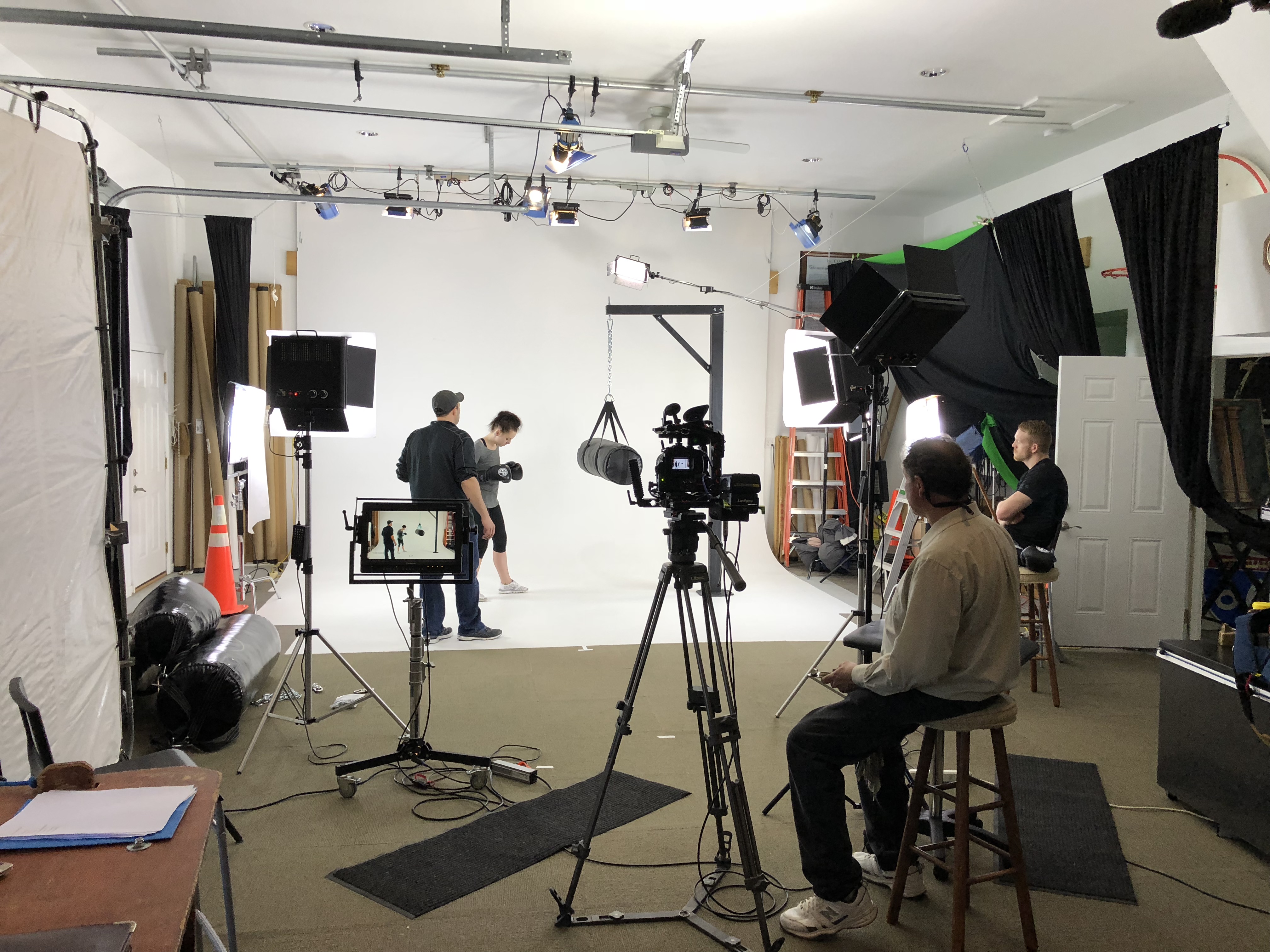
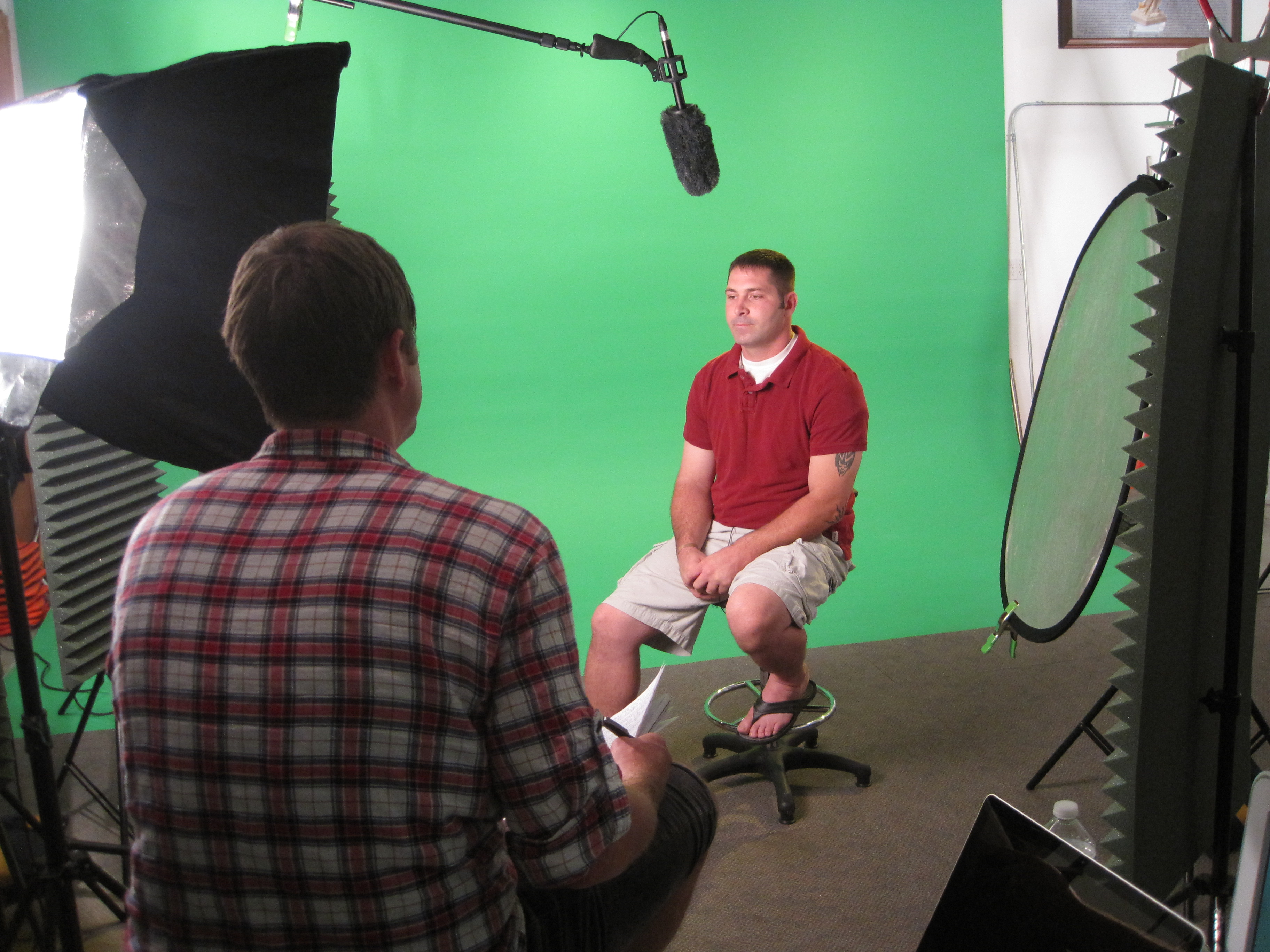
Having access to a well-equipped studio can be a significant advantage. Our private studio offers excellent lighting and visual setups ideal for small productions and interview scenes. The studio is large enough to incorporate props to enhance your set, ensuring a professional and polished final product.
7. How Do You Ensure High-Quality Sound?
Sound quality is as important as visual quality in video production. We provide professional sound operators and top-notch audio equipment to capture clear and crisp sound, enhancing the overall production value.
8. Can You Accommodate On-Location Shoots?
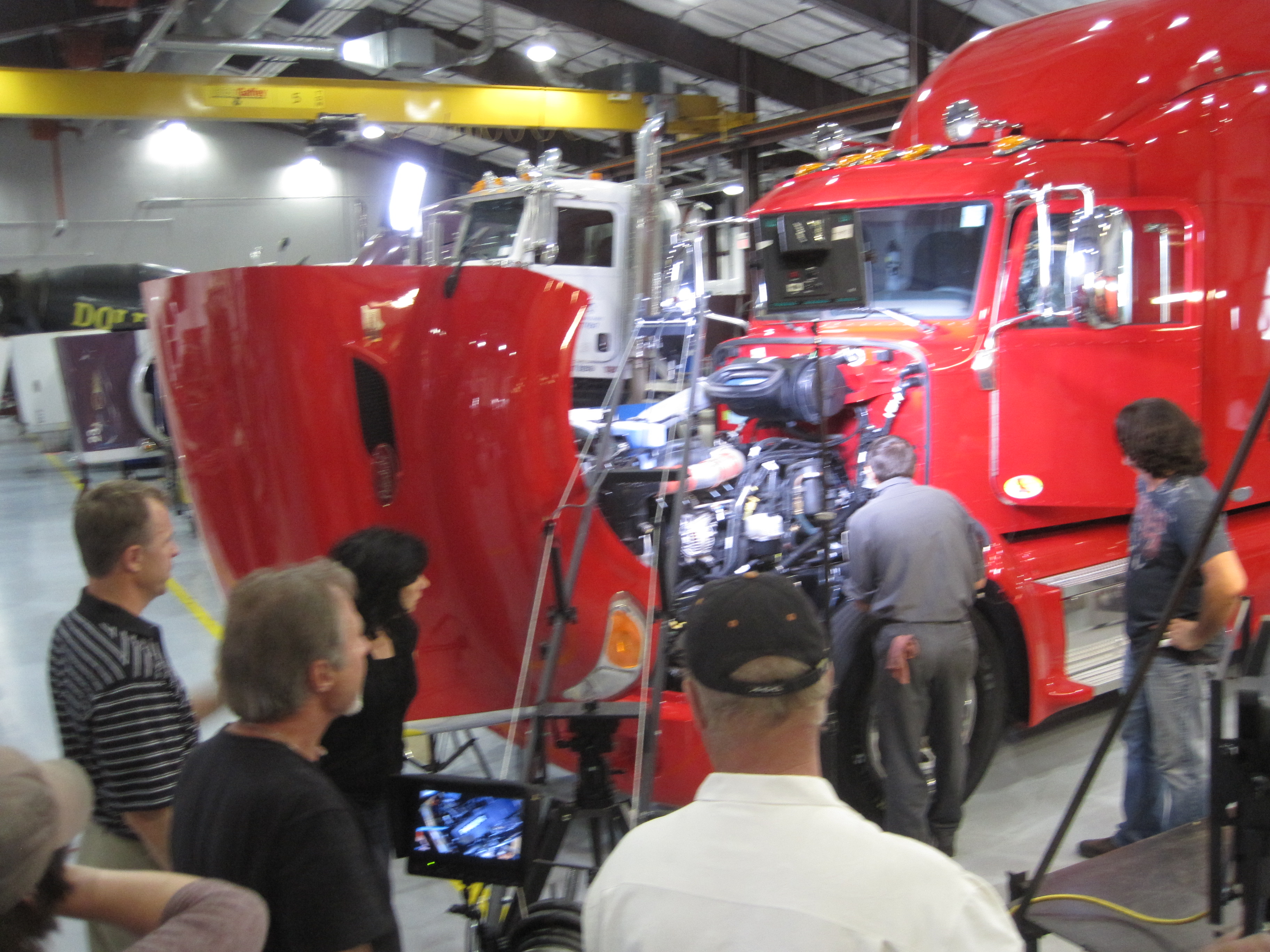
Flexibility in shooting locations can add value to your production. We offer location video and photography services, ensuring that we can capture your project in the best possible setting, whether it’s indoors or outdoors.
9. How Do You Handle Post-Production?
Post-production is where your project comes to life. Our expert editors use the latest software to handle everything from color correction and sound design to special effects and final cut editing, ensuring a seamless and engaging final product.
10. What Makes Your Studio Stand Out?
Choosing the right studio is about more than just services and equipment. At St Louis Video Production Studio, our creative crew, extensive experience, and commitment to excellence set us apart. We’ve worked with many businesses and agencies, delivering high-quality visual content that meets their unique needs.
Why Choose St Louis Video Production Studio?
St Louis Video Production Studio is a full-service professional commercial photography and video production company equipped with the right equipment and creative crew to ensure successful image acquisition. We offer full-service studio and location video and photography, as well as editing, post-production, and licensed drone pilots. Our team can customize productions for diverse media requirements and repurpose your photography and video branding to gain more traction. We are well-versed in all file types and styles of media and accompanying software. Our private studio lighting and visual setup is perfect for small productions and interview scenes, and we have the capacity to incorporate props to round out your set.
From custom interview studio setups to providing sound and camera operators, we have everything to make your next video production perfect. As a full-service video and photography production company, St Louis Video Production Studio has collaborated with numerous businesses, marketing firms, and agencies in the St. Louis area for their corporate photography and video needs. Let us help bring your vision to life with our expertise and dedication to quality.
Sit-down interviews are a cornerstone of video production for businesses and organizations. They provide an opportunity to convey messages, tell stories, and showcase expertise in a controlled and intimate setting. However, ensuring the success of these interviews requires meticulous preparation and the right questions. In this guide, we’ll delve into the key aspects of preparing for sit-down interviews and crafting appropriate questions to elicit compelling responses.
Probe deeper into specific topics to uncover valuable insights and anecdotes. These questions encourage reflection and introspection, leading to more meaningful responses.
Preparation Is Key
Understanding the Subject
Before conducting any sit-down interview, it’s crucial to thoroughly understand the subject matter and the individual being interviewed. Research the background, achievements, and expertise of the interviewee. This not only helps in formulating relevant questions but also establishes rapport and credibility during the interview.
Setting the Tone
Consider the tone and style you want to achieve in the interview. Are you aiming for a formal and serious discussion, or a more relaxed and conversational vibe? Adjusting the tone accordingly can enhance the authenticity and engagement of the interview.
Technical Setup
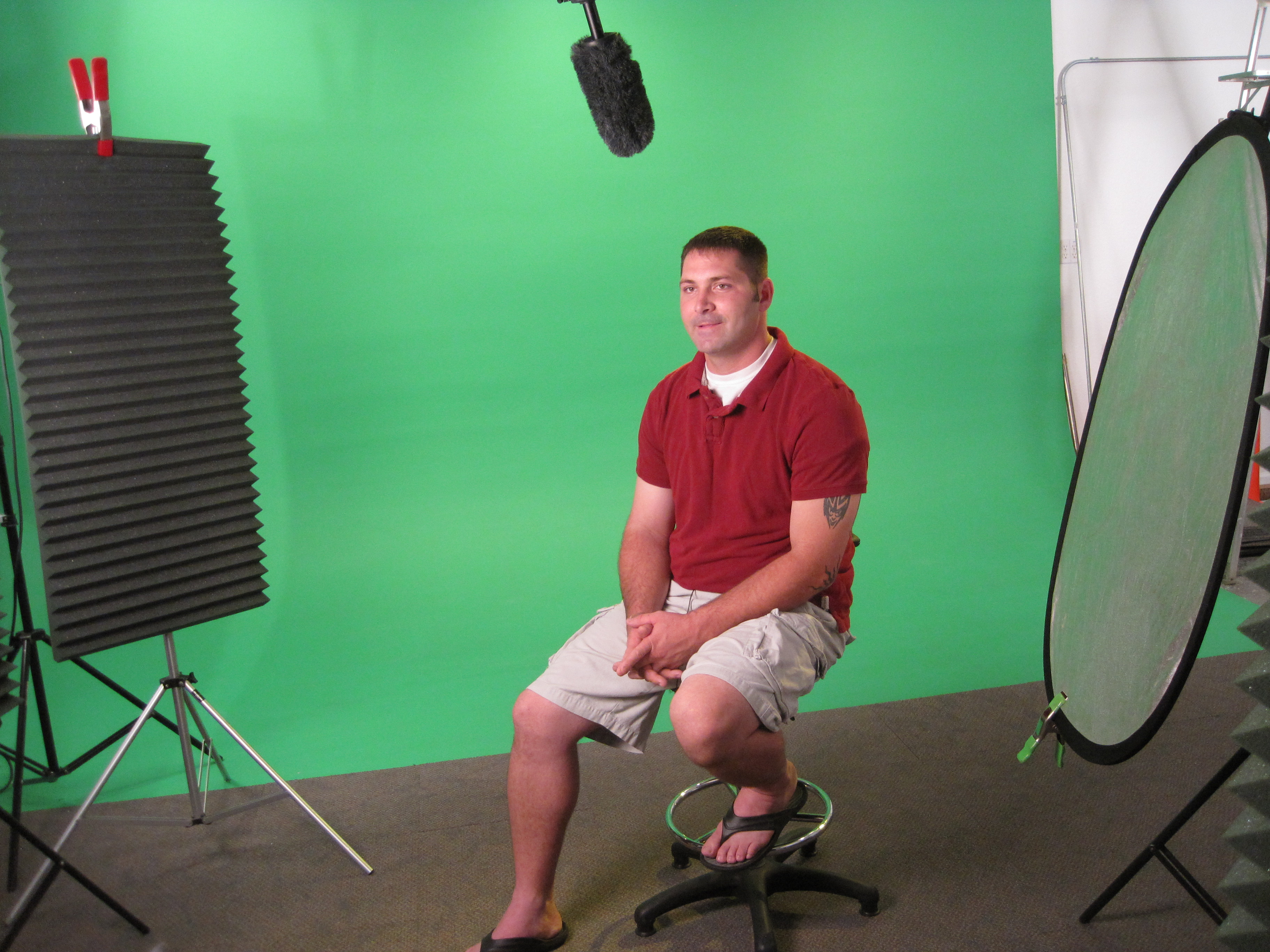
Ensure that your equipment is in top condition and properly set up. Test the lighting, sound, and camera angles to create a visually appealing and professional-looking interview. Pay attention to details such as background props and branding elements to reinforce the desired message.
Crafting Questions
Open-Ended Questions
Open-ended questions encourage detailed and expressive responses, allowing the interviewee to share insights and experiences. Examples include:
“Can you tell us about your journey in [industry] and how it has shaped your perspective?”
“What challenges have you faced in your career, and how did you overcome them?”
Probing Questions
Probe deeper into specific topics to uncover valuable insights and anecdotes. These questions encourage reflection and introspection, leading to more meaningful responses. Examples include:
“How did you handle a particularly difficult situation or project?”
“Can you provide an example of a successful strategy you implemented and its impact?”
Personalized Questions
Tailor questions to the unique background and experiences of the interviewee. This demonstrates genuine interest and respect for their individual journey. Examples include:
“Given your expertise in [specific area], what advice would you give to aspiring professionals?”
“How do you see [industry] evolving in the coming years, and what opportunities do you foresee?”
Conclusion
Preparing for sit-down interviews involves meticulous planning and thoughtful consideration of questions. By understanding the subject, setting the right tone, and crafting appropriate questions, you can capture compelling stories and insights that resonate with your audience. Remember, the success of an interview often hinges on the depth of preparation and the quality of questions asked.
St Louis Video Production Studio: Your Partner in Professional Image Acquisition
At St Louis Video Production Studio, we understand the importance of effective sit-down interviews in conveying your message and showcasing your expertise. As a full-service professional commercial photography and video production company, we offer comprehensive services tailored to your needs. From studio setups to on-location shoots, editing, post-production, and licensed drone operations, we have the expertise and equipment to bring your vision to life. Partner with us for your next video production, and let’s create compelling content together.
In today’s digital age, visual content has become an indispensable tool for businesses and organizations to communicate their message effectively. Whether it’s for marketing, training, or internal communication purposes, high-quality photography and videography can significantly enhance your brand image and engagement with your target audience. As decision-makers looking to invest in photography and video production services for your service business, it’s crucial to understand how to set up your office space to ensure professional and seamless videotaping sessions.
Consider the acoustics of the space to minimize background noise and enhance audio quality.
Importance of Professional Videotaping
Professional videography can elevate your brand presence and convey your message with clarity and impact. Whether you’re showcasing your services, conducting interviews, or creating instructional videos, the quality of your visual content reflects the professionalism and credibility of your business. Therefore, investing in professional videography services is essential to maintain a competitive edge in today’s market.
Choosing the Right Location
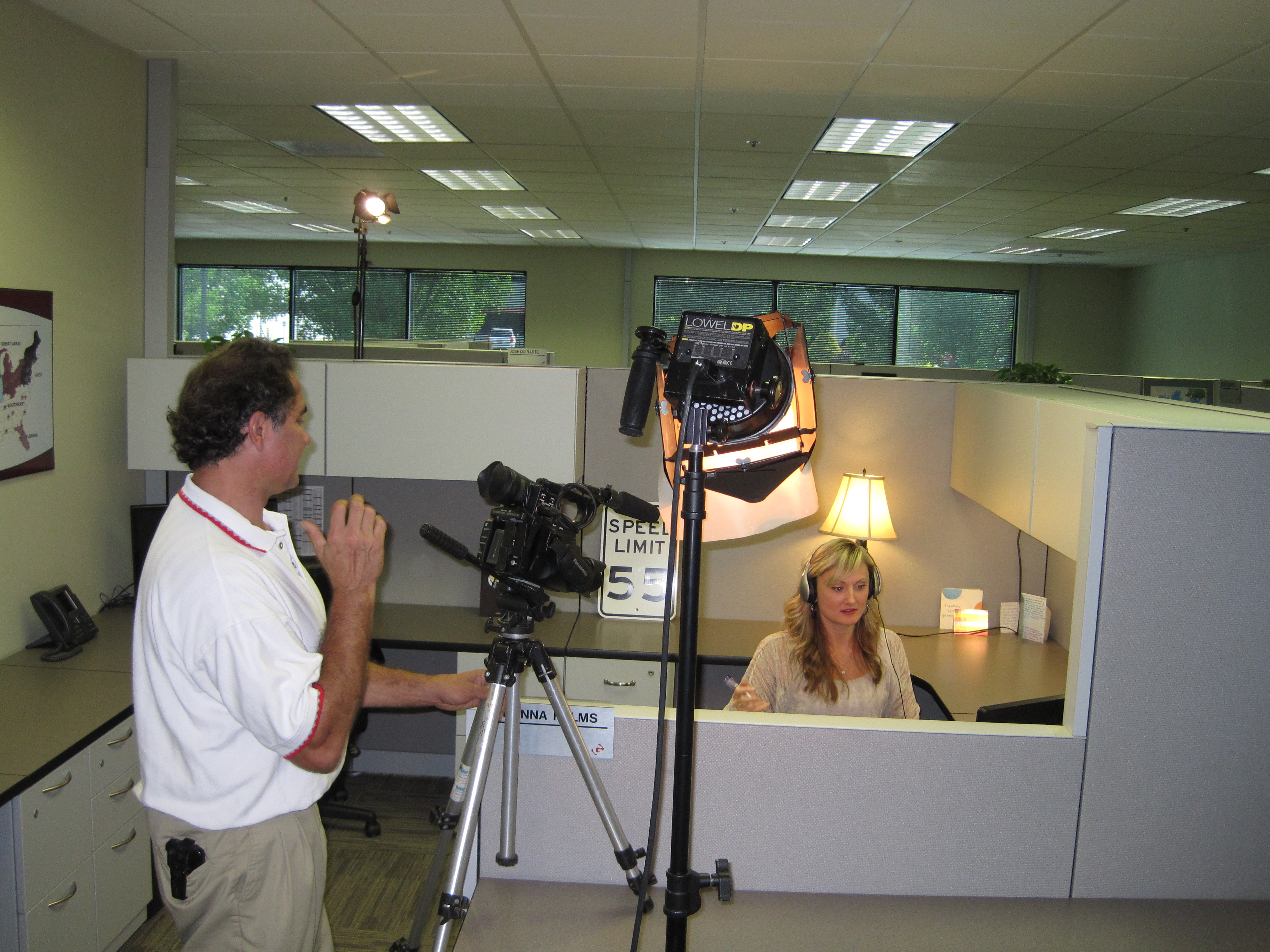
Selecting the appropriate location within your office space is paramount for successful videotaping sessions. Ideally, opt for a room with ample natural light to avoid harsh shadows and ensure clear visibility of subjects. Additionally, consider the acoustics of the space to minimize background noise and enhance audio quality. If natural light is insufficient, invest in professional lighting equipment to achieve optimal results.
Setting the Stage
Creating an aesthetically pleasing and functional setting is crucial for professional videotaping. Arrange furniture and props strategically to frame the shot and convey your intended message effectively. Pay attention to details such as branding elements, signage, and décor to reinforce your brand identity and create a cohesive visual experience for viewers.
Utilizing Technology and Equipment
Investing in high-quality cameras, lenses, and audio equipment is essential for producing professional-grade videos. Ensure that your equipment is well-maintained and up-to-date to capture crisp visuals and clear audio. Additionally, familiarize yourself with the technical aspects of your equipment to maximize its potential and achieve the desired results.
Engaging Professional Services
While DIY videography may seem tempting, partnering with experienced professionals can streamline the process and ensure superior outcomes. Professional videographers possess the expertise, creativity, and technical skills to transform your vision into compelling visual content. By entrusting your videography needs to experts, you can focus on your core business activities while reaping the benefits of professional-grade videos.
Conclusion
As decision-makers seeking to enhance your brand presence through professional videography, it’s imperative to set up your service business office for optimal filming conditions. By selecting the right location, creating an inviting setting, leveraging technology and equipment, and engaging professional services, you can elevate the quality of your visual content and effectively communicate your message to your target audience.
Call to Action: As a full-service video and photography production company, St Louis Video Production Studio has worked with many businesses, marketing firms, and agencies in the St. Louis area for their corporate photography and video. Contact us today to learn how we can customize your productions to meet diverse media requirements and elevate your brand image through professional-grade visual content.
Remember, investing in professional videography is an investment in the success and credibility of your service business. By following these guidelines and partnering with experienced professionals, you can effectively harness the power of visual storytelling to engage your audience and achieve your business objectives.
In today’s digital age, visual content reigns supreme in capturing audience attention and conveying your brand’s message effectively. When it comes to representing your company, whether for marketing materials, internal communications, or promotional videos, selecting the right spokesperson is crucial. A video studio interview presents a prime opportunity to showcase your brand’s personality and expertise. Here are some expert tips on organizing your company’s spokesperson for a successful studio interview.
Encourage your spokesperson to listen attentively to the interviewer’s questions before formulating their responses.
1. Identify Your Ideal Spokesperson
Selecting the right spokesperson is paramount. They should embody your brand’s values, have in-depth knowledge about your products or services, and possess excellent communication skills. Consider factors such as charisma, credibility, and relatability when choosing the individual who will represent your company in front of the camera.
2. Conduct Thorough Preparation
Preparation is key to a polished performance. Provide your spokesperson with detailed information about the interview’s purpose, target audience, and key talking points. Encourage them to rehearse their responses but avoid sounding rehearsed. Emphasize the importance of authenticity and genuine engagement with the interviewer and audience.
3. Dress Appropriately
Appearance matters in video interviews. Ensure your spokesperson dresses appropriately for the occasion and aligns with your brand’s image. Opt for professional attire that reflects your company’s culture and values. Avoid distracting patterns or overly casual clothing that may detract from the message.
4. Practice Active Listening
Effective communication involves active listening. Encourage your spokesperson to listen attentively to the interviewer’s questions before formulating their responses. This demonstrates respect and enhances the quality of their answers. Remind them to maintain eye contact with the interviewer and speak clearly and confidently.
5. Manage Body Language
Body language can speak volumes in a video interview. Coach your spokesperson on maintaining open and confident posture throughout the session. Encourage natural gestures that complement their verbal communication. Avoid fidgeting or distracting mannerisms that may detract from their message.
6. Stay Calm Under Pressure
Studio interviews can be nerve-wracking, even for seasoned professionals. Help your spokesperson manage pre-interview jitters by emphasizing the importance of relaxation techniques such as deep breathing or visualization. Remind them to stay calm and composed, even in the face of challenging questions or technical difficulties.
7. Emphasize Key Messaging
Ensure your spokesperson delivers your brand’s key messaging consistently throughout the interview. Highlight the unique value propositions, benefits, and features of your products or services. Encourage storytelling and anecdotes to humanize your brand and resonate with your audience on a deeper level.
8. Review and Reflect
After the interview, take the time to review the footage with your spokesperson. Provide constructive feedback on their performance, focusing on areas of improvement and strengths. Encourage ongoing learning and development to refine their communication skills for future engagements.
By following these tips, you can effectively organize your company’s spokesperson for a video studio interview that leaves a lasting impression on your audience. Remember, preparation, authenticity, and effective communication are the keys to success in front of the camera.
As a full-service video and photography production company, St Louis Video Production Studio has worked with many businesses, marketing firms, and agencies in the St. Louis area for their corporate photography and video. With our expertise in organizing spokespersons for studio interviews, coupled with our state-of-the-art equipment and creative crew, we can help you create compelling visual content that elevates your brand’s presence. Contact us today to discuss your photography and video production needs and discover how we can bring your vision to life.
In today’s fast-paced business world, effective employee onboarding is more critical than ever. It’s not just about getting new hires up to speed but also ensuring that they become integral members of your team as quickly as possible. Traditional onboarding methods, such as lengthy orientation sessions and printed manuals, are becoming outdated and inefficient. That’s where onboarding videos come into play.
Consider creating a leadership and culture video that introduces new hires to the company’s top executives and provides insights into the organization’s values and long-term vision.
As an experienced photographer and videographer at St. Louis Video Production Studio, I’ve witnessed the power of onboarding videos in transforming the way companies train their employees. In this comprehensive guide, I’ll delve into the world of onboarding videos, explaining why they are essential, how to create them effectively, and how to leverage them to streamline your employee training process.
Table of Contents
Why Onboarding Videos Matter
The Benefits of Onboarding Videos
Key Elements of an Effective Onboarding Video
Steps to Create an Outstanding Onboarding Video
Leveraging Onboarding Videos for Different Roles
Measuring the Success of Onboarding Videos
Repurposing Onboarding Videos for Ongoing Training
Choosing the Right Equipment and Crew
Conclusion: St. Louis Video Production Studio – Your Partner in Onboarding Videos
Why Onboarding Videos Matter
Before we dive into the nitty-gritty of creating onboarding videos, let’s understand why they matter. Traditional onboarding processes can be time-consuming and often fail to engage new employees effectively. Onboarding videos, on the other hand, offer a dynamic and engaging way to deliver essential information, making the onboarding experience memorable and informative.
The Benefits of Onboarding Videos
1. Consistency
One of the primary advantages of onboarding videos is consistency. When you have a standardized video that covers essential information, you can be sure that every new hire receives the same message and training. This consistency ensures that no critical information is missed, reducing the risk of misunderstandings or knowledge gaps among employees.
2. Time-Efficiency
Traditional onboarding methods often involve lengthy in-person sessions, which can be time-consuming for both new hires and trainers. Onboarding videos allow new employees to access the required information at their own pace, reducing the time spent on training sessions and freeing up trainers for more strategic tasks.
3. Cost-Effective
Creating onboarding videos may require an initial investment, but they pay off in the long run. Once produced, these videos can be reused for multiple onboarding sessions without incurring additional costs. This cost-effectiveness makes onboarding videos an attractive option for businesses of all sizes.
4. Engagement
Video is a highly engaging medium. By incorporating visuals, animations, and interactive elements into your onboarding videos, you can capture the attention of new employees and ensure they remain engaged throughout the training process. Engaged employees are more likely to retain information and become productive team members sooner.
Key Elements of an Effective Onboarding Video
To create a compelling onboarding video, you need to pay attention to certain key elements:
1. Clear Structure
Start with a clear and logical structure for your video. Begin by introducing your company’s mission, values, and culture. Then, proceed to cover specific topics such as company policies, procedures, and job responsibilities. End with a call to action, encouraging employees to reach out with any questions or concerns.
2. Engaging Content
Use engaging visuals, animations, and real-life scenarios to make your onboarding video interesting and relatable. Storytelling can be a powerful tool to convey important messages and create an emotional connection with new hires.
3. Accessibility
Ensure that your onboarding videos are accessible to all employees, including those with disabilities. Provide closed captions and transcripts for the hearing impaired, and make sure your videos are compatible with screen readers for the visually impaired.
4. Interactivity
Consider incorporating interactive elements into your videos, such as quizzes or knowledge checks. This can help reinforce the information presented and allow employees to test their understanding.
5. Professional Production
Invest in high-quality production to make your onboarding videos look and sound professional. Poorly produced videos can detract from the message and diminish their impact.
Steps to Create an Outstanding Onboarding Video
Now that we’ve covered the key elements, let’s explore the steps to create an outstanding onboarding video:
1. Identify Your Audience
Before you start creating your video, it’s essential to understand your audience. Consider the background, expectations, and preferences of your new hires. Tailor your video content to meet their needs and provide relevant information.
2. Scripting and Storyboarding
Create a detailed script that outlines the content and flow of your video. Consider the pacing, tone, and style that will resonate with your audience. Once you have a script, create a storyboard to visualize the visuals and scenes that will accompany the narration.
3. Production
This is where the expertise of a professional video production studio like St. Louis Video Production Studio comes into play. Ensure that you have the right equipment and crew to shoot high-quality footage. Lighting, sound, and camera work all play crucial roles in producing a visually appealing video.
4. Editing
Editing is where you bring all the elements together. Trim unnecessary footage, add graphics and animations, and incorporate any interactive elements you’ve planned. A well-edited video is key to maintaining engagement and clarity.
5. Testing and Feedback
Before rolling out your onboarding video to all new hires, conduct a pilot test with a small group and gather feedback. Use this feedback to make necessary improvements and ensure that your video effectively conveys the information.
6. Distribution
Once your onboarding video is ready, determine how you’ll distribute it to new hires. You can host it on a secure company portal, share it via a link, or even provide physical copies if needed.
Leveraging Onboarding Videos for Different Roles
Onboarding videos can be customized to cater to various roles within your organization. By tailoring the content to specific job functions, you can make the onboarding experience even more relevant and effective.
1. Department-Specific Videos
Create separate onboarding videos for different departments or teams. This allows you to focus on the specific policies, procedures, and tools that are relevant to each group. For example, the onboarding needs of your sales team may differ significantly from those of your IT department.
2. Role-Specific Videos
Go a step further and create role-specific videos within departments. This ensures that employees in similar positions receive targeted training that directly relates to their job responsibilities. For instance, a customer service representative’s onboarding video may differ from that of a product manager.
3. Leadership and Culture
Consider creating a leadership and culture video that introduces new hires to the company’s top executives and provides insights into the organization’s values and long-term vision. This can help instill a sense of belonging and purpose among employees from day one.
Measuring the Success of Onboarding Videos
To gauge the effectiveness of your onboarding videos, consider the following metrics:
1. Engagement Metrics
Track how many employees complete the onboarding video and how much time they spend watching it. High completion rates and longer viewing times indicate that your video is engaging and informative.
2. Knowledge Retention
Conduct quizzes or assessments after employees have watched the video to test their understanding. Monitor their performance and identify any areas where further training or clarification may be needed.
3. Employee Feedback
Collect feedback from new hires regarding the onboarding video. Ask about its clarity, relevance, and overall effectiveness. Use this feedback to make improvements for future onboarding videos.
Repurposing Onboarding Videos for Ongoing Training
Onboarding videos don’t have to be a one-time investment. You can repurpose them for ongoing training and development. Here are some ways to do that:
1. Refresher Training
As employees progress in their roles, offer refresher training by revisiting key sections of the onboarding video. This can help reinforce important concepts and ensure that employees stay up-to-date with company policies and procedures.
2. New Product or Policy Updates
When your company introduces new products, services, or policies, create short video updates that can be added to the onboarding video library. This keeps employees informed and ensures they are aligned with the latest changes.
3. Advanced Training
Consider creating advanced training modules that build upon the foundational knowledge provided in the onboarding videos. These modules can cater to employees looking to expand their skills and take on more responsibilities.
Choosing the Right Equipment and Crew
As mentioned earlier, professional production quality is crucial for creating effective onboarding videos. At St. Louis Video Production Studio, we understand the importance of the right equipment and an experienced crew. We have the tools and expertise to ensure your onboarding videos are top-notch.
Our studio is equipped with state-of-the-art cameras, lighting setups, and sound recording equipment to capture the highest quality footage. Our experienced videographers and production team have a wealth of knowledge in crafting engaging and informative videos.
Whether you require studio shoots or on-location filming, our team can accommodate your needs. We are well-versed in all file types and styles of media and accompanying software, ensuring your onboarding videos meet the highest standards.
Conclusion: St. Louis Video Production Studio – Your Partner in Onboarding Videos
In conclusion, onboarding videos are a powerful tool for streamlining your employee training process. They offer consistency, engagement, and cost-effectiveness that traditional methods often lack. By following the steps outlined in this guide and leveraging the expertise of a professional video production studio like St. Louis Video Production Studio, you can create outstanding onboarding videos that set your new hires up for success.
As a full-service video and photography production company, St. Louis Video Production Studio has worked with many businesses, marketing firms, and agencies in the St. Louis area for their corporate photography and video. We have the right equipment and creative crew service experience to ensure successful conference documentation and offer full-service studio and location video and photography, as well as editing and post-production. We can customize your productions for diverse types of media requirements and specialize in repurposing your photography and video branding to gain more traction. Trust us to deliver high-quality onboarding videos that make a difference in your employee training process.
Don’t miss out on the benefits of onboarding videos. Contact St. Louis Video Production Studio today to take your employee training to the next level and experience the difference a professional production company can make. Your success is our priority.
Contact us now to get started on creating impactful onboarding videos for your organization.












 st louis video production studio