Tag Archives: Public service announcements (PSAs)

What to Wear for a Sit-Down Interview That Looks Great on Camera: A Professional’s Guide to On-Camera Wardrobe Success

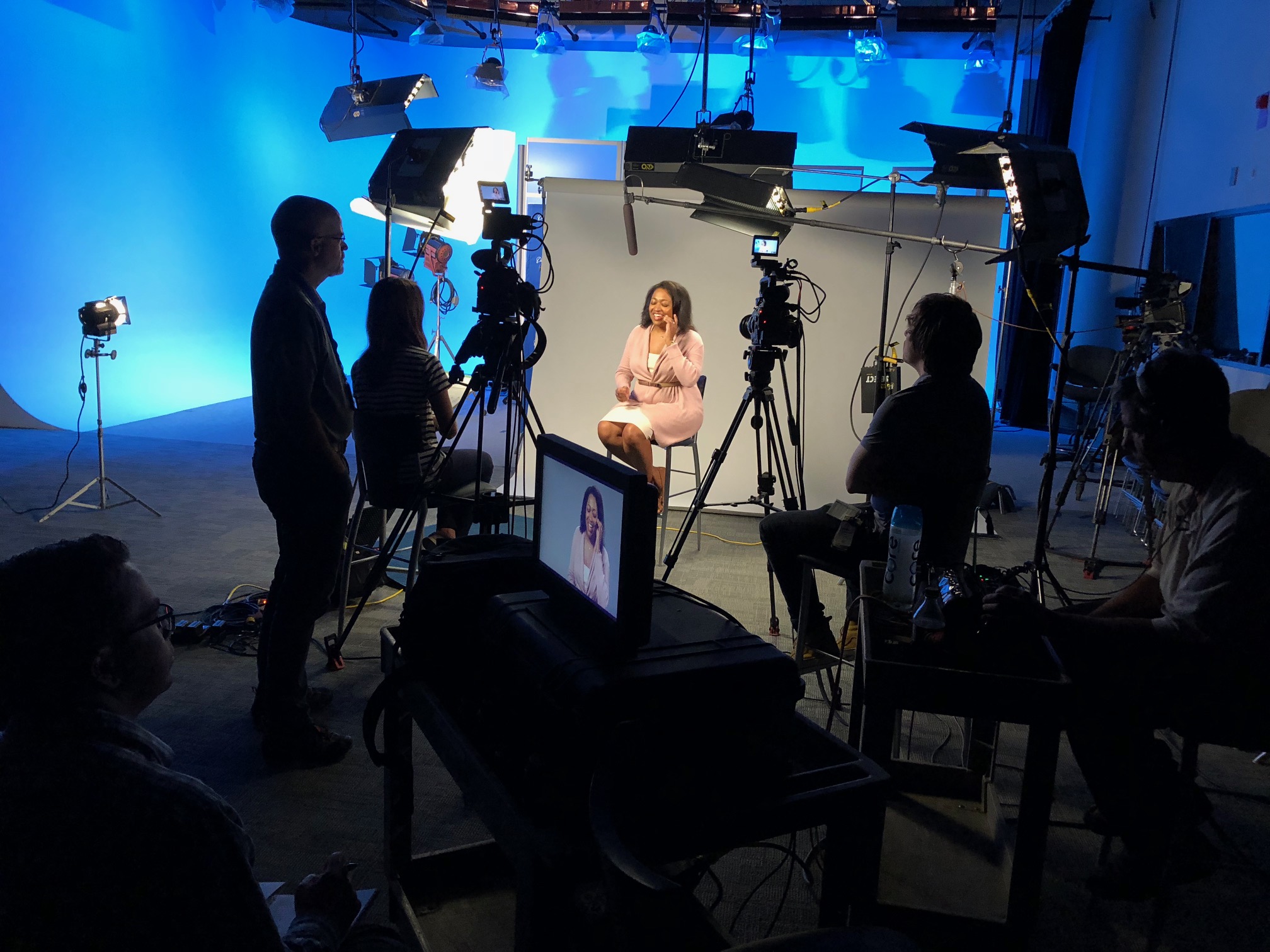
When preparing for a sit-down interview, the spotlight isn’t just on what you say—it’s also on how you look. For businesses and organizations investing in high-quality video production, ensuring interview participants are dressed appropriately for the camera can significantly impact the final result. A well-chosen outfit enhances the subject’s credibility, helps maintain visual continuity, and ensures the viewer stays focused on the message, not distracted by the wardrobe.

As experienced producers, videographers, and photographers at St Louis Video Production Studio, we’ve seen firsthand how smart wardrobe planning can elevate the visual storytelling of your marketing, testimonial, or corporate video. Here’s our expert guide on what to wear—and what to avoid—for a sit-down interview that looks professional and polished.


1. Choose Solid Colors Over Patterns

Busy patterns like stripes, plaids, houndstooth, or tight checks can create a distracting effect on camera called moiré, where the pattern flickers or appears to move. Instead, opt for solid, medium-tone colors. Earthy hues, blues, purples, and jewel tones tend to read well under studio lighting.

Avoid: Bright whites (which can blow out on camera), deep blacks (which can lose detail), and neon shades (which can reflect on skin and nearby surfaces).


2. Dress for the Setting and the Brand

Wardrobe should reflect the tone of your business and match the visual aesthetic of your brand. If your brand is casual and approachable, an open-collar shirt or blouse might be ideal. For a more corporate tone, a tailored blazer or professional dress is better suited.

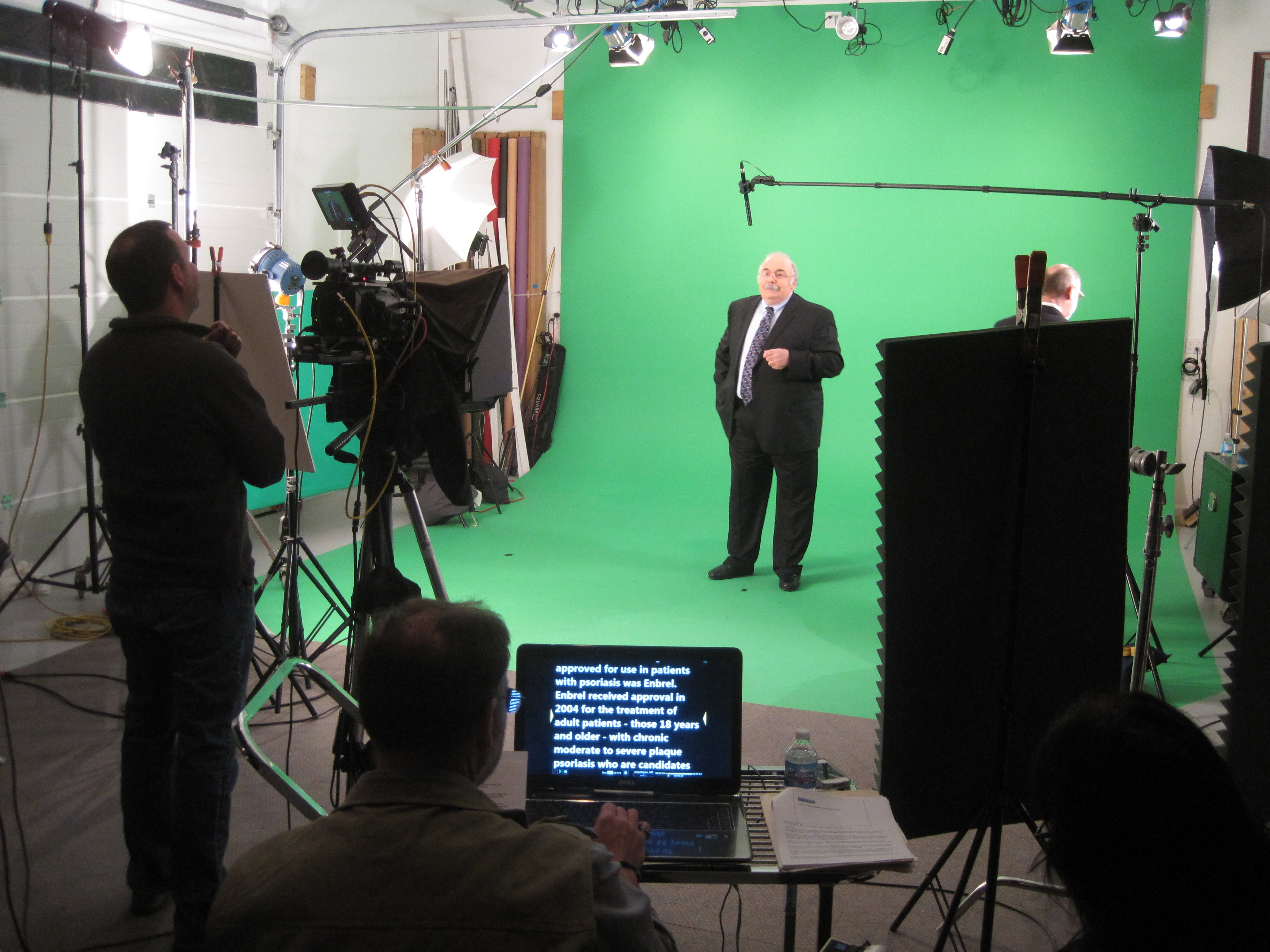
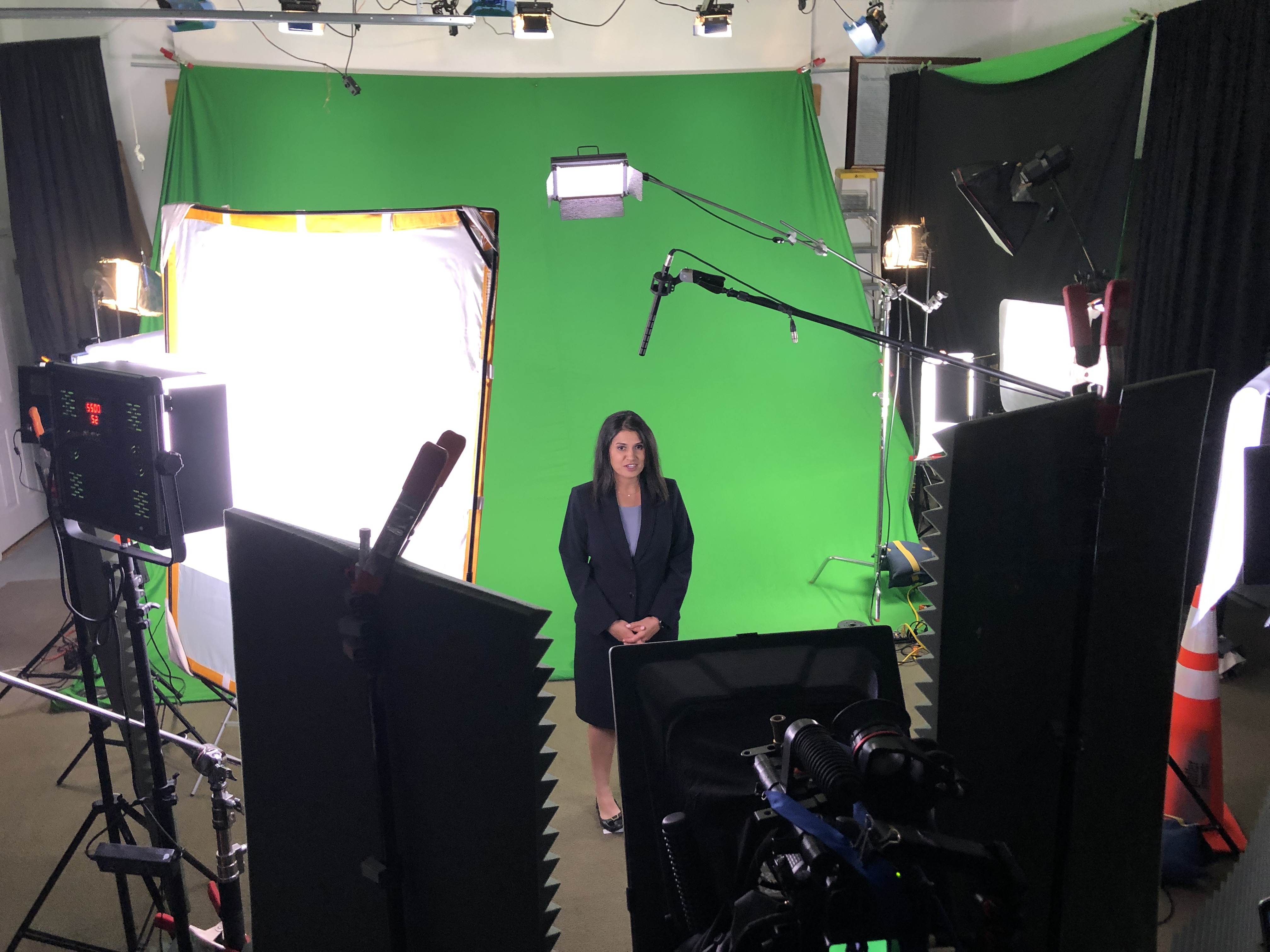
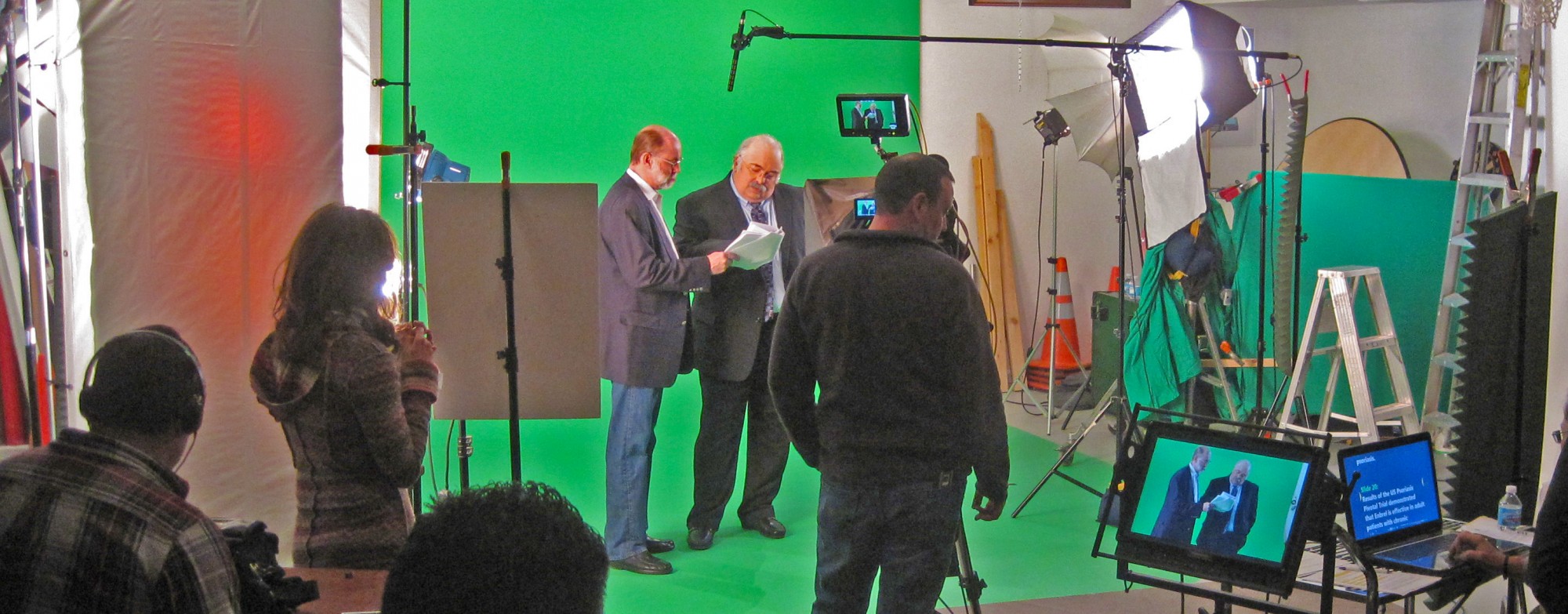
Pro Tip: Always consider the backdrop. If you’re being filmed on a green screen, avoid green. If the set includes cool gray or blue tones, wear complementary colors for visual harmony.


3. Layering Adds Depth

Adding a blazer, jacket, or cardigan can give your look structure and add visual interest without being overpowering. Layers also provide options—if one layer doesn’t work under studio lights, we can adjust quickly.


4. Avoid Distracting Accessories

Jewelry that jingles or sparkles can distract the viewer and potentially interfere with audio. Simple, non-reflective, and subtle accessories work best. Likewise, avoid clothing with logos or visible branding unless it aligns with your company’s message.


5. Mind Your Fit

Loose or oversized clothing can appear sloppy, while tight-fitting clothes can be uncomfortable or unflattering under studio lights. Choose well-fitting garments that allow you to sit comfortably while maintaining a clean silhouette.


6. Hair and Makeup Tips

Shiny skin and flyaway hairs are more noticeable under professional lighting. Even for men, a dab of powder or oil blotting sheets can help maintain a matte look on camera. Hair should be tidy and styled with intention.


7. Prepare for Mic Placement

Avoid clothing that might make it difficult to place a lavalier mic—such as turtlenecks, scarves, or extremely loose necklines. Button-up shirts or blouses with collars are ideal for securely clipping a mic close to your voice source.
8. Bring Options

If possible, bring one or two additional outfits. Our production team at St Louis Video Production Studio can provide feedback on what works best with the set, lighting, and your message. It’s always better to have options than to be stuck with an outfit that doesn’t work on screen.


Final Thoughts: Dress with Purpose, Confidence, and the Camera in Mind

A sit-down interview is your moment to shine—professionally, confidently, and authentically. The right clothing ensures your message is received without distraction, your appearance supports your brand, and your presence commands the screen.

At St Louis Video Production Studio, our experienced producers and creative crew understand every detail that goes into successful image acquisition—from camera framing and lighting to how your wardrobe interacts with the scene. We offer full-service video and photography solutions, including custom interview setups in our private studio, location filming, and indoor drone videography. Our team is well-versed in file types, editing, and AI-enhanced post-production.

Whether you’re representing your company in a testimonial, delivering a corporate message, or being featured in a brand campaign, our experts can guide you through every step—from what to wear to how to present. We’ve worked with countless businesses, marketing firms, and creative agencies in the St. Louis area, and we’re ready to help you make your next on-camera appearance a success.

Let’s tell your story with clarity, confidence, and style.
314-604-6544

saintlouismostudios@gmail.com

Appropriate Questions and Preparation for Sit Down Interviews

Sit-down interviews are a cornerstone of video production for businesses and organizations. They provide an opportunity to convey messages, tell stories, and showcase expertise in a controlled and intimate setting. However, ensuring the success of these interviews requires meticulous preparation and the right questions. In this guide, we’ll delve into the key aspects of preparing for sit-down interviews and crafting appropriate questions to elicit compelling responses.

Probe deeper into specific topics to uncover valuable insights and anecdotes. These questions encourage reflection and introspection, leading to more meaningful responses.

Preparation Is Key

Understanding the Subject

Before conducting any sit-down interview, it’s crucial to thoroughly understand the subject matter and the individual being interviewed. Research the background, achievements, and expertise of the interviewee. This not only helps in formulating relevant questions but also establishes rapport and credibility during the interview.

Setting the Tone

Consider the tone and style you want to achieve in the interview. Are you aiming for a formal and serious discussion, or a more relaxed and conversational vibe? Adjusting the tone accordingly can enhance the authenticity and engagement of the interview.

Technical Setup

Ensure that your equipment is in top condition and properly set up. Test the lighting, sound, and camera angles to create a visually appealing and professional-looking interview. Pay attention to details such as background props and branding elements to reinforce the desired message.

Crafting Questions

Open-Ended Questions

Open-ended questions encourage detailed and expressive responses, allowing the interviewee to share insights and experiences. Examples include:

  • “Can you tell us about your journey in [industry] and how it has shaped your perspective?”
  • “What challenges have you faced in your career, and how did you overcome them?”

Probing Questions

Probe deeper into specific topics to uncover valuable insights and anecdotes. These questions encourage reflection and introspection, leading to more meaningful responses. Examples include:

  • “How did you handle a particularly difficult situation or project?”
  • “Can you provide an example of a successful strategy you implemented and its impact?”

Personalized Questions

Tailor questions to the unique background and experiences of the interviewee. This demonstrates genuine interest and respect for their individual journey. Examples include:

  • “Given your expertise in [specific area], what advice would you give to aspiring professionals?”
  • “How do you see [industry] evolving in the coming years, and what opportunities do you foresee?”

Conclusion

Preparing for sit-down interviews involves meticulous planning and thoughtful consideration of questions. By understanding the subject, setting the right tone, and crafting appropriate questions, you can capture compelling stories and insights that resonate with your audience. Remember, the success of an interview often hinges on the depth of preparation and the quality of questions asked.


St Louis Video Production Studio: Your Partner in Professional Image Acquisition

At St Louis Video Production Studio, we understand the importance of effective sit-down interviews in conveying your message and showcasing your expertise. As a full-service professional commercial photography and video production company, we offer comprehensive services tailored to your needs. From studio setups to on-location shoots, editing, post-production, and licensed drone operations, we have the expertise and equipment to bring your vision to life. Partner with us for your next video production, and let’s create compelling content together.

Microlearning Training Videos are Effective

In today’s fast-paced business world, the need for effective employee training and development is more critical than ever before. Traditional training methods often involve lengthy, one-size-fits-all seminars or workshops that can be time-consuming and, in some cases, less engaging for employees. Enter microlearning training videos, a modern approach that has been gaining significant traction across various industries. As an experienced video director at St Louis Video Production Studio, I am excited to explore the effectiveness of microlearning training videos and how they can revolutionize your employee training programs.

Microlearning delivers content in bite-sized modules.

What is Microlearning?

Microlearning is an innovative teaching method that delivers small, bite-sized pieces of information to learners. It’s about breaking down complex topics into easily digestible segments, making it easier for employees to absorb and retain information. Unlike traditional training sessions that demand hours of uninterrupted focus, microlearning presents content in short, focused bursts, typically ranging from 2 to 10 minutes. This approach aligns well with the modern attention span, enhancing information retention and knowledge application.

The Science Behind Microlearning

The efficacy of microlearning training videos is rooted in cognitive psychology. Research has shown that short, spaced-out learning experiences lead to better knowledge retention and application. The spacing effect, also known as the distributed practice effect, suggests that learners remember information better when it’s presented in multiple, spaced-out sessions rather than in one long session. Microlearning leverages this principle by delivering content in bite-sized modules, allowing employees to engage with the material over time and reinforce their learning.

Benefits of Microlearning Training Videos

1. Engagement and Attention: Microlearning captivates learners’ attention by delivering information in short, engaging videos. The concise format reduces cognitive overload and increases engagement, making learning more enjoyable and effective.

2. Flexibility: Employees can access microlearning videos on-demand, giving them the flexibility to learn at their own pace and convenience. This is particularly advantageous for remote or geographically dispersed teams.

3. Focused Learning: Each microlearning video targets a specific learning objective. This focused approach allows employees to acquire targeted skills and knowledge without the distraction of unrelated content.

4. Retention and Application: The spaced-out delivery of content enhances information retention, and employees are more likely to apply their newfound knowledge immediately in their work tasks.

5. Cost and Time Efficiency: Microlearning reduces the time and resources required for training. It eliminates the need for lengthy workshops and travel, making it a cost-effective solution for businesses of all sizes.

Crafting Effective Microlearning Training Videos

Creating impactful microlearning training videos requires careful planning and execution. Here’s a step-by-step guide to help you produce high-quality videos that resonate with your employees:

Step 1: Needs Analysis

Identify your training objectives and the specific skills or knowledge you want your employees to gain from the videos. Understanding your audience’s preferences, learning styles, and pain points is crucial in designing effective content.

Step 2: Content Design

Break down the training content into concise modules, each focusing on a single learning outcome. Keep the videos short and engaging, ensuring that they address specific challenges or tasks your employees encounter.

Step 3: Storyboarding and Scripting

Develop a storyboard that outlines the visual elements, scenes, and transitions for each video. Craft a clear and concise script that delivers the key messages effectively. Use relatable scenarios or real-world examples to enhance understanding.

Step 4: Visual and Audio Production

Pay attention to visual and audio quality. Use high-definition visuals, animations, and graphics to enhance the learning experience. Ensure the audio is clear, well-paced, and free from distractions.

Step 5: Interactivity and Assessments

Incorporate interactive elements, such as quizzes or reflection questions, to reinforce learning and gauge comprehension. These elements encourage active participation and help learners apply the concepts.

Step 6: Delivery Platform

Choose a user-friendly platform for hosting and delivering your microlearning videos. Ensure easy access across devices and provide a centralized hub where employees can track their progress and revisit content.

How St Louis Video Production Studio Can Help

At St Louis Video Production Studio, we specialize in producing high-quality microlearning training videos that cater to your unique training needs. As a full-service training video production company based in St. Louis, we understand the importance of effective employee development strategies. With our extensive experience, we can assist your organization in enhancing employee retention through engaging and targeted microlearning videos.

Our team of skilled professionals is well-versed in all aspects of location and studio productions. We have successfully collaborated with numerous large and small businesses and organizations in the St. Louis region, delivering top-notch training videos that yield tangible results. As professional photographers, we bring a keen eye for detail and a deep understanding of visual storytelling to every project.

Whether you require on-location shoots, studio production, scriptwriting, or post-production editing, St Louis Video Production Studio has you covered. We tailor our services to your specific goals, ensuring that your microlearning training videos are not only effective but also aligned with your organization’s culture and values.

Conclusion

Microlearning training videos offer a powerful solution to the challenges of modern employee training. Their effectiveness in enhancing engagement, retention, and application of knowledge makes them a valuable tool for businesses striving to stay competitive in today’s fast-paced world. With the expertise of St Louis Video Production Studio, you can harness the potential of microlearning to elevate your employee training programs and drive lasting results. Contact us today to learn more about how we can partner with you to meet your training and development needs.

As professional photographers, St Louis Video Production Studio has shot for hundreds of training video productions for all types of large and small businesses and organizations in the St. Louis region.

Contact us today to discuss how we can help transform your training and development initiatives through impactful microlearning training videos. Your employees’ success is our priority.

314-604-6544

Rob Haller
saintlouismostudios@gmail.com