Tag Archives: st. louis product photography

Don’t Be a Robot: Turn Teleprompter Reads into Natural Conversation

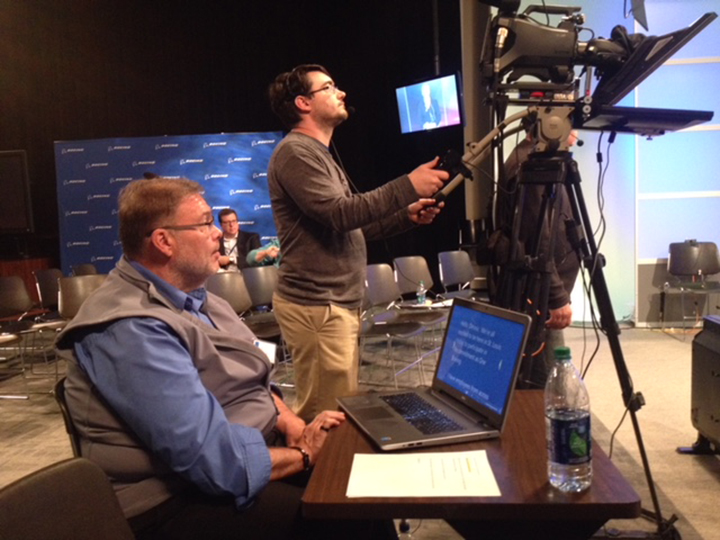
A teleprompter should make your leaders sound more human, not less. The trick isn’t “reading better”—it’s engineering the setup, script, scroll, and coaching so delivery feels like a hallway chat with perfect recall. Below is the studio-tested playbook we use to help executives and experts look relaxed, sound authoritative, and hit message + time—every time.


Outcomes That Matter to Decision Makers

  • Message control without wooden delivery: protect compliance language and brand voice while sounding spontaneous.
  • Throughput: more approved segments per day; fewer pickups; faster post.
  • Scalability: one message, consistent tone, multiple markets/languages.
  • Editorial efficiency: clean captions, transcripts, and translation pipelines.

1) Optics & Eye-Line: Authenticity by Design

Goal: keep the audience and the reader on the same visual axis.

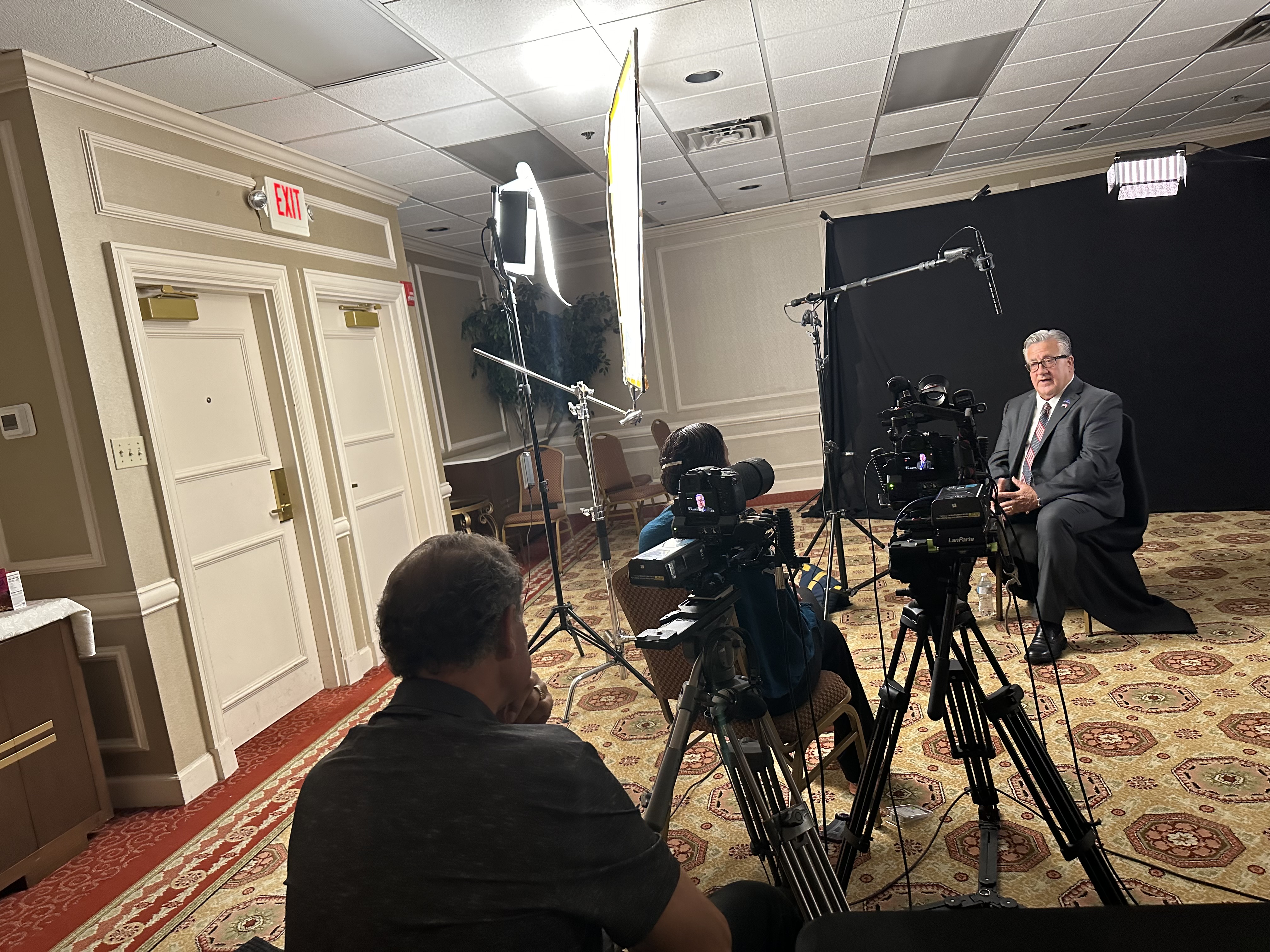
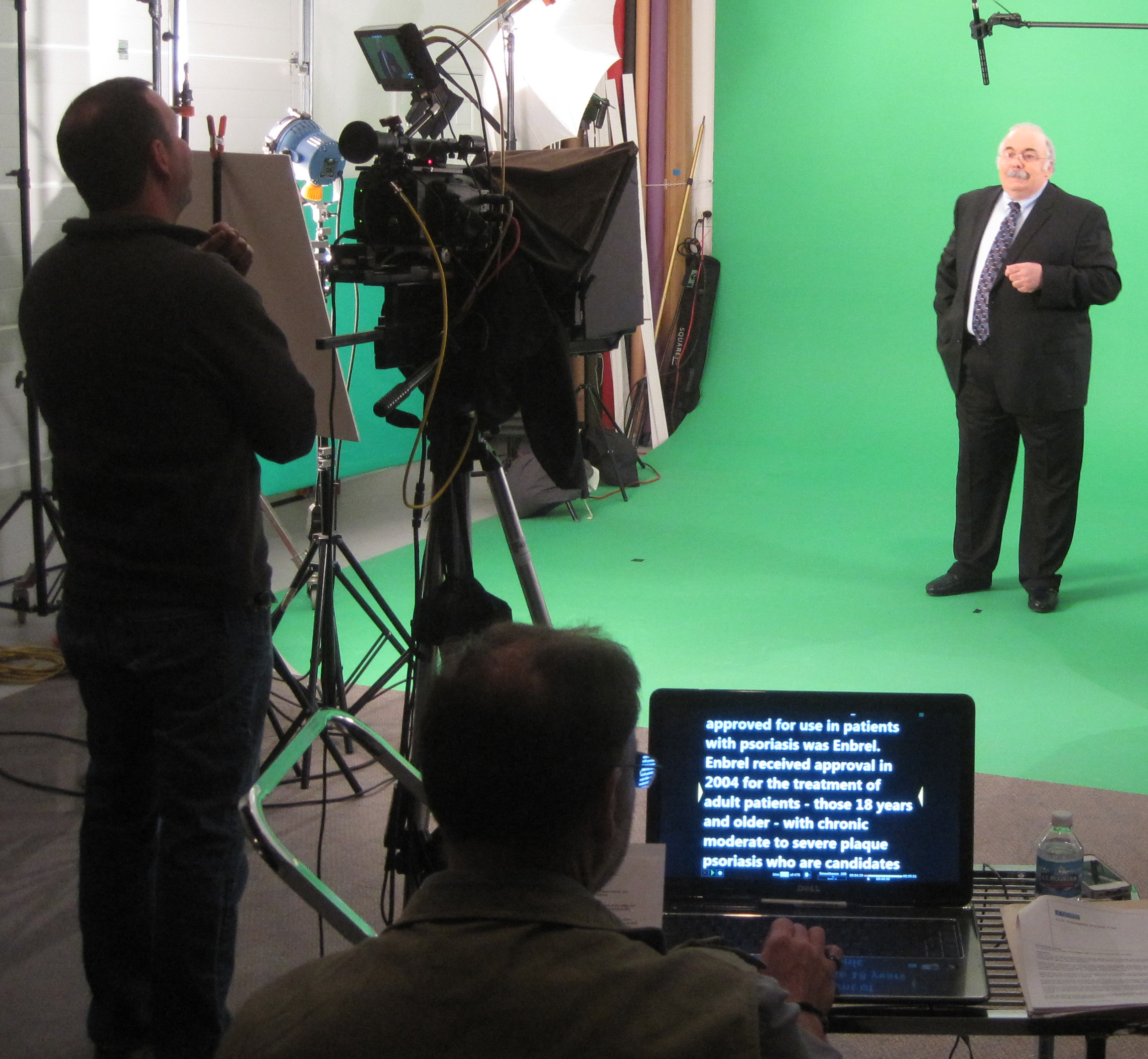
  • Prompter: Through-the-lens (beam splitter) for direct-to-camera pieces.
  • Lens: 50–85 mm (full-frame) for flattering compression and reduced visible eye travel.
  • Distance & type size: talent at ~5–10 ft; font typically 48–72 pt—large enough to avoid scanning.
  • Scroll window: keep the active line near the center; avoid top/bottom edges that trigger saccades.
  • Glasses & glare: slightly raise the key light, tilt the glass a few degrees, add flags/hoods; matte frames help.

Walk-and-Talks
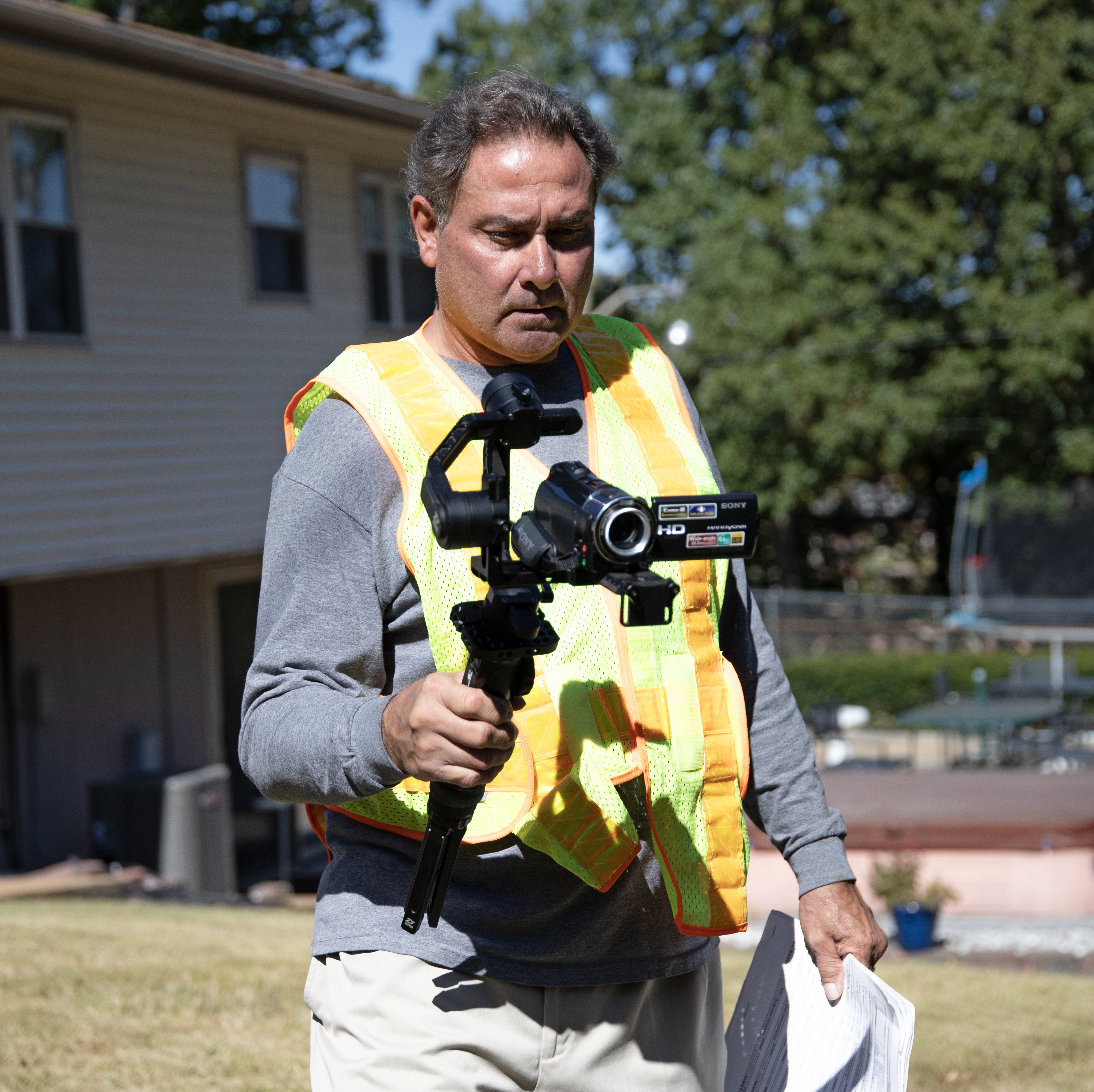
Compact prompter on a gimbal; pre-block stops/turns so the eye-line stays within a couple inches of the lens axis.

2) Script Engineering: Write for the Ear, Not the Page

Your copy should sound like it was born out loud.

  • Cadence target: 110–135 WPM for conversational corporate reads.
  • One idea per line: 12–18 words. Short clauses beat comma stacks.
  • Mark the “music”:
    • Cues: [PAUSE] [SMILE] [B-ROLL CUT] [GRAPHIC]
    • Phonetics inline for tricky names: kuh-TEG-uh-ree
    • Use emphasis sparingly; avoid ALL CAPS shouting.
  • Numbers that land: round when possible; put dense figures on graphics or VO over B-roll.
  • Version control: ExecUpdate_Q4_v9_APPROVED with a visible change log.

Before/After (Naturalization Pass)

  • Before: “Our strategic initiative leverages a robust ecosystem to drive efficiencies of 27.4 percent.”
  • After: “We’re cutting steps. On average, teams are working about a quarter faster.”

3) Scroll Craft: The Operator Follows the Speaker

A great operator is the difference between “reading” and sounding like yourself.

  • Follow, don’t force: speed matches the talent’s pace; use gentle accel/decel—no stair-steps.
  • Whitespace structure: blank lines between beats lower cognitive load and eye flicker.
  • Live edits: route all last-minute changes to a single owner—no dueling cursors.
  • Sightline hygiene: if eyes start to dart, enlarge type and re-center the active line.

4) Coaching Non-Actors: Small Levers, Big Gains

  • 90-second warm-up: hum on an “M,” then one throwaway read to settle pace.
  • Breath mapping: breathe at punctuation; commas = half-beat, periods = full beat.
  • Landing words: lengthen the key noun/verb a touch; let connector words glide.
  • Face & posture: feet planted, shoulders relaxed, chin level; carry a micro-smile through transitions.
  • Pickups: redo the entire sentence, not a fragment—editors need clean in/out points.
  • Wardrobe: avoid tight stripes, noisy jewelry; powder forehead/nose; keep the lav clear of necklaces.
5) Multi-Cam, Panels, Remote

  • A/B cameras: match prompter size and distance across angles or you’ll chase eye-lines in post.
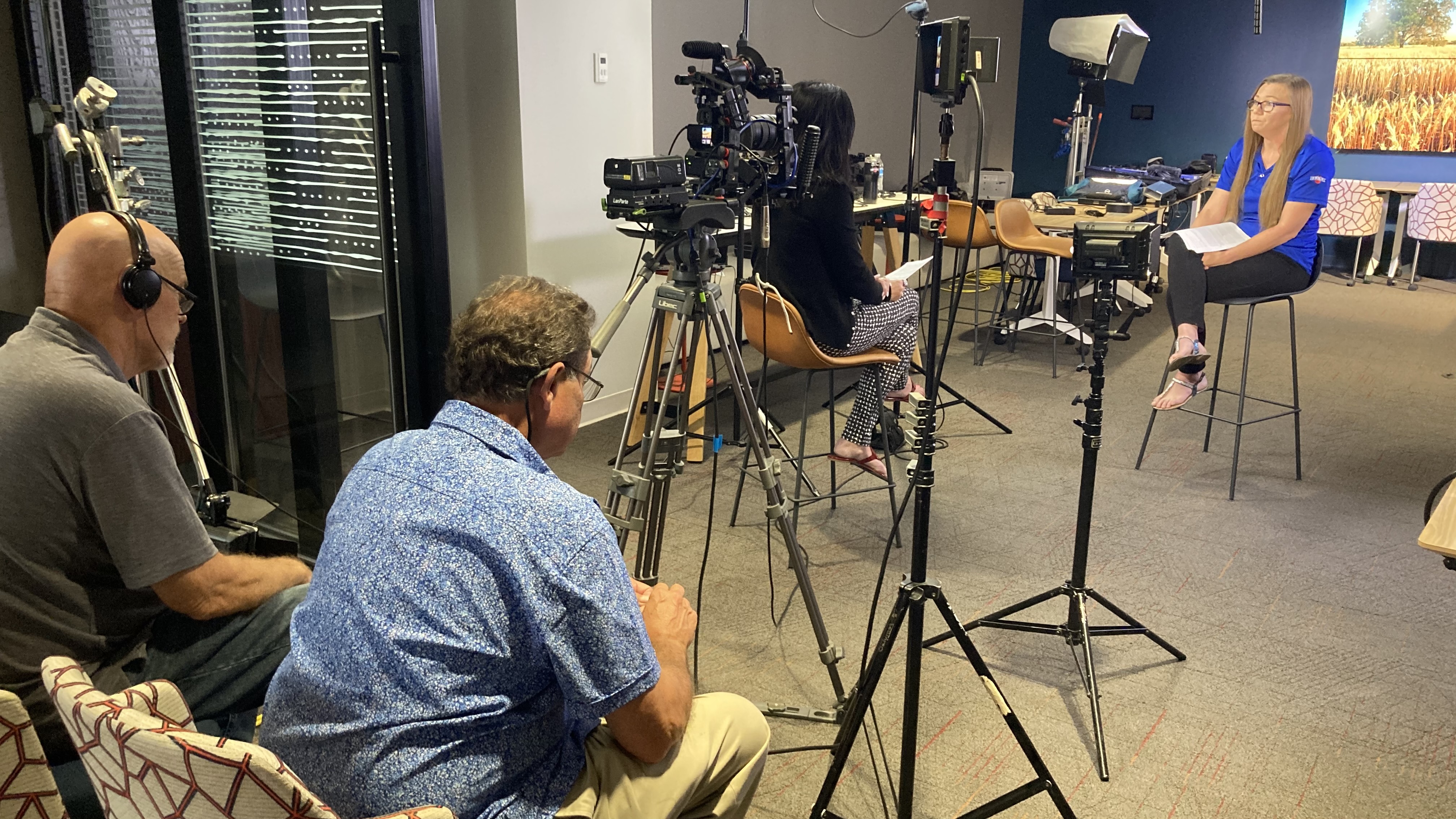
  • Panels/interviews: use confidence monitors with talking points, not full sentences, to preserve interplay.
  • Remote execs: place overlay within 1–2 inches of the webcam lens; use wired controllers and rehearse inside the actual meeting platform to check latency.

6) Shoot for the Edit

  • Plan cover: script [B-ROLL CUT] and [GRAPHIC] beats so pickups are invisible.
  • Handles: roll 5 seconds before/after each take for clean transitions and caption sync.
  • Script-based editing: align approved copy with transcripts for legal/compliance traceability.

7) Troubleshooting: Fast Fixes On Set

  • Eyes darting: bump font size, re-center active line, slow the scroll.
  • Flat tone: insert micro-pauses, front-load verbs, add one human example/story.
  • Glare: adjust light angle first, then tilt glass and flag spill.
  • Rushed ending: add [HOLD SMILE 2s] to the last line and capture a clean button.

8) Day-Before & Day-Of Checklists

Day-Before

  • Final script (shared doc + PDF), pronunciations verified
  • Shot list with planned B-roll/graphics
  • Prompter/laptop/controller tested, mirror-flip confirmed
  • Wardrobe guidance sent; location light/sound pre-check

Day-Of

  • TTL prompter + hood, backup unit, UPS/power distro
  • Lens set 50/85 mm, flags/matte box, anti-glare wipes
  • Eye-line test (10 s), speed calibration pass
  • Confirm time targets, landing words, CTA phrasing

Copy-Paste Script Skeleton (≈2:00, 240–260 words)

OPEN [SMILE]
I’m [Name], [Title]. Today, three updates designed to help your team move faster and make smarter decisions. [PAUSE]

BENEFIT HEADLINE
First: [Feature/Program] cuts steps in [workflow], so your process is simpler, safer, and easier to scale. [B-ROLL CUT]

PROOF
Teams like [Client] saw results in weeks—not months—and reduced [metric] by [X%]. [PAUSE]

WHAT’S NEW
Second: [Feature] adds [capability], so admins spend less time on manual tasks.
Third: [Feature] improves [process] with clearer approvals and better visibility. [GRAPHIC]

CALL TO ACTION
If you’re on [plan], these roll out [date]. To learn more, visit your admin panel or talk with your account team. [SMILE]

CLOSE [HOLD 2s]
Thanks for choosing us to help you do more with less. [HOLD SMILE]

Why This Works

You’re not “reading” a script—you’re performing your own thoughts with precision. When optics, copy, scroll, and coaching are aligned, the teleprompter disappears and viewers hear a person, not a device.


Work With a Studio That Makes Prompters Invisible

St Louis Video Production Studio is a full-service professional commercial photography and video production company with the right equipment and creative crew service experience for successful image acquisition. We offer full-service studio and location video and photography, as well as editing, post-production and licensed drone pilots. St Louis Video Production Studio can customize your productions for diverse types of media requirements. Repurposing your photography and video branding to gain more traction is another specialty. We are well-versed in all file types and styles of media and accompanying software. We use the latest in Artificial Intelligence for all our media services. Our private studio lighting and visual setup is perfect for small productions and interview scenes. Our studio is large enough to incorporate props to round out your set. We support every aspect of your production—from setting up a private, custom interview studio to supplying professional sound and camera operators, as well as providing the right equipment—ensuring your next video production is seamless and successful. We can fly our specialized drones indoors. As a full-service video and photography production corporation, since 1982, St Louis Video Production Studio has worked with many businesses, marketing firms and creative agencies in the St. Louis area for their marketing photography and video.

314-604-6544

saintlouismostudios@gmail.com

What It Takes to Produce Broadcast-Quality Interviews Remotely and In-Studio: A Guide for Marketing and Communications Teams

In today’s competitive media landscape, interviews remain one of the most powerful tools for authentic brand storytelling. Whether you’re capturing client testimonials, executive messaging, or subject-matter expertise, the quality of your interview production can make or break audience trust and engagement. Producing interviews that meet broadcast-quality standards—both in controlled studio environments and remote locations—requires a strategic approach, professional equipment, and experienced crew coordination.

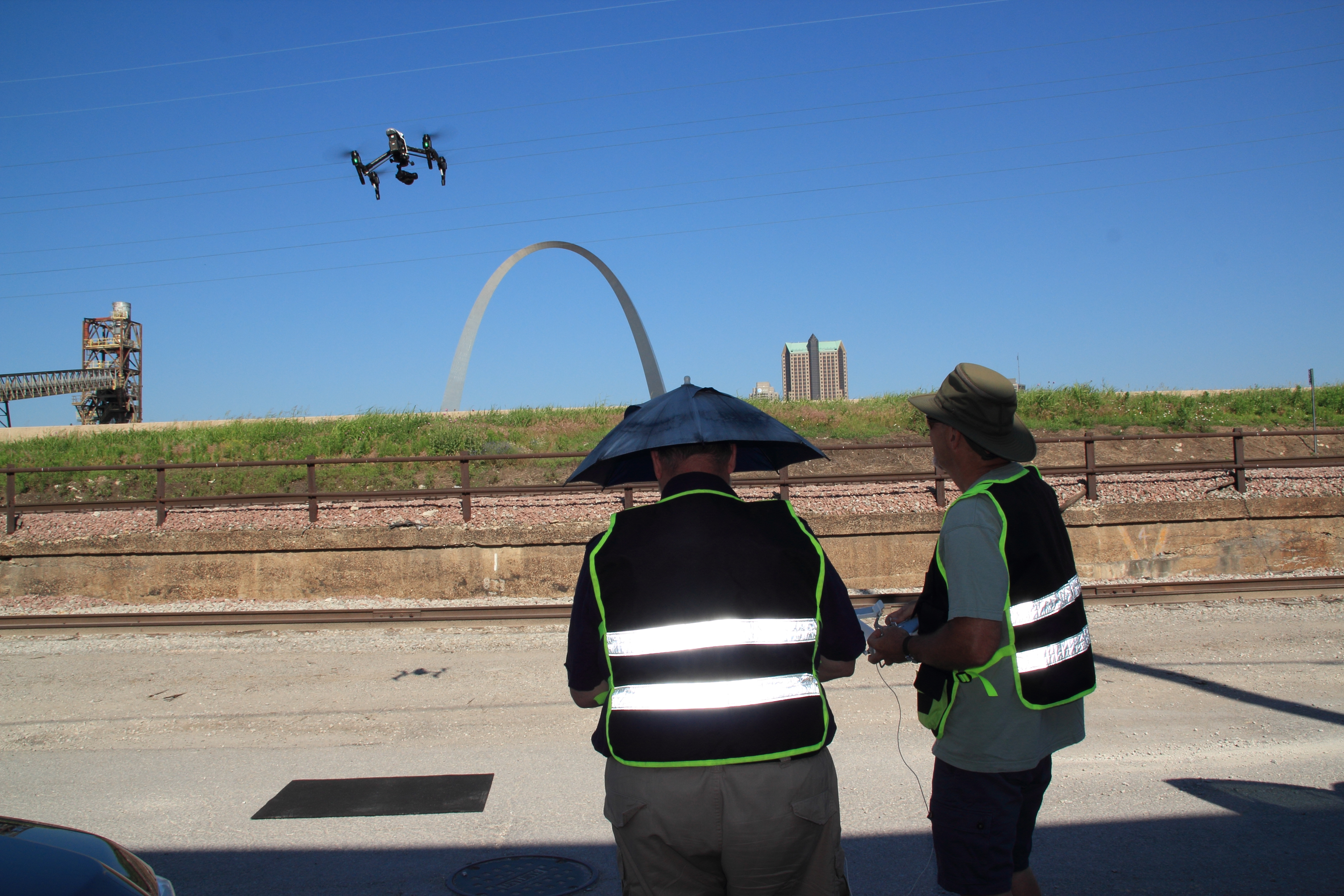
Drone night shoot for stadium lighting installation marketing.

At St Louis Video Production Studio, we’ve spent decades perfecting the art and science of interview production. Below, we’ll walk through the key considerations and technical elements that ensure polished, professional results in any setting.


Remote vs. In-Studio Interviews: Understanding the Challenges and Advantages

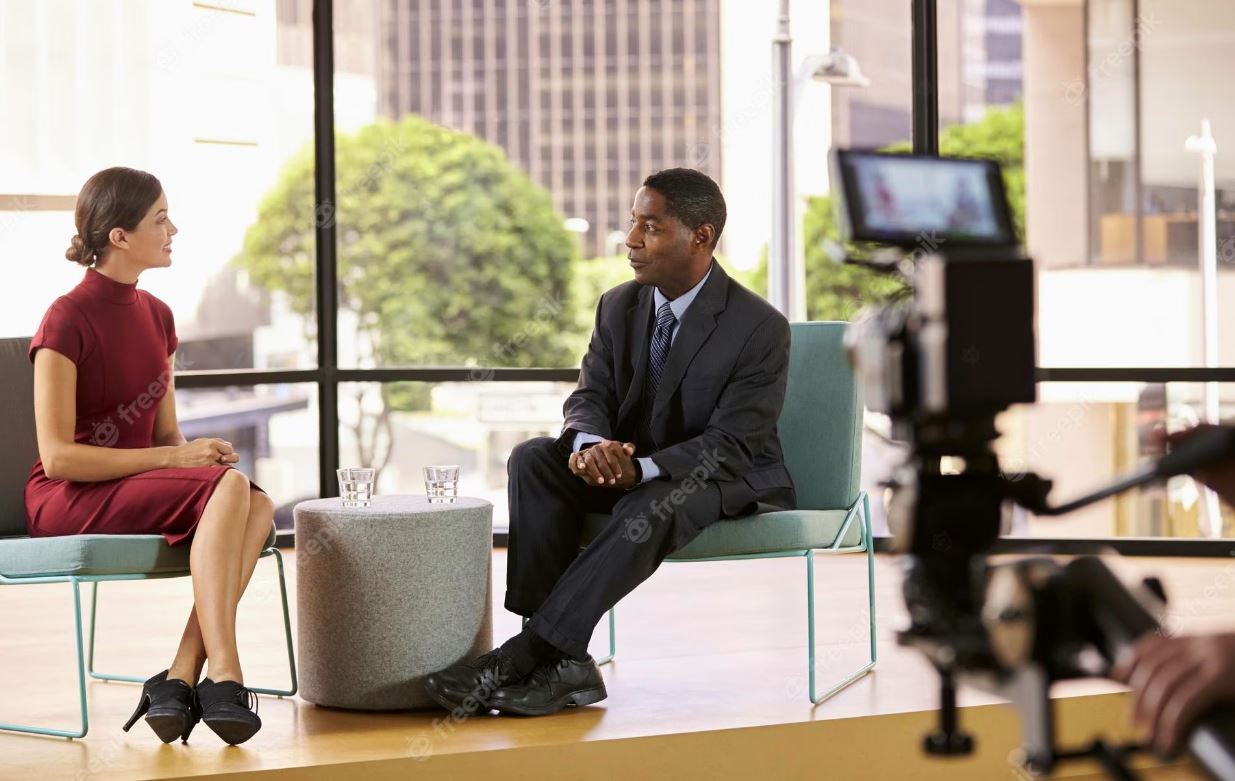
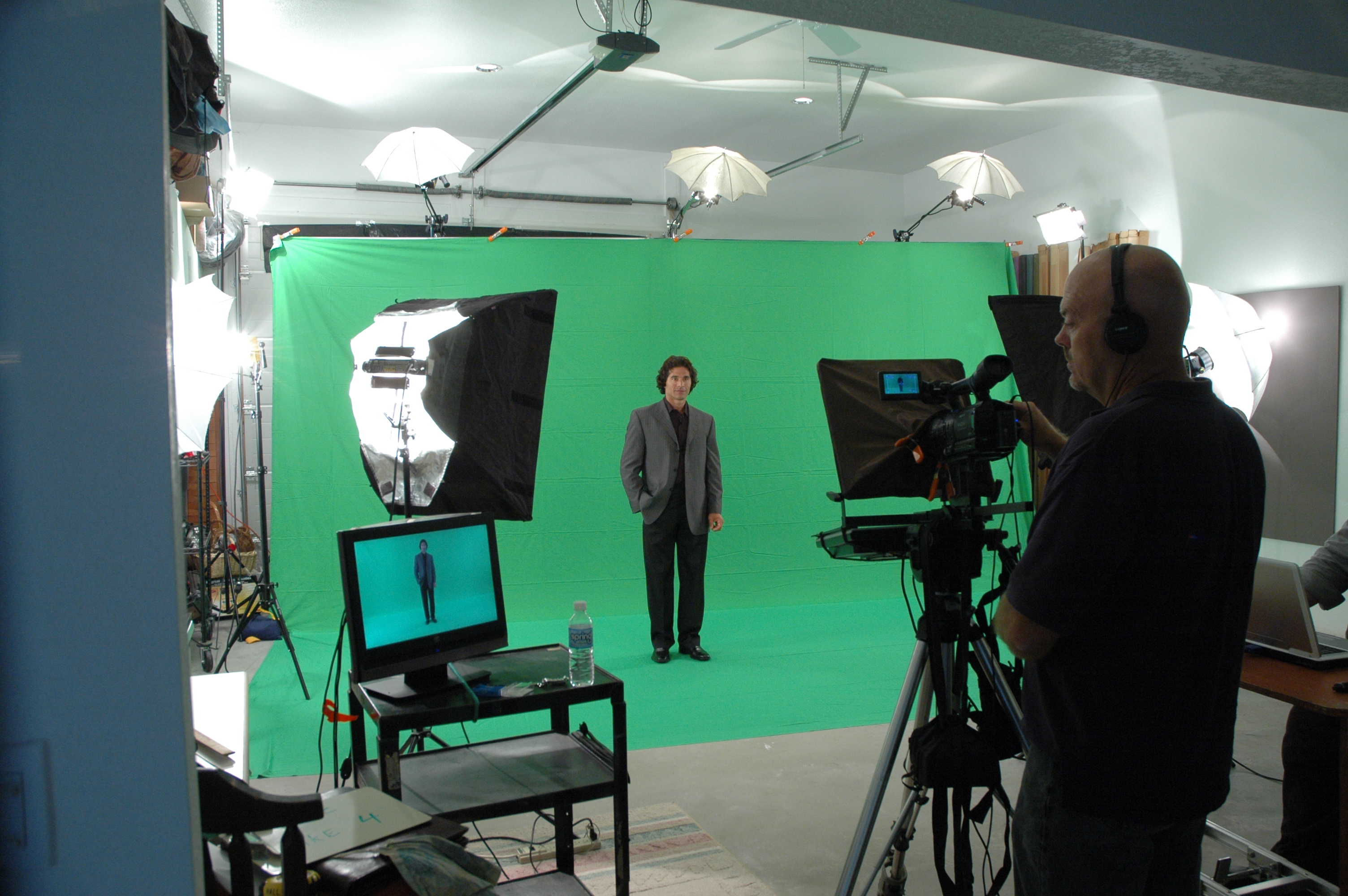
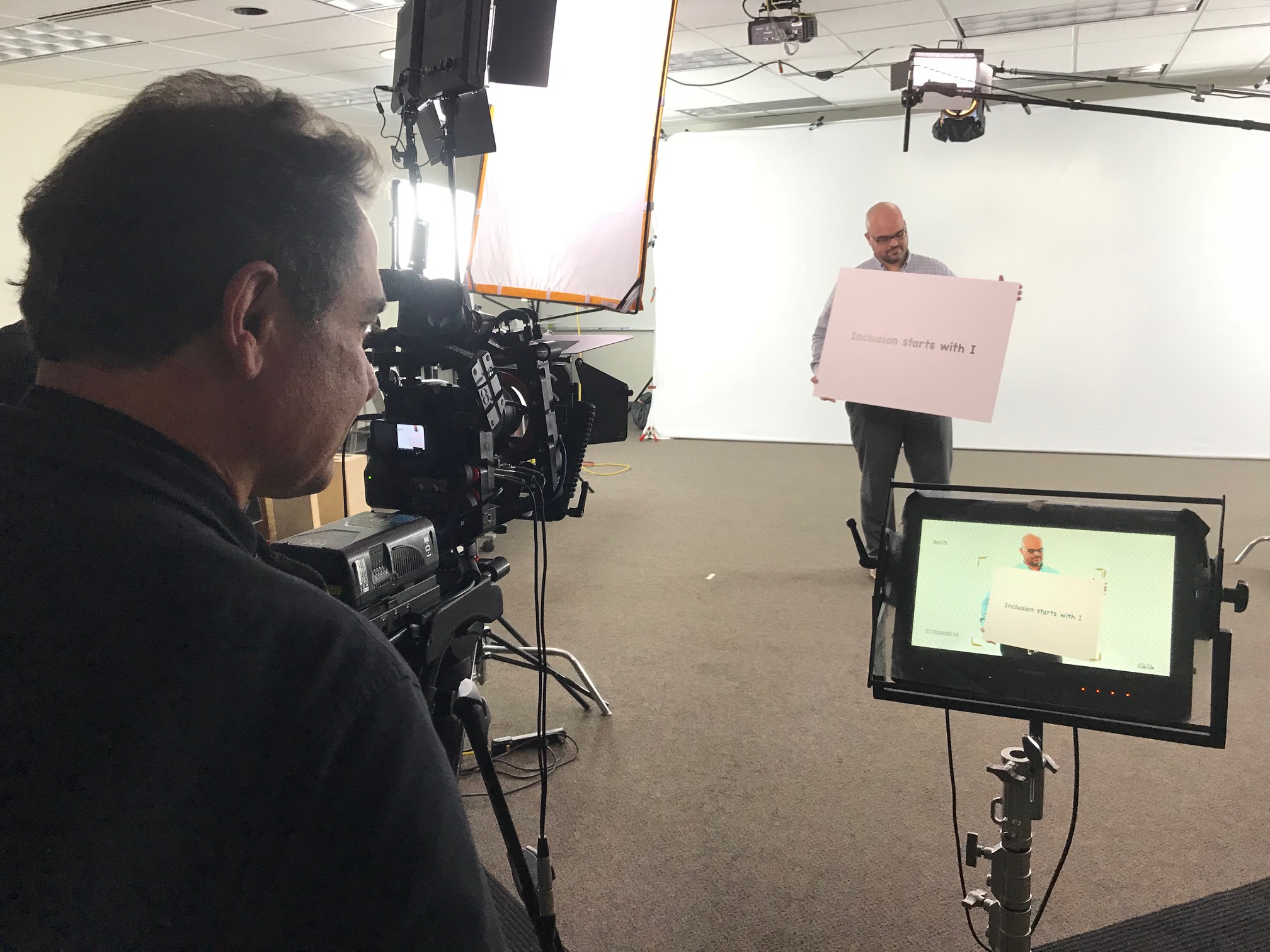
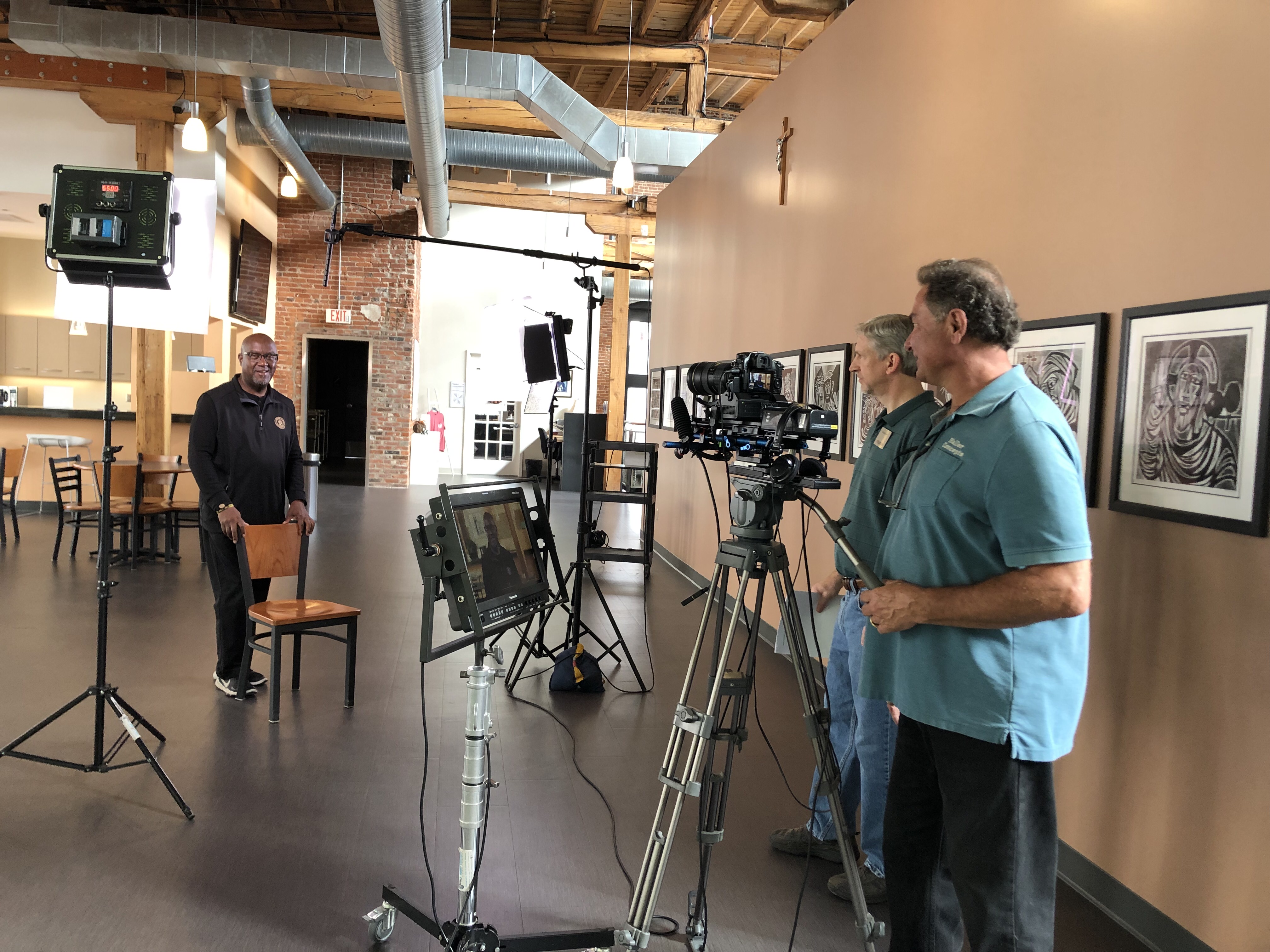
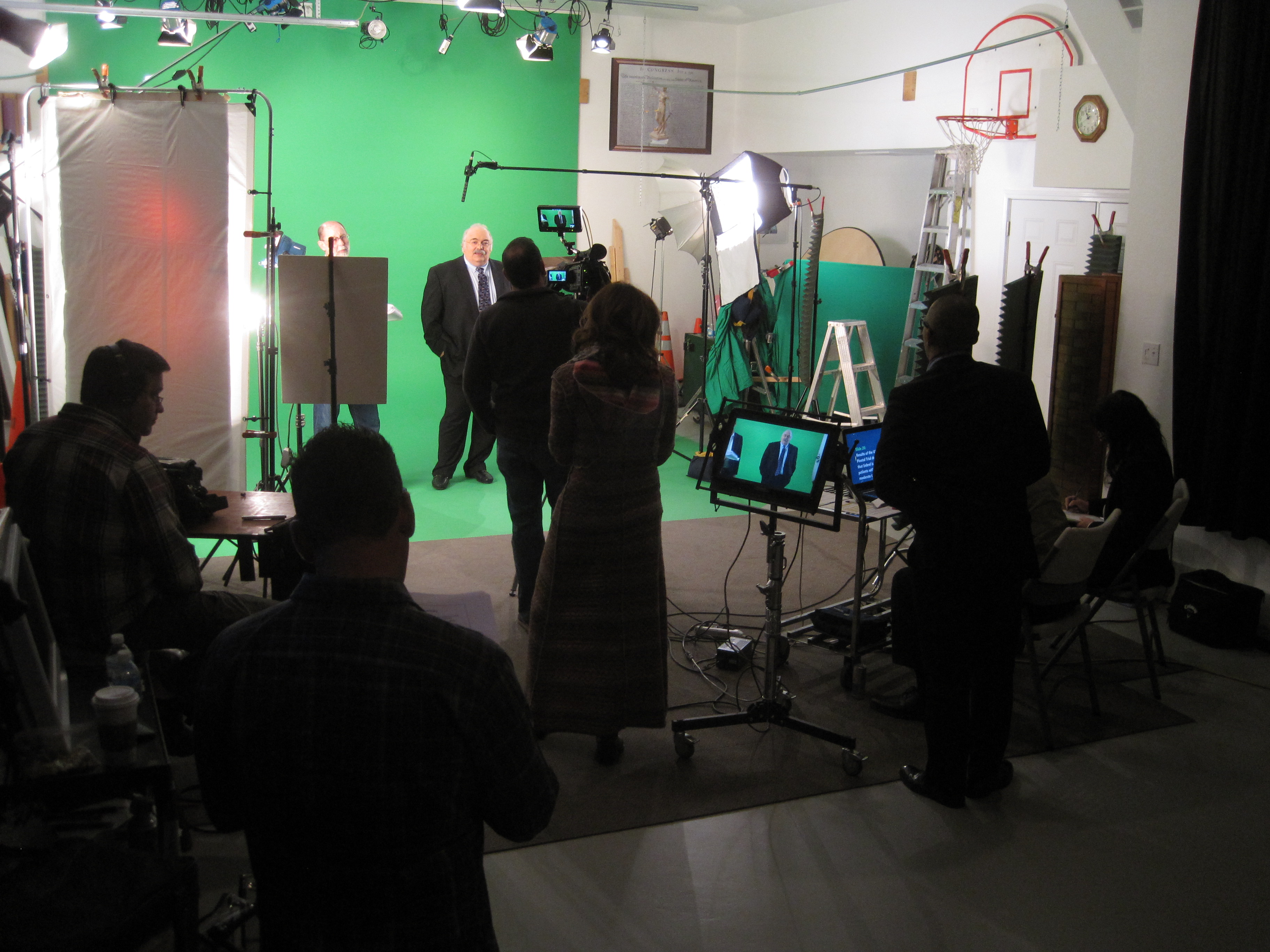
In-Studio Interviews offer a highly controlled environment. Lighting, acoustics, camera placement, and set design can be perfected to align with your brand. Interviews captured in-studio often have a crisp, cinematic look with impeccable audio—ideal for corporate overviews, case studies, and formal messaging.

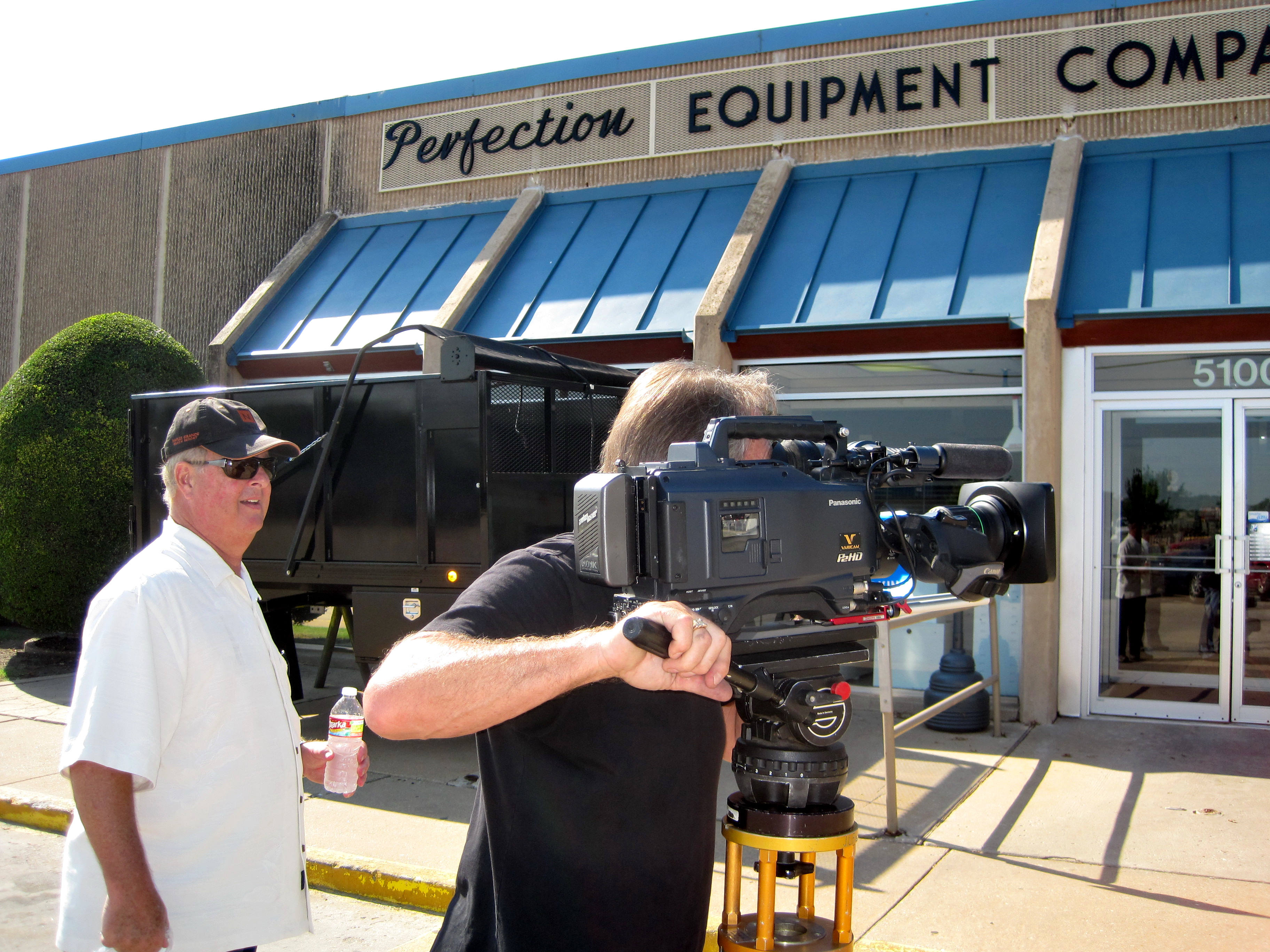
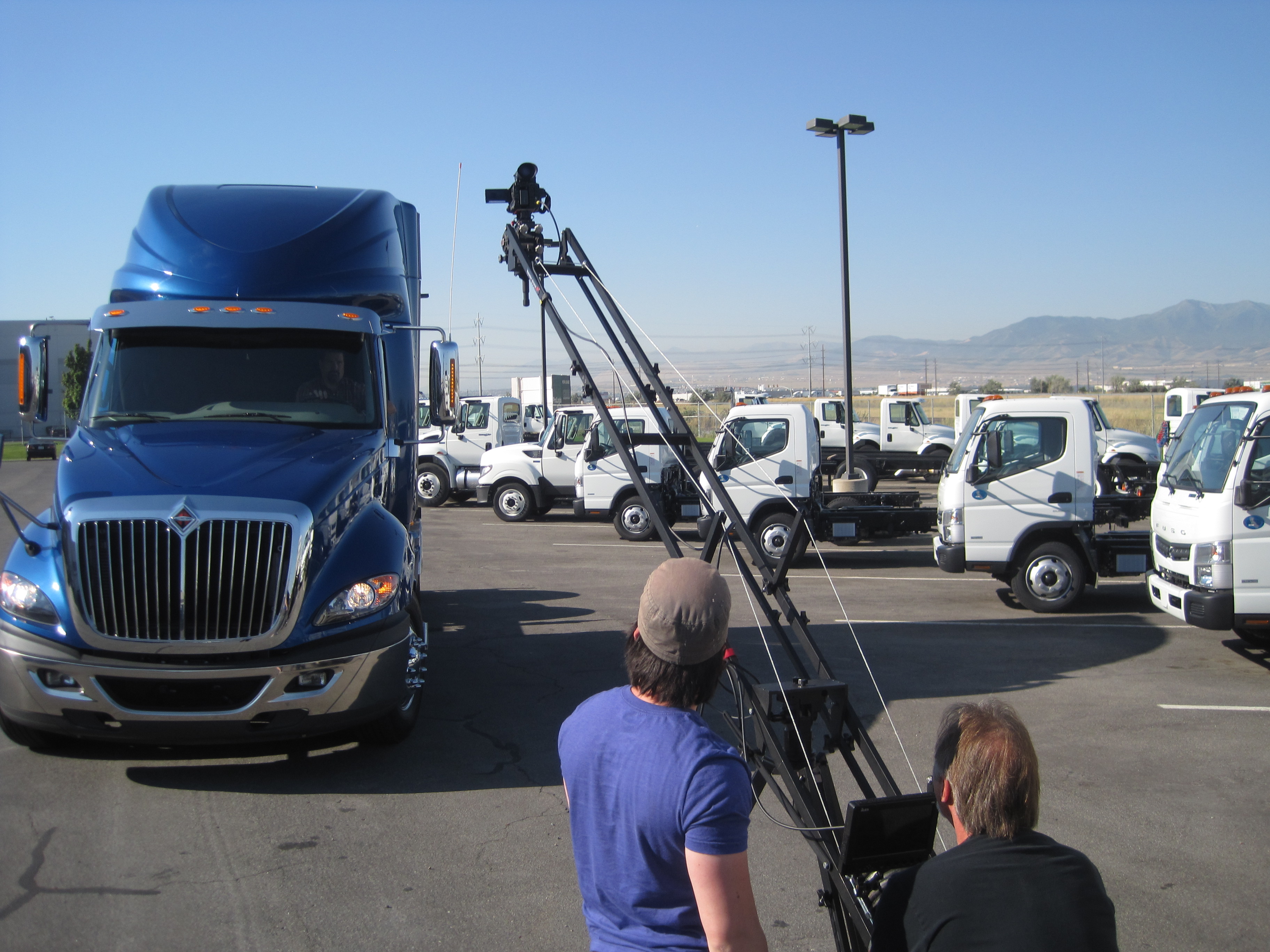
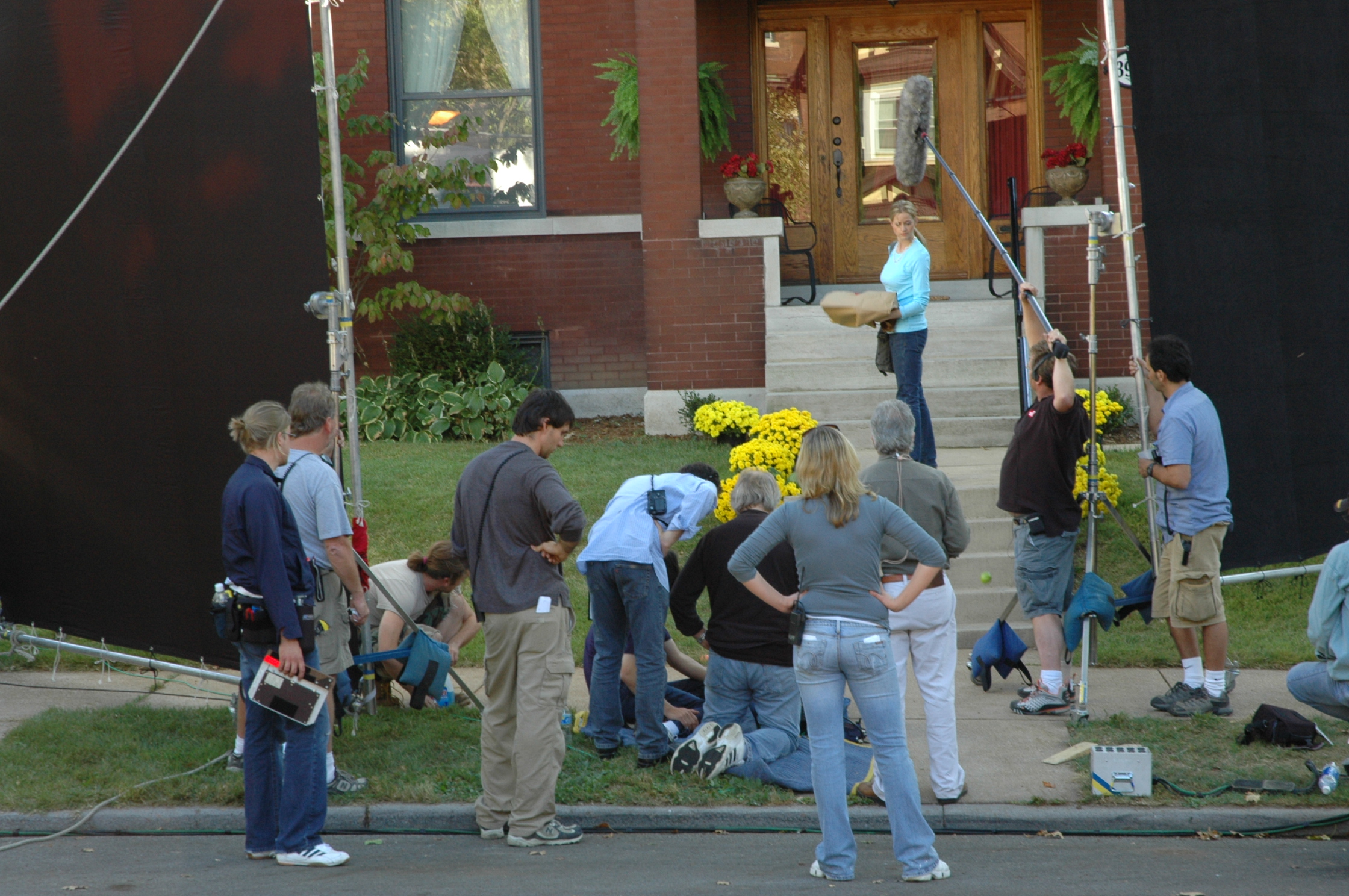
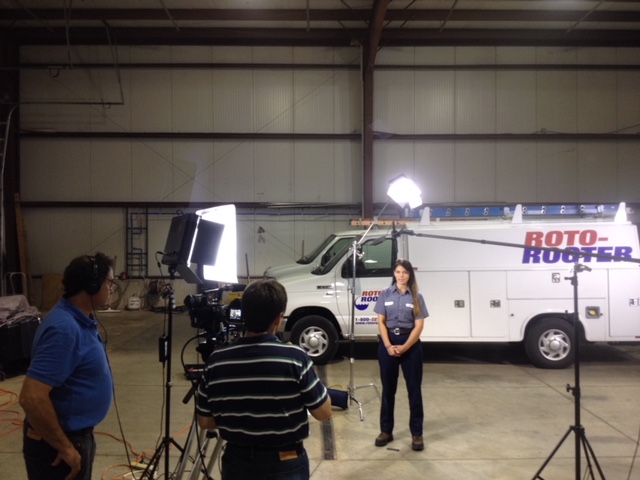
Remote Location Interviews, by contrast, require logistical agility. Factors like natural light shifts, ambient sound, and power access must be anticipated and mitigated. But with the right crew and equipment, remote interviews deliver unmatched authenticity, especially when showcasing clients in their real work environments.


Key Elements of Broadcast-Quality Interview Production

1. Camera and Lens Choice

We use cinema-grade cameras and lenses to create shallow depth-of-field compositions, drawing focus to the subject and eliminating distractions. Multicam setups allow for dynamic editing options and professional visual flow.

2. Lighting for Mood and Clarity

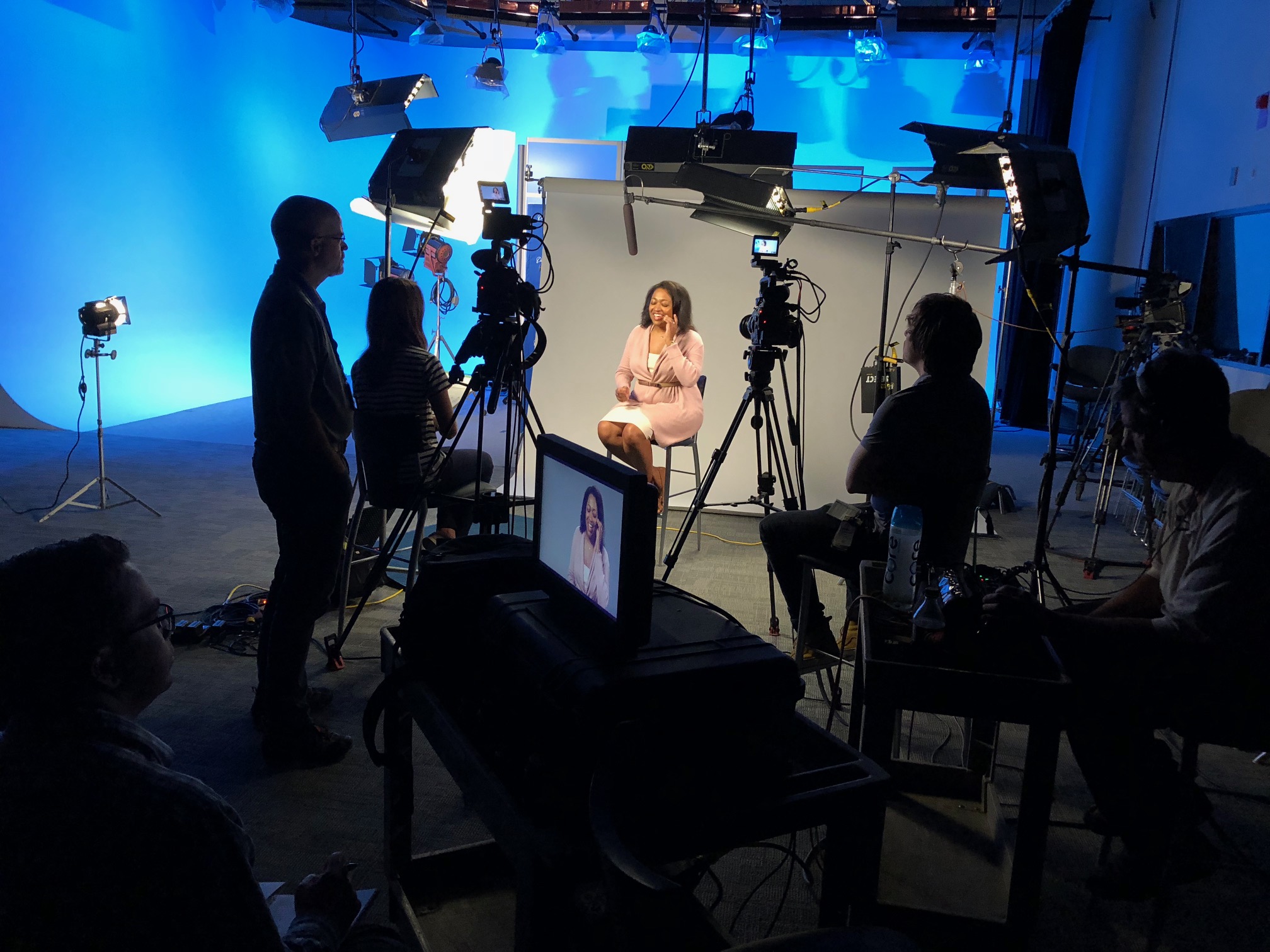
In our studio, we use soft key lights, backlighting, and practicals to shape faces and add depth to the frame. On location, our portable LED lighting kits mimic natural light or supplement it to maintain consistency and tone.

3. Pro-Level Audio Capture

Clean, crisp audio is non-negotiable. We deploy lavaliers, booms, or dual-mic setups with backup recorders to ensure we always have usable sound. Echo and background noise are managed with isolation tools and location scouting.

4. Framing and Composition

We follow proven composition guidelines like the rule of thirds, eye-line matching, and camera height consistency. Our studio backgrounds are designed to reflect your brand, or we’ll custom-build sets that match your visual identity.

5. Set Design and Branding

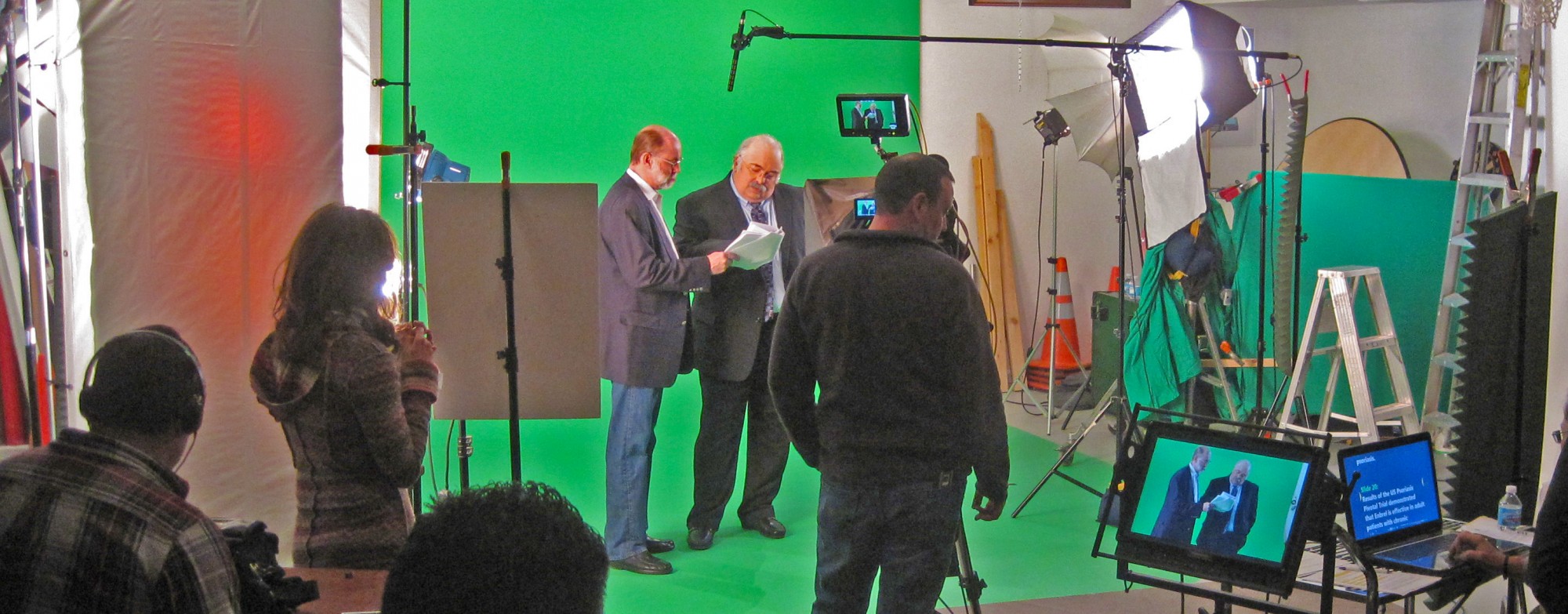
A plain backdrop doesn’t tell your story. We offer prop staging, logo placement, branded furniture, and controlled color schemes—whether on a white cyc, green screen, or lifestyle-style studio setup.

6. Crew and Direction

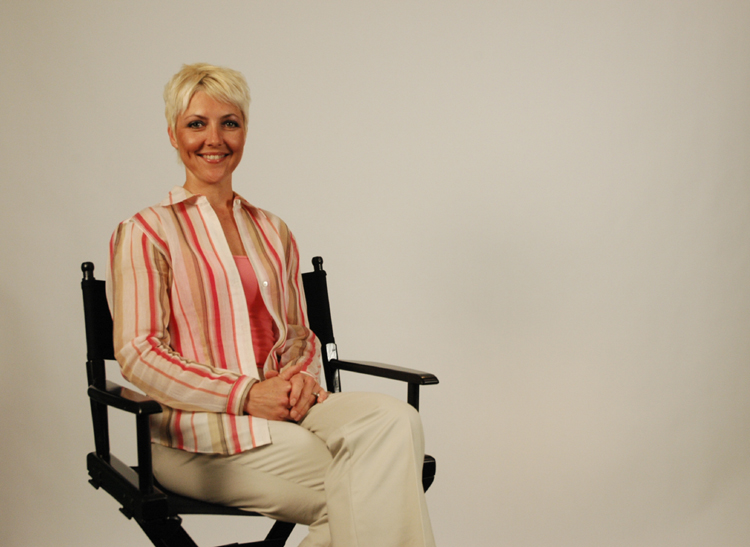
A professional crew makes all the difference. From camera operators and lighting techs to sound engineers and producers, we coordinate the right team to handle everything—including helping your on-camera talent feel confident and at ease.


Remote Interview Production: What Makes It Work

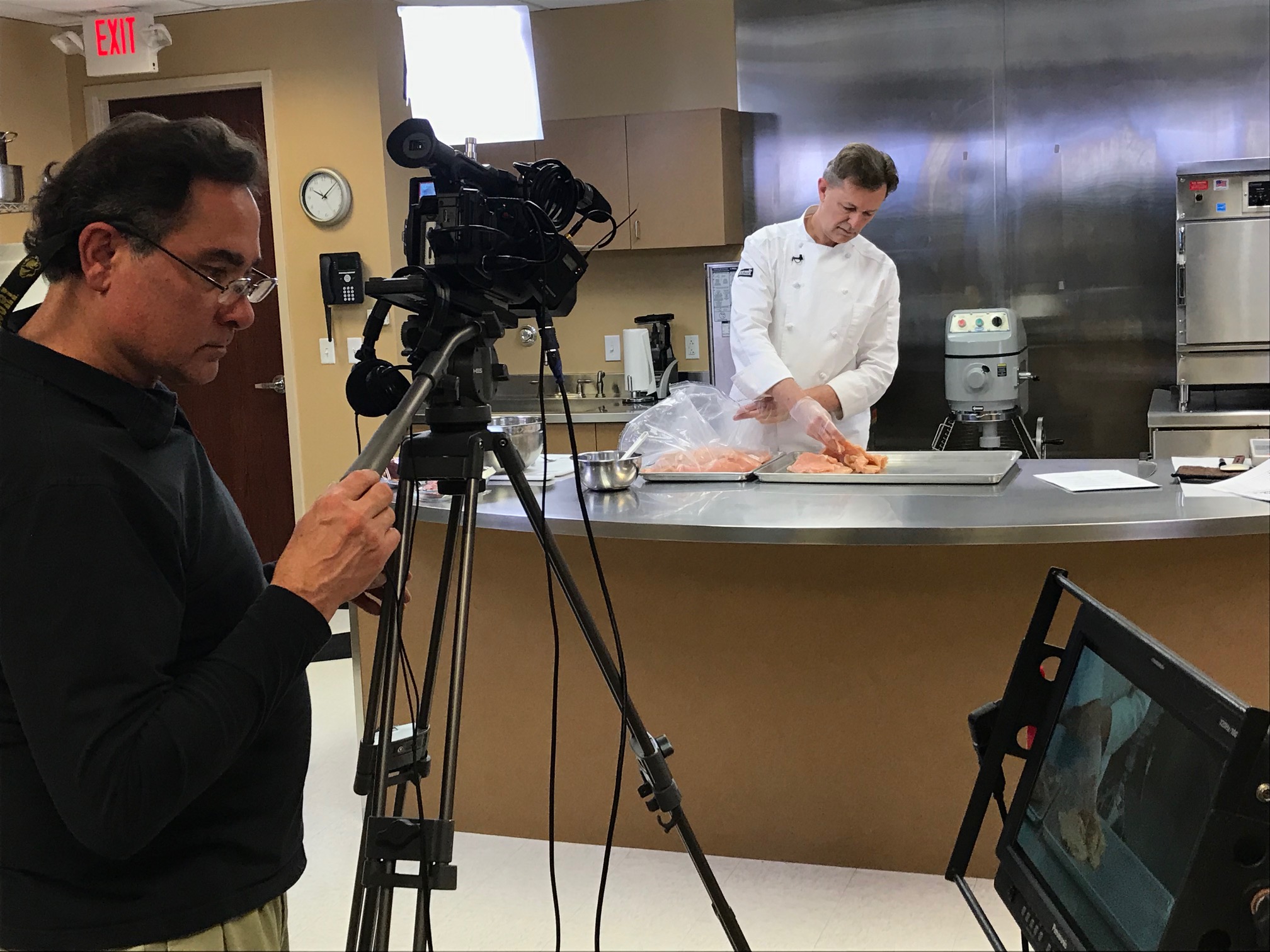
Producing interviews outside of the studio demands pre-production planning, backup systems, and a detailed shot list. We handle everything from location scouting and permitting to logistics like generator power, portable lighting, and wireless audio monitoring. We also offer mobile teleprompter setups and director feeds for remote oversight during the shoot.

Our team uses AI-powered video tools to assist with color matching, background cleanup, and even real-time transcription—ensuring a fast and accurate post-production pipeline.


Why Interview Videos Still Matter for Business

Interview content is among the most versatile marketing assets you can produce. A single, well-shot interview can be repurposed into:

  • Web and social content
  • Sizzle reels
  • Training and internal messaging
  • Press kits and event material
  • Podcast visuals or B-roll support

With the right framing and quality, these videos extend your brand’s personality and professionalism far beyond a single campaign.


Why Partner with St Louis Video Production Studio

Since 1982, St Louis Video Production Studio has been the go-to resource for businesses, creative agencies, and marketing firms needing high-quality interviews and branded video content. We’re a full-service commercial video and photography production company offering:

  • Complete studio and location video services
  • Editing, post-production, and color grading
  • Licensed drone pilots (yes—we can even fly drones indoors)
  • Custom-built sets and private studio interview rooms
  • AI-enhanced media optimization
  • Expertise with all file types, formats, and industry platforms

We specialize in repurposing video and photography branding to increase engagement across platforms and campaigns. Whether you’re building a series of sit-down interviews or filming a single subject in a remote facility, we provide the crew, creative insight, and technical gear to get it done right.

Let’s create something exceptional—wherever the story takes us.

314-604-6544

saintlouismostudios@gmail.com

Setting Up Your Service Business Office for Professional Videotaping

In today’s digital age, visual content has become an indispensable tool for businesses and organizations to communicate their message effectively. Whether it’s for marketing, training, or internal communication purposes, high-quality photography and videography can significantly enhance your brand image and engagement with your target audience. As decision-makers looking to invest in photography and video production services for your service business, it’s crucial to understand how to set up your office space to ensure professional and seamless videotaping sessions.

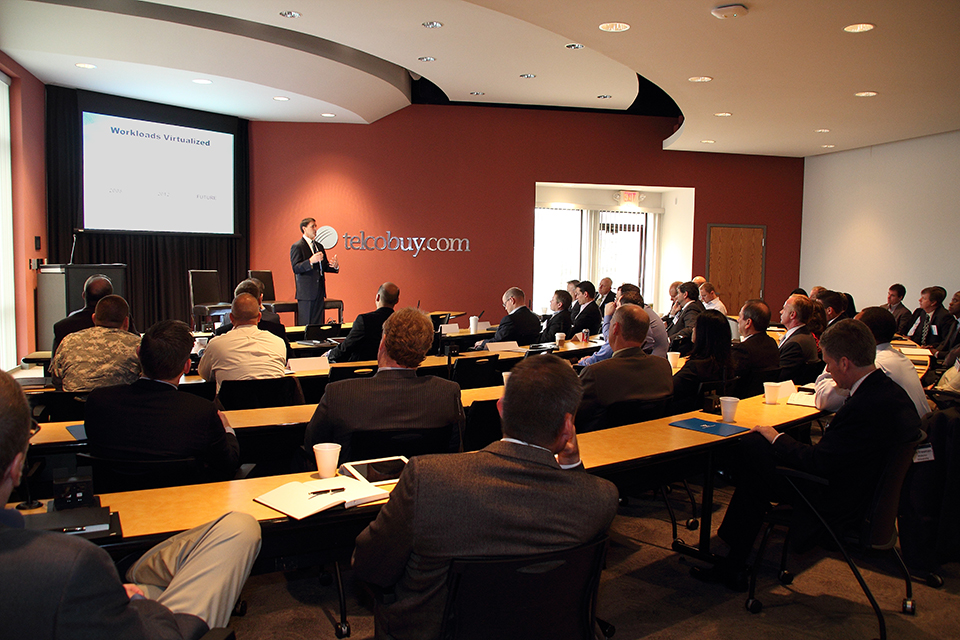
Consider the acoustics of the space to minimize background noise and enhance audio quality.

Importance of Professional Videotaping

Professional videography can elevate your brand presence and convey your message with clarity and impact. Whether you’re showcasing your services, conducting interviews, or creating instructional videos, the quality of your visual content reflects the professionalism and credibility of your business. Therefore, investing in professional videography services is essential to maintain a competitive edge in today’s market.

Choosing the Right Location

Selecting the appropriate location within your office space is paramount for successful videotaping sessions. Ideally, opt for a room with ample natural light to avoid harsh shadows and ensure clear visibility of subjects. Additionally, consider the acoustics of the space to minimize background noise and enhance audio quality. If natural light is insufficient, invest in professional lighting equipment to achieve optimal results.

Setting the Stage

Creating an aesthetically pleasing and functional setting is crucial for professional videotaping. Arrange furniture and props strategically to frame the shot and convey your intended message effectively. Pay attention to details such as branding elements, signage, and décor to reinforce your brand identity and create a cohesive visual experience for viewers.

Utilizing Technology and Equipment

Investing in high-quality cameras, lenses, and audio equipment is essential for producing professional-grade videos. Ensure that your equipment is well-maintained and up-to-date to capture crisp visuals and clear audio. Additionally, familiarize yourself with the technical aspects of your equipment to maximize its potential and achieve the desired results.

Engaging Professional Services

While DIY videography may seem tempting, partnering with experienced professionals can streamline the process and ensure superior outcomes. Professional videographers possess the expertise, creativity, and technical skills to transform your vision into compelling visual content. By entrusting your videography needs to experts, you can focus on your core business activities while reaping the benefits of professional-grade videos.

Conclusion

As decision-makers seeking to enhance your brand presence through professional videography, it’s imperative to set up your service business office for optimal filming conditions. By selecting the right location, creating an inviting setting, leveraging technology and equipment, and engaging professional services, you can elevate the quality of your visual content and effectively communicate your message to your target audience.

Call to Action: As a full-service video and photography production company, St Louis Video Production Studio has worked with many businesses, marketing firms, and agencies in the St. Louis area for their corporate photography and video. Contact us today to learn how we can customize your productions to meet diverse media requirements and elevate your brand image through professional-grade visual content.
Remember, investing in professional videography is an investment in the success and credibility of your service business. By following these guidelines and partnering with experienced professionals, you can effectively harness the power of visual storytelling to engage your audience and achieve your business objectives.

 314-604-6544

saintlouismostudios@gmail.com