Tag Archives: video production companies st louis

Tips for Making Effective Video Testimonials on a Budget

Video testimonials are one of the most powerful tools for businesses to build credibility and connect with potential customers. They showcase genuine feedback from satisfied clients, humanize your brand, and can significantly influence buying decisions. However, many organizations shy away from producing video testimonials due to budget constraints, believing that high-quality productions always come with a hefty price tag. The good news is that creating compelling video testimonials doesn’t have to break the bank. With the right approach and strategic planning, you can produce impactful testimonial videos that resonate with your audience without overspending. Here’s how:

Editing is where your video can truly shine, but it’s also where costs can escalate quickly. To stay within budget, focus on editing the video for clarity, pacing, and impact.

1. Plan Your Testimonial Content Carefully

The key to creating a budget-friendly testimonial is meticulous planning. Outline the goals of your testimonial video—what do you want it to achieve? Define the core message you want your clients to convey. Create a list of questions that will guide the testimonial and focus on eliciting genuine, engaging responses. These questions should center around the challenges your client faced, how your product or service solved their problem, and the specific results they achieved.

Planning the content thoroughly ensures that the shoot is efficient, saving you time and money. A clear structure also helps keep the testimonial on track, reducing the need for extensive editing later.

2. Choose the Right Location

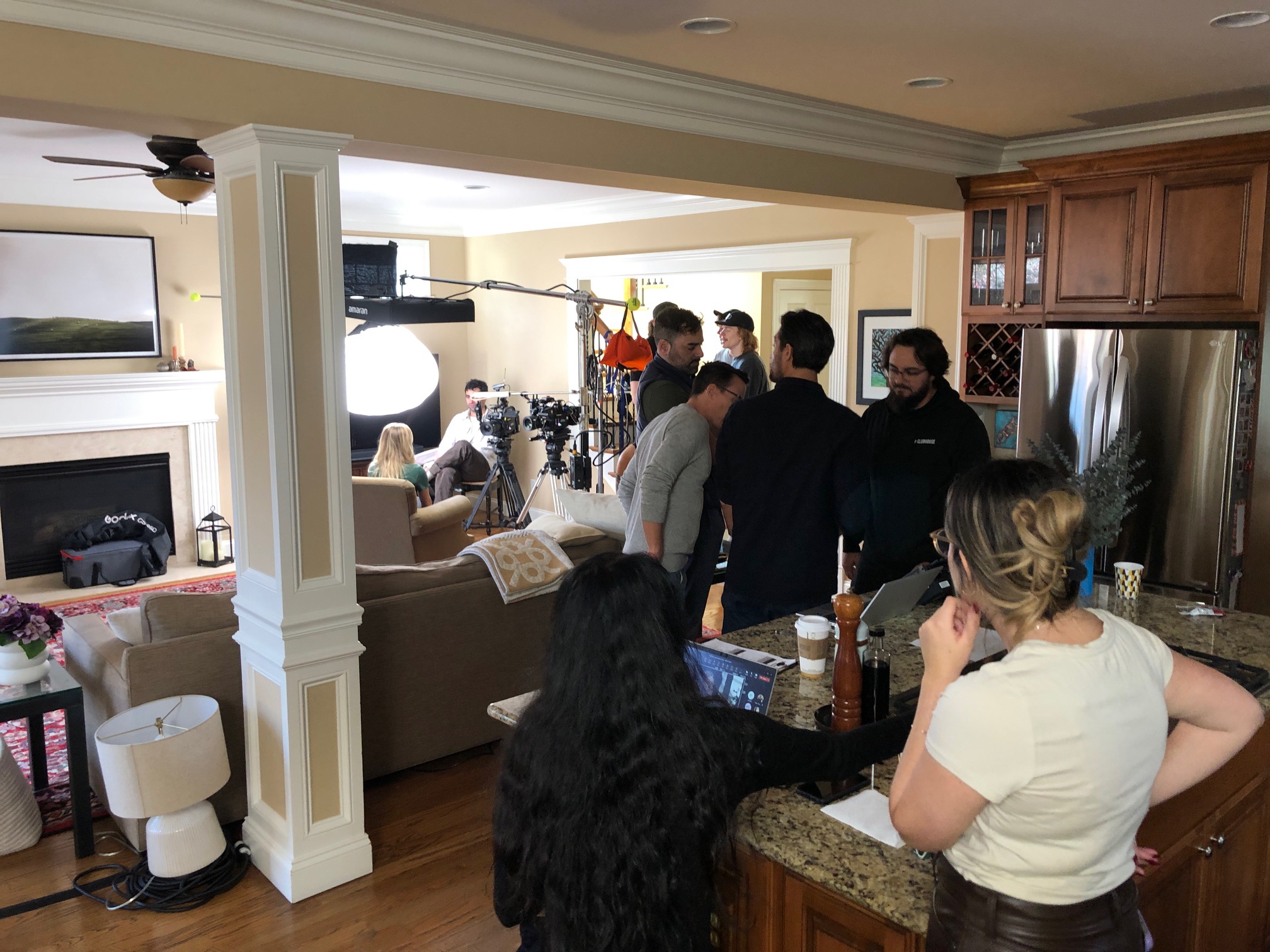
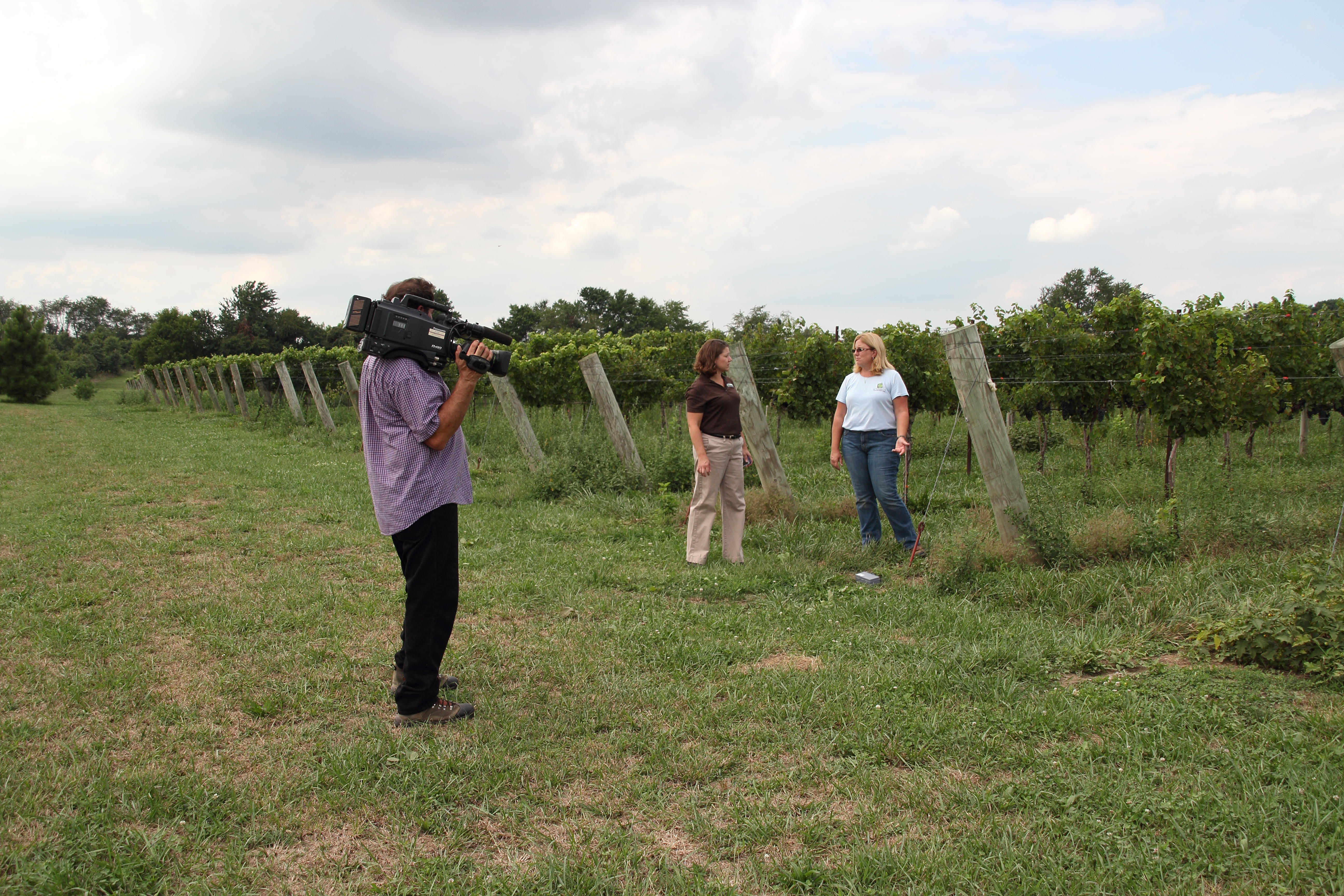
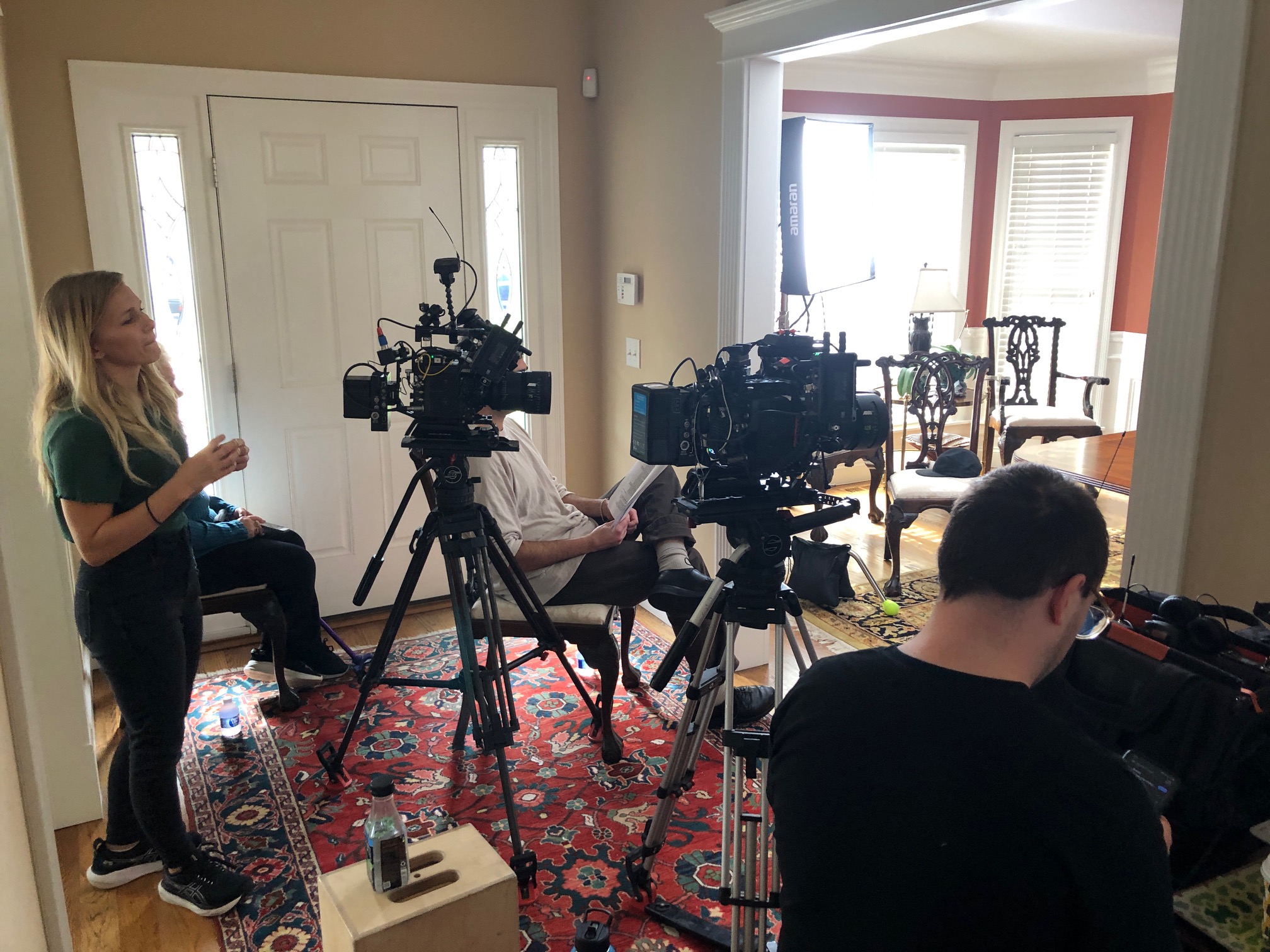
Choosing the right location is critical to the success of your testimonial video. However, you don’t need to rent a fancy space or travel far to create an effective backdrop. Consider filming on-site at your client’s office or in a space that visually represents their business. This approach not only saves costs but also adds authenticity to the video, making it feel more real and relatable to viewers.

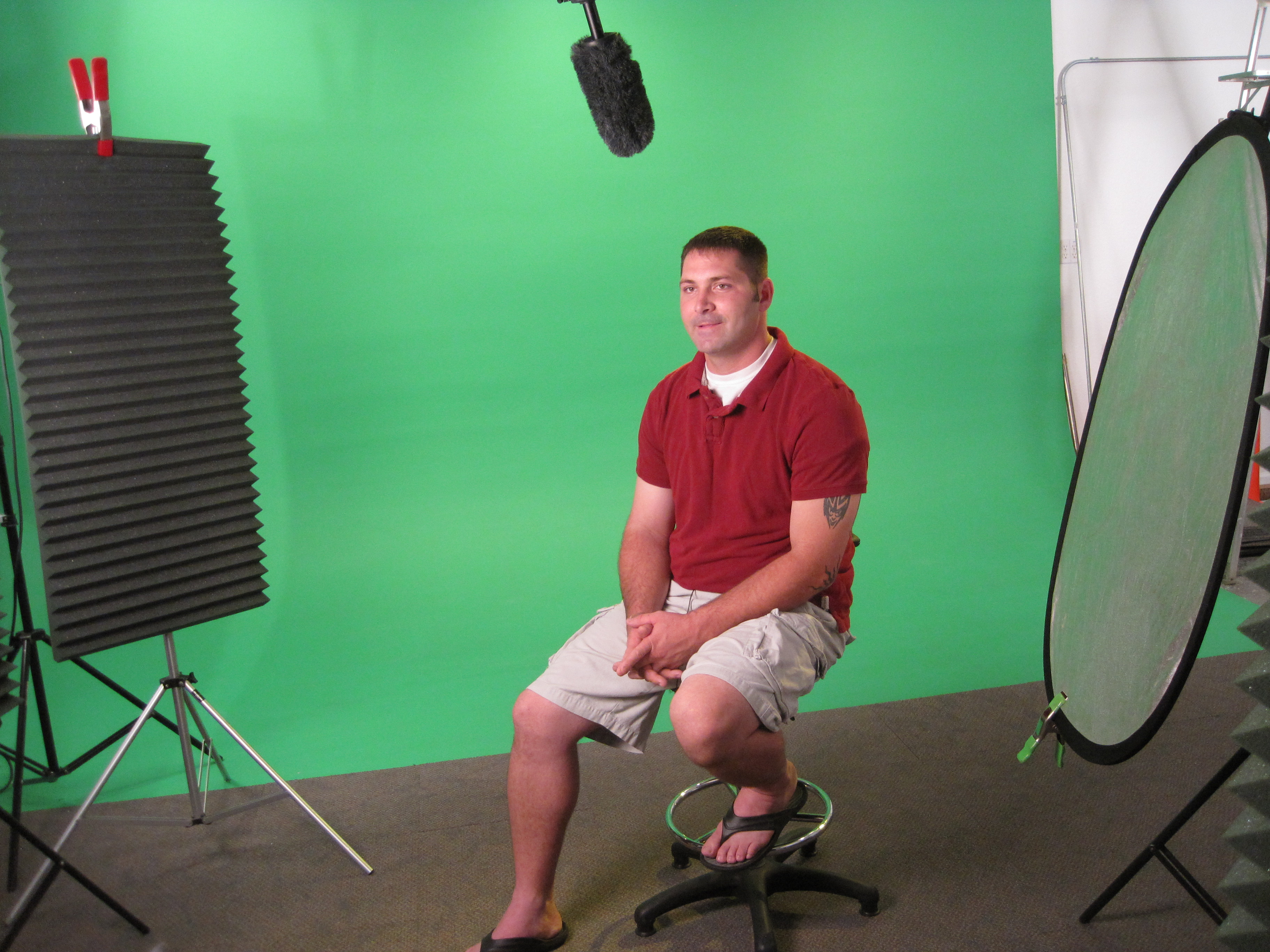
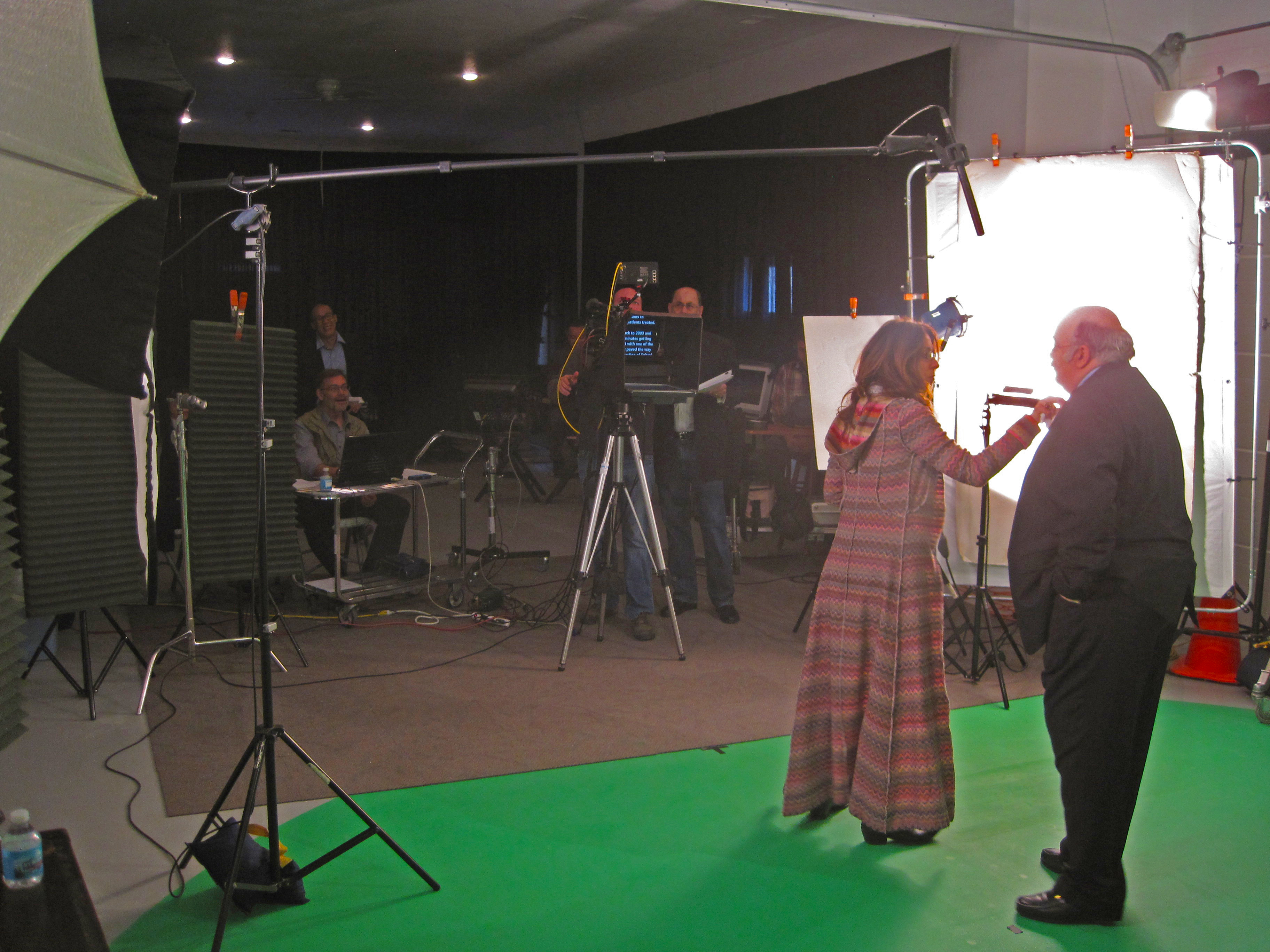
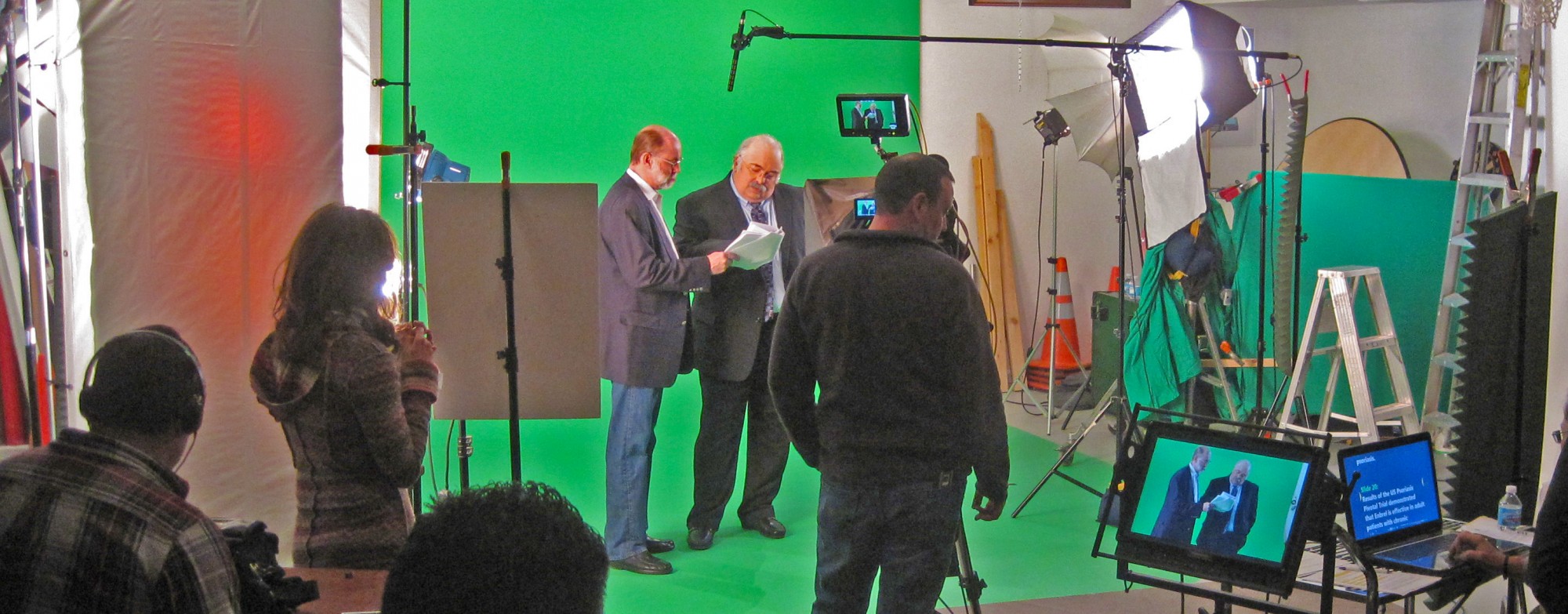
Alternatively, St Louis Video Production Studio offers an affordable in-house studio with flexible setups. Our private studio lighting and visual arrangements are perfect for smaller productions, allowing you to control the environment, sound, and lighting without incurring extra location fees.

3. Leverage Natural Lighting

Good lighting is crucial in video production, but you don’t necessarily need expensive equipment to achieve great results. If you’re filming on location, try to schedule your shoot during times when you can take advantage of natural light. Position your subject near windows or other light sources to illuminate their face evenly.

When natural light isn’t available or sufficient, our studio offers professional-grade lighting setups tailored to create the best atmosphere for your testimonial. Utilizing our equipment ensures consistent and flattering lighting, which is often a challenge when relying solely on natural light.

4. Keep the Equipment Simple

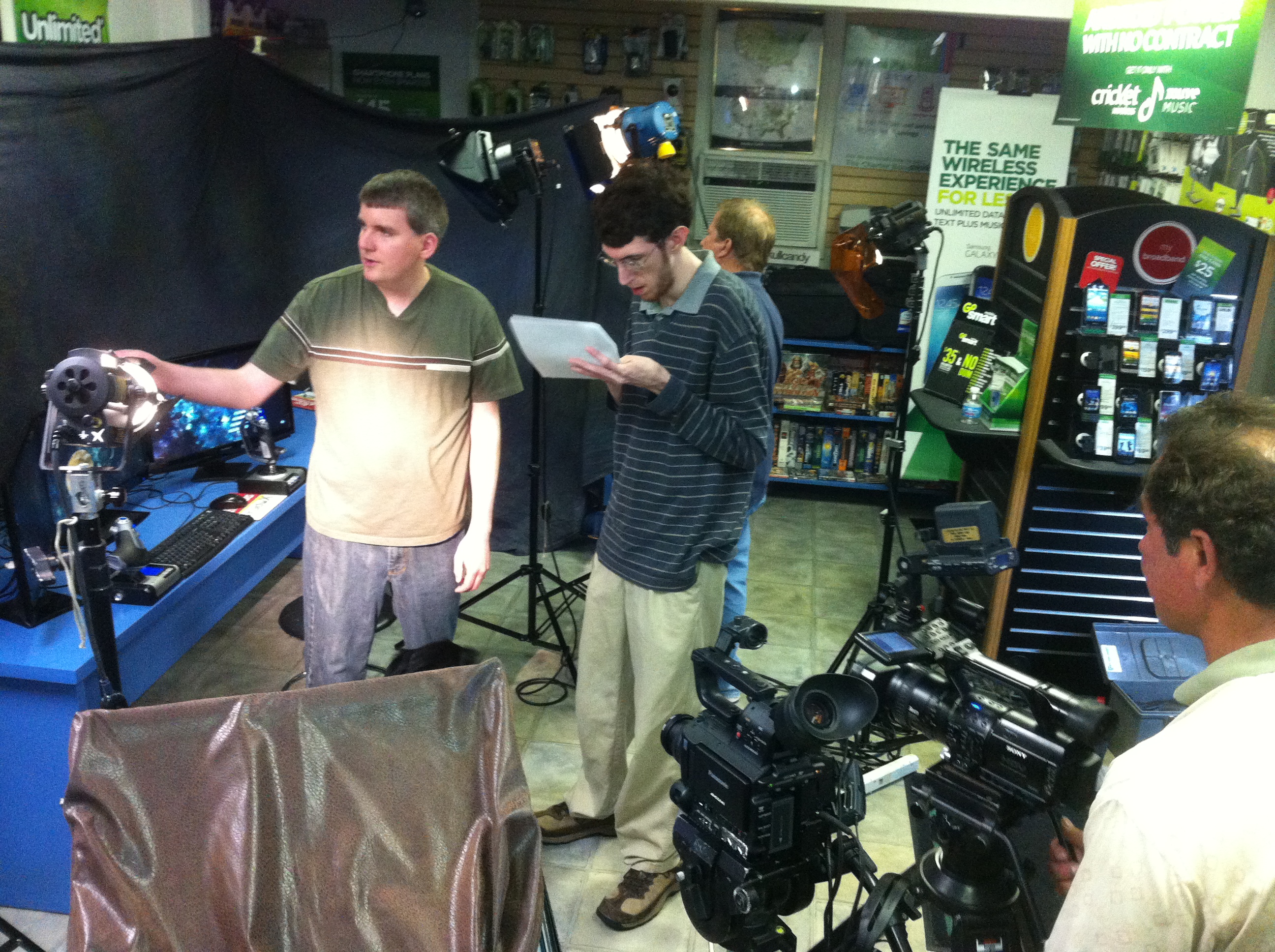
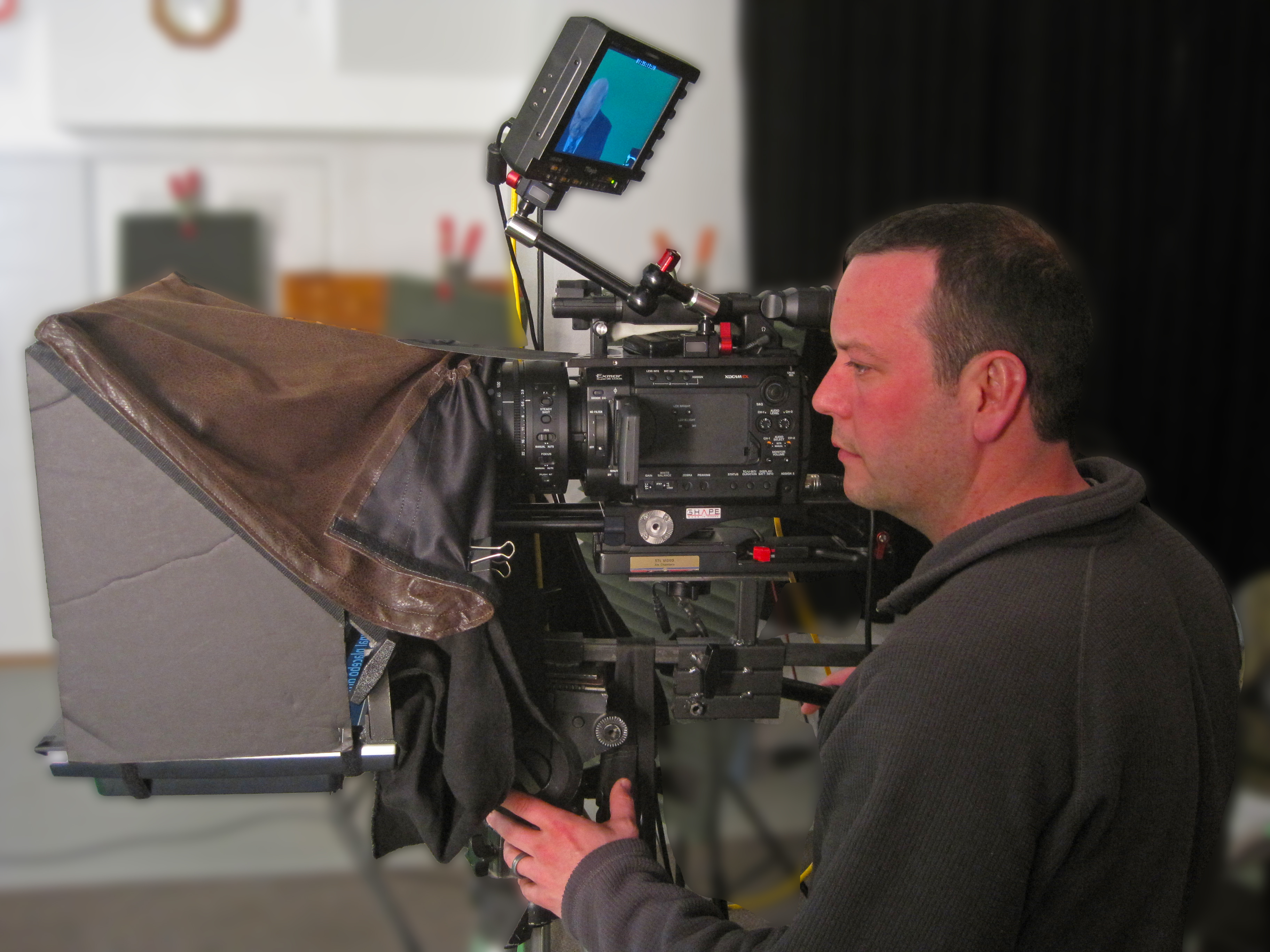
When it comes to equipment, less is often more, especially if you’re working with a limited budget. A high-quality camera, a reliable microphone, and a stable tripod are usually sufficient for most testimonial videos.

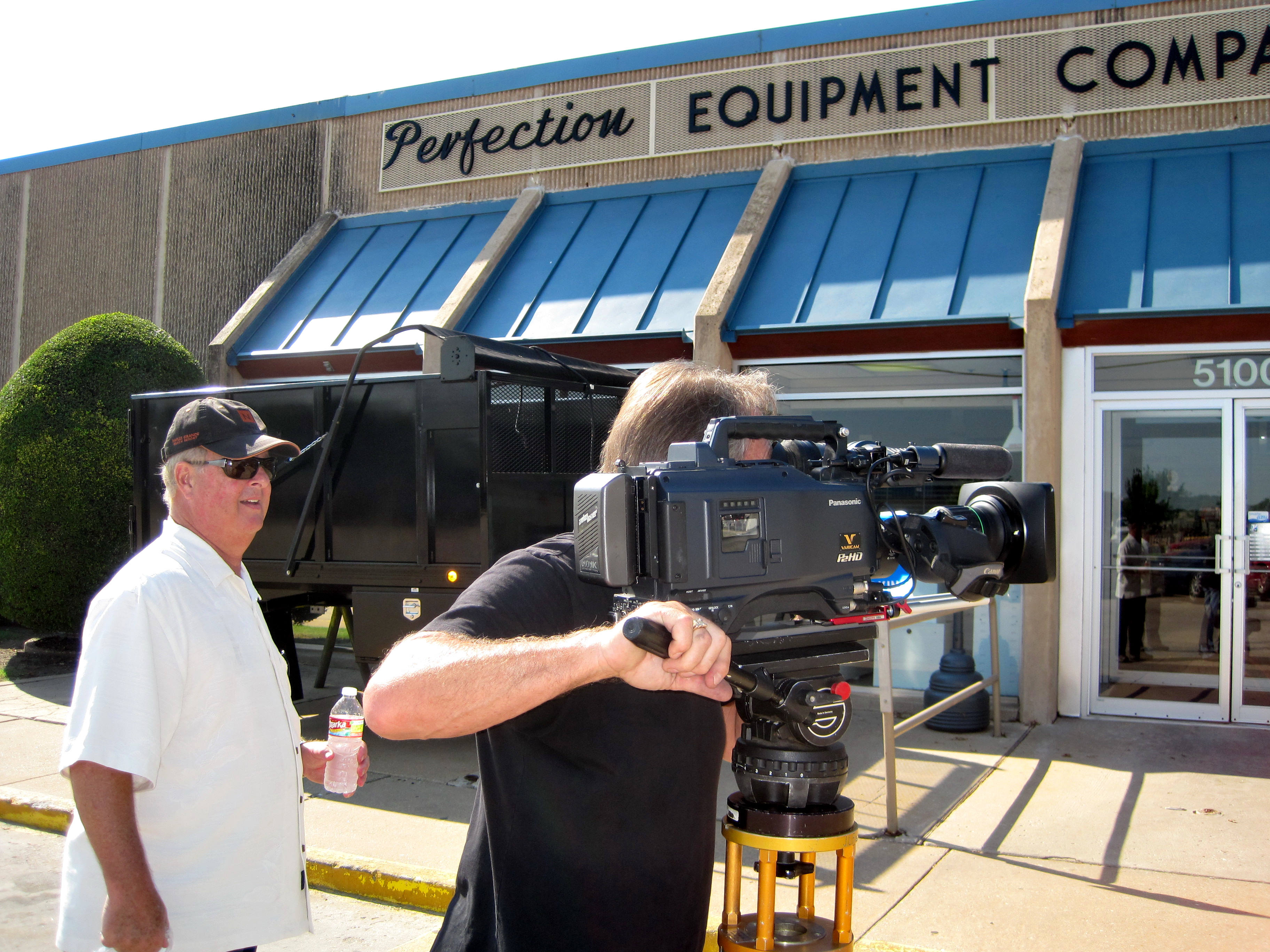
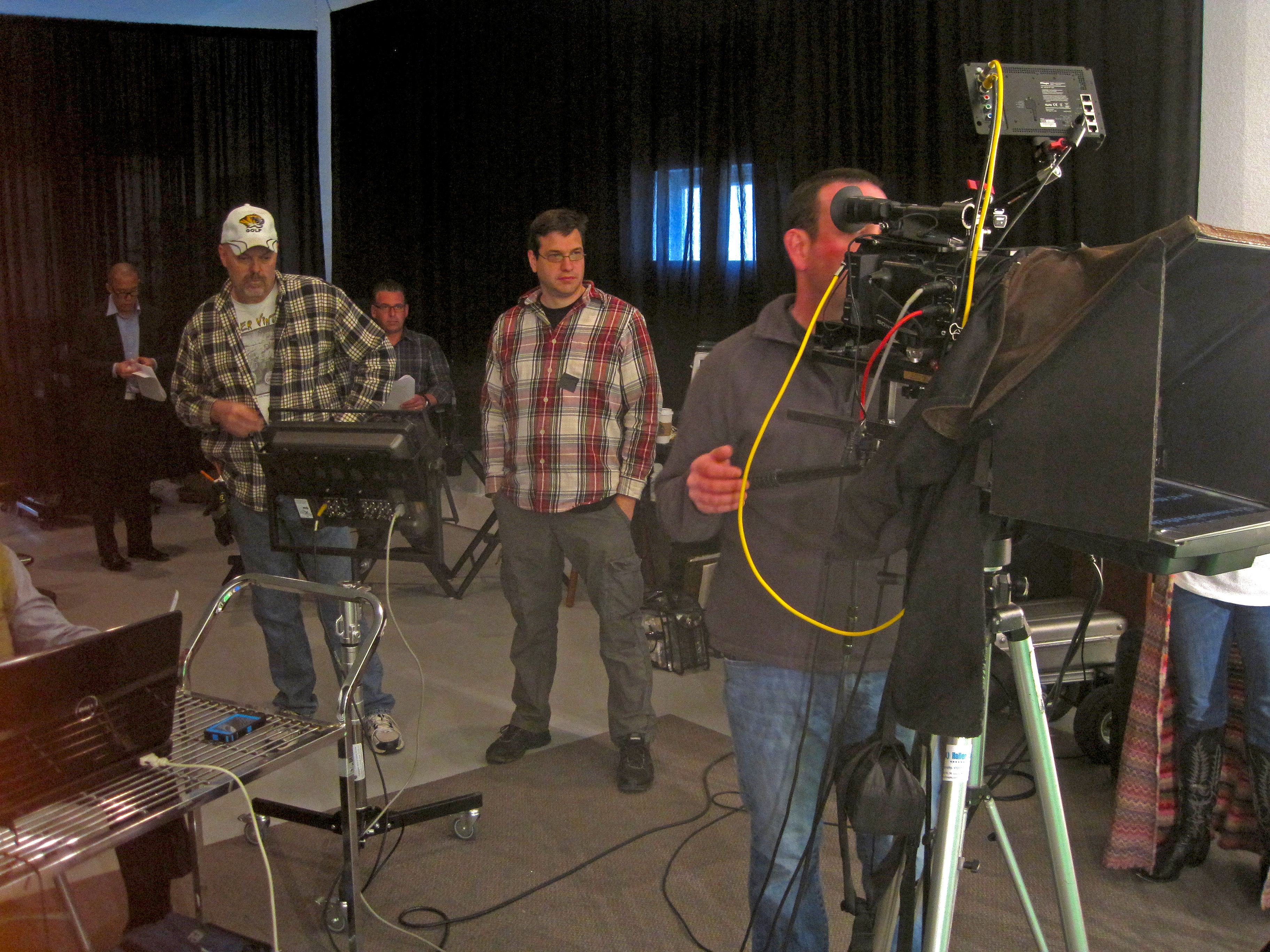
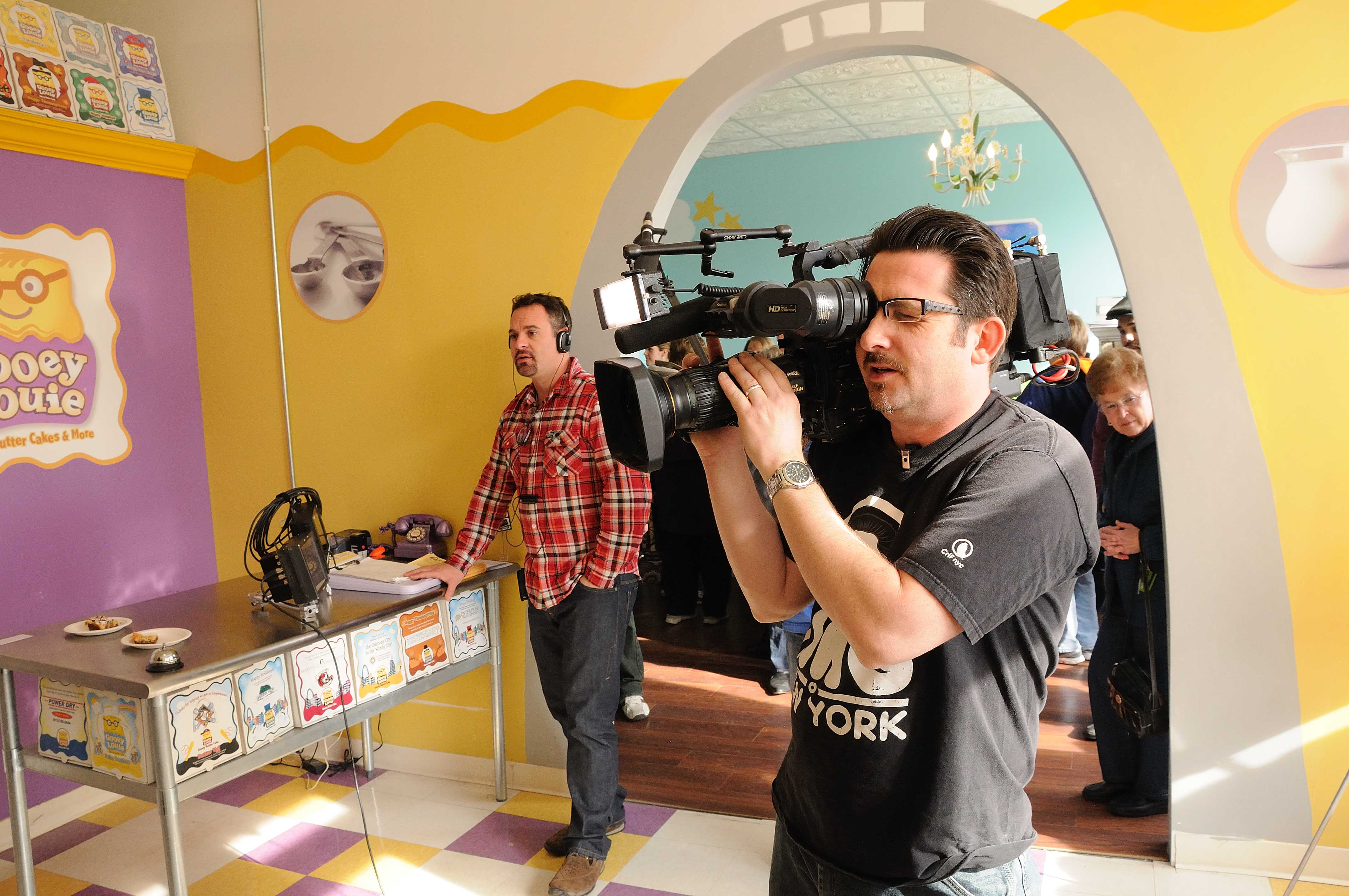
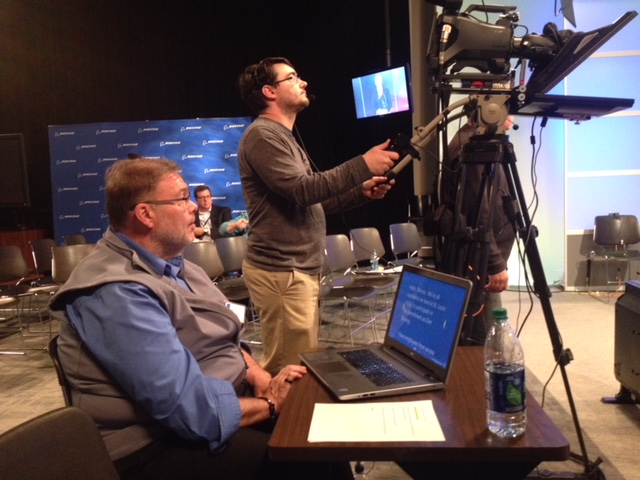
For businesses looking for a more professional touch without the expense of renting or purchasing equipment, St Louis Video Production Studio provides sound and camera operators who bring the right tools to ensure your video is of the highest quality. From crisp audio to steady visuals, our team handles the technical aspects, allowing you to focus on the content.
5. Focus on Authenticity Over Perfection

One of the most appealing aspects of testimonial videos is their authenticity. Viewers expect a real, unscripted, and honest portrayal of your client’s experience. Overly polished videos can sometimes come across as staged or insincere. Encourage your clients to speak naturally and from the heart. Don’t worry too much about minor mistakes or imperfections—these elements add a touch of realism that audiences appreciate.

6. Edit for Impact, Not Overproduction

Editing is where your video can truly shine, but it’s also where costs can escalate quickly. To stay within budget, focus on editing the video for clarity, pacing, and impact. Highlight the most compelling parts of the testimonial and keep the overall video concise—usually under two minutes.

Our post-production team at St Louis Video Production Studio can assist with professional editing services that enhance your video without unnecessary bells and whistles. We are skilled at repurposing existing footage and adding branded elements that align with your marketing objectives, making your video look polished and cohesive.

7. Add Graphics and Subtitles

Adding graphics and subtitles can enhance your video and make it more accessible, but it doesn’t have to be costly. Simple text overlays highlighting key points, your client’s name, and their company can add professionalism without extensive investment. Subtitles are especially important, as many viewers watch videos on mute, particularly on social media platforms.

St Louis Video Production Studio provides editing services that include the addition of branded graphics and subtitles, ensuring your testimonial is engaging and professional.

8. Repurpose Content for Maximum Value

Once your testimonial video is complete, maximize its value by repurposing the content across multiple platforms. Use snippets for social media, integrate the video into email marketing campaigns, and feature it on your website. This strategy amplifies the reach of your video without additional costs, giving you more mileage from your production efforts.

Why Choose St Louis Video Production Studio?

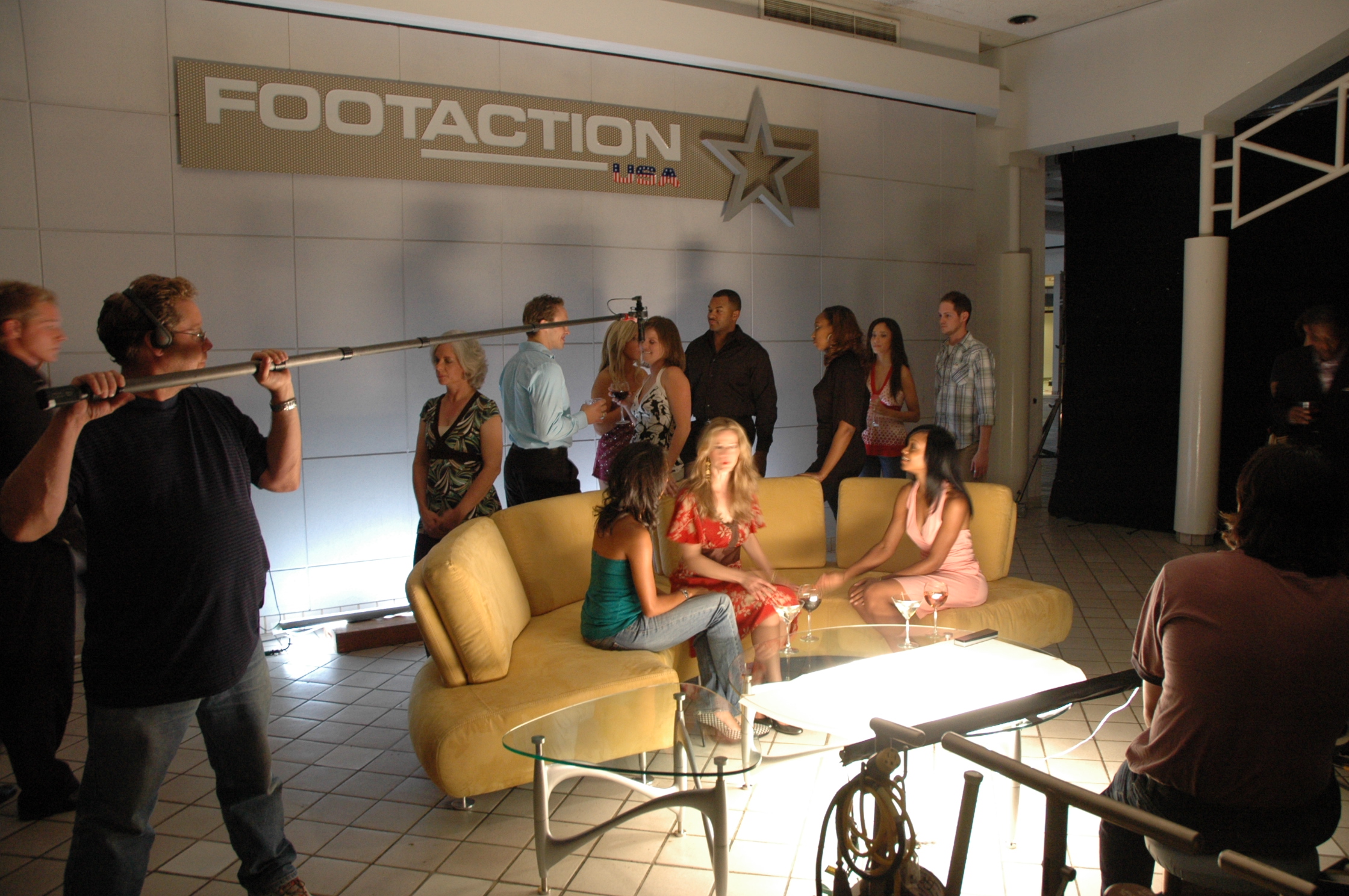
St Louis Video Production Studio is a full-service professional commercial photography and video production company with the right equipment and creative crew service experience for successful image acquisition. We offer full-service studio and location video and photography, as well as editing, post-production, and licensed drone pilots. Our team can customize your productions for diverse types of media requirements and specialize in repurposing your photography and video branding to help your business gain more traction.

With expertise in all file types, styles of media, and accompanying software, our private studio lighting and visual setup is perfect for small productions and interview scenes. Our studio is large enough to incorporate props, providing a versatile space that enhances the storytelling aspect of your videos. From setting up private custom interview studios to providing sound and camera operators and the right equipment, we have everything needed to make your next video production perfect. Additionally, our ability to fly specialized drones indoors sets us apart, offering unique angles and perspectives that elevate your video content.

Since 1982, St Louis Video Production Studio has worked with countless businesses, marketing firms, and agencies in the St. Louis area, helping them achieve their corporate photography and video goals. Trust us to bring your vision to life with high-quality, professional, and budget-friendly video testimonial production services. Let’s make your next testimonial video a success.
314-604-6544

saintlouismostudios@gmail.com

The Best Practices Towards Studio Production Interviews

As a content creator, conducting studio production interviews can be a valuable addition to your content strategy. Interviews provide a unique perspective and add depth and credibility to your content. Whether you’re conducting interviews for a podcast, video series, or blog, it’s important to ensure that your interviews are of the highest quality. We’ll cover the best practices towards studio production interviews. From preparation and research to conducting the interview and post-production editing, we’ll provide expert advice on how to create compelling and engaging interviews that resonate with your audience.

By following the best practices towards studio production interviews, you can ensure that your content stands out in a crowded online space.

Importance of Studio Production Interviews

Studio production interviews are a powerful tool that can help you create compelling and engaging content for your audience. They provide a unique perspective and allow your audience to hear directly from experts in your field. This can add credibility to your content and help establish you as a thought leader in your industry.

Interviews can also help you build relationships with experts in your field. By showcasing their expertise and knowledge, you can create a mutually beneficial relationship that can lead to future collaborations and networking opportunities.

Overall, studio production interviews are an effective way to create valuable and engaging content that resonates with your audience and establishes you as a thought leader in your industry.

Research and Preparation for Studio Production Interviews

The key to a successful studio production interview is preparation. Before conducting an interview, it’s important to research your interviewee and understand their background, expertise, and perspective. This will help you create a list of questions that are relevant and engaging for your audience.

To begin your research, start by looking at the interviewee’s website, social media profiles, and any other relevant online content. This will give you an idea of their expertise and the topics they are passionate about.

Next, create a list of questions that will help you delve deeper into the interviewee’s background and expertise. Make sure to ask open-ended questions that allow the interviewee to provide detailed and thoughtful answers.

Finally, make sure to communicate with your interviewee before the interview to ensure that they are comfortable with the topics you plan to cover. This will help build trust and establish a positive rapport between you and your interviewee.

Creating a List of Questions for the Interview

Creating a list of questions for a studio production interview is a critical step in the preparation process. The questions you ask will determine the direction and overall tone of the interview. To create a list of questions that are engaging and informative, consider the following tips:

  • Ask open-ended questions that allow the interviewee to provide detailed and thoughtful answers.
  • Ask follow-up questions to further explore the interviewee’s answers and provide additional context for your audience.
  • Incorporate current events and trends in your industry to keep the interview relevant and timely.
  • Avoid asking questions that the interviewee has already answered in previous interviews or online content.

By following these tips, you can create a list of questions that will help you conduct a compelling and engaging interview.

Conducting the Interview: Best Practices for the Interviewer

As the interviewer, it’s your responsibility to create a positive and engaging environment for the interviewee. To ensure a successful interview, consider the following best practices:

  • Start with an icebreaker question to help the interviewee feel comfortable and relaxed.
  • Avoid interrupting the interviewee or talking over them.
  • Listen actively and ask follow-up questions to further explore the interviewee’s answers.
  • Maintain a positive and professional tone throughout the interview.
  • Avoid asking leading questions that can influence the interviewee’s answers.

By following these best practices, you can create a positive and engaging environment for the interviewee and ensure a successful interview.

Conducting the Interview: Best Practices for the Interviewee

As the interviewee, it’s important to prepare and present yourself in a professional and engaging manner. To ensure a successful interview, consider the following best practices:

  • Take time to prepare and research the interviewer and their audience.
  • Be authentic and honest in your answers.
  • Speak clearly and concisely.
  • Avoid using jargon or technical language that may not be understood by the audience.
  • Keep your answers focused and on topic.

By following these best practices, you can present yourself in a positive and engaging manner and ensure a successful interview.

Recording and Editing the Interview

After conducting the interview, it’s important to properly record and edit the content. This will ensure that the final product is of the highest quality and engages your audience.

When recording the interview, make sure to use high-quality equipment and test it beforehand to ensure that the sound and video quality are optimal. It’s also important to have backup equipment in case of technical difficulties.

When editing the interview, focus on creating a cohesive and engaging story that flows well and keeps the audience’s attention. Remove any unnecessary or repetitive content and ensure that the final product is polished and professional.

Tips for Creating Engaging and Informative Content from the Interview

To create engaging and informative content from the interview, consider using the following tips:

  • Create a summary or highlights reel that captures the most important points of the interview.
  • Break the interview into smaller segments that focus on specific topics or themes.
  • Incorporate visuals and graphics to enhance the content.
  • Use quotes and sound bites from the interview to create social media posts and promotional material.

By using these tips, you can create engaging and informative content from the interview that resonates with your audience.

The Role of Post-Production in Creating a Successful Interview

Post-production is a critical step in creating a successful interview. It involves editing the content, adding visuals and graphics, and ensuring that the final product is polished and professional.

To ensure a successful post-production process, consider the following tips:

  • Use high-quality editing software and equipment.
  • Add visual elements such as graphics, images, and B-roll footage to enhance the content.
  • Ensure that the audio and video quality are optimal.
  • Test the final product on multiple devices and platforms to ensure that it is accessible to your audience.

By following these tips, you can ensure that the final product is of the highest quality and engages your audience.

Common Mistakes to Avoid in Studio Production Interviews

To ensure a successful studio production interview, it’s important to avoid common mistakes that can detract from the quality of the content. Some common mistakes to avoid include:

  • Asking leading or closed-ended questions.
  • Interrupting the interviewee or talking over them.
  • Focusing too much on your own agenda and not allowing the interview to flow naturally.
  • Neglecting to prepare and research the interviewee beforehand.

By avoiding these mistakes, you can create a positive and engaging environment for the interviewee and ensure a successful interview.

Best Practices for Promoting and Sharing Your Interview

After creating a successful interview, it’s important to promote and share the content to ensure that it reaches your audience. To promote and share your interview, consider the following best practices:

  • Share the content on your website and social media platforms.
  • Create social media posts and promotional material that highlights the most engaging and informative aspects of the interview.
  • Reach out to the interviewee and ask them to share the content on their platforms.
  • Consider collaborating with other content creators or influencers to promote the content.

By following these best practices, you can ensure that your interview reaches a wider audience and resonates with your target demographic.

Examples of Successful Studio Production Interviews

To see the best practices towards studio production interviews in action, consider the following examples of successful interviews:

  • The Tim Ferriss Show: Tim Ferriss interviews experts in the fields of business, health, and wellness, and delves into their routines and habits.
  • Armchair Expert: Dax Shepard interviews celebrities and experts in various fields and explores their personal and professional experiences.
  • TED Talks: TED Talks feature experts from various fields who share their innovative ideas and insights on a wide range of topics.

By studying these examples, you can gain insight into the best practices towards studio production interviews and apply them to your own content strategy.

Resources for Improving Your Studio Production Interview Skills

To improve your studio production interview skills, consider the following resources:

  • Books on interviewing and journalism, such as “The Art of Asking” by Amanda Palmer and “The New New Journalism” by Robert Boynton.
  • Online courses and tutorials on interview skills and techniques, such as those offered by Udemy and Skillshare.
  • Podcasts and blogs on interviewing and content creation, such as “The Creative Penn” and “The Podcast Host.”

The most requested types of video production shot in a studio can vary depending on the needs of the client and the purpose of the video, but here are some common types:

1. Corporate videos: Corporate videos are used to promote a company or its products/services. They are often shot in a studio with a clean background and professional lighting to convey a polished and professional image.

2. Product demos: Product demos are videos that showcase a product’s features and benefits. These videos are often shot in a studio with a white or black background and close-up shots of the product to highlight its details.

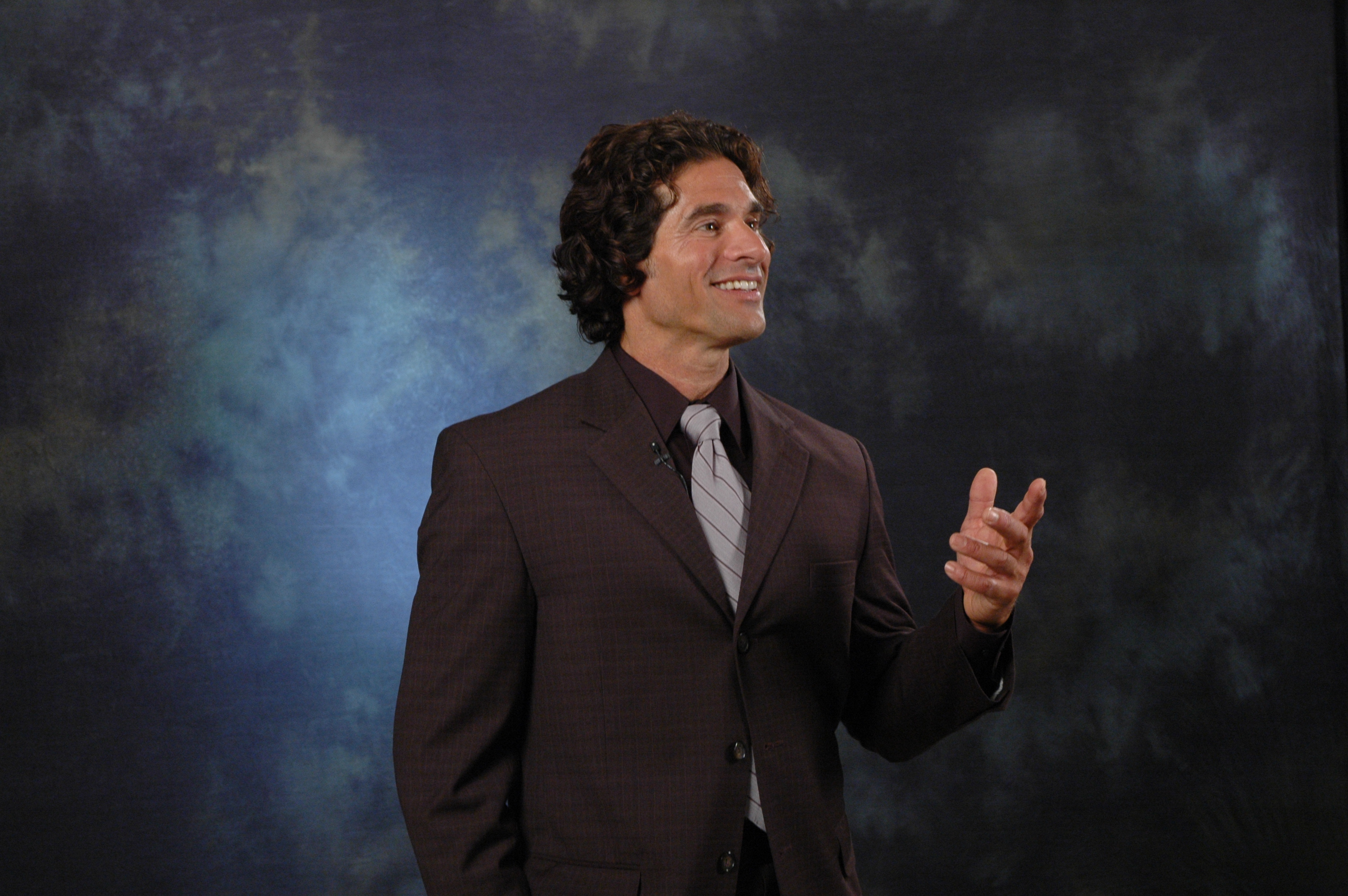
3. Interviews: Interviews are commonly shot in a studio with a plain background and professional lighting to create a consistent look and feel. They can be used for a variety of purposes, such as to capture customer testimonials or expert opinions.

4. Promotional videos: Promotional videos are created to promote a specific event, product launch, or service. They often include a mix of live action footage, motion graphics, and animation, and can be shot in a studio or on location.

5. Training videos: Training videos are used to educate employees or customers on a specific process or product. They are often shot in a studio with a clear and concise presentation style, and may include animations or graphics to illustrate complex concepts.

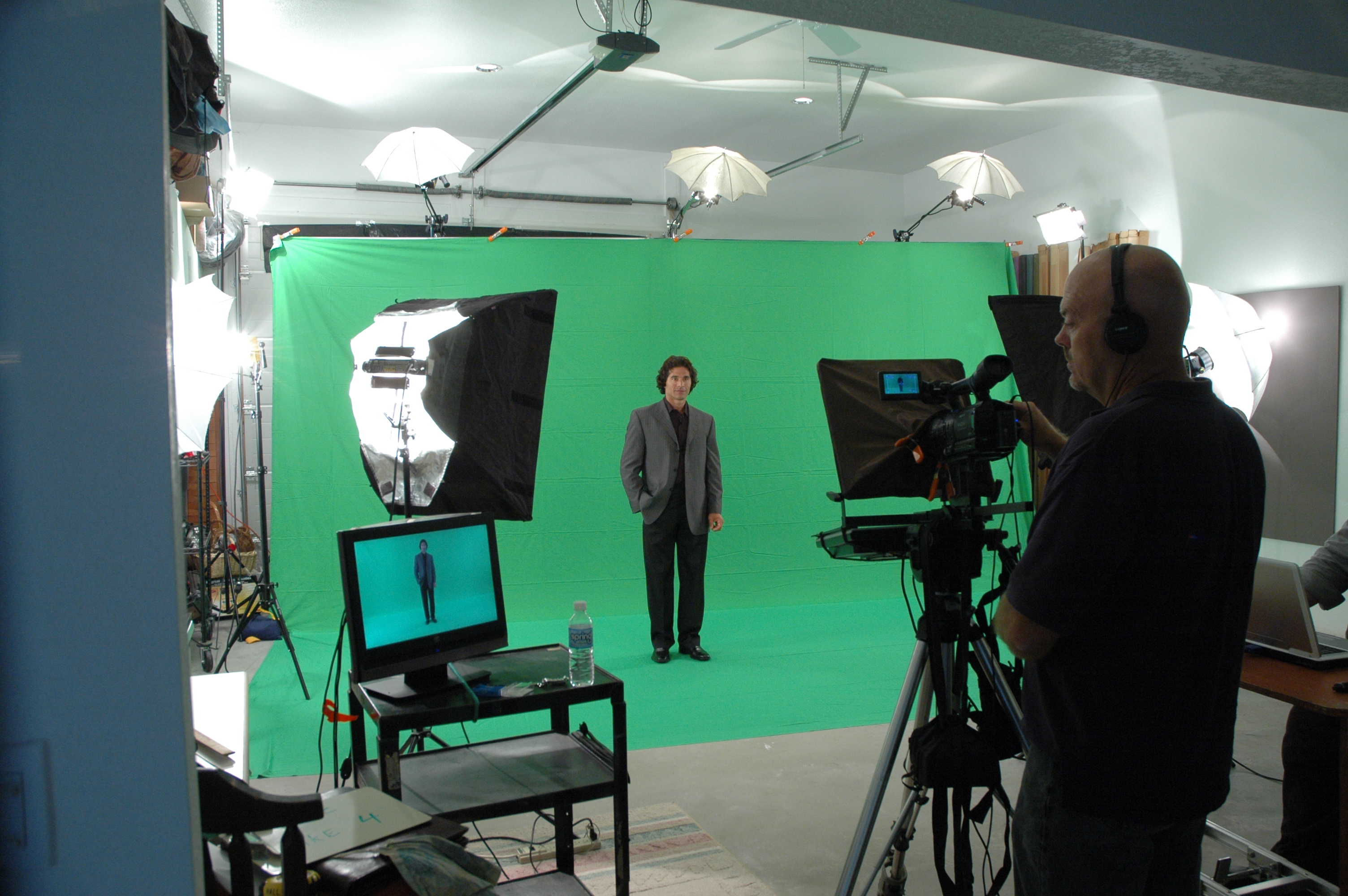
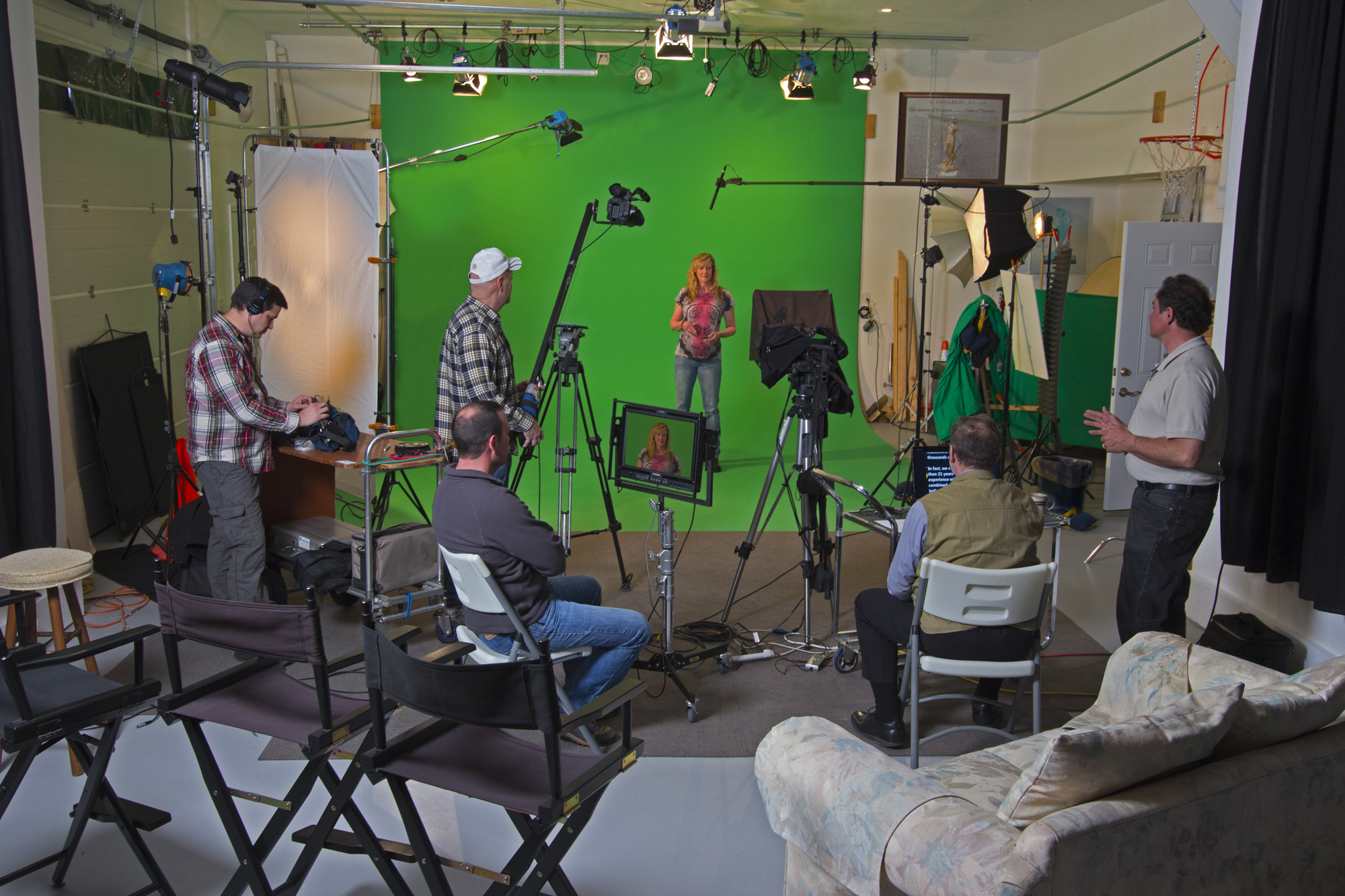
6. Green screen videos: Green screen videos allow for the insertion of different backgrounds or images in post-production. They are often shot in a studio with a green screen backdrop and professional lighting to ensure a clean key. They can be used for a variety of purposes, such as product demos or virtual events.

Conclusion

By utilizing these resources, you can improve your studio production interview skills and create engaging and informative content for your audience. Studio production interviews are a valuable tool in creating compelling and engaging content for your audience. By following the best practices towards studio production interviews, you can ensure that your content stands out in a crowded online space. From research and preparation to post-production editing and promotion, every step in the process is critical to creating a successful interview. By utilizing the tips and resources outlined in this article, you can take your interview skills to the next level and create content that resonates with your audience and establishes you as a thought leader in your industry.

314-604-6544

Rob Haller
saintlouismostudios@gmail.com