Tag Archives: st louis explainer video

Breathe New Life into Your Training: Repurposing Old Safety Clips for Modern Impact

As decision-makers in photography, marketing, and video production, you understand the critical role visual content plays in effective communication. This is especially true when it comes to vital areas like employee safety training. Yet, many organizations find themselves with a library of outdated safety videos – clips gathering digital dust that, while once effective, now feel stale and perhaps even irrelevant to a modern workforce.

But what if those “old” clips weren’t obsolete at all? What if, with a strategic approach and a creative eye, you could breathe fresh life into them, transforming them into engaging, impactful training materials that resonate with today’s employees? At St. Louis Video Production Studio, we firmly believe in the power of repurposing, and safety training is a prime candidate for this transformative process.

Why Repurpose? The Undeniable Advantages

Before diving into the “how,” let’s consider the compelling reasons to repurpose your existing safety video assets:

  • Cost-Effectiveness: Producing new video content from scratch is a significant investment of time and resources. Repurposing leverages your existing assets, drastically reducing production costs.
  • Time Efficiency: Editing and re-contextualizing existing footage is inherently faster than planning, shooting, and editing entirely new content.
  • Consistency in Messaging: Your core safety messages likely haven’t changed. Repurposing allows you to maintain consistent messaging while updating the delivery.
  • Environmental Responsibility: In a world increasingly focused on sustainability, reusing and repurposing digital assets aligns with environmentally conscious practices.
  • Agility in Content Creation: The ability to quickly adapt and refresh content means your training can remain current with evolving regulations, equipment, or company policies.
Ideas for Transforming Your Legacy Safety Footage

Here are several expert strategies for repurposing your old safety clips into fresh, engaging training modules:

  1. Micro-Learning Modules:
    • Concept: Break down longer, older videos into short, digestible “micro-lessons,” each focusing on a single safety concept or procedure. Think 30-second to 2-minute clips.
    • Execution: Isolate key demonstrations, warnings, or best practices from your existing footage. Add new, concise on-screen text overlays, animated graphics, or voiceovers to highlight critical information.
    • Impact: Micro-learning is perfect for today’s busy workforce, allowing for quick consumption during breaks or before specific tasks. It’s also highly effective for mobile learning.
  2. Scenario-Based Quizzes & Interactive Training:
    • Concept: Use old clips as the basis for “what would you do?” scenarios.
    • Execution: Extract specific moments where a safety violation or a best practice is demonstrated. Integrate these clips into interactive learning platforms where users choose the correct action or identify the hazard. You can add new voiceovers to pose questions and follow up with explanations.
    • Impact: This hands-on approach actively engages learners, improving retention and critical thinking skills far more than passive viewing.
  3. “Before & After” or “Do’s & Don’ts” Segments:
    • Concept: Juxtapose old footage showing incorrect procedures with new or re-edited clips demonstrating the proper way.
    • Execution: Select clips illustrating unsafe actions. Pair them with existing (or newly shot, if necessary) footage of the correct procedure. Use split screens, clear on-screen labeling, and updated narration to emphasize the contrast.
    • Impact: Visual comparisons are incredibly powerful for illustrating consequences and best practices, making the learning memorable.
  4. Animated Explainer Videos (Hybrid Approach):
    • Concept: Combine snippets of your old live-action footage with modern animation.
    • Execution: For complex or abstract safety concepts, use animation to simplify explanations. Integrate short live-action clips from your archive to ground the training in real-world scenarios or to show specific equipment.
    • Impact: Animation can make dry subjects more engaging and help clarify concepts, while familiar live-action clips add a sense of realism and connection.
  5. Refreshed Narratives & Testimonials:
    • Concept: Re-edit existing footage with updated voiceovers, music, and perhaps new introductory/concluding remarks.
    • Execution: Keep the strong visual demonstrations but replace outdated narration with a fresh, contemporary voice. Consider interviewing current employees for short testimonials about the importance of safety, interspersing these new clips with the repurposed footage.
    • Impact: A new voice and personal stories can revitalize the emotional connection to the training, making it feel current and relevant.
  6. Gamified Safety Challenges:
    • Concept: Integrate short, repurposed clips into a gamified training environment.
    • Execution: Use clips as challenges or levels within a safety game. For example, “Identify the 5 hazards in this clip to earn points.”
    • Impact: Gamification boosts engagement, encourages friendly competition, and makes learning fun, leading to better participation and recall.
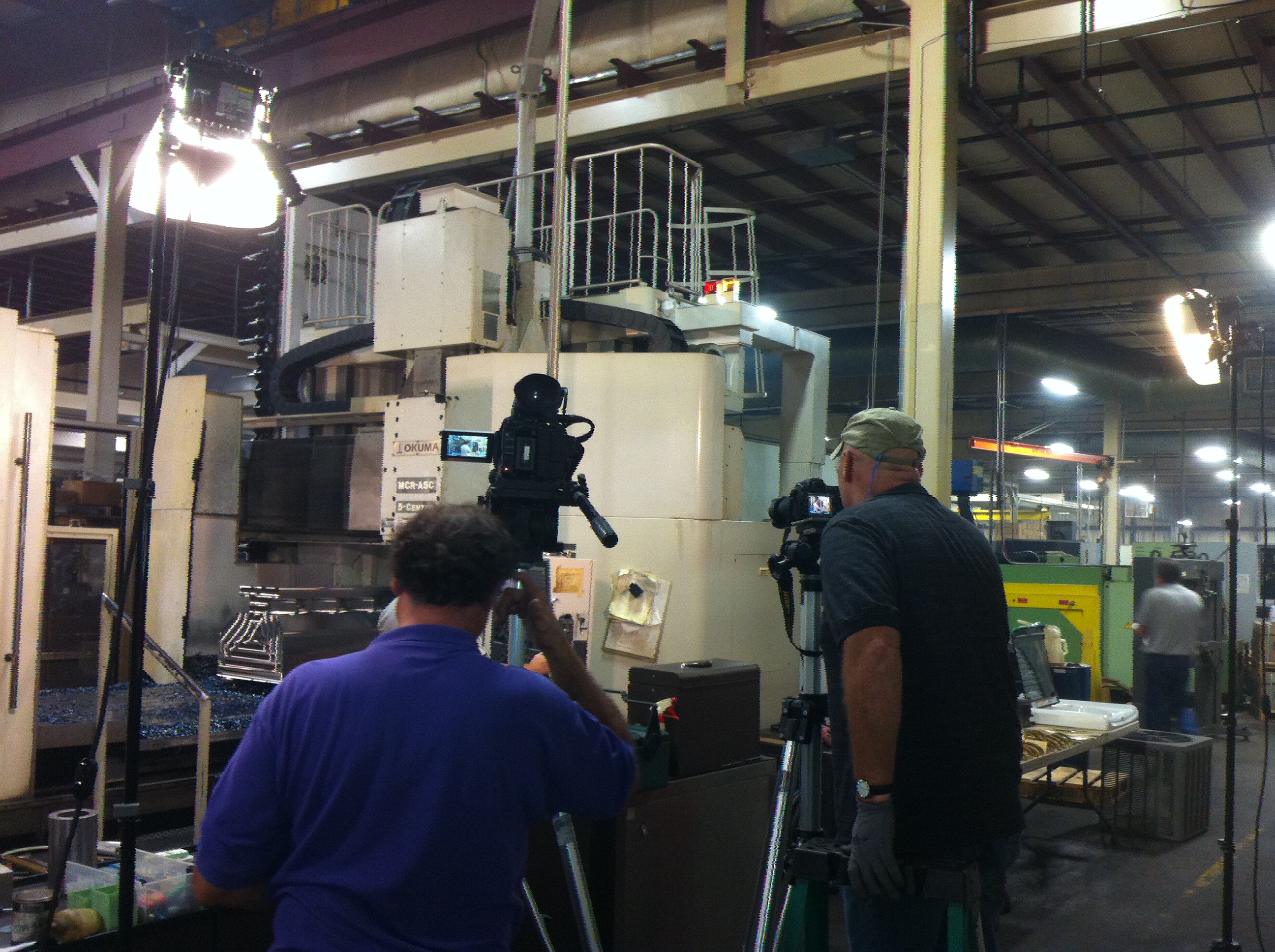
The Modern Toolkit: AI and Expert Touch

The good news is that these repurposing strategies are more accessible than ever, especially with the integration of cutting-edge technology. Artificial Intelligence (AI) can now assist with:

  • Content Identification: Quickly scanning through old footage to identify key actions, objects, or dialogue.
  • Automated Transcription: Generating accurate transcripts for easier script editing and subtitle creation.
  • Intelligent Editing Suggestions: AI-powered tools can suggest optimal cut points or highlight areas for enhancement.
  • Upscaling and Enhancement: Improving the resolution and quality of older, lower-resolution footage to match modern display standards.

However, technology is only part of the equation. The true magic happens when AI is coupled with the experience and creative insight of seasoned professionals.

St. Louis Video Production Studio: Your Partner in Visual Excellence

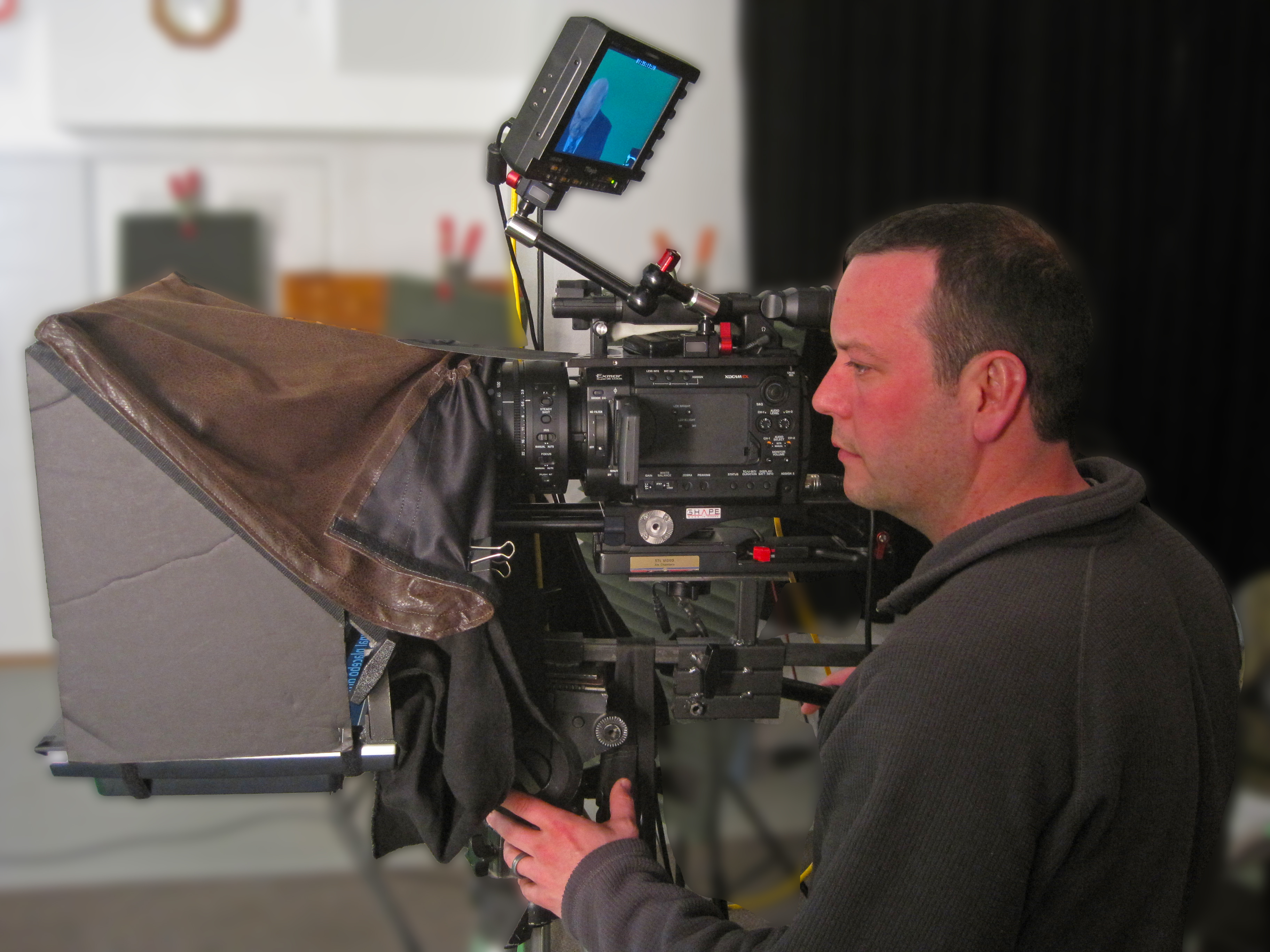
At St. Louis Video Production Studio, we understand the nuances of successful image acquisition and impactful storytelling. Since 1982, we’ve been a full-service professional commercial photography and video production company, equipped with the right tools, state-of-the-art equipment, and a highly creative crew. We’ve partnered with countless businesses, marketing firms, and creative agencies in the St. Louis area, helping them achieve their marketing and training objectives through compelling visuals.

Whether you need full-service studio or on-location video and photography, expert editing, post-production, or specialized aerial perspectives from our licensed drone pilots, we have the capabilities to customize your productions for diverse media requirements. We excel at repurposing your existing photography and video branding to gain more traction, ensuring your investment continues to pay dividends. We are well-versed in all file types and styles of media and accompanying software, and we leverage the latest in Artificial Intelligence across all our media services to enhance efficiency and creativity.

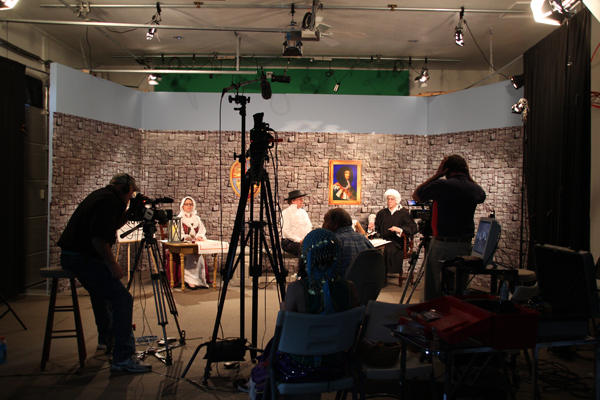
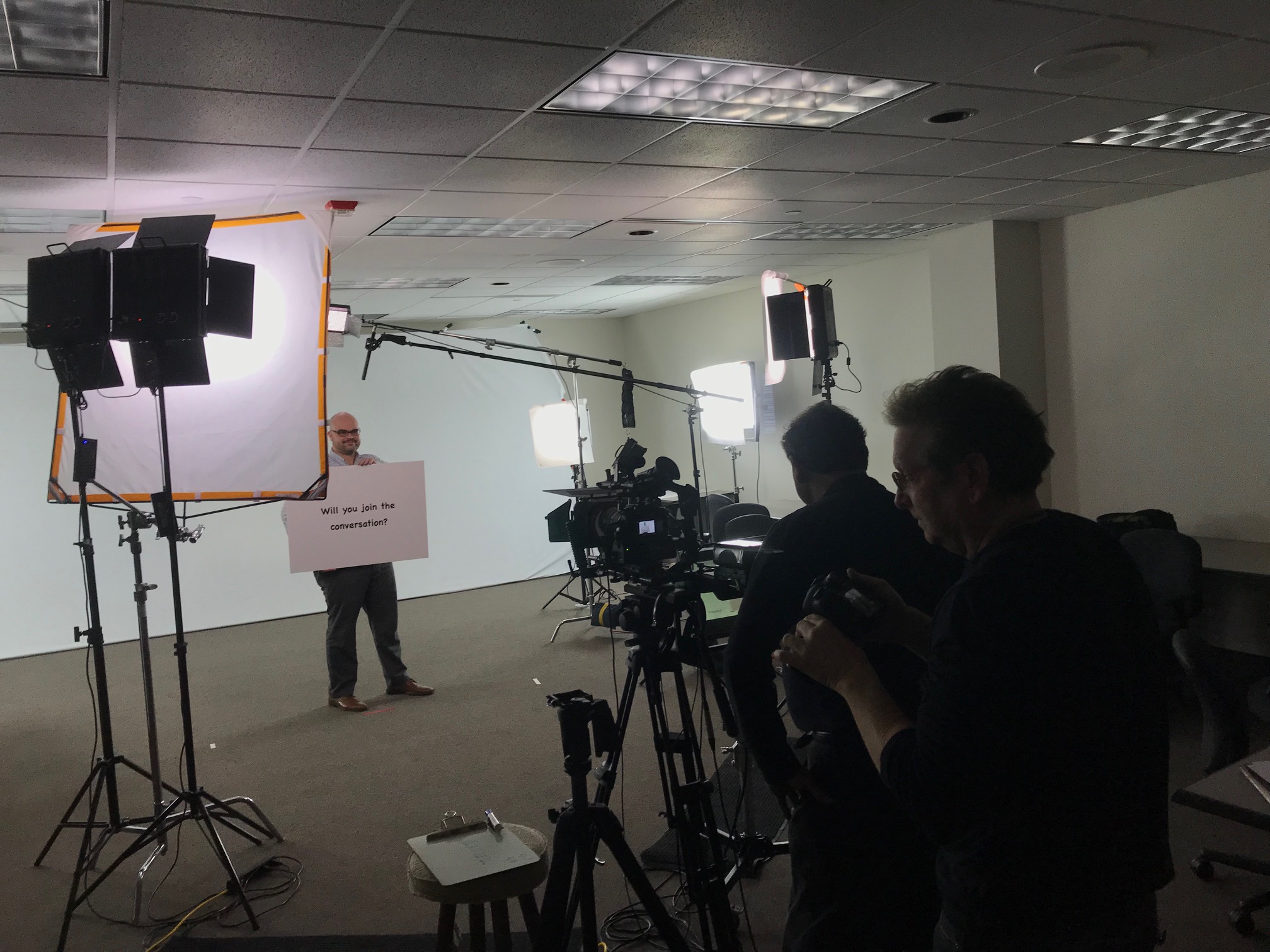
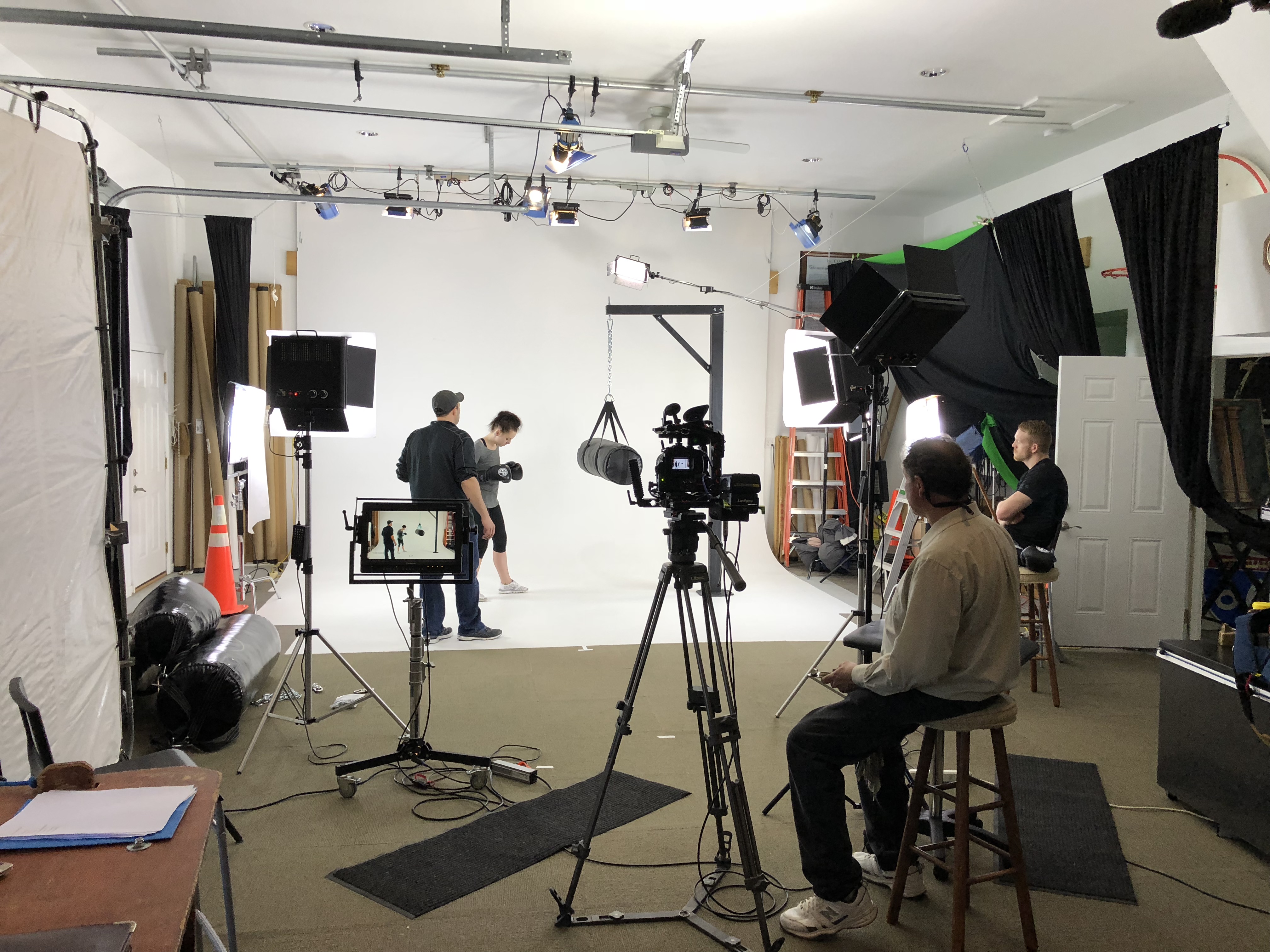
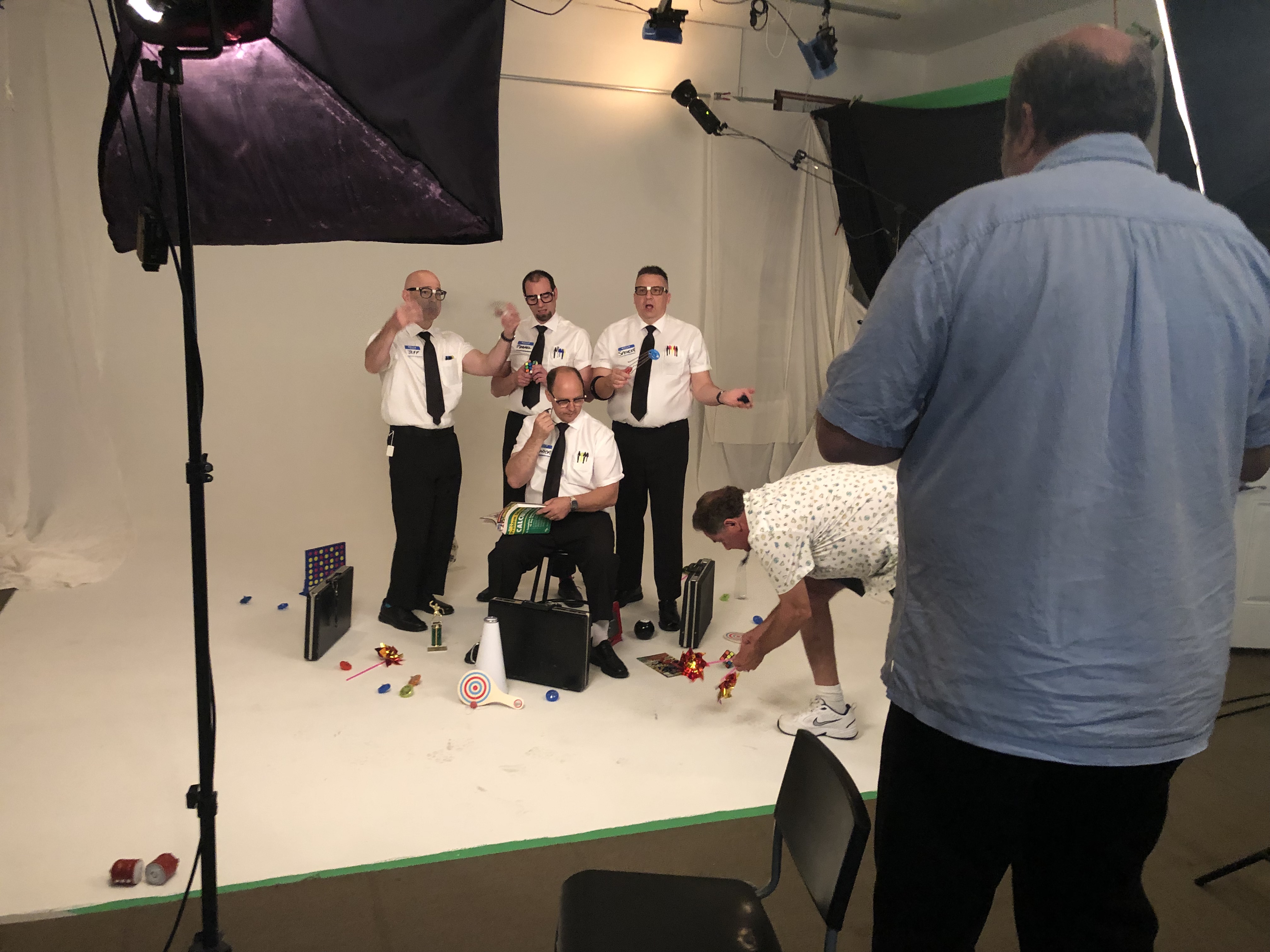
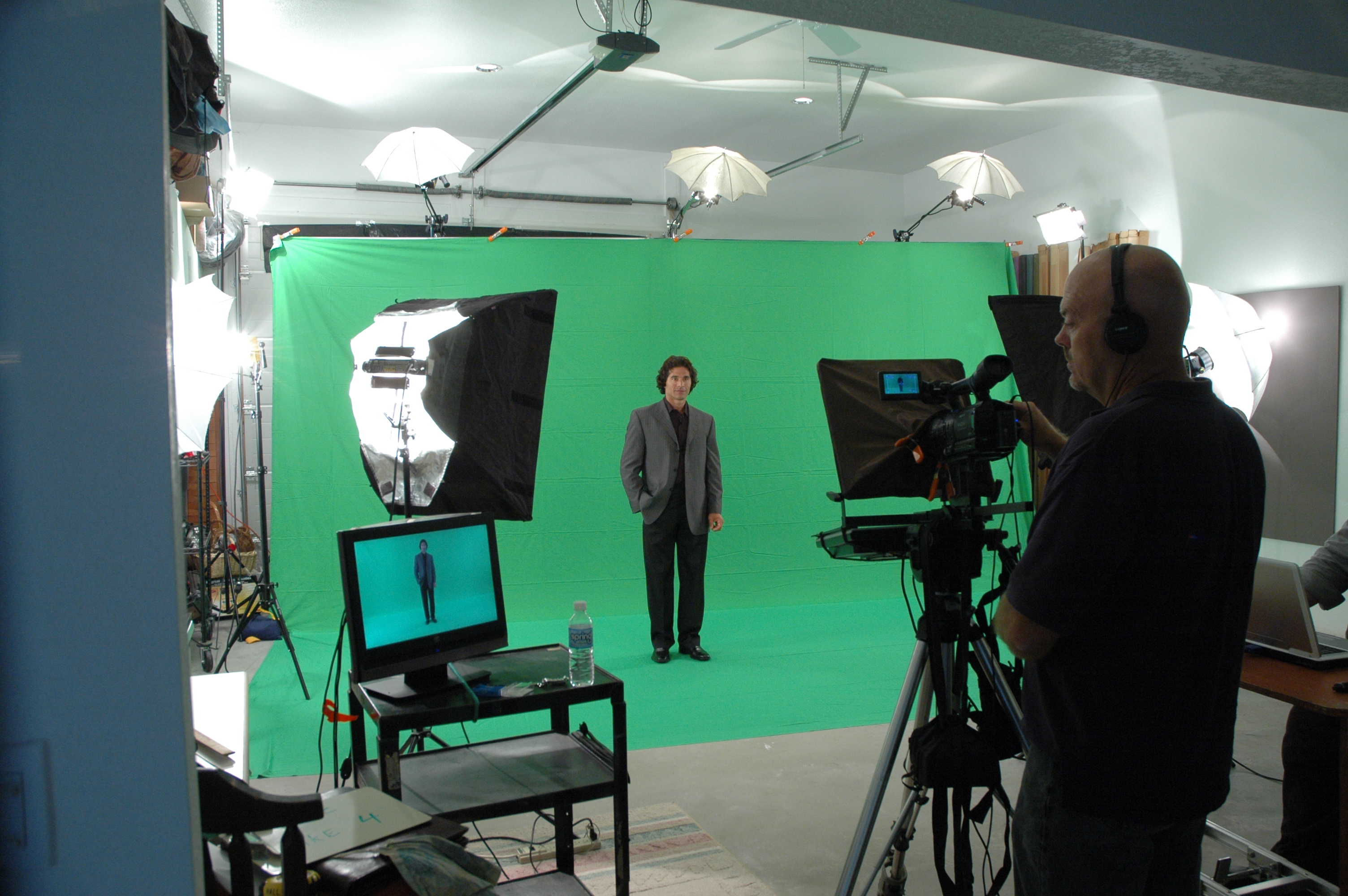
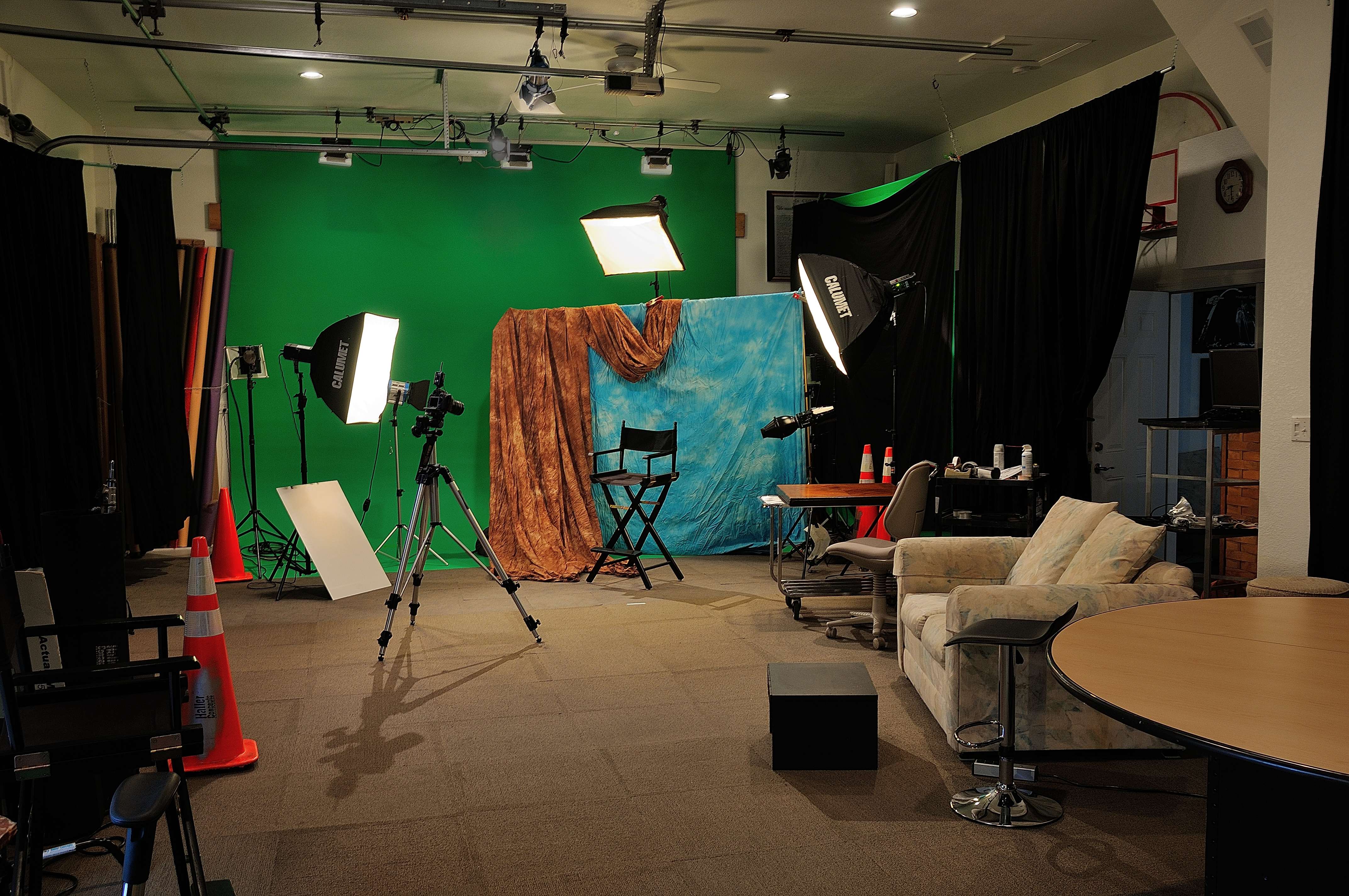
Our private studio offers the perfect lighting and visual setup for small productions and interview scenes, with ample space to incorporate props and round out your set. We support every aspect of your production – from setting up a private, custom interview studio to supplying professional sound and camera operators, as well as providing the right equipment – ensuring your next video production is seamless and successful. We can even fly our specialized drones indoors for unique perspectives.

Don’t let valuable safety content languish in obscurity. Let St. Louis Video Production Studio help you transform your old safety clips into fresh, engaging, and highly effective training that truly resonates with your workforce.
314-604-6544

saintlouismostudios@gmail.com

The Cost Efficiencies of Using a Video Production Studio

In today’s competitive business landscape, content is king, and video has emerged as one of the most compelling mediums to capture audience attention. Whether you’re producing corporate videos, marketing materials, or internal communications, efficiency in both time and cost is paramount. One of the most overlooked ways to maximize these efficiencies is by leveraging a professional video production studio. When you understand the true cost of doing it yourself versus using a full-service production studio, the benefits become crystal clear.

Repurposing photography and video branding is one of the best ways to gain more traction and value from your initial production.

1. Cutting Costs with Expert Resources

Producing a high-quality video requires not just a camera, but specialized equipment, lighting setups, audio gear, editing software, and—most importantly—experienced professionals to operate and manage everything. If you were to invest in all of this independently, costs would skyrocket. A professional studio has everything in-house, which eliminates the need for businesses to purchase or rent equipment for individual projects.

At St Louis Video Production Studio, we’ve invested in state-of-the-art equipment and have an expert crew ready to deliver a polished final product. This enables you to avoid costly investments in equipment, training, and the time-consuming task of managing a production in-house. The equipment we offer—including specialized drones, private studio lighting, and custom setups for interview scenes—adds significant value, making the entire process streamlined and budget-friendly.

2. Time is Money

When you work with a professional video production studio, you’re also saving valuable time. From the moment you bring a project to the table, our team can handle every stage, from pre-production to post-production. This means less time spent coordinating multiple vendors, managing logistics, or troubleshooting technical issues, allowing you and your team to stay focused on your core business activities.

Our streamlined processes ensure quick turnaround times. Our in-house editing and post-production services mean there’s no need to send footage off to third parties. This level of efficiency keeps timelines on track, preventing delays that could impact your project’s delivery and potentially your bottom line.

3. Customization Without the Premium Price

A misconception some businesses have is that custom video productions are expensive. However, by working with a full-service studio, you gain access to a team that can tailor the production specifically to your needs—without the premium price tag often associated with customization. From setting up custom lighting and visual environments to bringing in props that enhance the overall set, a production studio like ours ensures that your vision is realized without unnecessary expenditure.

At St Louis Video Production Studio, we specialize in creating custom interview studio setups, flying specialized drones indoors, and even setting up scenes with intricate props and backdrops, all within your budget. Our private studio is large enough for your production, yet personal enough to create a collaborative, efficient experience for your team.

4. Maximizing Value with Repurposing

When it comes to video, efficiency doesn’t end with the production of one piece. By working with a studio that understands how to repurpose content, you can extend the life and utility of your video investment. Repurposing photography and video branding is one of the best ways to gain more traction and value from your initial production.

Imagine being able to take a corporate video interview and use segments of it in social media posts, training videos, or even ads. This type of flexibility is one of the key advantages of working with a professional studio. St Louis Video Production Studio is well-versed in repurposing existing media across various platforms, allowing you to maximize your return on investment by creating a library of content from one shoot.

5. Flexibility to Suit Diverse Media Needs

A full-service video production studio is more than just a filming space—it’s a creative hub that can meet any business’s evolving media needs. Whether you need corporate headshots, promotional videos, drone footage for real estate, or in-depth interviews, a production studio can seamlessly adapt to these different requirements. This flexibility ultimately saves businesses time and money compared to hiring different vendors for each type of media project.

At St Louis Video Production Studio, we customize productions to meet your exact needs. Whether you need sound and camera operators for a specific project or a full-scale production that includes drones, interview setups, and post-production, our team is equipped to deliver.

Why St Louis Video Production Studio is the Smart Choice

Since 1982, St Louis Video Production Studio has been the trusted partner for businesses, marketing firms, and agencies across the St. Louis area. As a full-service professional commercial photography and video production company, we offer everything from studio and location video and photography to editing, post-production, and licensed drone pilots.

Our team is skilled at customizing productions to meet diverse media requirements and repurposing photography and video branding to maximize your content’s reach. With our state-of-the-art private studio that includes specialized lighting and visual setups, we can create the perfect environment for your next small production or interview scene. Additionally, our studio is large enough to incorporate props and a variety of backdrops to bring your vision to life.

We are experts in working with all file types, styles of media, and accompanying software to ensure seamless production and post-production. Whether you need an indoor drone shoot, a private custom interview setup, or a full team of sound and camera operators, we have the equipment and experience to make your next video production a success.

If you’re ready to create professional, cost-efficient video content, St Louis Video Production Studio is here to help you every step of the way. Let us take your vision and turn it into a powerful, polished video that enhances your brand and drives engagement.

Reach out today to discover how we can make your next project not only successful but cost-effective.

314-604-6544

saintlouismostudios@gmail.com

Tips for Making Effective Video Testimonials on a Budget

Video testimonials are one of the most powerful tools for businesses to build credibility and connect with potential customers. They showcase genuine feedback from satisfied clients, humanize your brand, and can significantly influence buying decisions. However, many organizations shy away from producing video testimonials due to budget constraints, believing that high-quality productions always come with a hefty price tag. The good news is that creating compelling video testimonials doesn’t have to break the bank. With the right approach and strategic planning, you can produce impactful testimonial videos that resonate with your audience without overspending. Here’s how:

Editing is where your video can truly shine, but it’s also where costs can escalate quickly. To stay within budget, focus on editing the video for clarity, pacing, and impact.

1. Plan Your Testimonial Content Carefully

The key to creating a budget-friendly testimonial is meticulous planning. Outline the goals of your testimonial video—what do you want it to achieve? Define the core message you want your clients to convey. Create a list of questions that will guide the testimonial and focus on eliciting genuine, engaging responses. These questions should center around the challenges your client faced, how your product or service solved their problem, and the specific results they achieved.

Planning the content thoroughly ensures that the shoot is efficient, saving you time and money. A clear structure also helps keep the testimonial on track, reducing the need for extensive editing later.

2. Choose the Right Location

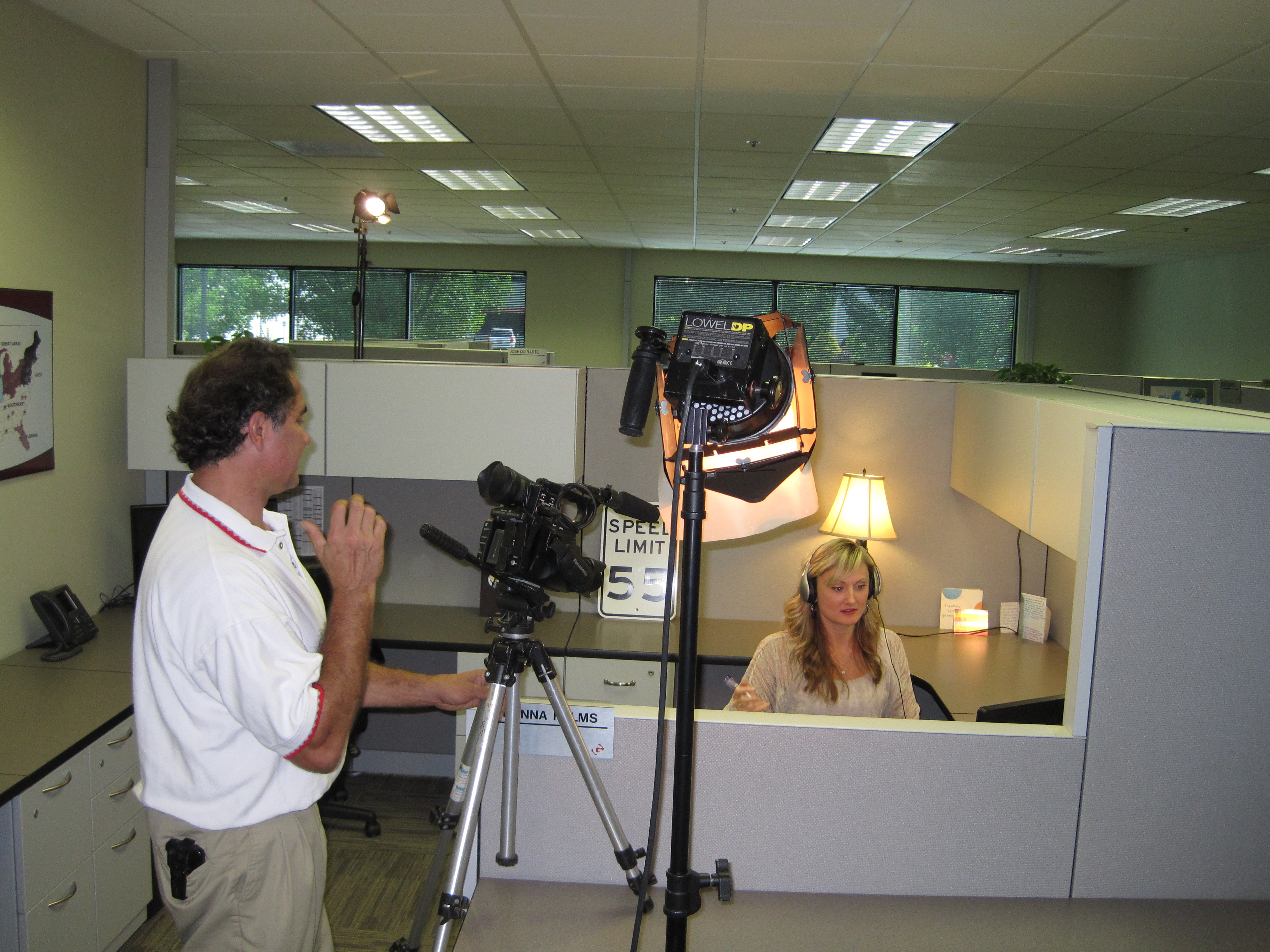
Choosing the right location is critical to the success of your testimonial video. However, you don’t need to rent a fancy space or travel far to create an effective backdrop. Consider filming on-site at your client’s office or in a space that visually represents their business. This approach not only saves costs but also adds authenticity to the video, making it feel more real and relatable to viewers.

Alternatively, St Louis Video Production Studio offers an affordable in-house studio with flexible setups. Our private studio lighting and visual arrangements are perfect for smaller productions, allowing you to control the environment, sound, and lighting without incurring extra location fees.

3. Leverage Natural Lighting

Good lighting is crucial in video production, but you don’t necessarily need expensive equipment to achieve great results. If you’re filming on location, try to schedule your shoot during times when you can take advantage of natural light. Position your subject near windows or other light sources to illuminate their face evenly.

When natural light isn’t available or sufficient, our studio offers professional-grade lighting setups tailored to create the best atmosphere for your testimonial. Utilizing our equipment ensures consistent and flattering lighting, which is often a challenge when relying solely on natural light.

4. Keep the Equipment Simple

When it comes to equipment, less is often more, especially if you’re working with a limited budget. A high-quality camera, a reliable microphone, and a stable tripod are usually sufficient for most testimonial videos.

For businesses looking for a more professional touch without the expense of renting or purchasing equipment, St Louis Video Production Studio provides sound and camera operators who bring the right tools to ensure your video is of the highest quality. From crisp audio to steady visuals, our team handles the technical aspects, allowing you to focus on the content.

5. Focus on Authenticity Over Perfection

One of the most appealing aspects of testimonial videos is their authenticity. Viewers expect a real, unscripted, and honest portrayal of your client’s experience. Overly polished videos can sometimes come across as staged or insincere. Encourage your clients to speak naturally and from the heart. Don’t worry too much about minor mistakes or imperfections—these elements add a touch of realism that audiences appreciate.

6. Edit for Impact, Not Overproduction

Editing is where your video can truly shine, but it’s also where costs can escalate quickly. To stay within budget, focus on editing the video for clarity, pacing, and impact. Highlight the most compelling parts of the testimonial and keep the overall video concise—usually under two minutes.

Our post-production team at St Louis Video Production Studio can assist with professional editing services that enhance your video without unnecessary bells and whistles. We are skilled at repurposing existing footage and adding branded elements that align with your marketing objectives, making your video look polished and cohesive.

7. Add Graphics and Subtitles

Adding graphics and subtitles can enhance your video and make it more accessible, but it doesn’t have to be costly. Simple text overlays highlighting key points, your client’s name, and their company can add professionalism without extensive investment. Subtitles are especially important, as many viewers watch videos on mute, particularly on social media platforms.

St Louis Video Production Studio provides editing services that include the addition of branded graphics and subtitles, ensuring your testimonial is engaging and professional.

8. Repurpose Content for Maximum Value

Once your testimonial video is complete, maximize its value by repurposing the content across multiple platforms. Use snippets for social media, integrate the video into email marketing campaigns, and feature it on your website. This strategy amplifies the reach of your video without additional costs, giving you more mileage from your production efforts.

Why Choose St Louis Video Production Studio?

St Louis Video Production Studio is a full-service professional commercial photography and video production company with the right equipment and creative crew service experience for successful image acquisition. We offer full-service studio and location video and photography, as well as editing, post-production, and licensed drone pilots. Our team can customize your productions for diverse types of media requirements and specialize in repurposing your photography and video branding to help your business gain more traction.

With expertise in all file types, styles of media, and accompanying software, our private studio lighting and visual setup is perfect for small productions and interview scenes. Our studio is large enough to incorporate props, providing a versatile space that enhances the storytelling aspect of your videos. From setting up private custom interview studios to providing sound and camera operators and the right equipment, we have everything needed to make your next video production perfect. Additionally, our ability to fly specialized drones indoors sets us apart, offering unique angles and perspectives that elevate your video content.

Since 1982, St Louis Video Production Studio has worked with countless businesses, marketing firms, and agencies in the St. Louis area, helping them achieve their corporate photography and video goals. Trust us to bring your vision to life with high-quality, professional, and budget-friendly video testimonial production services. Let’s make your next testimonial video a success.

314-604-6544

saintlouismostudios@gmail.com

The Best Practices Towards Studio Production Interviews

As a content creator, conducting studio production interviews can be a valuable addition to your content strategy. Interviews provide a unique perspective and add depth and credibility to your content. Whether you’re conducting interviews for a podcast, video series, or blog, it’s important to ensure that your interviews are of the highest quality. We’ll cover the best practices towards studio production interviews. From preparation and research to conducting the interview and post-production editing, we’ll provide expert advice on how to create compelling and engaging interviews that resonate with your audience.

By following the best practices towards studio production interviews, you can ensure that your content stands out in a crowded online space.

Importance of Studio Production Interviews

Studio production interviews are a powerful tool that can help you create compelling and engaging content for your audience. They provide a unique perspective and allow your audience to hear directly from experts in your field. This can add credibility to your content and help establish you as a thought leader in your industry.

Interviews can also help you build relationships with experts in your field. By showcasing their expertise and knowledge, you can create a mutually beneficial relationship that can lead to future collaborations and networking opportunities.

Overall, studio production interviews are an effective way to create valuable and engaging content that resonates with your audience and establishes you as a thought leader in your industry.

Research and Preparation for Studio Production Interviews

The key to a successful studio production interview is preparation. Before conducting an interview, it’s important to research your interviewee and understand their background, expertise, and perspective. This will help you create a list of questions that are relevant and engaging for your audience.

To begin your research, start by looking at the interviewee’s website, social media profiles, and any other relevant online content. This will give you an idea of their expertise and the topics they are passionate about.

Next, create a list of questions that will help you delve deeper into the interviewee’s background and expertise. Make sure to ask open-ended questions that allow the interviewee to provide detailed and thoughtful answers.

Finally, make sure to communicate with your interviewee before the interview to ensure that they are comfortable with the topics you plan to cover. This will help build trust and establish a positive rapport between you and your interviewee.

Creating a List of Questions for the Interview

Creating a list of questions for a studio production interview is a critical step in the preparation process. The questions you ask will determine the direction and overall tone of the interview. To create a list of questions that are engaging and informative, consider the following tips:

  • Ask open-ended questions that allow the interviewee to provide detailed and thoughtful answers.
  • Ask follow-up questions to further explore the interviewee’s answers and provide additional context for your audience.
  • Incorporate current events and trends in your industry to keep the interview relevant and timely.
  • Avoid asking questions that the interviewee has already answered in previous interviews or online content.

By following these tips, you can create a list of questions that will help you conduct a compelling and engaging interview.

Conducting the Interview: Best Practices for the Interviewer

As the interviewer, it’s your responsibility to create a positive and engaging environment for the interviewee. To ensure a successful interview, consider the following best practices:

  • Start with an icebreaker question to help the interviewee feel comfortable and relaxed.
  • Avoid interrupting the interviewee or talking over them.
  • Listen actively and ask follow-up questions to further explore the interviewee’s answers.
  • Maintain a positive and professional tone throughout the interview.
  • Avoid asking leading questions that can influence the interviewee’s answers.

By following these best practices, you can create a positive and engaging environment for the interviewee and ensure a successful interview.

Conducting the Interview: Best Practices for the Interviewee

As the interviewee, it’s important to prepare and present yourself in a professional and engaging manner. To ensure a successful interview, consider the following best practices:

  • Take time to prepare and research the interviewer and their audience.
  • Be authentic and honest in your answers.
  • Speak clearly and concisely.
  • Avoid using jargon or technical language that may not be understood by the audience.
  • Keep your answers focused and on topic.

By following these best practices, you can present yourself in a positive and engaging manner and ensure a successful interview.

Recording and Editing the Interview

After conducting the interview, it’s important to properly record and edit the content. This will ensure that the final product is of the highest quality and engages your audience.

When recording the interview, make sure to use high-quality equipment and test it beforehand to ensure that the sound and video quality are optimal. It’s also important to have backup equipment in case of technical difficulties.

When editing the interview, focus on creating a cohesive and engaging story that flows well and keeps the audience’s attention. Remove any unnecessary or repetitive content and ensure that the final product is polished and professional.

Tips for Creating Engaging and Informative Content from the Interview

To create engaging and informative content from the interview, consider using the following tips:

  • Create a summary or highlights reel that captures the most important points of the interview.
  • Break the interview into smaller segments that focus on specific topics or themes.
  • Incorporate visuals and graphics to enhance the content.
  • Use quotes and sound bites from the interview to create social media posts and promotional material.

By using these tips, you can create engaging and informative content from the interview that resonates with your audience.

The Role of Post-Production in Creating a Successful Interview

Post-production is a critical step in creating a successful interview. It involves editing the content, adding visuals and graphics, and ensuring that the final product is polished and professional.

To ensure a successful post-production process, consider the following tips:

  • Use high-quality editing software and equipment.
  • Add visual elements such as graphics, images, and B-roll footage to enhance the content.
  • Ensure that the audio and video quality are optimal.
  • Test the final product on multiple devices and platforms to ensure that it is accessible to your audience.

By following these tips, you can ensure that the final product is of the highest quality and engages your audience.

Common Mistakes to Avoid in Studio Production Interviews

To ensure a successful studio production interview, it’s important to avoid common mistakes that can detract from the quality of the content. Some common mistakes to avoid include:

  • Asking leading or closed-ended questions.
  • Interrupting the interviewee or talking over them.
  • Focusing too much on your own agenda and not allowing the interview to flow naturally.
  • Neglecting to prepare and research the interviewee beforehand.

By avoiding these mistakes, you can create a positive and engaging environment for the interviewee and ensure a successful interview.

Best Practices for Promoting and Sharing Your Interview

After creating a successful interview, it’s important to promote and share the content to ensure that it reaches your audience. To promote and share your interview, consider the following best practices:

  • Share the content on your website and social media platforms.
  • Create social media posts and promotional material that highlights the most engaging and informative aspects of the interview.
  • Reach out to the interviewee and ask them to share the content on their platforms.
  • Consider collaborating with other content creators or influencers to promote the content.

By following these best practices, you can ensure that your interview reaches a wider audience and resonates with your target demographic.

Examples of Successful Studio Production Interviews

To see the best practices towards studio production interviews in action, consider the following examples of successful interviews:

  • The Tim Ferriss Show: Tim Ferriss interviews experts in the fields of business, health, and wellness, and delves into their routines and habits.
  • Armchair Expert: Dax Shepard interviews celebrities and experts in various fields and explores their personal and professional experiences.
  • TED Talks: TED Talks feature experts from various fields who share their innovative ideas and insights on a wide range of topics.

By studying these examples, you can gain insight into the best practices towards studio production interviews and apply them to your own content strategy.

Resources for Improving Your Studio Production Interview Skills

To improve your studio production interview skills, consider the following resources:

  • Books on interviewing and journalism, such as “The Art of Asking” by Amanda Palmer and “The New New Journalism” by Robert Boynton.
  • Online courses and tutorials on interview skills and techniques, such as those offered by Udemy and Skillshare.
  • Podcasts and blogs on interviewing and content creation, such as “The Creative Penn” and “The Podcast Host.”

The most requested types of video production shot in a studio can vary depending on the needs of the client and the purpose of the video, but here are some common types:

1. Corporate videos: Corporate videos are used to promote a company or its products/services. They are often shot in a studio with a clean background and professional lighting to convey a polished and professional image.

2. Product demos: Product demos are videos that showcase a product’s features and benefits. These videos are often shot in a studio with a white or black background and close-up shots of the product to highlight its details.

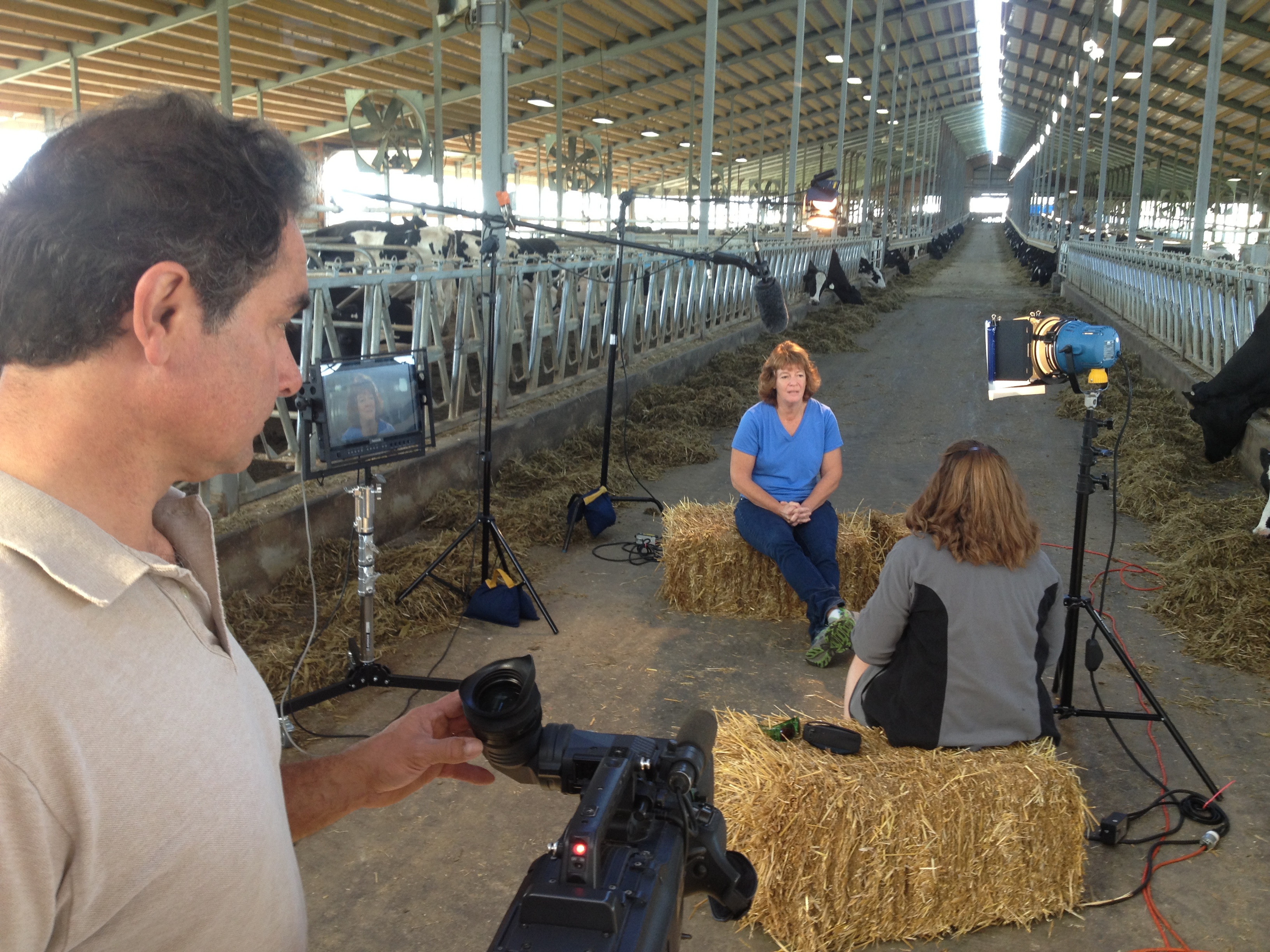
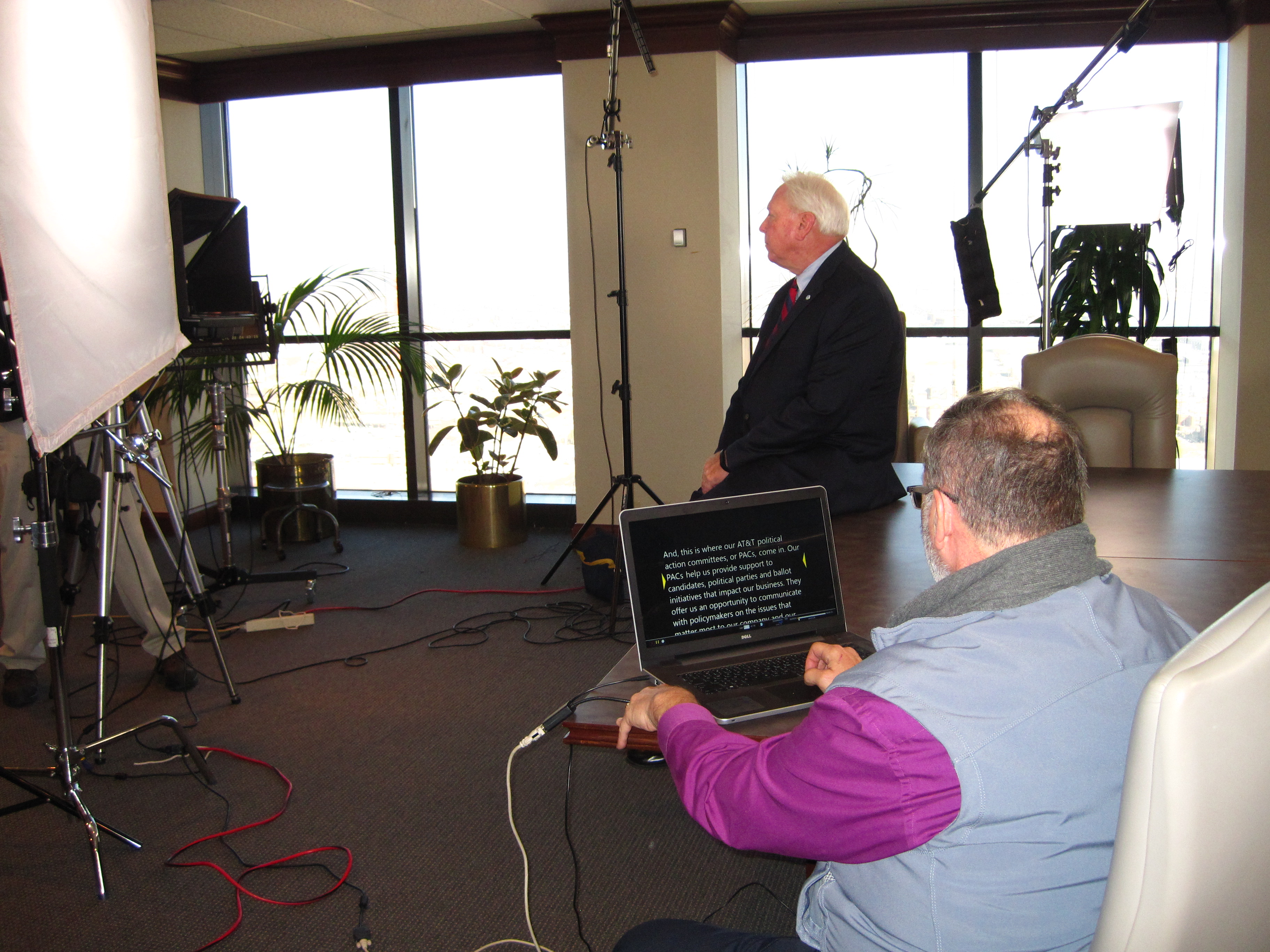
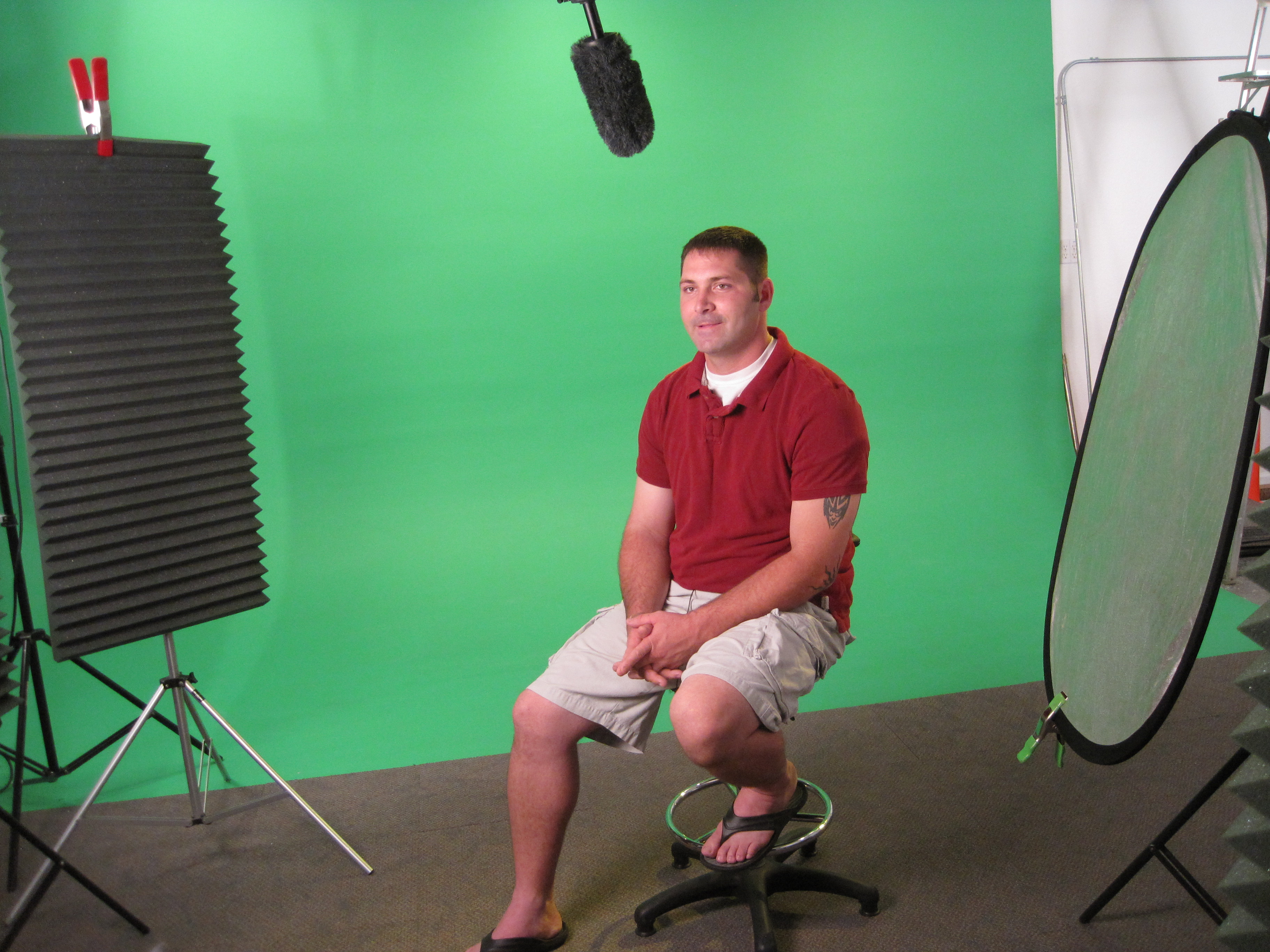
3. Interviews: Interviews are commonly shot in a studio with a plain background and professional lighting to create a consistent look and feel. They can be used for a variety of purposes, such as to capture customer testimonials or expert opinions.

4. Promotional videos: Promotional videos are created to promote a specific event, product launch, or service. They often include a mix of live action footage, motion graphics, and animation, and can be shot in a studio or on location.

5. Training videos: Training videos are used to educate employees or customers on a specific process or product. They are often shot in a studio with a clear and concise presentation style, and may include animations or graphics to illustrate complex concepts.

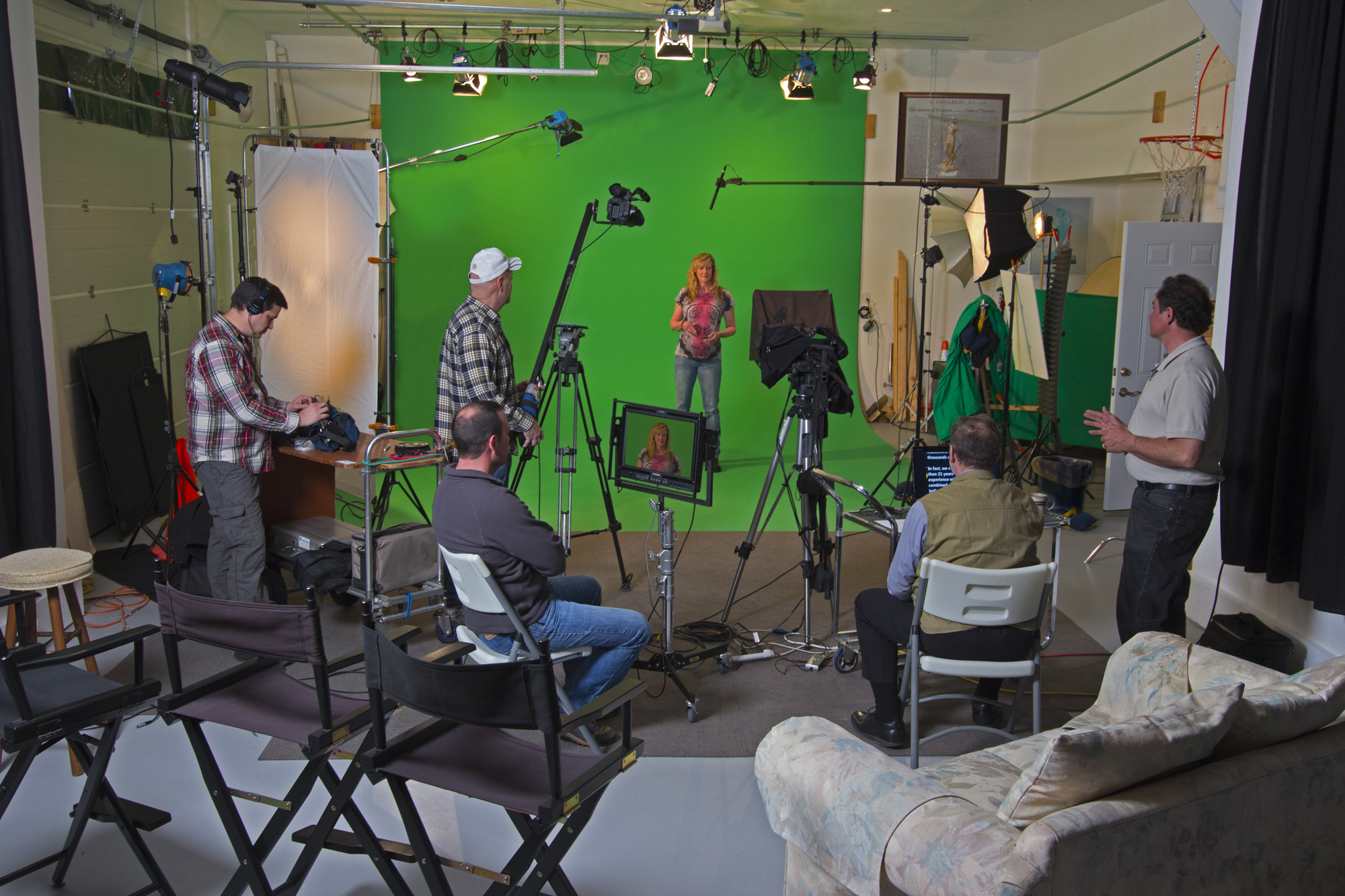
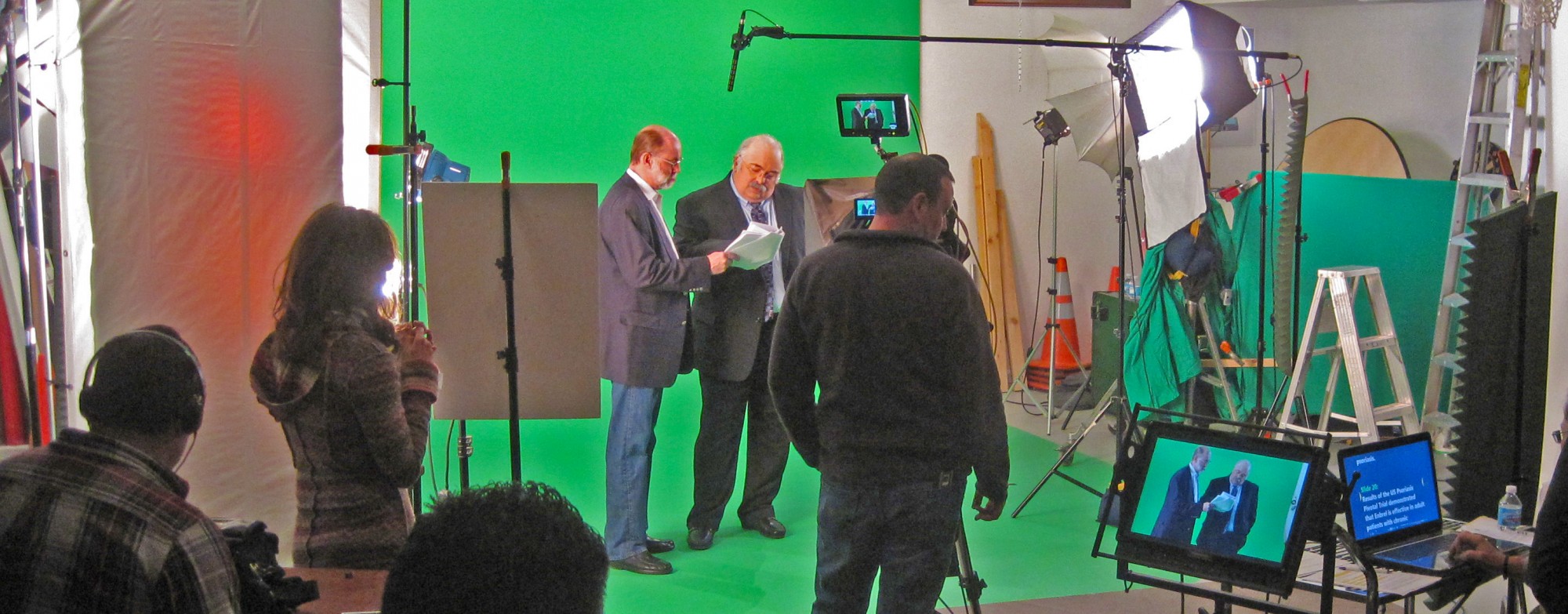
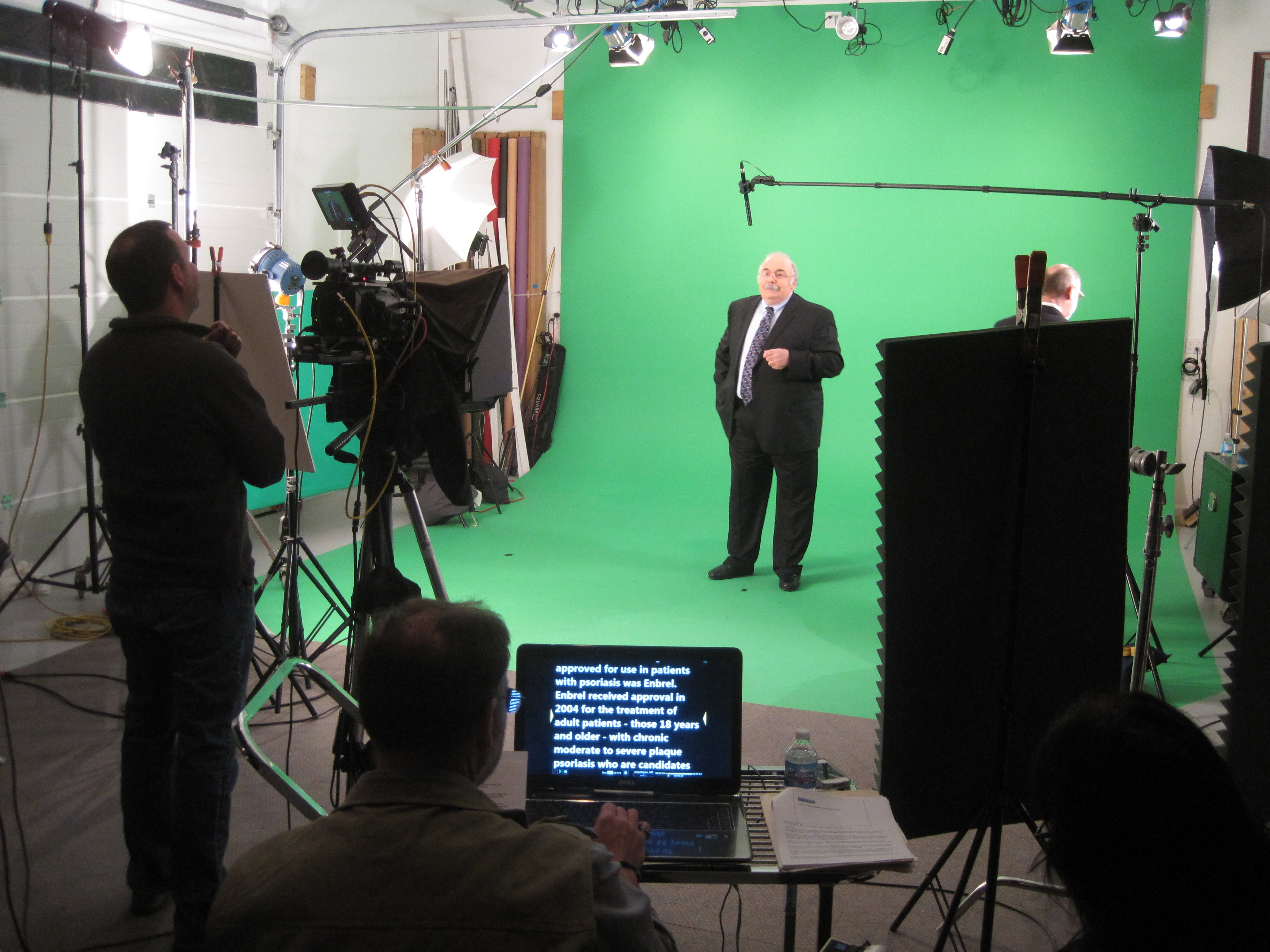
6. Green screen videos: Green screen videos allow for the insertion of different backgrounds or images in post-production. They are often shot in a studio with a green screen backdrop and professional lighting to ensure a clean key. They can be used for a variety of purposes, such as product demos or virtual events.

Conclusion

By utilizing these resources, you can improve your studio production interview skills and create engaging and informative content for your audience. Studio production interviews are a valuable tool in creating compelling and engaging content for your audience. By following the best practices towards studio production interviews, you can ensure that your content stands out in a crowded online space. From research and preparation to post-production editing and promotion, every step in the process is critical to creating a successful interview. By utilizing the tips and resources outlined in this article, you can take your interview skills to the next level and create content that resonates with your audience and establishes you as a thought leader in your industry.

314-604-6544

Rob Haller
saintlouismostudios@gmail.com