Tag Archives: ai

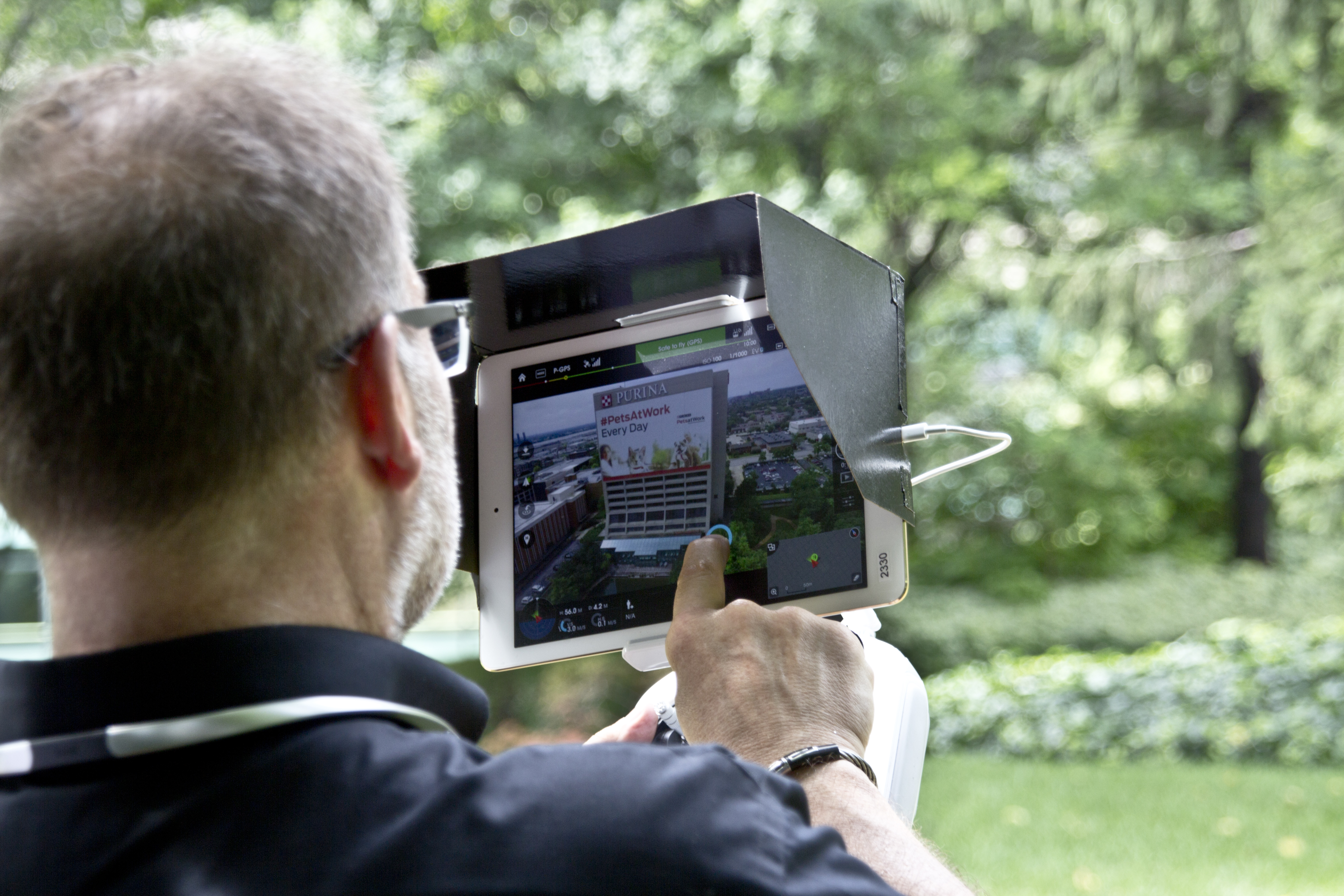
Licensed, Insured, Experienced Drone Pilots for Simple and Advanced Aerial Projects

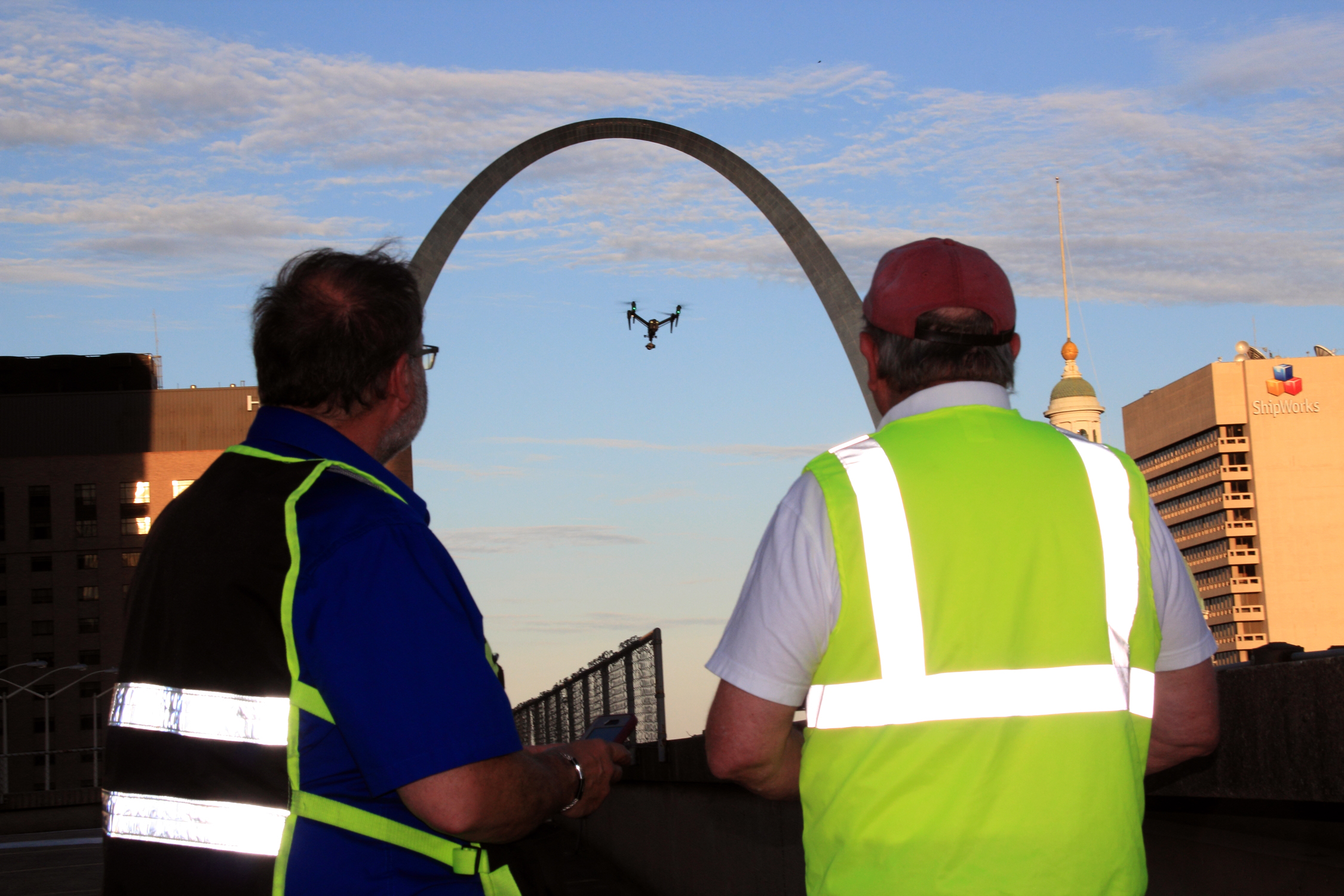
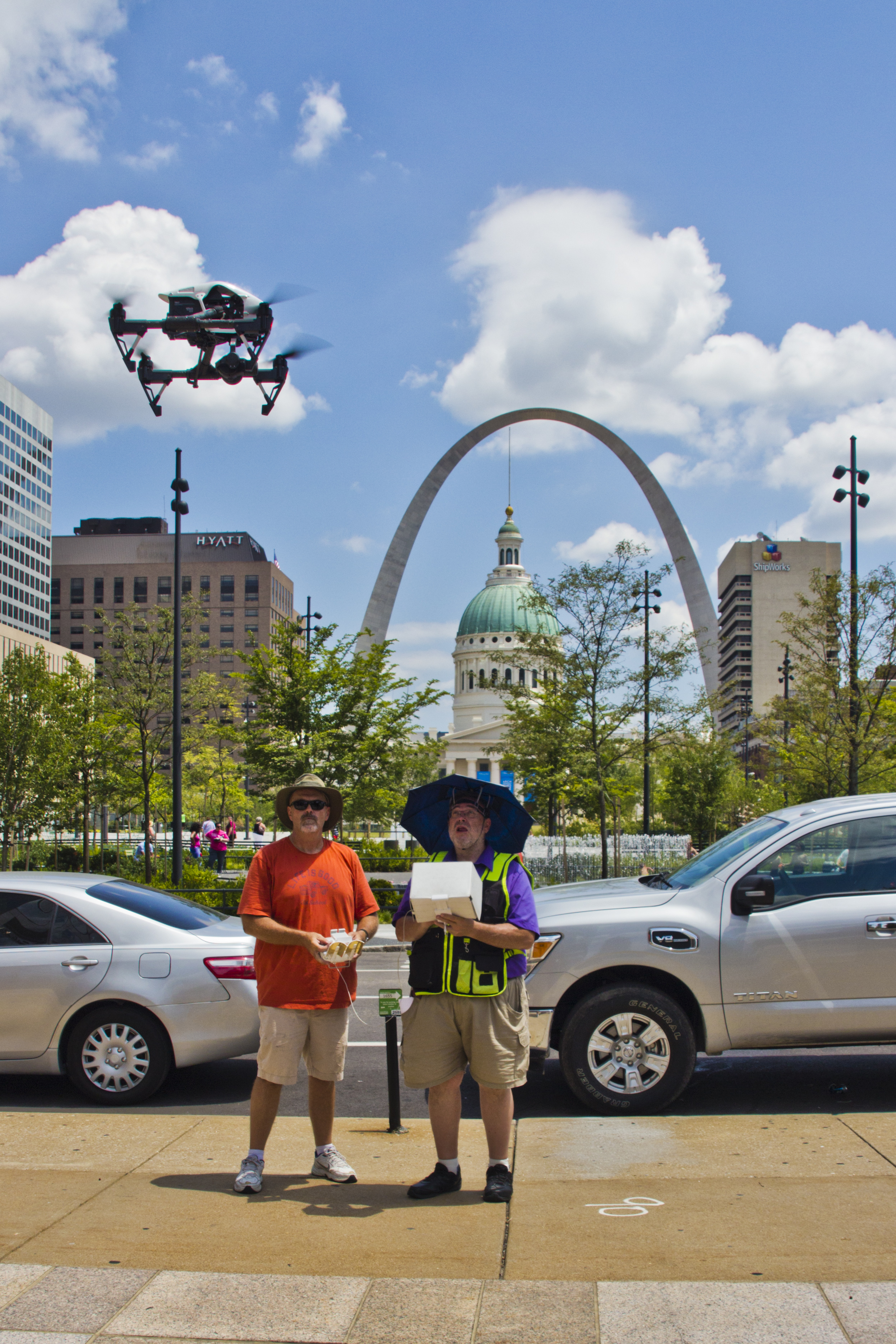
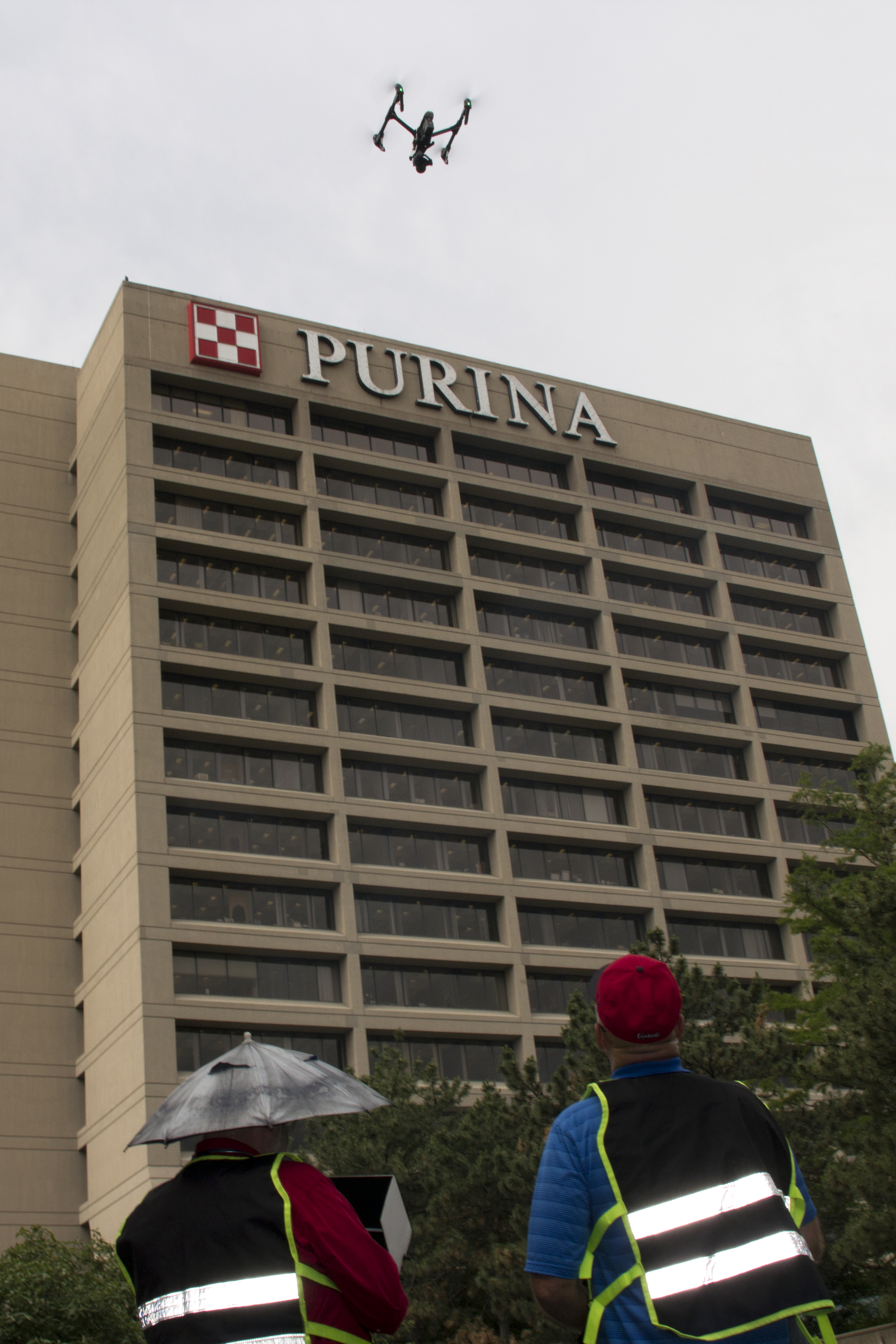
The Professional Standard for Commercial Aerial Photography and Video — and Why It Matters to Your Organization


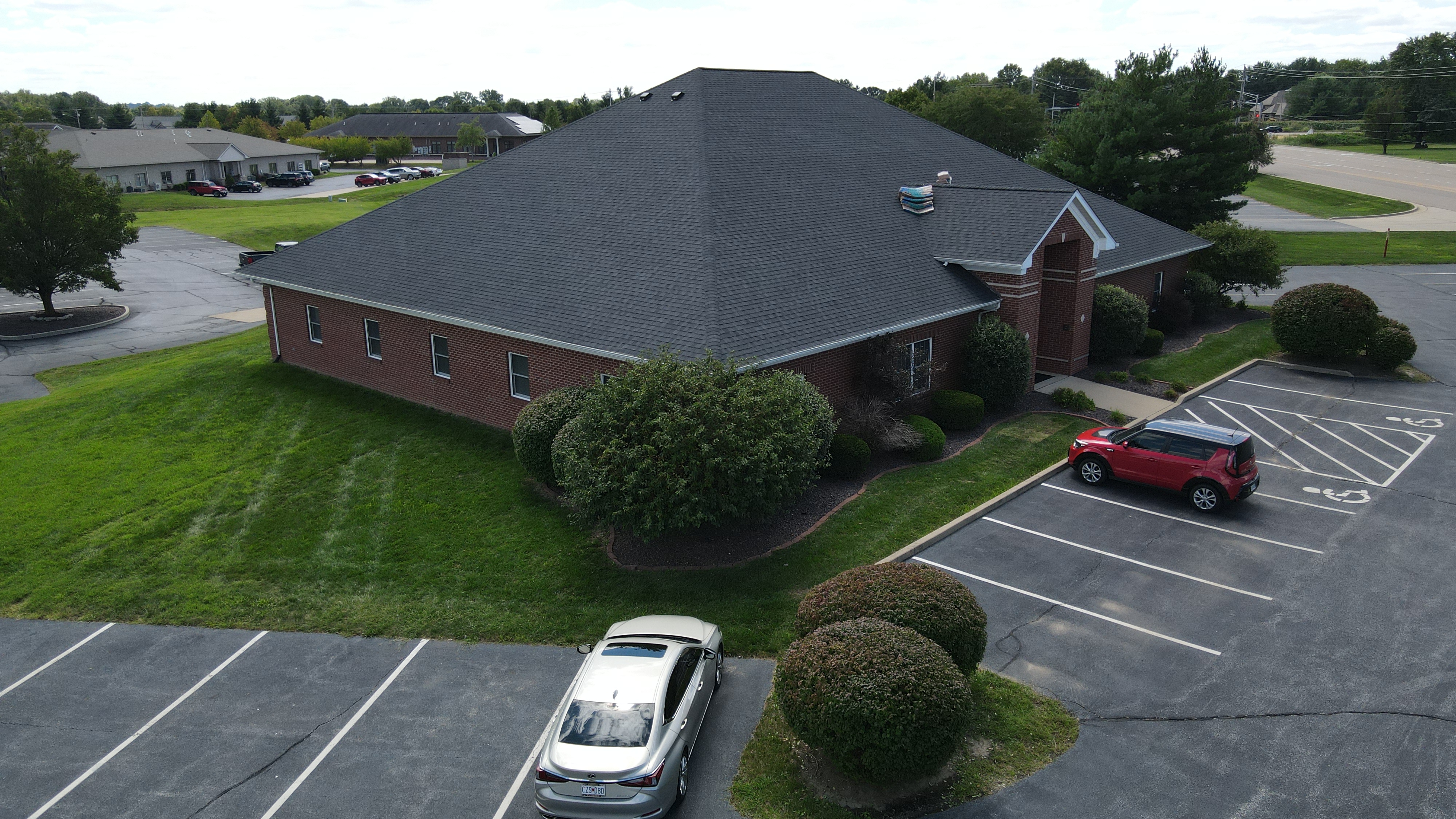
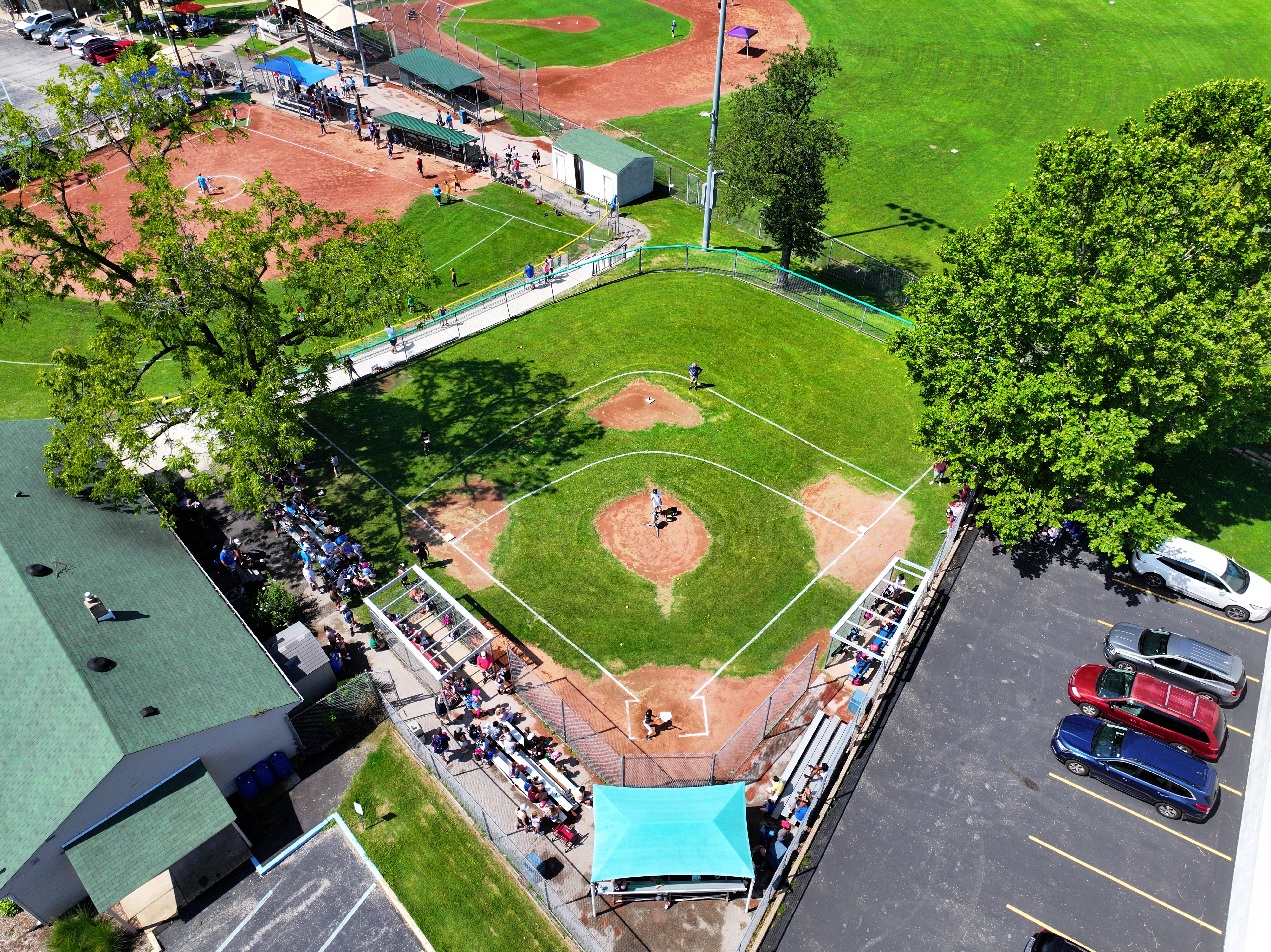
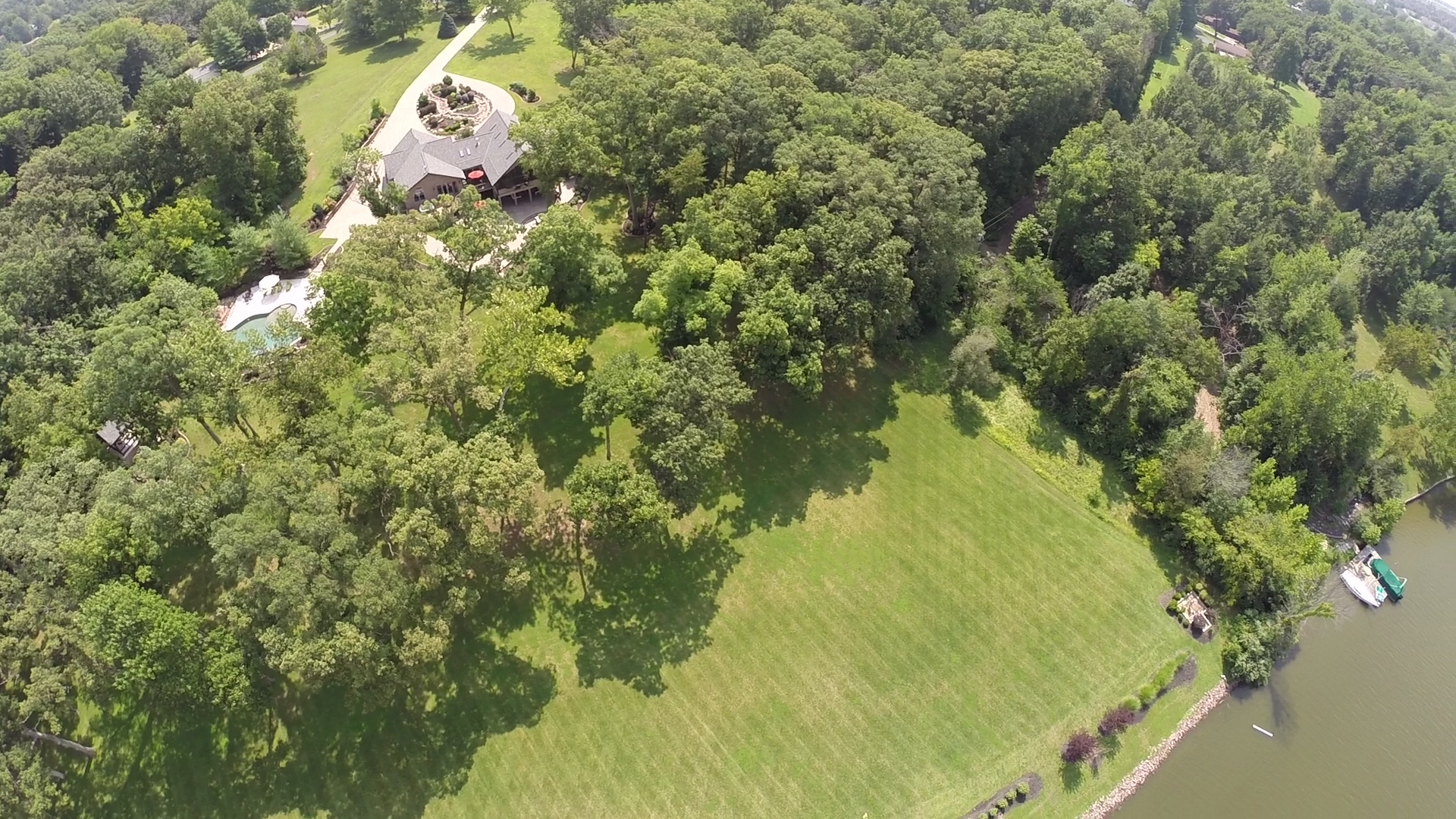
The business case for aerial imagery has never been stronger. From manufacturing facilities and commercial real estate to corporate campuses, infrastructure corridors, and live events, the overhead perspective delivers a visual authority and spatial context that ground-level production cannot replicate. Marketing teams, facilities managers, construction professionals, and brand strategists across virtually every sector have integrated aerial photography and video into their standard production toolkit.

But the operational and legal realities of commercial drone work are frequently misunderstood by the organizations commissioning it. The distance between a professional, credentialed aerial production operation and an unqualified operator with a consumer aircraft is not a matter of creative preference — it is a matter of federal law, organizational liability, data quality, and ultimately whether your production succeeds or fails to deliver what your strategy requires.

This post is written for the decision makers responsible for those outcomes. What follows is a frank, comprehensive look at what professional commercial drone production actually involves — the regulatory framework that governs it, the insurance requirements that protect your organization, the technical capabilities available to informed buyers, and the operational expertise that determines whether any of it produces imagery worth using.
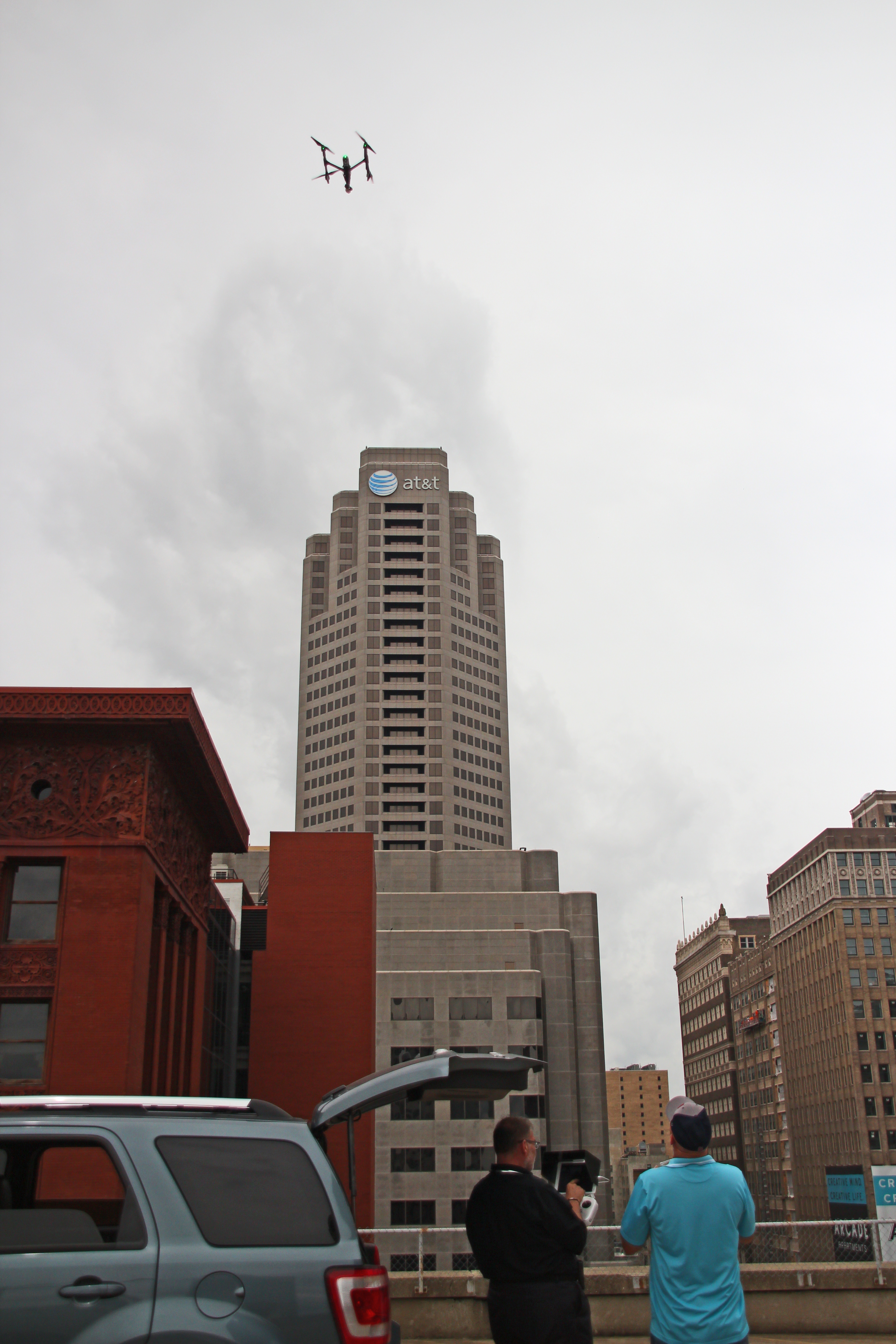
The Regulatory Foundation: FAA Part 107 and What It Requires

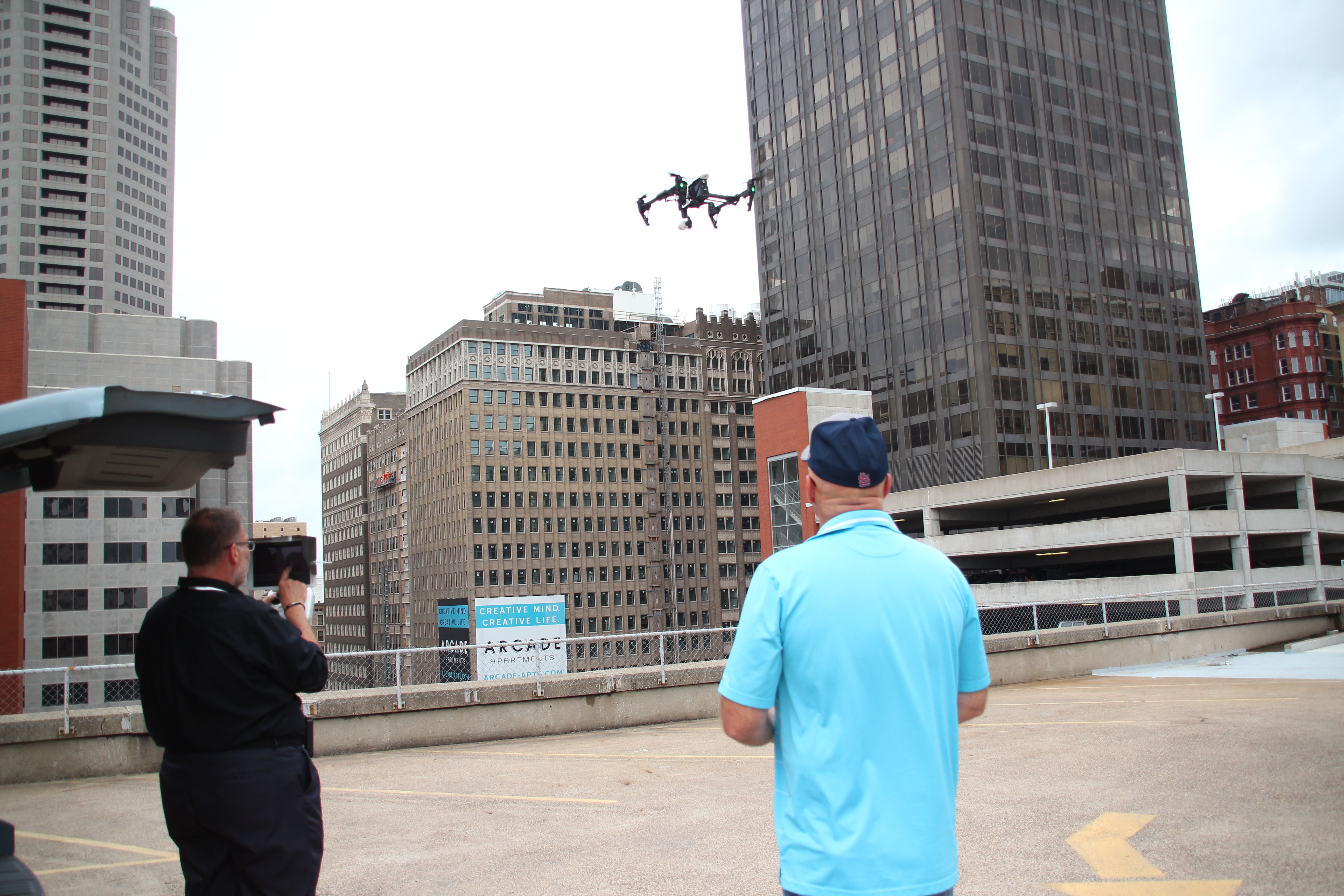
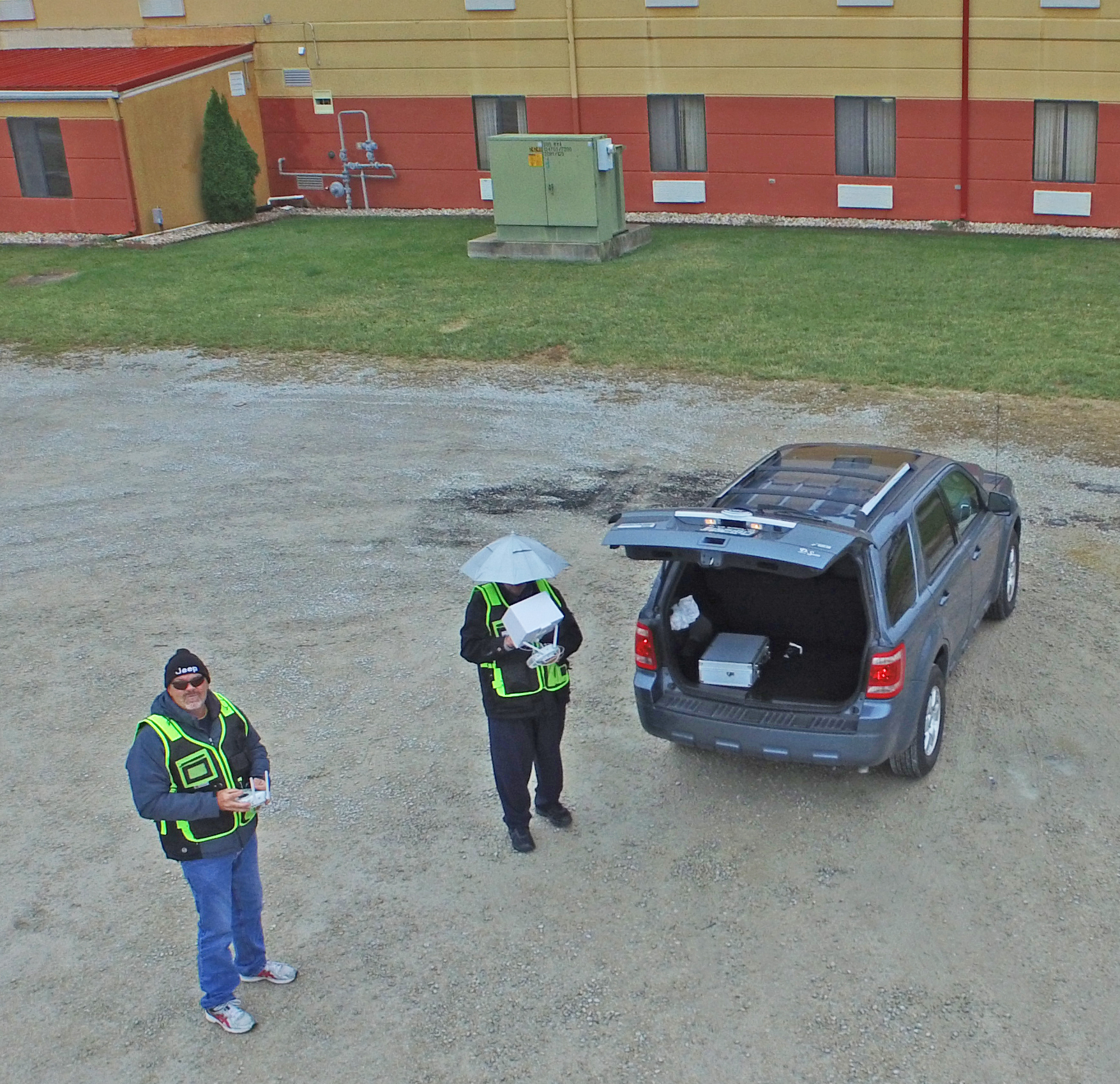
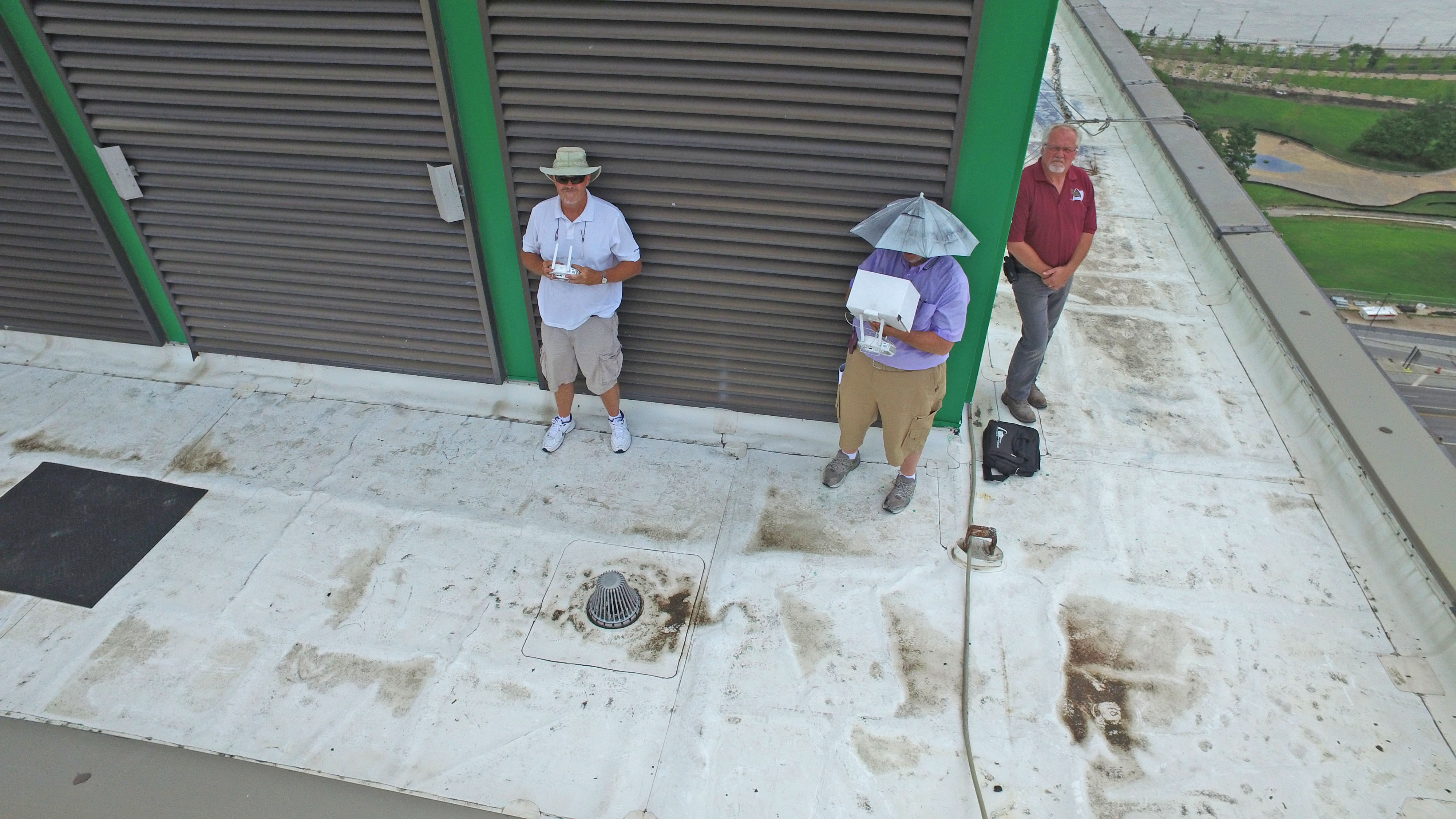
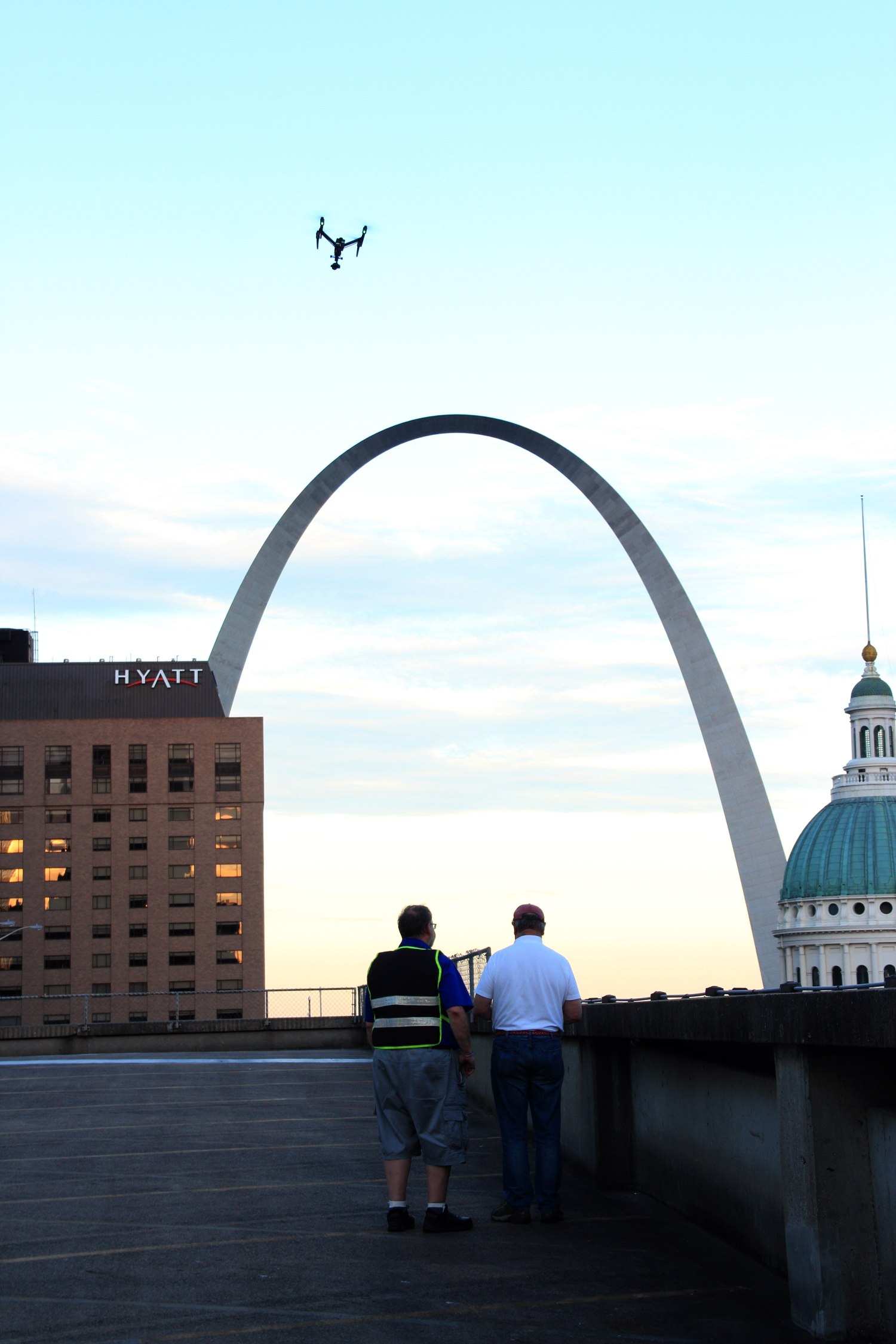
Every commercial drone operation conducted in United States airspace is subject to Federal Aviation Administration oversight. The governing regulation is Part 107 of the Federal Aviation Regulations — the Small Unmanned Aircraft Systems rule — which establishes the certification requirements, operational limitations, and compliance obligations that apply to any UAS flight conducted for commercial purposes.

The commercial definition under Part 107 interpretation is intentionally broad. Any drone flight that produces content used for business purposes — marketing video, facility documentation, insurance assessment, construction progress records, survey data, event coverage — is commercial in nature, regardless of whether the flight was performed by an in-house team, a freelancer, or a production company. The requirement is consistent: the pilot in command must hold a valid FAA Part 107 Remote Pilot Certificate issued by the Federal Aviation Administration.

Earning that certificate is not a casual undertaking. Candidates must pass a proctored aeronautical knowledge examination at an FAA-authorized testing center. The examination covers airspace classification and the operating requirements that apply within each class, aviation weather phenomena and their operational implications, UAS performance characteristics and loading considerations, emergency procedures and crew resource management, radio communication protocols, airport operations and traffic pattern awareness, and the full scope of applicable FAA regulations. Certification must be maintained through a recurrent knowledge assessment every 24 calendar months.

Beyond initial certification, many advanced operational scenarios require FAA waivers that go above and beyond Part 107 baseline authority. Night operations, flights over moving vehicles, operations above standard altitude ceilings, and extended visual line of sight work all require specific waivers that must be applied for in advance, reviewed by the FAA, and approved before operations commence. Managing this process requires familiarity with FAA procedures, attention to application lead times, and the kind of regulatory literacy that only comes from operating professionally within the system over time.
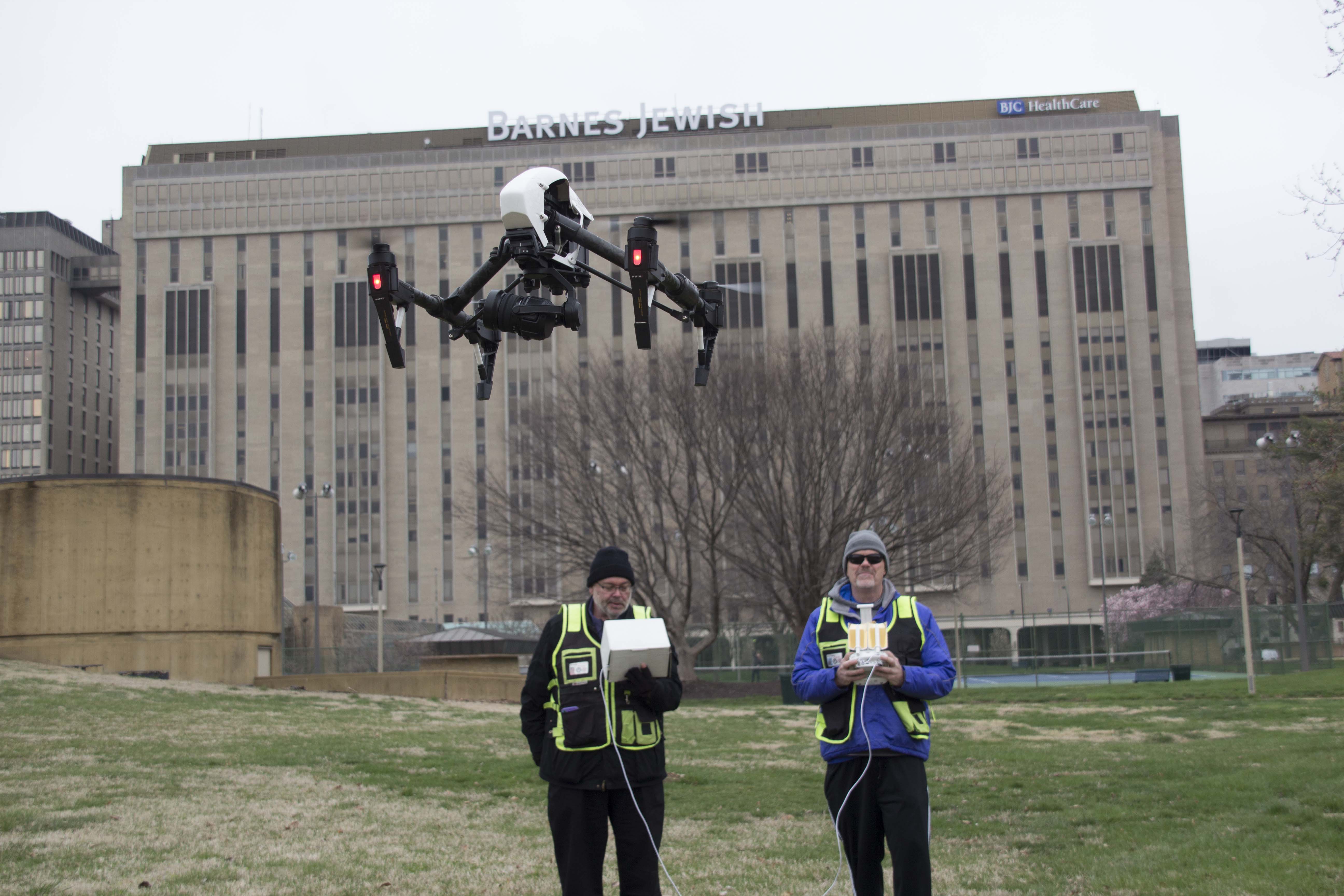
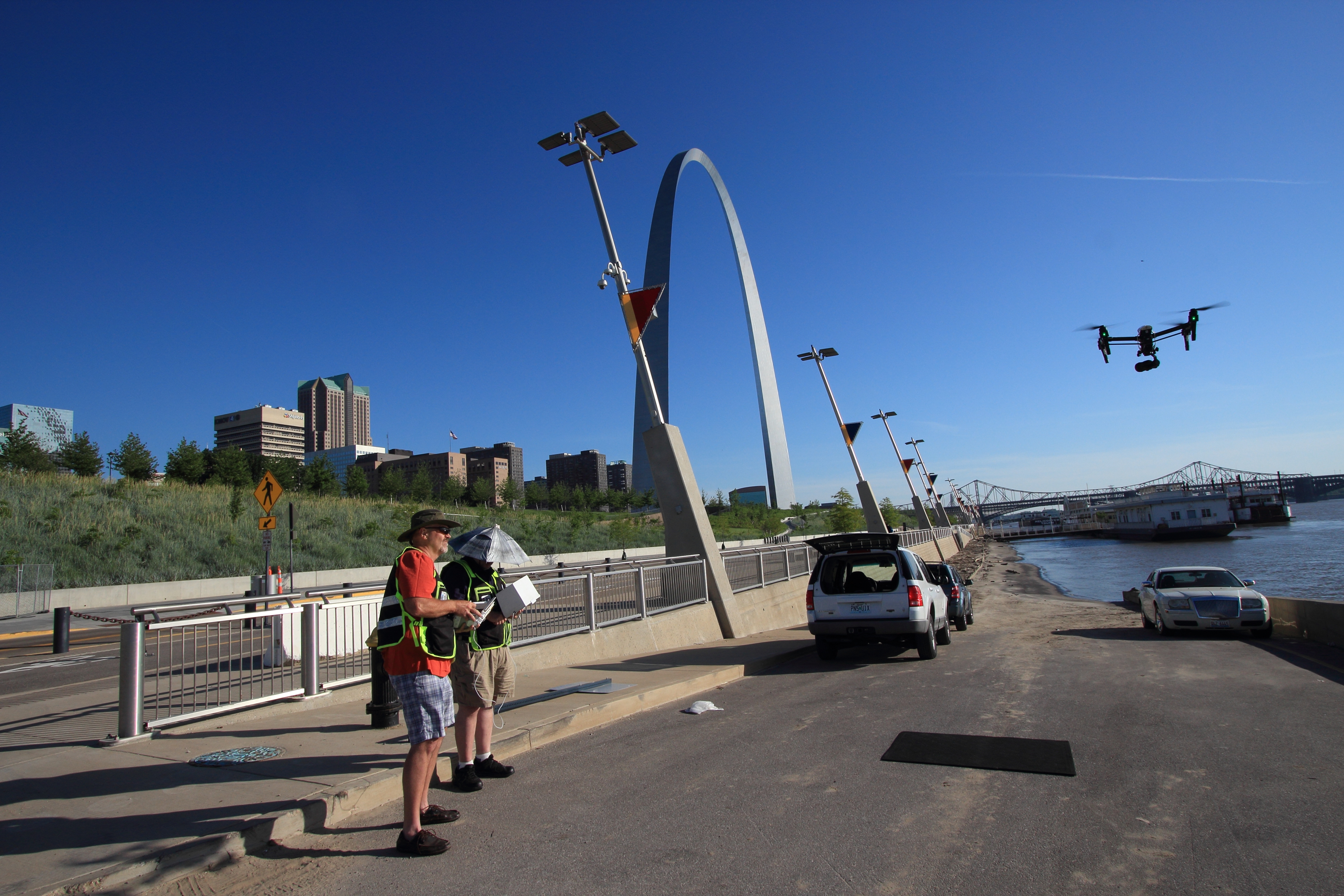
The bottom line for decision makers is straightforward: before engaging any aerial production vendor, confirm Part 107 certification for every pilot who will operate on your project, and request documentation. A professional operation provides this without hesitation. An unqualified operator cannot.


Insurance: What It Covers, Why It Matters to You Specifically

Commercial drone insurance is a distinct product category from the recreational coverage included with consumer aircraft or available through hobby associations. For commercial UAS operations, appropriate insurance encompasses two primary coverage areas: hull insurance, which protects the aircraft and its payload against physical loss or damage, and liability insurance, which addresses third-party property damage and bodily injury claims resulting from drone operations.

For the organizations hiring aerial production services, liability coverage is the figure that demands your direct attention. Commercial drone liability policies for professional production work typically carry per-occurrence limits ranging from one million to ten million dollars, depending on the operator’s scope of work and the risk profile of the environments they routinely operate in. For productions conducted on private property, near occupied structures, in proximity to the public, or within urban environments, adequate liability coverage is not a vendor amenity — it is the minimum acceptable standard of professional conduct.

The practical reason this matters to your organization specifically is that liability in drone incidents does not automatically remain contained to the operator. Depending on the circumstances of an event — a mechanical failure resulting in property damage, a flyaway in a venue that causes injury, a collision during an interior flight — the downstream liability exposure can extend to the client organization, the property owner, the event host, or other parties who granted operational access. Verifying your production partner’s coverage before work begins is a fundamental risk management obligation, not a bureaucratic formality.

Standard professional practice includes providing a certificate of insurance as a routine pre-production deliverable. When project circumstances warrant it — events, third-party venues, client-owned facilities — a professional aerial production company will name your organization or the property owner as an additional insured on the relevant policy. If a prospective vendor treats this request as unusual or inconvenient, that response tells you something important about their operational standards.
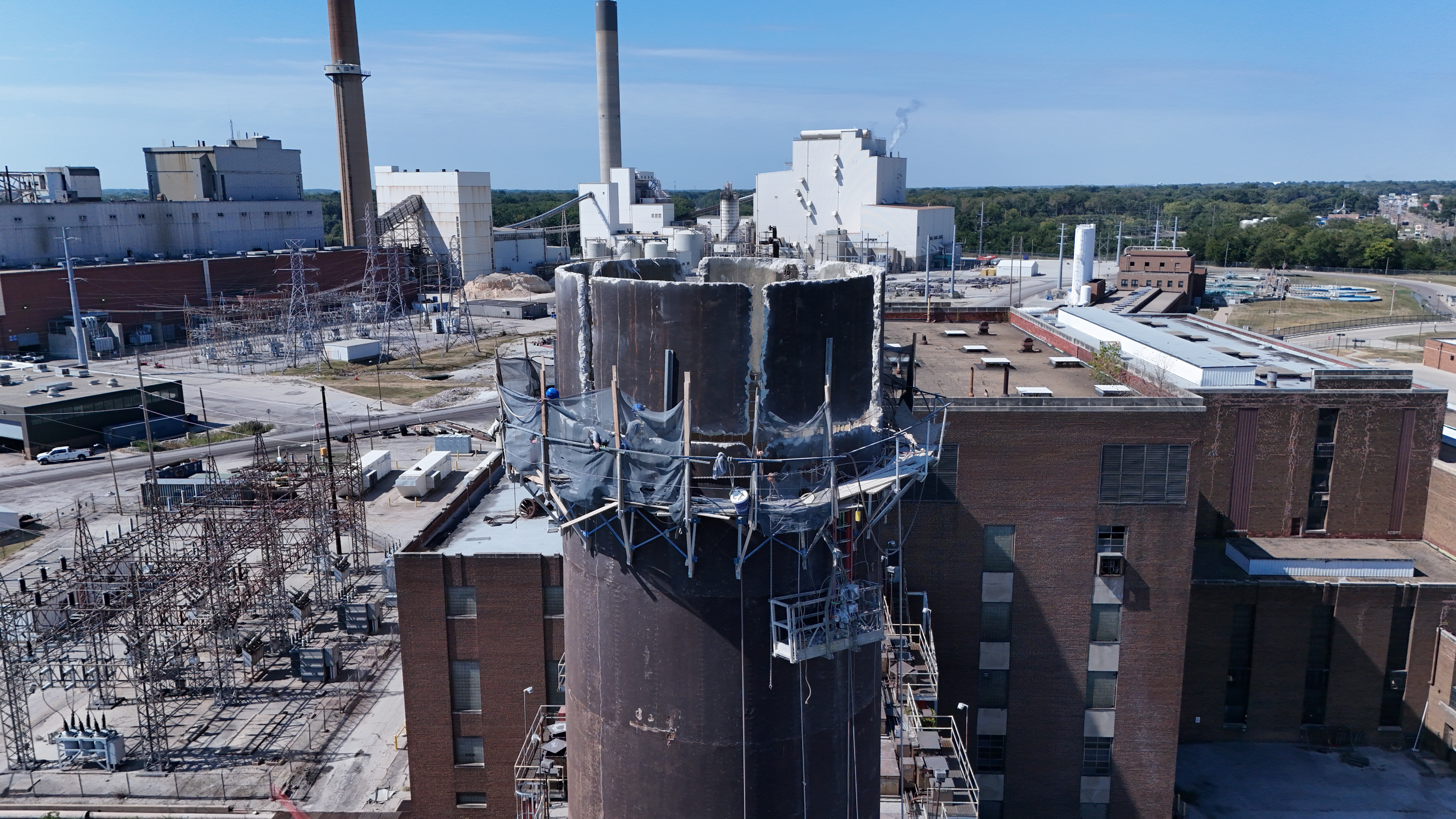
Site Assessment, Airspace Authorization, and Pre-Production Planning

The visible portion of any aerial production — the flight itself — represents a fraction of the professional work involved. The operational planning and regulatory coordination that precede it are where professional aerial producers earn their value, and where inexperienced operators most reliably create problems.

Airspace status assessment is a required pre-production step for every commercial drone flight. The National Airspace System is organized into classifications with distinct operating requirements. Class G airspace — uncontrolled airspace, typically above unpopulated areas away from airports — carries the fewest restrictions for Part 107 operations. Class B, C, D, and E surface airspace surrounding airports, heliports, and other regulated facilities require prior authorization before any commercial drone operations may proceed.

For many controlled airspace environments, the Low Altitude Authorization and Notification Capability system — LAANC — automates the authorization process, enabling near-real-time approvals for operations below defined altitude ceilings within pre-authorized grid cells. For operations that fall outside LAANC parameters, or in airspace not yet covered by the automated system, direct FAA coordination is required. A professional aerial production team knows which authorization pathway applies to a given site and manages that process with appropriate lead time built into the production schedule.

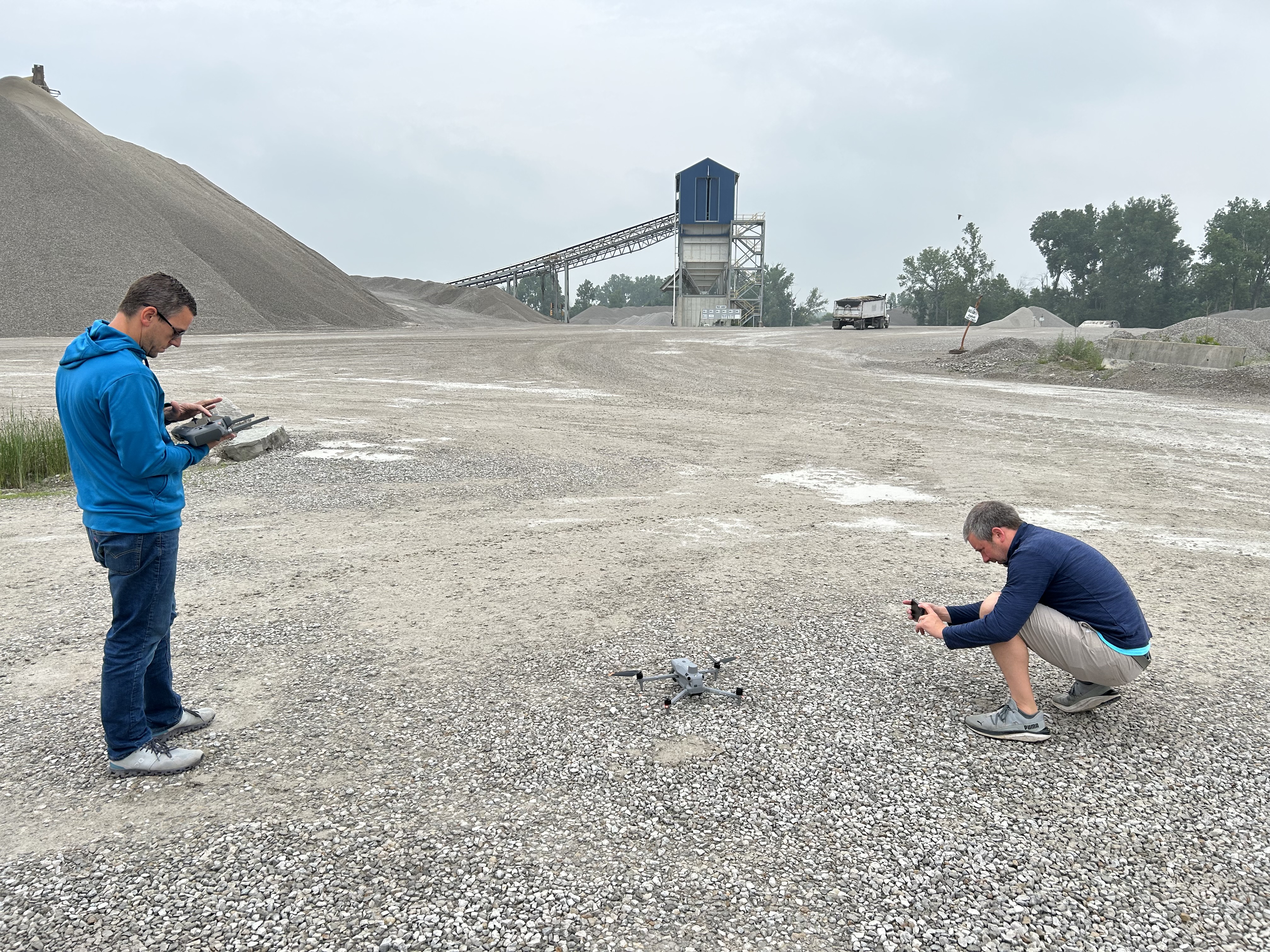
Site assessment goes beyond airspace. Physical hazards — overhead power infrastructure, communication towers, structural features that affect GPS signal reliability, surface conditions that generate rotor wash issues during takeoff and landing — are identified and accounted for in the operational plan. Magnetic anomalies near heavy steel construction or power equipment that can affect compass calibration are identified and addressed. Radio frequency environments that may affect control link reliability, particularly in urban cores or at events with dense wireless infrastructure, are evaluated.
Weather assessment is conducted not just on production day but in the days preceding a scheduled flight, particularly for projects with fixed scheduling constraints. Wind forecasts, precipitation probability, temperature effects on battery performance, and atmospheric visibility are all factored into go/no-go and contingency planning.

This level of pre-production rigor is what separates a professional aerial operation from someone who shows up on the day with an aircraft and improvises. It is also what protects your production from the delays, re-shoots, and liability events that result from inadequate planning.
314-604-6544

saintlouismostudios@gmail.com

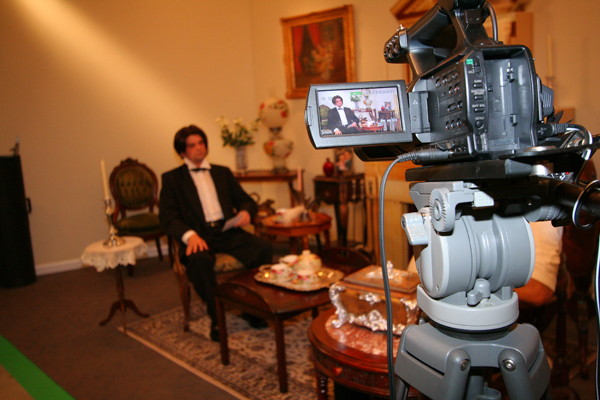
Video Interviews and B-Roll Specialists in St. Louis

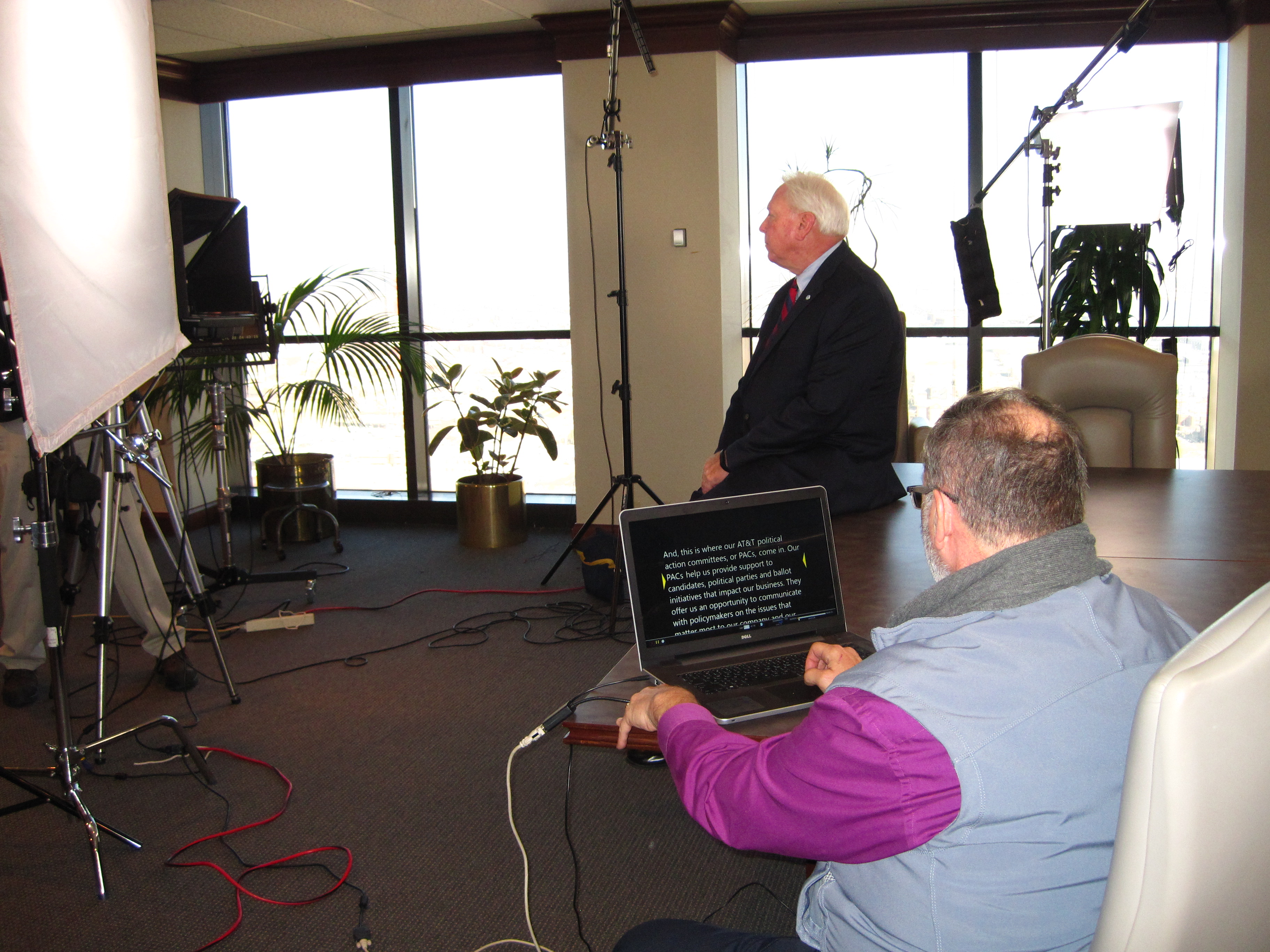
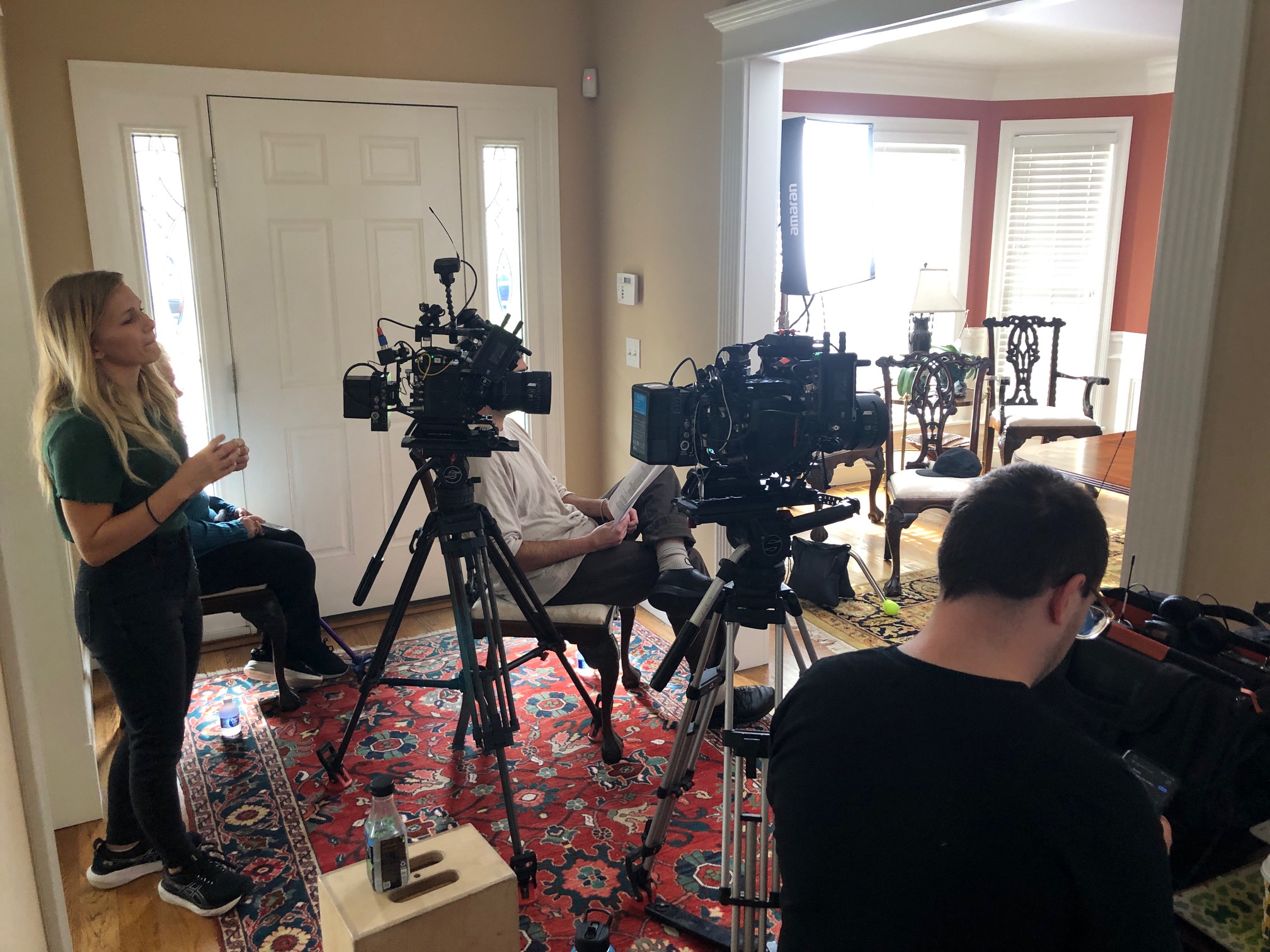
For businesses that want stronger communication, more credible branding, and more useful marketing assets, few content formats are as effective as well-produced video interviews supported by carefully planned b-roll. This combination continues to be one of the most dependable ways to communicate expertise, tell a company story, introduce leadership, showcase services, highlight customer experiences, and build trust with a professional audience.

For organizations in St. Louis, interview-based video remains especially valuable because it brings a human element to business messaging. It allows viewers to hear directly from the people behind the brand, whether that means executives, team leaders, employees, clients, or subject matter experts. But the success of this format depends on more than the interview alone. Without strong supporting visuals, even a thoughtful interview can feel static. That is why b-roll is such an important part of the production strategy.

When interview production and b-roll acquisition are handled by an experienced team, the final content becomes more polished, more versatile, and more effective across websites, campaigns, recruiting efforts, presentations, social platforms, and internal communication channels.

Why Video Interviews Continue to Deliver Value

Video interviews remain one of the most powerful tools in commercial production because they create authenticity. Businesses can make claims in writing, but when real people speak clearly and confidently on camera, the message often carries more weight. Viewers are more likely to trust a company when they can see and hear the people who represent it.

This is one reason why interview-based production works across so many industries. Professional firms use interviews to communicate expertise. Manufacturers use them to explain process and capability. Healthcare organizations use them to share insight and trust. Schools, nonprofits, and institutions use them to tell stories with real voices and real perspective.

The interview often becomes the backbone of the final piece. It shapes the narrative, sets the tone, and provides the core messaging. But on its own, the interview is only half of the story.

Why B-Roll Is Essential

B-roll is what transforms an interview into a complete visual story. It provides the supporting footage that gives context to what is being said on camera. It may include a facility, work environments, services being performed, products, team interactions, close-up details, branded spaces, process footage, exterior establishing shots, drone visuals, and all of the visual moments that add depth and realism.

B-roll serves several important purposes at once.

It helps illustrate the subject matter being discussed so the audience is not asked to imagine everything for themselves.

It improves pacing by adding movement and visual variation.

It helps editors create seamless transitions and hide cuts in the interview.

It raises the perceived value of the final video by making it feel more polished and complete.

It increases the usefulness of the shoot by creating footage that can be repurposed for other marketing and communications needs.

The businesses that get the most value from video production are usually the ones that treat b-roll as a strategic asset rather than an afterthought.

What Makes Specialists Different

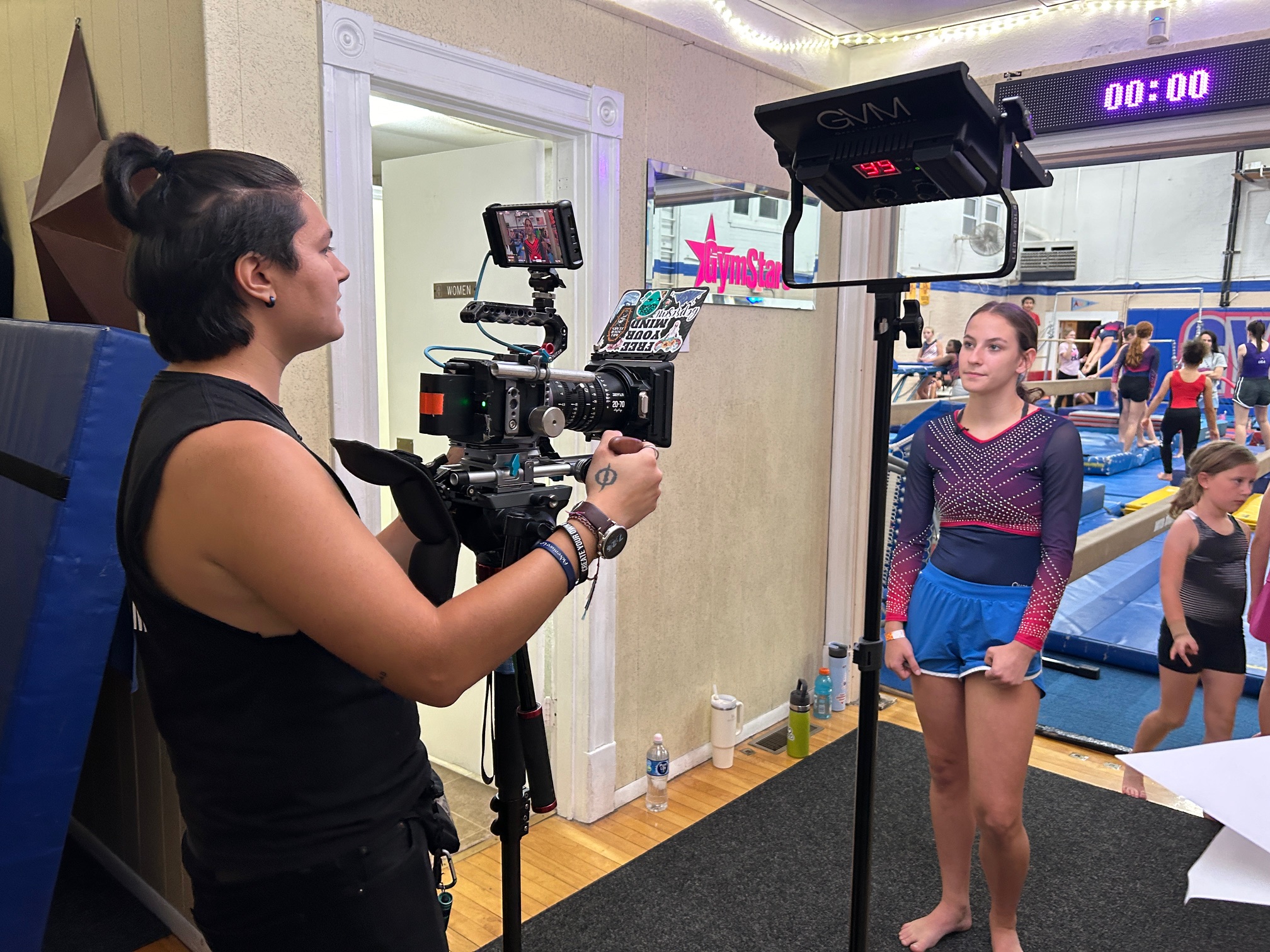
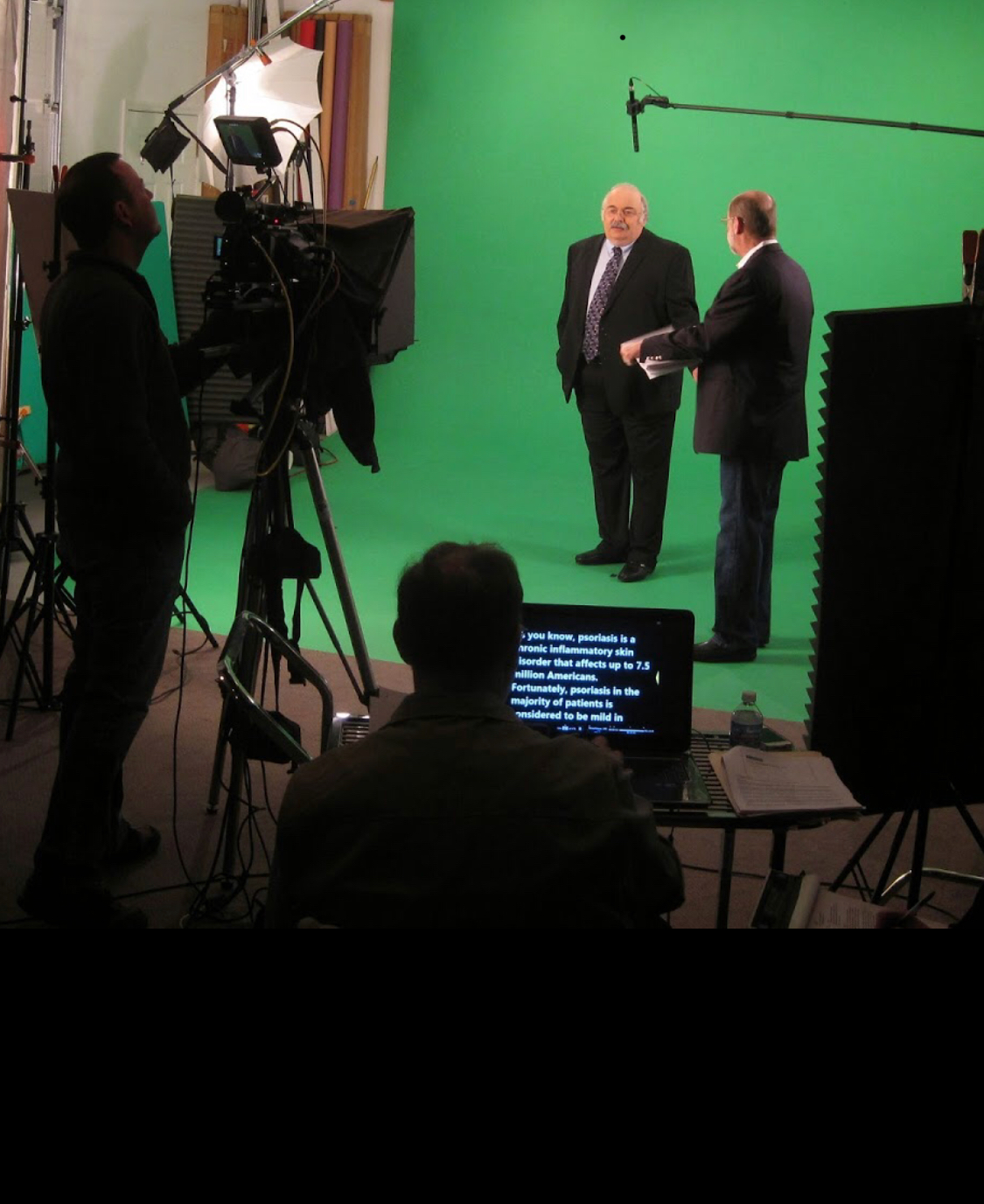
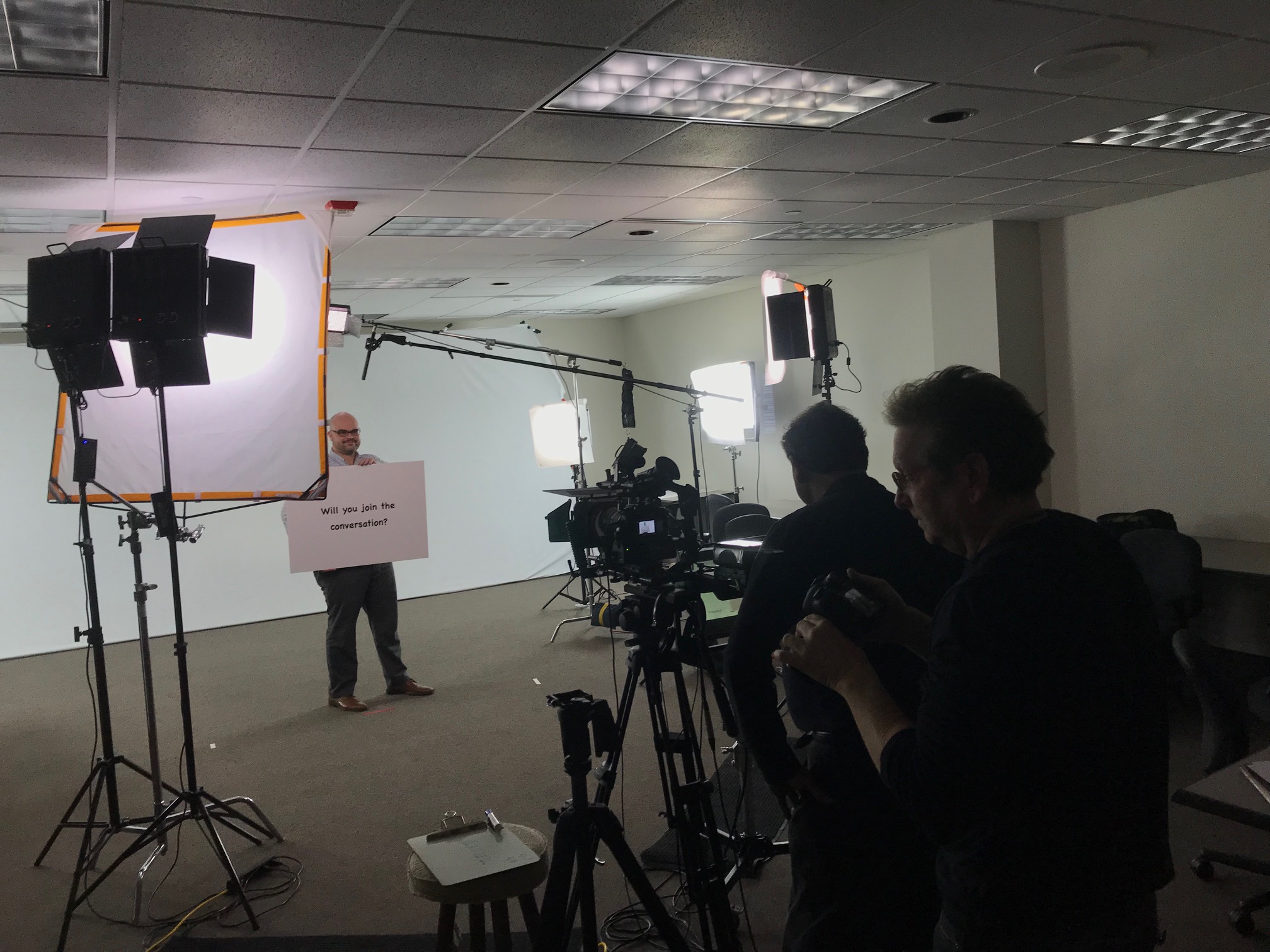
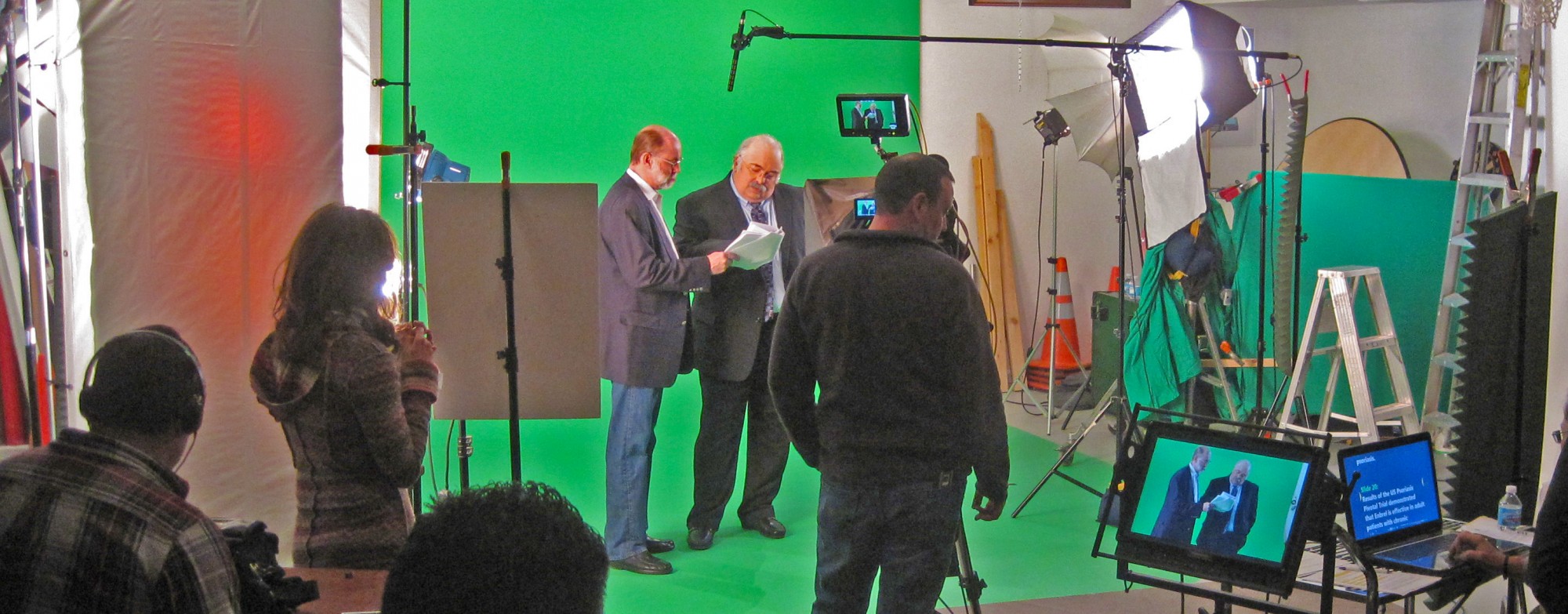
There is a significant difference between a production company that occasionally records interviews and a team that truly specializes in interview-driven content and b-roll acquisition. Specialists understand how to guide conversations, shape environments, gather meaningful visual coverage, and produce media with the final edit in mind.

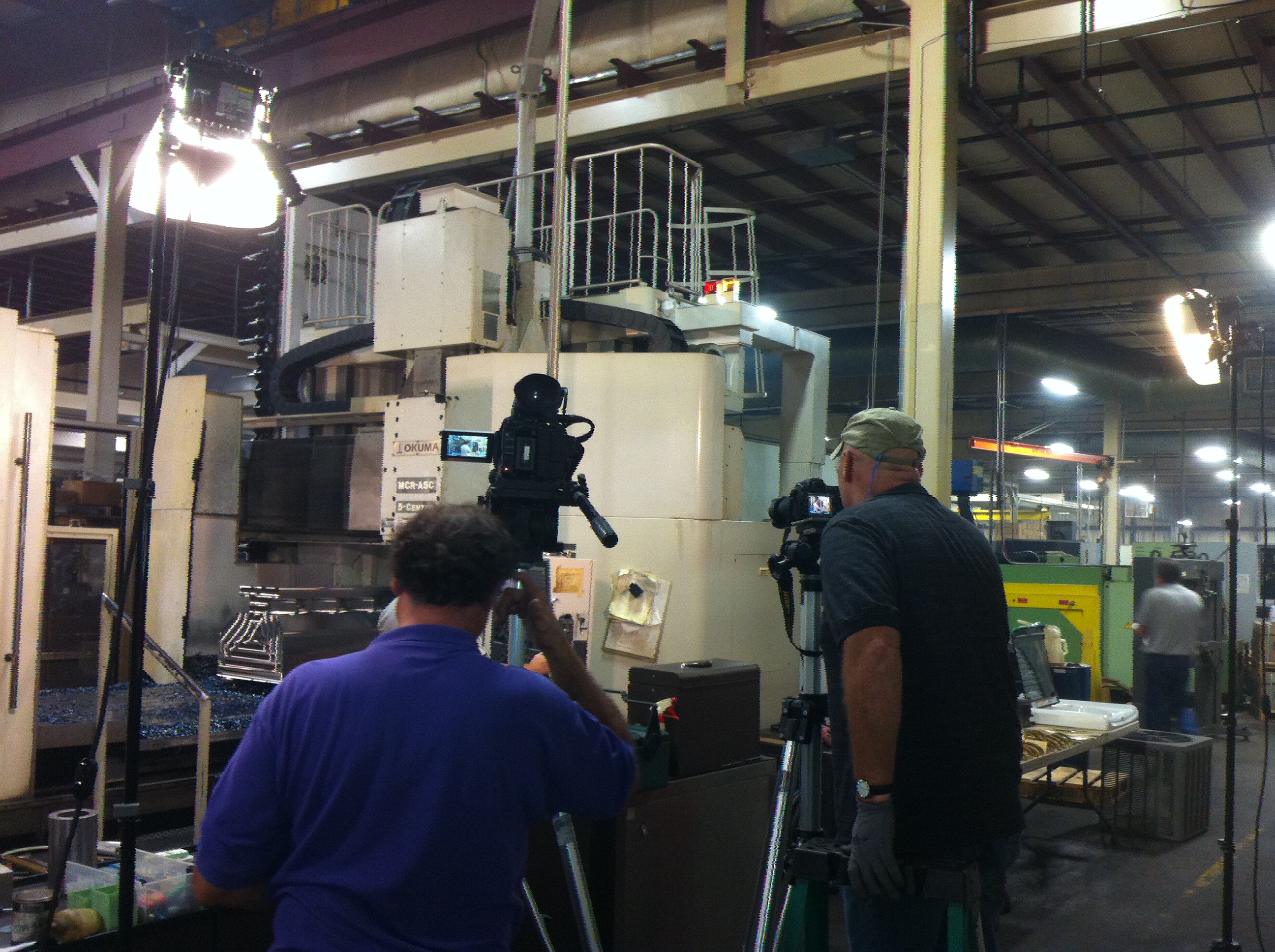
This becomes even more important when filming in active business environments. Offices, plants, hospitals, schools, retail spaces, showrooms, and warehouses all create different challenges. Lighting may be inconsistent. Sound may be difficult. Staff may have limited availability. Operations may still need to continue during filming.

A seasoned crew knows how to solve these problems without compromising the production. They understand how to work efficiently, minimize disruption, and still capture the right footage to support a strong finished piece. They are not just reacting on location. They are anticipating the needs of the final edit throughout the production day.

Planning a Strong Interview Production

A successful interview video starts well before the cameras arrive. It requires a clear understanding of the project goals and a deliberate plan for how the message will be captured.

Clarify the Objective

Every strong production begins with purpose. Is the video designed for lead generation, recruiting, brand awareness, sales support, company culture, internal communication, or client trust? The answer influences the interview style, subject selection, visual approach, and editing strategy.

When the purpose is unclear, the interview tends to become too broad and the footage becomes less useful.

Select the Right On-Camera Voice

Not every story should come from the same person. In some cases, leadership is the best voice. In other cases, the strongest perspective may come from a client, project manager, specialist, technician, or employee. The most effective subject is the one who can speak with confidence, clarity, and authenticity.

Create a Comfortable Setting

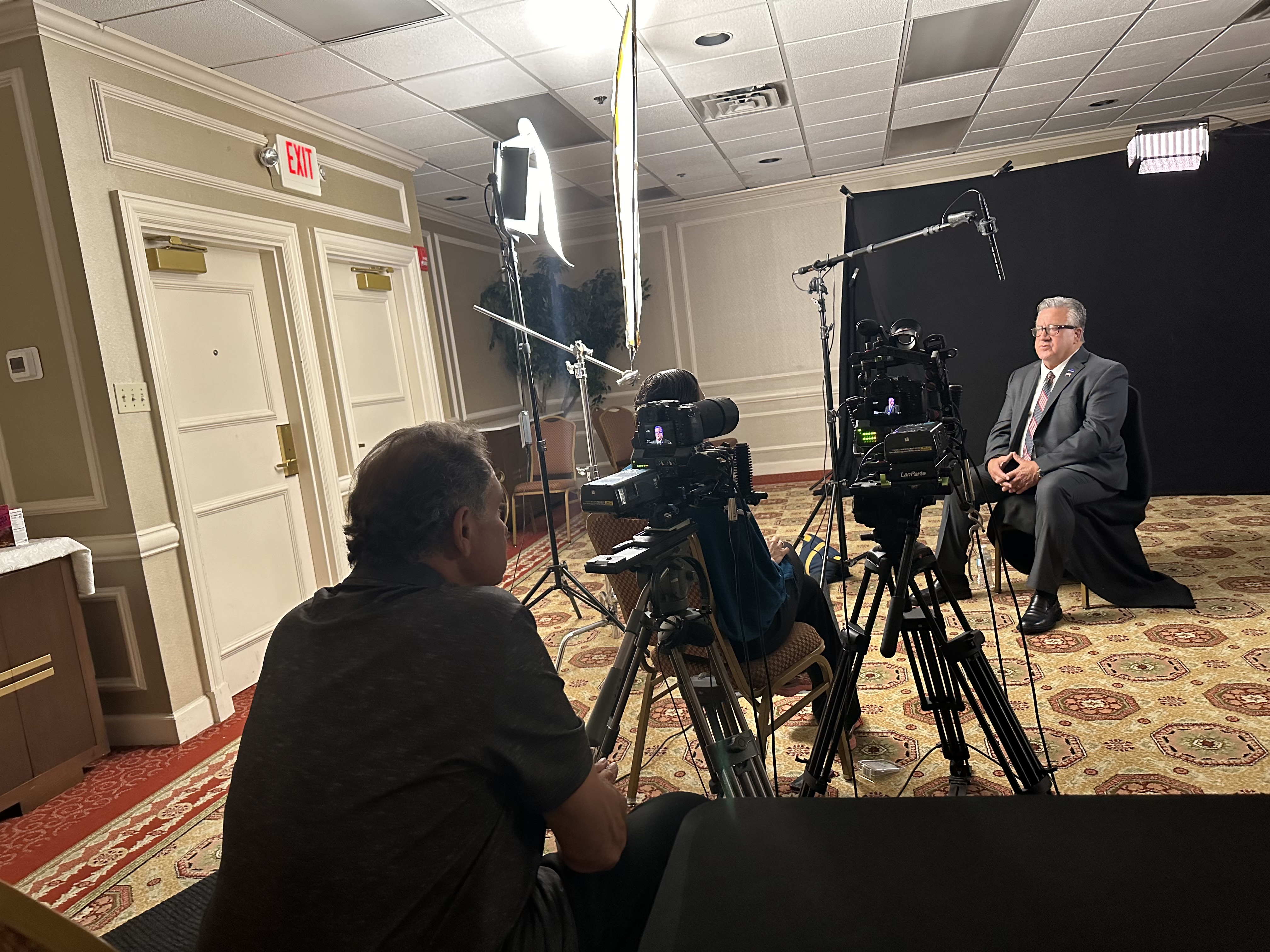
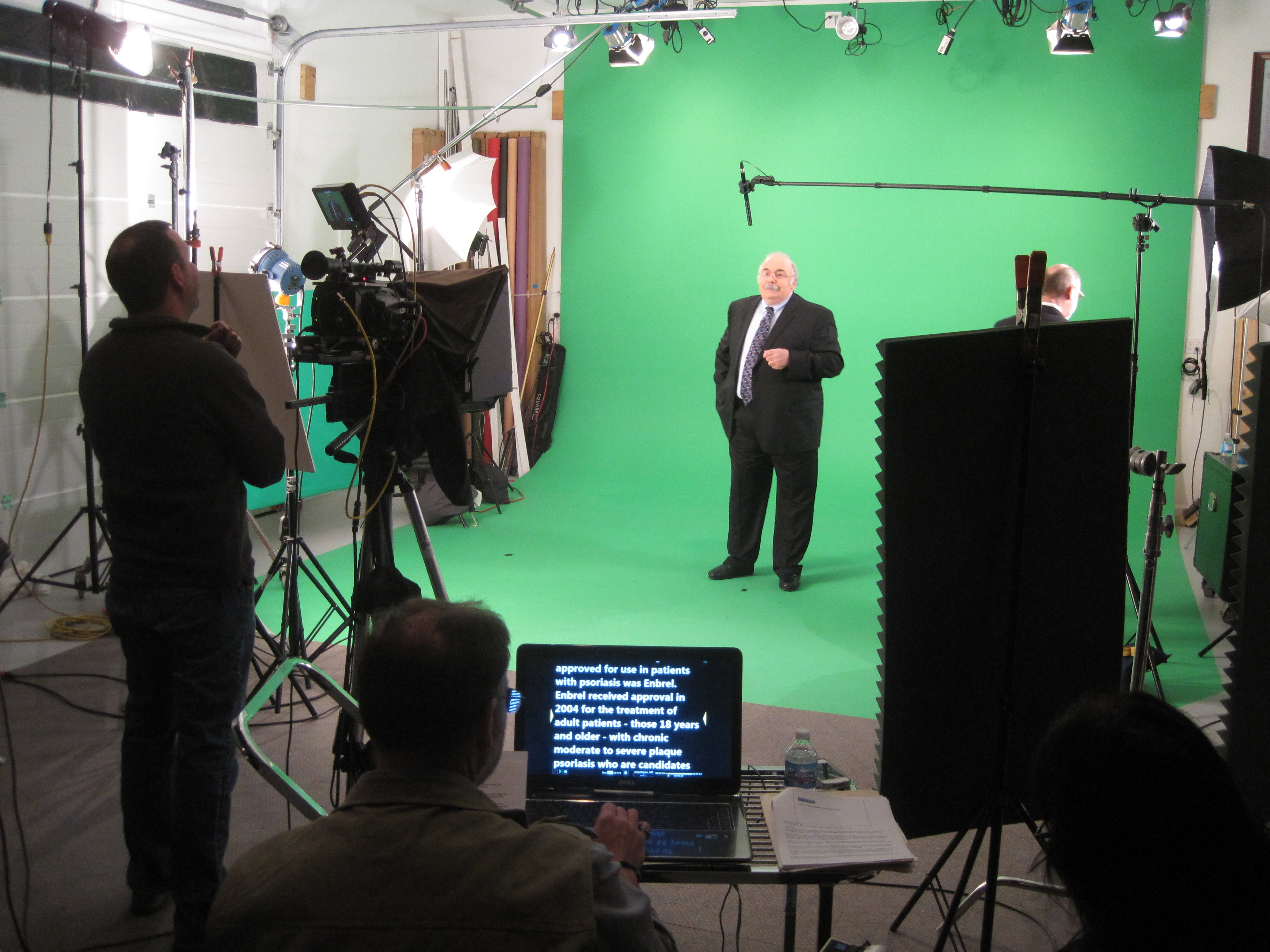
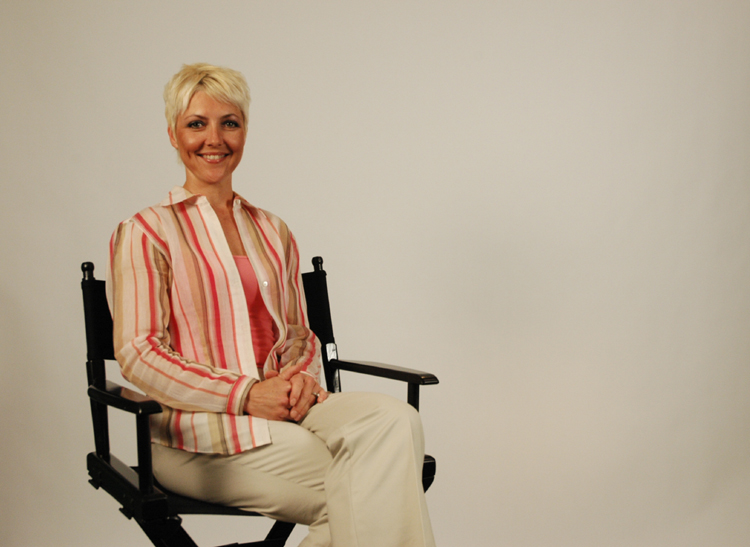
Most people are not professional on-camera talent. They perform better when the setup feels organized, calm, and supportive. Lighting, framing, audio setup, and crew approach all affect how natural the subject appears. An experienced team knows how to create an environment that helps people speak comfortably while still looking polished and professional.

Ask Better Questions

Interview quality is heavily influenced by the quality of the prompts. Strong producers ask questions that lead to complete, natural answers instead of short, awkward replies. They know how to guide a subject toward useful statements that sound credible and edit cleanly.

Capture for Editing Flexibility

Professionals never think only about what is happening in the moment. They think ahead to the edit. That means gathering enough angles, room tone, environmental coverage, and supporting visuals to create a more flexible and polished final product.

What Effective B-Roll Looks Like

Great b-roll is never random. It is built around what the viewer needs to see in order to understand and believe the message.

If a company talks about precision, the footage should show precision. If it talks about service, the visuals should show people working with care and responsiveness. If it talks about scale, quality, innovation, or culture, the b-roll should make those concepts visible.

Strong b-roll usually includes a mix of wide establishing visuals, medium action footage, and detailed close-up shots. That balance helps editors create sequences that feel layered and dynamic. It also gives the production greater long-term value because the footage can support multiple final deliverables.

Experienced b-roll specialists know how to look beyond the obvious. They capture the environmental details, process moments, textures, brand identifiers, movement, and interactions that elevate a piece from basic coverage to meaningful visual storytelling.

How Businesses Use Interview and B-Roll Content

Interview and b-roll productions are effective because they are adaptable. One production approach can support many communication goals.

Companies use this format to introduce leadership and communicate authority.

Brands use it to tell customer stories and build trust.

Organizations use it to support recruiting by showing workplace culture and team perspective.

Manufacturers use it to highlight operations, equipment, workflows, and quality control.

Agencies use it because it can be repurposed into campaign content, social edits, website assets, and sales materials.

Nonprofits and institutions use it to show impact and humanize their mission.

The more strategically the shoot is planned, the more value can be drawn from the same production day.

Why Location Matters

The location of an interview and b-roll shoot affects much more than the background. It influences sound, lighting, production flow, logistics, and the overall credibility of the finished video.

A well-chosen location adds realism and visual strength. It can show the audience where the work happens, what the environment feels like, and how the organization presents itself. But a visually interesting room is not always the best filming choice if the sound is poor or the layout limits camera and lighting control.

That is why location scouting is still such an important part of professional production. Experienced teams evaluate sites for aesthetics, acoustics, power, available space, access, scheduling, and visual opportunities. They understand how to match the location to the story while keeping the production efficient.

Why Sound Quality Matters So Much

In interview-based production, audio quality is just as important as visuals. Viewers are quick to notice distracting background noise, echo, inconsistent volume, or unclear speech. Poor audio weakens the authority of the message and lowers the perceived professionalism of the brand.

Professional interview production includes careful microphone selection, audio monitoring, room assessment, and control of environmental factors. Offices, industrial sites, and public-facing locations all come with sound challenges, and experienced crews know how to work around them.

A polished interview is not simply well lit. It must also be clean and easy to hear.

How Drone and Specialized Visual Services Add Value

Today’s business productions often benefit from more than standard camera coverage. Drone services can add scale, motion, and a more complete visual understanding of a location, facility, property, or operation.

Traditional aerial footage can establish place, access, architecture, and operational footprint. Specialized FPV drone work can move through interiors in a dynamic and immersive way, making it especially useful for showing production facilities, commercial interiors, branded environments, and spaces that benefit from energy and movement.

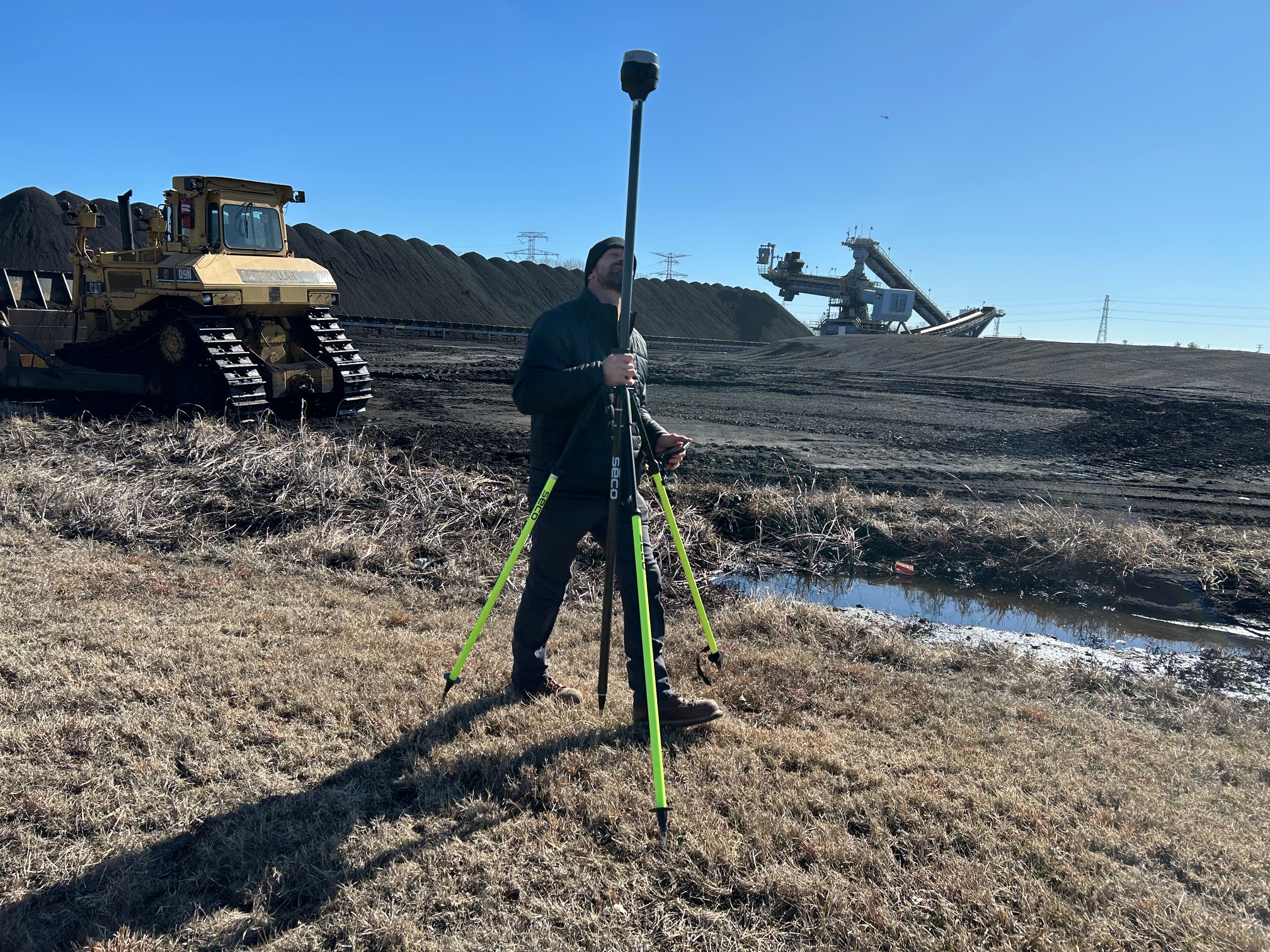
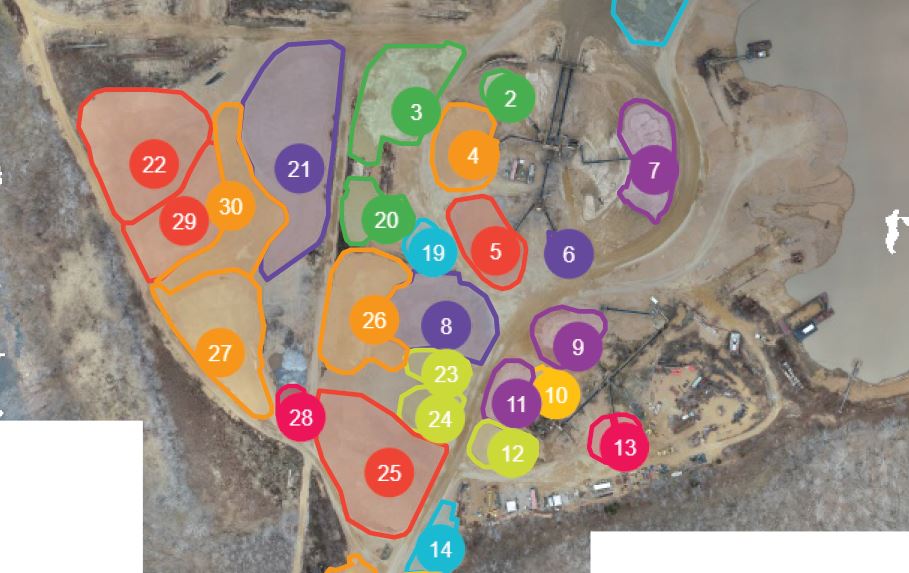
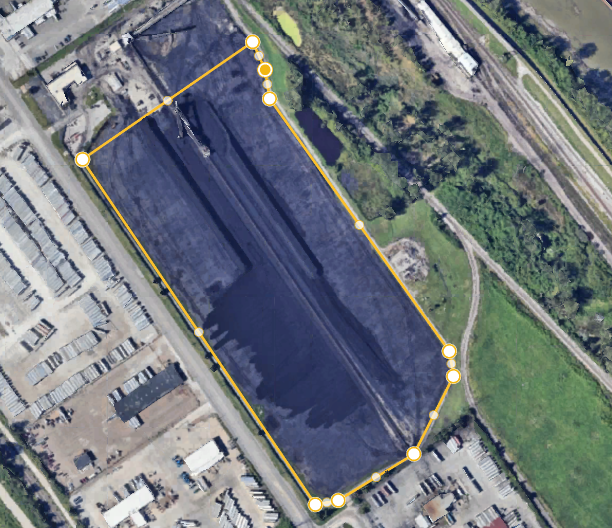
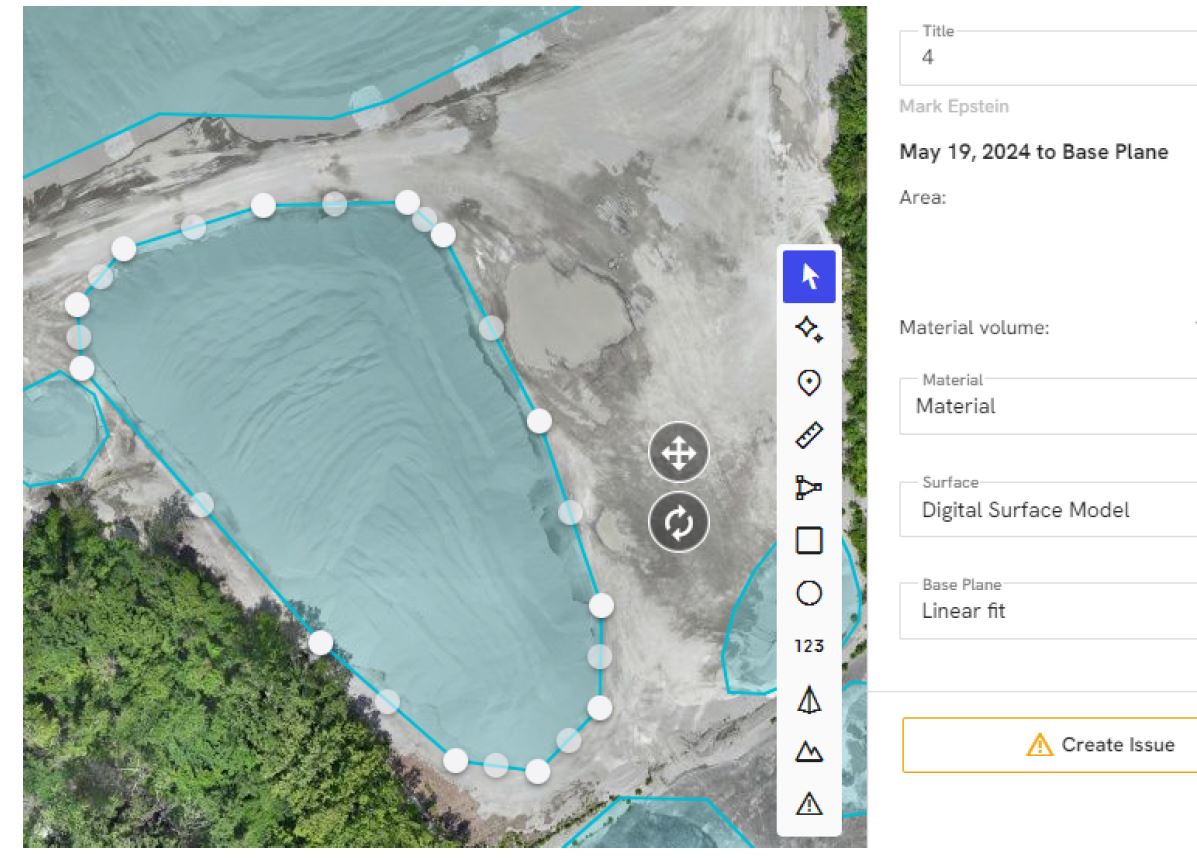
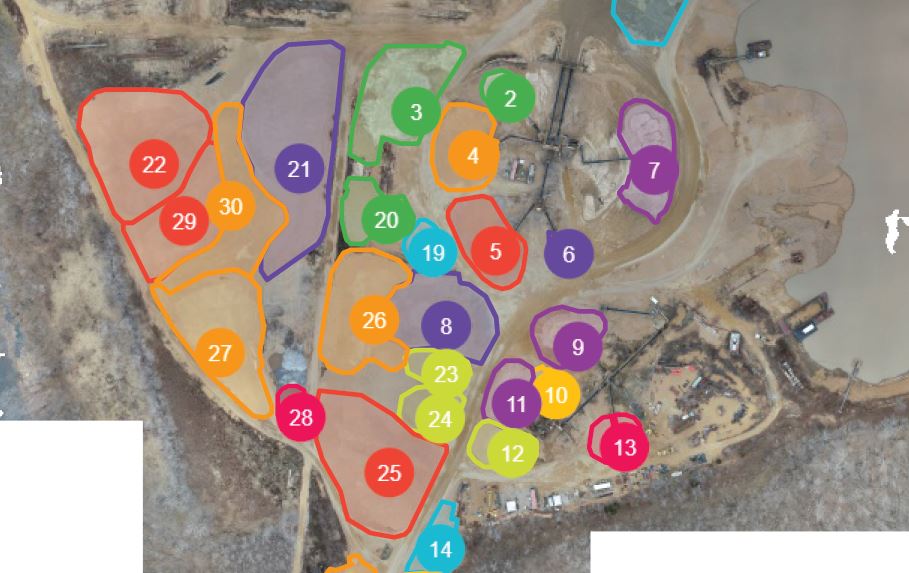
In addition, other advanced drone services can serve both visual and practical purposes. Infrared thermal imaging can support inspection-oriented applications. Orthomosaics can provide accurate large-area site visuals and mapping. LiDAR can support precise spatial documentation and advanced imaging needs.

When these services are added to a broader interview and b-roll production, the final media package becomes much more comprehensive and useful.

Repurposing Creates More Return on the Shoot

One of the biggest advantages of a professionally planned production is that it does not have to result in only one finished video. A strong interview and b-roll shoot can create the foundation for a wide range of content.

A business may begin with a single brand or testimonial piece, but the same footage can often support short social clips, recruiting videos, leadership messages, website content, digital ads, internal communication assets, and still image extractions for marketing use.

This is why experienced planning matters so much. When the crew understands the repurposing goals before filming begins, they can capture a broader range of footage that supports more deliverables later. That creates better long-term efficiency and stronger value from the production investment.

What Decision Makers Should Look For

Businesses choosing a production partner should look for more than attractive visuals. The right team should understand message development, subject coaching, production logistics, sound, lighting, editing strategy, and how to create assets that serve multiple uses.

They should know how to work in real environments without losing quality.

They should know how to capture meaningful b-roll, not just generic footage.

They should be able to help shape interview direction and production flow.

They should understand how photography, video, editing, drone work, and post-production connect into one cohesive process.

The best production partner is not just there to film. They are there to help create media that works.

Final Thoughts

Video interviews and b-roll remain one of the smartest and most reliable formats in business media because they combine credibility with visual storytelling. Interviews bring authenticity and message. B-roll adds proof, context, motion, and production value. Together, they give businesses a flexible content structure that can support many goals across multiple platforms.

For organizations, marketing firms, and creative agencies in the St. Louis area, working with specialists in this format can lead to stronger shoot days, better edits, and more useful media over time.

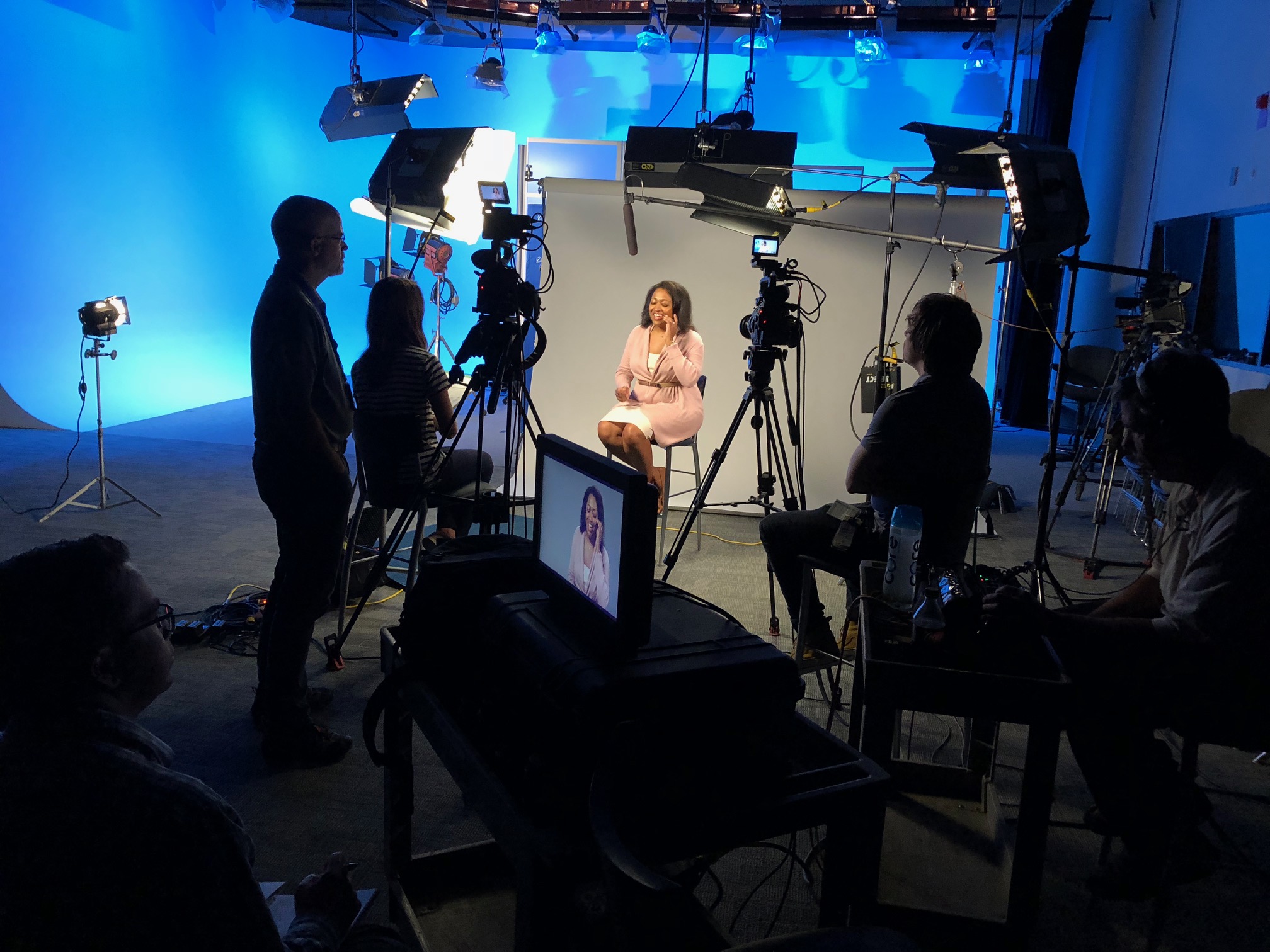
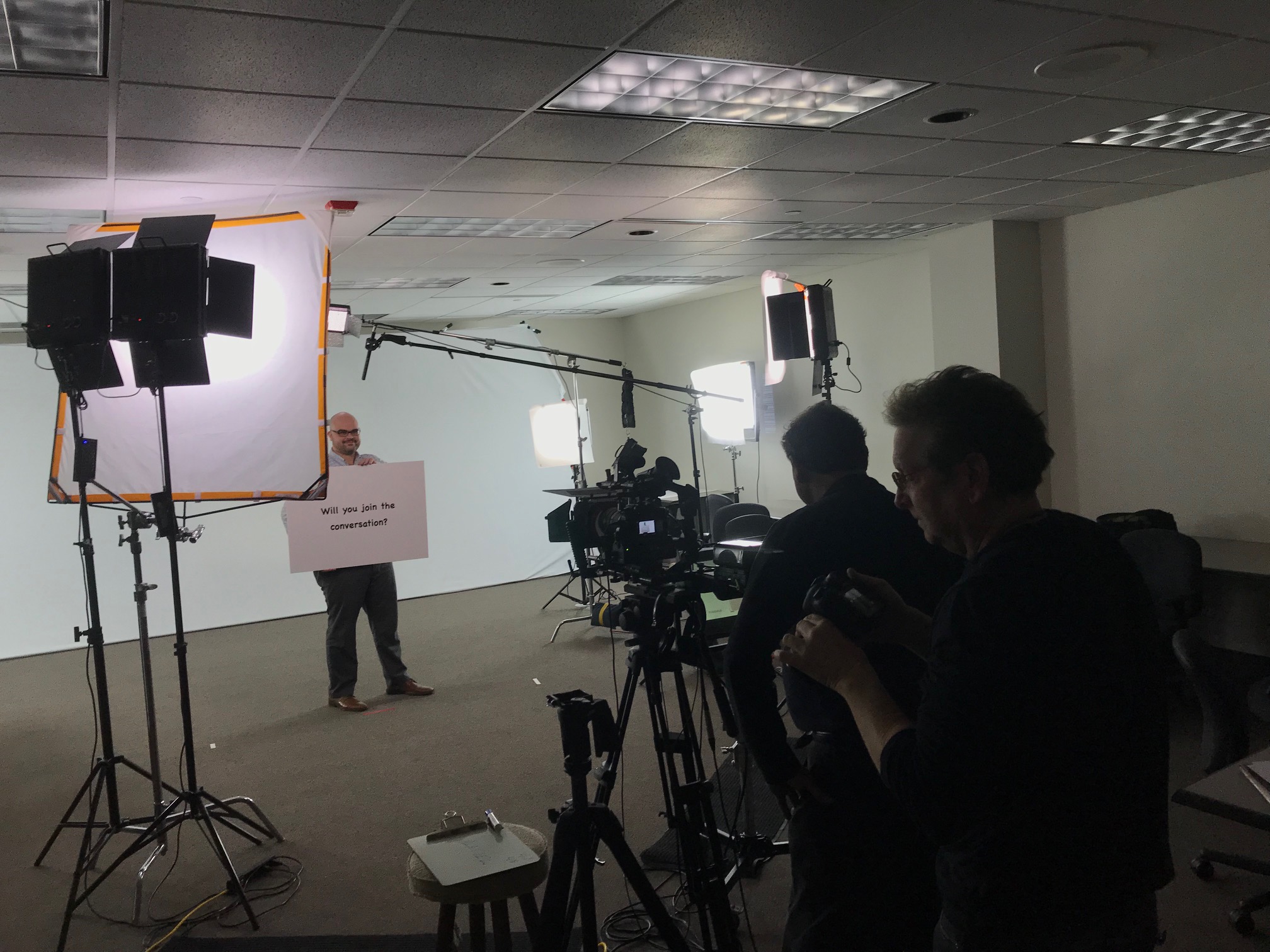
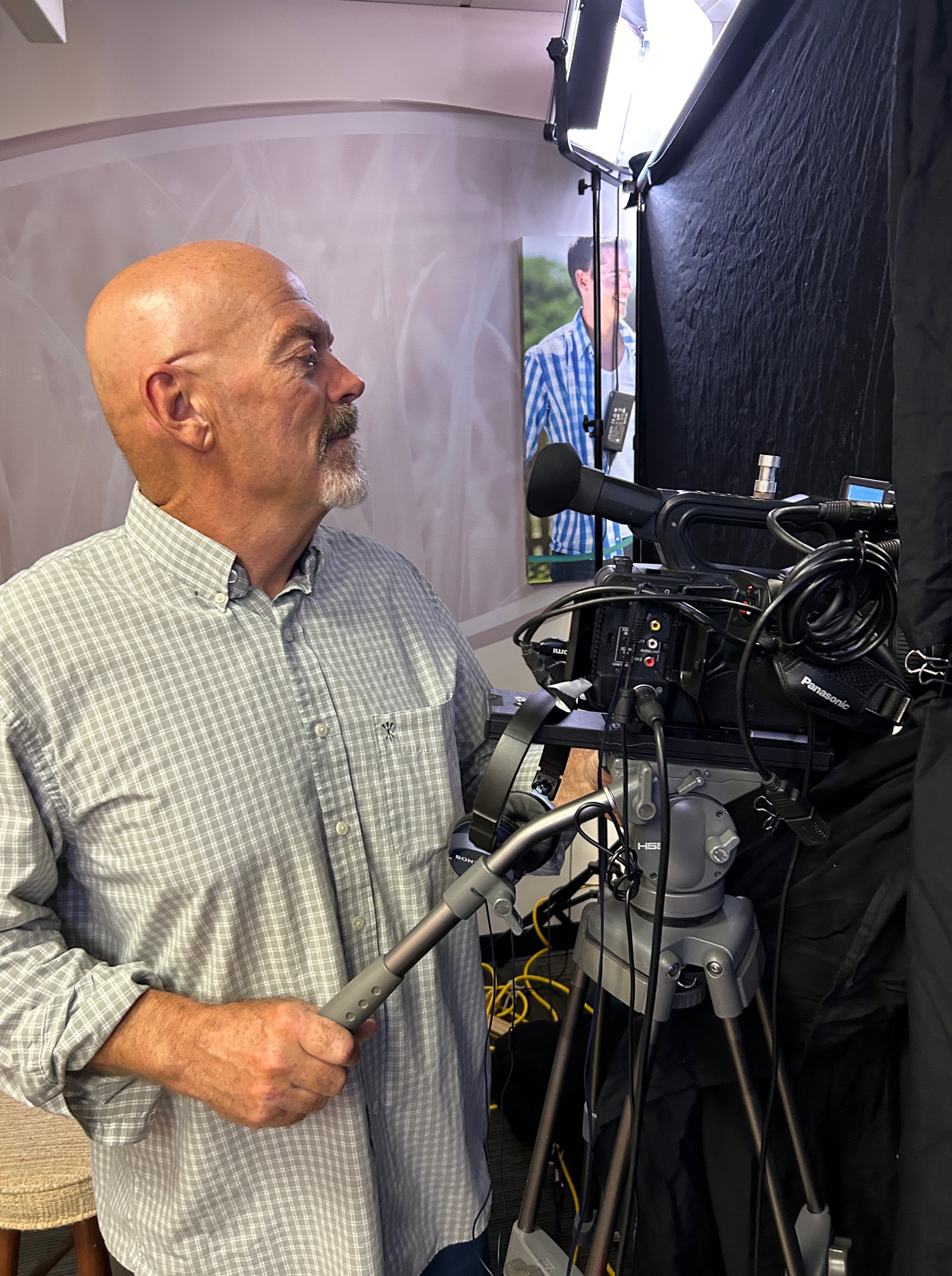
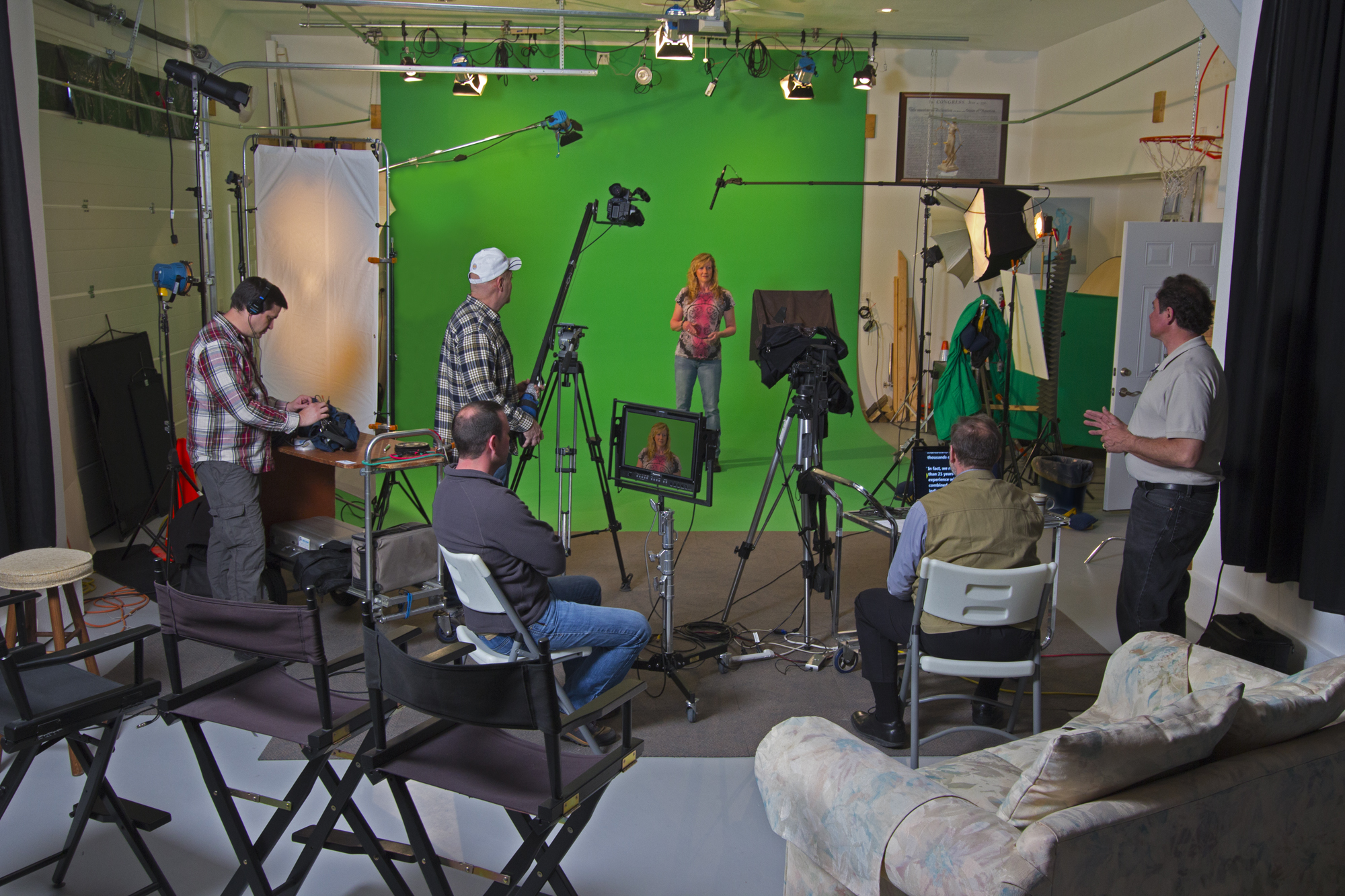
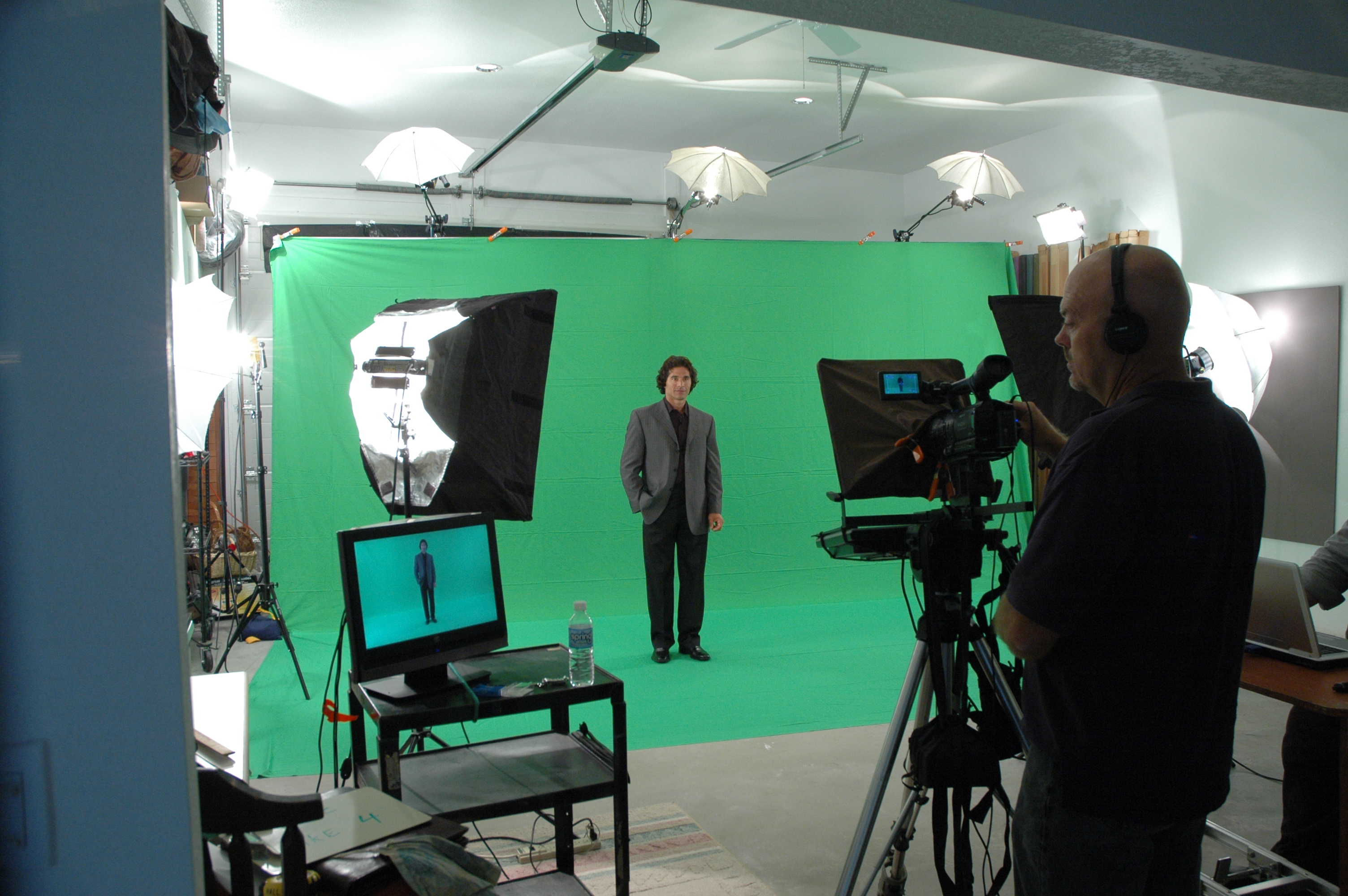
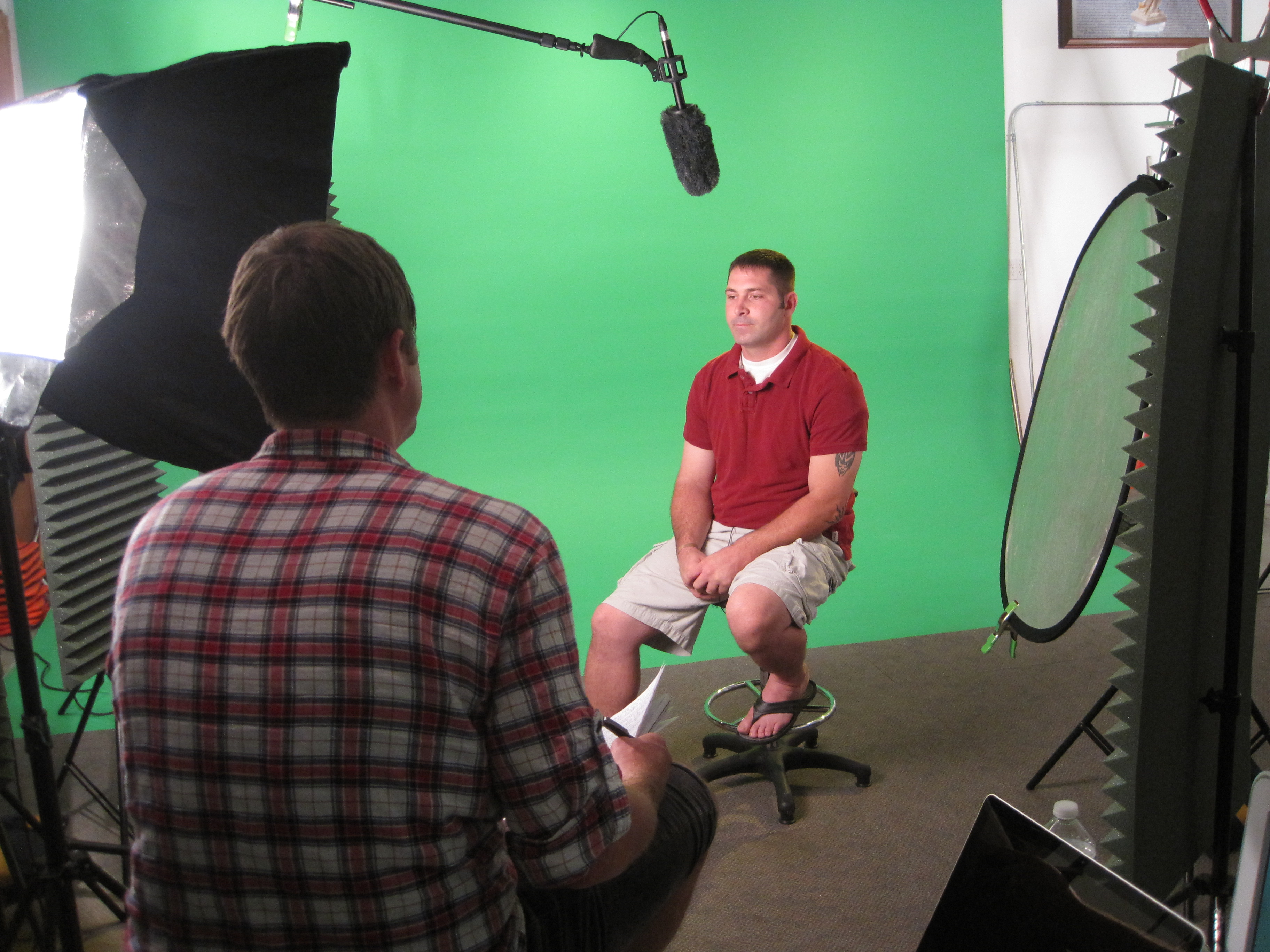
Since 1982, St Louis Video Production Studio has worked with many businesses, marketing firms, and creative agencies in the St. Louis area for their marketing photography and video. St Louis Video Production Studio is a full-service professional commercial photography and video production company with the right equipment and creative crew service experience for successful image acquisition. We offer full-service studio and location video and photography, as well as editing, post-production, and licensed drone services. St Louis Video Production Studio can customize your productions for diverse types of media requirements. Repurposing your photography and video branding to gain more traction is another specialty. We are well-versed in all file types and styles of media and accompanying software. We use the latest in Artificial Intelligence for all our media services. Our private studio lighting and visual setup are perfect for small productions and interview scenes, and our studio is large enough to incorporate props to round out your set. We support every aspect of your production, from setting up a private custom interview studio to supplying professional sound and camera operators, as well as providing the right equipment, ensuring your next video production is seamless and successful. We are also location scouting and b-roll specialists, can fly our specialized FPV drones indoors, and offer other drone special services including infrared thermal, orthomosaics, and LiDAR.

314-604-6544

saintlouismostudios@gmail.com

Drones for Thermal and LiDAR in St. Louis

For businesses and organizations that manage buildings, land, infrastructure, industrial sites, and construction assets, drones have become far more than a visual content tool. They are now practical data-collection platforms that can reveal heat loss, moisture intrusion, roof anomalies, site conditions, elevation changes, surface measurements, and terrain detail with a speed and perspective that traditional ground-based methods often cannot match. In St. Louis, where commercial properties, industrial facilities, transportation corridors, utility infrastructure, and active development sites all present unique inspection and documentation demands, thermal and LiDAR drone services have become increasingly valuable.

For decision makers in marketing, operations, facilities, engineering, construction, and communications, understanding the difference between standard aerial imaging and advanced thermal and LiDAR drone capture is important. While conventional drone photography is excellent for visual storytelling, branding, progress images, and promotional media, thermal and LiDAR services produce a more specialized layer of information. They can help organizations identify issues, document conditions, improve planning, support maintenance decisions, and create visual assets that are both technically useful and strategically marketable.

Why Thermal and LiDAR Drones Matter

Most organizations are already familiar with the value of aerial video and photography. Aerial footage helps show property scale, site layout, access routes, surrounding development, and overall visual context. Thermal and LiDAR drones take that value much further by gathering information the naked eye cannot reliably detect.

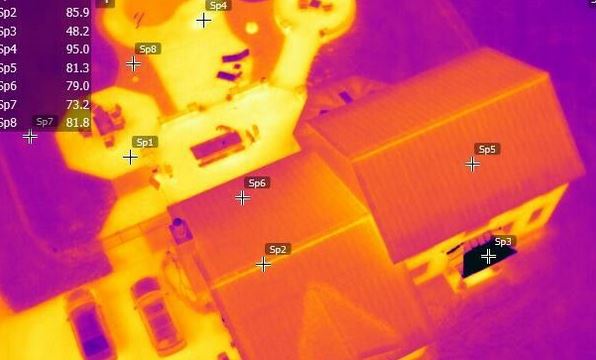
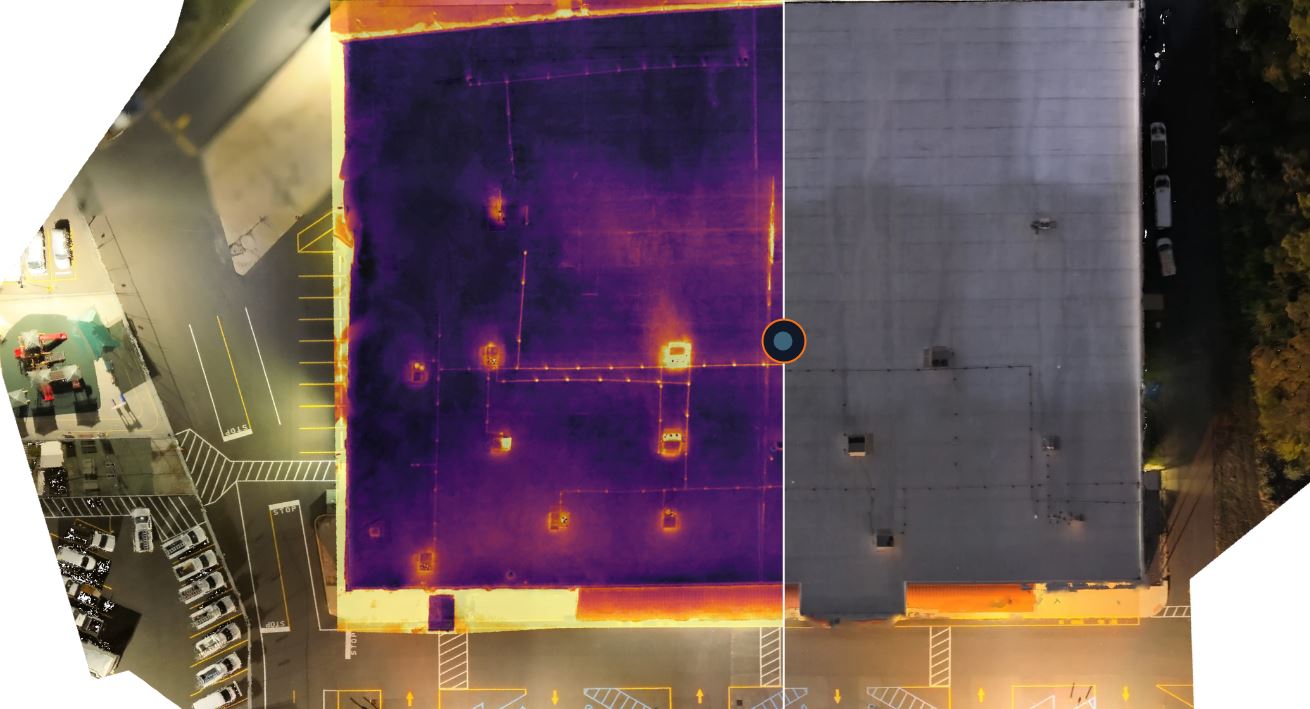
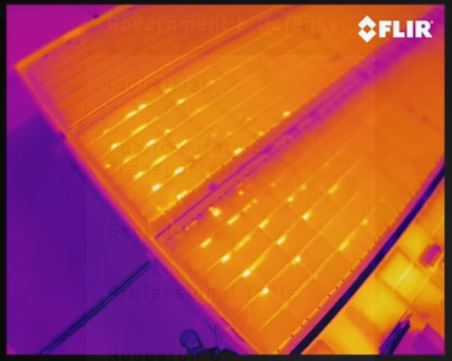
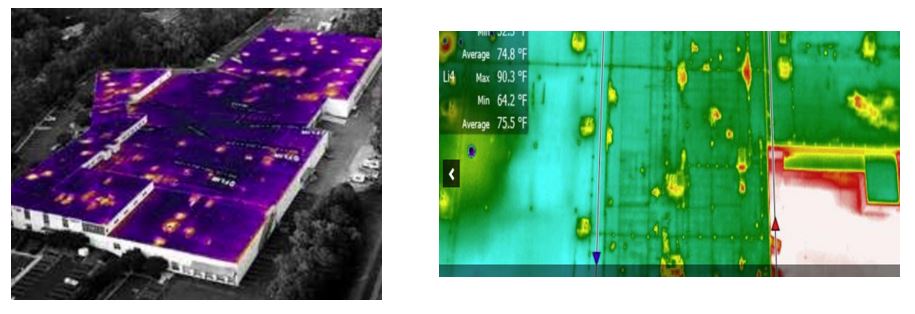
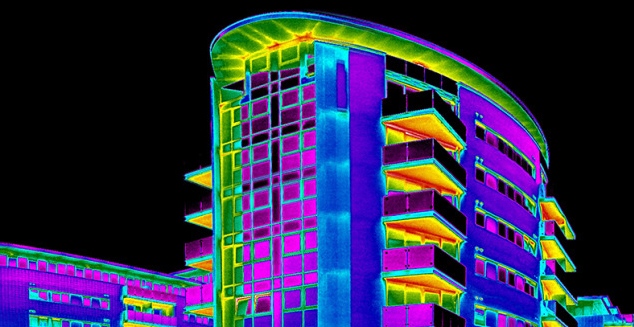
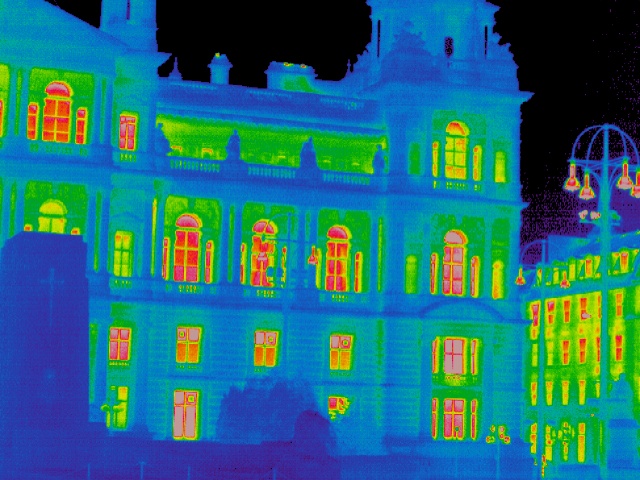
Thermal drones use infrared sensors to detect surface temperature differences. These differences can reveal conditions that are otherwise hidden in standard imagery, such as trapped moisture, insulation problems, overheating equipment, electrical anomalies, energy loss, and other heat-related inconsistencies. For many commercial and industrial applications, thermal imaging adds a diagnostic layer that can make drone operations far more useful than simple visual capture alone.

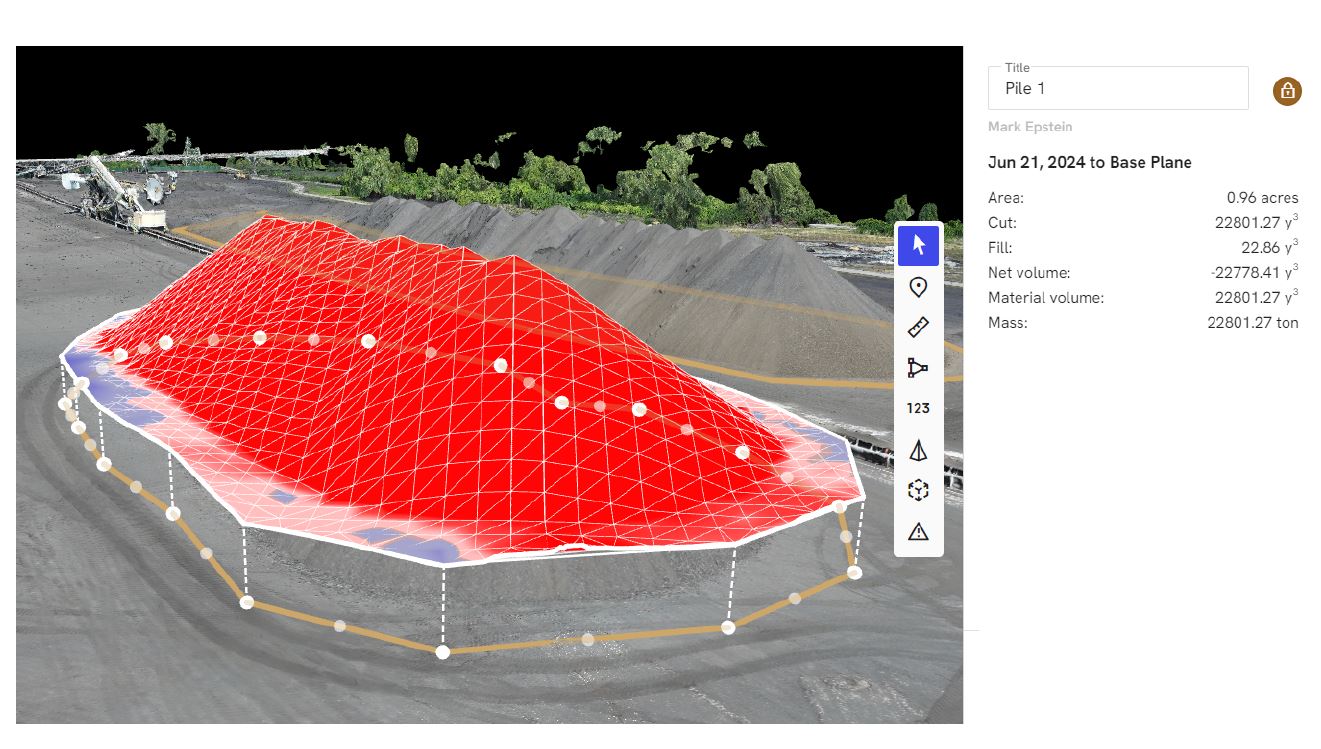
LiDAR, by contrast, uses laser pulses to measure distance and produce precise three-dimensional point cloud data. This allows teams to document terrain, structures, elevation, slopes, vegetation penetration, and spatial relationships with a level of detail that is highly valuable for mapping, modeling, planning, engineering, and site analysis. In environments where traditional photogrammetry may struggle, especially around vegetation, irregular surfaces, or demanding terrain conditions, LiDAR can offer a more dependable path to measurable spatial intelligence.

For businesses in the St. Louis region, that means drones are no longer just a way to get a better angle. They are a way to gather better information.

Thermal Drones for Commercial and Industrial Use

Thermal drone services are especially valuable when an organization needs to identify temperature-related patterns across large or difficult-to-access areas. In the St. Louis market, this can apply to commercial roofs, industrial facilities, manufacturing equipment, solar installations, utility assets, warehouses, institutional buildings, and expansive properties where manual inspection is time-consuming or potentially disruptive.

A thermal drone can help identify roof areas that may be retaining moisture beneath the membrane. It can help reveal uneven heat signatures that may point to insulation breakdown or other building-envelope concerns. It can support inspection efforts around HVAC performance, electrical components, and heat-producing systems. On industrial sites, it can assist in spotting abnormal heat behavior that may warrant closer review by facilities or maintenance personnel.

The value here is not simply in flying a drone with a thermal camera. The real value comes from collecting the imagery under the right conditions, with the right flight planning, timing, angle, and sensor interpretation strategy. Thermal work requires an understanding of surface behavior, environmental limitations, and the difference between useful data and misleading readings. Reflections, weather conditions, time of day, building materials, and operational variables all affect the final output. That is why organizations should work with experienced teams that understand both production quality and technical capture discipline.

Common Uses for Thermal Drone Services in St. Louis

Thermal drone imaging can support a wide range of commercial applications. Roofing consultants and property managers can use it to assess large roof systems more efficiently. Facility managers can use it to help document energy-related concerns or identify unusual thermal signatures in large structures. Industrial operators may use it to review equipment zones, monitor heat concentration areas, or support preventive maintenance planning. Schools, hospitals, municipalities, and institutions can benefit from aerial thermal documentation for campuses, infrastructure, and large building footprints.
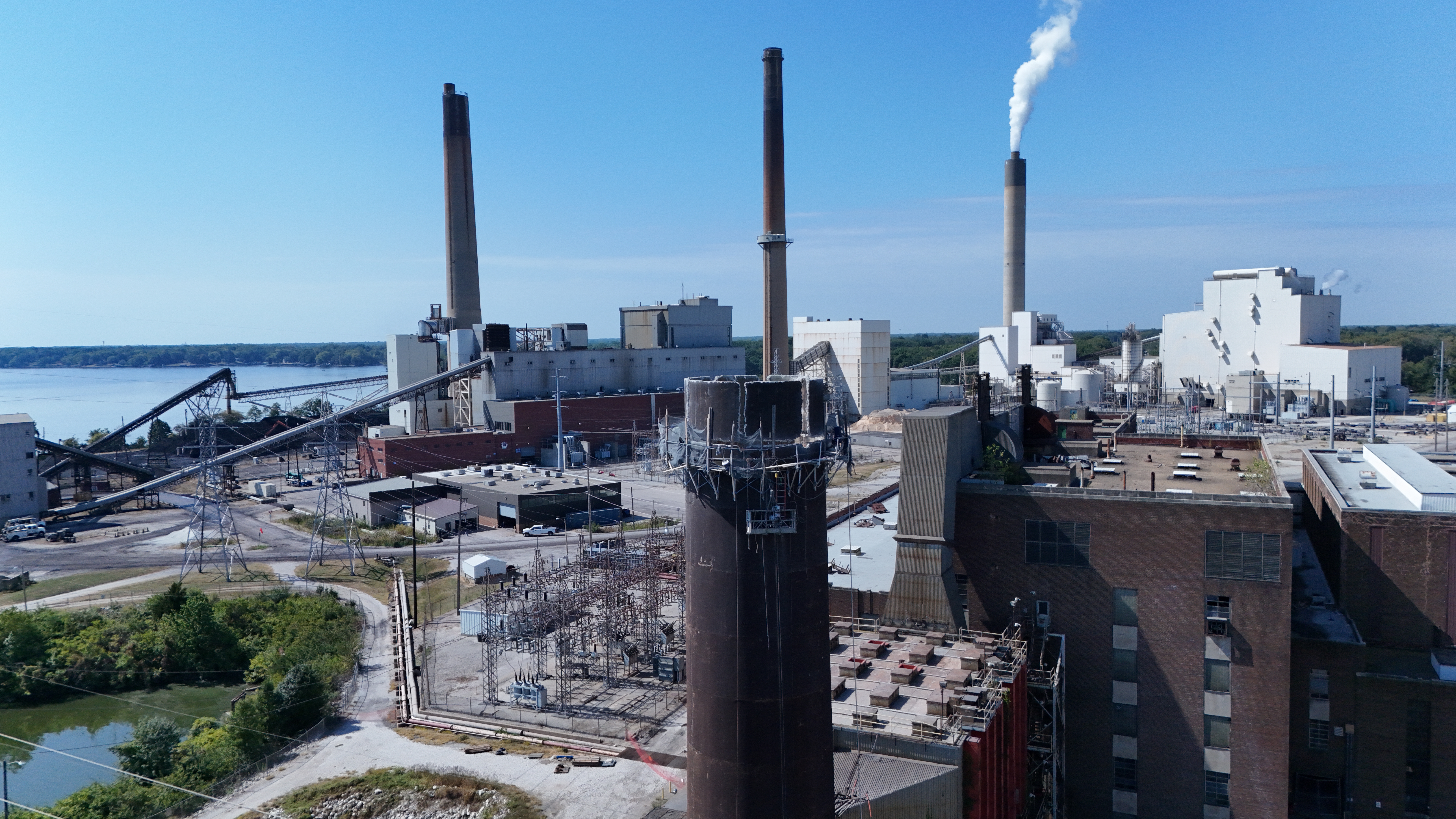
There is also value in the communication side of thermal imaging. Decision makers often need to show boards, stakeholders, clients, investors, or maintenance teams why a condition matters. Thermal visuals can be far more persuasive than written notes alone. A cleanly produced thermal image sequence, combined with standard aerials, annotations, and edited deliverables, can help transform a technical finding into a more understandable visual presentation.

That matters because business decisions are often made faster when the issue is clearly seen.

LiDAR Drones and Why They Are Different

LiDAR is often discussed alongside photogrammetry, but the two are not the same. Photogrammetry typically uses overlapping photographs to reconstruct surfaces and generate 3D models. It is highly effective in many situations and is a powerful tool when conditions are favorable. LiDAR, however, actively emits laser pulses and measures their return, which allows it to capture spatial information with a different level of consistency in many demanding environments.

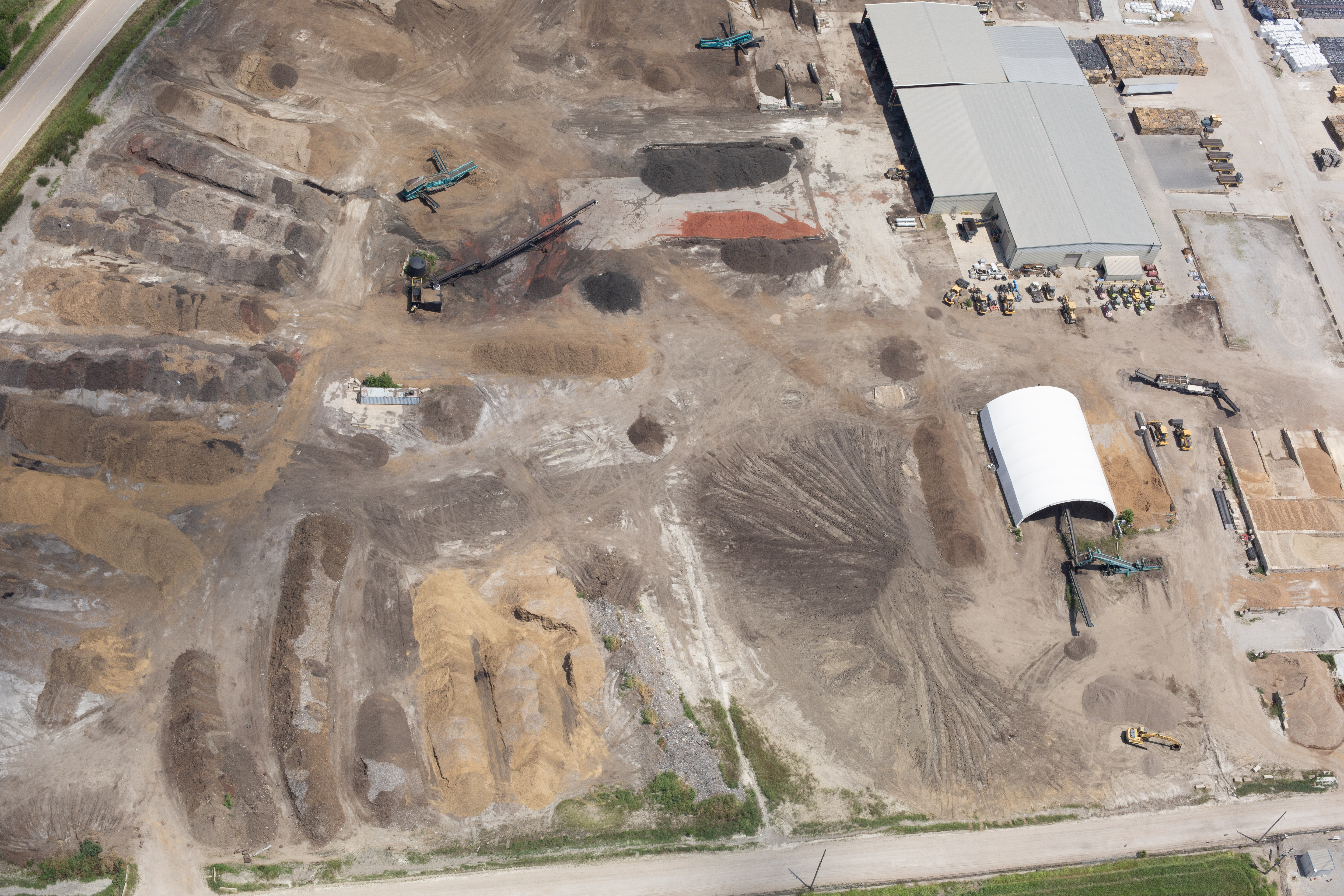
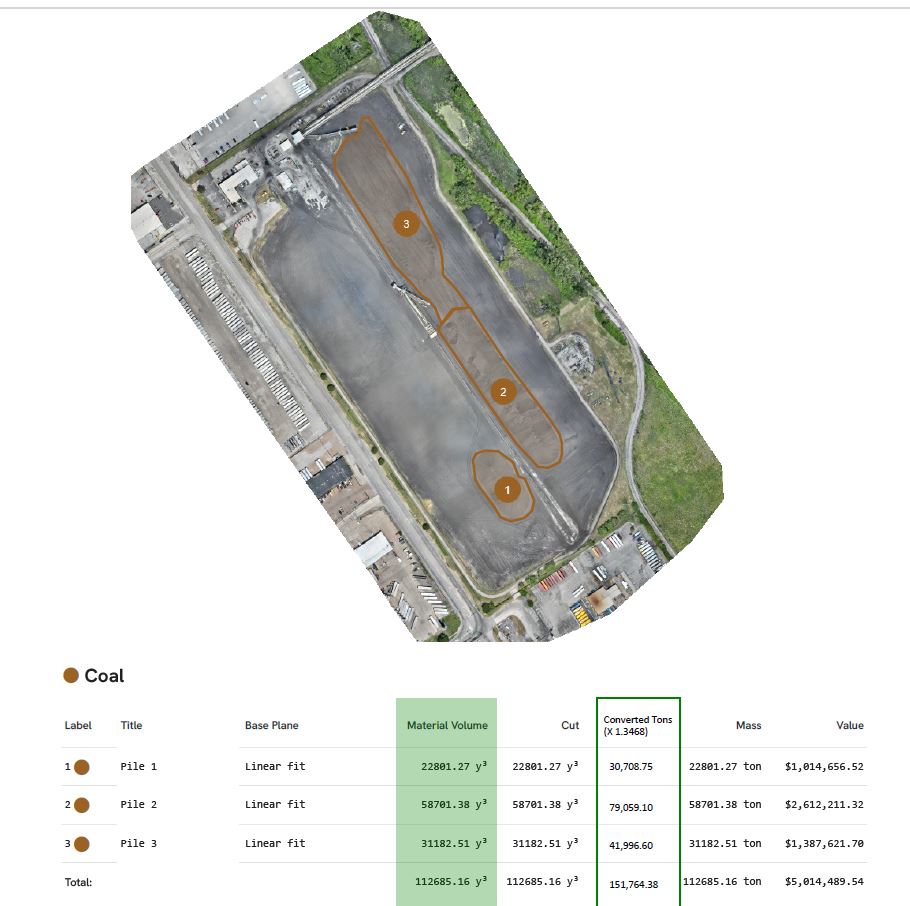
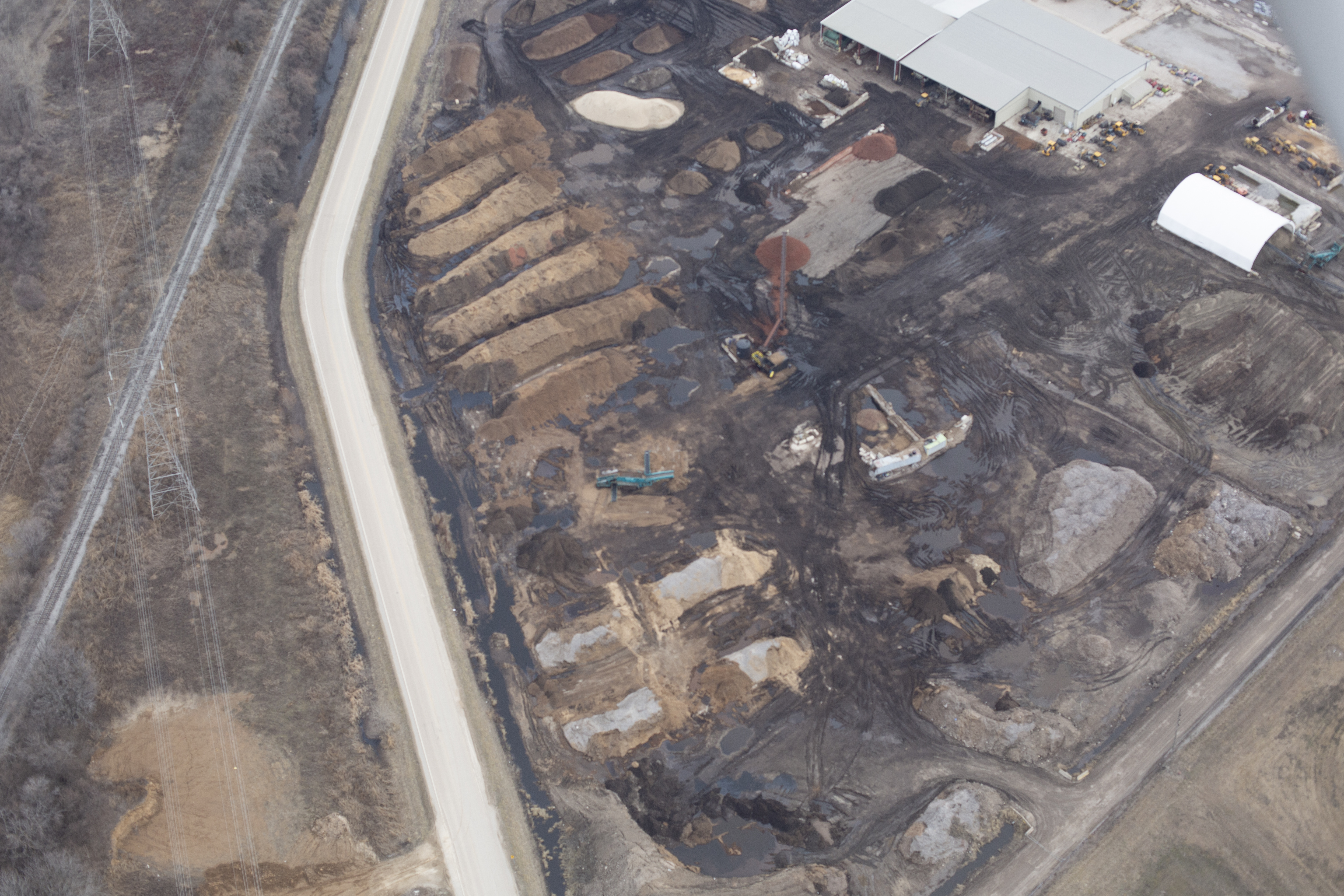
For construction sites, land-development teams, civil planners, engineers, and infrastructure stakeholders in St. Louis, LiDAR can support topographic documentation, corridor mapping, grading analysis, stockpile measurement, route planning, and terrain modeling. It is especially useful where surface complexity, vegetation, or site scale make traditional documentation methods slower or less efficient.

LiDAR data can help organizations better understand the physical reality of a site before design, during construction, or after project completion. It can support decision-making with measurable outputs rather than broad visual impressions. That is particularly important when project teams need dependable terrain information, surface elevation data, or 3D spatial context to inform planning and reporting.

LiDAR Applications for St. Louis Businesses and Organizations

Across the St. Louis area, LiDAR drone services can serve construction firms, developers, engineering groups, municipalities, utility operators, industrial property owners, and organizations responsible for large land tracts or facilities. A construction team may need recurring site documentation to monitor grade progress, drainage paths, material movement, or staging changes. A municipality may need mapping support for infrastructure corridors or property analysis. A developer may want a clearer understanding of the site before planning improvements. Industrial operators may need measurable documentation of large outdoor properties, storage yards, or operational spaces.

LiDAR can also be extremely useful in producing visuals that serve more than one department. Operations may need the measurements. Engineering may need the terrain model. Marketing may need branded visual assets that show the project scale and technical sophistication. Leadership may need presentation-ready graphics that explain what is happening on the site. When the drone provider understands both technical acquisition and media production, the resulting deliverables can be much more useful across the organization.

That cross-functional value is one of the most overlooked advantages of professional drone work.

Thermal and LiDAR Are Not Just for Inspection Teams

A common mistake is to think of thermal and LiDAR drones only as engineering or maintenance tools. In reality, these services can also strengthen communications, business development, documentation, and brand positioning. For example, a company involved in construction, utilities, logistics, industrial services, commercial real estate, or facility management can use drone-collected thermal or LiDAR-supported visuals in proposals, case studies, presentations, website content, recruiting materials, investor communications, and internal reporting.
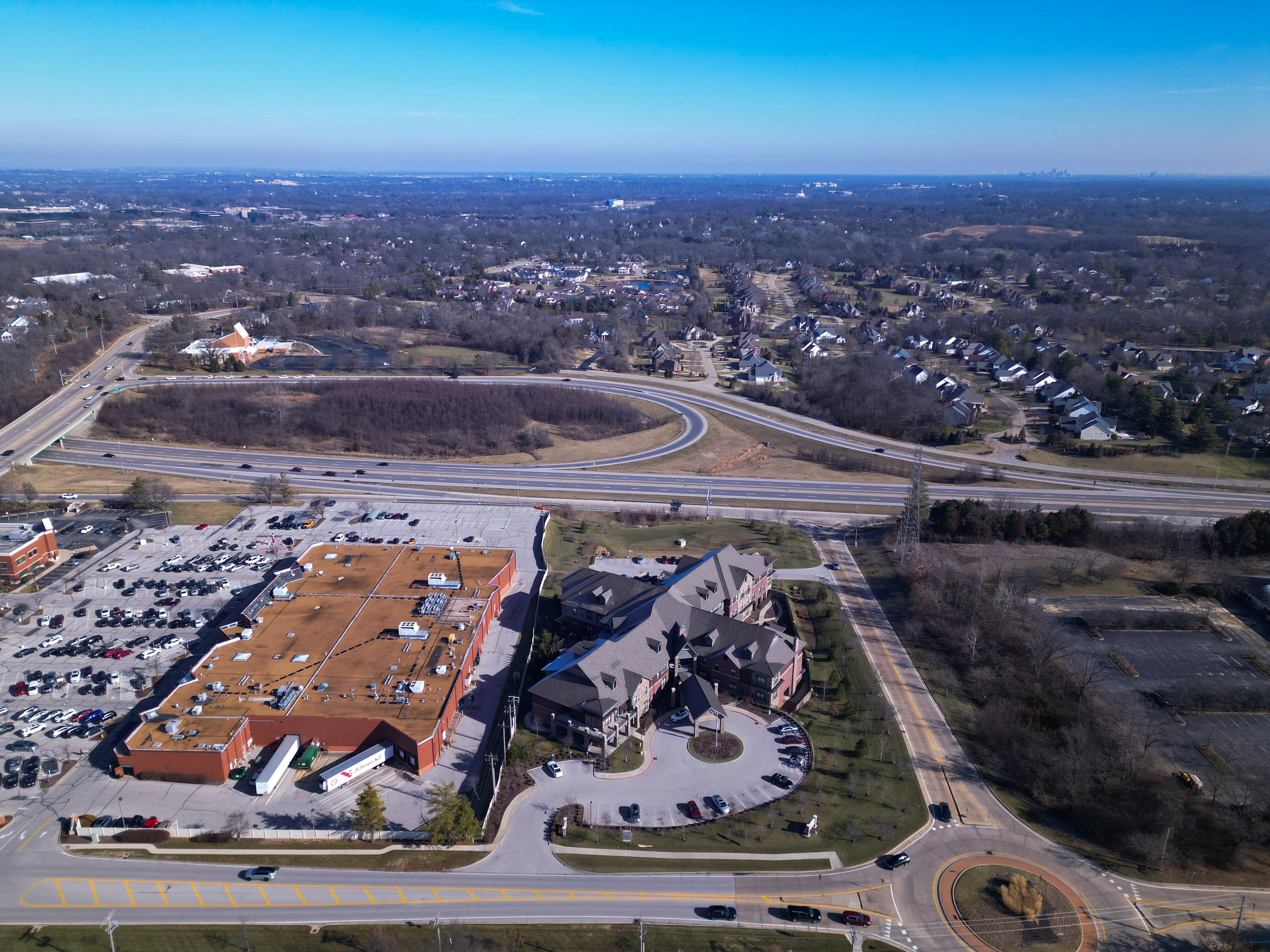
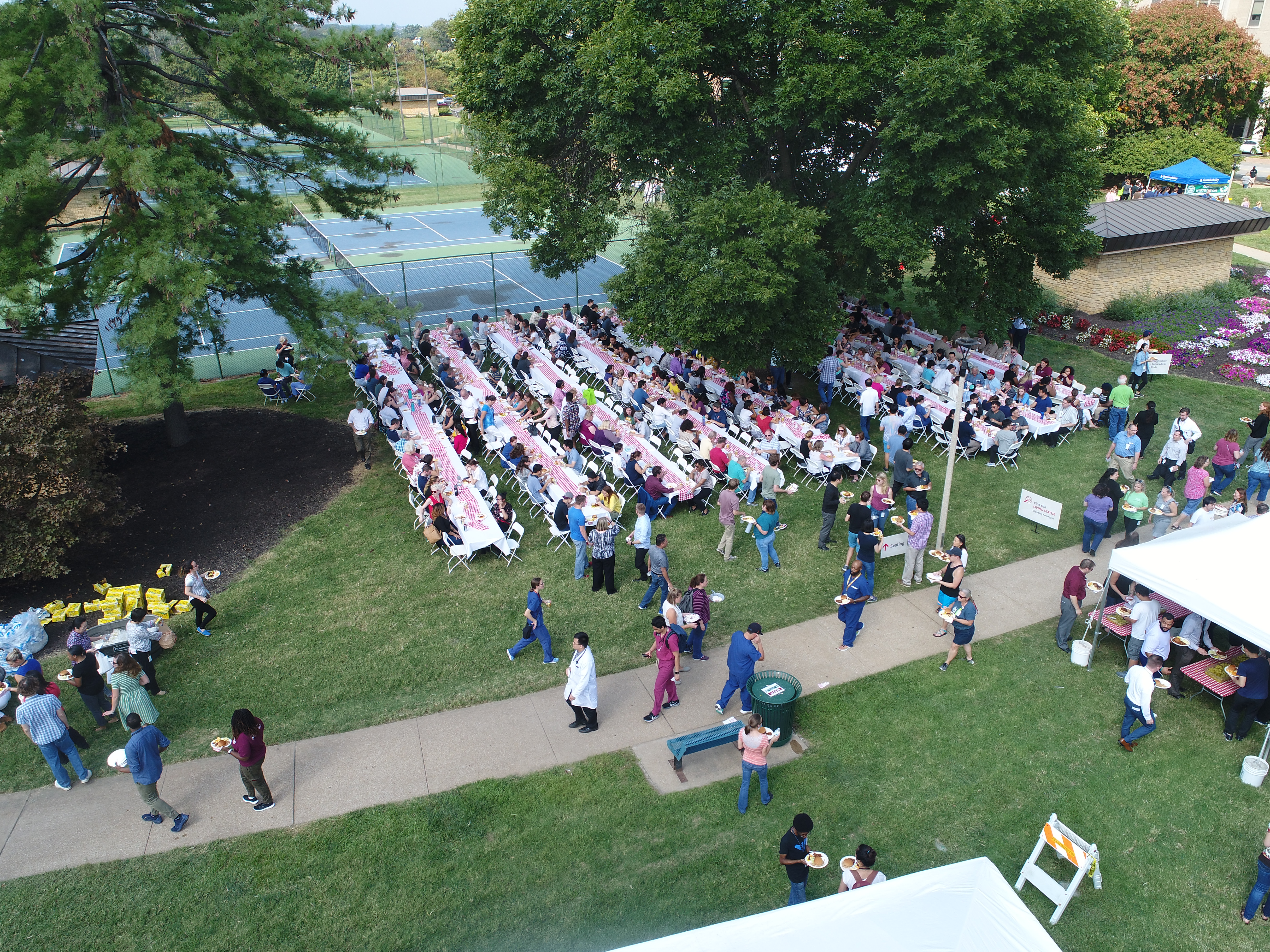
Today’s organizations need content that does more than look good. They need content that explains capability, proves process, and supports trust. Advanced drone imaging can help do that. A visually strong case study showing thermal roof analysis, infrastructure monitoring, site measurement, or terrain mapping immediately communicates technical competence. For companies selling complex services, that kind of content can be a genuine marketing asset.

This is where the line between technical capture and visual storytelling becomes especially important. The best drone production teams do not simply gather data. They help shape that information into usable media.

Choosing the Right Drone Production Partner

When evaluating drone providers for thermal and LiDAR work in St. Louis, organizations should look beyond whether a company merely owns the equipment. Hardware matters, but experience matters more. Successful thermal and LiDAR projects depend on mission planning, site understanding, safety awareness, regulatory compliance, environmental judgment, capture timing, sensor handling, and post-production workflow. The provider should be able to discuss not just the flight, but the purpose of the flight, the intended output, the end user, and how the deliverables will be used.

That includes understanding file compatibility, data handoff, media formatting, editing requirements, stakeholder presentation needs, and downstream production uses. A company may need raw data, processed visuals, edited video, still images, overlays, marketing-ready presentations, or repurposed content for multiple platforms. A capable team should be prepared to support that full spectrum.

It is also important to work with a provider that understands the business context behind the flight. A facilities team needs something different than a marketing department. An engineer needs something different than a brand manager. A creative agency needs something different than a contractor or municipal client. The right production partner knows how to adapt the approach accordingly.

The Value of Combining Technical Drone Capture with Media Expertise

One of the greatest advantages of working with an experienced video and photography production company for thermal and LiDAR drone work is that the project does not end with raw capture. Instead, the technical content can be integrated into broader communication and marketing strategies.

That means thermal imagery can be paired with standard aerial footage, ground-based video, interviews, graphics, narration, animations, and edited case-study content. LiDAR-driven site visuals can be incorporated into project updates, investor decks, website banners, branded presentations, sales materials, and recruitment campaigns. A single capture session can often support operations, engineering, sales, and marketing at the same time.

For organizations trying to maximize return on production spending, that is a major advantage. Instead of commissioning one vendor for inspection imagery, another for corporate video, and another for marketing visuals, it can be far more efficient to work with a team that understands both the technical and creative sides of the work.

Why St. Louis Organizations Are Expanding Their Use of Drone Technology

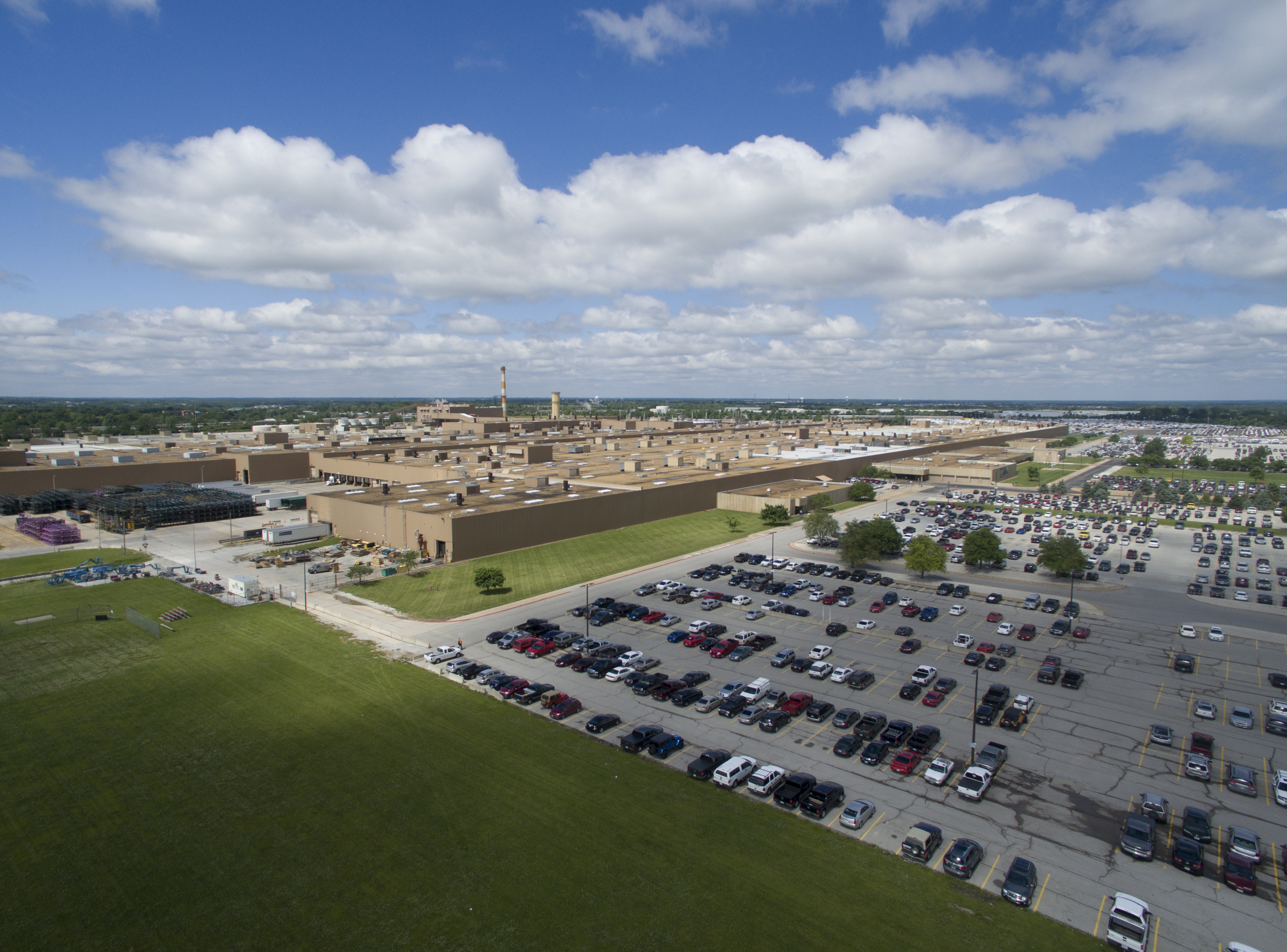
The St. Louis region includes a broad mix of industrial properties, corporate campuses, logistics sites, transportation networks, manufacturing facilities, construction projects, institutions, and commercial real estate. Many of these environments are large, operationally active, or difficult to fully understand from the ground. Drone-based thermal and LiDAR services help decision makers capture clearer information while reducing guesswork and improving visual communication.

They also fit the reality of modern business. Teams need faster assessments, stronger visuals, better documentation, and assets that can be reused across departments. Drones support all of that when deployed with purpose and experience. For businesses that want to improve inspections, strengthen planning, support facility decisions, or create more compelling visual communications around technical work, thermal and LiDAR drone services represent a smart and increasingly practical investment.

Experienced Thermal and LiDAR Drone Production in St. Louis

At St Louis Video Production Studio, we understand that advanced drone services must do more than create interesting visuals. They need to deliver meaningful results for businesses and organizations that depend on clear information, dependable production, and professional execution. As a full-service professional commercial photography and video production company, we bring the right equipment, creative crew, and service experience for successful image acquisition.

St Louis Video Production Studio offers full-service studio and location video and photography, as well as editing, post-production, and licensed drone services. We can customize your productions for diverse types of media requirements, whether you need technical aerial capture, polished marketing visuals, presentation-ready deliverables, or multi-use content that supports operations and communications alike. Repurposing your photography and video branding to gain more traction is another specialty, and we are well-versed in all file types, styles of media, and accompanying software. We also use the latest in Artificial Intelligence for all our media services.

Our private studio lighting and visual setup is perfect for small productions and interview scenes, and our studio is large enough to incorporate props to round out your set. We support every aspect of your production, from setting up a private, custom interview studio to supplying professional sound and camera operators, as well as providing the right equipment, ensuring your next video production is seamless and successful. We can fly our specialized drones indoors. Since 1982, St Louis Video Production Studio has worked with many businesses, marketing firms, and creative agencies in the St. Louis area for their marketing photography and video.

For organizations looking at drones for thermal and LiDAR in St. Louis, experience matters. The right partner helps you gather the images, data, and media assets you need, then turns them into deliverables that are useful, professional, and aligned with your broader goals. That is the level of production St Louis Video Production Studio is built to provide.

Rob Haller 314-604-6544

saintlouismostudios@gmail.com

Cost-Efficient Video and Photography Studio in St. Louis: How Smart Production Systems Cut Spend Without Cutting Quality

If you’re responsible for marketing outcomes, the real question isn’t, “How much does a video cost?” It’s:

How reliably can we produce on-brand content, at speed, with predictable approvals—without burning budget on reshoots, revisions, and one-off deliverables?

A cost-efficient video and photography studio is not the lowest bidder. It’s the team that runs production like a system: clear pre-production, controlled execution, and post-production workflows designed for repurposing across channels. That’s how you protect both your budget and your brand.

Below is a field-tested framework decision makers can use to evaluate—and consistently win with—cost-efficient production in St. Louis.


Cost-efficient doesn’t mean “cheap”—it means “low waste per finished asset”

The hidden cost drivers in content production are almost always operational:

  • unclear messaging that forces re-editing
  • noisy locations that destroy audio
  • inconsistent lighting that breaks continuity
  • missing coverage that requires pickups
  • deliverables created for one channel only
  • unstructured review cycles with conflicting feedback

A cost-efficient studio reduces waste by engineering the process around repeatable outcomes.


The highest ROI move: design deliverables first, then shoot backward

Most production waste starts with a backwards workflow: people shoot “what feels right,” then try to force it into social, web, paid, and sales afterward.

A cost-efficient plan starts with a deliverable map, such as:

  • Hero video (brand narrative, campaign centerpiece)
  • 30–60s cutdowns for paid and web
  • 15s versions for social and retargeting
  • vertical edits for mobile-first placements
  • short clips for ads, email, LinkedIn, and reels
  • stills and thumbnails pulled from footage
  • b-roll library that can be reused for months

When you define outputs up front, you create a shot list that guarantees coverage—and eliminates “we didn’t get what we need” problems.


Pre-production is where you buy speed, protect budget, and prevent reshoots

Decision makers often underestimate pre-production because it’s not cinematic. But it’s the most controllable variable in cost and timeline.

Cost-efficient pre-production includes:

1) A brief that’s built for approvals

  • single objective (not five)
  • primary audience + secondary audiences
  • key message hierarchy (what must be said vs. nice to have)
  • proof points (data, outcomes, differentiators)
  • CTA and where it lives (end card, VO, on-screen text, caption)

2) Interview architecture that edits cleanly

Good interview planning prevents long, repetitive edits. It assigns topics to speakers, avoids overlap, and produces soundbites that convert.

3) Location and set control

Cost-efficient doesn’t mean “anywhere.” It means choosing spaces that reduce:

  • ambient noise
  • poor acoustics
  • foot traffic interruptions
  • lighting inconsistencies
  • power and staging problems

When you control variables, you reduce time-on-set and reduce post fixes.


Studio vs. location: pick control when you need consistency

A cost-efficient studio environment typically wins when you’re producing:

  • executive messaging
  • testimonials
  • recruiting and culture features
  • training and internal comms
  • product or service explainers
  • repeated content series (monthly/quarterly)

Studios are cost-efficient because they:

  • shorten setup time
  • stabilize lighting and sound
  • enable batch production (multiple interviews in one day)
  • maintain consistent brand look across campaigns

Location production is essential for authenticity and proof (operations, scale, real-world context). The efficient strategy is often hybrid:

  • studio for messaging and interviews
  • location for targeted b-roll and environment shots

Lighting: the fastest way to make content look expensive (without spending like it)

Lighting is not a “nice-to-have.” It’s one of the strongest determinants of perceived quality.

Cost-efficient lighting setups:

  • shape faces and reduce retouching time
  • create depth and separation (premium feel)
  • keep continuity across multiple shoot days
  • reduce time spent “fixing” in color

A studio built for controlled lighting is one of the most practical advantages you can buy—because it protects time and produces repeatable brand visuals.


Audio: the most common production failure—and the least economical to fix later

If your content includes people speaking, audio is the product.

Bad audio drives costs through:

  • longer edit hours
  • attempts at repair (often limited)
  • re-recording or pickups
  • slower approvals because stakeholders “feel” it’s amateur

Cost-efficient production treats audio with intent:

  • proper mic strategy (and redundancy)
  • controlled environments
  • clean recording levels
  • proactive noise management

This is one of the simplest ways to keep budgets predictable.


Post-production is where cost-efficient studios separate themselves

If production is the acquisition, post is where you either:

  • deliver a clean set of platform-ready assets quickly, or
  • bleed time in endless revisions and “can we also…” requests.

Cost-efficient post-production is a structured workflow:

Milestones that keep reviews tight

  • story outline / edit plan
  • assembly cut
  • fine cut
  • color + audio polish
  • versions (lengths, ratios, captions)
  • final exports and handoff

Feedback consolidation

One owner. One channel. One set of notes per round. That alone can cut revision time dramatically.

Versioning and packaging

Efficiency comes from templates, consistent motion design, predictable export specs, and systematic naming conventions—so your team can deploy assets without friction.


Repurposing: the cost-efficient multiplier most teams leave on the table

The easiest way to waste money is to treat each platform like a new project.

Cost-efficient studios plan for repurposing at the shoot level:

  • framing that supports horizontal and vertical crops
  • intentional “headline lines” and micro soundbites
  • capture of transitions, inserts, and clean action loops
  • b-roll that matches what’s being said (editable proof)
  • still frames designed for web and sales decks

One well-planned shoot can fuel:

  • your website refresh
  • paid campaigns
  • sales enablement
  • recruiting
  • internal comms
  • trade show playback
  • email marketing

That’s cost efficiency: more usable outputs per production day.


AI: speed gains are real—when applied to the right tasks

AI can meaningfully improve cost efficiency in production when used to accelerate work you already need to do, such as:

  • faster transcript-based selects and story assembly
  • quick caption creation and formatting
  • rapid versioning for different audiences or platforms
  • search and retrieval across archived footage
  • targeted cleanup workflows (used with discretion)

The smart approach: AI supports the pipeline, while human operators protect messaging, legal risk, and brand tone.


Indoor drones: a production-value upgrade when used with purpose

Indoor drone work can be a cost-efficient way to capture:

  • facility walkthroughs
  • operational scale
  • dynamic transitions
  • “movement” shots that would otherwise require more rigging

But it must be planned and executed safely and intentionally. When done right, indoor drone footage can increase production value without inflating production time.


What to ask when evaluating a “cost-efficient” studio partner

If you want predictable outcomes, ask for operational clarity:

  • How do you structure pre-production to prevent reshoots?
  • What’s your audio plan, and what redundancies do you use?
  • How do you design shoots for repurposing across channels?
  • What does your review cycle look like, and how is feedback consolidated?
  • Can you deliver platform-ready versions (lengths, ratios, captions) as part of the workflow?
  • How do you manage files, formats, and handoff for internal teams?

The best studios can answer these questions without hesitation—because they run a system.


Why St Louis Video Production Studio is built for cost-efficient, high-impact content

At St Louis Video Production Studio, cost efficiency isn’t a buzzword—it’s a workflow refined through decades of real-world client demands. As a full-service video and photography production corporation since 1982, we’ve worked with many businesses, marketing firms, and creative agencies throughout the St. Louis area, delivering marketing photography and video built for performance, consistency, and reuse.

We’re a full-service professional commercial photography and video production company with the right equipment and creative crew service experience for successful image acquisition. We offer full-service studio and location video and photography, plus editing, post-production, and licensed drone capabilities. St Louis Video Production Studio can customize your productions for diverse media requirements, and repurposing your photography and video branding to gain more traction is one of our specialties.

We’re well-versed in all file types, media styles, and accompanying software—and we use the latest in Artificial Intelligence across our media services to accelerate workflows while keeping creative control and brand standards intact. Our private studio lighting and visual setup is perfect for small productions and interview scenes, and our studio is large enough to incorporate props to round out your set.

We support every aspect of your production—from setting up a private, custom interview studio to supplying professional sound and camera operators, and providing the right equipment—ensuring your next video production is seamless and successful. We can also fly our specialized drones indoors when the shot calls for it.

If you need a studio partner that protects budget by eliminating waste—while still delivering premium, platform-ready assets—St Louis Video Production Studio is built for exactly that.

314-604-6544

saintlouismostudios@gmail.com

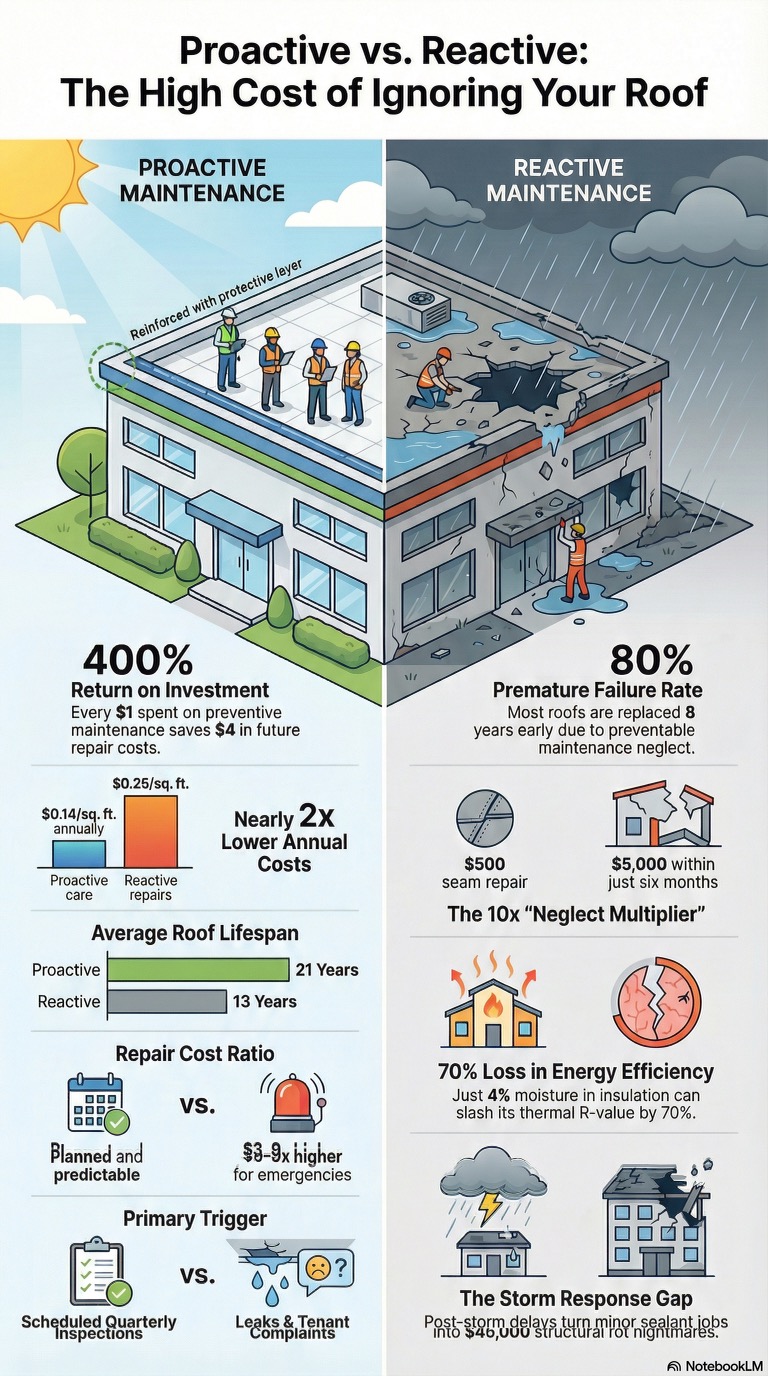
Stop Wasting Repair Dollars: How Drone Thermal Checks Turn Maintenance into Measured ROI

Unplanned repairs will blow up a facilities budget faster than almost anything else.

A roof leak that went unnoticed for a season becomes a mold remediation project. A tiny failure in a steam line becomes a shutdown. A small gap in a façade lets water in, and suddenly you’re dealing with rust, spalling and emergency scaffolding.
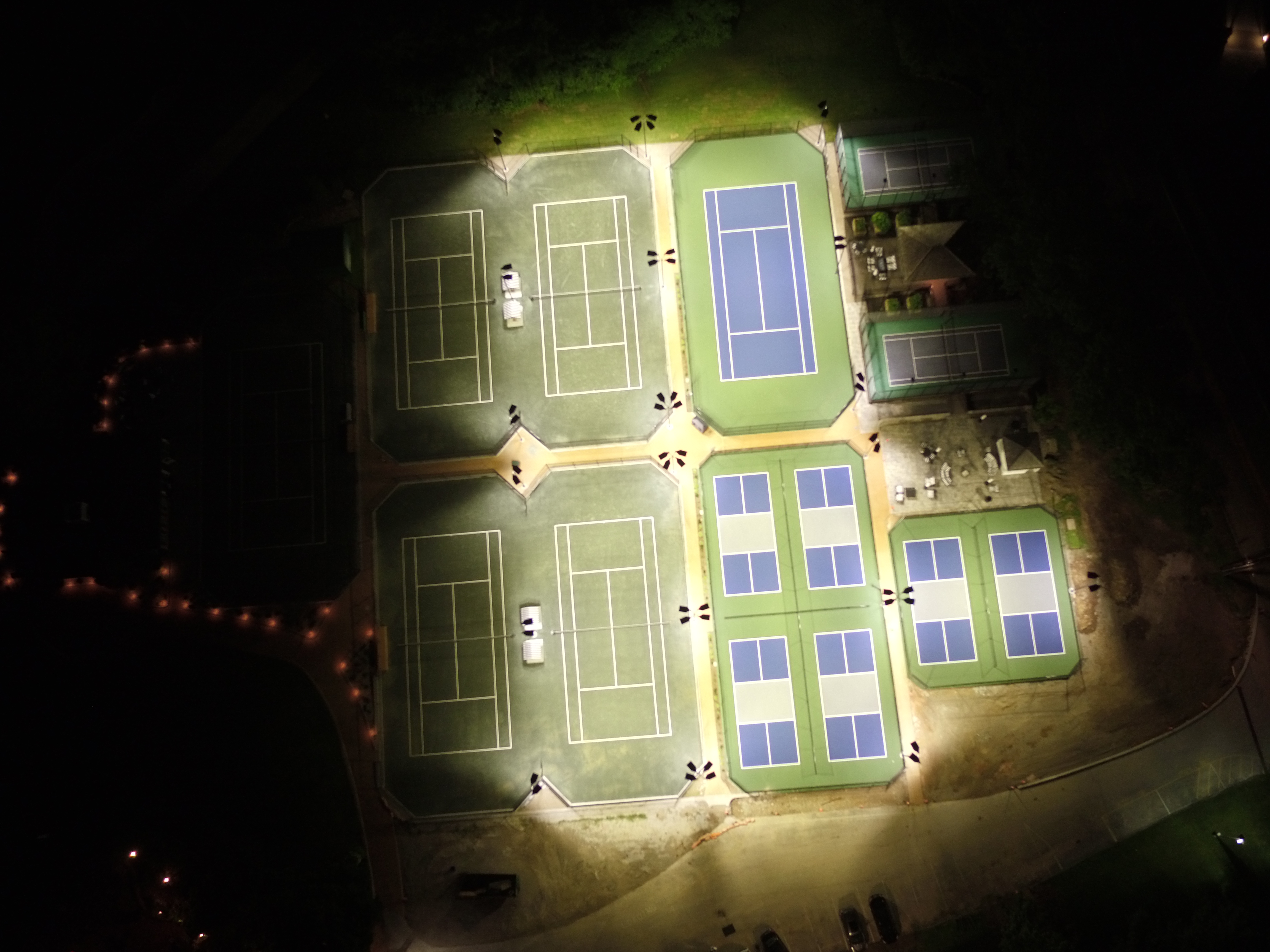
Most of the cost isn’t just the repair itself. It’s:

  • Paying emergency rates instead of planned maintenance pricing
  • Collateral damage to interiors, finishes and equipment
  • Downtime and disruption to operations and tenants
  • The cost of access – scaffolding, lifts, staging, permits, safety setups

Drone-based thermal checks give you a way to flip that script. Instead of paying to fix what finally becomes visible, you use aerial thermography to quietly and systematically find issues early—while they’re still cheap to solve.

Think of it as preventive medicine for roofs, façades and infrastructure, with visual proof you can put in front of a CFO, board, or risk committee.


What Exactly Is a Drone Thermal Check?

At its core, a drone thermal check is a non-invasive, aerial thermographic survey of your building envelope and critical infrastructure.

A specialized drone equipped with a radiometric thermal camera and a high-resolution visual camera:

  • Flies precise, pre-planned patterns over roofs, façades, and key exterior assets
  • Captures thermal images that show temperature differences (hot and cold spots)
  • Records matching visual imagery so your team can see exactly what’s physically there

When analyzed properly, these thermal images reveal:

  • Heat escaping where insulation is damaged or missing
  • Moisture-saturated roof insulation that looks fine to the naked eye
  • Faulty seals around roof penetrations, parapets, windows and doors
  • Overheating mechanical components, steam lines, or electrical gear

The output is a map of risk and opportunity – clear visuals that tell you where to spend your maintenance dollars first for the greatest return.


Why Traditional Inspections Cost You More Than You Think

Facility leaders know what it takes to inspect a large site the “old way”:

  • Multiple technicians walking roofs with handheld cameras
  • Lifts or scaffolding rented to reach upper façades
  • Spot checks and guesswork on where to cut or core-sample
  • Re-inspections after repairs for verification

Each of those steps has a direct cost: labor, rentals, safety setups, permits, disruption. But the indirect costs are just as important:

  • Limited coverage – you never truly see the entire envelope
  • Human fatigue and missed issues – especially on large roofs or multiple buildings
  • Slow data collection – which delays decisions and repair scheduling
  • Inconsistent documentation – making it harder to compare conditions year over year

Drone thermal checks compress that entire process into a faster, safer, and more complete survey—often in a fraction of the time and cost.


Five Ways Drone Thermal Checks Save Cash on Repairs

Let’s talk about where the real savings come from, not just the “cool factor” of aerial footage.

1. Find Problems Before They Become Emergencies

The cheapest roof leak to fix is the one you never see inside the building.
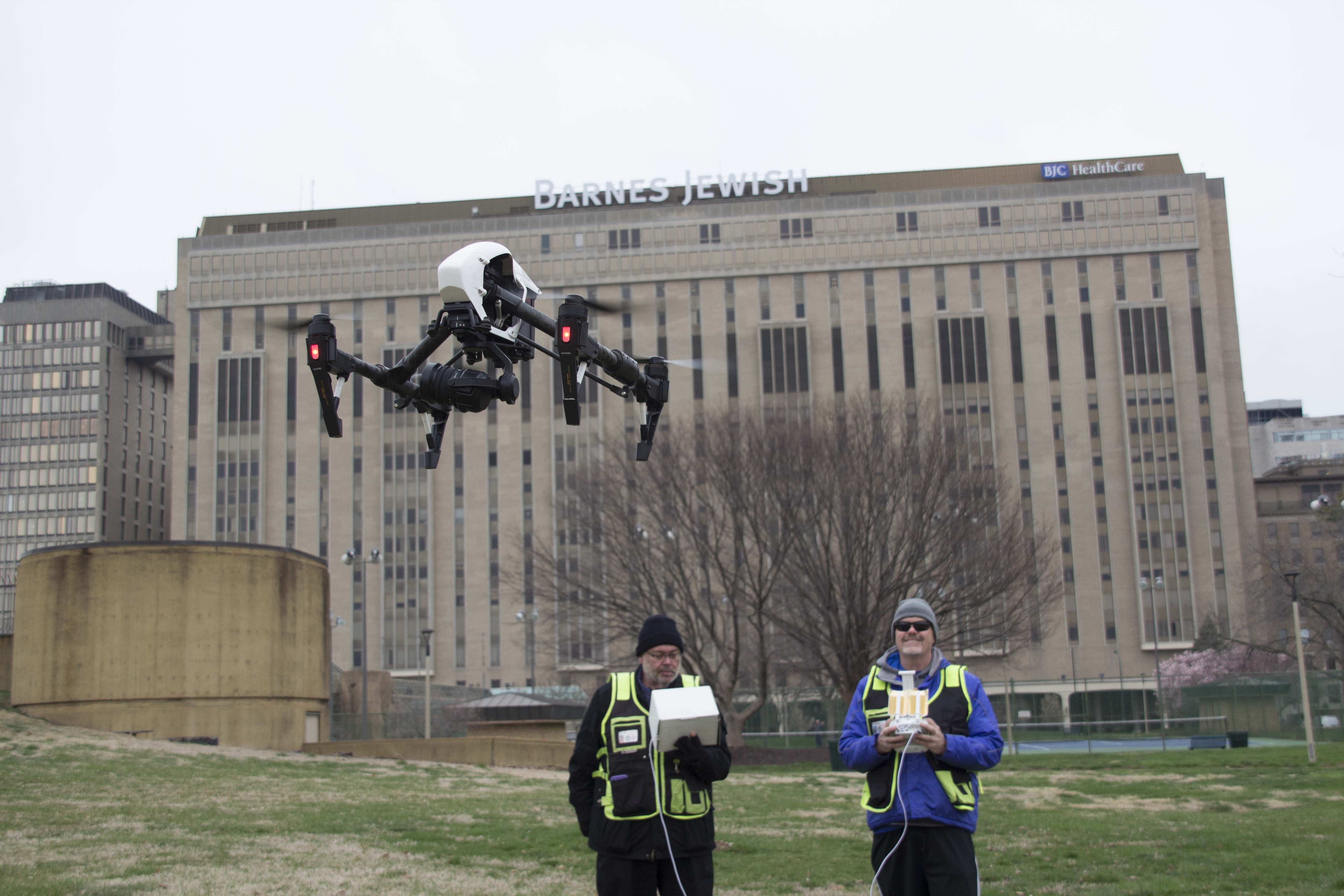
Thermal imagery can reveal:

  • Wet insulation under a membrane long before staining or mold appears
  • Compromised seams and flashings that are starting to fail
  • Small warm spots where conditioned air is leaking out

By catching these early, you turn:

“We have an emergency leak; get someone here tonight.”

into:

“We know exactly which 3 sections of roof need work in Q3. Let’s bundle that into a planned capital project.”
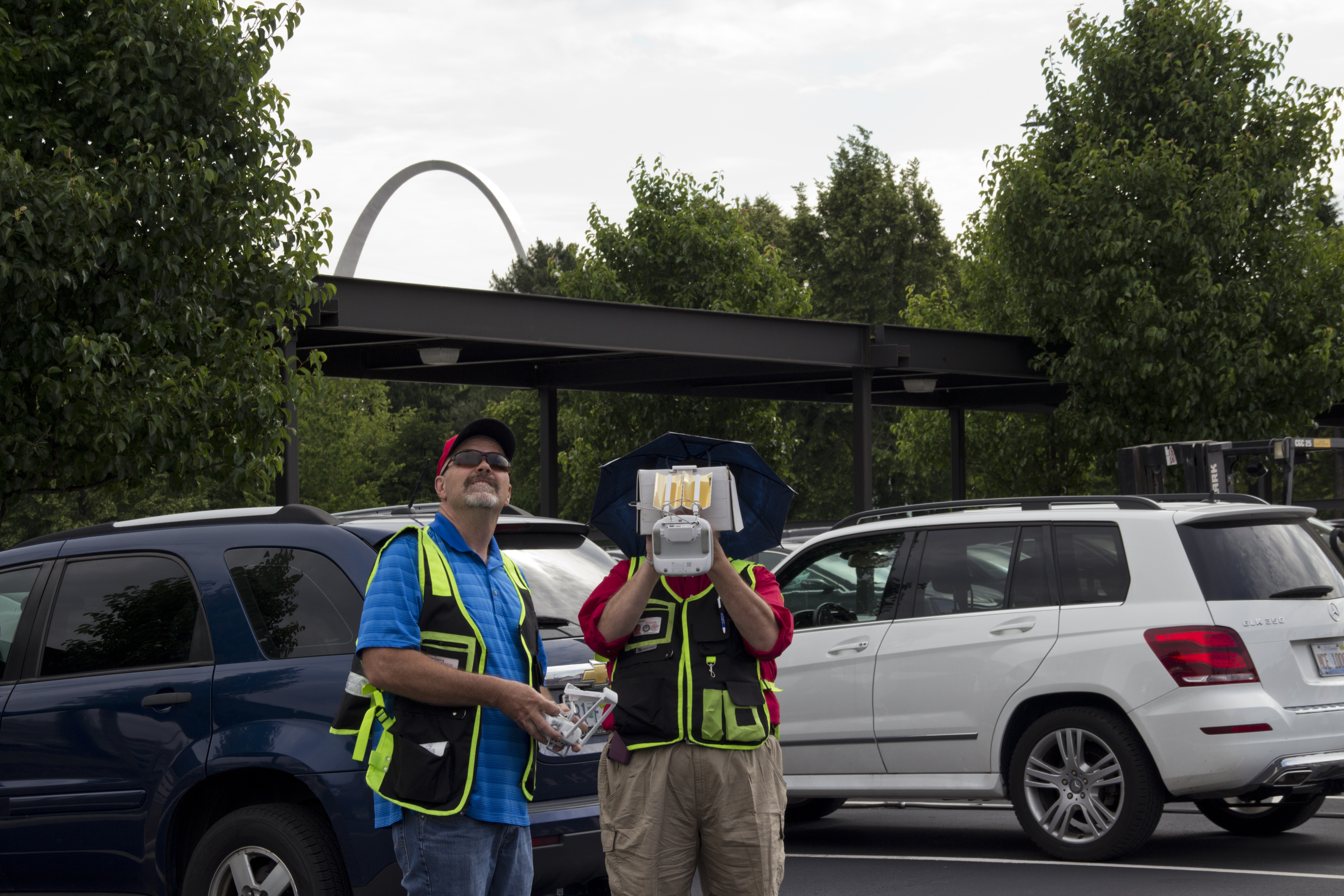
The difference in cost, disruption, and risk is enormous.


2. Prioritize Repairs with Data, Not Gut Feel

Most portfolios can’t afford to “fix everything at once.” Drone thermal checks help you:

  • Rank issues by severity and risk
  • Distinguish between nuisance anomalies and critical failures in progress
  • Plan multi-year budgets around hard visual evidence, not general rules of thumb

This prioritization prevents overspending on low-risk areas while high-risk problems quietly get worse.


3. Reduce Destructive Testing and Rework

Without thermal guidance, testing often goes like this:

  1. Guess where the problem is.
  2. Cut or core-sample.
  3. If wrong, repeat in a new spot.

Each cut costs money. Each wrong guess adds up.

Thermal checks allow you to:

  • Target cuts exactly where anomalies show up
  • Validate moisture patterns before you open the roof
  • Minimize patching and rework

Fewer cuts, fewer surprises, fewer hours billed.


4. Lower Access and Safety Costs

Every time you bring people to height, you pay for it—lifts, railings, scaffolding, fall protection, training, insurance exposure.

With drone thermal checks:

  • Most of the work is done from the ground
  • Flights cover broad areas quickly
  • High-risk, hard-to-reach sections can be inspected with no one leaving the ground

You still bring in crews where needed—but now it’s surgical, not exploratory.


5. Use Visual Proof to Get Better Bids and Better Coverage

Clear thermal and visual documentation is powerful leverage:

  • For bidding
    • You can provide contractors with annotated imagery pinpointing each problem area
    • They quote based on specific, documented conditions instead of vague “roof is old” descriptions
    • You get more accurate, competitive bids—and fewer change orders
  • For insurance and risk management
    • You show that you’re proactively assessing and managing building envelope risk
    • Post-event flights (after hail, wind, or major weather) provide before/after evidence
    • Claims and coverage discussions become less subjective and more data-driven

In both cases, the drone thermal check acts as a visual audit trail that supports every decision you make.


Where Drone Thermal Checks Deliver the Biggest ROI

Commercial Roofs

  • Big-box retail, warehouses, logistics hubs, manufacturing, education campuses
  • Large flat or low-slope roofs with multiple penetrations and complex drainage
  • Facilities that can’t afford leaks in production areas, data centers, or critical spaces

Corporate and Institutional Campuses

  • Office towers and mixed-use complexes
  • Hospitals and research facilities
  • Universities and government properties

Regular drone thermal checks across a campus create a portfolio-wide heat map of risk. That’s board-level capital planning material.

Industrial and Utility Infrastructure

  • Steam lines and tunnels
  • Heat exchangers and processing equipment
  • Mechanical yards and rooftop units

Overheated components, steam leaks, and insulation gaps all show up quickly on properly captured thermal imagery.


Turning Technical Checks into Executive-Ready Visual Storytelling

The drone flight is just the starting point. The real value—especially for marketing and leadership audiences—comes from how that data is presented.

A seasoned production team can turn raw capture into:

  • Short explainer videos
    • Narrated walkthroughs of key findings
    • Animated overlays comparing thermal and visual imagery
    • Clear calls to action tied to repair priorities and budget windows
  • Executive slide decks and visual reports
    • High-quality stills with annotations and labels
    • Before/after comparisons that validate completed work
    • Simple, visual summaries that tie issues to business impact
  • ESG and sustainability content
    • Visual proof of energy-efficiency improvements
    • Storylines around proactive stewardship of assets
    • Media that marketing and communications can repurpose across web, social and investor-facing channels

When thermal checks are integrated with professional video and photography production, you’re not just “saving on repairs”—you’re building reusable content that supports operations, compliance, brand and stakeholder confidence.


The Role of AI in Modern Drone Thermal Inspections

AI is quietly transforming how we extract value from drone and thermal data:

  • Automated anomaly detection – quickly flagging hot and cold spots that deserve human review
  • Pattern recognition over time – comparing past and current flights to see how issues are evolving
  • Smart editing and versioning – rapidly creating different cuts of footage and reports for operations, finance, and marketing teams

When your production partner is fluent in both imaging and AI-driven post-production, you end up with:

  • Faster turnaround from flight to decision
  • More consistent documentation across inspections
  • Sharper, more polished visuals that are easy for stakeholders to understand and act on

Partner with St Louis Video Production Studio for Drone Thermal Checks That Actually Save You Money

St Louis Video Production Studio is an experienced, full-service professional commercial photography and video production company with the right equipment and creative crew service experience for successful image acquisition—on the ground and in the air.

We offer full-service studio and location video and photography, as well as editing, post-production and licensed drone pilots. St Louis Video Production Studio can customize your productions for diverse types of media requirements—technical inspection reports, internal training, executive briefings, and public-facing marketing pieces.

Repurposing your photography and video branding to gain more traction is another specialty. We are well-versed in all file types, media styles and accompanying software, and we use the latest in Artificial Intelligence for all our media services—from enhancing thermal imagery and overlay graphics to producing multiple tailored edits from the same source material.

Our private studio lighting and visual setup is perfect for small productions and interview scenes, and our studio is large enough to incorporate props to round out your set. We support every aspect of your production—from setting up a private, custom interview studio to supplying professional sound and camera operators, as well as providing the right equipment—ensuring your next video production is seamless and successful.

For specialized applications, we can even fly our specialized drones indoors, where appropriate and safe, to capture unique perspectives in large interior spaces, industrial environments, or controlled inspection settings.

As a full-service video and photography production corporation since 1982, St Louis Video Production Studio has partnered with many businesses, marketing firms and creative agencies in the St. Louis area for their marketing photography and video. If you’re ready to save cash on repairs using drone thermal checks—and turn those insights into clear, compelling visuals your stakeholders can act on—our team is ready to help.

Rob Haller 314-604-6544

saintlouismostudios@gmail.com

The Power of Micro-Content from Recorded Sessions

Decision-makers responsible for their organization’s video production and marketing strategy are constantly seeking more effective ways to educate their teams and clients. The solution isn’t to stop recording your valuable training sessions—it’s to reimagine how you use the footage.

As experienced producers, videographers, and editors, we know that a single, hour-long recorded training session is a goldmine waiting to be refined. The key strategy for maximizing this asset is repurposing it into shorter, focused video clips, often referred to as “micro-content.” This method transforms a dense, one-time viewing experience into a versatile, digestible, and highly effective learning tool.


Why Shorter Clips Deliver Better Results

The move from long-form video to micro-content is driven by fundamental principles of modern digital consumption and learning science.

1. Boosted Engagement and Retention

Attention spans are shorter than ever. A dense 60-minute video can feel like a chore. By contrast, a two-to-five-minute clip focusing on a single topic, like “The Five Steps for Onboarding a New Client” or “How to Troubleshoot System X,” is instantly more appealing.

  • Targeted Learning: Viewers can quickly find and absorb only the information they need at that moment, increasing practical application.
  • Cognitive Load Reduction: Breaking down complex information into smaller chunks reduces the mental effort required, leading to better memory retention.

2. Versatility in Distribution

A lengthy training video typically lives in one spot: your Learning Management System (LMS). Shorter clips, however, are marketing chameleons.

  • Internal Communication: Easily embed clips into internal emails, team collaboration platforms (like Slack or Teams), or project management tools for just-in-time training.
  • External Marketing: Repurpose compliance, safety, or basic how-to segments into branded content for social media (LinkedIn, Instagram Reels) or your company website to showcase your expertise.
  • Hybrid Training: Use the micro-clips as pre-work assignments, allowing valuable in-person time to be dedicated to discussion and Q&A.

3. Increased Longevity and Searchability

When you break a training video into its constituent parts, you’re not just creating shorter videos—you’re creating structured, searchable knowledge assets.

  • Quick Updates: If one small detail in a procedure changes, you only need to update the two-minute clip covering that procedure, not re-record the entire hour-long training.
  • SEO Value: Each clip can be optimized with its own title, description, and keywords, making it easier for team members or prospects to find the precise solution they need via internal search or Google.

The Process: Turning Raw Footage into Polished Assets

This is where the expertise of a full-service production partner becomes invaluable. The transformation requires skilled editing, visual refinement, and an understanding of marketing objectives.

  1. Strategic Review & Outlining: We first review the full recording, identifying key thematic sections and marking the precise start and end times for each standalone concept.
  2. Precise Editing & Pacing: The goal is to remove all unnecessary fluff—long pauses, filler words, or transitional segments—to create a punchy, direct narrative for each clip.
  3. Visual Enhancement: Professional editing includes adding lower-third graphics, relevant on-screen text overlays, motion graphics, and B-roll footage to illustrate concepts and keep the viewer engaged.
  4. Branding Consistency: Each clip is finished with consistent color correction, professional sound sweetening, and your company’s branding elements (logo, intro/outro), ensuring a polished, professional look across all media.
  5. AI-Powered Optimization: Utilizing the latest in Artificial Intelligence allows us to quickly and accurately generate captions, transcripts, and alternative language voiceovers, further broadening the content’s reach and accessibility.

🌟 Your Full-Service Production Partner in St. Louis

For decision-makers seeking successful and strategic image acquisition, the process of turning raw footage into high-impact micro-content requires more than just software—it demands experience, the right gear, and creative insight.

St Louis Video Production Studio, a full-service professional commercial photography and video production company since 1982, offers the deep well of experience, the right equipment, and the creative crew service required for successful image acquisition.

  • Comprehensive Services: We offer full-service studio and location video and photography, as well as editing, post-production, and licensed drone pilots—even the ability to fly our specialized drones indoors.
  • Customization and Repurposing: We customize your productions for diverse types of media requirements, and we specialize in repurposing your photography and video branding to gain more traction. We are well-versed in all file types and styles of media and accompanying software, utilizing the latest in Artificial Intelligence for all our media services.
  • Professional Studio Space: Our private studio lighting and visual setup is perfect for small productions and interview scenes and is large enough to incorporate props to round out your set.
  • Seamless Production Support: We support every aspect of your production—from setting up a private, custom interview studio to supplying professional sound and camera operators, as well as providing the right equipment—ensuring your next video production is seamless and successful.

As a full-service video and photography production corporation, St Louis Video Production Studio has worked with many businesses, marketing firms, and creative agencies in the St. Louis area for their marketing photography and video needs, delivering expert results that drive business success.


 314-604-6544

saintlouismostudios@gmail.com

Breathe New Life into Your Training: Repurposing Old Safety Clips for Modern Impact

As decision-makers in photography, marketing, and video production, you understand the critical role visual content plays in effective communication. This is especially true when it comes to vital areas like employee safety training. Yet, many organizations find themselves with a library of outdated safety videos – clips gathering digital dust that, while once effective, now feel stale and perhaps even irrelevant to a modern workforce.
But what if those “old” clips weren’t obsolete at all? What if, with a strategic approach and a creative eye, you could breathe fresh life into them, transforming them into engaging, impactful training materials that resonate with today’s employees? At St. Louis Video Production Studio, we firmly believe in the power of repurposing, and safety training is a prime candidate for this transformative process.

Why Repurpose? The Undeniable Advantages

Before diving into the “how,” let’s consider the compelling reasons to repurpose your existing safety video assets:

  • Cost-Effectiveness: Producing new video content from scratch is a significant investment of time and resources. Repurposing leverages your existing assets, drastically reducing production costs.
  • Time Efficiency: Editing and re-contextualizing existing footage is inherently faster than planning, shooting, and editing entirely new content.
  • Consistency in Messaging: Your core safety messages likely haven’t changed. Repurposing allows you to maintain consistent messaging while updating the delivery.
  • Environmental Responsibility: In a world increasingly focused on sustainability, reusing and repurposing digital assets aligns with environmentally conscious practices.
  • Agility in Content Creation: The ability to quickly adapt and refresh content means your training can remain current with evolving regulations, equipment, or company policies.

Ideas for Transforming Your Legacy Safety Footage

Here are several expert strategies for repurposing your old safety clips into fresh, engaging training modules:

  1. Micro-Learning Modules:
    • Concept: Break down longer, older videos into short, digestible “micro-lessons,” each focusing on a single safety concept or procedure. Think 30-second to 2-minute clips.
    • Execution: Isolate key demonstrations, warnings, or best practices from your existing footage. Add new, concise on-screen text overlays, animated graphics, or voiceovers to highlight critical information.
    • Impact: Micro-learning is perfect for today’s busy workforce, allowing for quick consumption during breaks or before specific tasks. It’s also highly effective for mobile learning.
  2. Scenario-Based Quizzes & Interactive Training:
    • Concept: Use old clips as the basis for “what would you do?” scenarios.
    • Execution: Extract specific moments where a safety violation or a best practice is demonstrated. Integrate these clips into interactive learning platforms where users choose the correct action or identify the hazard. You can add new voiceovers to pose questions and follow up with explanations.
    • Impact: This hands-on approach actively engages learners, improving retention and critical thinking skills far more than passive viewing.
  3. “Before & After” or “Do’s & Don’ts” Segments:
    • Concept: Juxtapose old footage showing incorrect procedures with new or re-edited clips demonstrating the proper way.
    • Execution: Select clips illustrating unsafe actions. Pair them with existing (or newly shot, if necessary) footage of the correct procedure. Use split screens, clear on-screen labeling, and updated narration to emphasize the contrast.
    • Impact: Visual comparisons are incredibly powerful for illustrating consequences and best practices, making the learning memorable.
  4. Animated Explainer Videos (Hybrid Approach):
    • Concept: Combine snippets of your old live-action footage with modern animation.
    • Execution: For complex or abstract safety concepts, use animation to simplify explanations. Integrate short live-action clips from your archive to ground the training in real-world scenarios or to show specific equipment.
    • Impact: Animation can make dry subjects more engaging and help clarify concepts, while familiar live-action clips add a sense of realism and connection.
  5. Refreshed Narratives & Testimonials:
    • Concept: Re-edit existing footage with updated voiceovers, music, and perhaps new introductory/concluding remarks.
    • Execution: Keep the strong visual demonstrations but replace outdated narration with a fresh, contemporary voice. Consider interviewing current employees for short testimonials about the importance of safety, interspersing these new clips with the repurposed footage.
    • Impact: A new voice and personal stories can revitalize the emotional connection to the training, making it feel current and relevant.
  6. Gamified Safety Challenges:
    • Concept: Integrate short, repurposed clips into a gamified training environment.
    • Execution: Use clips as challenges or levels within a safety game. For example, “Identify the 5 hazards in this clip to earn points.”
    • Impact: Gamification boosts engagement, encourages friendly competition, and makes learning fun, leading to better participation and recall.

The Modern Toolkit: AI and Expert Touch

The good news is that these repurposing strategies are more accessible than ever, especially with the integration of cutting-edge technology. Artificial Intelligence (AI) can now assist with:

  • Content Identification: Quickly scanning through old footage to identify key actions, objects, or dialogue.
  • Automated Transcription: Generating accurate transcripts for easier script editing and subtitle creation.
  • Intelligent Editing Suggestions: AI-powered tools can suggest optimal cut points or highlight areas for enhancement.
  • Upscaling and Enhancement: Improving the resolution and quality of older, lower-resolution footage to match modern display standards.

However, technology is only part of the equation. The true magic happens when AI is coupled with the experience and creative insight of seasoned professionals.

St. Louis Video Production Studio: Your Partner in Visual Excellence

At St. Louis Video Production Studio, we understand the nuances of successful image acquisition and impactful storytelling. Since 1982, we’ve been a full-service professional commercial photography and video production company, equipped with the right tools, state-of-the-art equipment, and a highly creative crew. We’ve partnered with countless businesses, marketing firms, and creative agencies in the St. Louis area, helping them achieve their marketing and training objectives through compelling visuals.

Whether you need full-service studio or on-location video and photography, expert editing, post-production, or specialized aerial perspectives from our licensed drone pilots, we have the capabilities to customize your productions for diverse media requirements. We excel at repurposing your existing photography and video branding to gain more traction, ensuring your investment continues to pay dividends. We are well-versed in all file types and styles of media and accompanying software, and we leverage the latest in Artificial Intelligence across all our media services to enhance efficiency and creativity.

Our private studio offers the perfect lighting and visual setup for small productions and interview scenes, with ample space to incorporate props and round out your set. We support every aspect of your production – from setting up a private, custom interview studio to supplying professional sound and camera operators, as well as providing the right equipment – ensuring your next video production is seamless and successful. We can even fly our specialized drones indoors for unique perspectives.

Don’t let valuable safety content languish in obscurity. Let St. Louis Video Production Studio help you transform your old safety clips into fresh, engaging, and highly effective training that truly resonates with your workforce.

314-604-6544

saintlouismostudios@gmail.com