Tag Archives: st louis video services

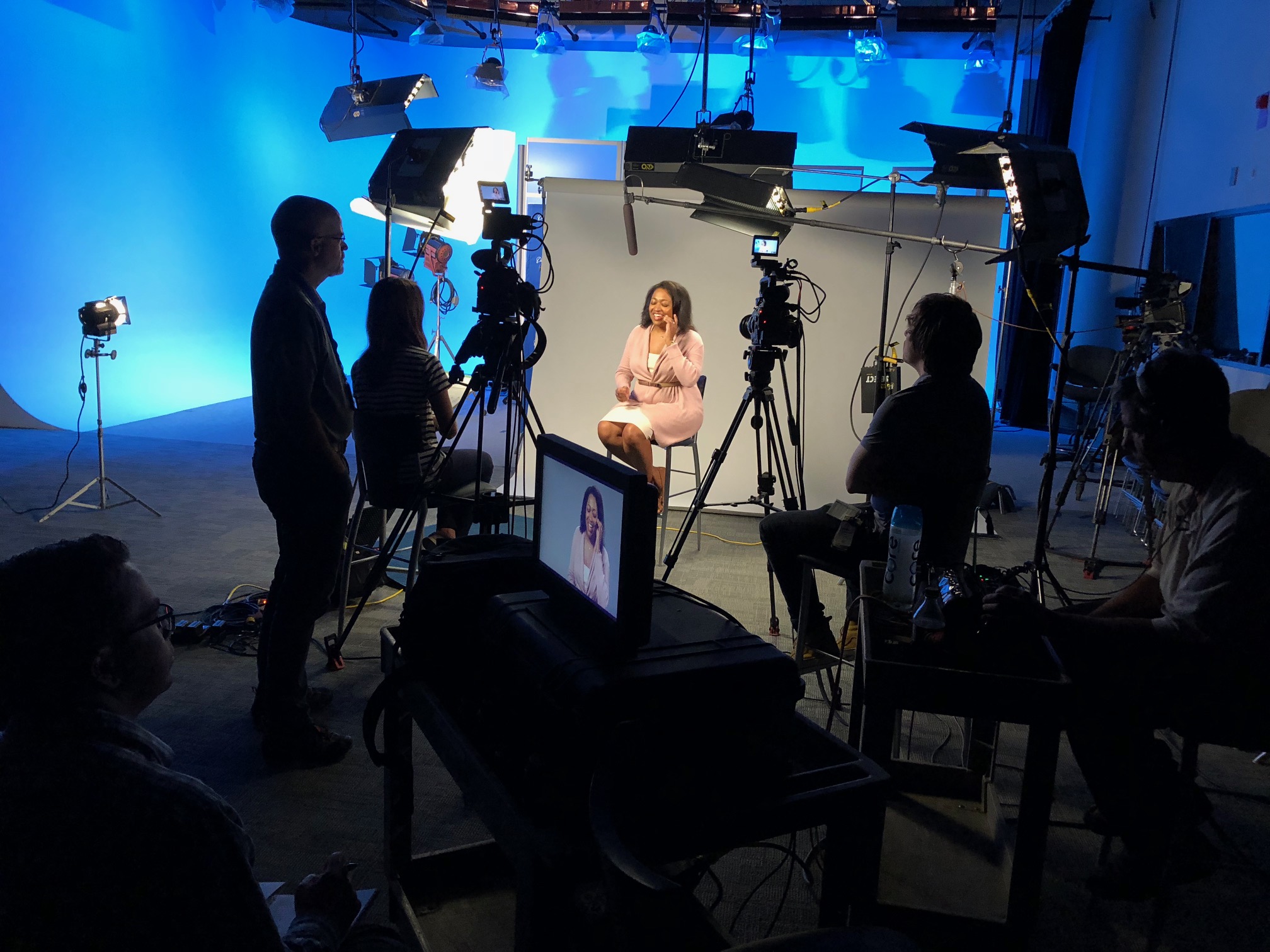
The Best Practices Towards Studio Production Interviews

As a content creator, conducting studio production interviews can be a valuable addition to your content strategy. Interviews provide a unique perspective and add depth and credibility to your content. Whether you’re conducting interviews for a podcast, video series, or blog, it’s important to ensure that your interviews are of the highest quality. We’ll cover the best practices towards studio production interviews. From preparation and research to conducting the interview and post-production editing, we’ll provide expert advice on how to create compelling and engaging interviews that resonate with your audience.

By following the best practices towards studio production interviews, you can ensure that your content stands out in a crowded online space.

Importance of Studio Production Interviews

Studio production interviews are a powerful tool that can help you create compelling and engaging content for your audience. They provide a unique perspective and allow your audience to hear directly from experts in your field. This can add credibility to your content and help establish you as a thought leader in your industry.

Interviews can also help you build relationships with experts in your field. By showcasing their expertise and knowledge, you can create a mutually beneficial relationship that can lead to future collaborations and networking opportunities.

Overall, studio production interviews are an effective way to create valuable and engaging content that resonates with your audience and establishes you as a thought leader in your industry.

Research and Preparation for Studio Production Interviews

The key to a successful studio production interview is preparation. Before conducting an interview, it’s important to research your interviewee and understand their background, expertise, and perspective. This will help you create a list of questions that are relevant and engaging for your audience.

To begin your research, start by looking at the interviewee’s website, social media profiles, and any other relevant online content. This will give you an idea of their expertise and the topics they are passionate about.

Next, create a list of questions that will help you delve deeper into the interviewee’s background and expertise. Make sure to ask open-ended questions that allow the interviewee to provide detailed and thoughtful answers.

Finally, make sure to communicate with your interviewee before the interview to ensure that they are comfortable with the topics you plan to cover. This will help build trust and establish a positive rapport between you and your interviewee.

Creating a List of Questions for the Interview

Creating a list of questions for a studio production interview is a critical step in the preparation process. The questions you ask will determine the direction and overall tone of the interview. To create a list of questions that are engaging and informative, consider the following tips:

  • Ask open-ended questions that allow the interviewee to provide detailed and thoughtful answers.
  • Ask follow-up questions to further explore the interviewee’s answers and provide additional context for your audience.
  • Incorporate current events and trends in your industry to keep the interview relevant and timely.
  • Avoid asking questions that the interviewee has already answered in previous interviews or online content.

By following these tips, you can create a list of questions that will help you conduct a compelling and engaging interview.
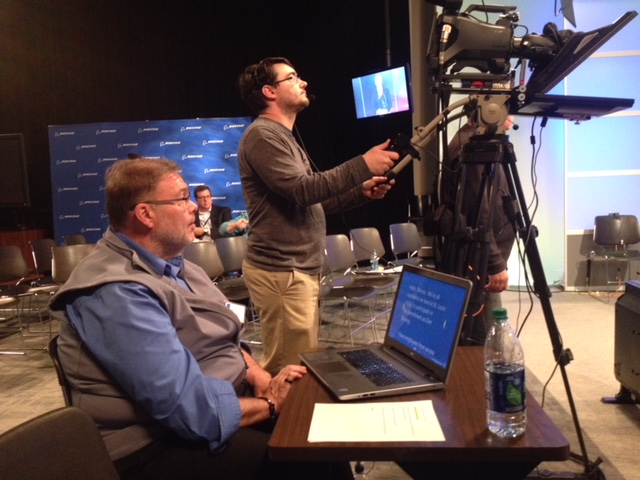
Conducting the Interview: Best Practices for the Interviewer

As the interviewer, it’s your responsibility to create a positive and engaging environment for the interviewee. To ensure a successful interview, consider the following best practices:

  • Start with an icebreaker question to help the interviewee feel comfortable and relaxed.
  • Avoid interrupting the interviewee or talking over them.
  • Listen actively and ask follow-up questions to further explore the interviewee’s answers.
  • Maintain a positive and professional tone throughout the interview.
  • Avoid asking leading questions that can influence the interviewee’s answers.

By following these best practices, you can create a positive and engaging environment for the interviewee and ensure a successful interview.

Conducting the Interview: Best Practices for the Interviewee

As the interviewee, it’s important to prepare and present yourself in a professional and engaging manner. To ensure a successful interview, consider the following best practices:

  • Take time to prepare and research the interviewer and their audience.
  • Be authentic and honest in your answers.
  • Speak clearly and concisely.
  • Avoid using jargon or technical language that may not be understood by the audience.
  • Keep your answers focused and on topic.

By following these best practices, you can present yourself in a positive and engaging manner and ensure a successful interview.

Recording and Editing the Interview

After conducting the interview, it’s important to properly record and edit the content. This will ensure that the final product is of the highest quality and engages your audience.

When recording the interview, make sure to use high-quality equipment and test it beforehand to ensure that the sound and video quality are optimal. It’s also important to have backup equipment in case of technical difficulties.

When editing the interview, focus on creating a cohesive and engaging story that flows well and keeps the audience’s attention. Remove any unnecessary or repetitive content and ensure that the final product is polished and professional.

Tips for Creating Engaging and Informative Content from the Interview

To create engaging and informative content from the interview, consider using the following tips:

  • Create a summary or highlights reel that captures the most important points of the interview.
  • Break the interview into smaller segments that focus on specific topics or themes.
  • Incorporate visuals and graphics to enhance the content.
  • Use quotes and sound bites from the interview to create social media posts and promotional material.

By using these tips, you can create engaging and informative content from the interview that resonates with your audience.
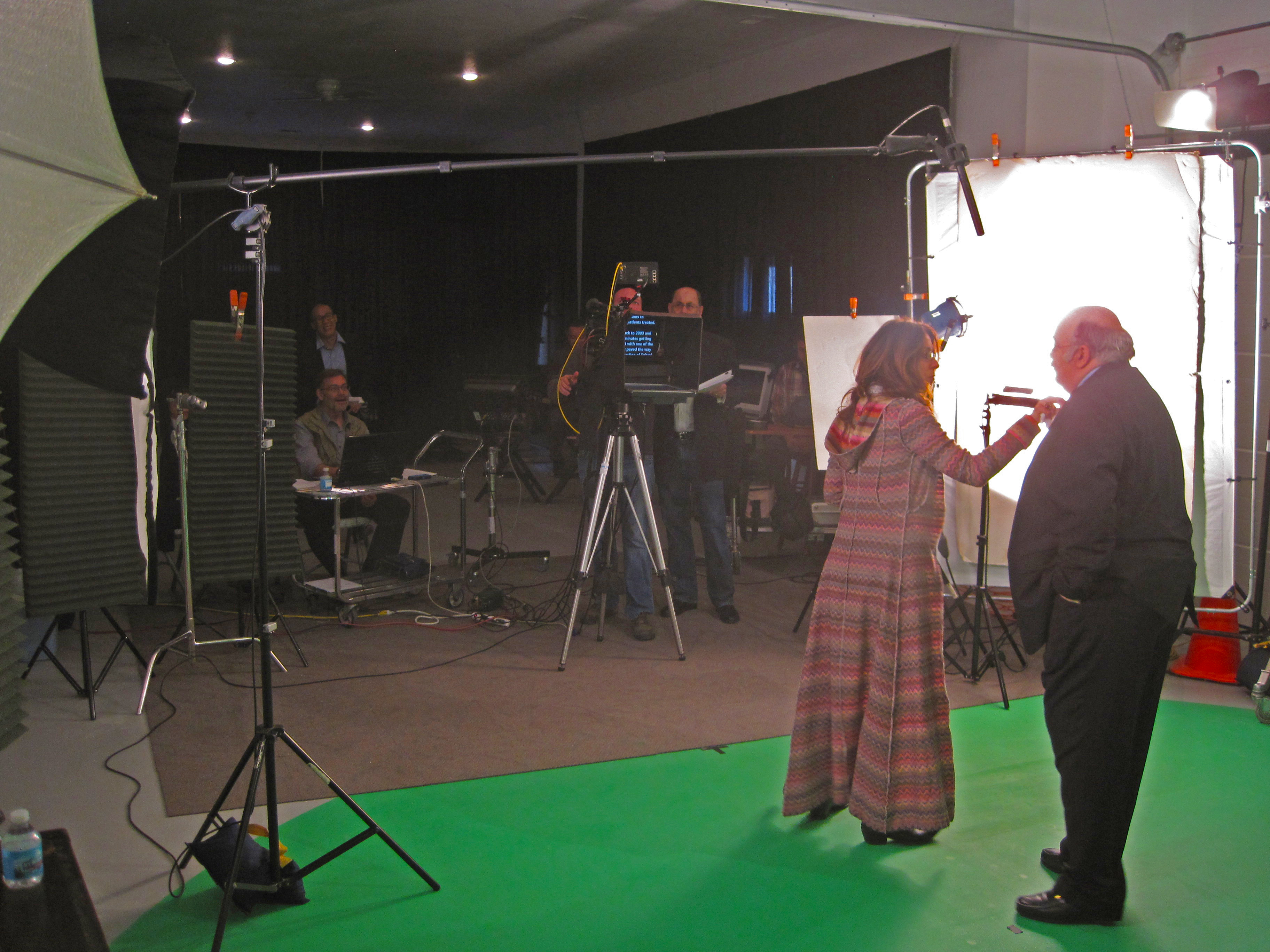
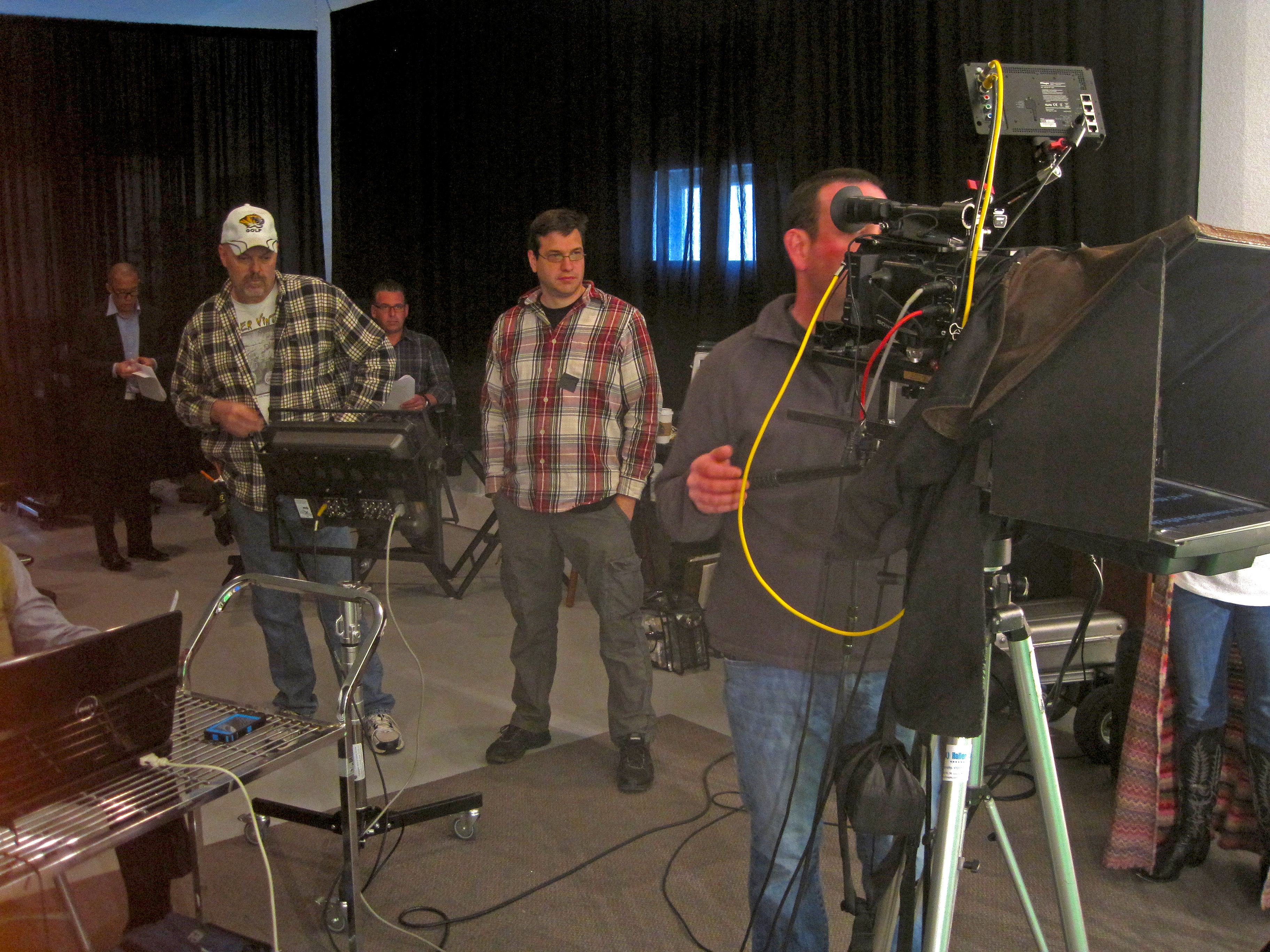
The Role of Post-Production in Creating a Successful Interview

Post-production is a critical step in creating a successful interview. It involves editing the content, adding visuals and graphics, and ensuring that the final product is polished and professional.

To ensure a successful post-production process, consider the following tips:

  • Use high-quality editing software and equipment.
  • Add visual elements such as graphics, images, and B-roll footage to enhance the content.
  • Ensure that the audio and video quality are optimal.
  • Test the final product on multiple devices and platforms to ensure that it is accessible to your audience.

By following these tips, you can ensure that the final product is of the highest quality and engages your audience.

Common Mistakes to Avoid in Studio Production Interviews

To ensure a successful studio production interview, it’s important to avoid common mistakes that can detract from the quality of the content. Some common mistakes to avoid include:

  • Asking leading or closed-ended questions.
  • Interrupting the interviewee or talking over them.
  • Focusing too much on your own agenda and not allowing the interview to flow naturally.
  • Neglecting to prepare and research the interviewee beforehand.

By avoiding these mistakes, you can create a positive and engaging environment for the interviewee and ensure a successful interview.

Best Practices for Promoting and Sharing Your Interview

After creating a successful interview, it’s important to promote and share the content to ensure that it reaches your audience. To promote and share your interview, consider the following best practices:

  • Share the content on your website and social media platforms.
  • Create social media posts and promotional material that highlights the most engaging and informative aspects of the interview.
  • Reach out to the interviewee and ask them to share the content on their platforms.
  • Consider collaborating with other content creators or influencers to promote the content.

By following these best practices, you can ensure that your interview reaches a wider audience and resonates with your target demographic.

Examples of Successful Studio Production Interviews

To see the best practices towards studio production interviews in action, consider the following examples of successful interviews:

  • The Tim Ferriss Show: Tim Ferriss interviews experts in the fields of business, health, and wellness, and delves into their routines and habits.
  • Armchair Expert: Dax Shepard interviews celebrities and experts in various fields and explores their personal and professional experiences.
  • TED Talks: TED Talks feature experts from various fields who share their innovative ideas and insights on a wide range of topics.

By studying these examples, you can gain insight into the best practices towards studio production interviews and apply them to your own content strategy.

Resources for Improving Your Studio Production Interview Skills

To improve your studio production interview skills, consider the following resources:

  • Books on interviewing and journalism, such as “The Art of Asking” by Amanda Palmer and “The New New Journalism” by Robert Boynton.
  • Online courses and tutorials on interview skills and techniques, such as those offered by Udemy and Skillshare.
  • Podcasts and blogs on interviewing and content creation, such as “The Creative Penn” and “The Podcast Host.”

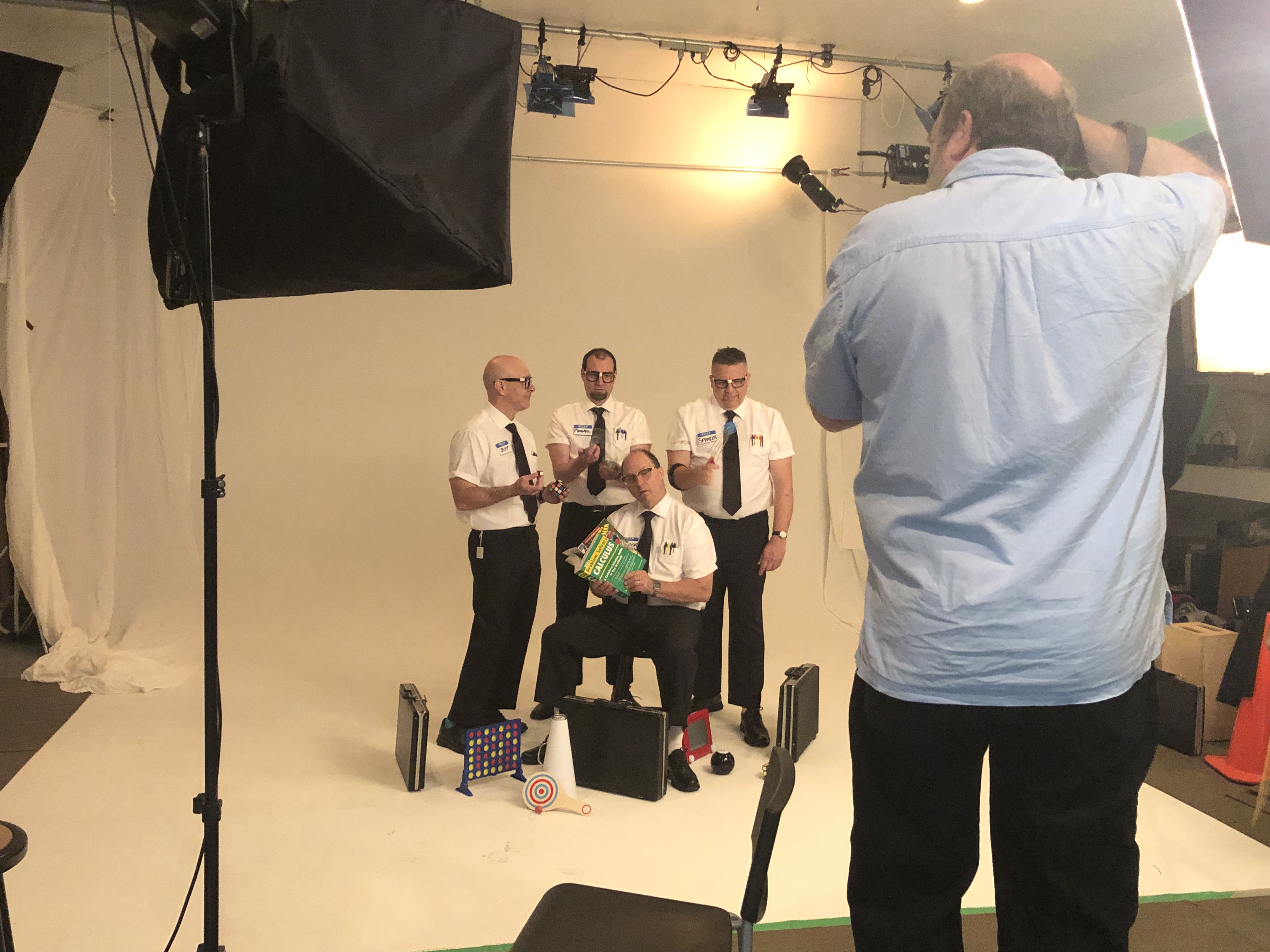
The most requested types of video production shot in a studio can vary depending on the needs of the client and the purpose of the video, but here are some common types:

1. Corporate videos: Corporate videos are used to promote a company or its products/services. They are often shot in a studio with a clean background and professional lighting to convey a polished and professional image.

2. Product demos: Product demos are videos that showcase a product’s features and benefits. These videos are often shot in a studio with a white or black background and close-up shots of the product to highlight its details.

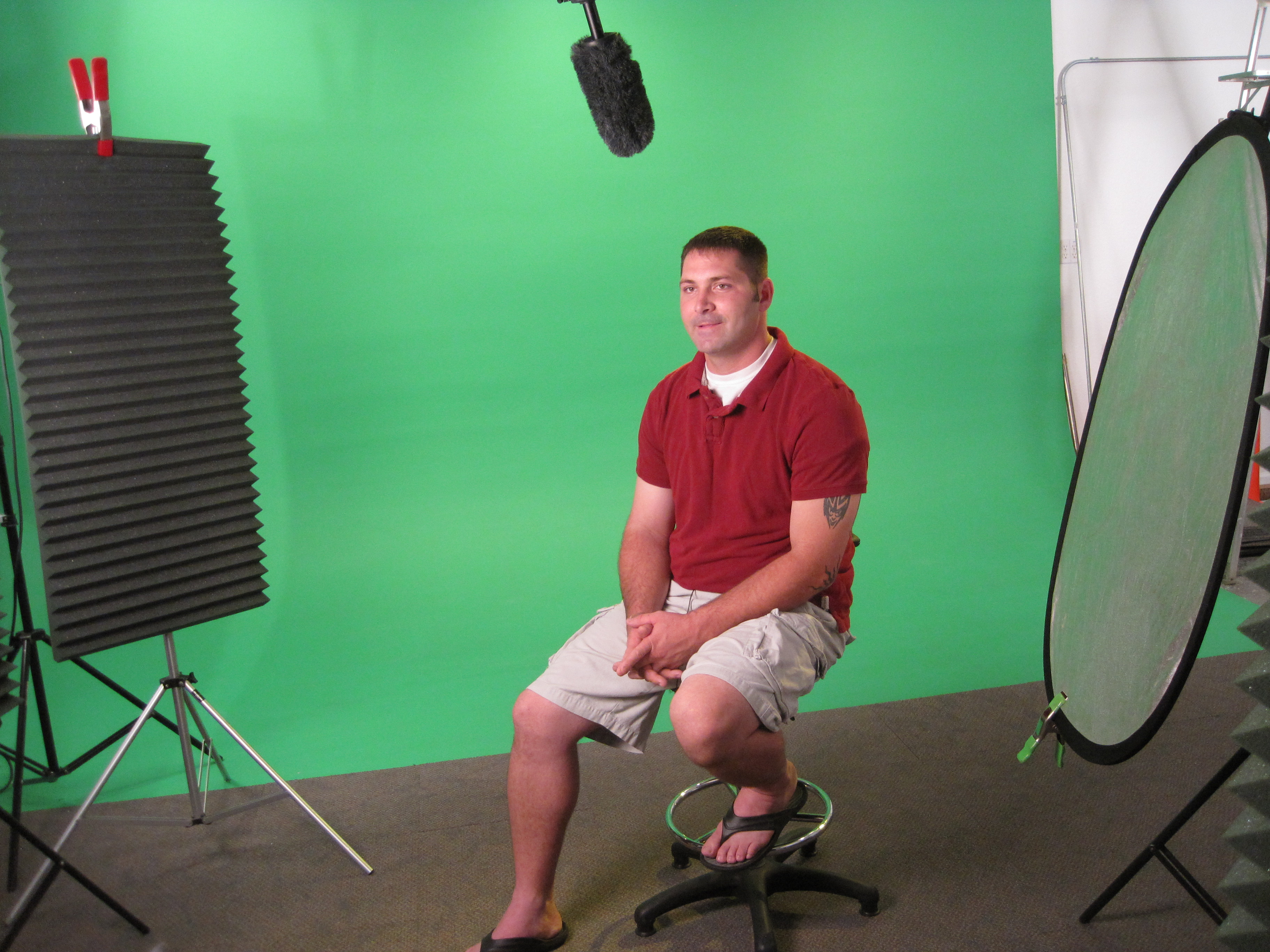
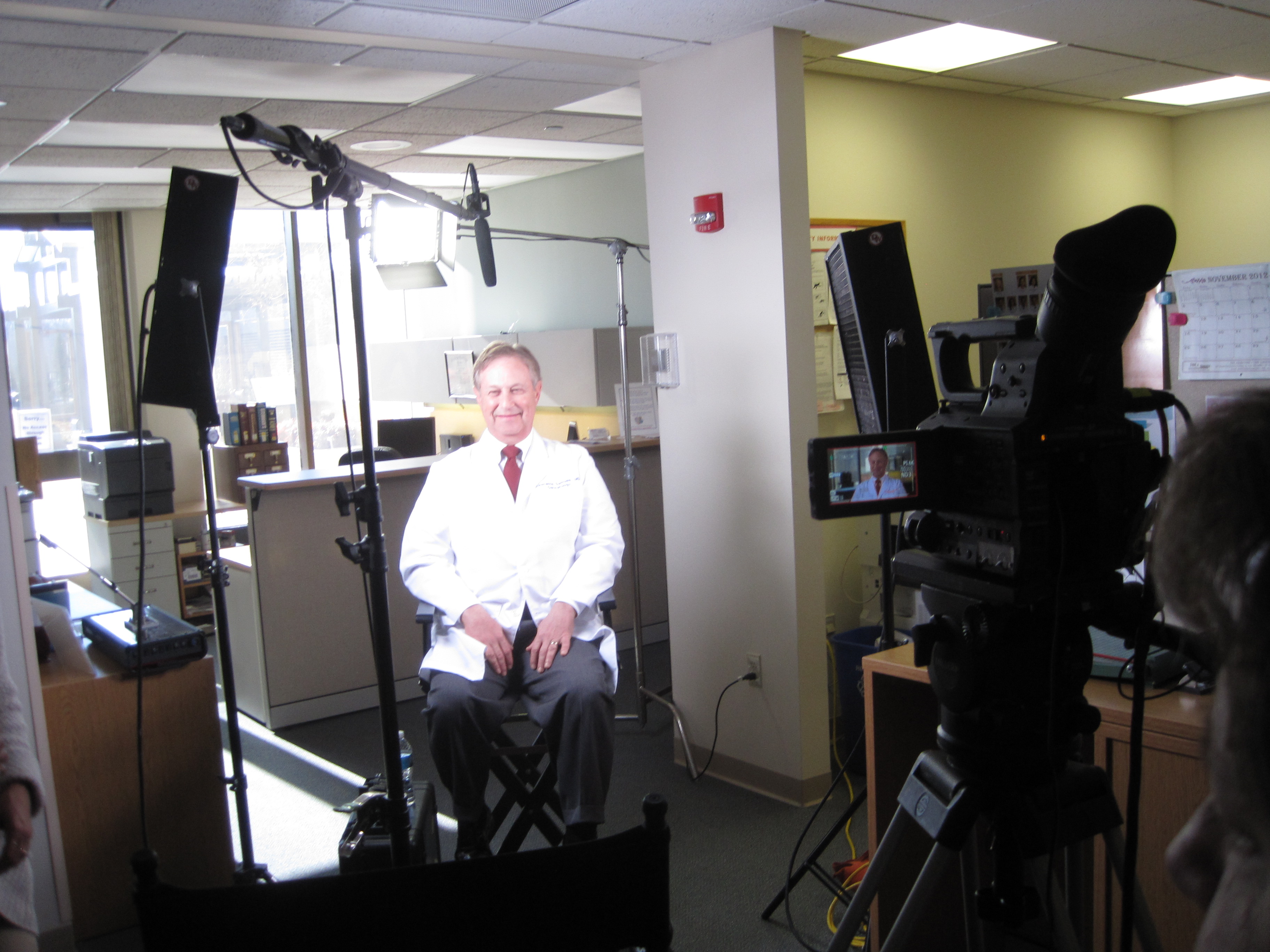
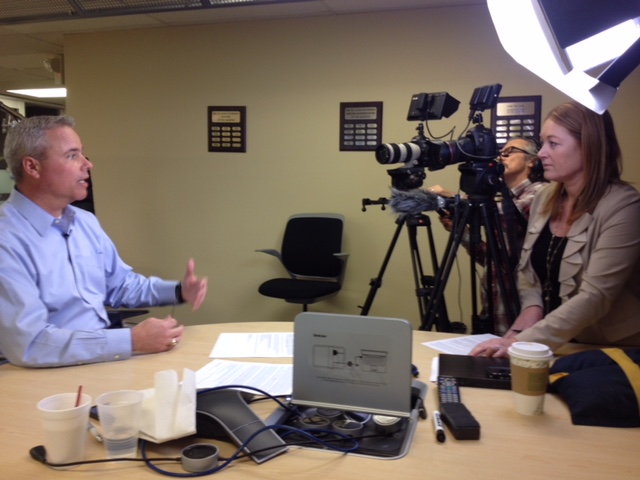
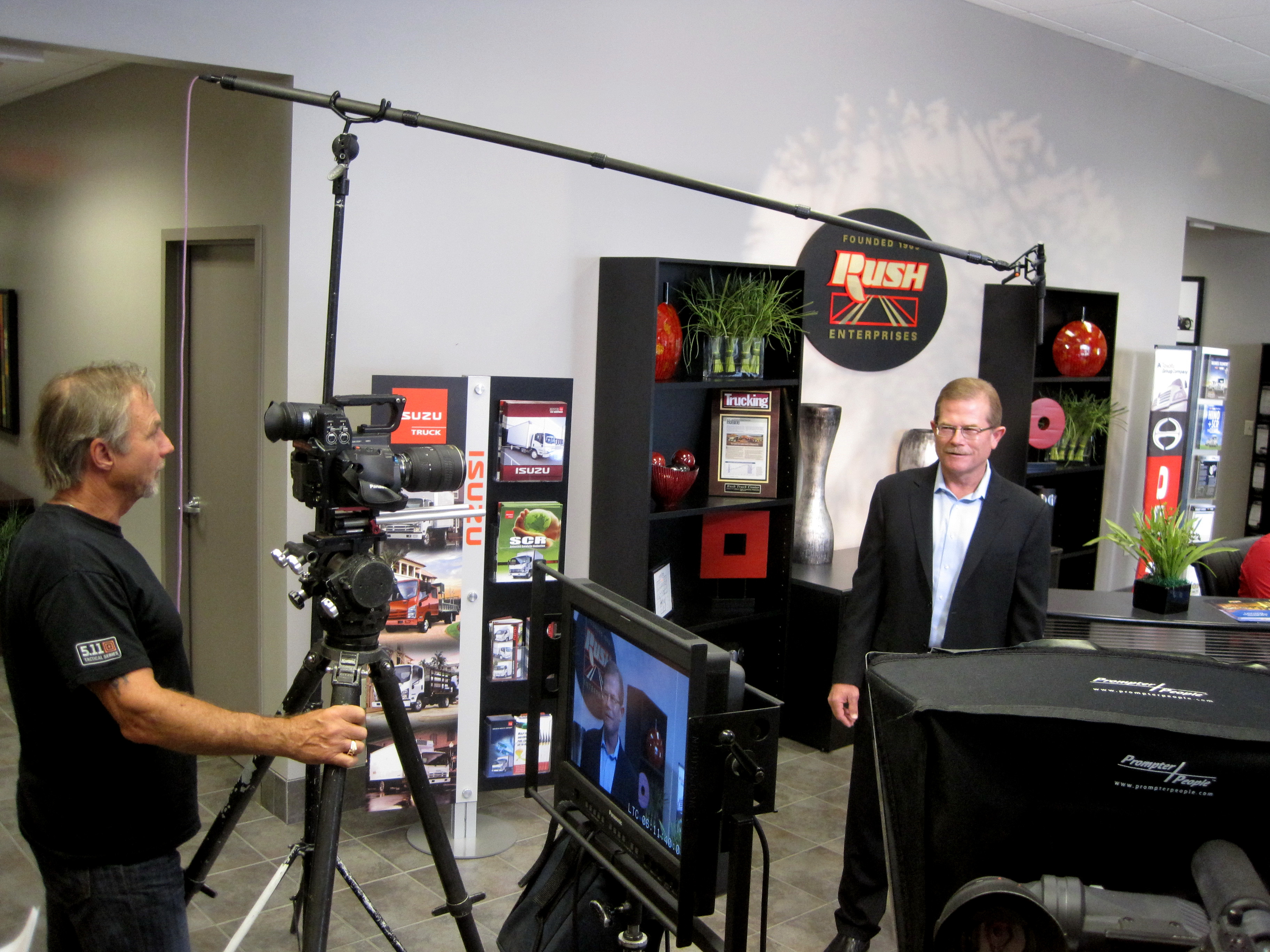
3. Interviews: Interviews are commonly shot in a studio with a plain background and professional lighting to create a consistent look and feel. They can be used for a variety of purposes, such as to capture customer testimonials or expert opinions.

4. Promotional videos: Promotional videos are created to promote a specific event, product launch, or service. They often include a mix of live action footage, motion graphics, and animation, and can be shot in a studio or on location.

5. Training videos: Training videos are used to educate employees or customers on a specific process or product. They are often shot in a studio with a clear and concise presentation style, and may include animations or graphics to illustrate complex concepts.

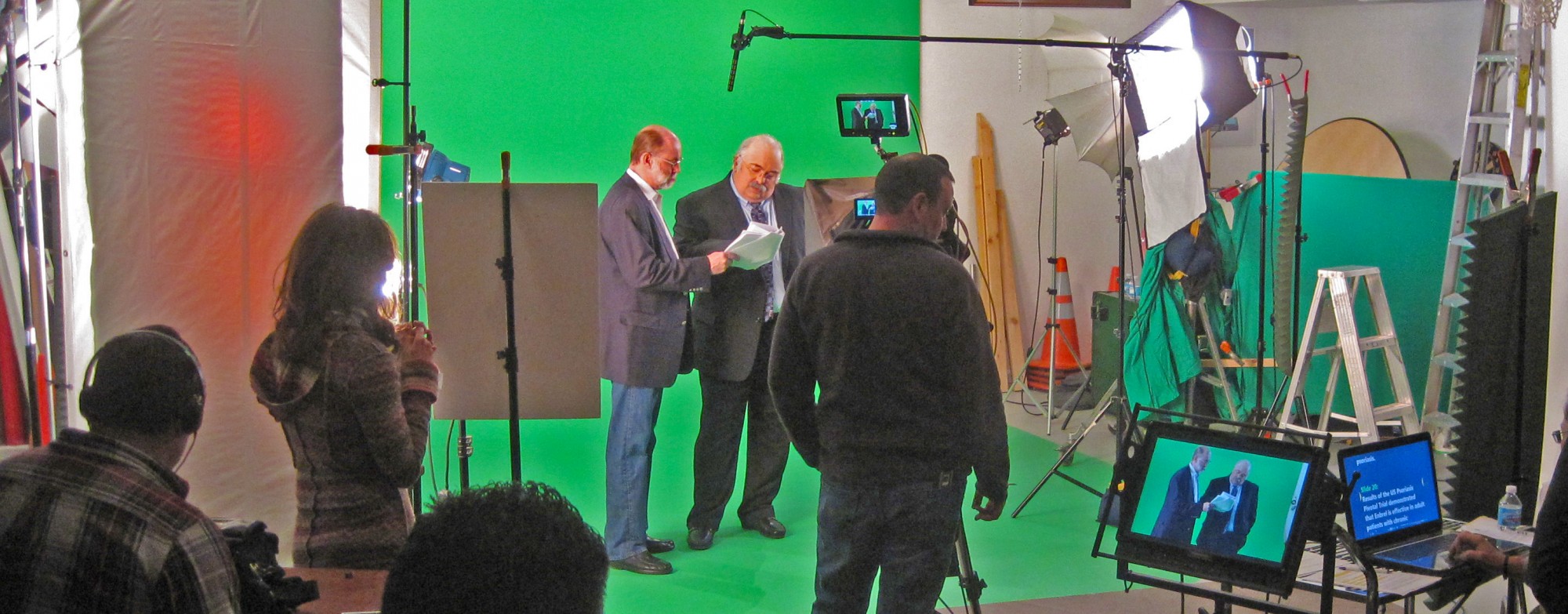
6. Green screen videos: Green screen videos allow for the insertion of different backgrounds or images in post-production. They are often shot in a studio with a green screen backdrop and professional lighting to ensure a clean key. They can be used for a variety of purposes, such as product demos or virtual events.

Conclusion

By utilizing these resources, you can improve your studio production interview skills and create engaging and informative content for your audience. Studio production interviews are a valuable tool in creating compelling and engaging content for your audience. By following the best practices towards studio production interviews, you can ensure that your content stands out in a crowded online space. From research and preparation to post-production editing and promotion, every step in the process is critical to creating a successful interview. By utilizing the tips and resources outlined in this article, you can take your interview skills to the next level and create content that resonates with your audience and establishes you as a thought leader in your industry.

314-604-6544

Rob Haller
saintlouismostudios@gmail.com
Using Your Corporate Event Video to Boost Employee Engagement and Retention.

Putting money in meaningful video content can be a useful tool for growing employee engagement and sticking around – here’s how it works!

Corporate event videos are essential for strong relationships between employees and the company.

Introduction

The use of corporate event videos is becoming more popular. Capturing footage of meetings, seminars and award ceremonies, businesses can make a lasting impression on their employees. It can help build loyalty and team cohesion. The videos also provide an ongoing resource to inspire and motivate employees.

A well-constructed corporate event video should show the energy and enthusiasm of the event. It should represent the business’s values and mission. Event videos are great for connecting with employees. They can be used for onboarding, training or simply as entertainment. Done properly, these videos can foster positive connections and greater employee engagement and loyalty.

Benefits of Using Corporate Event Videos

The advantages of corporate event videos are many. From boosting employee morale and engagement to improving recruitment and retention, video content captures events and emotions far better than live events. Capturing your company’s celebrations, triumphs, and culture on video can have a lasting impact on engagement levels. Here are some of the benefits:

-Strengthened Company Culture: When the event is captured on video, it’s easier to show values like collaboration and creativity. Viewers can get an understanding of the work culture when employees share footage with family and friends.

-Team Recognition: Awards ceremonies or any other recognition program are more impactful when recorded on video. Affirmations from upper management or CEO can be public through event videos, making sure high performers are acknowledged.

-Improved Employee Engagement: Corporate event videos can be used to give employees a window into activities in their establishment. Whether it be training, development programs, or special occasions, sharing these events organically fosters engagement and collective goals.

How to Create Engaging Corporate Event Videos

Creating effective corporate event videos can help with employee engagement and retention. Capture the energy of the event, key speeches and moments to create a powerful message. As a company, you should use this as an effective internal communication tool.

Edit carefully to retain viewer interest. Keep it short (1-3 minutes) for short attention spans. Use an aesthetically pleasing color palette, captivating music and inspiring words for emotional impact.

This could increase employee satisfaction, productivity levels and retention. It may also enhance brand presence when shared externally!

Strategies to Maximize Employee Engagement with Corporate Event Videos

Employees benefit from corporate event videos, like better engagement and loyalty. Employers should make strategies to use videos to get these results. Here are 3 strategies to try:

1. Promote company culture. Corporate event videos show employees the values, vision and aspirations of the organization. Invite employees to share their stories through video content, so everyone can understand each other better.

2. Innovate learning. Offer employees interactive resources, like quizzes and surveys, to stay engaged in their growth. Ditch the lecture-style video content.

3. Strengthen relationships. People are more productive when they build relationships with colleagues. Employ video conferencing and screencasts to help foster collaboration among co-workers.

How to Use Corporate Event Videos to Retain Employees

Corporate events such as holiday parties, team off-sites, and employee appreciation days are great for fostering camaraderie. Capturing them on video keeps those good vibes going! Companies can use the footage for newsletters, social media, or intranets to boost employee engagement and morale. Well-crafted corporate event videos can even increase retention.

Making a corporate event video isn’t as easy as pointing and shooting. You need to plan and have the right equipment. Experienced personnel should handle all aspects of production for best results. Post-production shouldn’t be neglected either. Editing together b-roll footage with archival clips makes for an engaging viewing experience.

Using corporate event videos is a great way for businesses to create positive experiences and maintain morale. With proper filming and post-production stages, companies can make sure their videos look good and showcase their values – helping them retain quality staff.

Tips for Improving Employee Retention Through Corporate Events

Promote corporate events widely to boost employee retention rates. Strategically plan the event & ensure that it has an overall purpose. Hire a professional videographer to capture quality video. Edit the video to focus on success & highlight awards. Follow up with attendees & share the video online. This will help keep everyone engaged & inspire conversations about next year’s event!

Best Practices for Utilizing Corporate Event Videos

Using videos to promote corporate events is a great way to get employees more engaged. It allows them to experience events first-hand. Here are some tips on how to use corporate event videos to support your business goals:

1. Provide info about the event: Create clips to explain what people should expect. Promote the event before it happens and create clips for those who can’t make it.

2. Showcase pics and memorable moments: Include images from the event so viewers can really get a sense of what it was like. Highlight moments you want people to remember.

3. Include info about your company: Interview staff and executives to show how your company is making a difference.

4. Make videos accessible for employees: Make sure all team members, including virtual employees, have access to the content. Create short snippets for social media that can be easily shared.

5. Gauge employee engagement levels: Use surveys and polls after featuring an event video. Address any areas for improvement.

Conclusion

So, we can see that corporate event videos are essential for strong relationships between employees and the company. They can engage and excite the team by showcasing successes and celebrations. This can build a culture of unity and motivation, aiding employee retention.

Planning an event with video in mind is not easy. But with good planning, a communications strategy and the right production team, you can capture authenticity and emotion with your post-event video. This is the best way to increase employee engagement, as it promotes emotion connections with each team member.

Rob Haller
314-604-6544
saintlouismostudios@gmail.com
Crafting Brand Testimonials with Emotion and Honesty: A Guide to Creating Meaningful Videos in Your Production Studio.

Crafting Brand Testimonials with Emotion and Honesty: A Guide to Creating Meaningful Videos in Your Production Studio.

Testimonials are one of the most powerful tools for marketing, providing valuable insight into how customers feel about a product or service. But crafting a compelling, honest, and emotional video testimonial can be a challenge. Creating meaningful video testimonials in your production studio is a great way to engage and authentically portray your brand story. With this guide, you’ll learn the best practices for crafting a powerful video testimonial that resonates with your target audience. From exploring the right creative elements to using storytelling techniques, this guide will help you create a video testimonial that captures the emotion and honesty behind your brand. Whether you’re a first-time video producer or a seasoned professional, this guide will provide you with the tools you need to make a truly memorable video experience for your customers.

Benefits of Video Testimonials

Before we begin discussing the best practices for creating meaningful video testimonials, let’s first examine the benefits of video testimonials. Video testimonials provide a more immersive experience for the viewer, which can help you better connect with your audience. They can also be a particularly effective way to engage customers who may be skeptical or unfamiliar with your brand. Customers are likely to be more receptive to a video testimonial from a “real person” than they would be to a testimonial from your brand’s CEO. With video testimonials, you can also reduce the impact of any cognitive dissonance that your customers may feel as a result of the “fake” nature of traditional testimonial videos. Video testimonials can be particularly valuable if your brand is new or unfamiliar to potential customers. They can also be a great way to respond to negative reviews from customers who had a less-than-positive experience with your business. Video testimonials can also help you avoid being charged with false advertising. If you rely on certain claims about your product, for example, a certain weight loss promise, you may be held liable for false advertising if you fail to deliver on your promises. A video testimonial can be a great legal defense against false advertising claims. Video testimonials are also particularly effective at helping your customers connect to your brand story. This can be especially useful if your business is selling a product that comes with a difficult or complicated story behind it, like medical equipment. With video testimonials, customers can see the impact your product has had on other people’s lives, which can help them understand why they need it as well.

Creative Considerations for Video Testimonials

Now that we’ve explored some of the benefits of video testimonials, let’s discuss the creative considerations for creating a compelling video testimonial. First, it’s important to select the right person to film a video testimonial. Ideally, you’ll want to select someone who has used or interacted with your product or service. Ideally, they’ll have either a positive or negative experience with it. This way, they’ll be able to more authentically convey their feelings about the product. Next, you’ll want to choose the proper setting for your video testimonial. It’s important to create an environment that will be most conducive to your customer feeling relaxed and comfortable. The last thing you want is for your customer to be stressed out while filming their testimonial. You should also select the proper lighting for the setting. Natural lighting is usually best for creating a relaxed and comfortable setting for your customer. Finally, you should select the proper camera for your video testimonial. Ideally, you’ll want to select a camera that’s easy to use and will help your customer feel as comfortable as possible while filming. You should also make sure that your camera can film in HD so you can create a high-quality video testimonial in your production studio.

Crafting Your Video Testimonial Script

Now that you’ve selected the right creative elements for your video testimonial, you’ll want to begin crafting your script. For starters, you’ll want to begin by establishing the right tone for your video testimonial. While you want to be authentic and honest in your video, you don’t want to come across as being unprofessional. It’s best to use a conversational, friendly tone. Then, you’ll want to outline the story that you want your customer to tell. While your video testimonial doesn’t have to be a full-blown story, it should have a beginning, middle, and end. It should also be short and concise, lasting no longer than three minutes. Now that you’ve outlined your story, you can begin writing your script. Paper is a great way to start, especially if you’re not an experienced writer. Once you have a script you’re happy with, you can move onto the next step.

Select the proper camera for your video testimonial, you’ll want to select a camera that’s easy to use and will help your customer feel as comfortable as possible.

Using Storytelling Techniques in Your Video Testimonial

Once you’ve crafted your script, you’ll want to begin using storytelling techniques to make your video testimonial even more compelling. First, you’ll want to hook your audience as quickly as possible, which is why it’s best to start your video testimonial with a hook. You can start off by having your customer introduce themselves. Then, ask them to describe their experience with your product or service. You can also ask them what their goals or motivations are. Then, you’ll want to introduce a problem. What problem does your customer encounter? What’s their struggle? How do they feel about their struggle? This is where you’ll want to begin talking about your product or service. How does it solve their problem? How does it address their struggle? This is where you’ll want to transition into a call to action.

Capturing Authenticity and Emotion in Your Video Testimonial

Now that you’ve used storytelling techniques to create a compelling video testimonial, you’ll want to make sure that your video is authentic and honest. Start by making sure that your customer is comfortable and relaxed. Make sure that their environment is conducive to them feeling relaxed. Next, you’ll want to make sure that your customer is authentic in their video testimonial. You can do this by asking your customer questions such as “What do you like about our product/service?”, and “What does our product/service do for you?” You can also ask your customer to share personal stories that are relevant to your product/service. Finally, make sure that your video testimonial is honest. You can do this by making sure that your customer doesn’t overstate their feelings about your product or service. You don’t want to come across as being dishonest in any way.

Editing and Finalizing Your Video Testimonial

Once you’ve finished filming your video testimonial, you’ll want to begin editing it. The first thing you’ll want to do is trim the fluff. Get to the point as quickly as possible. You don’t want your video testimonial to drag on. Next, you’ll want to add relevant B-roll. B-roll is supplementary footage that you add to your video testimonial. It’s an excellent way to break up the monotony of a static video. You can use B-roll to show your customer using your product, talking about their experience, etc. Finally, you’ll want to add relevant sound effects and music to your video testimonial. Choose music that is appropriate for your video testimonial, as well as sound effects that convey the emotion and topic of your video.

Distributing Your Video Testimonial

Now that you’ve finished filming and editing your video testimonial, you’ll want to get it distributed. You can post your video testimonial on your website, as well as on social media. You can also reach out to publications that cover topics related to your business and see if they’d be interested in publishing your video testimonial. You can also submit your video testimonial to review websites and apps, such as Trustpilot and Trustlink, as well as other customer review websites. Finally, you can also consider hosting a launch party. During a launch party, you can show your video testimonial and host a Q&A session. This is an excellent way to connect with your customers, as well as build excitement for your product or service.

Rob Haller
314-604-6544
saintlouismostudios@gmail.com

We are a full-service video production company. We offer pre-production, production, and post-production for brands & agencies. Grow your business with video.

Video is the fastest-growing content type on the internet, and for good reason. It’s an incredibly effective way to connect with your audience in an authentic and memorable way. Studies show that video content gets more views, shares, and likes than almost any other type of content. Our services include: Script to Screen Production – Video Script Writing, Location Scouting, casting, Videographer & Video Editors & production team management – Shoot days (interview days), Film days (non-interview days) and Edit days. We also offer a range of post-production services such as; Video Color Grading, Audio Mixing & {Final Cut Pro X} . If you are looking for a complete end to end video production service then you have come to the right place!

Pre-production: What is it?

Pre-production is the phase of the video production process where the creative and logistical decisions about the video are made. These decisions include the script, the locations, the props, the crew, and the schedule for the whole production process. Pre-production is crucial because it determines the outcome of the whole video production. If a client has a limited budget and you want to make a 4K video, you should suggest a creative idea that can be shot with the available budget. When a company wants to create a video, it should have a plan of what it wants to say and how it wants to say it. The key to a successful video production is planning. You must have a clear idea of what you want to achieve, and how you are going to do it.

Production: What is it?

Production is the phase of the video production process where the video is shot. It starts with a creative brief and ends with the client review. During production, the client can provide creative feedback to the crew and the creative brief can be modified if needed. During the production phase, a team of videographers, camera assistants, grips, and the client visit the locations of the video to scout, shoot, and record the video. During production, the video needs to be shot in the right order. For example, if the client wants a shot of the CEO in front of the office, the videographer should shoot it last because the office needs to be cleared and ready for the interview.

Post-production: What is it?

Post-production is the phase of the video production process in which the raw footage is edited into a final video. Editing is the most important phase of video production. It can make or break a video. During post-production, a creative editor assembles the raw footage and the audio recorded during production into the final video. Post-production involves:

Video Script Writing

The first step in the pre-production phase is writing a script. A script is the creative brief of the video and helps everyone involved in the video production process, from the videographer to the creative editor, understand the message of the video and know what to do. The script for a video is like an elevator pitch. It should be short, sweet, and to the point. The script for a video can be different depending on the type of video you want to make. There are many types of videos, including explainer videos, corporate videos, webinars, interviews, podcasts, and product reviews.

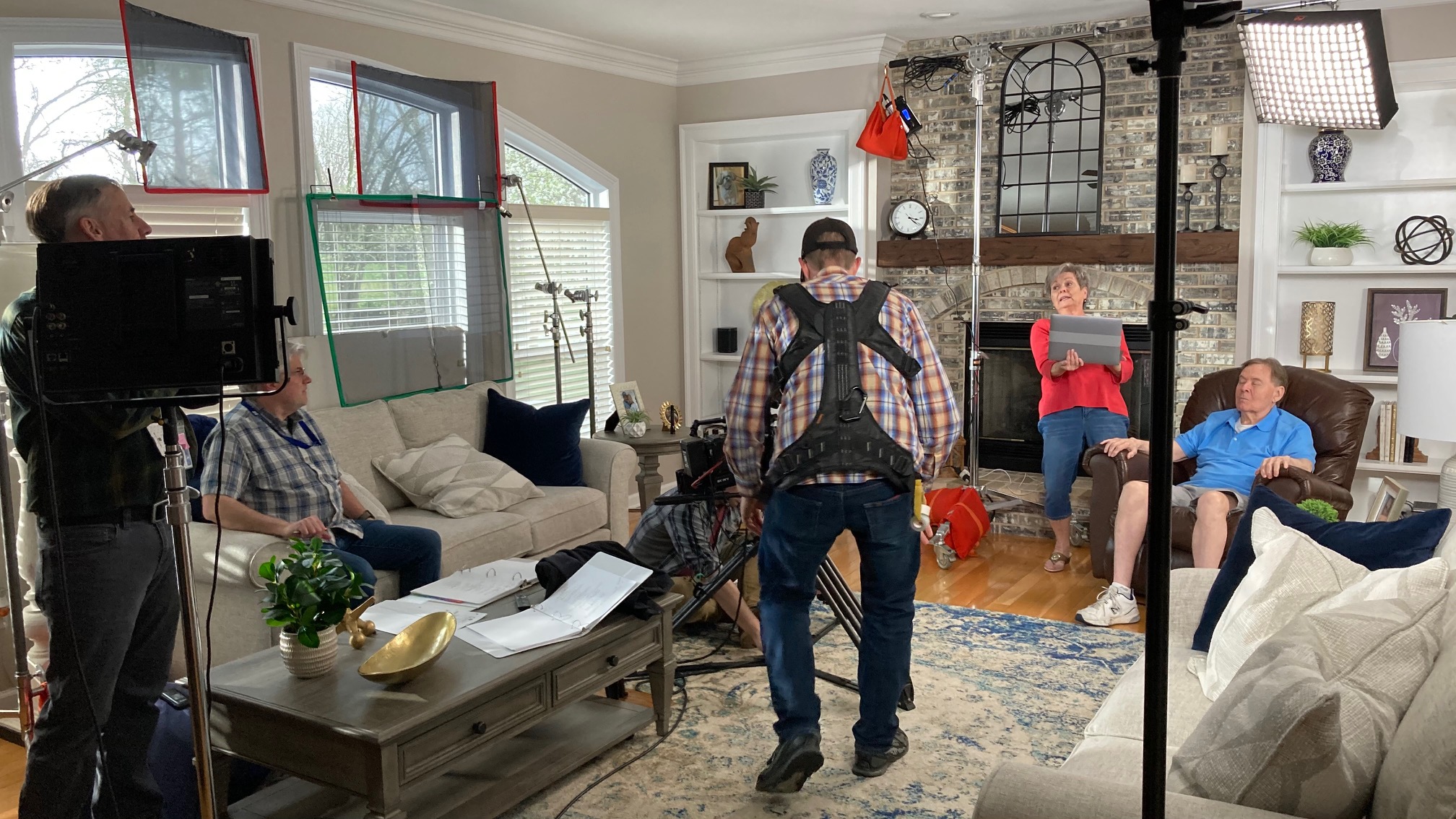
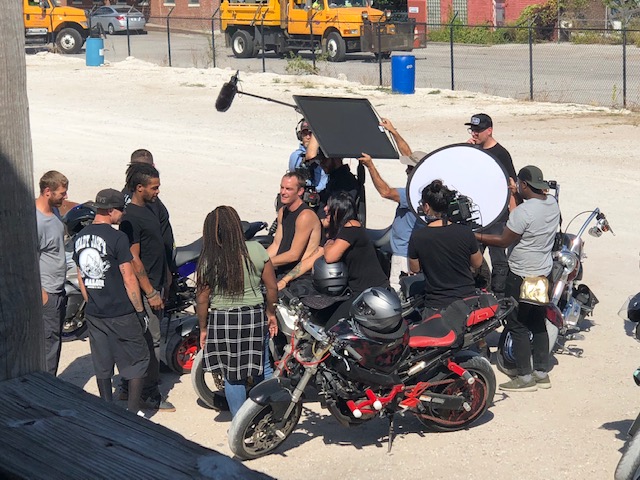
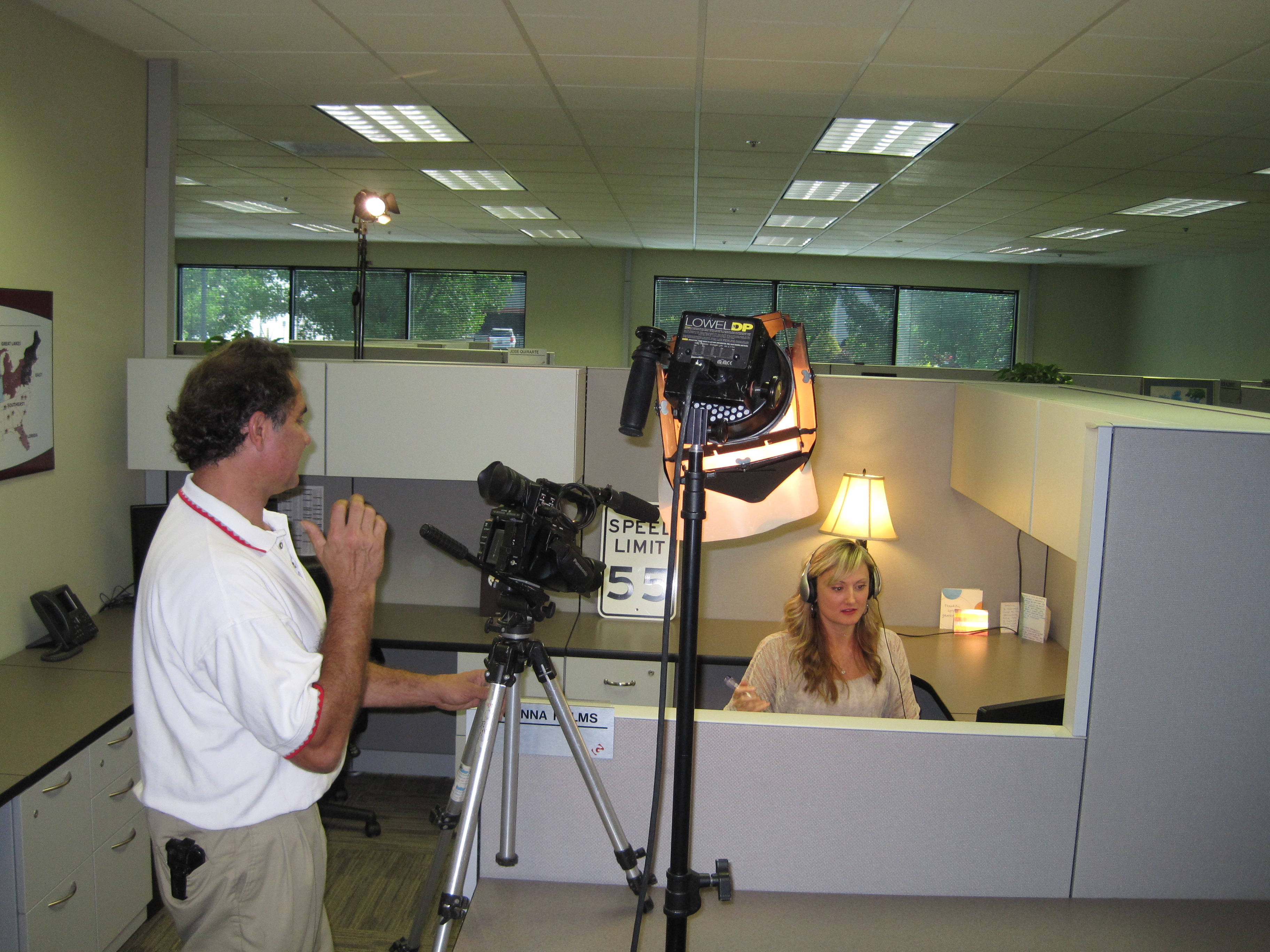
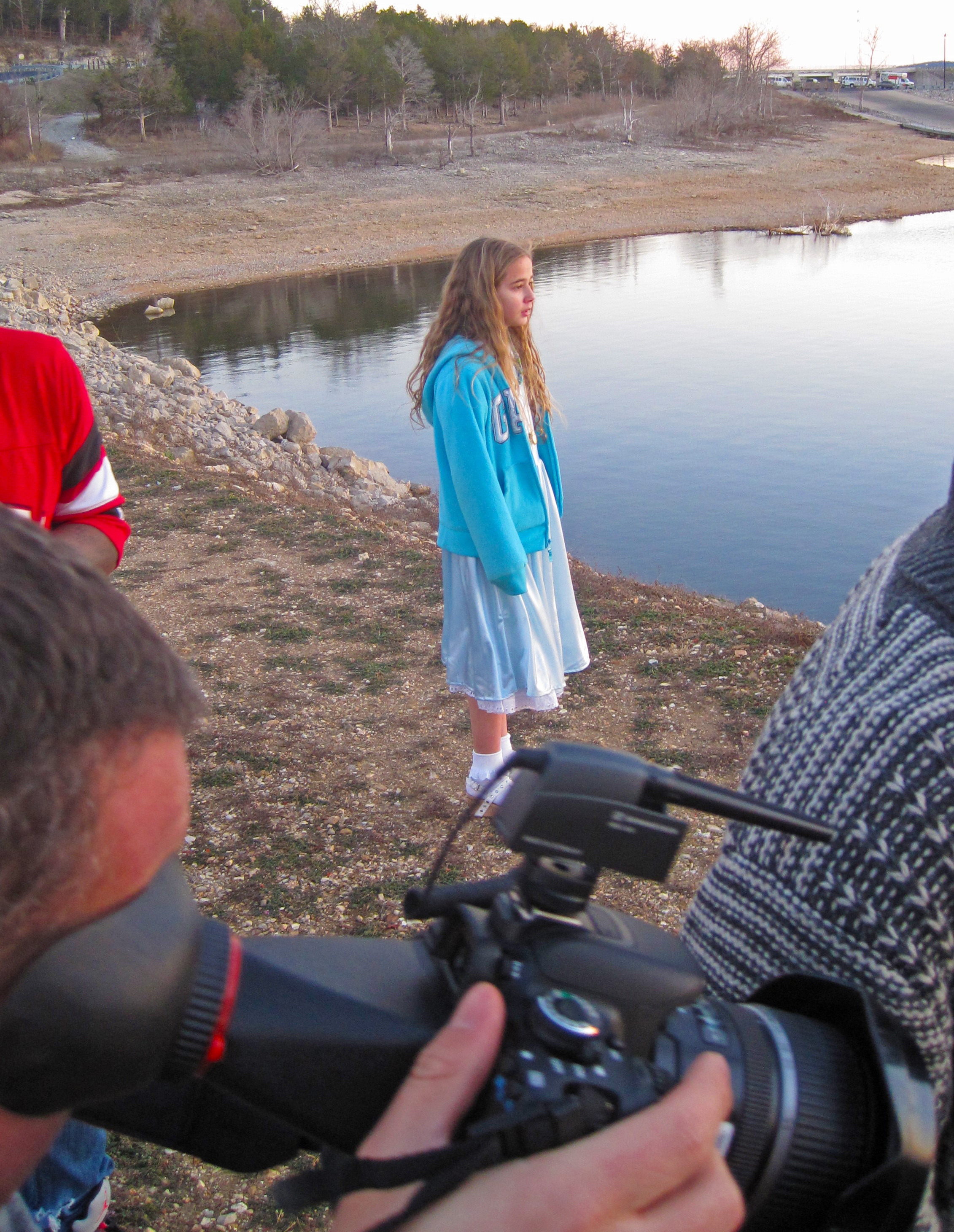
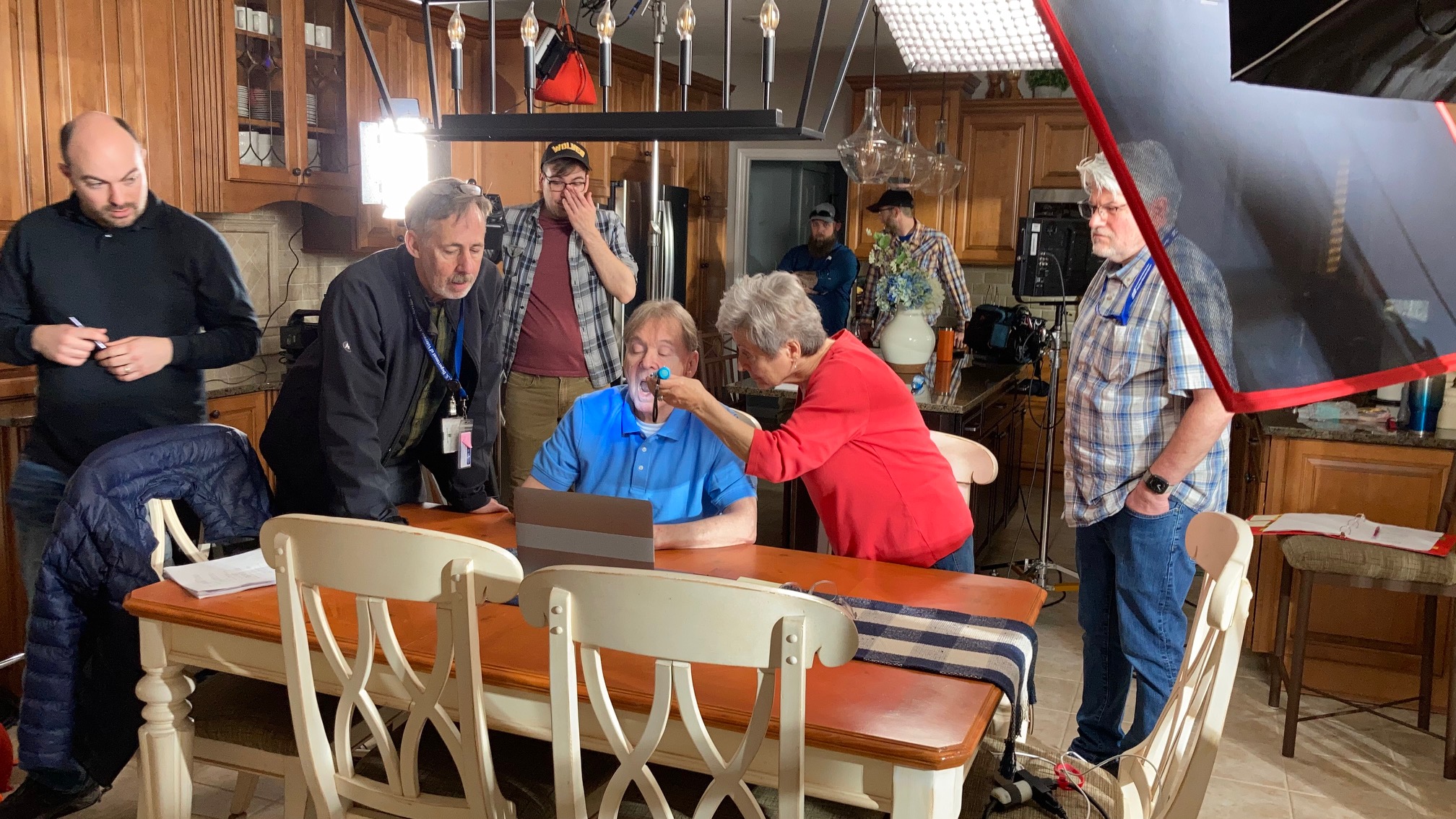
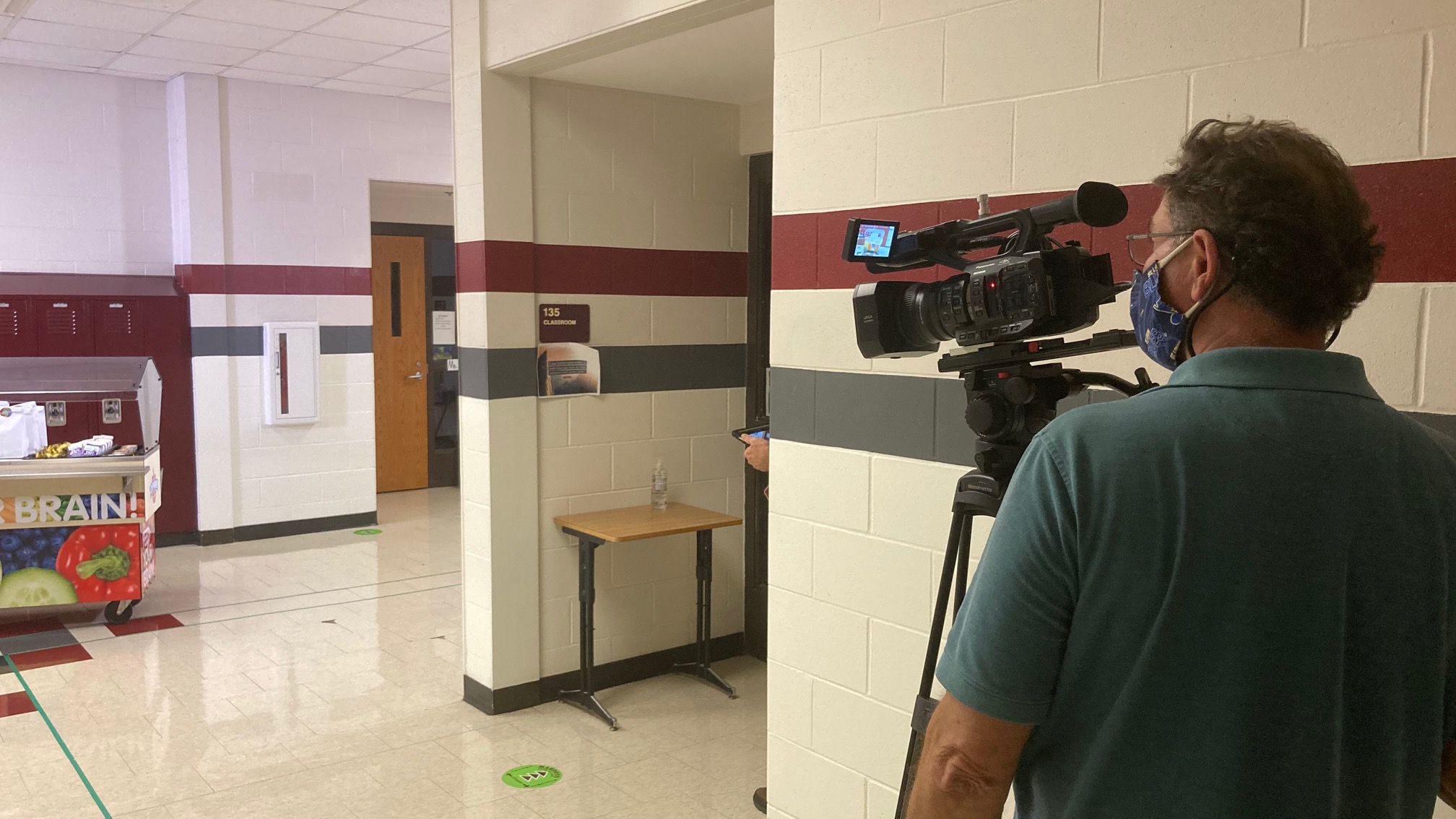
Camera operator, sound tech and talent setting up a recording on location

Location Scouting

The next step in the pre-production phase is to scout locations. The location where the video is shot is an important aspect of the video. It can make or break the video, so you need to make sure that you find the right location. Pre-production is all about planning, so you should have a clear idea of the type of setting you want for your video. You can research your options and shortlist a few places where you can shoot your video. Once you shortlist a few places, you can visit them and make a more informed decision.

Casting

Casting is the next step in the pre-production phase. If you are making an interview video, you need to hire an interview host/hostess. The host introduces the guest and asks questions during the interview. If you are making a corporate video, you need to hire actors who can play the roles in your video. You need to be creative and resourceful when you cast the actors for your video. A good way to find actors is to put up an ad on online casting websites. You can also ask your friends and family if they can recommend anyone. Casting is crucial because it can make or break your video. A wrong casting choice can ruin the whole video, so it’s very important to cast the right actors for your video.

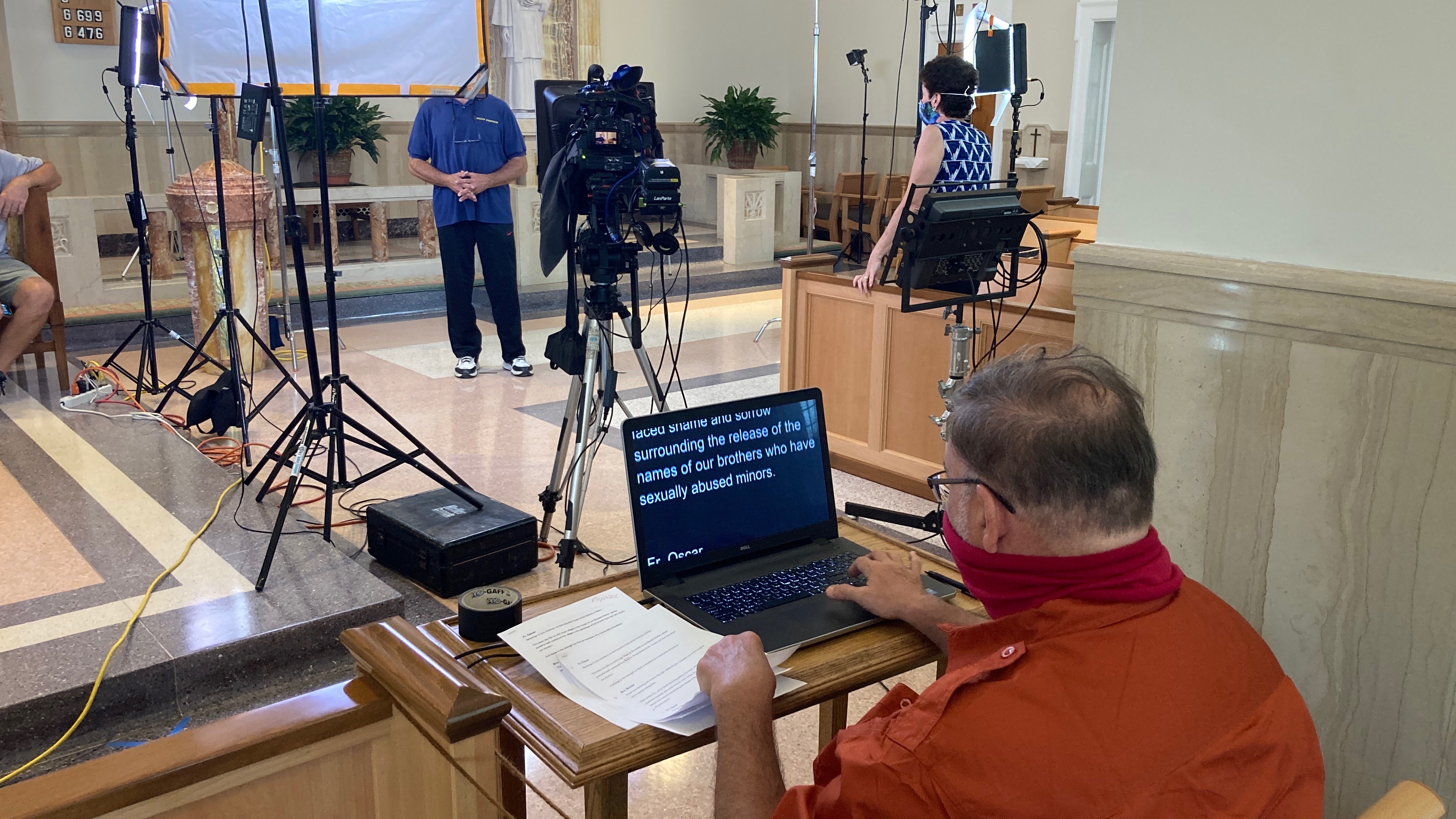
Setting up for a weekly webcast

Videographer and Crew Management

The next step in the pre-production phase is to manage the videographer and crew on the shoot days. As the client, you will be present on the shoot days to make sure everything goes according to plan. You need to have a good rapport with the videographer, so you can collaborate well and get the best out of the shoot days. The videographer will manage the camera and sound crew on the shoot days. As the client, you need to stay out of their way and let them do their job. Videographers are skilled and know what they are doing, so there’s no need for you to interfere with their job.

Grow your business with video. Call or email us today.

Rob Haller
314-604-6544
saintlouismostudios@gmail.com

What Are Explainer Videos and Why Should You Invest In Them?

An explainer video production is a terrific method to quickly introduce a product, service, or even your company. They’re often a terrific way to describe how a new idea/philosophy functions. We amplify the strength of digital cinema to create custom explainer videos.

Defining an Explainer Video

We shoot all throughout St. Louis

An explainer video is like an elevator pitch. What would you say to a prospect if you only had 60-90 seconds to tell them about your fantastic product or service? Typically, explainer videos are scripted messaging and expressed through voice narration and onscreen text and graphics. Most businesses will include an explainer video on their homepage or marketing pages to introduce their product or service to their customers. If you’re interested in creating an explainer video but aren’t sure what it is, here’s a quick definition: an explainer video is a short video that explains what your business does. Explainer videos are a video format that is specifically designed to help your target audience understand your product or service. They can be 30 seconds or 10 minutes long, but they all have the same goal: help your customers understand what you offer and why it’s useful to them.

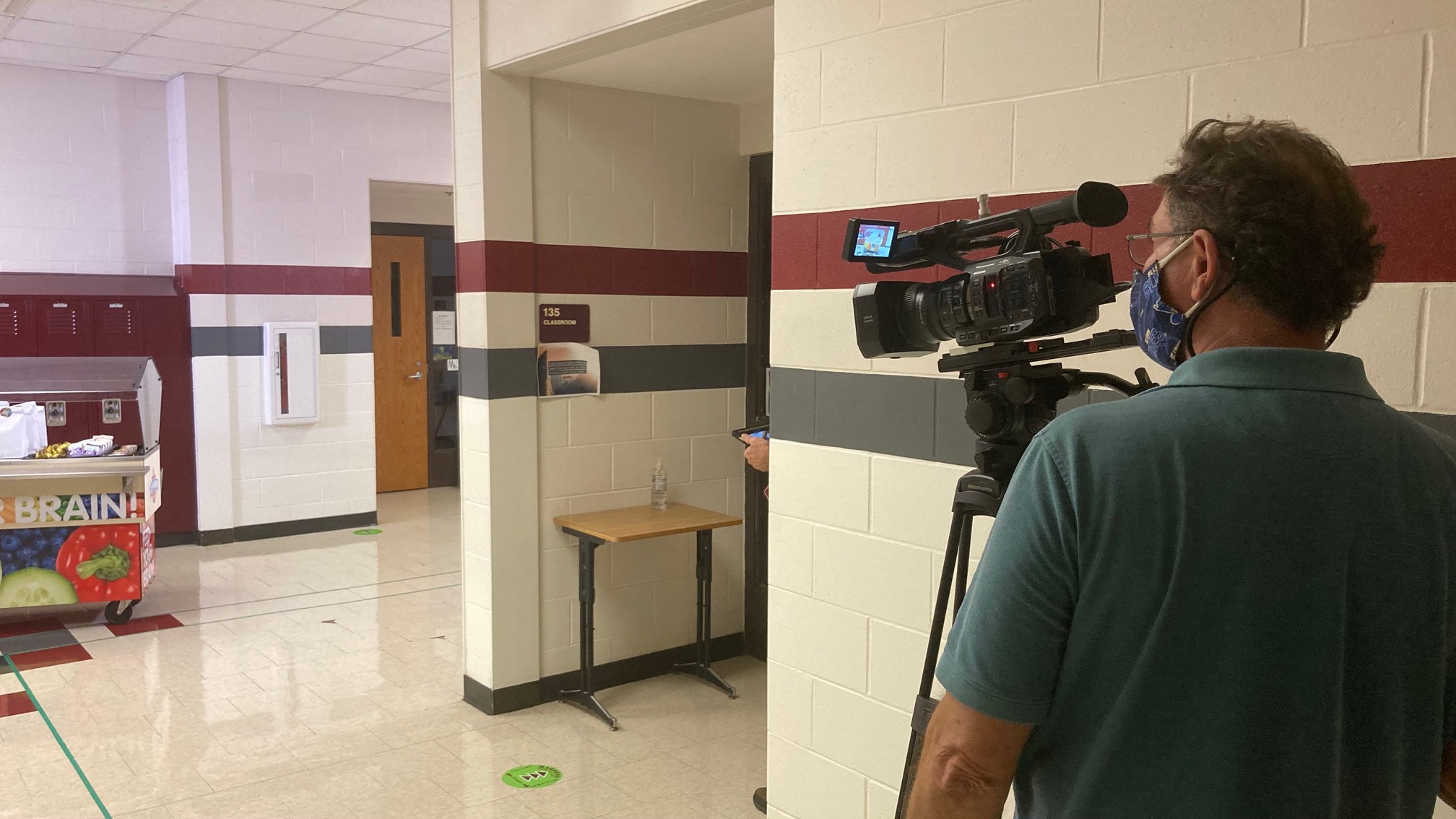
Location production with video crew

Why Are Explainer Videos So Effective?
There are a few reasons why explainer videos are so effective. The first is that they’re visual – visuals are processed 60,000 times more quickly in the brain than written information. This makes it much easier for your customers to understand what your product or service does. Another reason is that they’re accessible to everyone. While you might have the time and budget to create a high-quality video, not everyone does. Explainer videos are perfect for those who can’t afford a high-quality production, but who still need a way to introduce their product to their customers. One more reason why explainer videos are so effective is that they’re interactive, meaning that your customers can engage with them in a way that they can’t with static visuals or written explanations. This makes your product or service more personal and appealing to your customers.

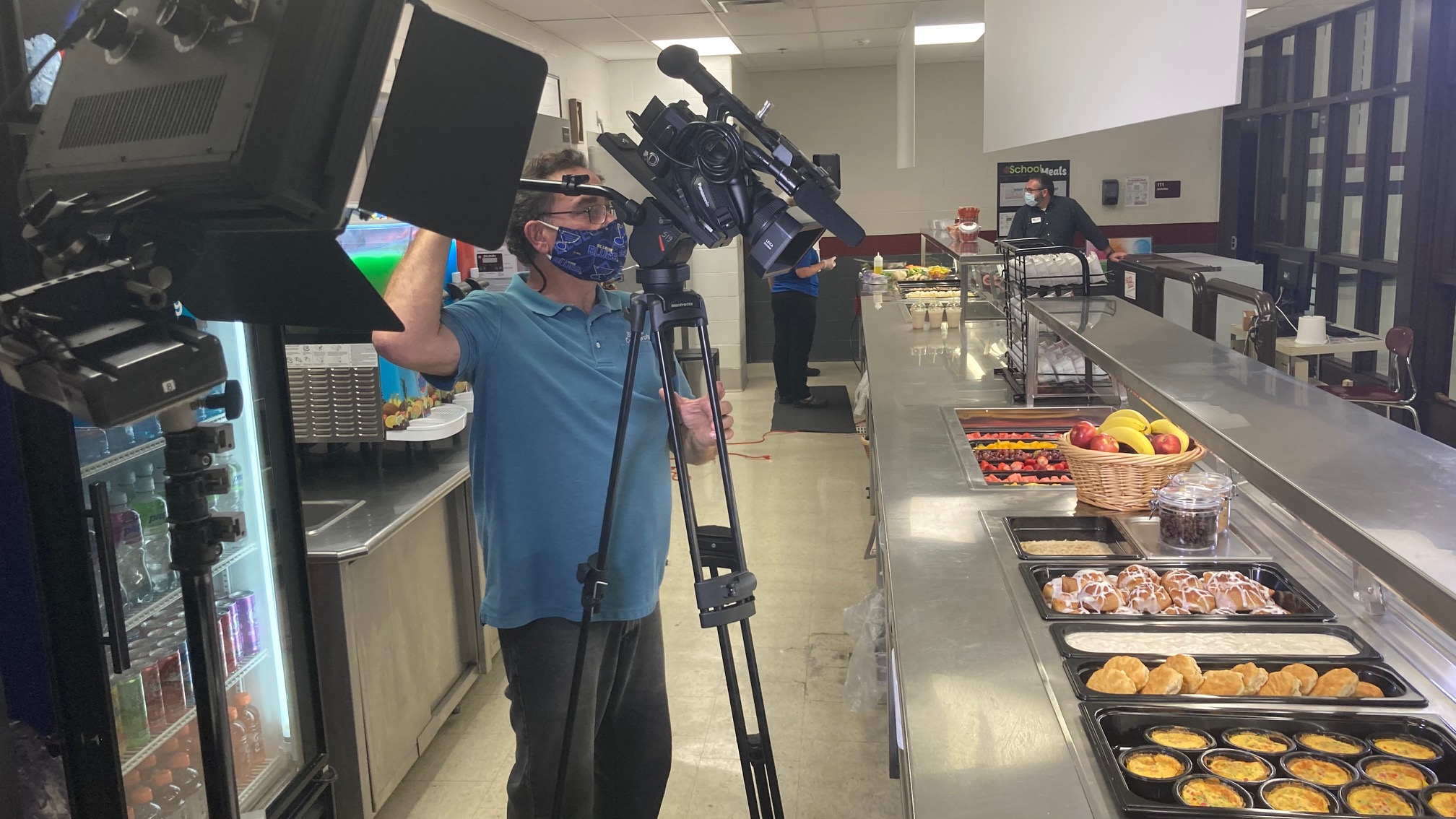
St Louis studio production

How to Create an Explainer Video
If you’re convinced that an explainer video is right for your business, here are a few tips to help you get started creating one. First, outline your script and storyboard. You may be tempted to jump into creating your video, but having an outline for your script and storyboard will help you stay on track and make sure you don’t miss an important point. Next, find a voice actor. If you’d prefer to record your script yourself, make sure you find a voice actor who has the same tone and personality as you. Your voice should be welcoming and friendly, but not too chummy. Next, record your video. You may want to record your script in segments if you’re recording in front of a computer screen. Lastly, edit your video. Even though videos are visual, you still want them to flow smoothly. You can do this by editing out any unnecessary pauses, deleting any mistakes, and including graphics and text if necessary.

Two Important Takeaways
Explainer videos are a quick and easy way to introduce your business and product to new customers. They’re an affordable way to create an engaging video that will help your customers understand what you do, even if they’re new to your industry. Now that you know what explainer videos are and why they’re so effective, it’s time to create your own video. Start by outlining your script, finding a voice actor, and recording your video. Editing your video and incorporating it into your marketing strategy will help you attract more customers.

Rob Haller
314-604-6544
saintlouismostudios@gmail.com

Remote and Studio Video Crews

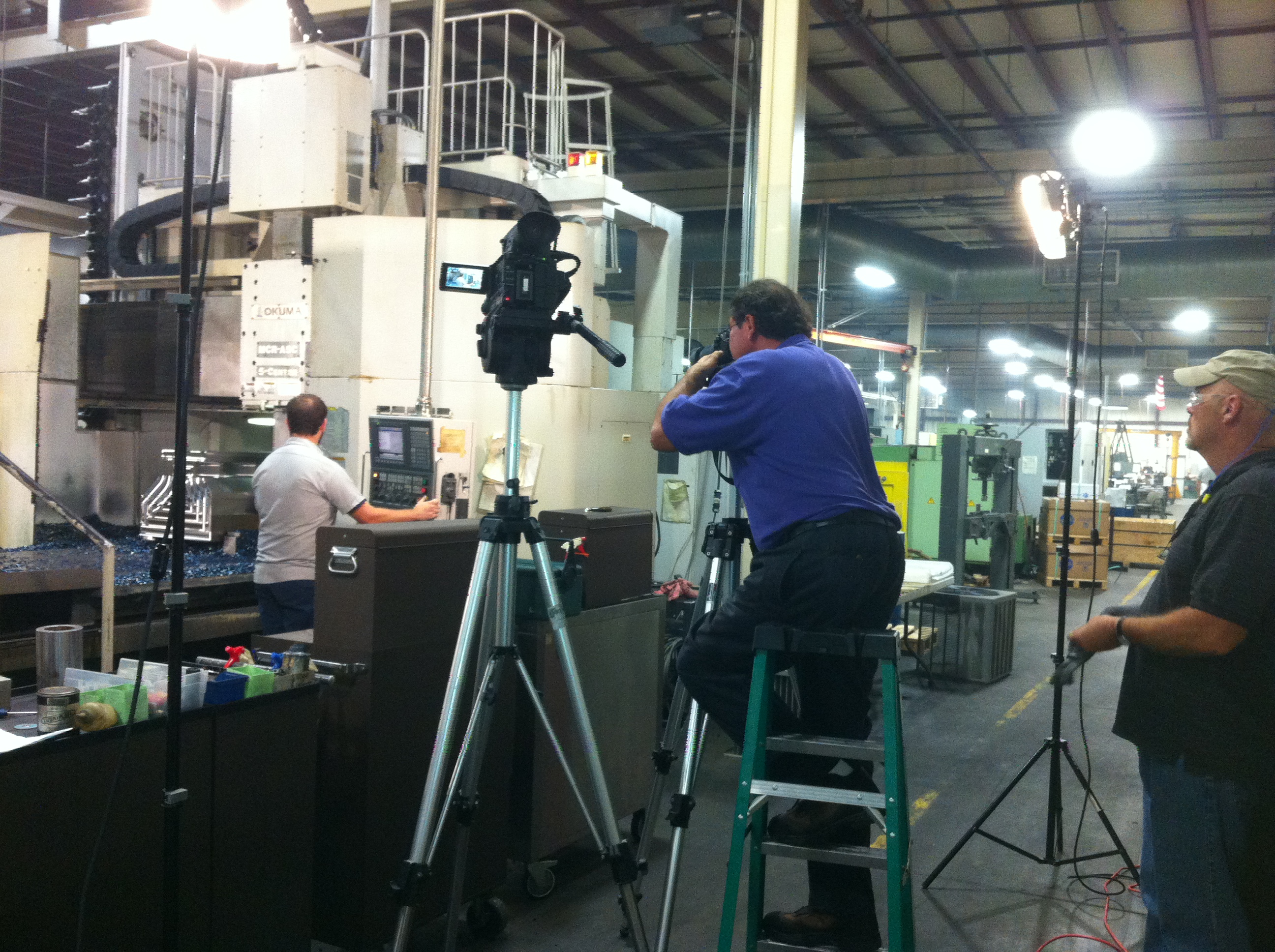
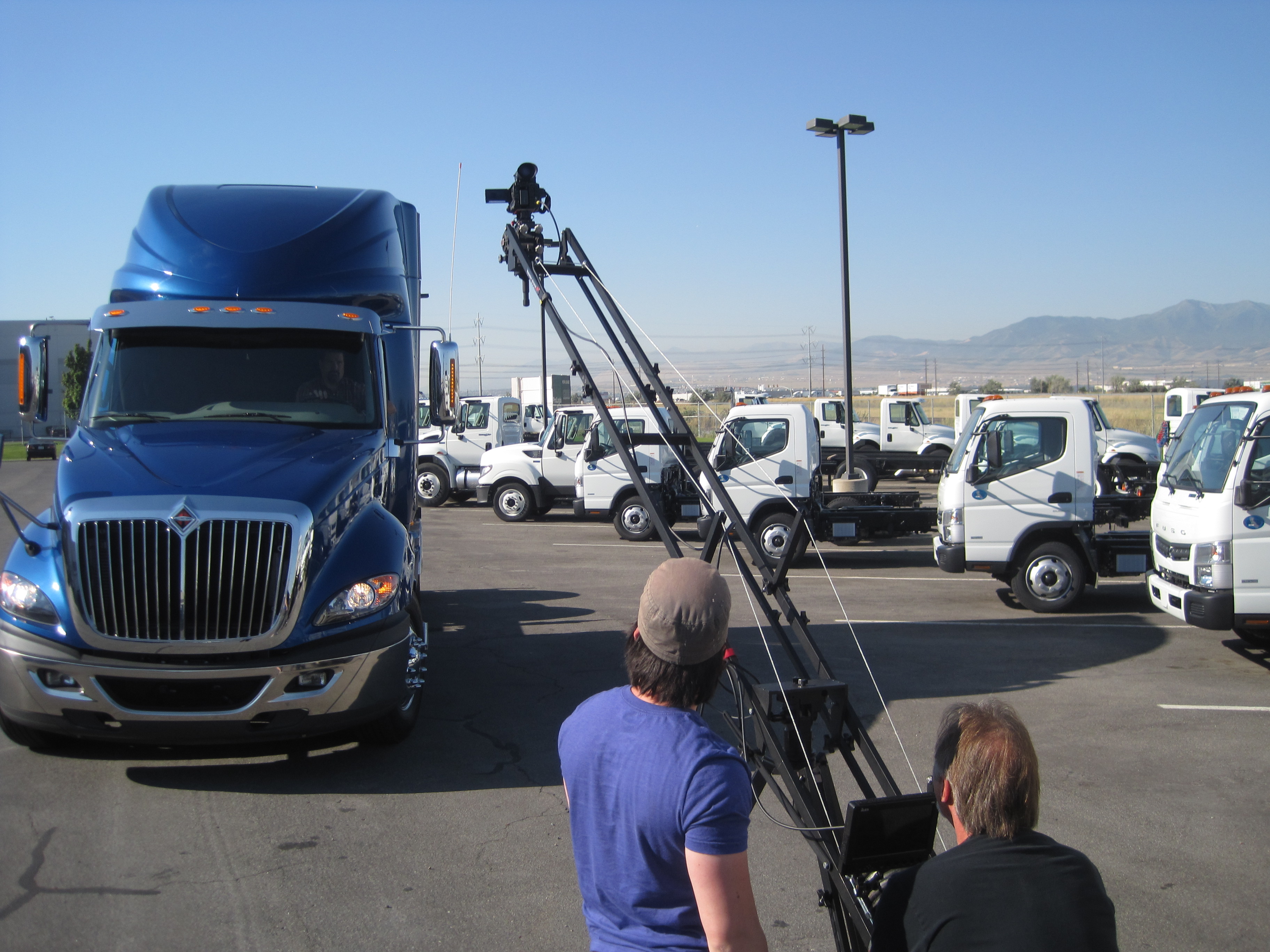
We have a large network of qualified corporate video production crews, including editors, video camera operators, and drone photographers to fit your specific needs. Whatever the requirement, we can provide the hard working people and equipment to do the job right!

As a digital business development and strategic communications firm, St Louis Video Production Studio utilizes video production as an important channel for helping our clients create and communicate their brand message. Whether the communication is targeted for an external audience such as consumers and customers or an internal audience such as employees, vendors, and contractors, we work closely with our clients to create effective and targeted messaging that gets the desired results. We are able to adapt to the unique needs of each client to create custom strategies to fit distinct messaging needs.

Rob Haller
314-604-6544
saintlouismostudios@gmail.com
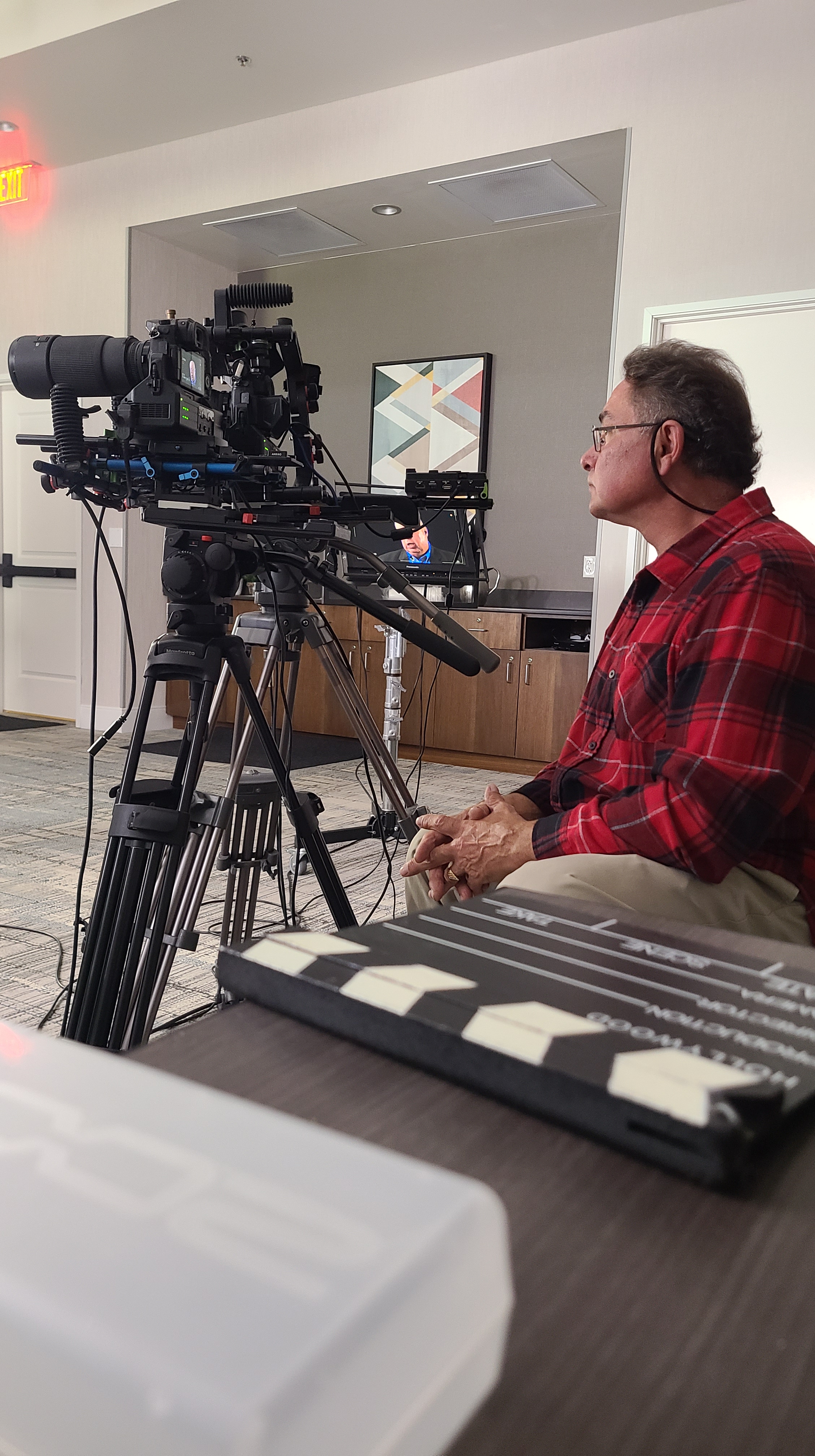
Camera and Production Crews | Studio and Location Video and Photography

Photography and Video production created daily. Our clients are vast and no one is alike. One minute we are shooting a lifestyle print advertising campaign and the next we are shooting commercial video for corporate executives.

Our creative team is an award-winning photo and video production company based in St. Louis. We specialize in corporate promo videos, corporate event photography, corporate head shots, product photography, business service photography and lifestyle photography.

We help businesses and individuals tell compelling marketing stories by creating network-quality videos and magazine-quality photographs.

We utilize top-of-the-line photography and video equipment. We are always up-to-date with our cameras, lighting and sound recording equipment, drones, electronics, hard drives and wireless technology.

Rob Haller
314-604-6544
saintlouismostudios@gmail.com
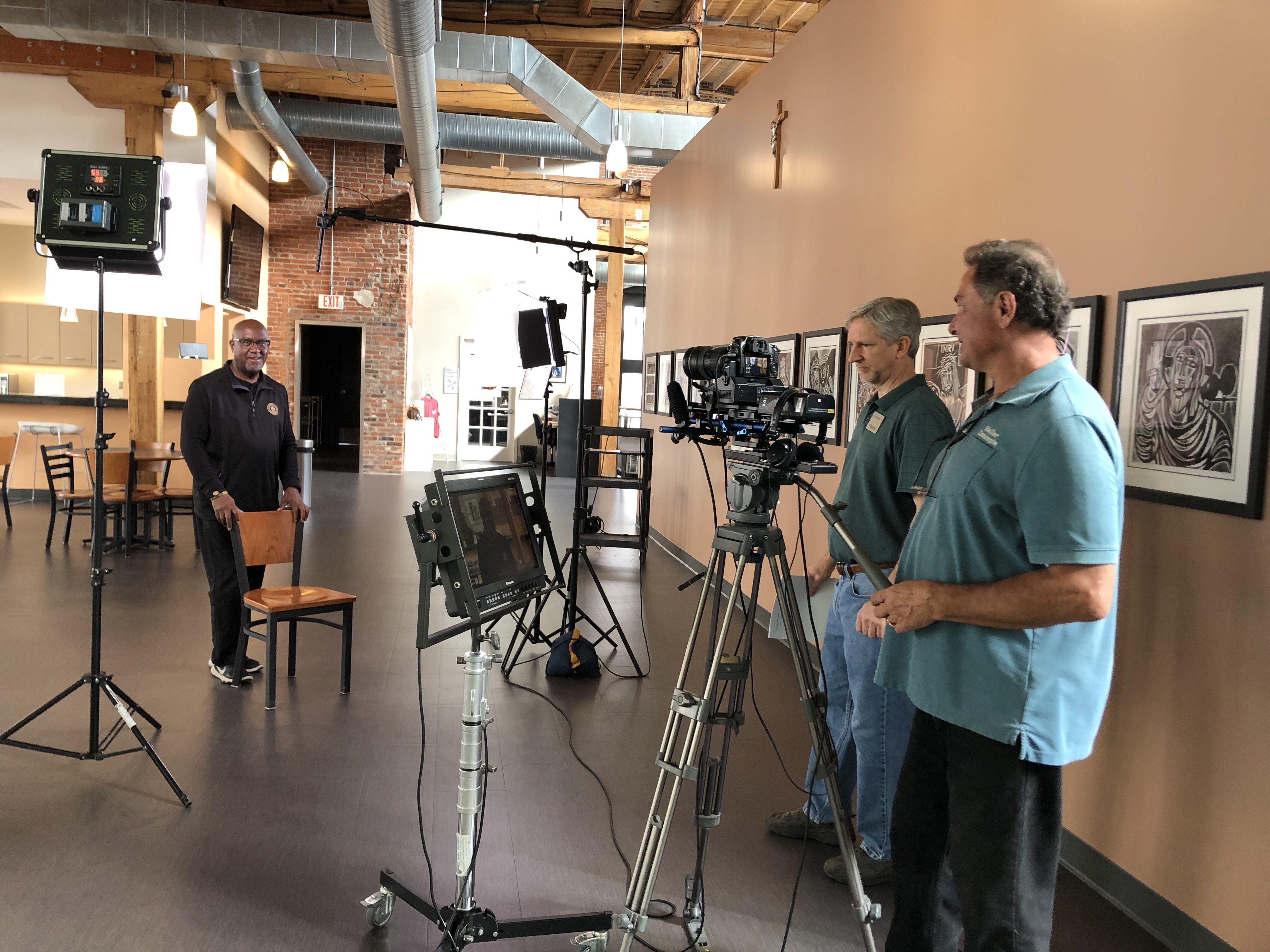
Commercial Production Crew | St Louis Video Studio

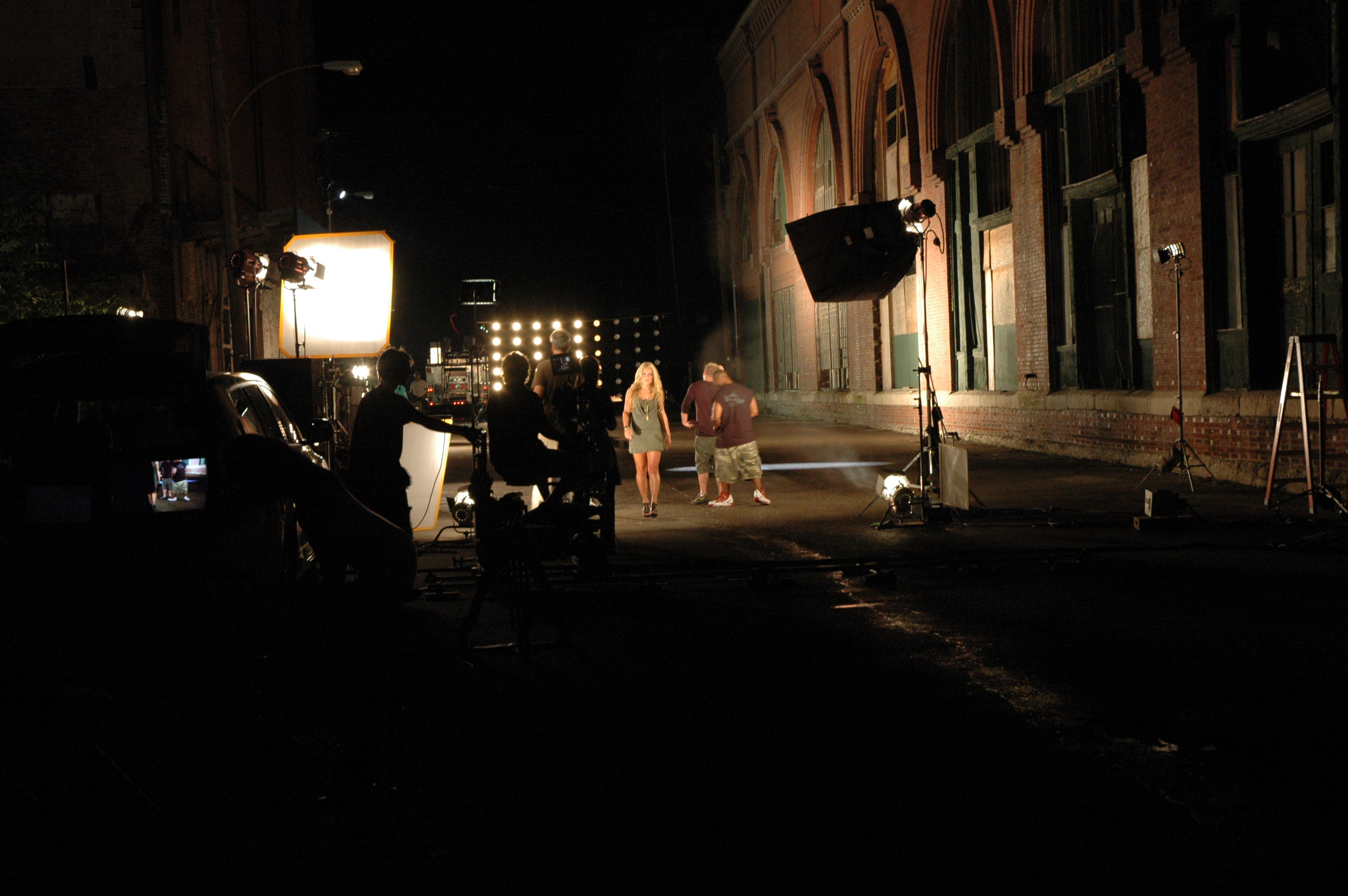
We have a highly skilled video production and film crew that can create television commercials, corporate video, web films, branded content, social media video, and YouTube videos. Our backgrounds are in advertising, marketing and visual communications.

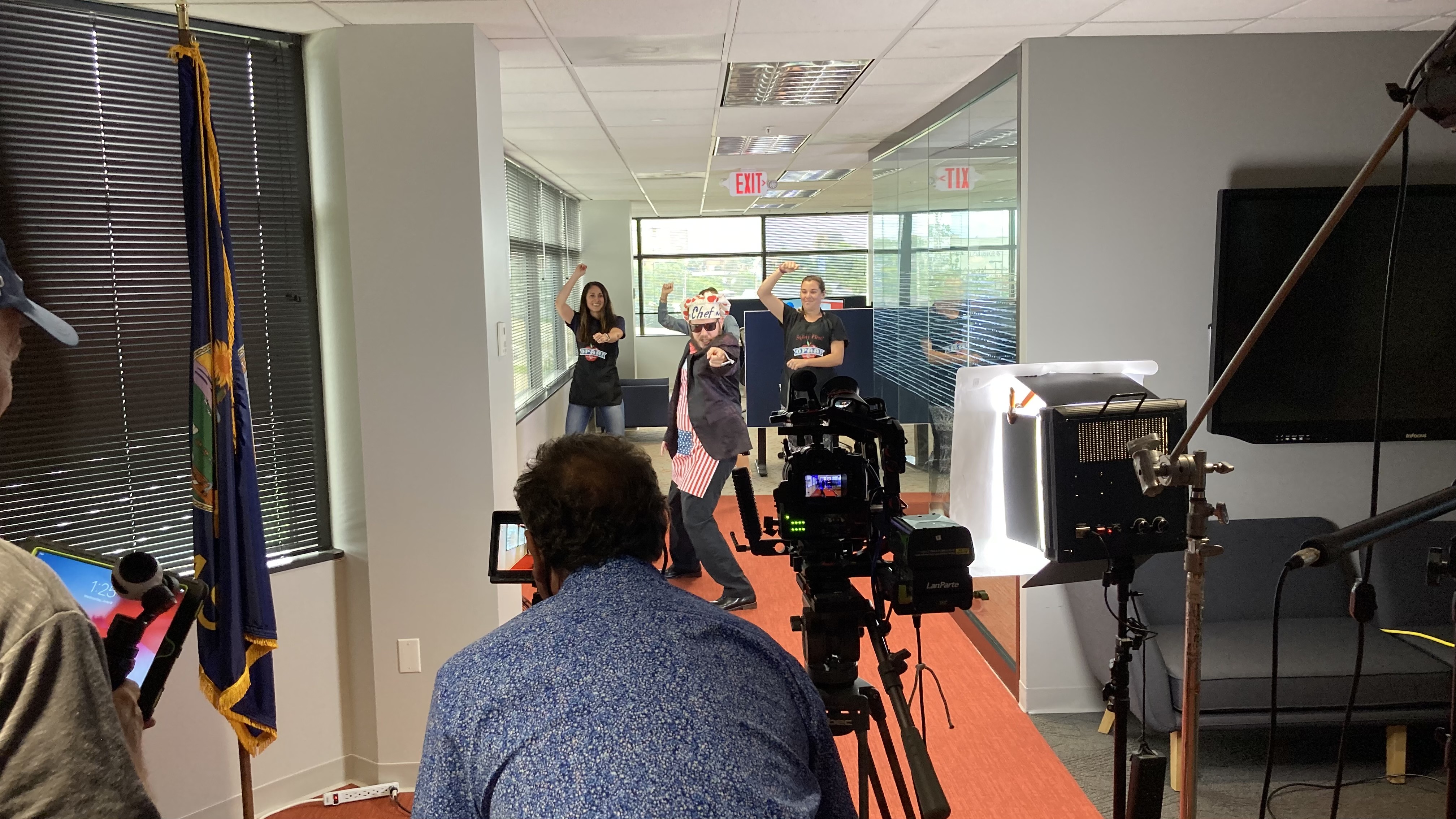
Shooting a music video on location.

Although we frequently shoot video on location, we welcome you to shoot in our studio as well. It is ideal for promotional, testimonial and training videos.

St. Louis video production studio crews.

We’ve been providing corporate video production services and commercial photography for businesses since 1982. We’re focused on making sure your videos and photos make the right impression.

Rob Haller
314-604-6544
saintlouismostudios@gmail.com

St. Louis Video Production Studio

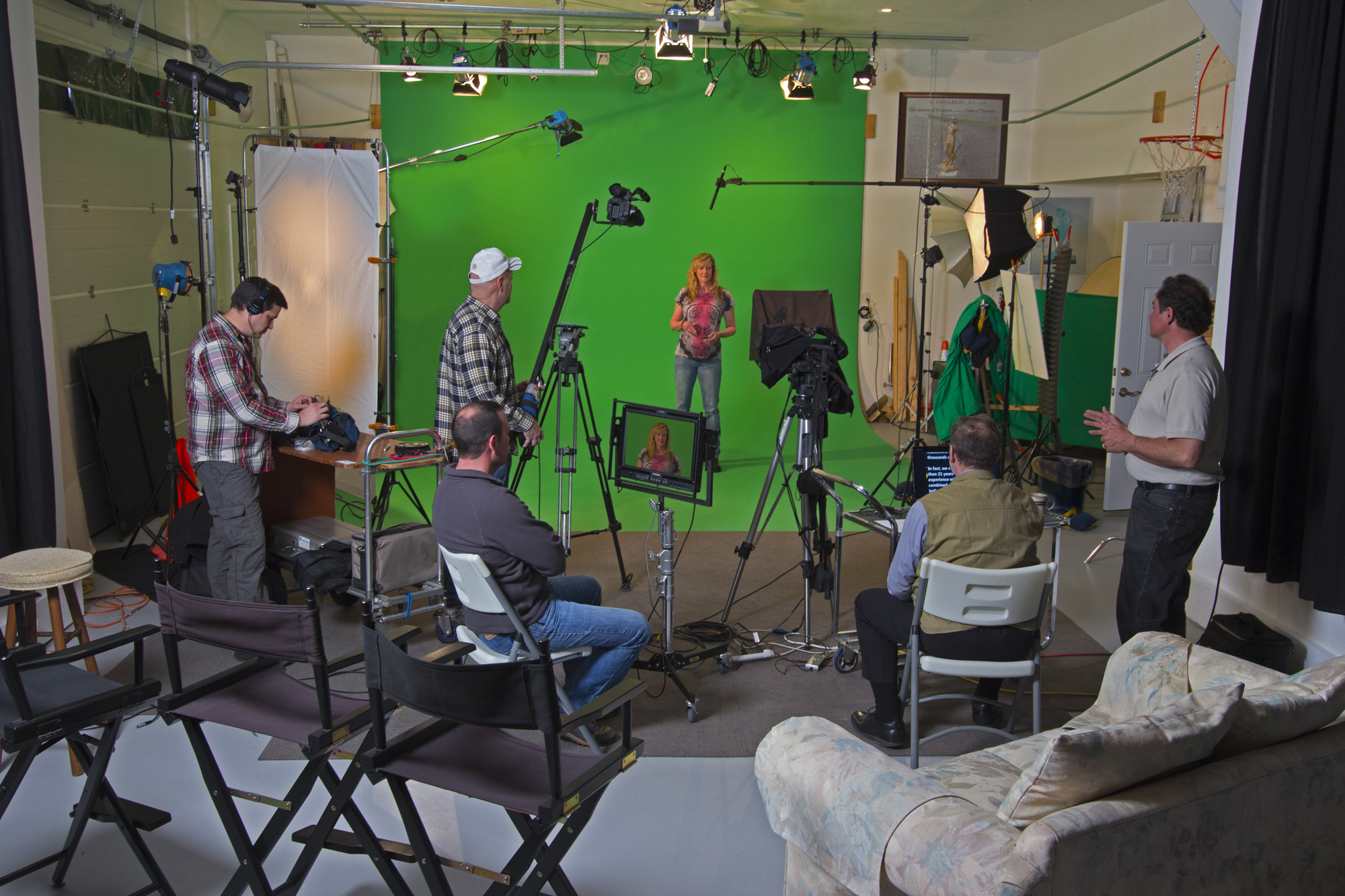
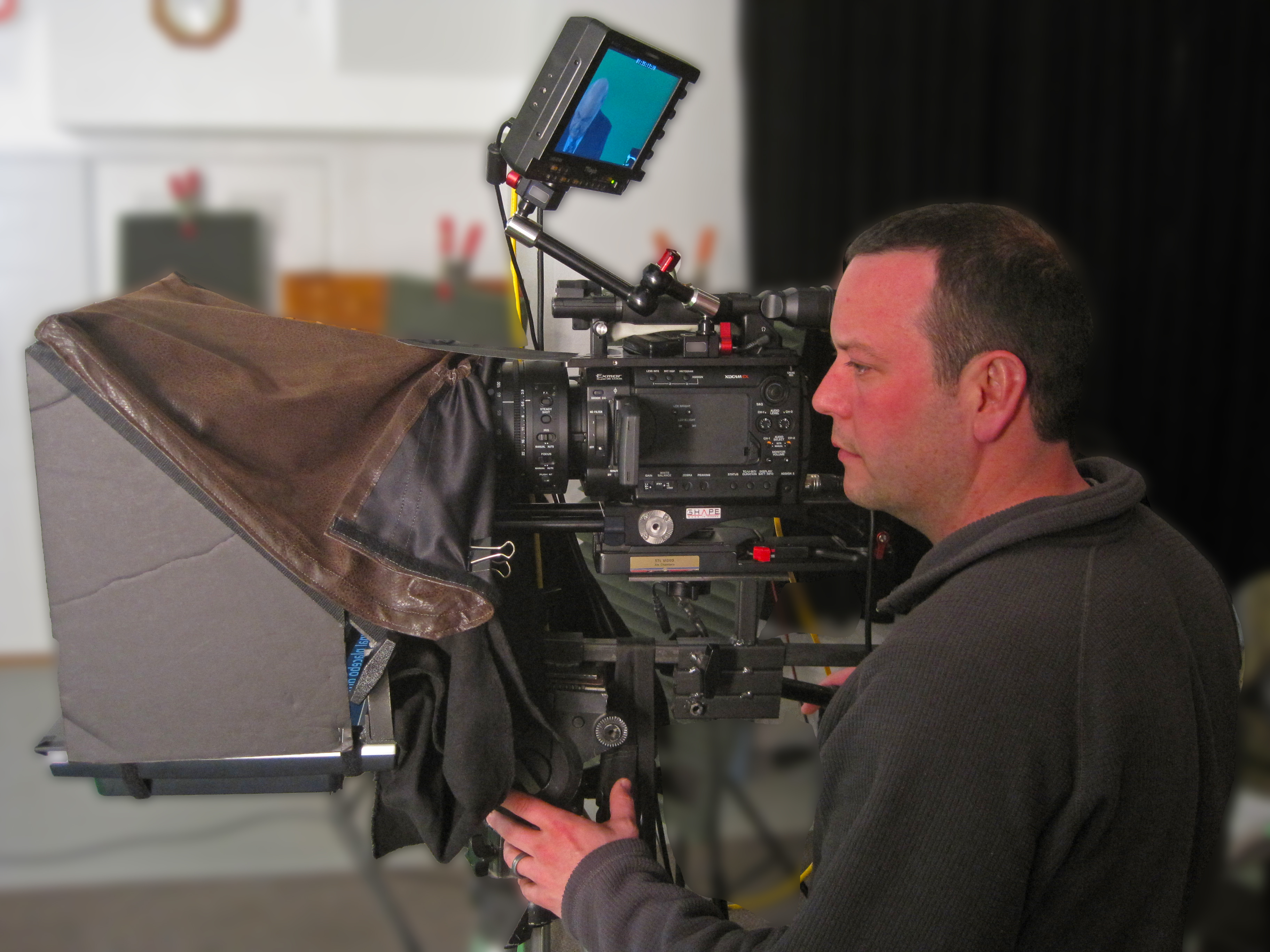
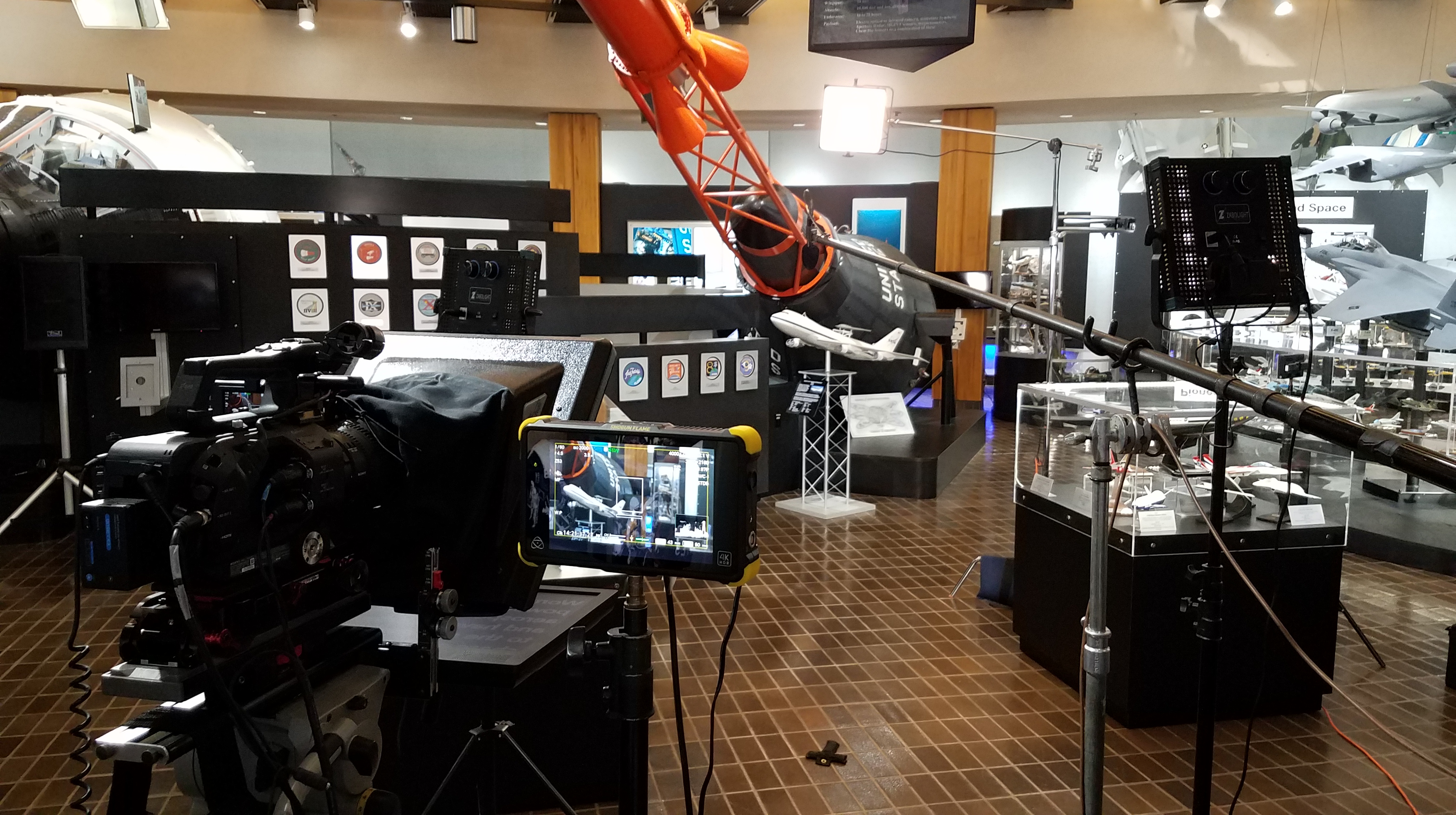
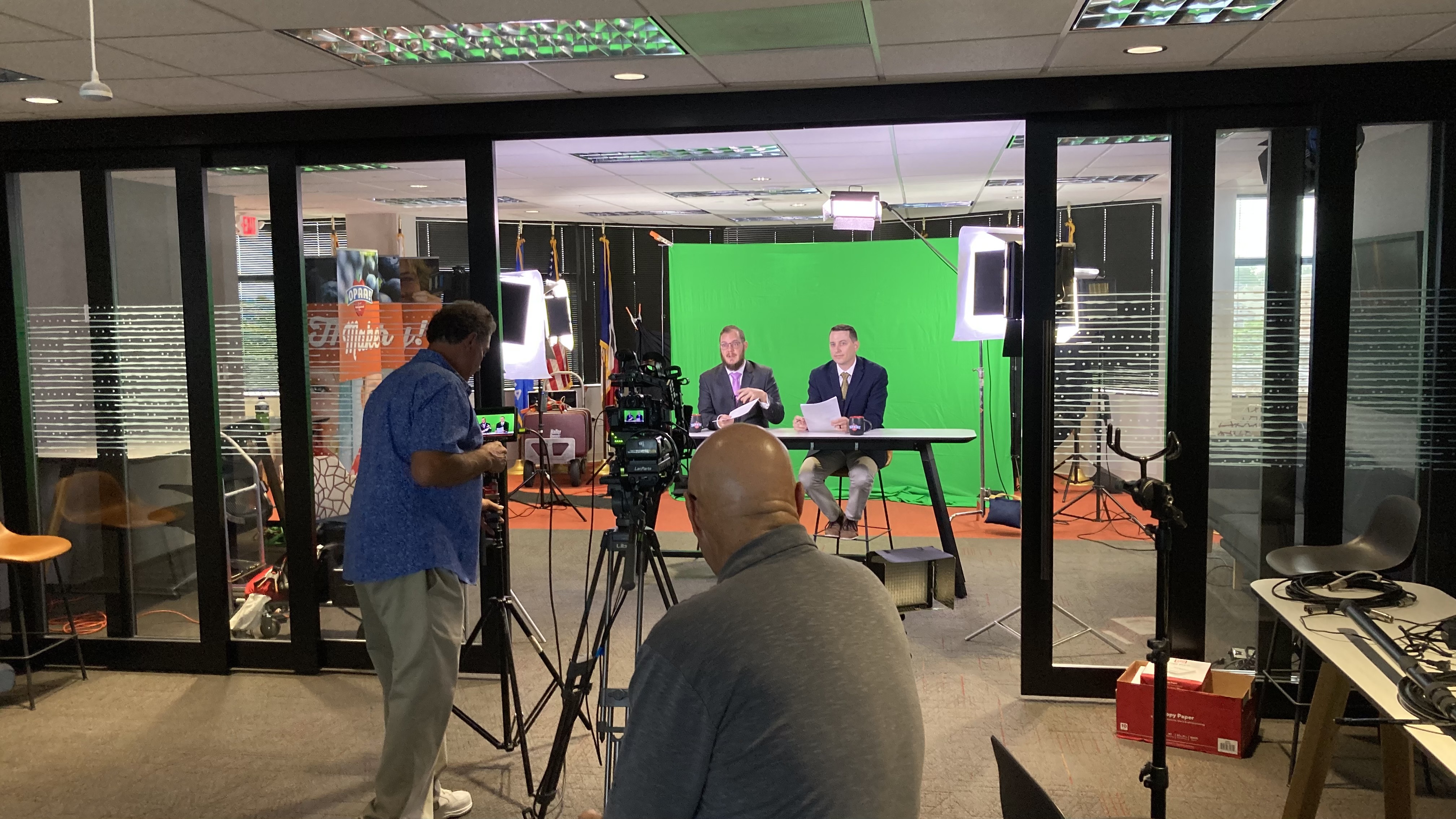
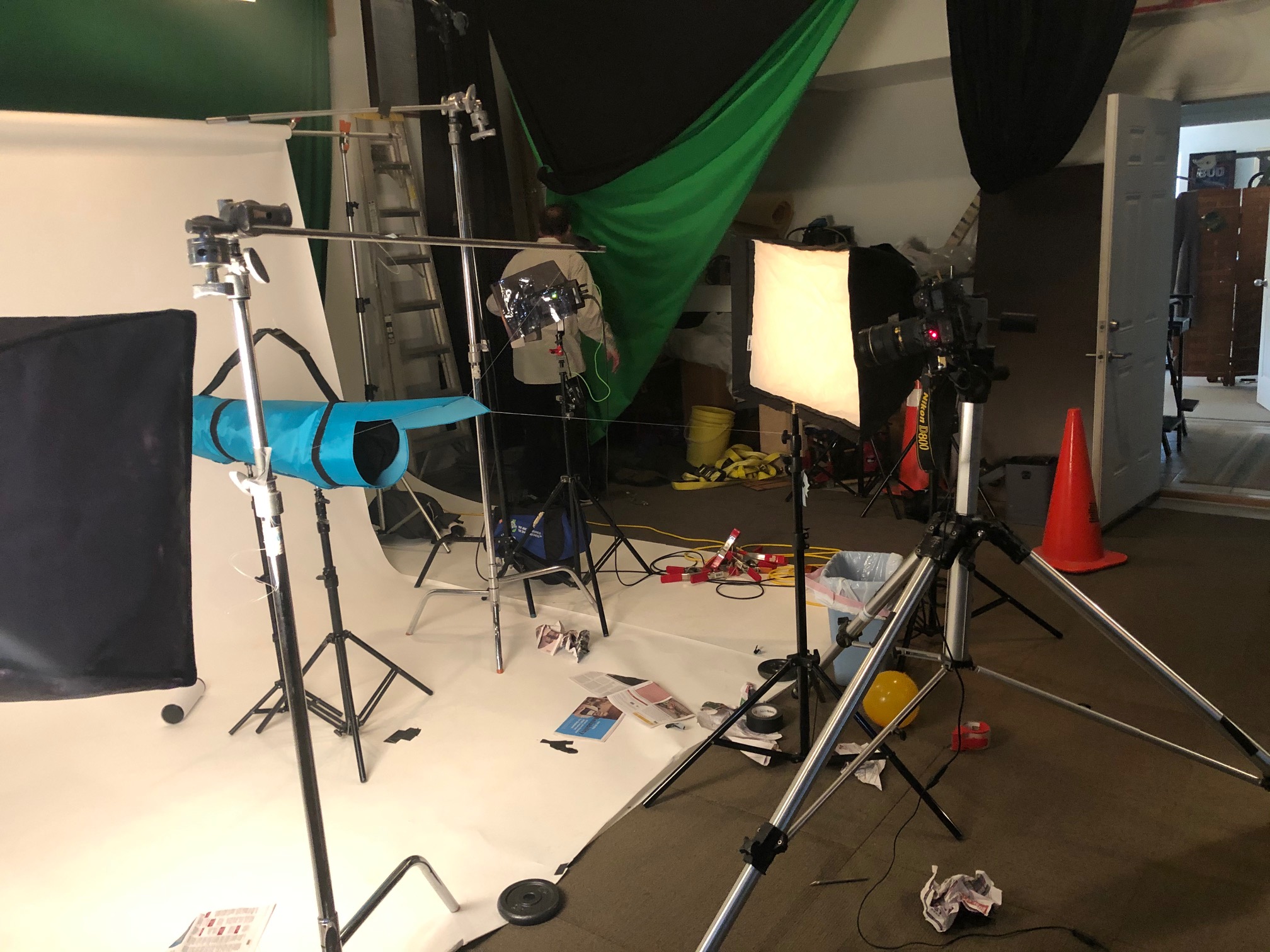
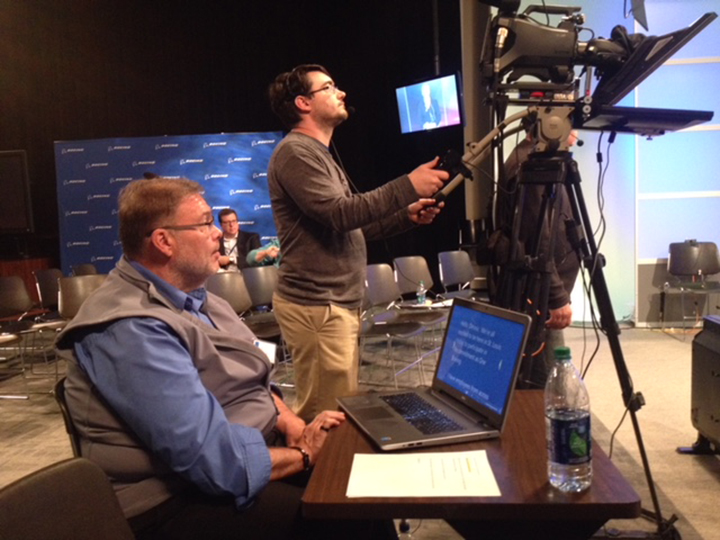
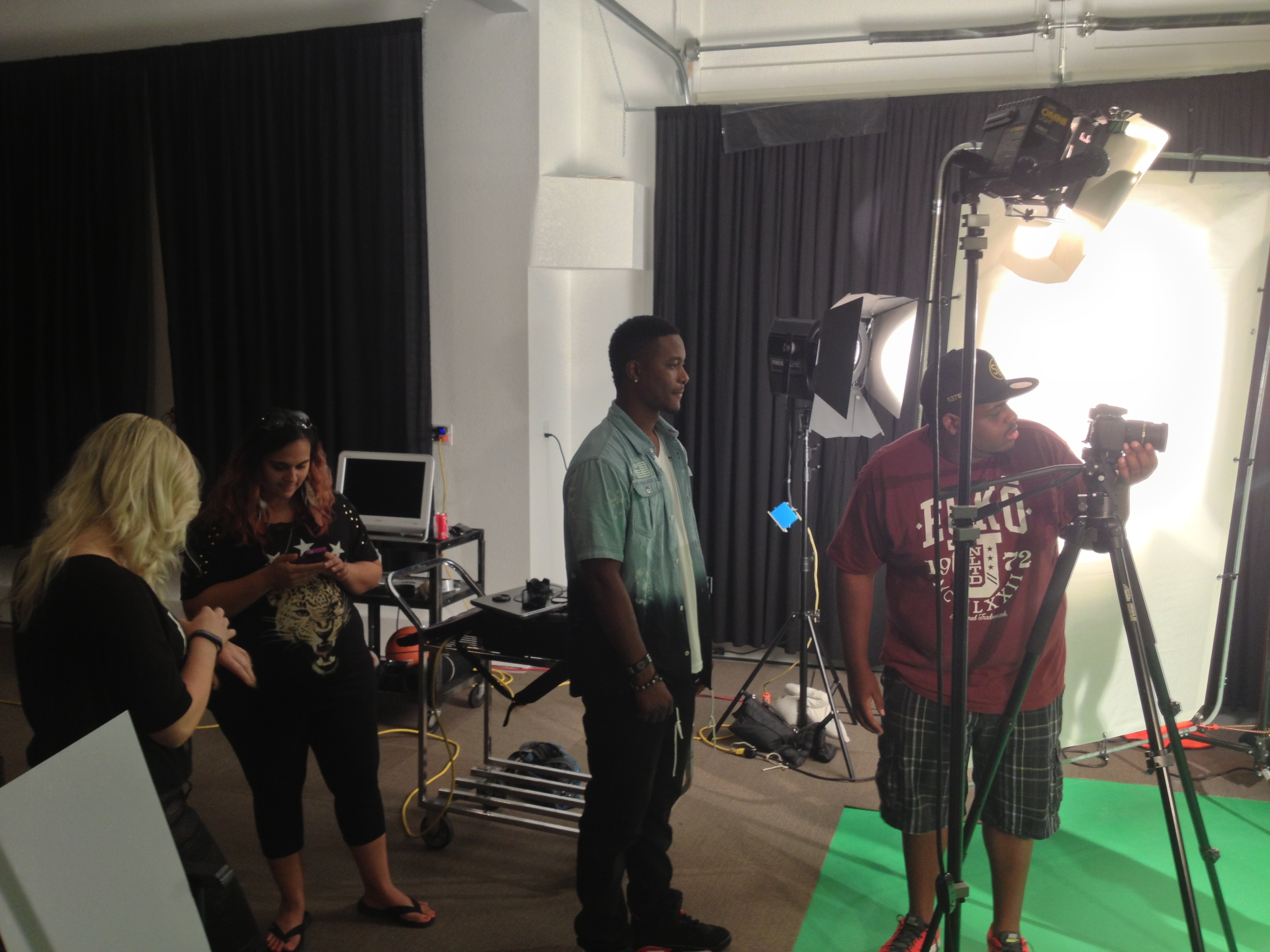
Our fully equipped video studio features all digital HD video editing, sound recording, a production studio that includes a cyc wall, green screen, broadcast 4K cameras, teleprompter with an experienced operator and all the lighting you might need. We have partnered with businesses and advertising agencies throughout the region seeking professional films, television commercials, corporate videos and a full-service video studio.

Rob Haller
314-604-6544
saintlouismostudios@gmail.com

Financial Advisers Marketing and Communication Video Production

Today’s financial market demands video.


With video, you can connect with your audience in a more personal way. It lets you show off your brand voice and company values to remind your customers that they come first. Not only can you use explainer videos to communicate your unique value, but educational videos to help customers feel more confident with their financial decisions, and company story videos to share your history and mission.

If you’re a bank, an investment firm, a fintech startup or a technology company with financial services clients, video can work in your content strategy to build relationships and standout in the industry.

Rob Haller
314-604-6544
saintlouismostudios@gmail.com
video production st louis missouri

st louis video production studio

st louis video production studio

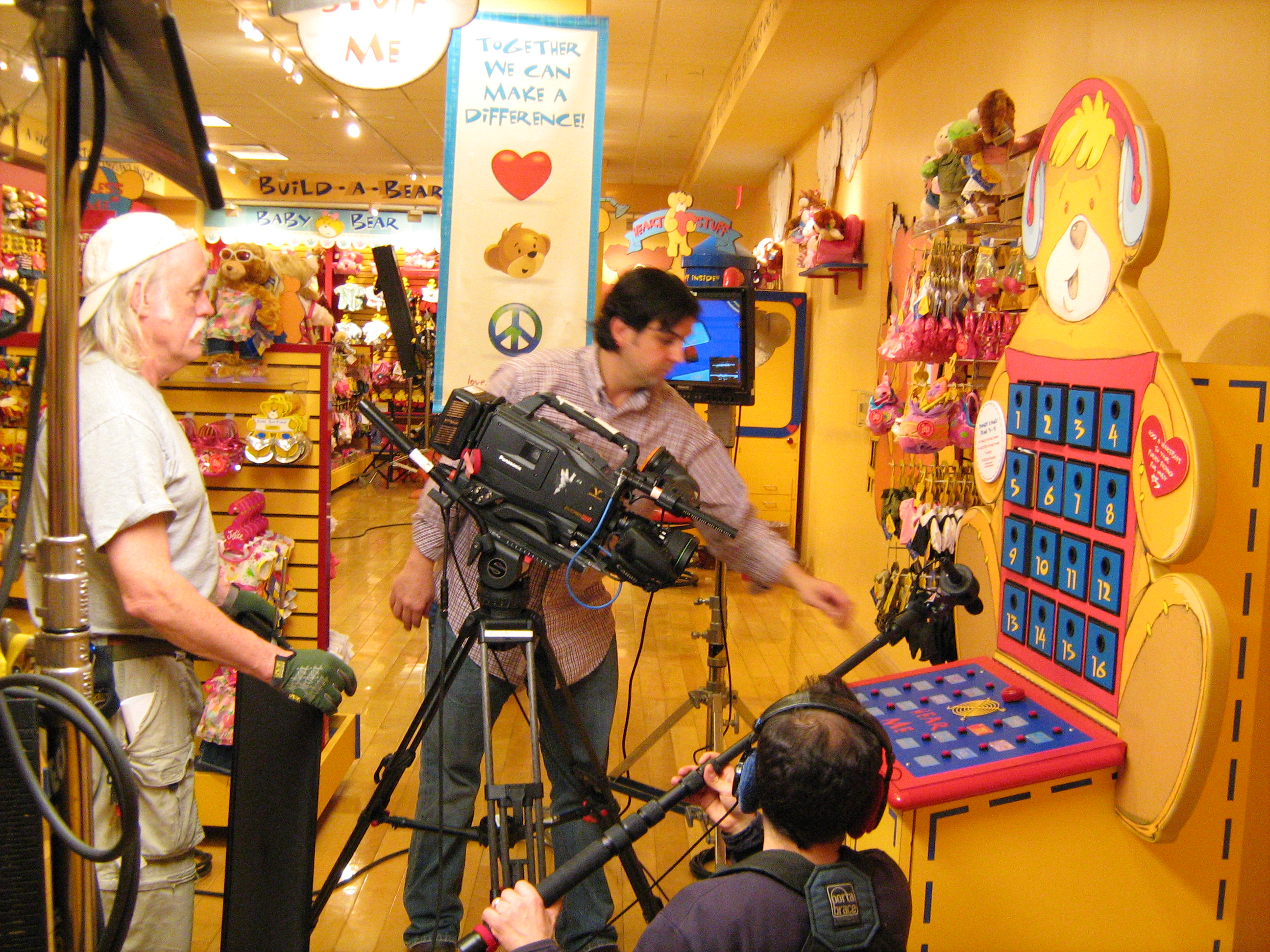
St Louis Video Production Studio provides professional video production and studio production for corporate, marketing, training and various other promotional productions with professional video production crews.

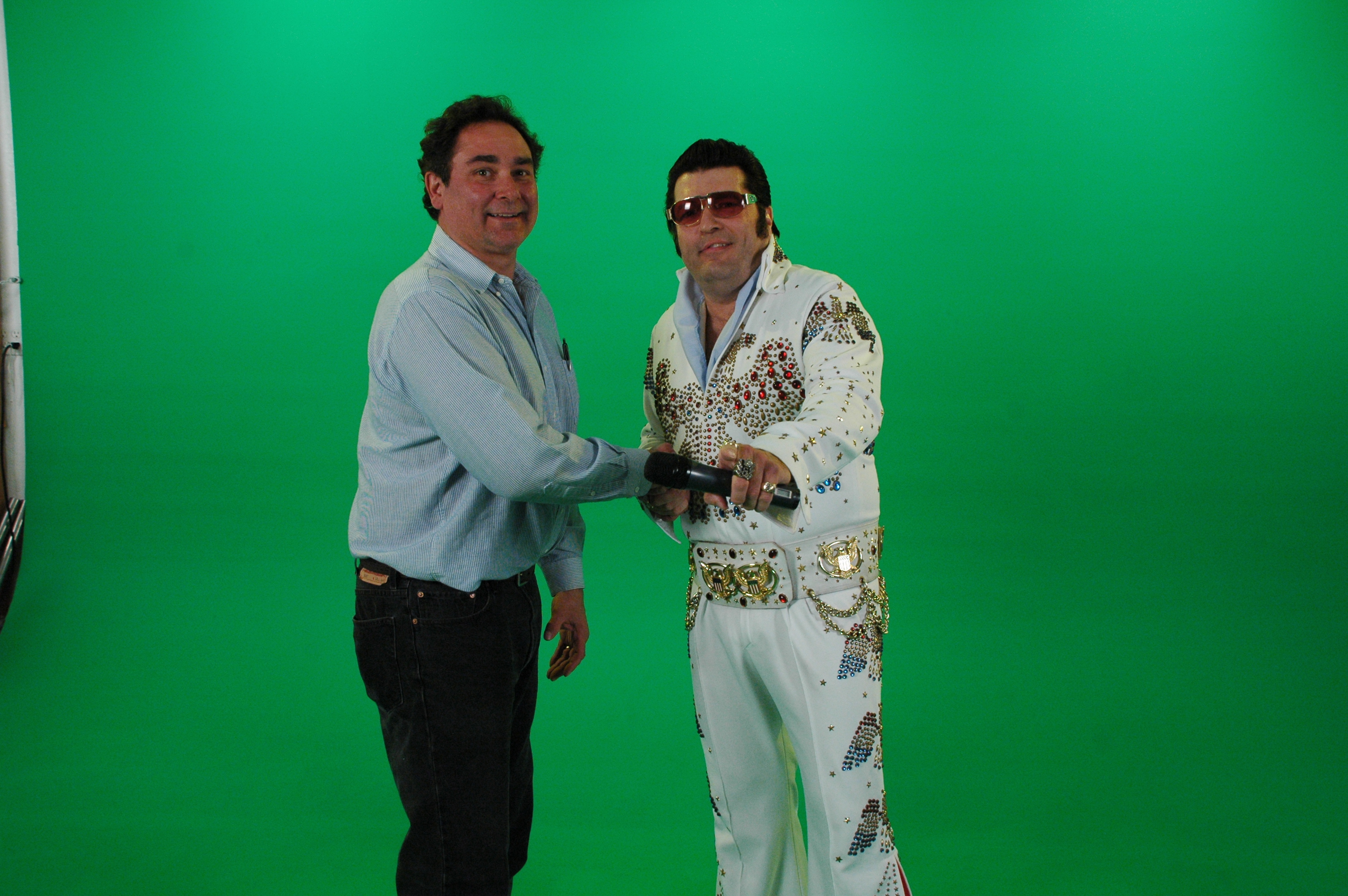
Our green screen studio can transform any background for your video production.

Randy Oldendorph, St Louis Producer

314-892-1233

saintlouismostudios@gmail.com
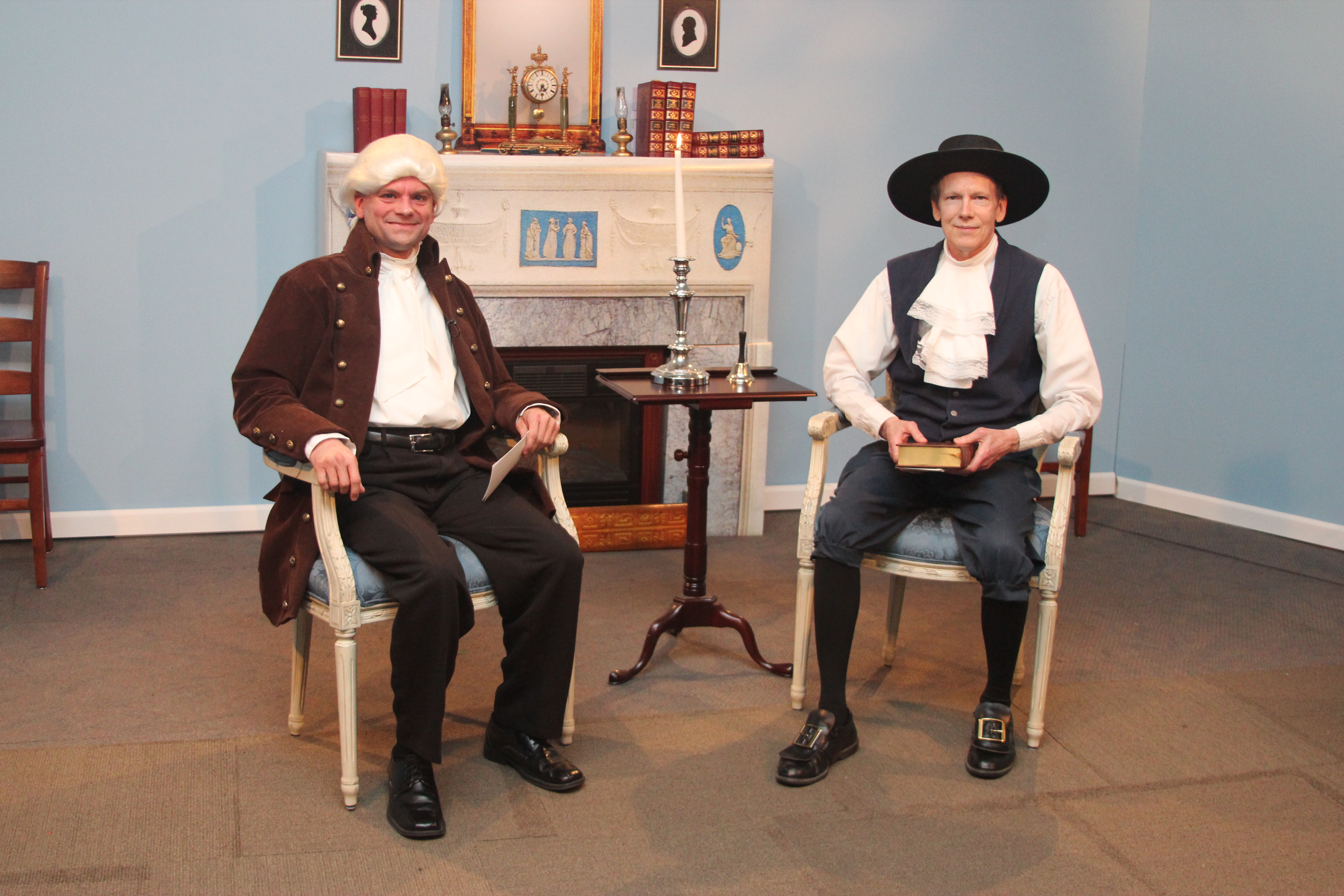
st louis video production.

st louis studios

St Louis Studios. The complete St Louis studio source for all of your video, photo and audio production needs.

We are your total source for video production in st louis, missouri.  Our St Louis video production crew is experienced in all aspects of quality production.

Randy Oldendorph, St Louis Producer

314-892-1233

saintlouismostudios@gmail.com