Tag Archives: webcasting and video streaming

Video Interviews and B-Roll Specialists in St. Louis

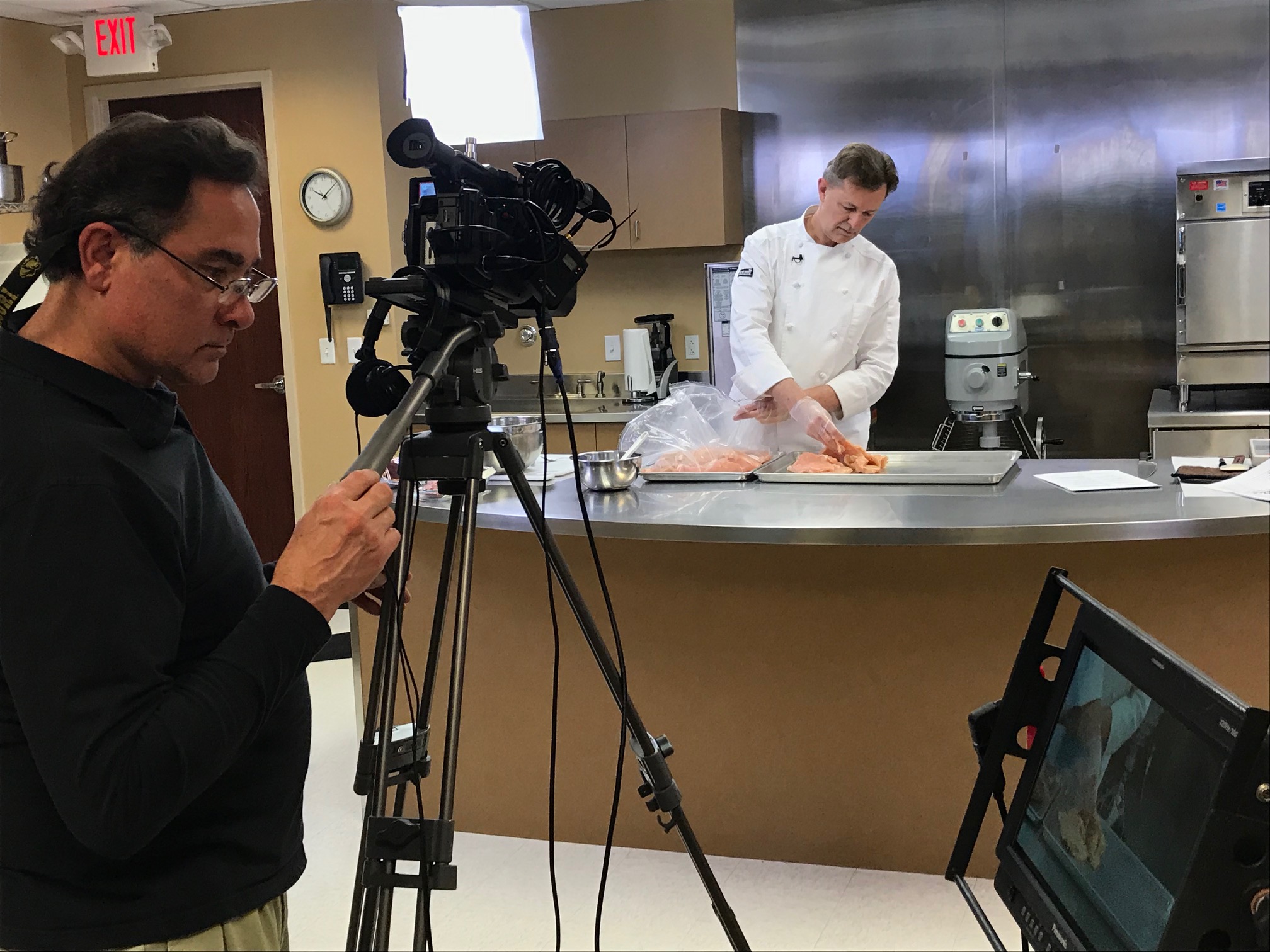
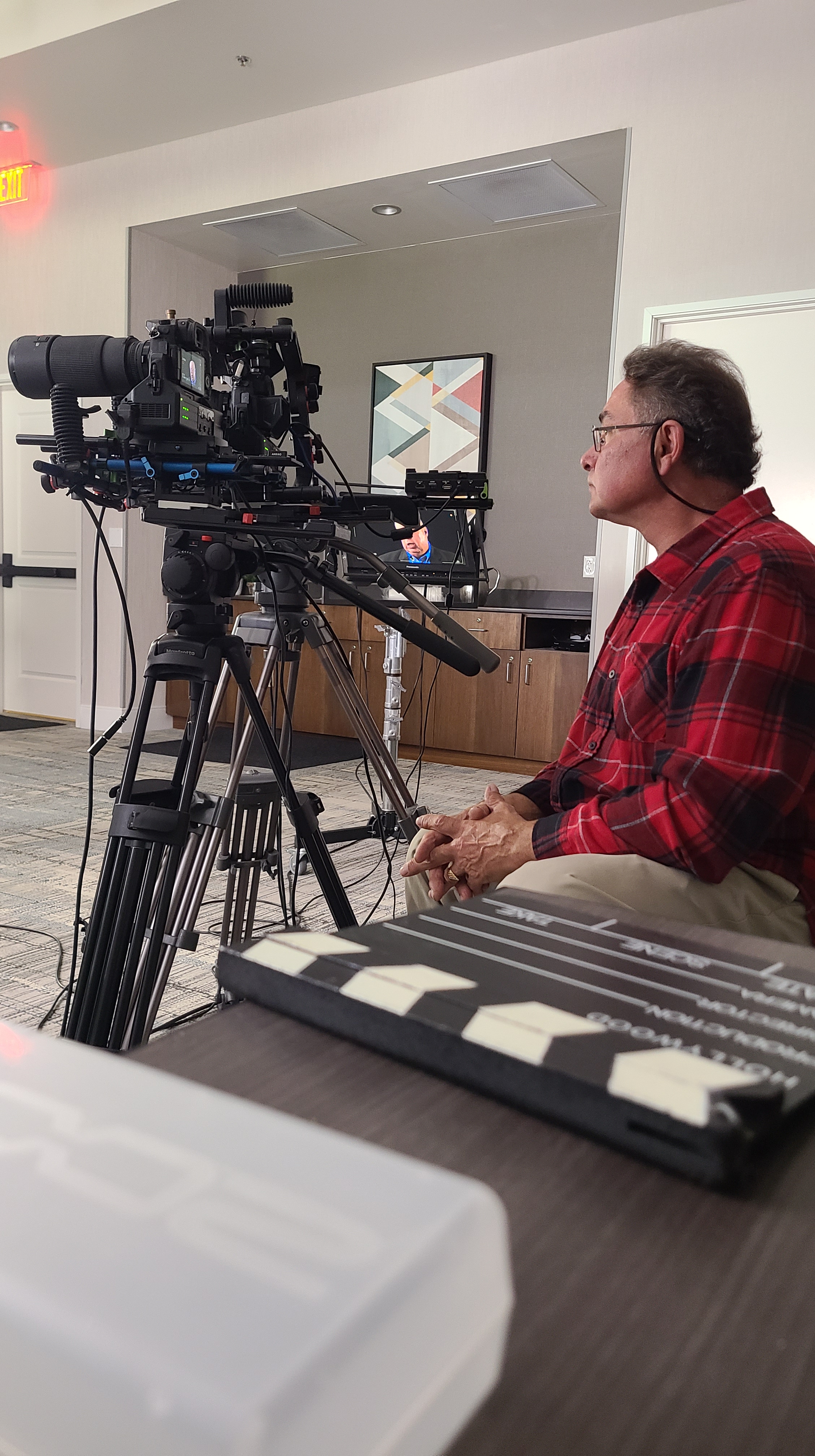
For businesses that want stronger communication, more credible branding, and more useful marketing assets, few content formats are as effective as well-produced video interviews supported by carefully planned b-roll. This combination continues to be one of the most dependable ways to communicate expertise, tell a company story, introduce leadership, showcase services, highlight customer experiences, and build trust with a professional audience.

For organizations in St. Louis, interview-based video remains especially valuable because it brings a human element to business messaging. It allows viewers to hear directly from the people behind the brand, whether that means executives, team leaders, employees, clients, or subject matter experts. But the success of this format depends on more than the interview alone. Without strong supporting visuals, even a thoughtful interview can feel static. That is why b-roll is such an important part of the production strategy.

When interview production and b-roll acquisition are handled by an experienced team, the final content becomes more polished, more versatile, and more effective across websites, campaigns, recruiting efforts, presentations, social platforms, and internal communication channels.
Why Video Interviews Continue to Deliver Value

Video interviews remain one of the most powerful tools in commercial production because they create authenticity. Businesses can make claims in writing, but when real people speak clearly and confidently on camera, the message often carries more weight. Viewers are more likely to trust a company when they can see and hear the people who represent it.

This is one reason why interview-based production works across so many industries. Professional firms use interviews to communicate expertise. Manufacturers use them to explain process and capability. Healthcare organizations use them to share insight and trust. Schools, nonprofits, and institutions use them to tell stories with real voices and real perspective.

The interview often becomes the backbone of the final piece. It shapes the narrative, sets the tone, and provides the core messaging. But on its own, the interview is only half of the story.

Why B-Roll Is Essential

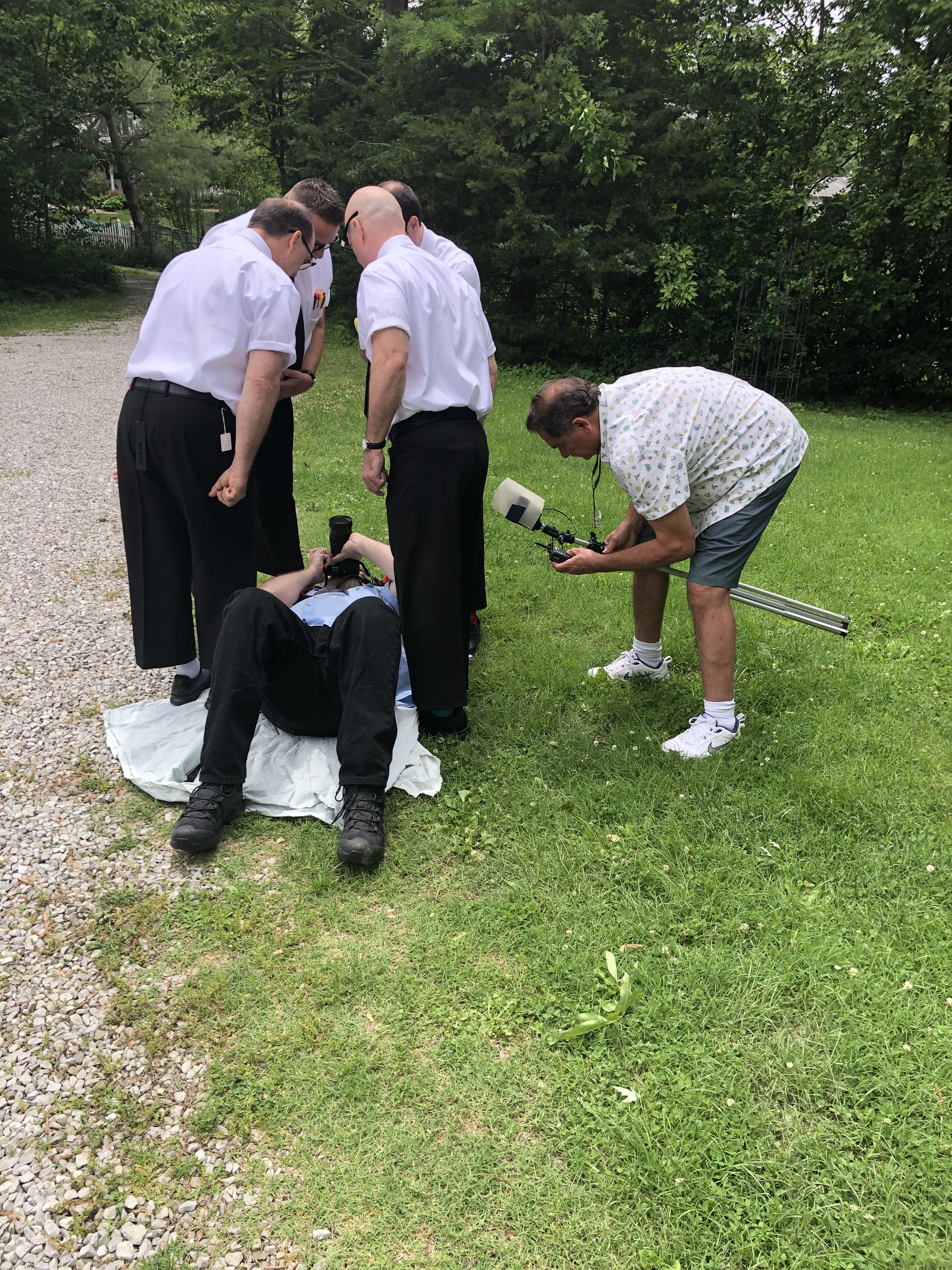
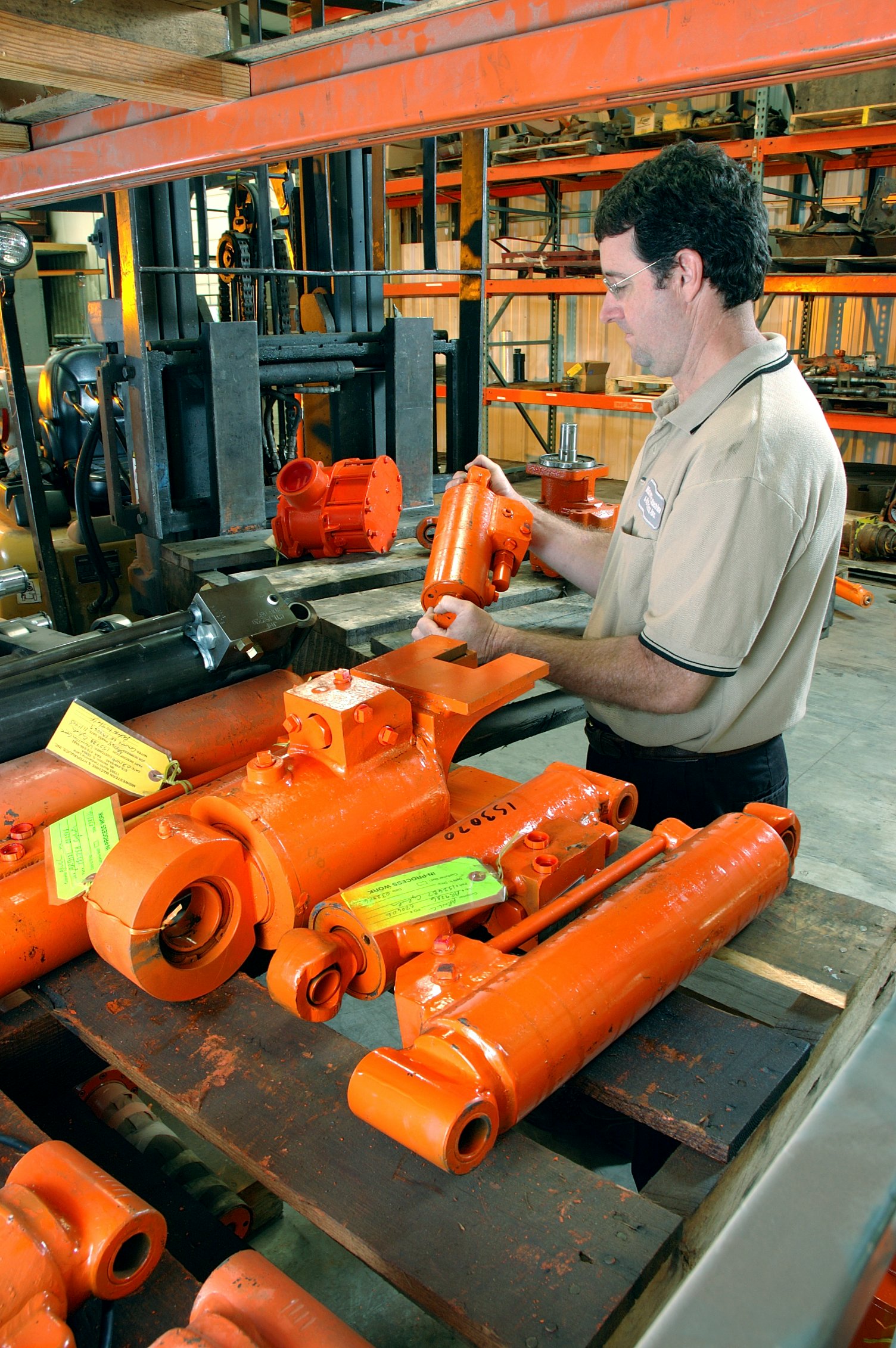
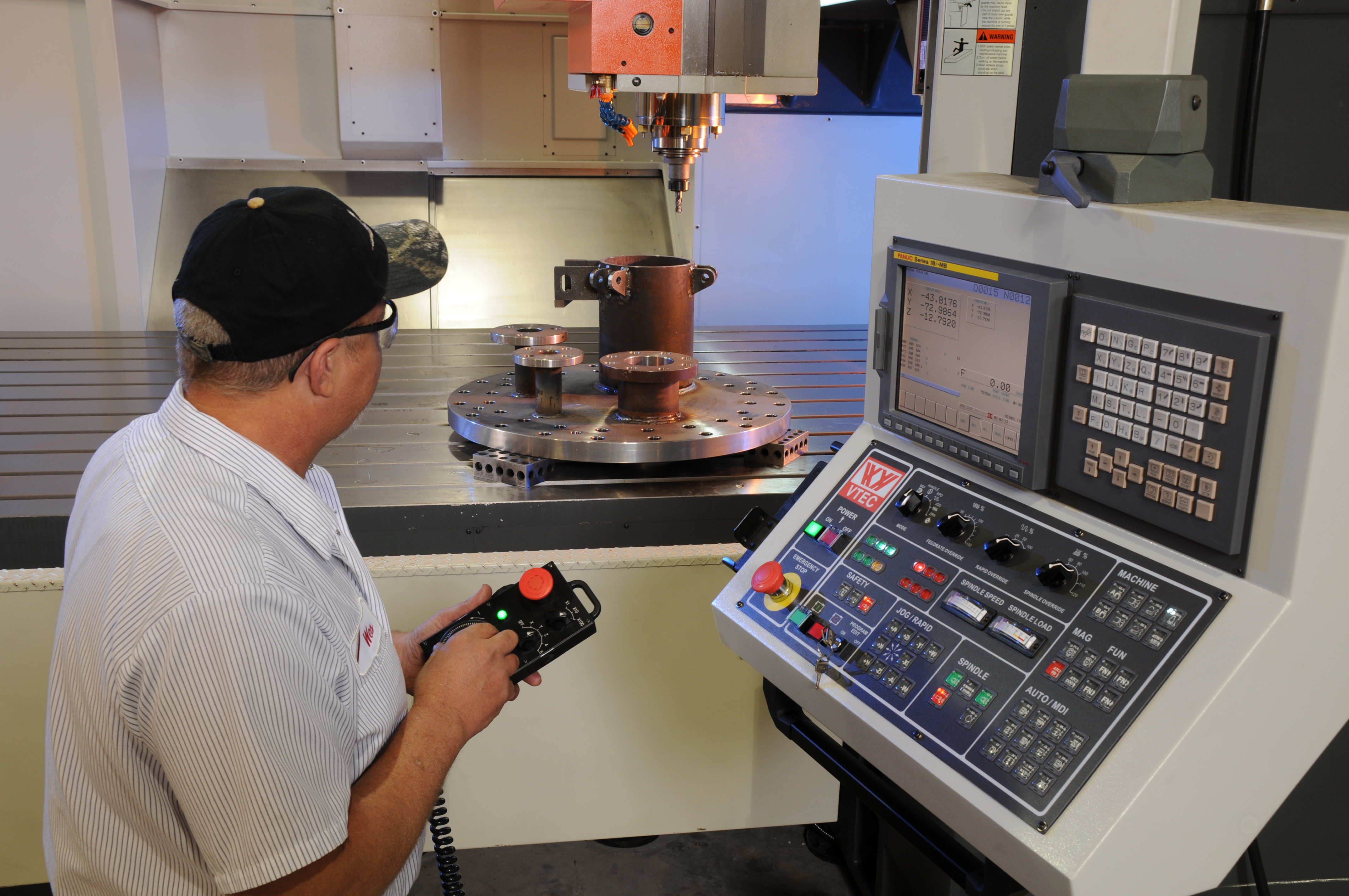
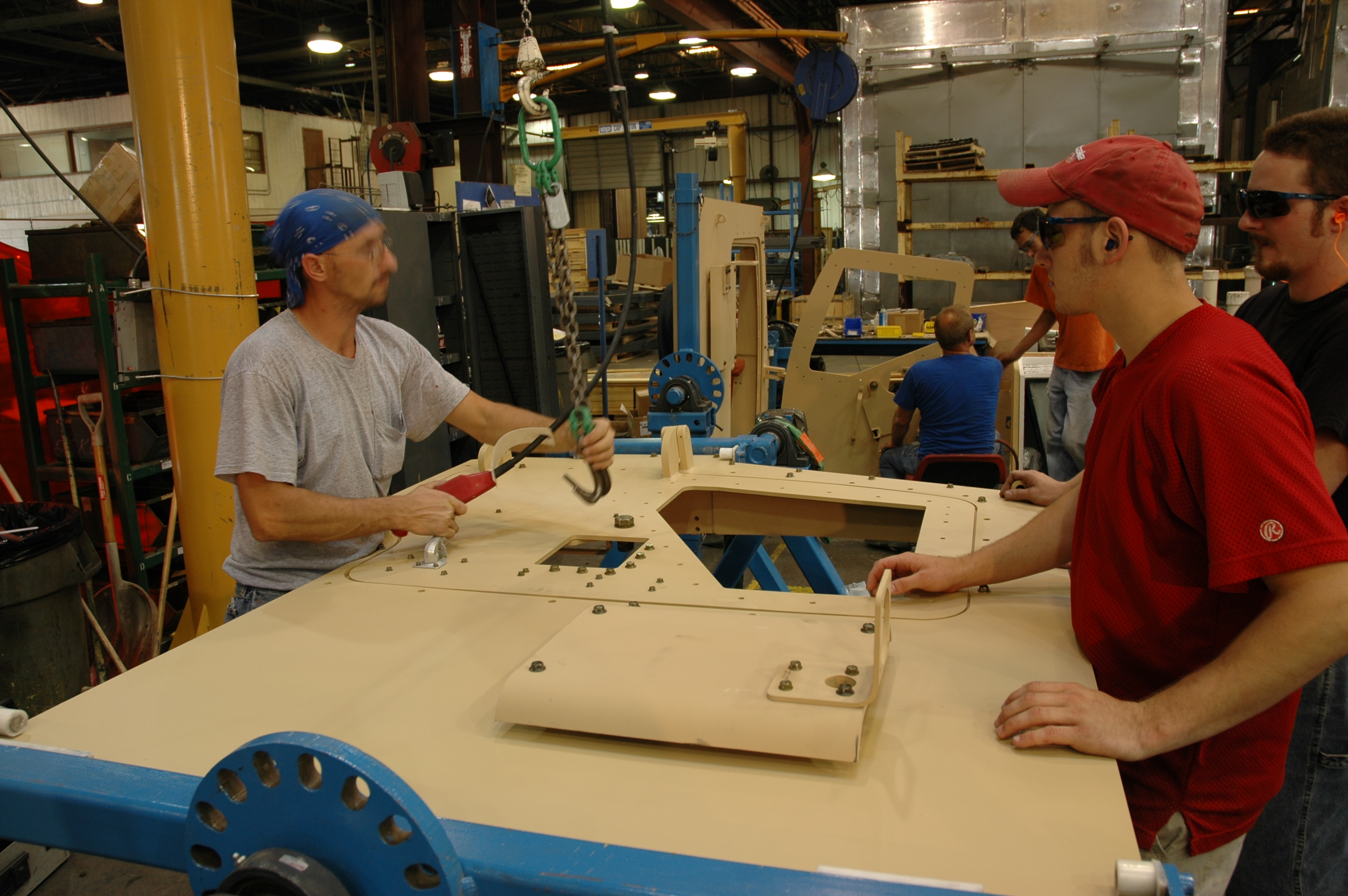
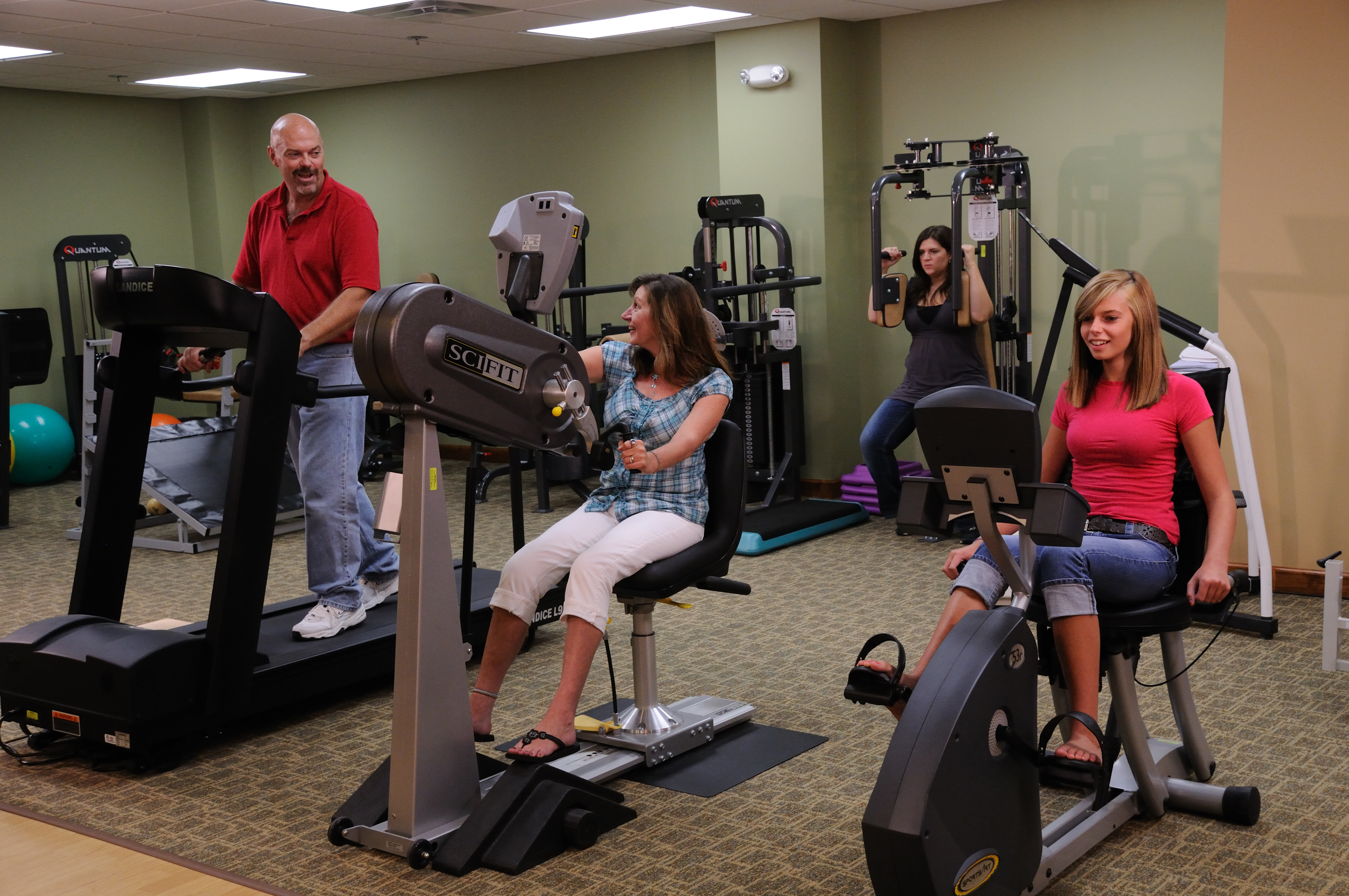
B-roll is what transforms an interview into a complete visual story. It provides the supporting footage that gives context to what is being said on camera. It may include a facility, work environments, services being performed, products, team interactions, close-up details, branded spaces, process footage, exterior establishing shots, drone visuals, and all of the visual moments that add depth and realism.
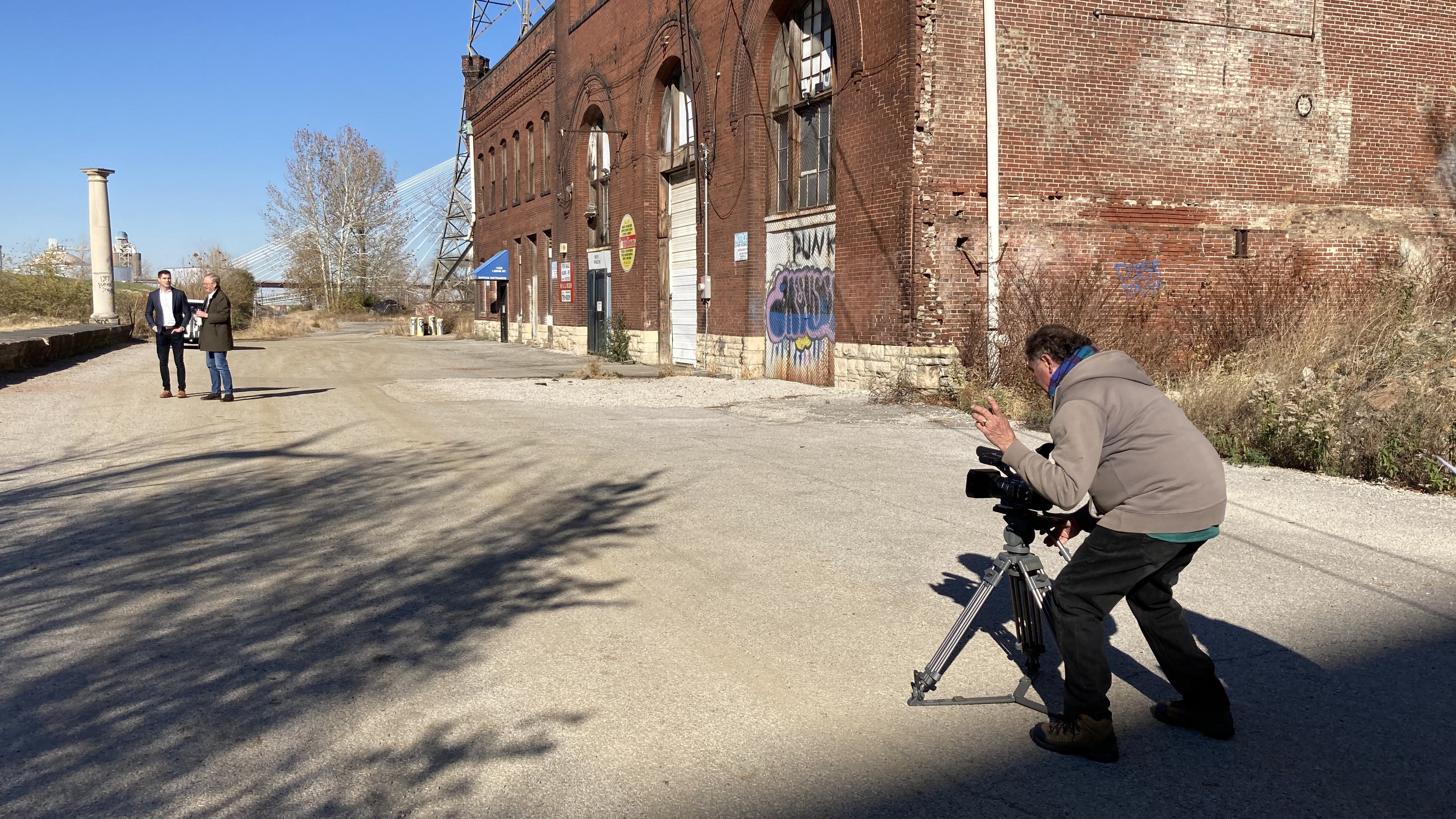
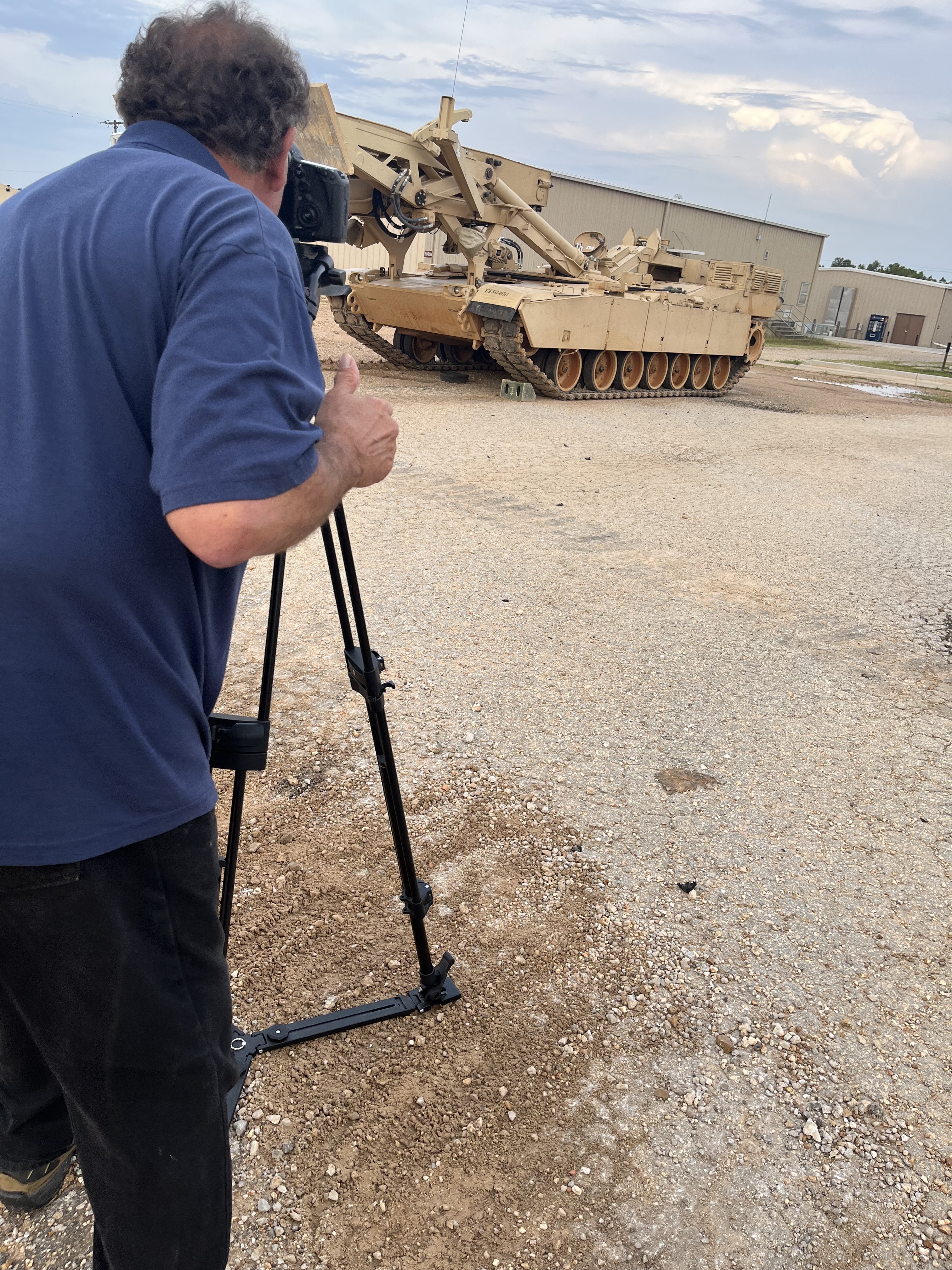
B-roll serves several important purposes at once.

It helps illustrate the subject matter being discussed so the audience is not asked to imagine everything for themselves.

It improves pacing by adding movement and visual variation.

It helps editors create seamless transitions and hide cuts in the interview.

It raises the perceived value of the final video by making it feel more polished and complete.

It increases the usefulness of the shoot by creating footage that can be repurposed for other marketing and communications needs.

The businesses that get the most value from video production are usually the ones that treat b-roll as a strategic asset rather than an afterthought.
What Makes Specialists Different

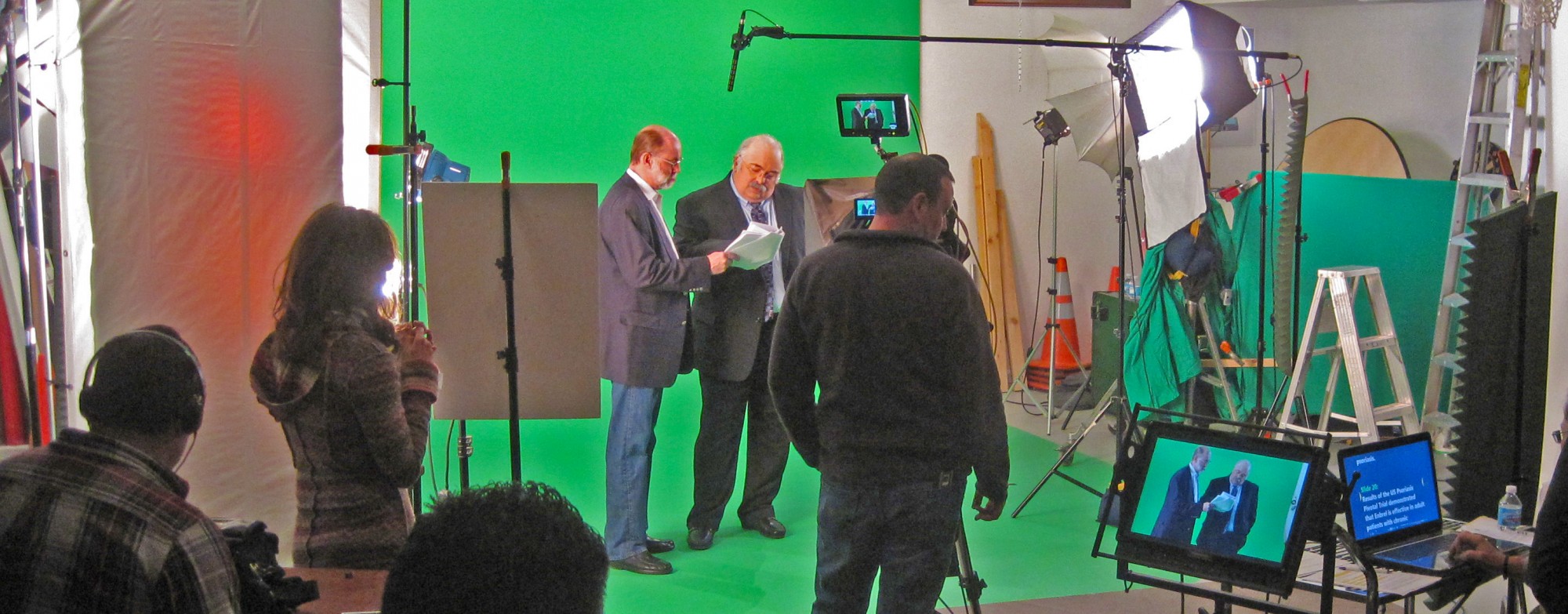
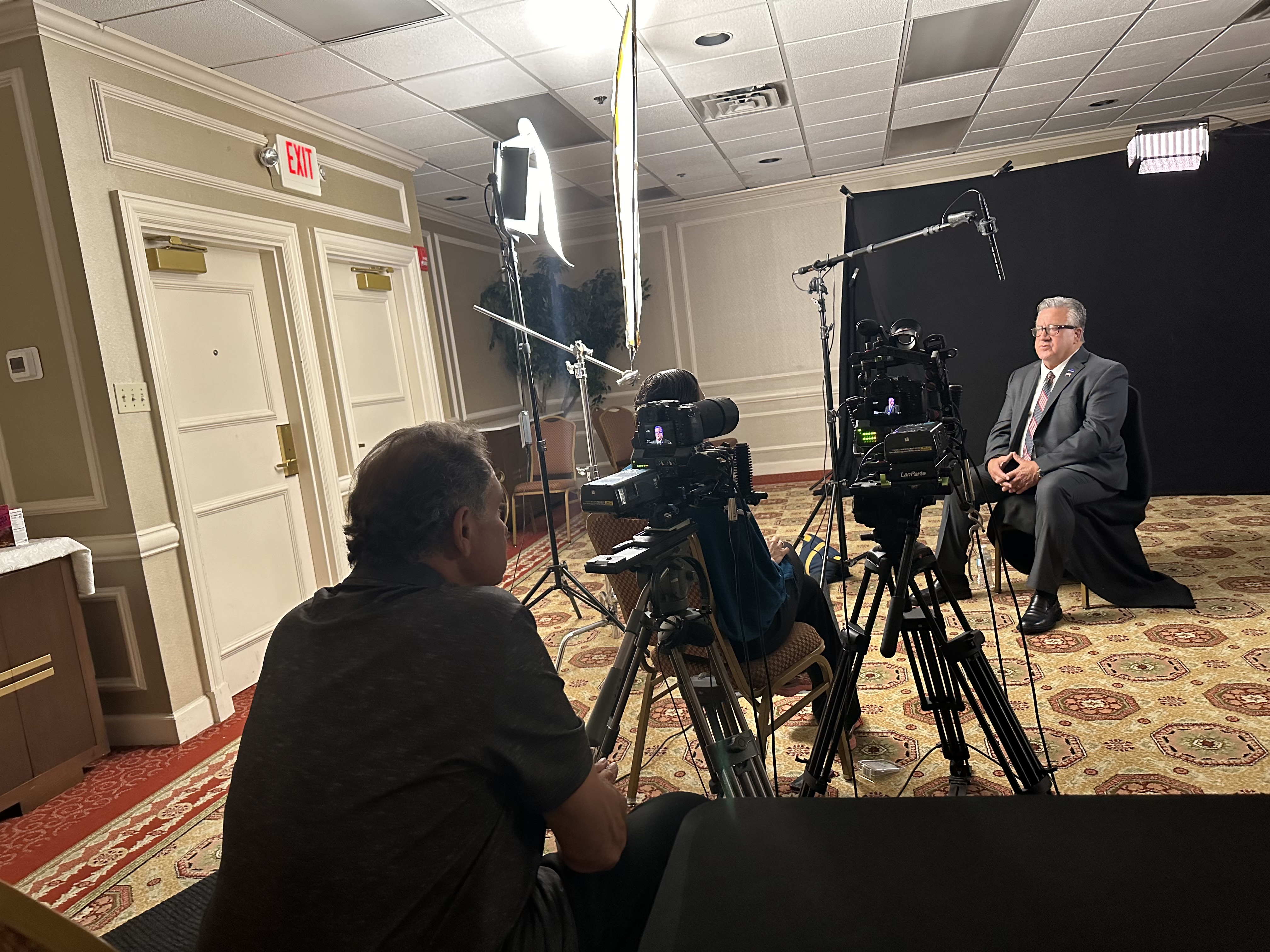
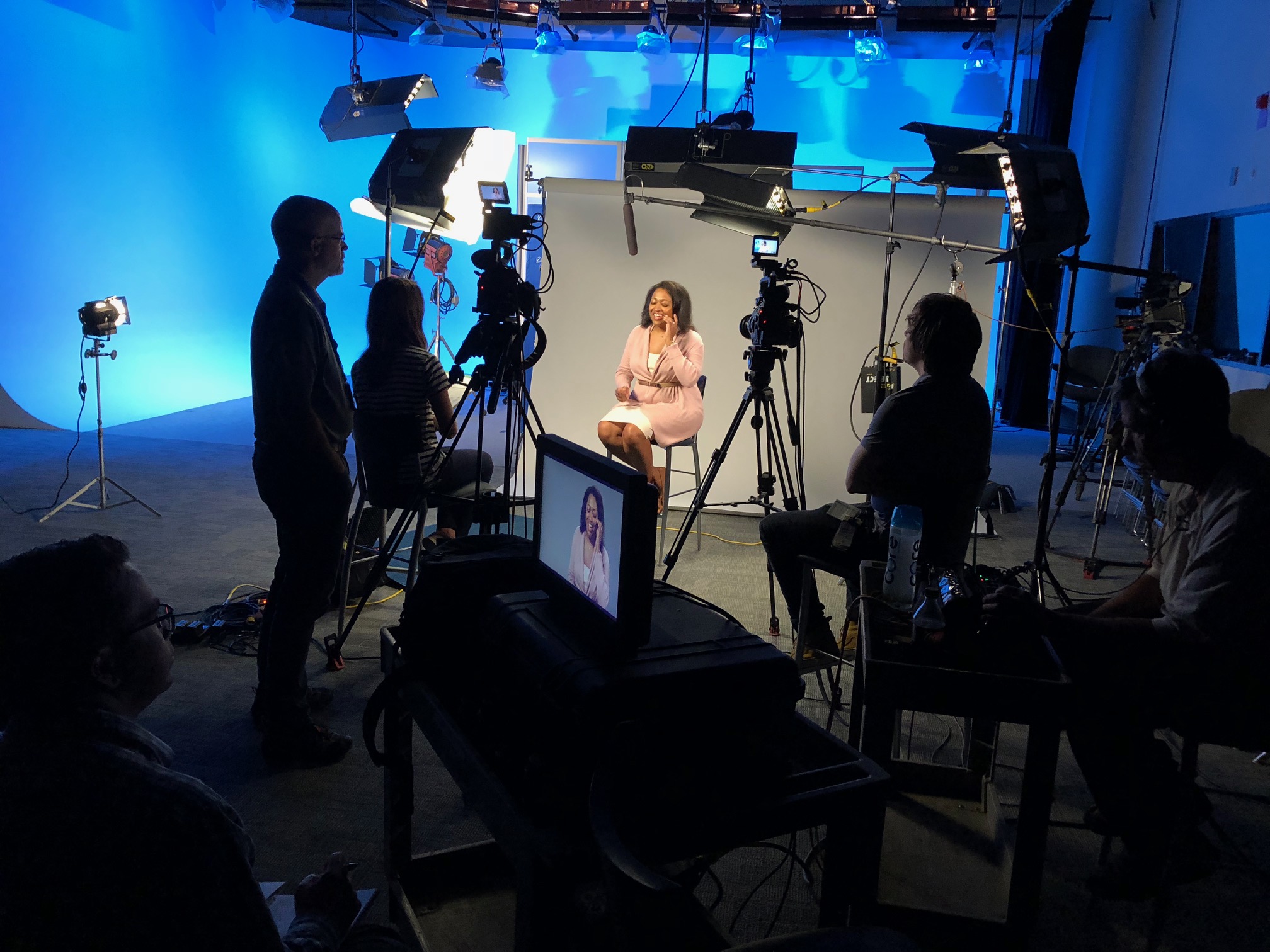
There is a significant difference between a production company that occasionally records interviews and a team that truly specializes in interview-driven content and b-roll acquisition. Specialists understand how to guide conversations, shape environments, gather meaningful visual coverage, and produce media with the final edit in mind.

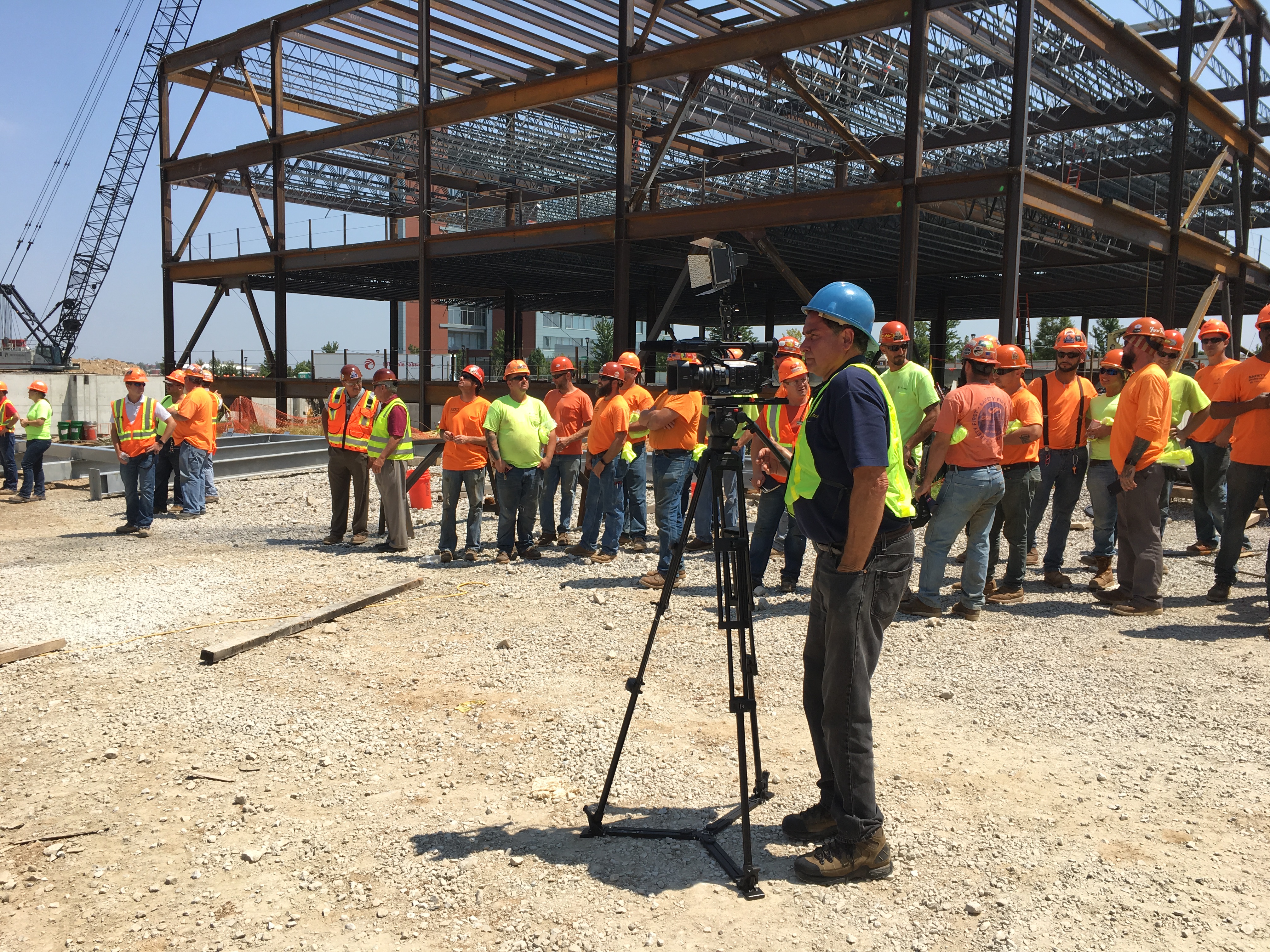
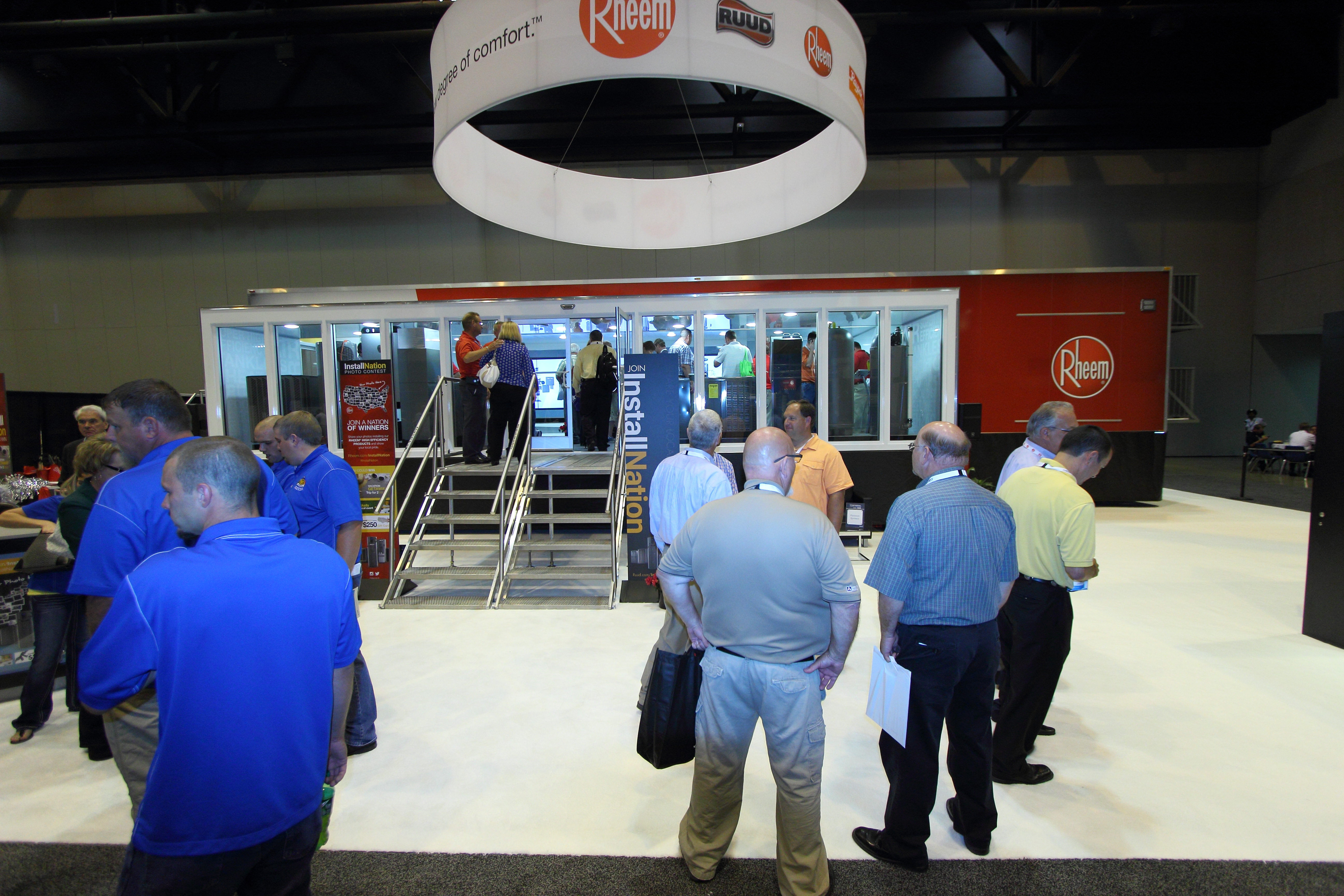
This becomes even more important when filming in active business environments. Offices, plants, hospitals, schools, retail spaces, showrooms, and warehouses all create different challenges. Lighting may be inconsistent. Sound may be difficult. Staff may have limited availability. Operations may still need to continue during filming.

A seasoned crew knows how to solve these problems without compromising the production. They understand how to work efficiently, minimize disruption, and still capture the right footage to support a strong finished piece. They are not just reacting on location. They are anticipating the needs of the final edit throughout the production day.
Planning a Strong Interview Production

A successful interview video starts well before the cameras arrive. It requires a clear understanding of the project goals and a deliberate plan for how the message will be captured.

Clarify the Objective

Every strong production begins with purpose. Is the video designed for lead generation, recruiting, brand awareness, sales support, company culture, internal communication, or client trust? The answer influences the interview style, subject selection, visual approach, and editing strategy.

When the purpose is unclear, the interview tends to become too broad and the footage becomes less useful.

Select the Right On-Camera Voice

Not every story should come from the same person. In some cases, leadership is the best voice. In other cases, the strongest perspective may come from a client, project manager, specialist, technician, or employee. The most effective subject is the one who can speak with confidence, clarity, and authenticity.
Create a Comfortable Setting

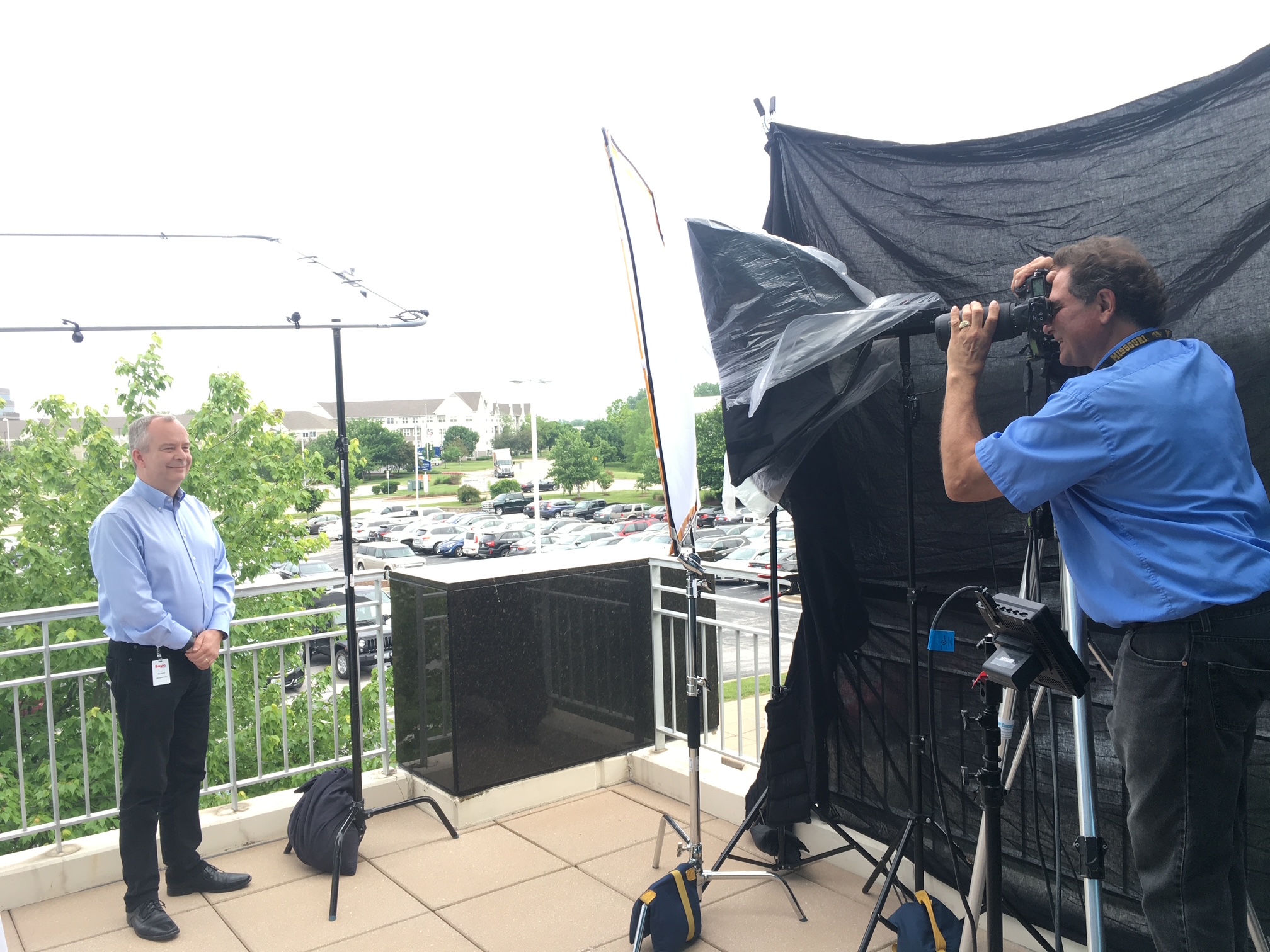
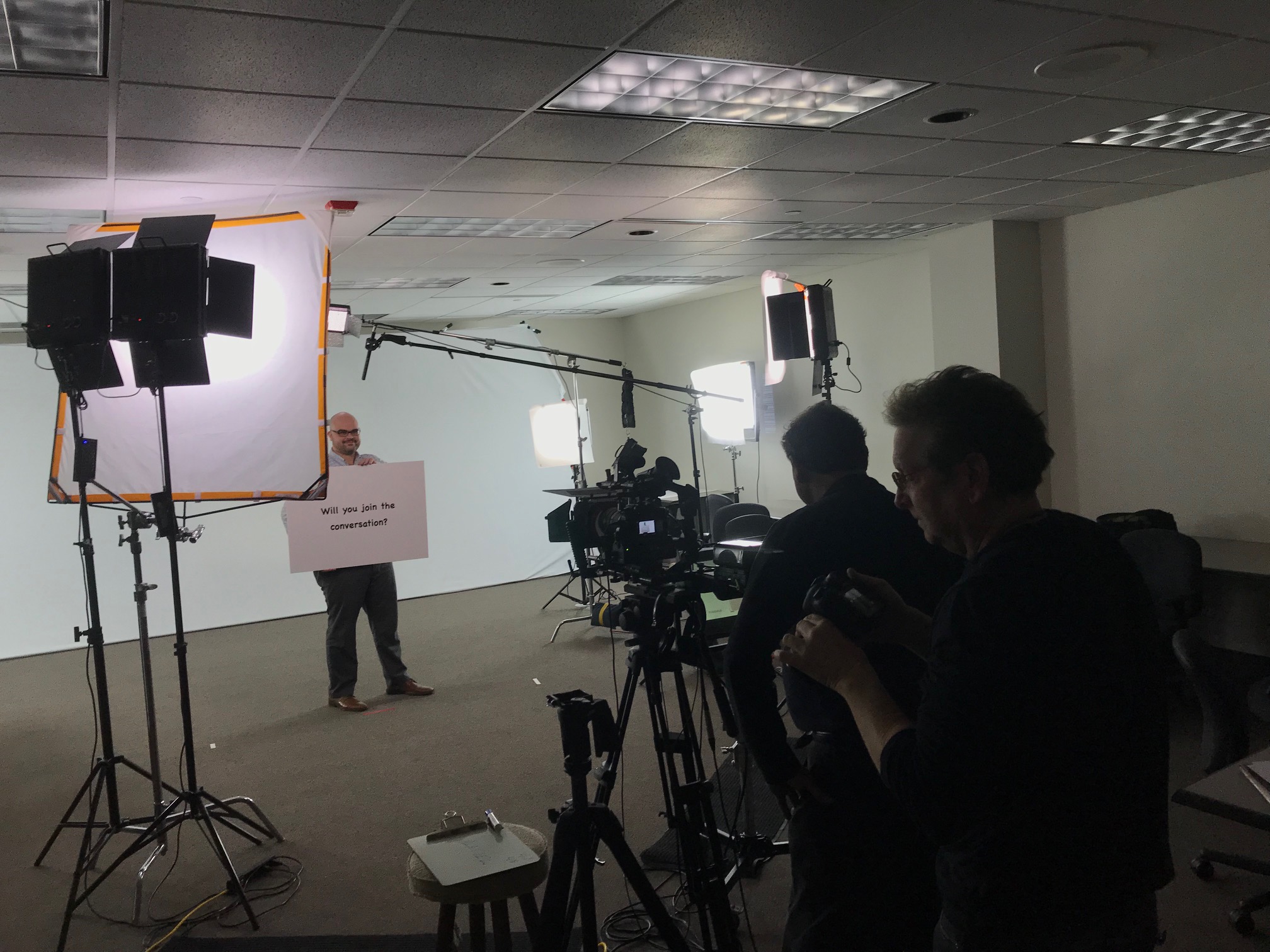
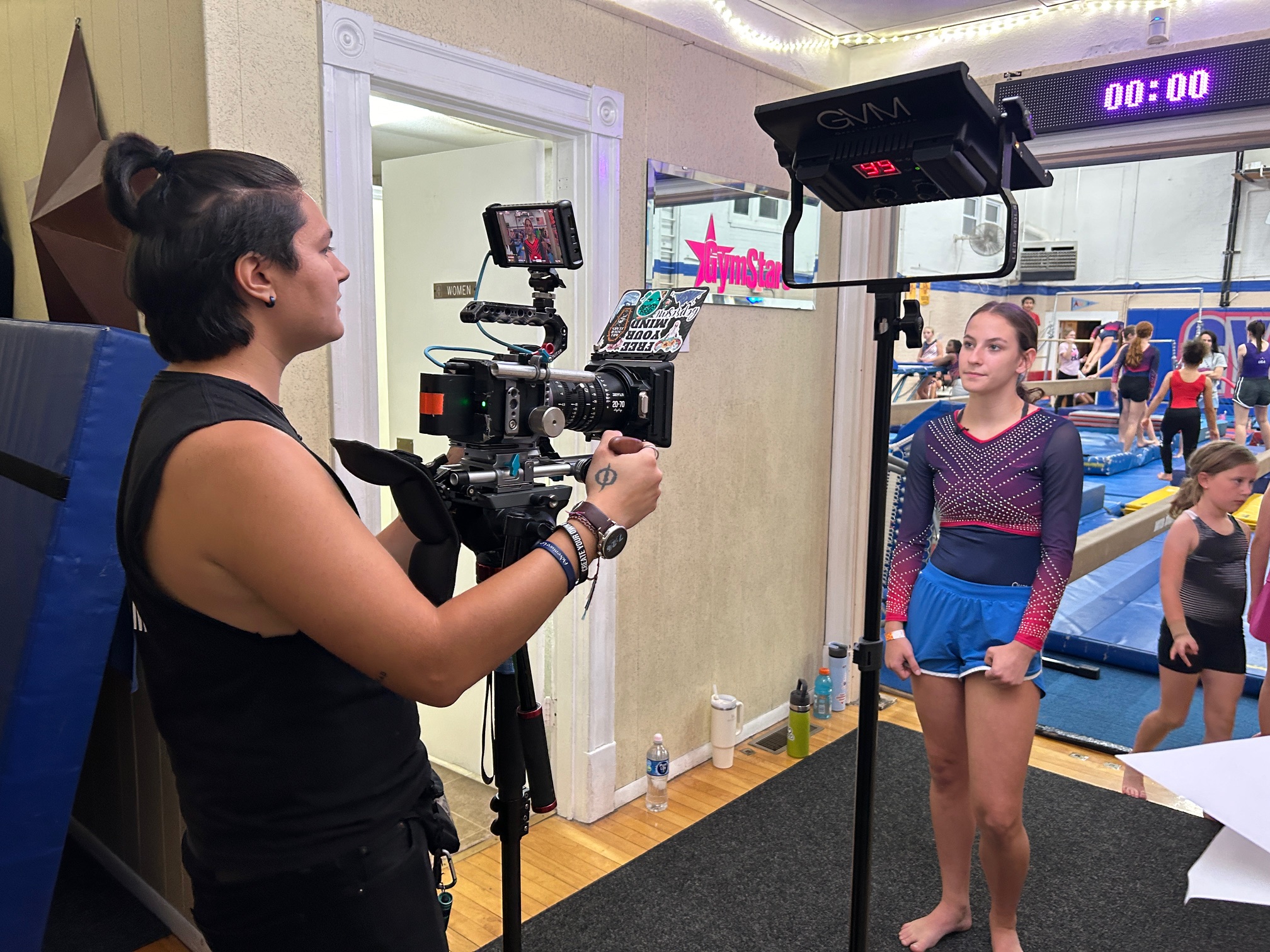
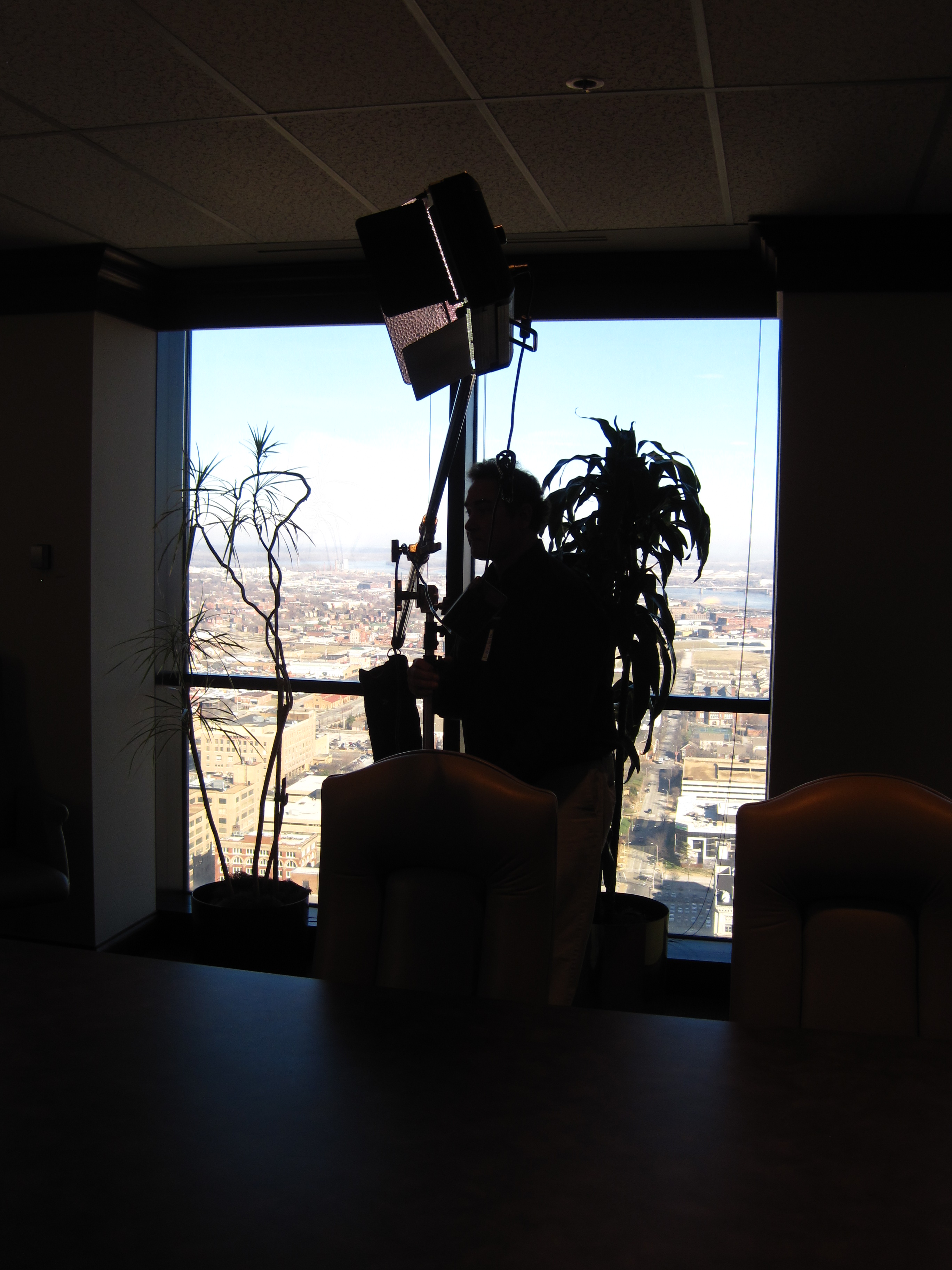
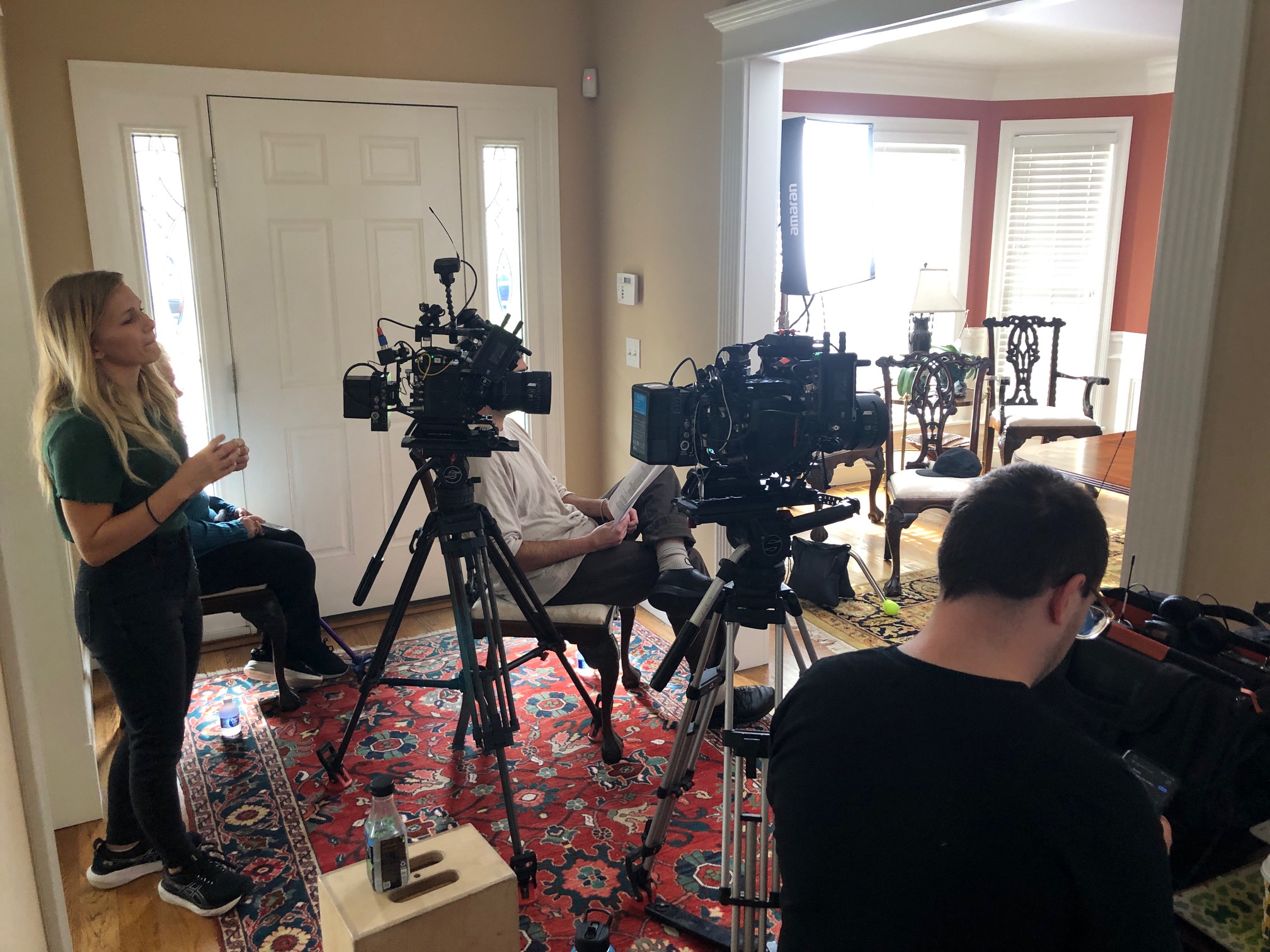
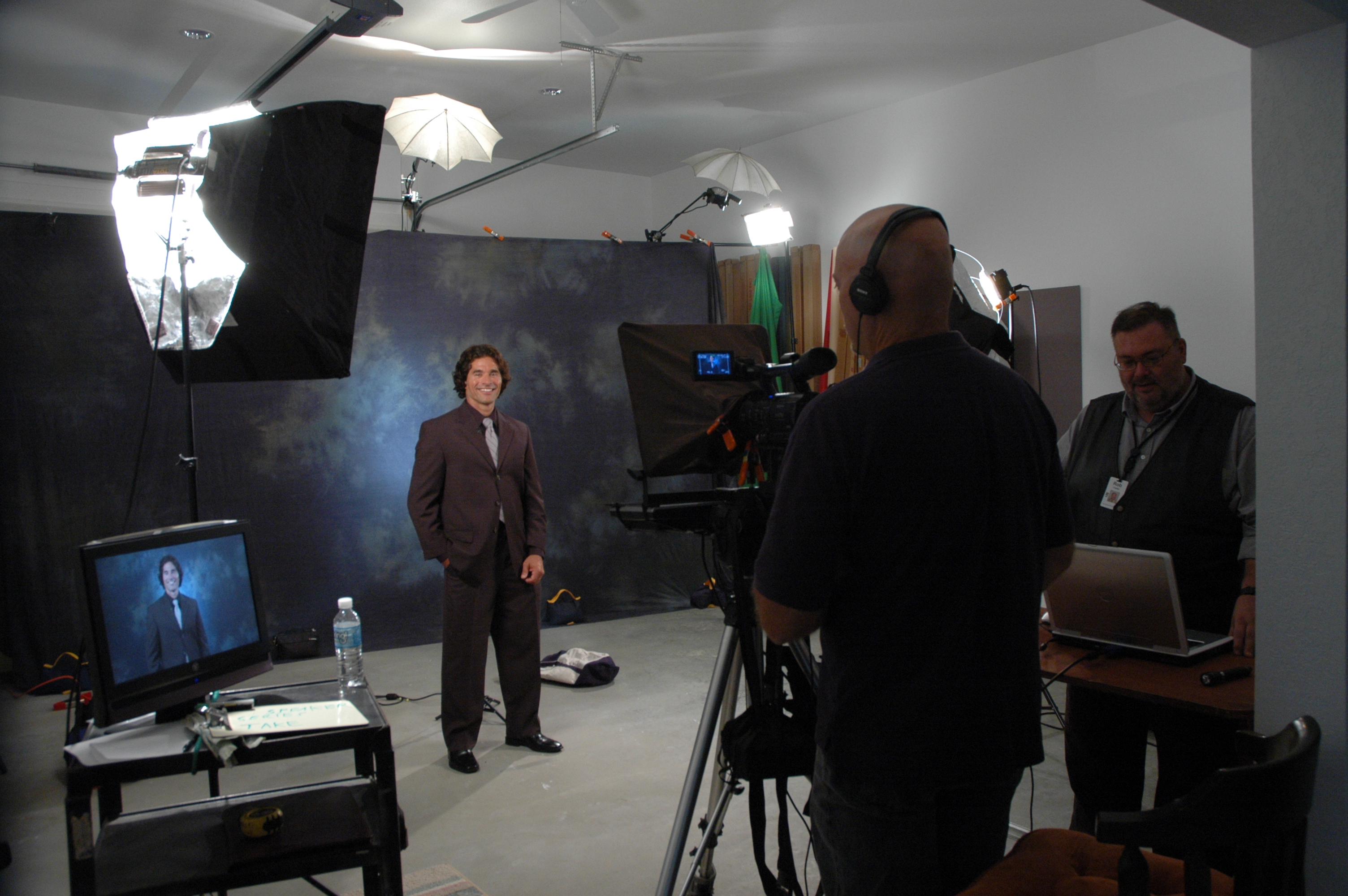
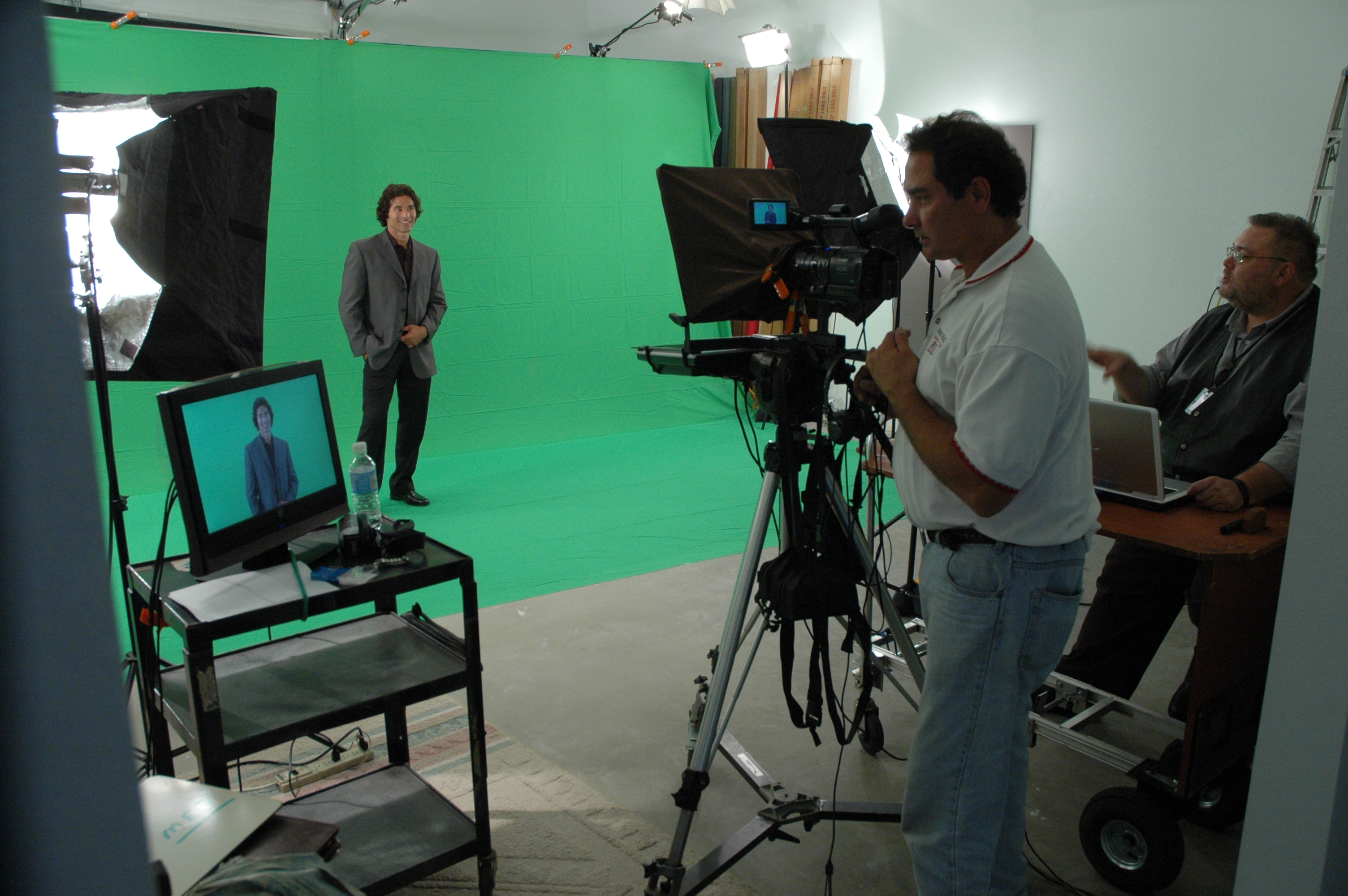
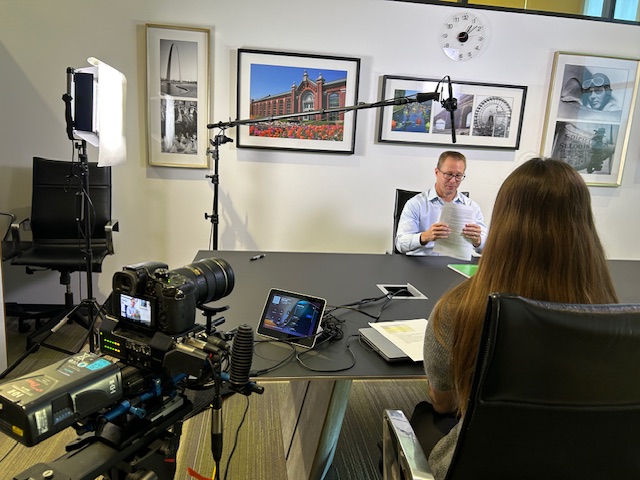
Most people are not professional on-camera talent. They perform better when the setup feels organized, calm, and supportive. Lighting, framing, audio setup, and crew approach all affect how natural the subject appears. An experienced team knows how to create an environment that helps people speak comfortably while still looking polished and professional.

Ask Better Questions

Interview quality is heavily influenced by the quality of the prompts. Strong producers ask questions that lead to complete, natural answers instead of short, awkward replies. They know how to guide a subject toward useful statements that sound credible and edit cleanly.

Capture for Editing Flexibility

Professionals never think only about what is happening in the moment. They think ahead to the edit. That means gathering enough angles, room tone, environmental coverage, and supporting visuals to create a more flexible and polished final product.
What Effective B-Roll Looks Like

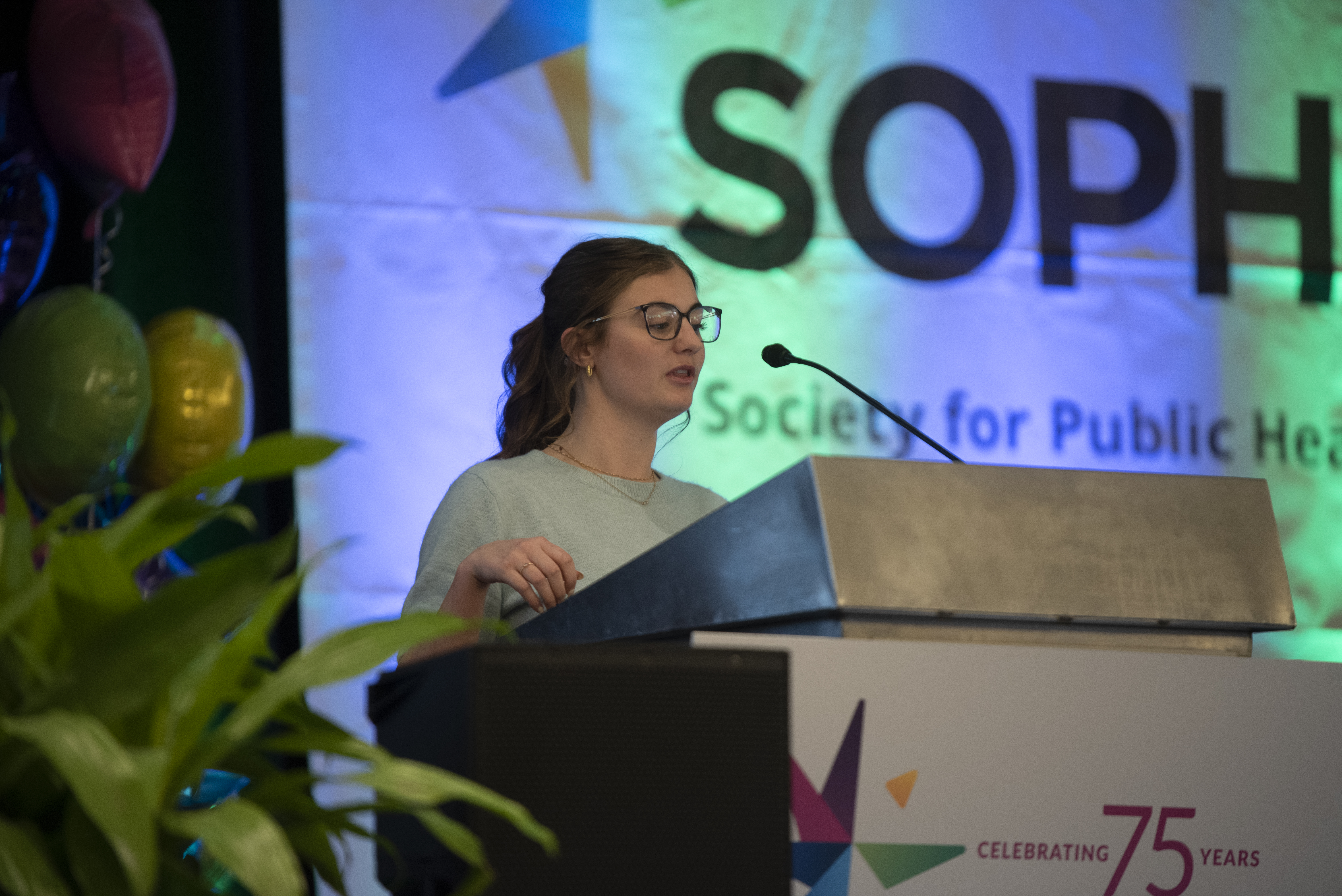
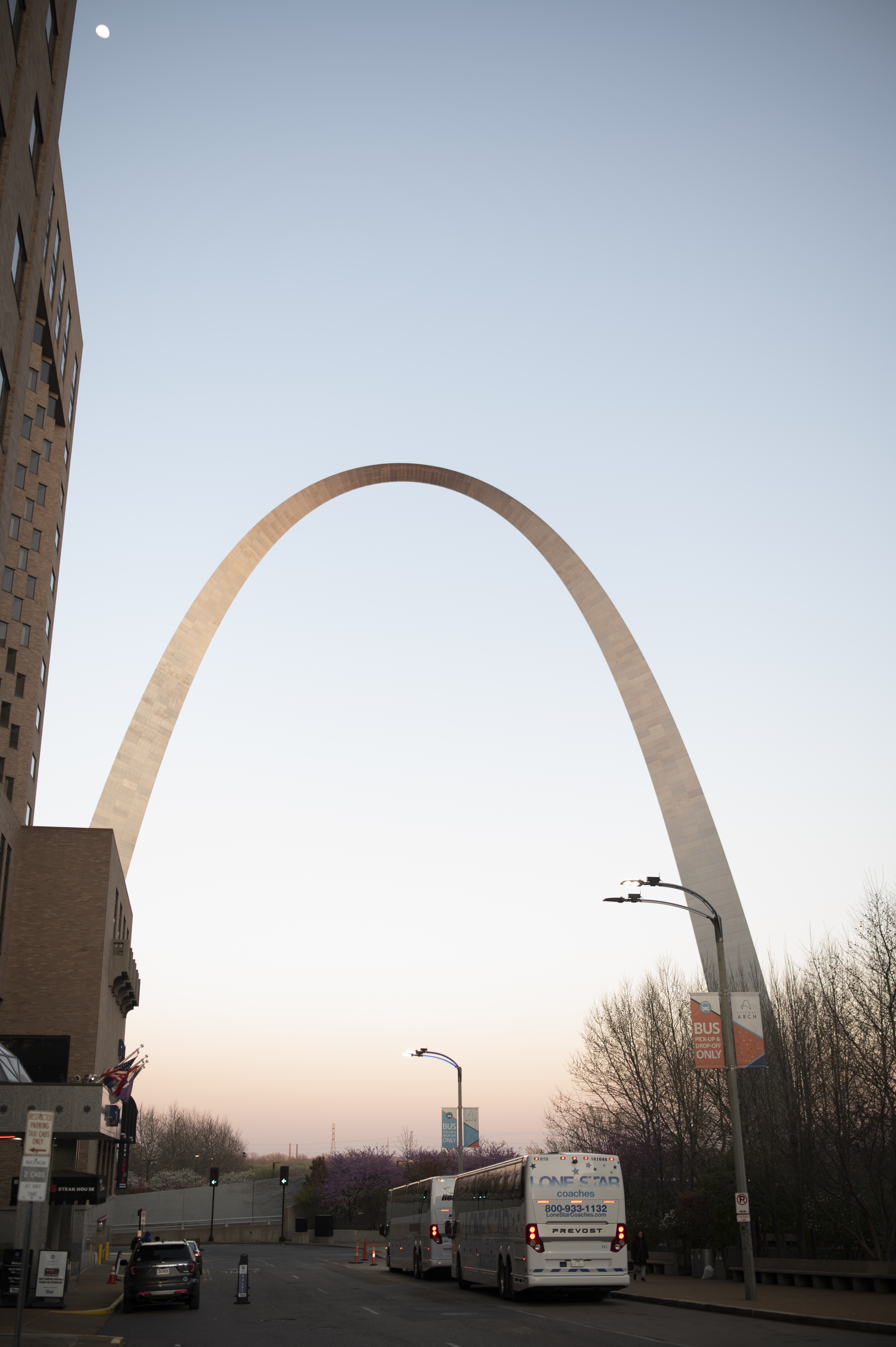
Great b-roll is never random. It is built around what the viewer needs to see in order to understand and believe the message.

If a company talks about precision, the footage should show precision. If it talks about service, the visuals should show people working with care and responsiveness. If it talks about scale, quality, innovation, or culture, the b-roll should make those concepts visible.

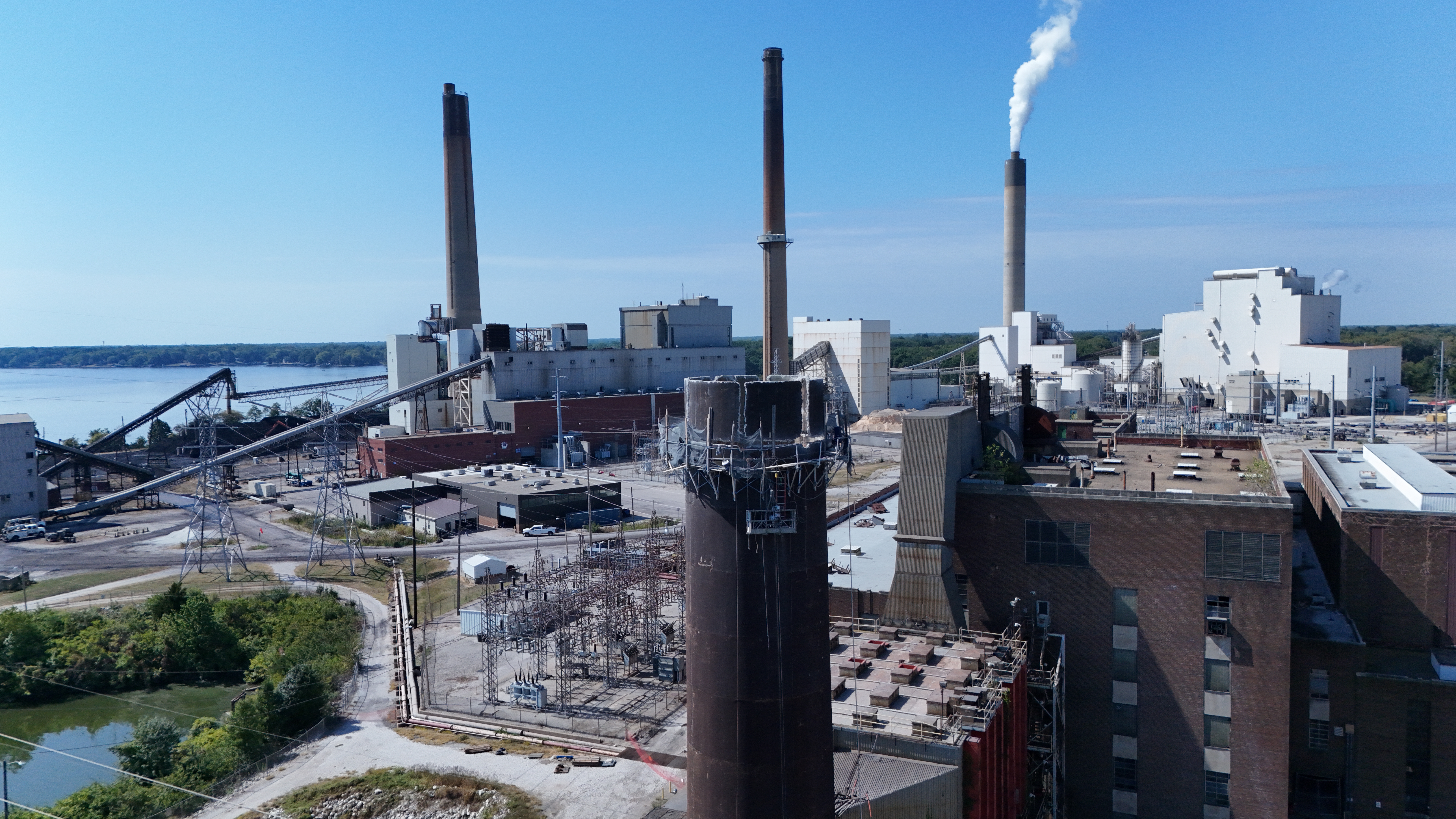
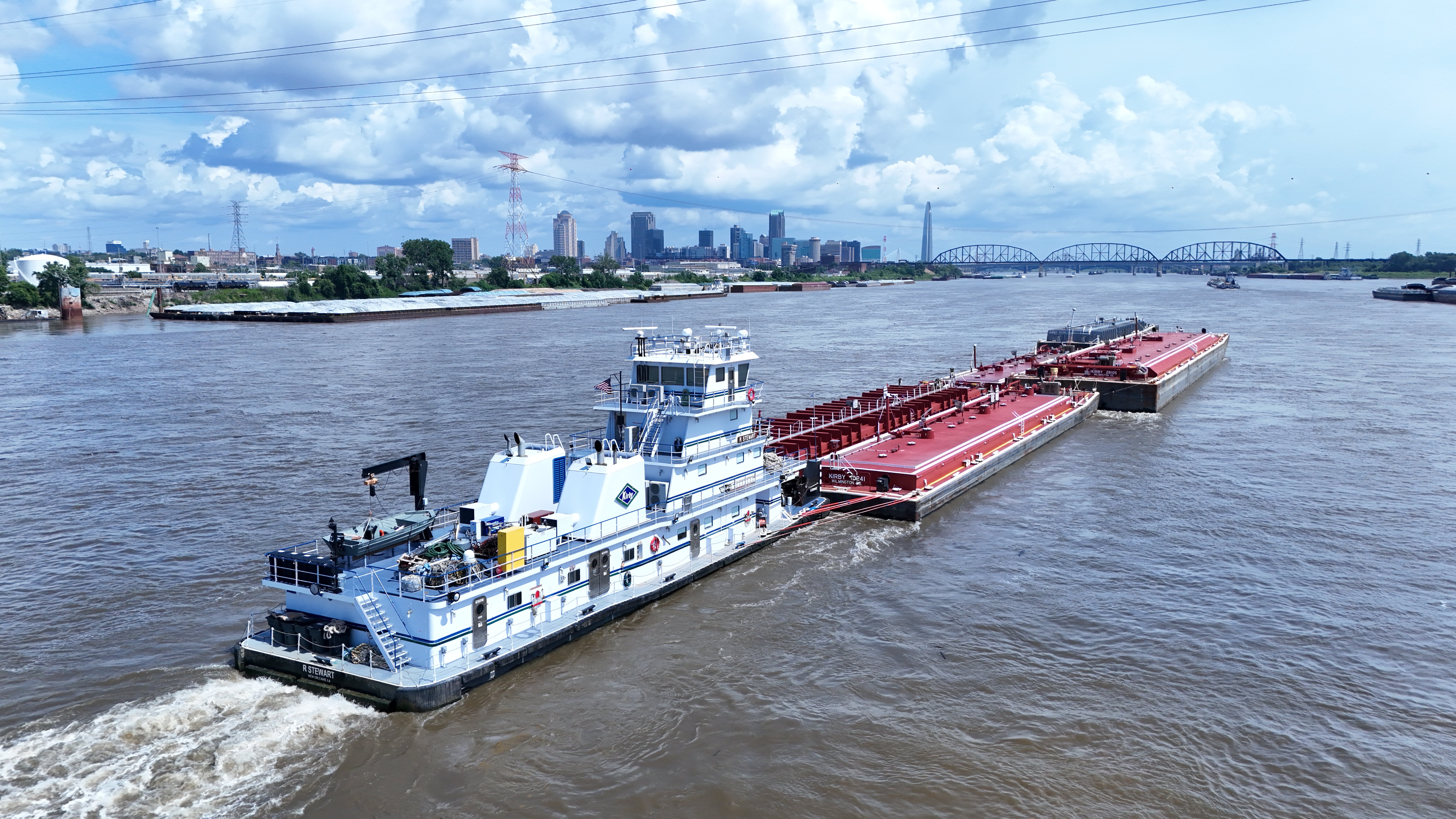
Strong b-roll usually includes a mix of wide establishing visuals, medium action footage, and detailed close-up shots. That balance helps editors create sequences that feel layered and dynamic. It also gives the production greater long-term value because the footage can support multiple final deliverables.

Experienced b-roll specialists know how to look beyond the obvious. They capture the environmental details, process moments, textures, brand identifiers, movement, and interactions that elevate a piece from basic coverage to meaningful visual storytelling.
How Businesses Use Interview and B-Roll Content

Interview and b-roll productions are effective because they are adaptable. One production approach can support many communication goals.

Companies use this format to introduce leadership and communicate authority.

Brands use it to tell customer stories and build trust.

Organizations use it to support recruiting by showing workplace culture and team perspective.

Manufacturers use it to highlight operations, equipment, workflows, and quality control.

Agencies use it because it can be repurposed into campaign content, social edits, website assets, and sales materials.

Nonprofits and institutions use it to show impact and humanize their mission.

The more strategically the shoot is planned, the more value can be drawn from the same production day.
Why Location Matters

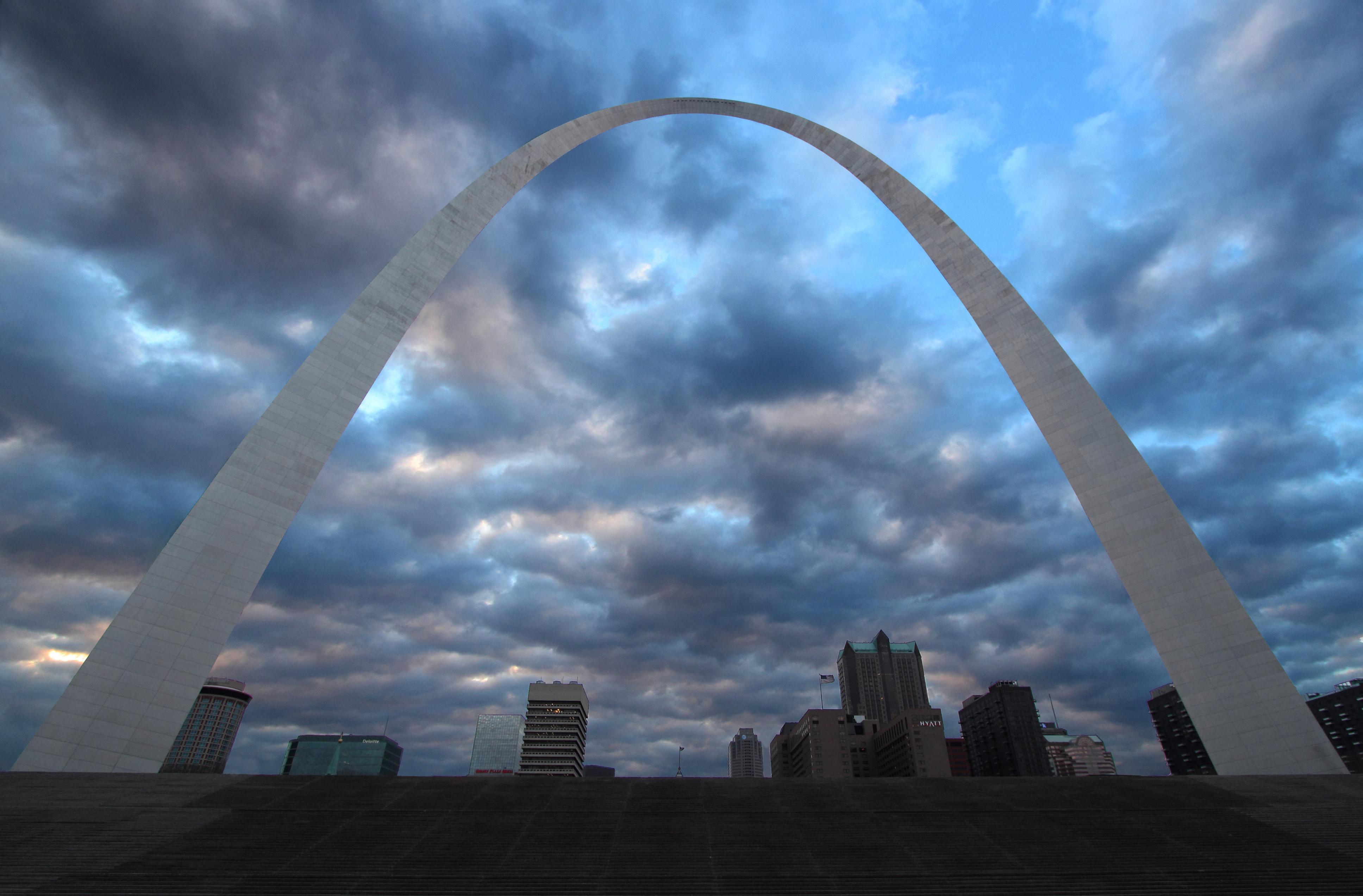
The location of an interview and b-roll shoot affects much more than the background. It influences sound, lighting, production flow, logistics, and the overall credibility of the finished video.

A well-chosen location adds realism and visual strength. It can show the audience where the work happens, what the environment feels like, and how the organization presents itself. But a visually interesting room is not always the best filming choice if the sound is poor or the layout limits camera and lighting control.

That is why location scouting is still such an important part of professional production. Experienced teams evaluate sites for aesthetics, acoustics, power, available space, access, scheduling, and visual opportunities. They understand how to match the location to the story while keeping the production efficient.

Why Sound Quality Matters So Much

In interview-based production, audio quality is just as important as visuals. Viewers are quick to notice distracting background noise, echo, inconsistent volume, or unclear speech. Poor audio weakens the authority of the message and lowers the perceived professionalism of the brand.

Professional interview production includes careful microphone selection, audio monitoring, room assessment, and control of environmental factors. Offices, industrial sites, and public-facing locations all come with sound challenges, and experienced crews know how to work around them.

A polished interview is not simply well lit. It must also be clean and easy to hear.
How Drone and Specialized Visual Services Add Value

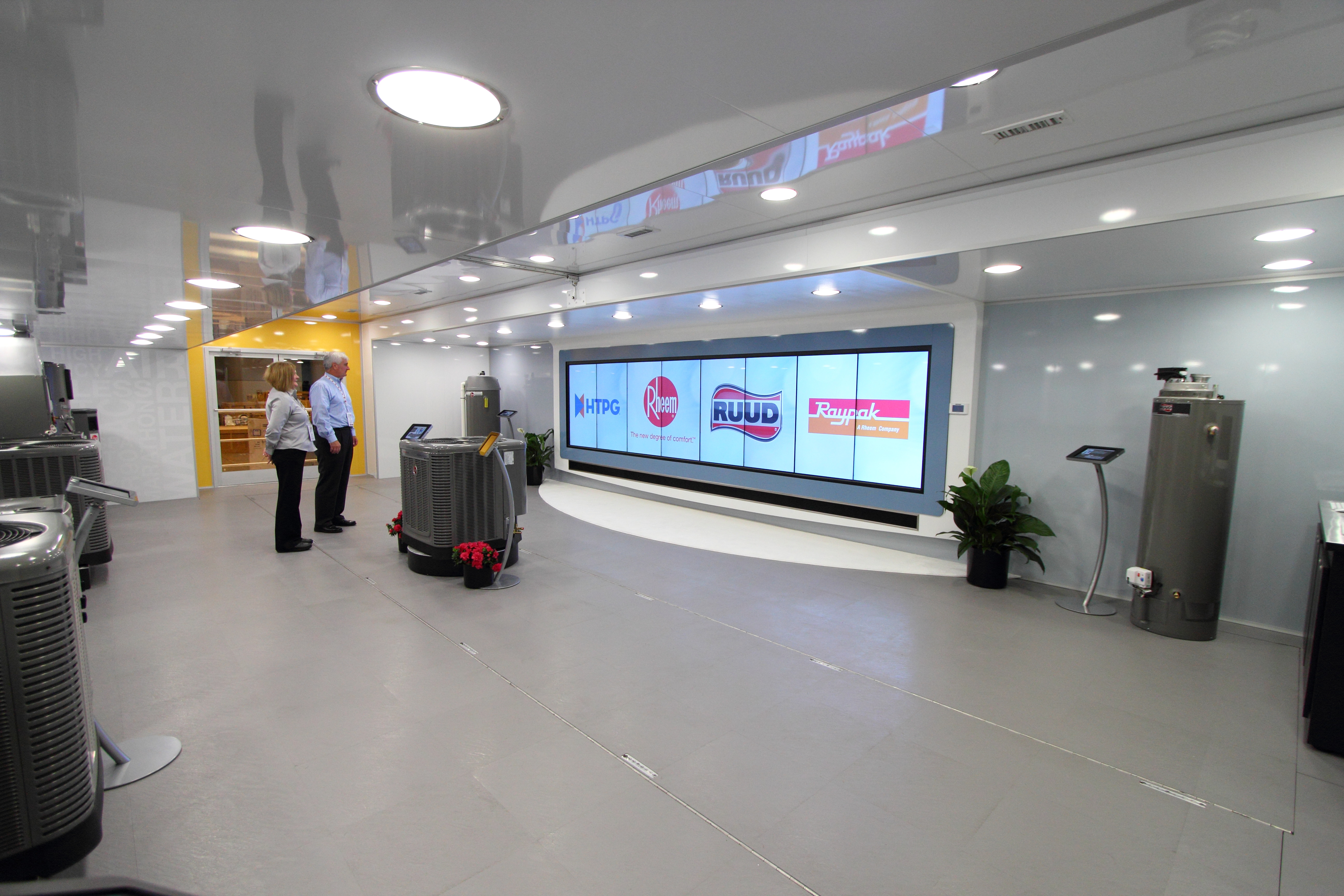
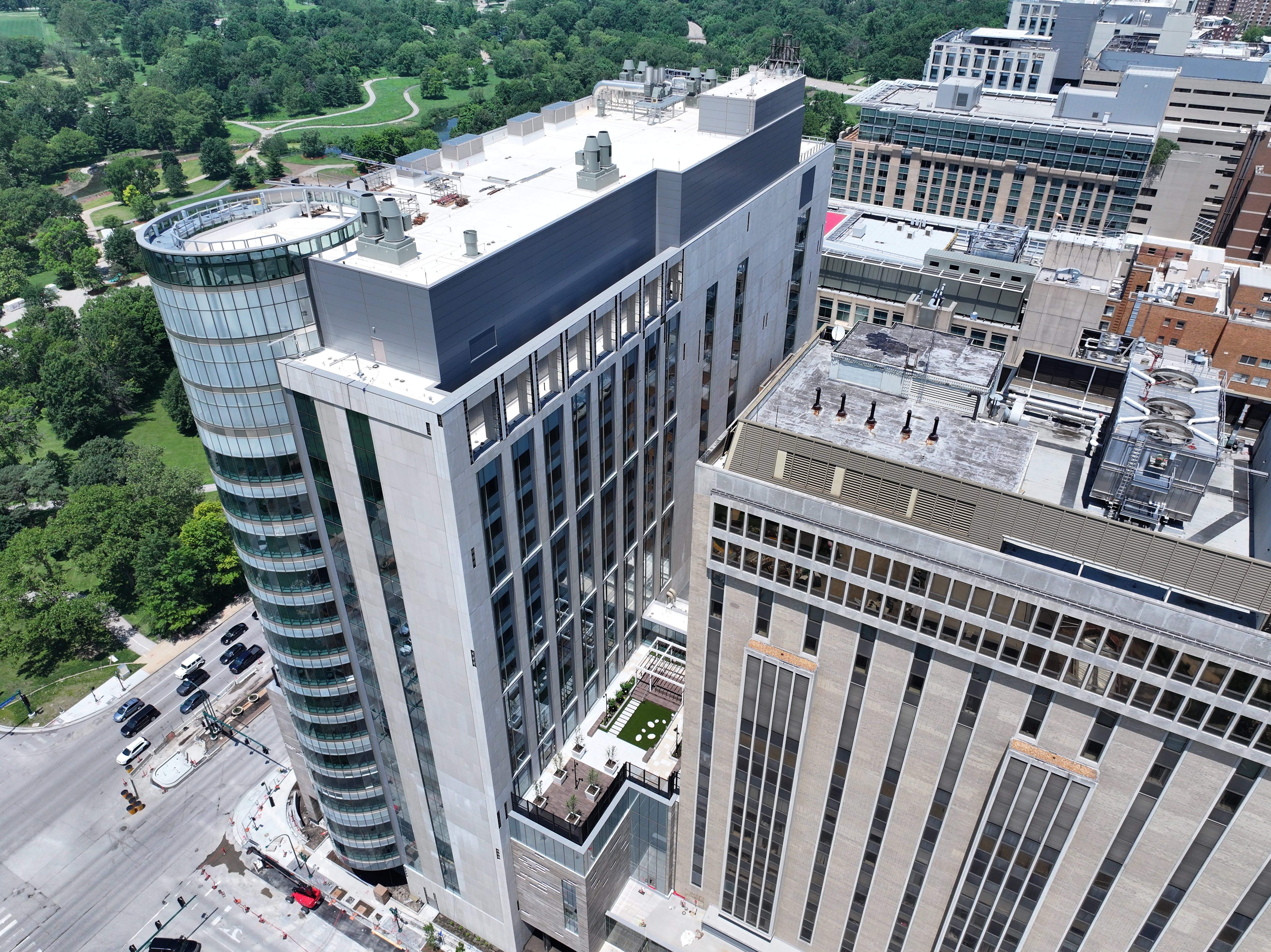
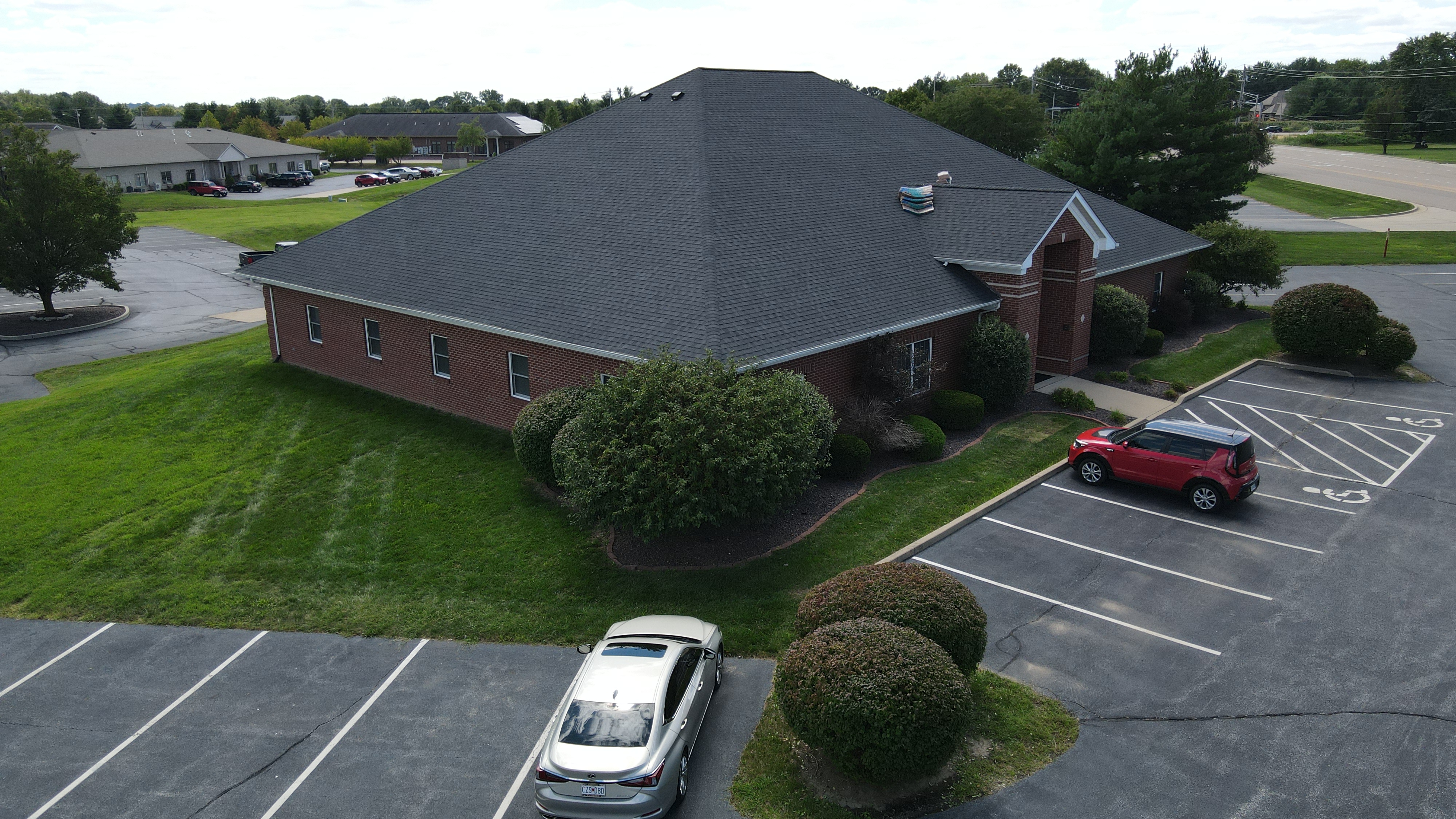
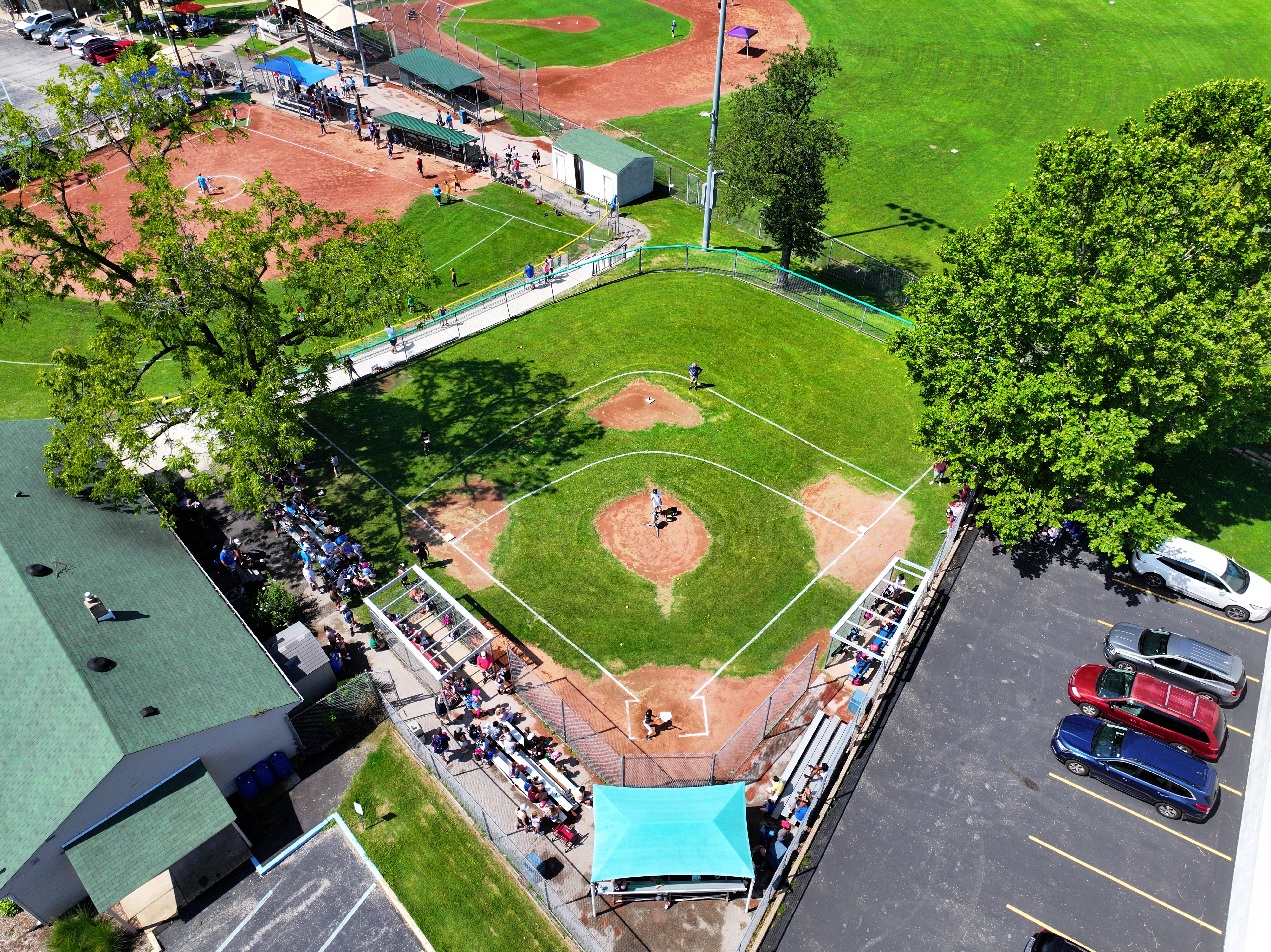
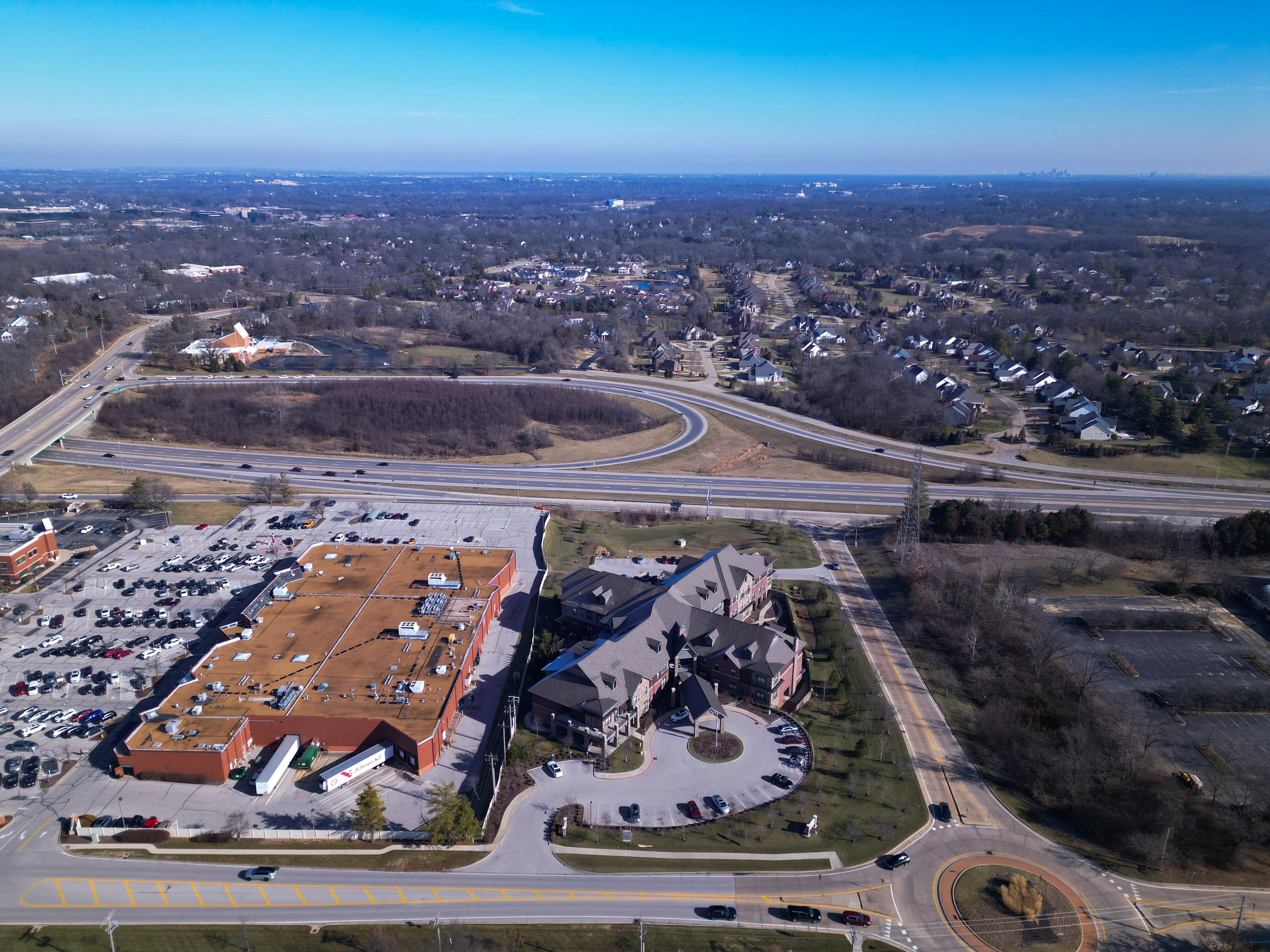
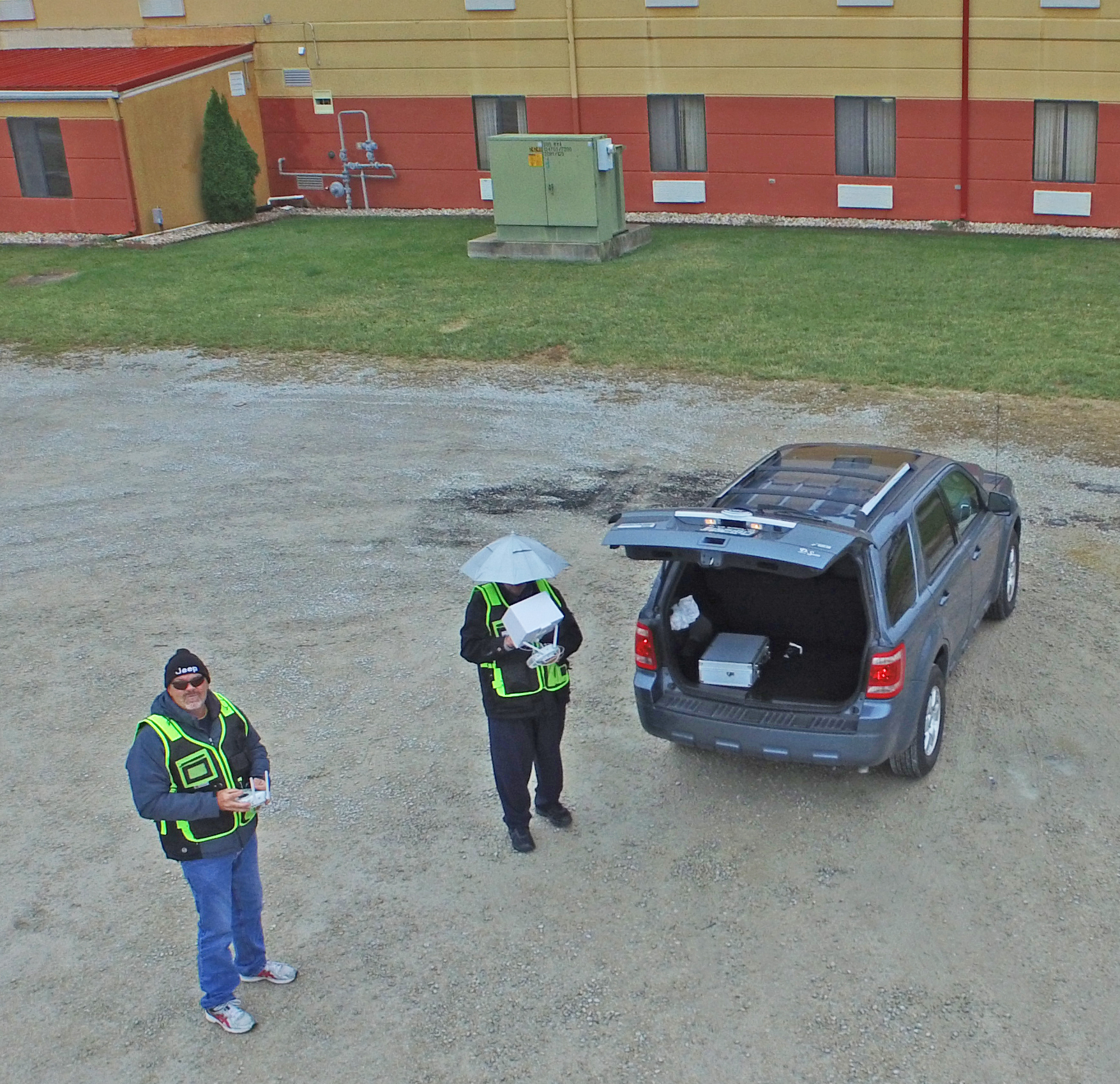
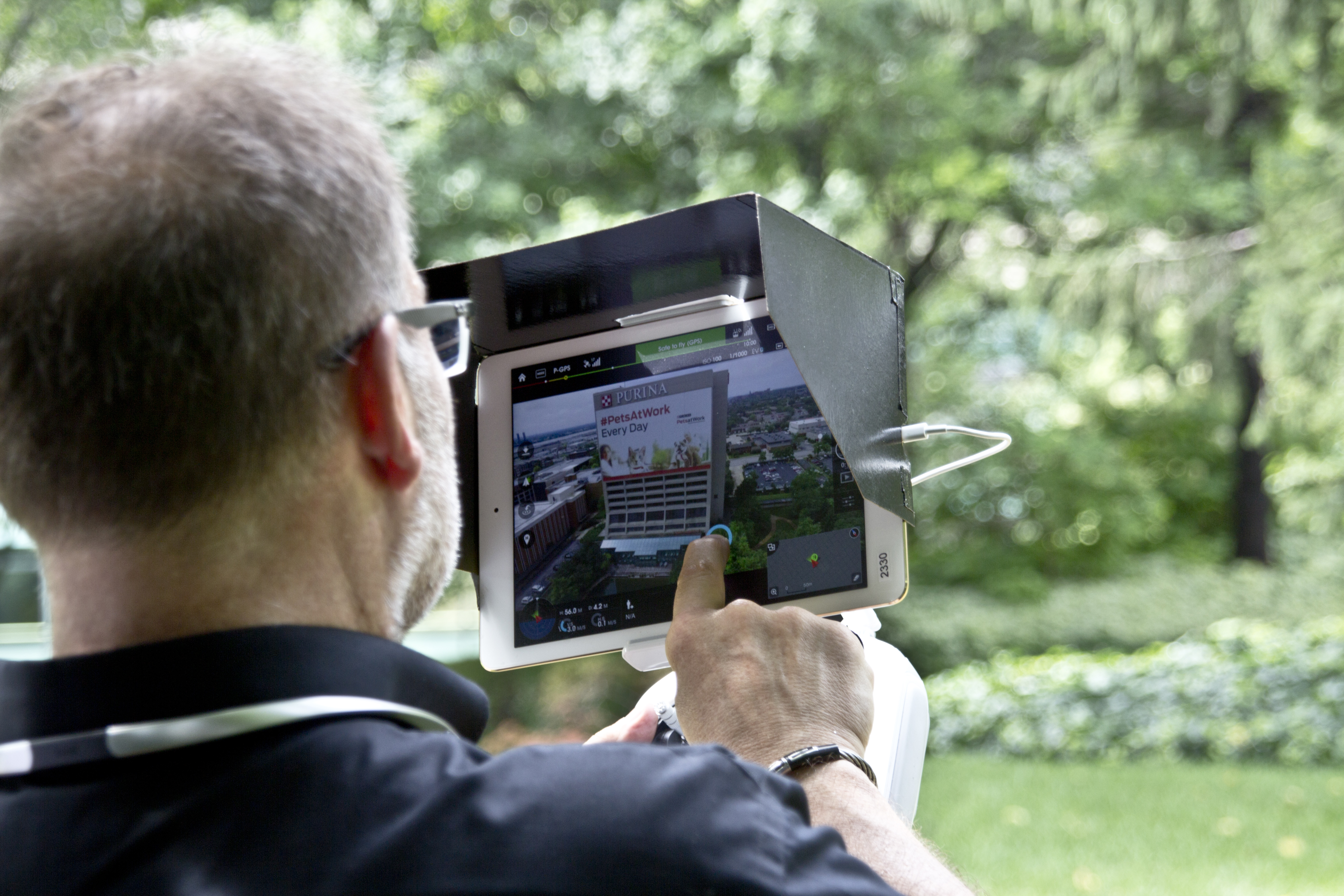
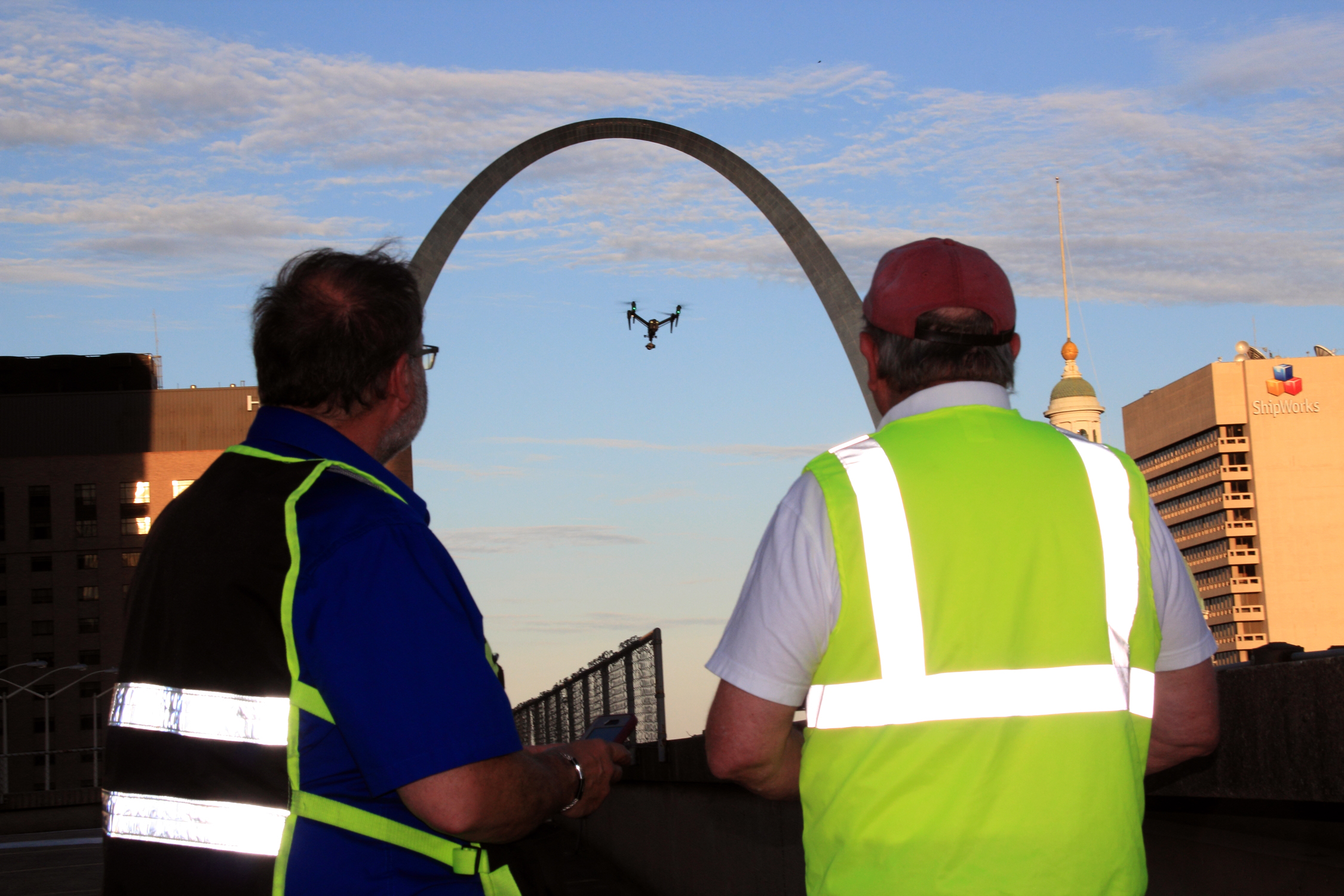
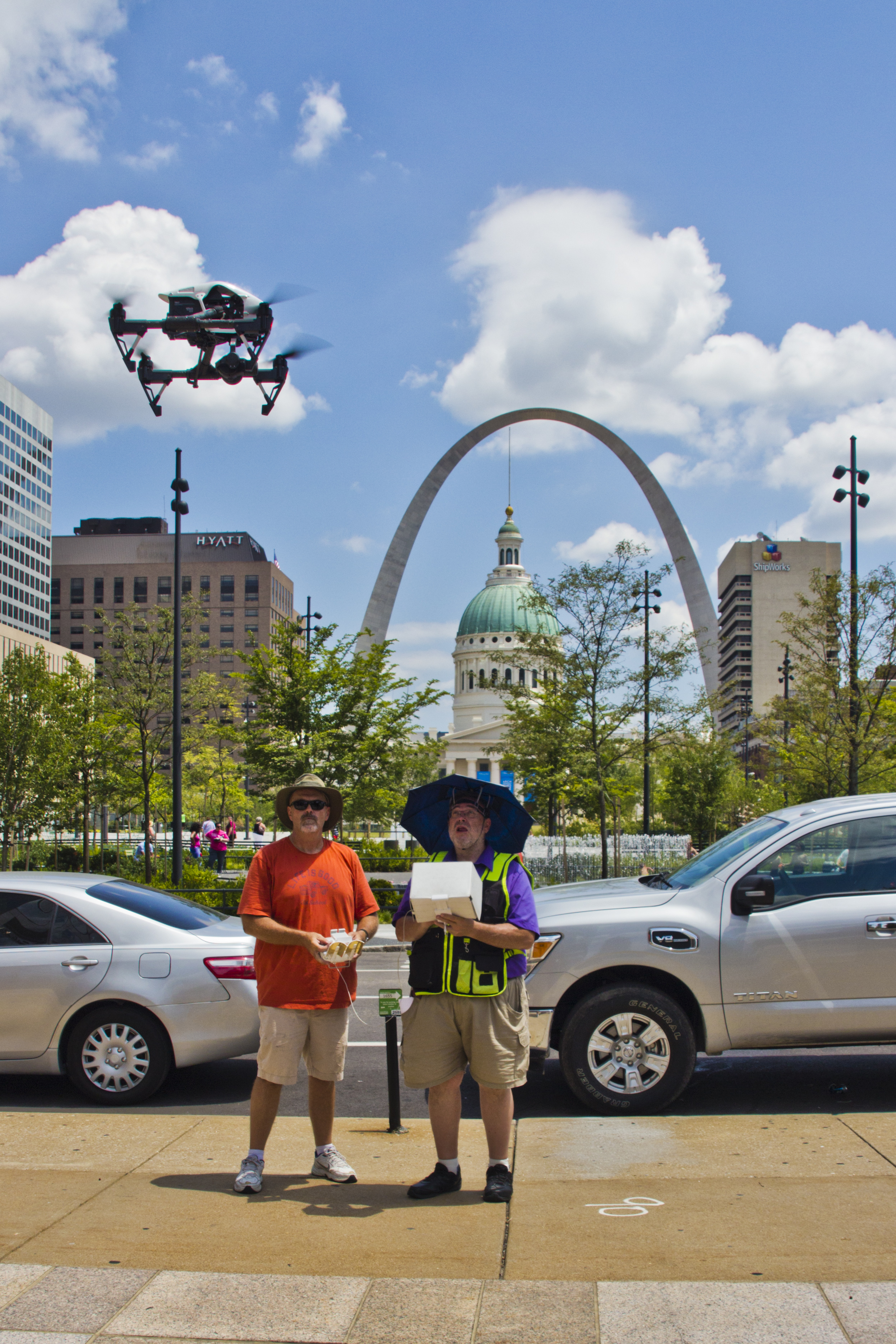
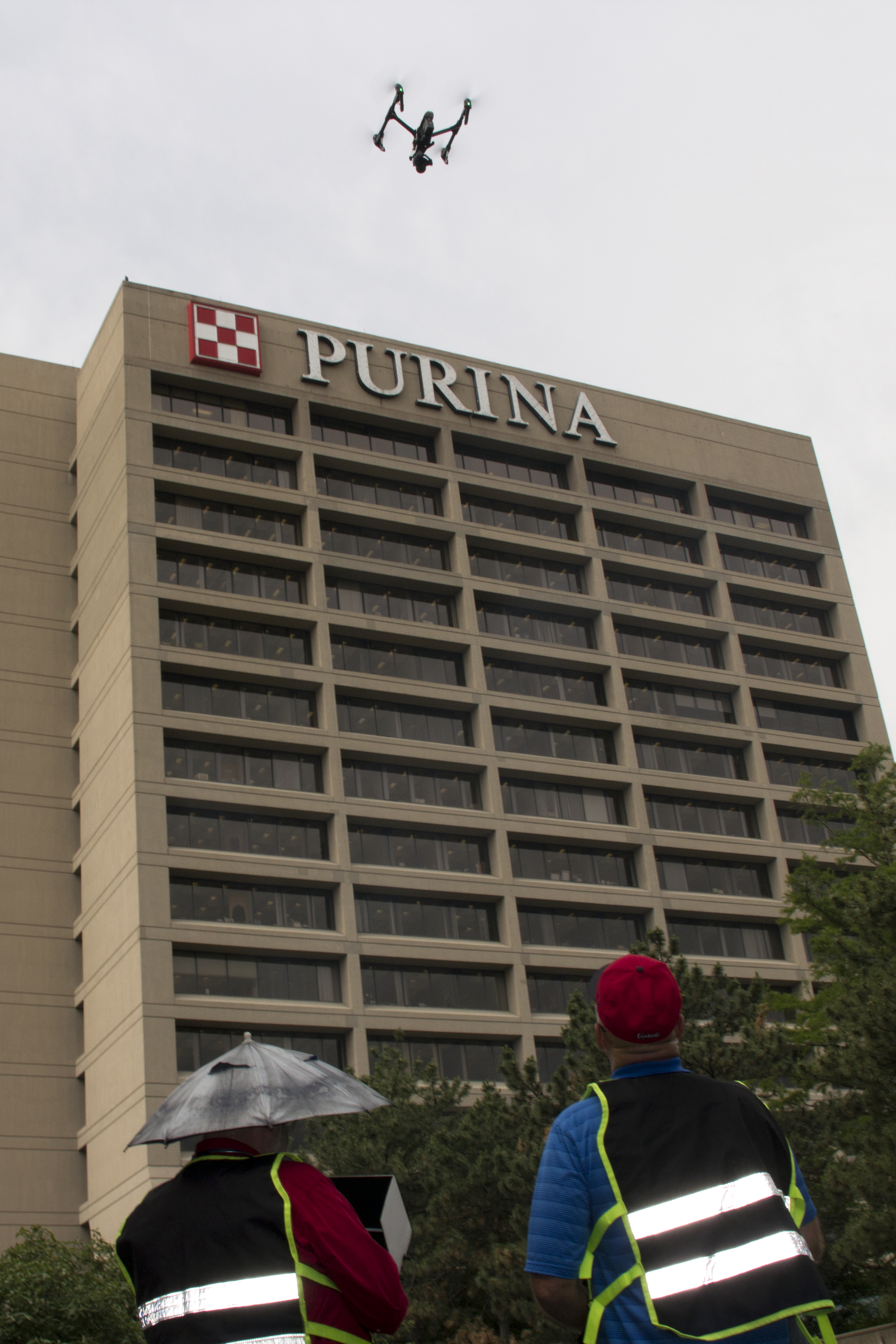
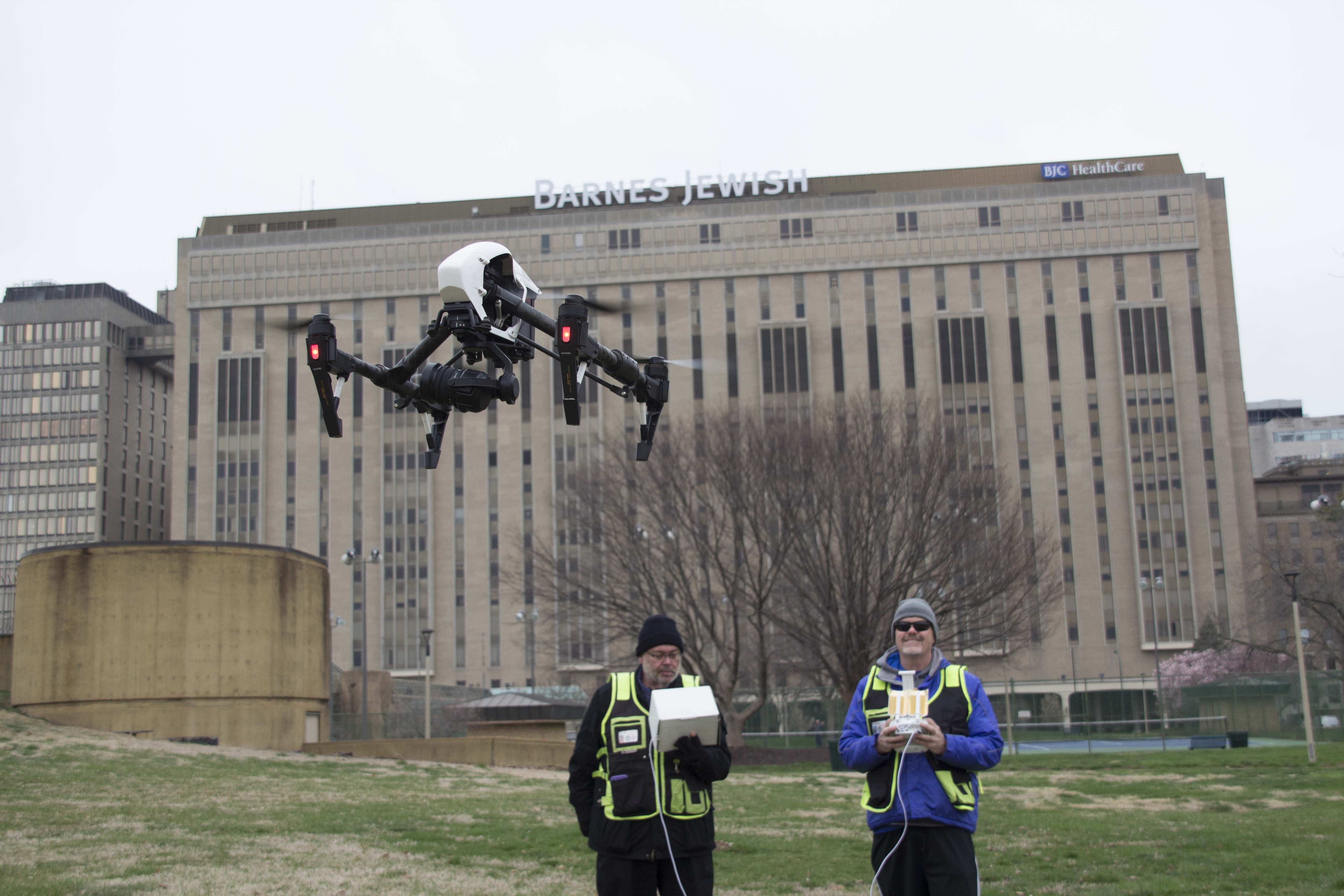
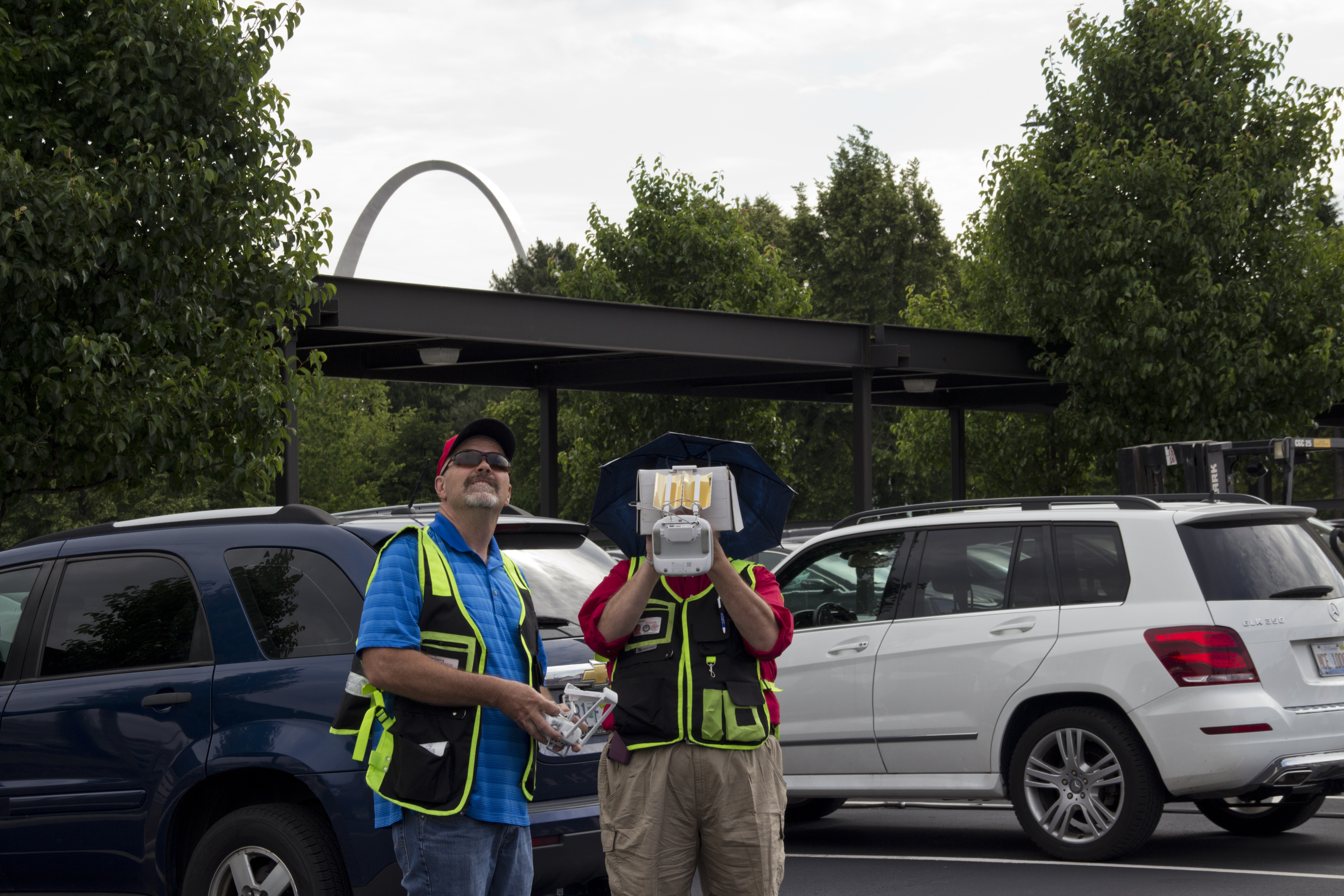
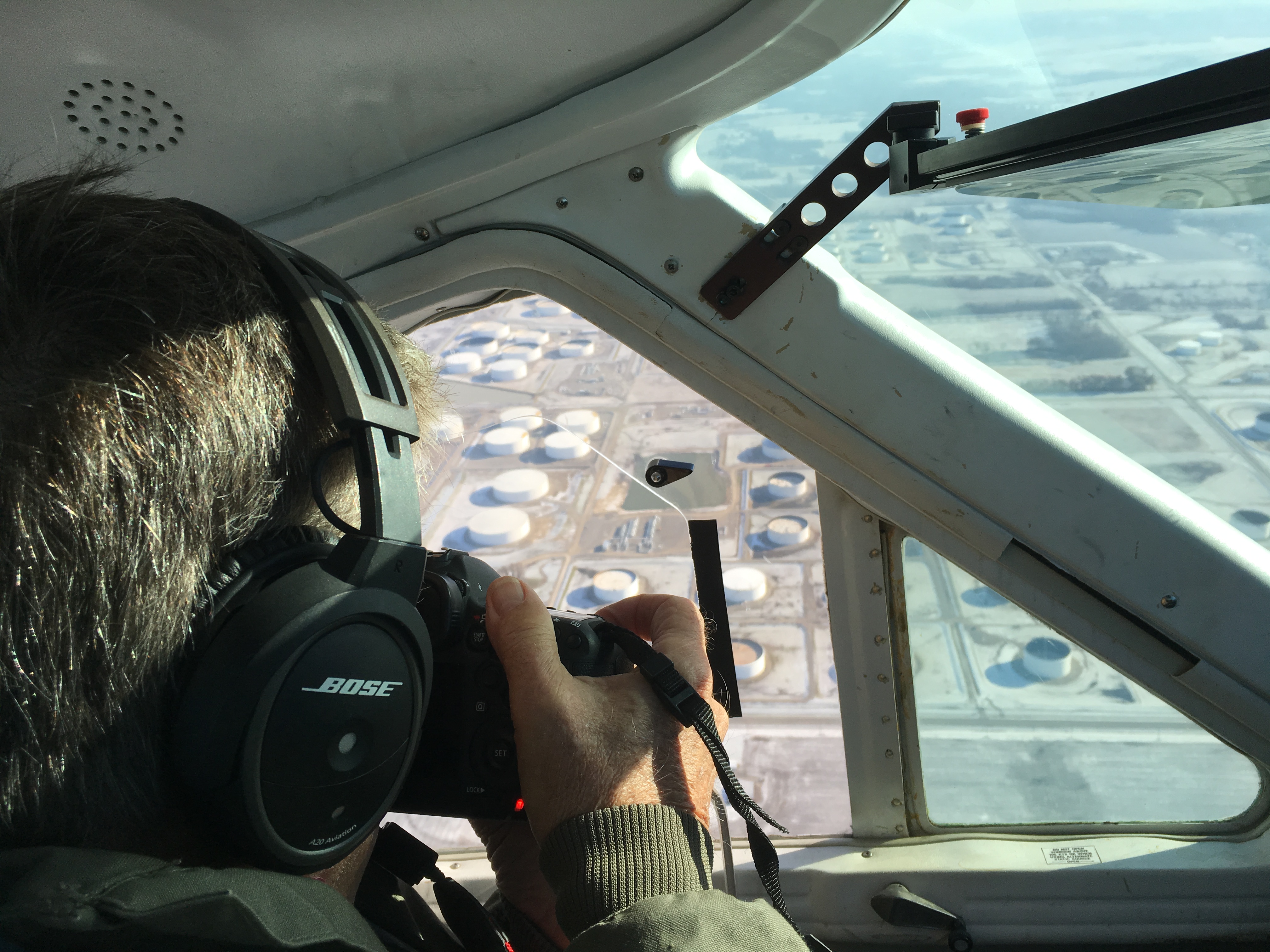
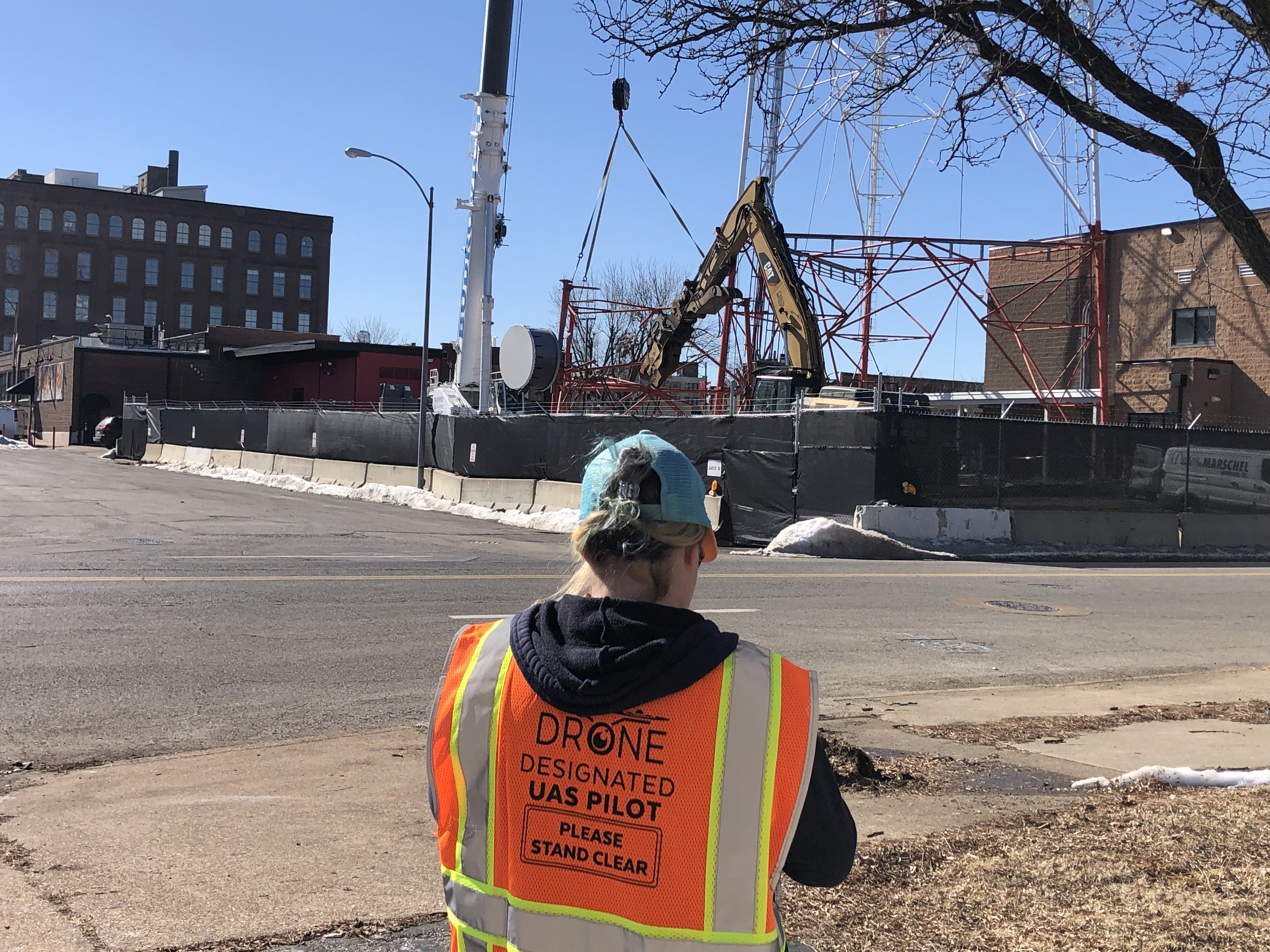
Today’s business productions often benefit from more than standard camera coverage. Drone services can add scale, motion, and a more complete visual understanding of a location, facility, property, or operation.

Traditional aerial footage can establish place, access, architecture, and operational footprint. Specialized FPV drone work can move through interiors in a dynamic and immersive way, making it especially useful for showing production facilities, commercial interiors, branded environments, and spaces that benefit from energy and movement.

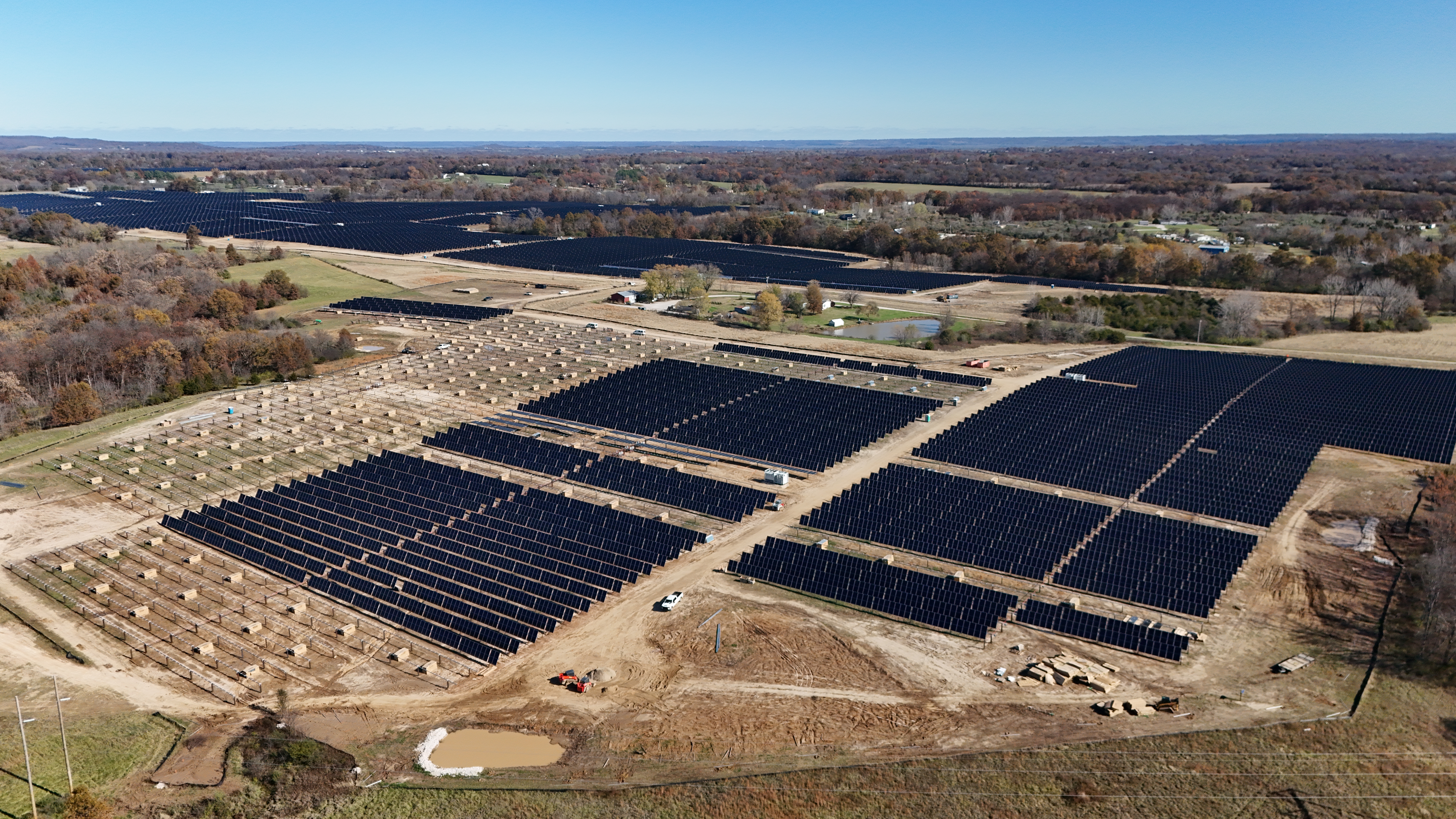
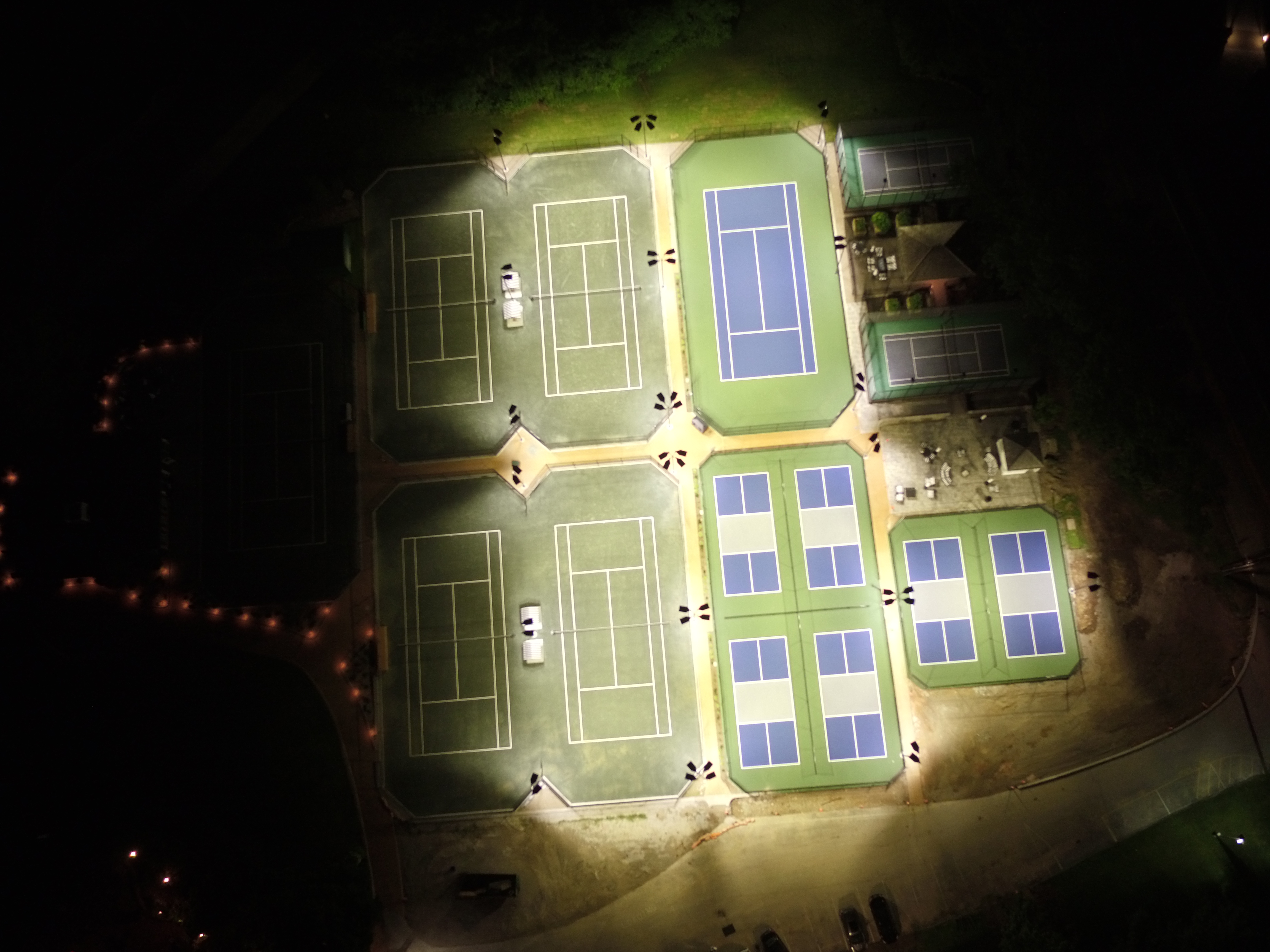
In addition, other advanced drone services can serve both visual and practical purposes. Infrared thermal imaging can support inspection-oriented applications. Orthomosaics can provide accurate large-area site visuals and mapping. LiDAR can support precise spatial documentation and advanced imaging needs.

When these services are added to a broader interview and b-roll production, the final media package becomes much more comprehensive and useful.
Repurposing Creates More Return on the Shoot

One of the biggest advantages of a professionally planned production is that it does not have to result in only one finished video. A strong interview and b-roll shoot can create the foundation for a wide range of content.

A business may begin with a single brand or testimonial piece, but the same footage can often support short social clips, recruiting videos, leadership messages, website content, digital ads, internal communication assets, and still image extractions for marketing use.

This is why experienced planning matters so much. When the crew understands the repurposing goals before filming begins, they can capture a broader range of footage that supports more deliverables later. That creates better long-term efficiency and stronger value from the production investment.

What Decision Makers Should Look For

Businesses choosing a production partner should look for more than attractive visuals. The right team should understand message development, subject coaching, production logistics, sound, lighting, editing strategy, and how to create assets that serve multiple uses.

They should know how to work in real environments without losing quality.

They should know how to capture meaningful b-roll, not just generic footage.

They should be able to help shape interview direction and production flow.

They should understand how photography, video, editing, drone work, and post-production connect into one cohesive process.

The best production partner is not just there to film. They are there to help create media that works.

Final Thoughts

Video interviews and b-roll remain one of the smartest and most reliable formats in business media because they combine credibility with visual storytelling. Interviews bring authenticity and message. B-roll adds proof, context, motion, and production value. Together, they give businesses a flexible content structure that can support many goals across multiple platforms.

For organizations, marketing firms, and creative agencies in the St. Louis area, working with specialists in this format can lead to stronger shoot days, better edits, and more useful media over time.
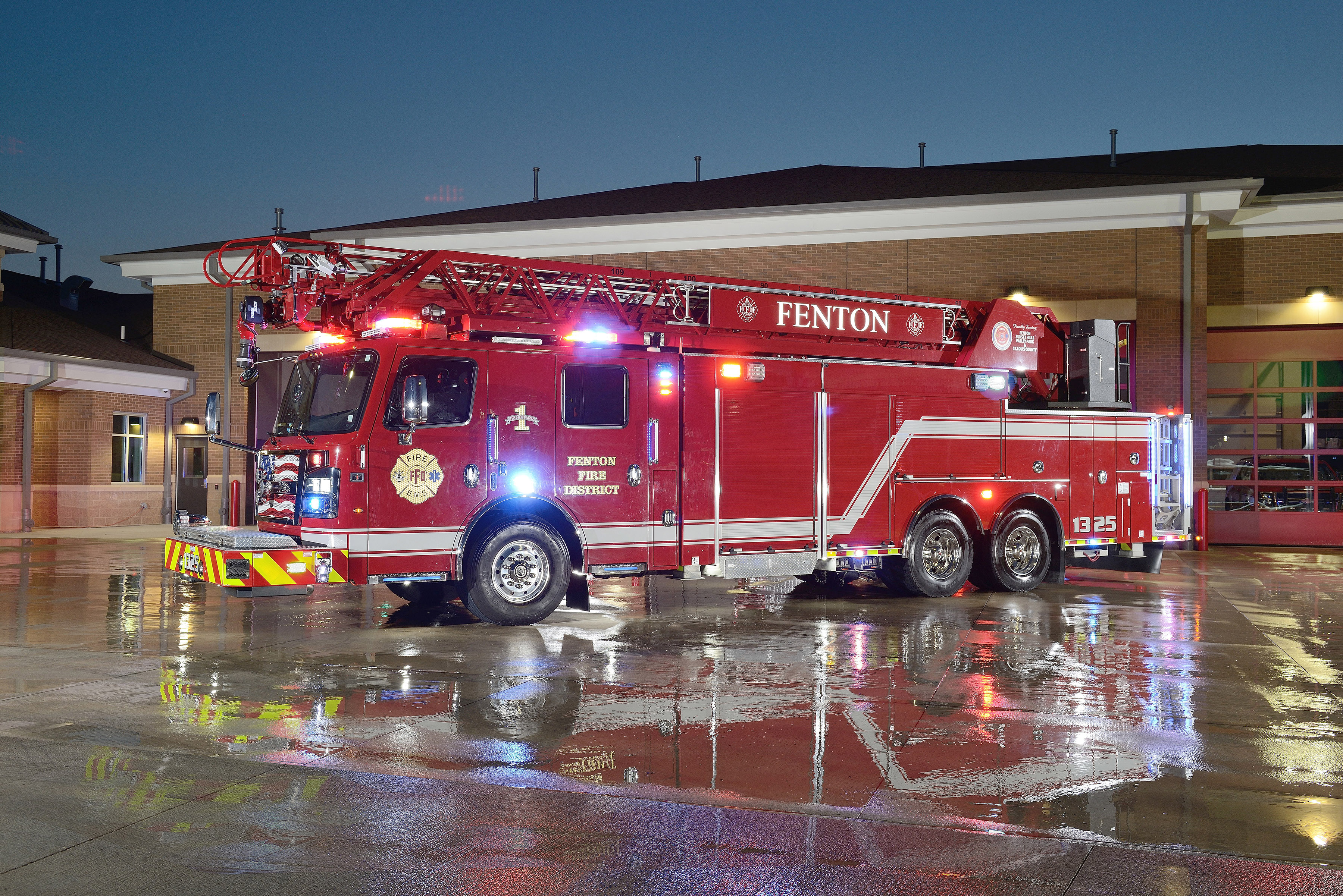
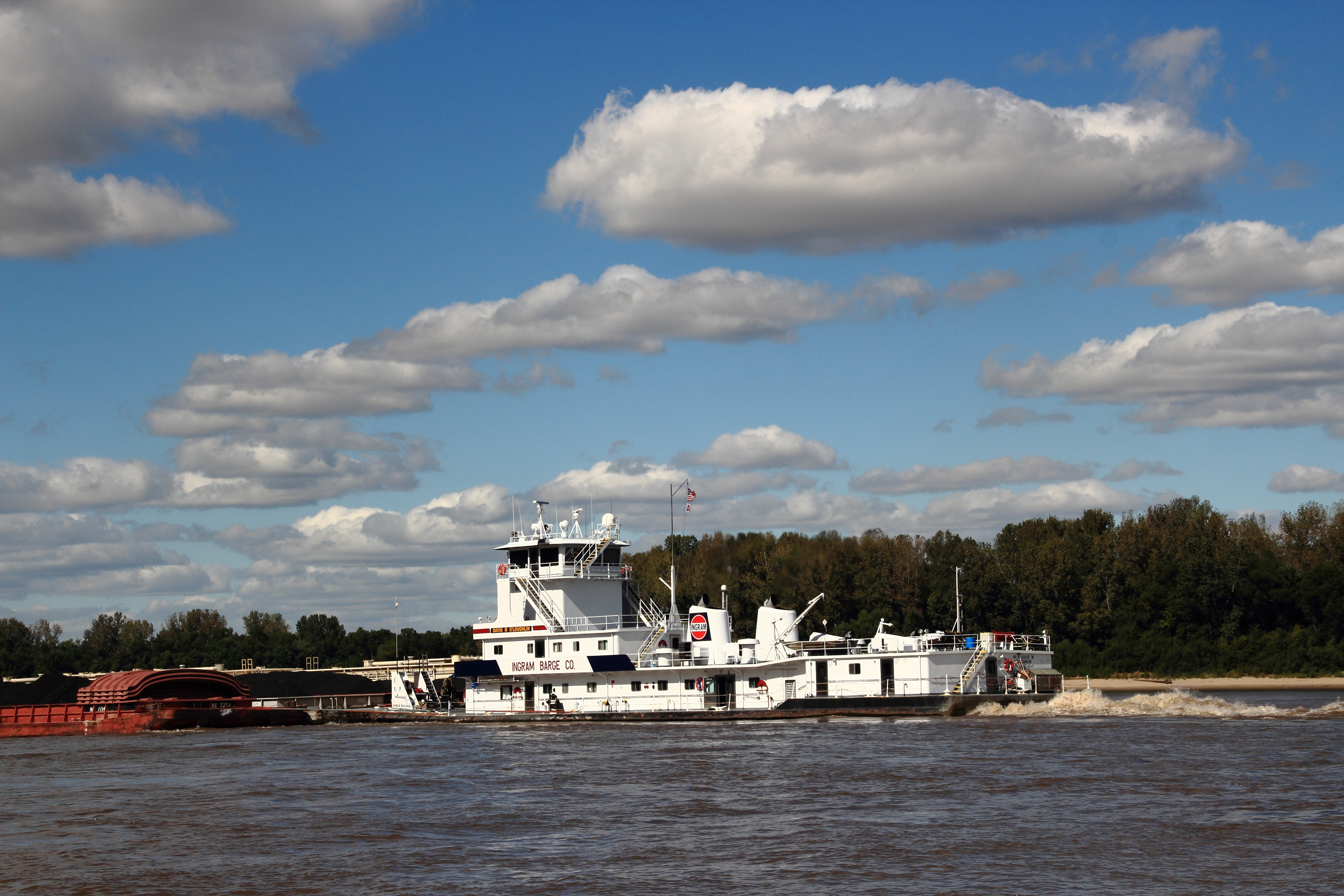
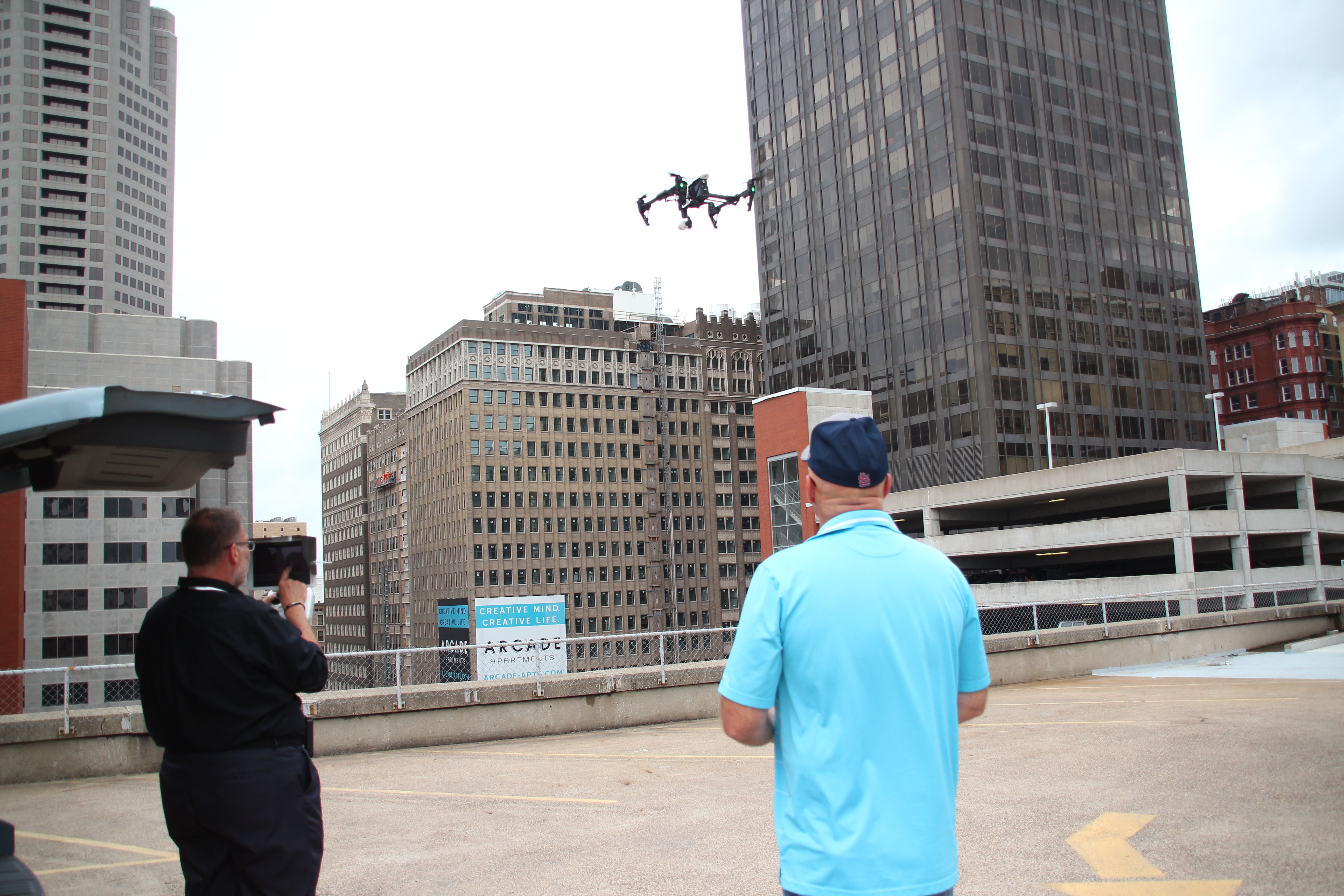
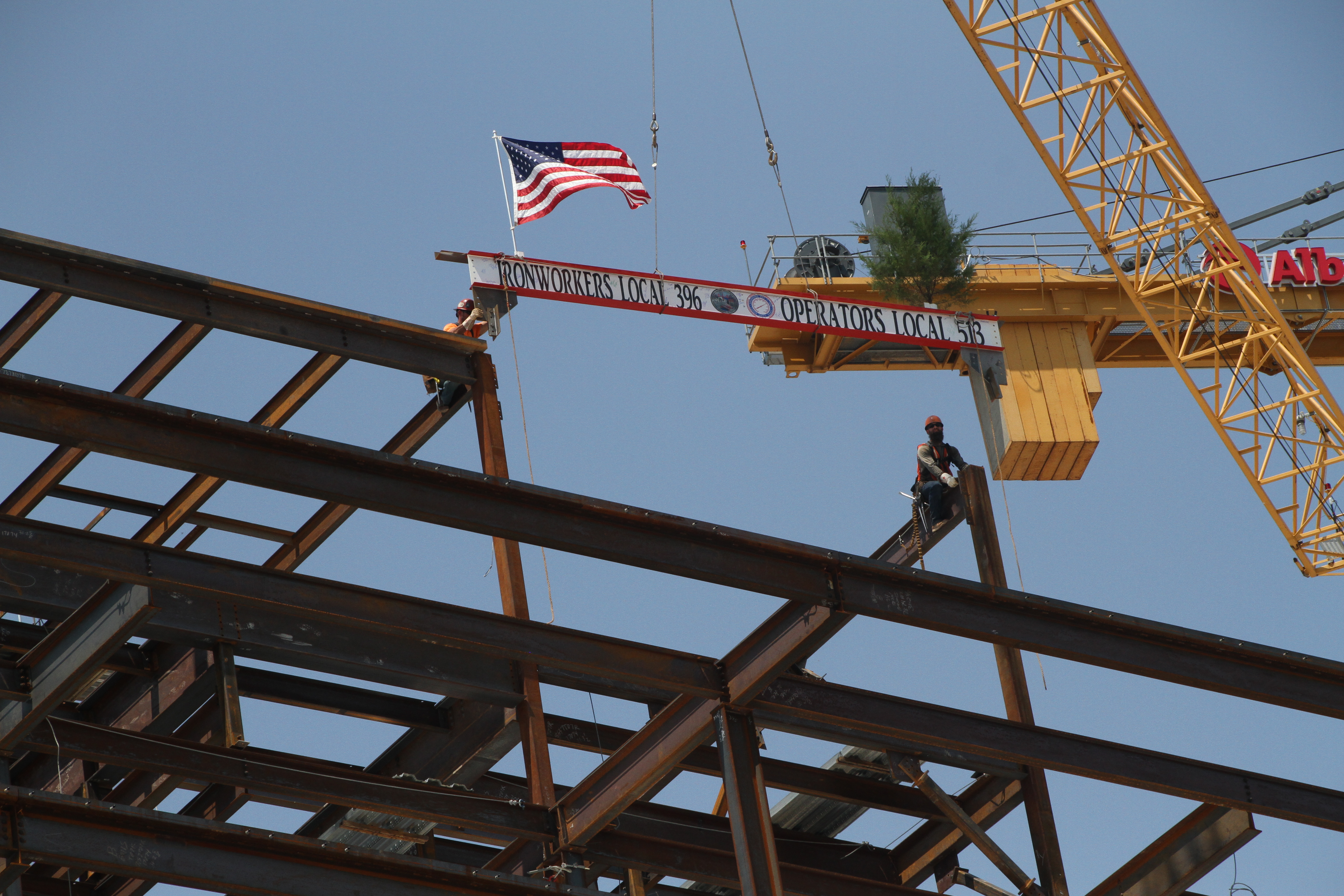
Since 1982, St Louis Video Production Studio has worked with many businesses, marketing firms, and creative agencies in the St. Louis area for their marketing photography and video. St Louis Video Production Studio is a full-service professional commercial photography and video production company with the right equipment and creative crew service experience for successful image acquisition. We offer full-service studio and location video and photography, as well as editing, post-production, and licensed drone services. St Louis Video Production Studio can customize your productions for diverse types of media requirements. Repurposing your photography and video branding to gain more traction is another specialty. We are well-versed in all file types and styles of media and accompanying software. We use the latest in Artificial Intelligence for all our media services. Our private studio lighting and visual setup are perfect for small productions and interview scenes, and our studio is large enough to incorporate props to round out your set. We support every aspect of your production, from setting up a private custom interview studio to supplying professional sound and camera operators, as well as providing the right equipment, ensuring your next video production is seamless and successful. We are also location scouting and b-roll specialists, can fly our specialized FPV drones indoors, and offer other drone special services including infrared thermal, orthomosaics, and LiDAR.
314-604-6544

saintlouismostudios@gmail.com

Using Your Corporate Event Video to Boost Employee Engagement and Retention.

Putting money in meaningful video content can be a useful tool for growing employee engagement and sticking around – here’s how it works!

Corporate event videos are essential for strong relationships between employees and the company.

Introduction

The use of corporate event videos is becoming more popular. Capturing footage of meetings, seminars and award ceremonies, businesses can make a lasting impression on their employees. It can help build loyalty and team cohesion. The videos also provide an ongoing resource to inspire and motivate employees.

A well-constructed corporate event video should show the energy and enthusiasm of the event. It should represent the business’s values and mission. Event videos are great for connecting with employees. They can be used for onboarding, training or simply as entertainment. Done properly, these videos can foster positive connections and greater employee engagement and loyalty.

Benefits of Using Corporate Event Videos

The advantages of corporate event videos are many. From boosting employee morale and engagement to improving recruitment and retention, video content captures events and emotions far better than live events. Capturing your company’s celebrations, triumphs, and culture on video can have a lasting impact on engagement levels. Here are some of the benefits:

-Strengthened Company Culture: When the event is captured on video, it’s easier to show values like collaboration and creativity. Viewers can get an understanding of the work culture when employees share footage with family and friends.

-Team Recognition: Awards ceremonies or any other recognition program are more impactful when recorded on video. Affirmations from upper management or CEO can be public through event videos, making sure high performers are acknowledged.

-Improved Employee Engagement: Corporate event videos can be used to give employees a window into activities in their establishment. Whether it be training, development programs, or special occasions, sharing these events organically fosters engagement and collective goals.

How to Create Engaging Corporate Event Videos

Creating effective corporate event videos can help with employee engagement and retention. Capture the energy of the event, key speeches and moments to create a powerful message. As a company, you should use this as an effective internal communication tool.

Edit carefully to retain viewer interest. Keep it short (1-3 minutes) for short attention spans. Use an aesthetically pleasing color palette, captivating music and inspiring words for emotional impact.

This could increase employee satisfaction, productivity levels and retention. It may also enhance brand presence when shared externally!

Strategies to Maximize Employee Engagement with Corporate Event Videos

Employees benefit from corporate event videos, like better engagement and loyalty. Employers should make strategies to use videos to get these results. Here are 3 strategies to try:

1. Promote company culture. Corporate event videos show employees the values, vision and aspirations of the organization. Invite employees to share their stories through video content, so everyone can understand each other better.

2. Innovate learning. Offer employees interactive resources, like quizzes and surveys, to stay engaged in their growth. Ditch the lecture-style video content.

3. Strengthen relationships. People are more productive when they build relationships with colleagues. Employ video conferencing and screencasts to help foster collaboration among co-workers.

How to Use Corporate Event Videos to Retain Employees

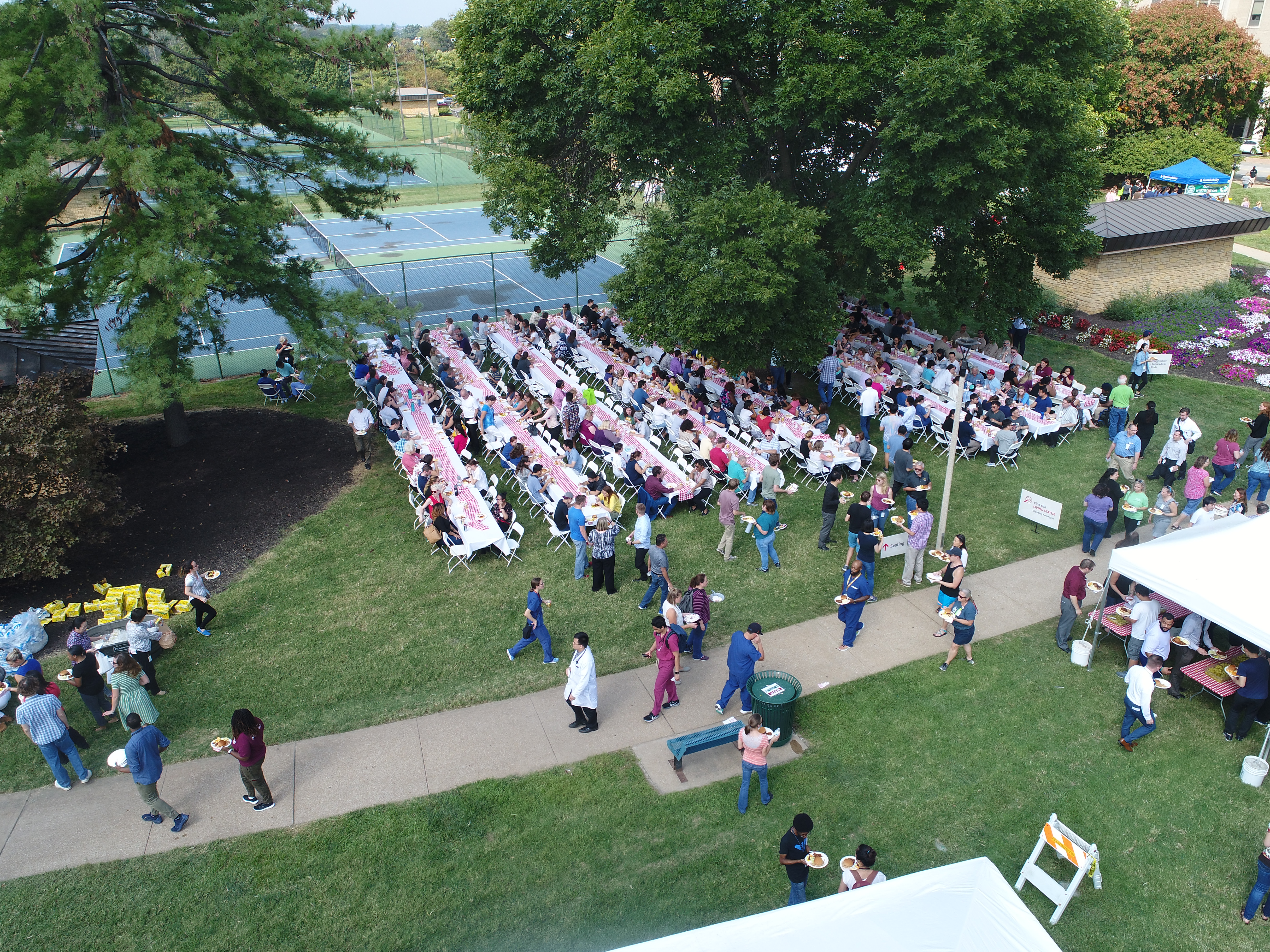
Corporate events such as holiday parties, team off-sites, and employee appreciation days are great for fostering camaraderie. Capturing them on video keeps those good vibes going! Companies can use the footage for newsletters, social media, or intranets to boost employee engagement and morale. Well-crafted corporate event videos can even increase retention.

Making a corporate event video isn’t as easy as pointing and shooting. You need to plan and have the right equipment. Experienced personnel should handle all aspects of production for best results. Post-production shouldn’t be neglected either. Editing together b-roll footage with archival clips makes for an engaging viewing experience.

Using corporate event videos is a great way for businesses to create positive experiences and maintain morale. With proper filming and post-production stages, companies can make sure their videos look good and showcase their values – helping them retain quality staff.

Tips for Improving Employee Retention Through Corporate Events

Promote corporate events widely to boost employee retention rates. Strategically plan the event & ensure that it has an overall purpose. Hire a professional videographer to capture quality video. Edit the video to focus on success & highlight awards. Follow up with attendees & share the video online. This will help keep everyone engaged & inspire conversations about next year’s event!

Best Practices for Utilizing Corporate Event Videos

Using videos to promote corporate events is a great way to get employees more engaged. It allows them to experience events first-hand. Here are some tips on how to use corporate event videos to support your business goals:

1. Provide info about the event: Create clips to explain what people should expect. Promote the event before it happens and create clips for those who can’t make it.

2. Showcase pics and memorable moments: Include images from the event so viewers can really get a sense of what it was like. Highlight moments you want people to remember.

3. Include info about your company: Interview staff and executives to show how your company is making a difference.

4. Make videos accessible for employees: Make sure all team members, including virtual employees, have access to the content. Create short snippets for social media that can be easily shared.

5. Gauge employee engagement levels: Use surveys and polls after featuring an event video. Address any areas for improvement.

Conclusion

So, we can see that corporate event videos are essential for strong relationships between employees and the company. They can engage and excite the team by showcasing successes and celebrations. This can build a culture of unity and motivation, aiding employee retention.

Planning an event with video in mind is not easy. But with good planning, a communications strategy and the right production team, you can capture authenticity and emotion with your post-event video. This is the best way to increase employee engagement, as it promotes emotion connections with each team member.

Rob Haller
314-604-6544
saintlouismostudios@gmail.com

Crafting Brand Testimonials with Emotion and Honesty: A Guide to Creating Meaningful Videos in Your Production Studio.

Crafting Brand Testimonials with Emotion and Honesty: A Guide to Creating Meaningful Videos in Your Production Studio.

Testimonials are one of the most powerful tools for marketing, providing valuable insight into how customers feel about a product or service. But crafting a compelling, honest, and emotional video testimonial can be a challenge. Creating meaningful video testimonials in your production studio is a great way to engage and authentically portray your brand story. With this guide, you’ll learn the best practices for crafting a powerful video testimonial that resonates with your target audience. From exploring the right creative elements to using storytelling techniques, this guide will help you create a video testimonial that captures the emotion and honesty behind your brand. Whether you’re a first-time video producer or a seasoned professional, this guide will provide you with the tools you need to make a truly memorable video experience for your customers.

Benefits of Video Testimonials

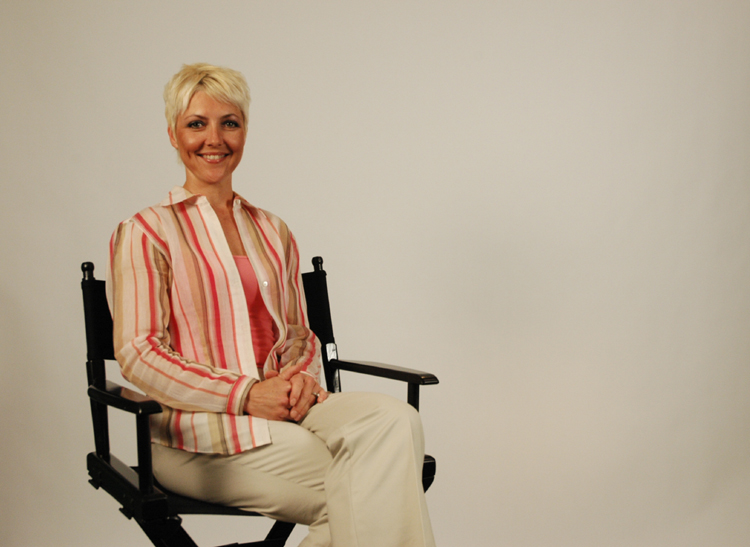
Before we begin discussing the best practices for creating meaningful video testimonials, let’s first examine the benefits of video testimonials. Video testimonials provide a more immersive experience for the viewer, which can help you better connect with your audience. They can also be a particularly effective way to engage customers who may be skeptical or unfamiliar with your brand. Customers are likely to be more receptive to a video testimonial from a “real person” than they would be to a testimonial from your brand’s CEO. With video testimonials, you can also reduce the impact of any cognitive dissonance that your customers may feel as a result of the “fake” nature of traditional testimonial videos. Video testimonials can be particularly valuable if your brand is new or unfamiliar to potential customers. They can also be a great way to respond to negative reviews from customers who had a less-than-positive experience with your business. Video testimonials can also help you avoid being charged with false advertising. If you rely on certain claims about your product, for example, a certain weight loss promise, you may be held liable for false advertising if you fail to deliver on your promises. A video testimonial can be a great legal defense against false advertising claims. Video testimonials are also particularly effective at helping your customers connect to your brand story. This can be especially useful if your business is selling a product that comes with a difficult or complicated story behind it, like medical equipment. With video testimonials, customers can see the impact your product has had on other people’s lives, which can help them understand why they need it as well.

Creative Considerations for Video Testimonials

Now that we’ve explored some of the benefits of video testimonials, let’s discuss the creative considerations for creating a compelling video testimonial. First, it’s important to select the right person to film a video testimonial. Ideally, you’ll want to select someone who has used or interacted with your product or service. Ideally, they’ll have either a positive or negative experience with it. This way, they’ll be able to more authentically convey their feelings about the product. Next, you’ll want to choose the proper setting for your video testimonial. It’s important to create an environment that will be most conducive to your customer feeling relaxed and comfortable. The last thing you want is for your customer to be stressed out while filming their testimonial. You should also select the proper lighting for the setting. Natural lighting is usually best for creating a relaxed and comfortable setting for your customer. Finally, you should select the proper camera for your video testimonial. Ideally, you’ll want to select a camera that’s easy to use and will help your customer feel as comfortable as possible while filming. You should also make sure that your camera can film in HD so you can create a high-quality video testimonial in your production studio.

Crafting Your Video Testimonial Script

Now that you’ve selected the right creative elements for your video testimonial, you’ll want to begin crafting your script. For starters, you’ll want to begin by establishing the right tone for your video testimonial. While you want to be authentic and honest in your video, you don’t want to come across as being unprofessional. It’s best to use a conversational, friendly tone. Then, you’ll want to outline the story that you want your customer to tell. While your video testimonial doesn’t have to be a full-blown story, it should have a beginning, middle, and end. It should also be short and concise, lasting no longer than three minutes. Now that you’ve outlined your story, you can begin writing your script. Paper is a great way to start, especially if you’re not an experienced writer. Once you have a script you’re happy with, you can move onto the next step.

Select the proper camera for your video testimonial, you’ll want to select a camera that’s easy to use and will help your customer feel as comfortable as possible.

Using Storytelling Techniques in Your Video Testimonial

Once you’ve crafted your script, you’ll want to begin using storytelling techniques to make your video testimonial even more compelling. First, you’ll want to hook your audience as quickly as possible, which is why it’s best to start your video testimonial with a hook. You can start off by having your customer introduce themselves. Then, ask them to describe their experience with your product or service. You can also ask them what their goals or motivations are. Then, you’ll want to introduce a problem. What problem does your customer encounter? What’s their struggle? How do they feel about their struggle? This is where you’ll want to begin talking about your product or service. How does it solve their problem? How does it address their struggle? This is where you’ll want to transition into a call to action.

Capturing Authenticity and Emotion in Your Video Testimonial

Now that you’ve used storytelling techniques to create a compelling video testimonial, you’ll want to make sure that your video is authentic and honest. Start by making sure that your customer is comfortable and relaxed. Make sure that their environment is conducive to them feeling relaxed. Next, you’ll want to make sure that your customer is authentic in their video testimonial. You can do this by asking your customer questions such as “What do you like about our product/service?”, and “What does our product/service do for you?” You can also ask your customer to share personal stories that are relevant to your product/service. Finally, make sure that your video testimonial is honest. You can do this by making sure that your customer doesn’t overstate their feelings about your product or service. You don’t want to come across as being dishonest in any way.

Editing and Finalizing Your Video Testimonial

Once you’ve finished filming your video testimonial, you’ll want to begin editing it. The first thing you’ll want to do is trim the fluff. Get to the point as quickly as possible. You don’t want your video testimonial to drag on. Next, you’ll want to add relevant B-roll. B-roll is supplementary footage that you add to your video testimonial. It’s an excellent way to break up the monotony of a static video. You can use B-roll to show your customer using your product, talking about their experience, etc. Finally, you’ll want to add relevant sound effects and music to your video testimonial. Choose music that is appropriate for your video testimonial, as well as sound effects that convey the emotion and topic of your video.

Distributing Your Video Testimonial

Now that you’ve finished filming and editing your video testimonial, you’ll want to get it distributed. You can post your video testimonial on your website, as well as on social media. You can also reach out to publications that cover topics related to your business and see if they’d be interested in publishing your video testimonial. You can also submit your video testimonial to review websites and apps, such as Trustpilot and Trustlink, as well as other customer review websites. Finally, you can also consider hosting a launch party. During a launch party, you can show your video testimonial and host a Q&A session. This is an excellent way to connect with your customers, as well as build excitement for your product or service.

Rob Haller
314-604-6544
saintlouismostudios@gmail.com