Decision-makers responsible for their organization’s video production and marketing strategy are constantly seeking more effective ways to educate their teams and clients. The solution isn’t to stop recording your valuable training sessions—it’s to reimagine how you use the footage.
As experienced producers, videographers, and editors, we know that a single, hour-long recorded training session is a goldmine waiting to be refined. The key strategy for maximizing this asset is repurposing it into shorter, focused video clips, often referred to as “micro-content.” This method transforms a dense, one-time viewing experience into a versatile, digestible, and highly effective learning tool.
Why Shorter Clips Deliver Better Results
The move from long-form video to micro-content is driven by fundamental principles of modern digital consumption and learning science.
1. Boosted Engagement and Retention
Attention spans are shorter than ever. A dense 60-minute video can feel like a chore. By contrast, a two-to-five-minute clip focusing on a single topic, like “The Five Steps for Onboarding a New Client” or “How to Troubleshoot System X,” is instantly more appealing.
Targeted Learning: Viewers can quickly find and absorb only the information they need at that moment, increasing practical application.
Cognitive Load Reduction: Breaking down complex information into smaller chunks reduces the mental effort required, leading to better memory retention.
2. Versatility in Distribution
A lengthy training video typically lives in one spot: your Learning Management System (LMS). Shorter clips, however, are marketing chameleons.
Internal Communication: Easily embed clips into internal emails, team collaboration platforms (like Slack or Teams), or project management tools for just-in-time training.
External Marketing: Repurpose compliance, safety, or basic how-to segments into branded content for social media (LinkedIn, Instagram Reels) or your company website to showcase your expertise.
Hybrid Training: Use the micro-clips as pre-work assignments, allowing valuable in-person time to be dedicated to discussion and Q&A.
3. Increased Longevity and Searchability
When you break a training video into its constituent parts, you’re not just creating shorter videos—you’re creating structured, searchable knowledge assets.
Quick Updates: If one small detail in a procedure changes, you only need to update the two-minute clip covering that procedure, not re-record the entire hour-long training.
SEO Value: Each clip can be optimized with its own title, description, and keywords, making it easier for team members or prospects to find the precise solution they need via internal search or Google.
The Process: Turning Raw Footage into Polished Assets
This is where the expertise of a full-service production partner becomes invaluable. The transformation requires skilled editing, visual refinement, and an understanding of marketing objectives.
Strategic Review & Outlining: We first review the full recording, identifying key thematic sections and marking the precise start and end times for each standalone concept.
Precise Editing & Pacing: The goal is to remove all unnecessary fluff—long pauses, filler words, or transitional segments—to create a punchy, direct narrative for each clip.
Visual Enhancement: Professional editing includes adding lower-third graphics, relevant on-screen text overlays, motion graphics, and B-roll footage to illustrate concepts and keep the viewer engaged.
Branding Consistency: Each clip is finished with consistent color correction, professional sound sweetening, and your company’s branding elements (logo, intro/outro), ensuring a polished, professional look across all media.
AI-Powered Optimization: Utilizing the latest in Artificial Intelligence allows us to quickly and accurately generate captions, transcripts, and alternative language voiceovers, further broadening the content’s reach and accessibility.
🌟 Your Full-Service Production Partner in St. Louis
For decision-makers seeking successful and strategic image acquisition, the process of turning raw footage into high-impact micro-content requires more than just software—it demands experience, the right gear, and creative insight.
St Louis Video Production Studio, a full-service professional commercial photography and video production company since 1982, offers the deep well of experience, the right equipment, and the creative crew service required for successful image acquisition.
Comprehensive Services: We offer full-service studio and location video and photography, as well as editing, post-production, and licensed drone pilots—even the ability to fly our specialized drones indoors.
Customization and Repurposing: We customize your productions for diverse types of media requirements, and we specialize in repurposing your photography and video branding to gain more traction. We are well-versed in all file types and styles of media and accompanying software, utilizing the latest in Artificial Intelligence for all our media services.
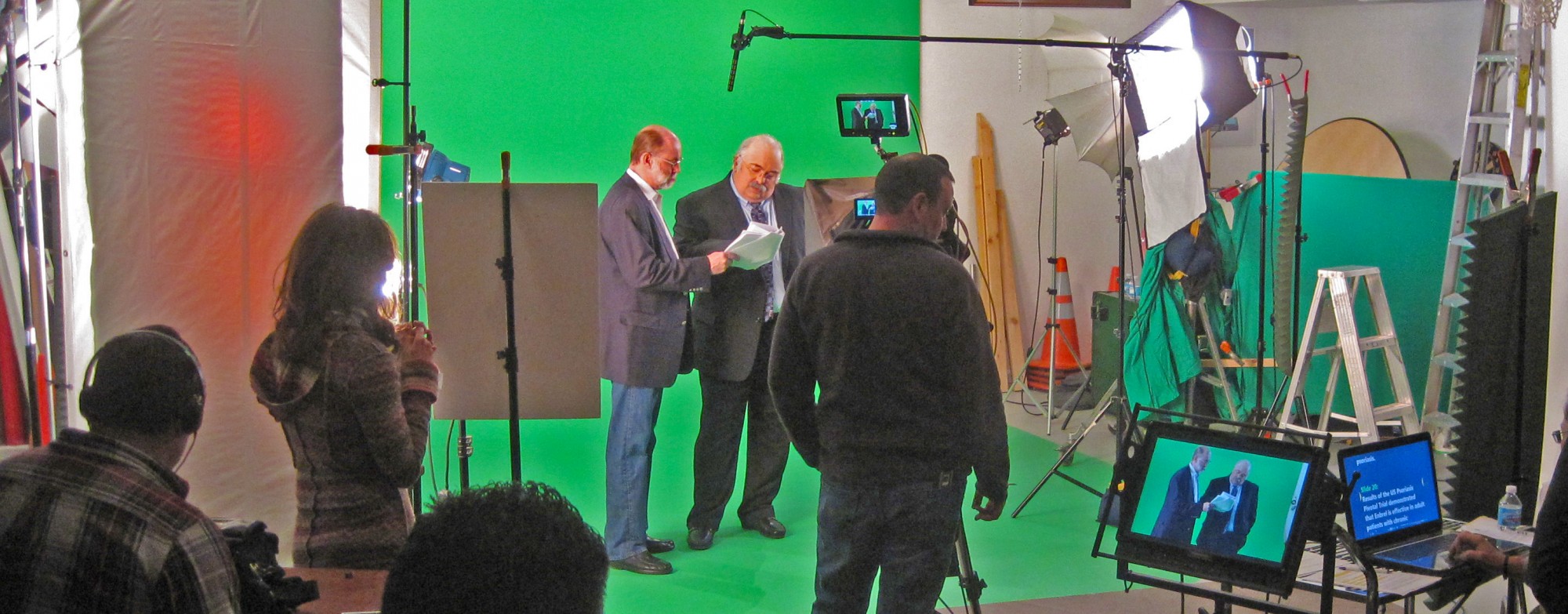
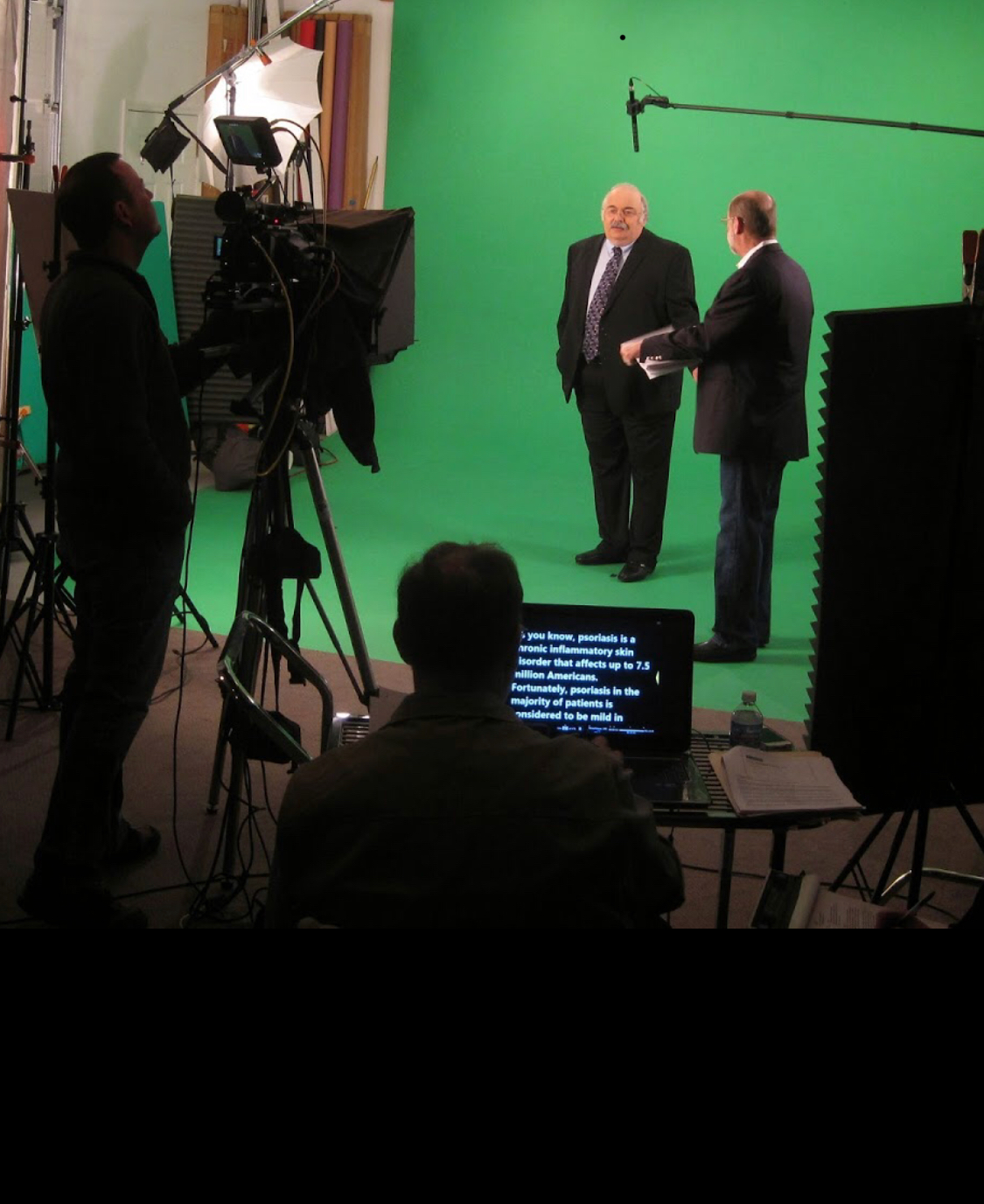
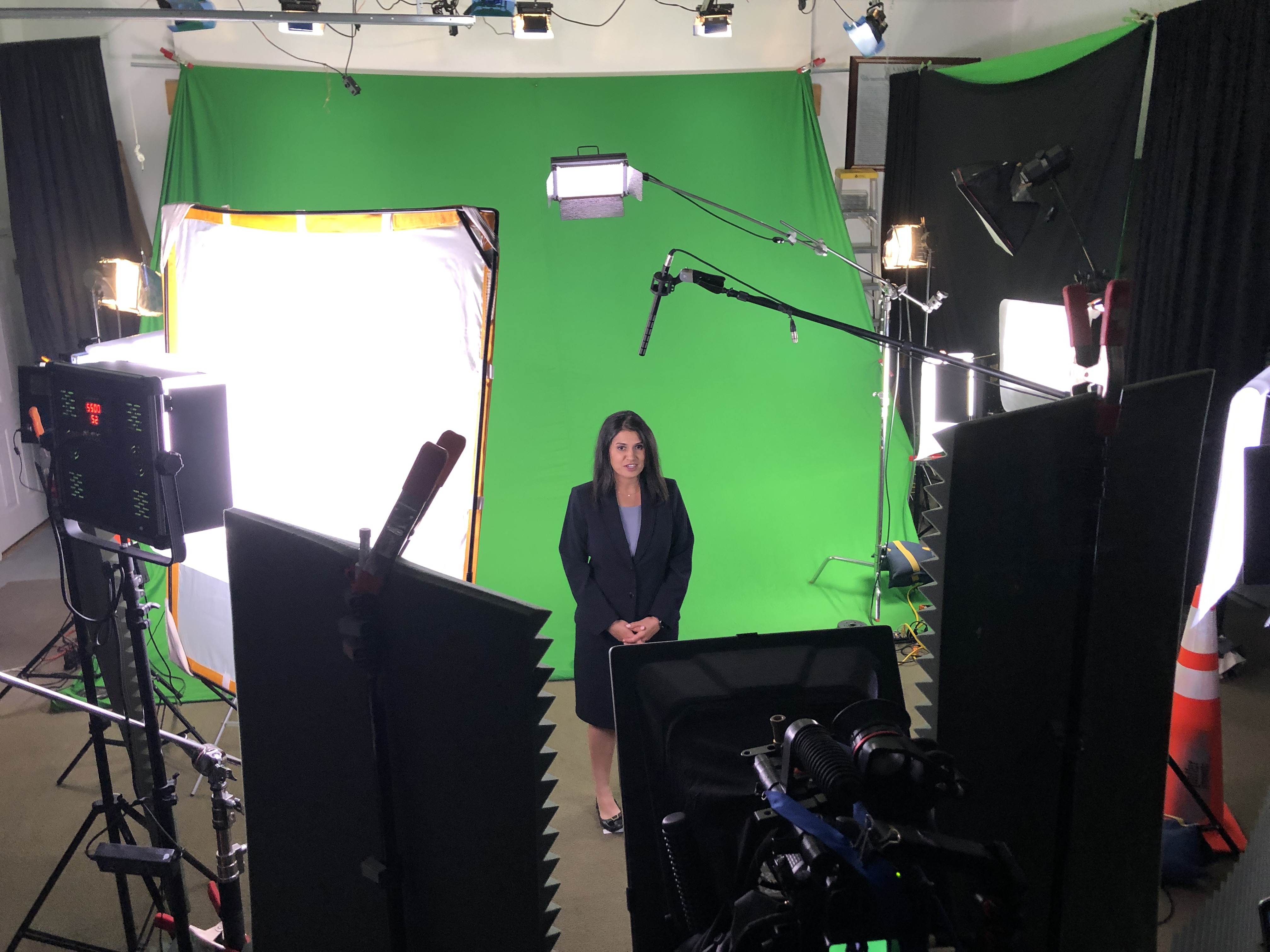
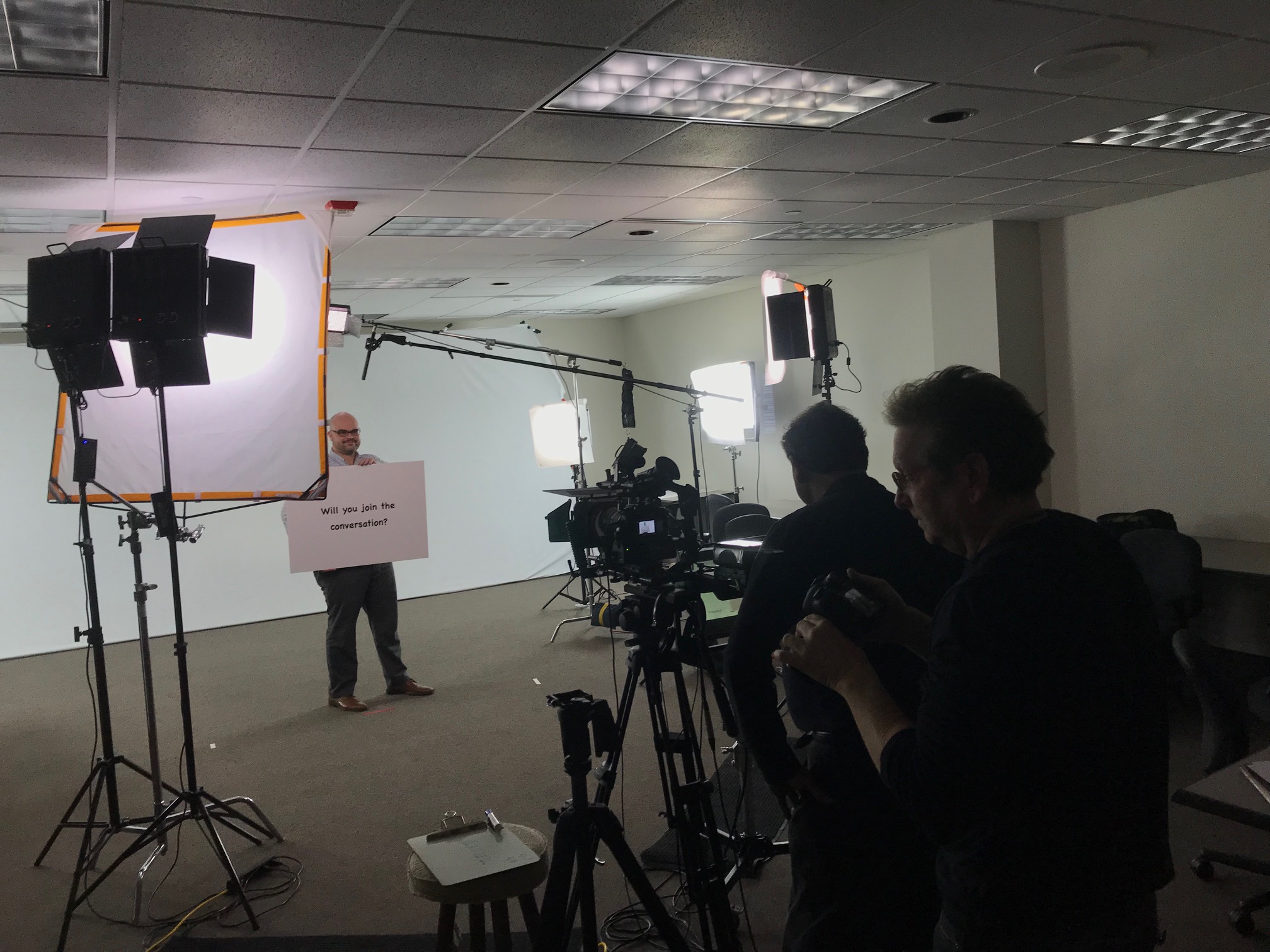
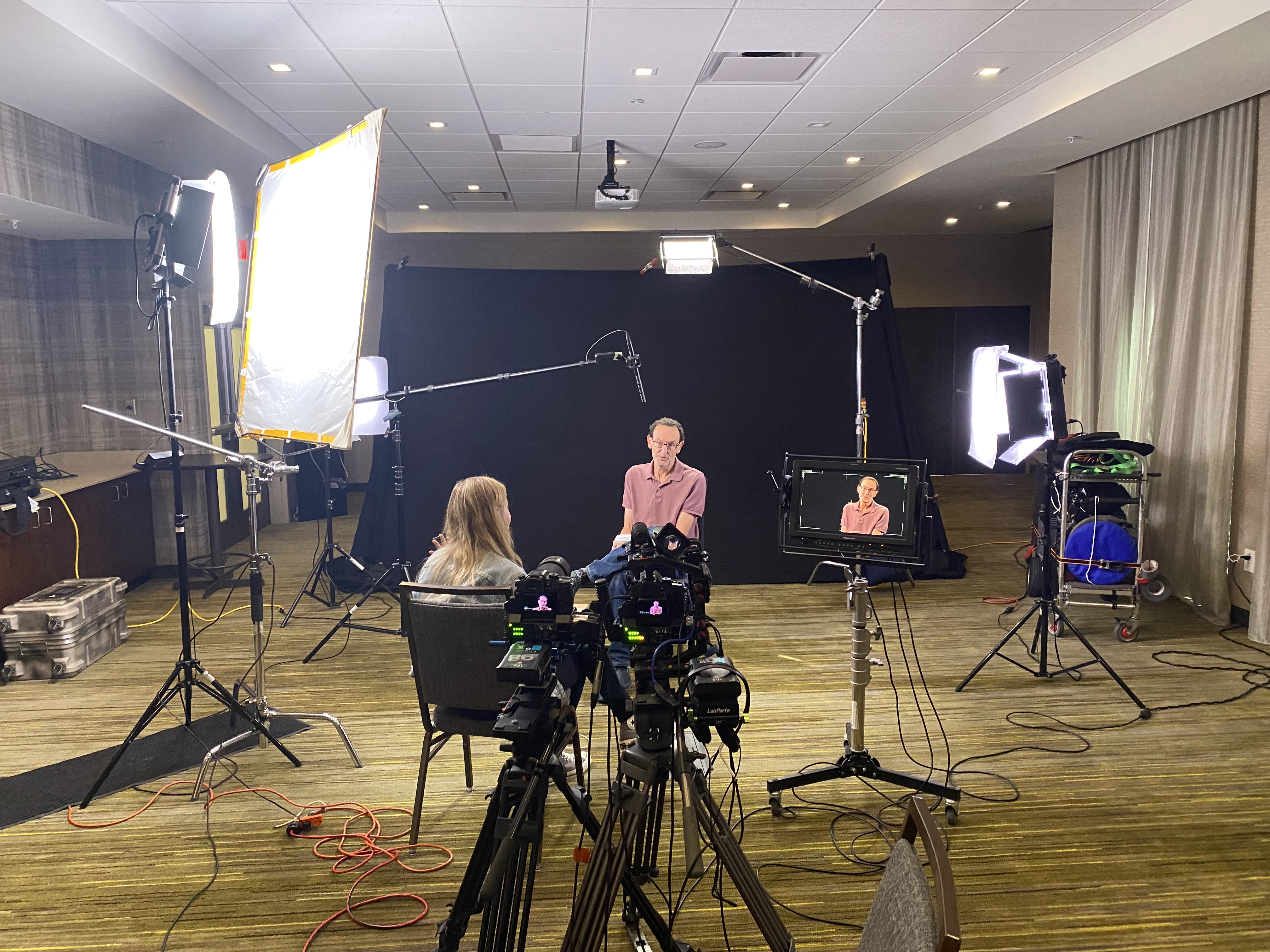
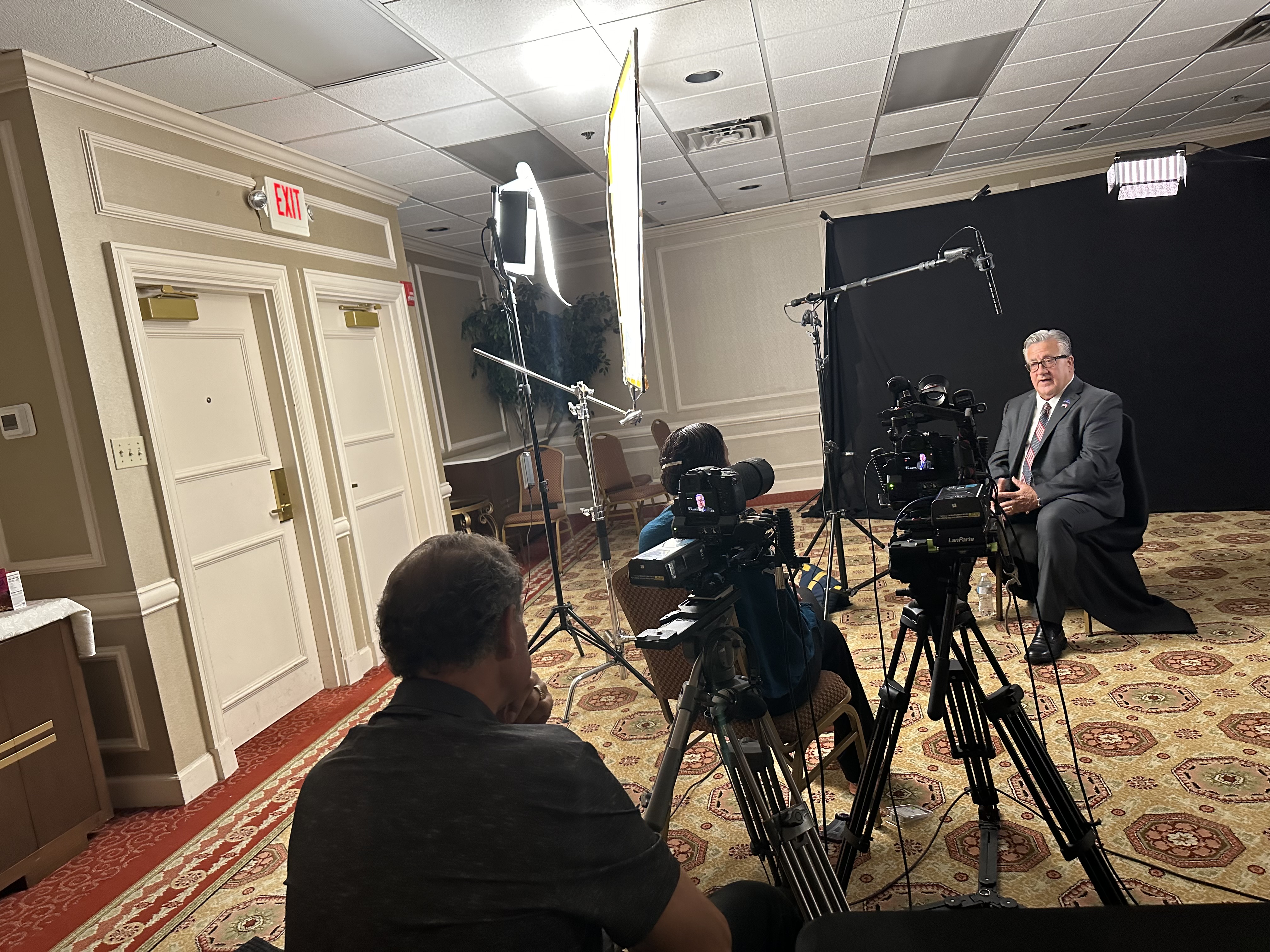
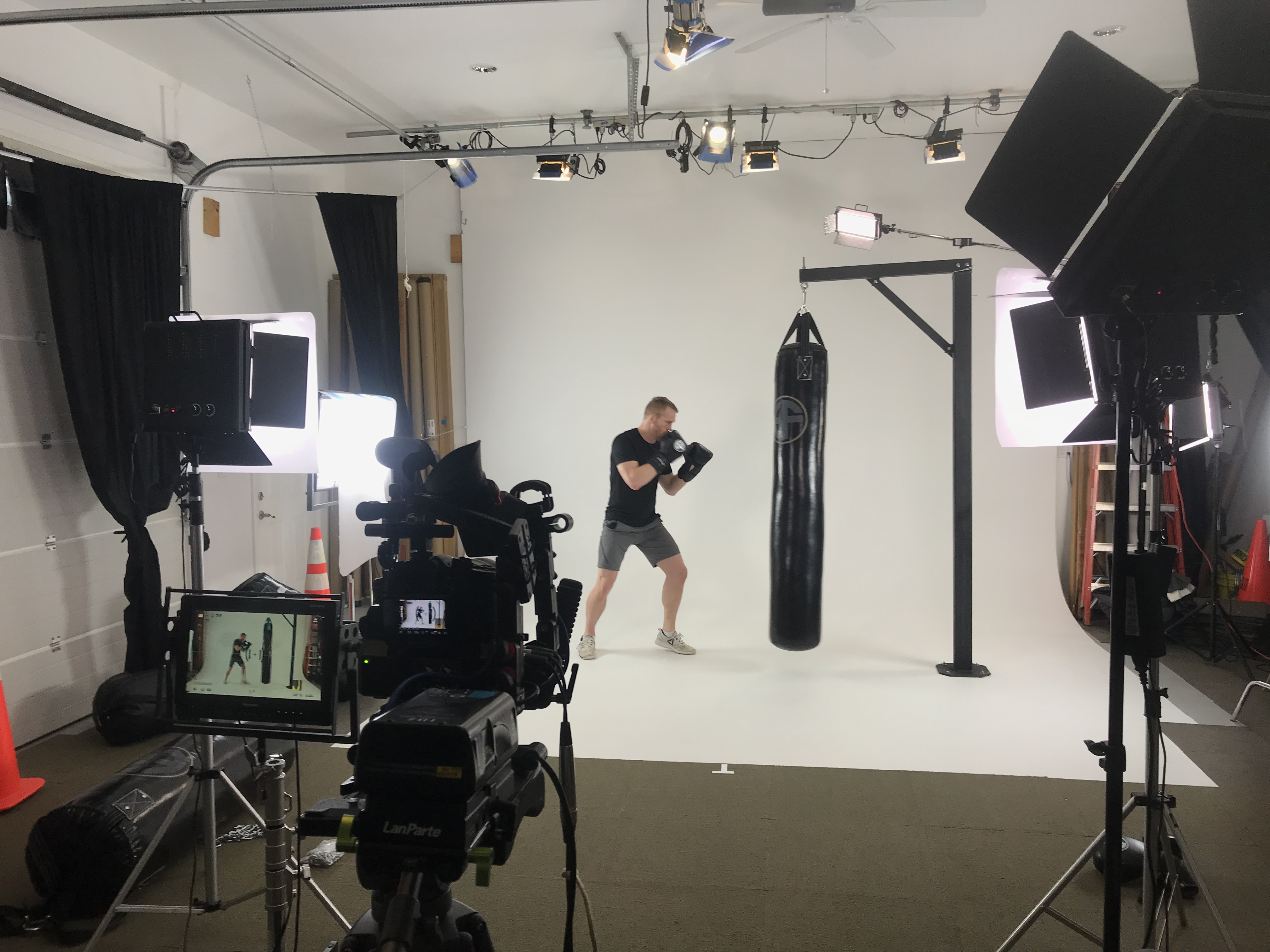
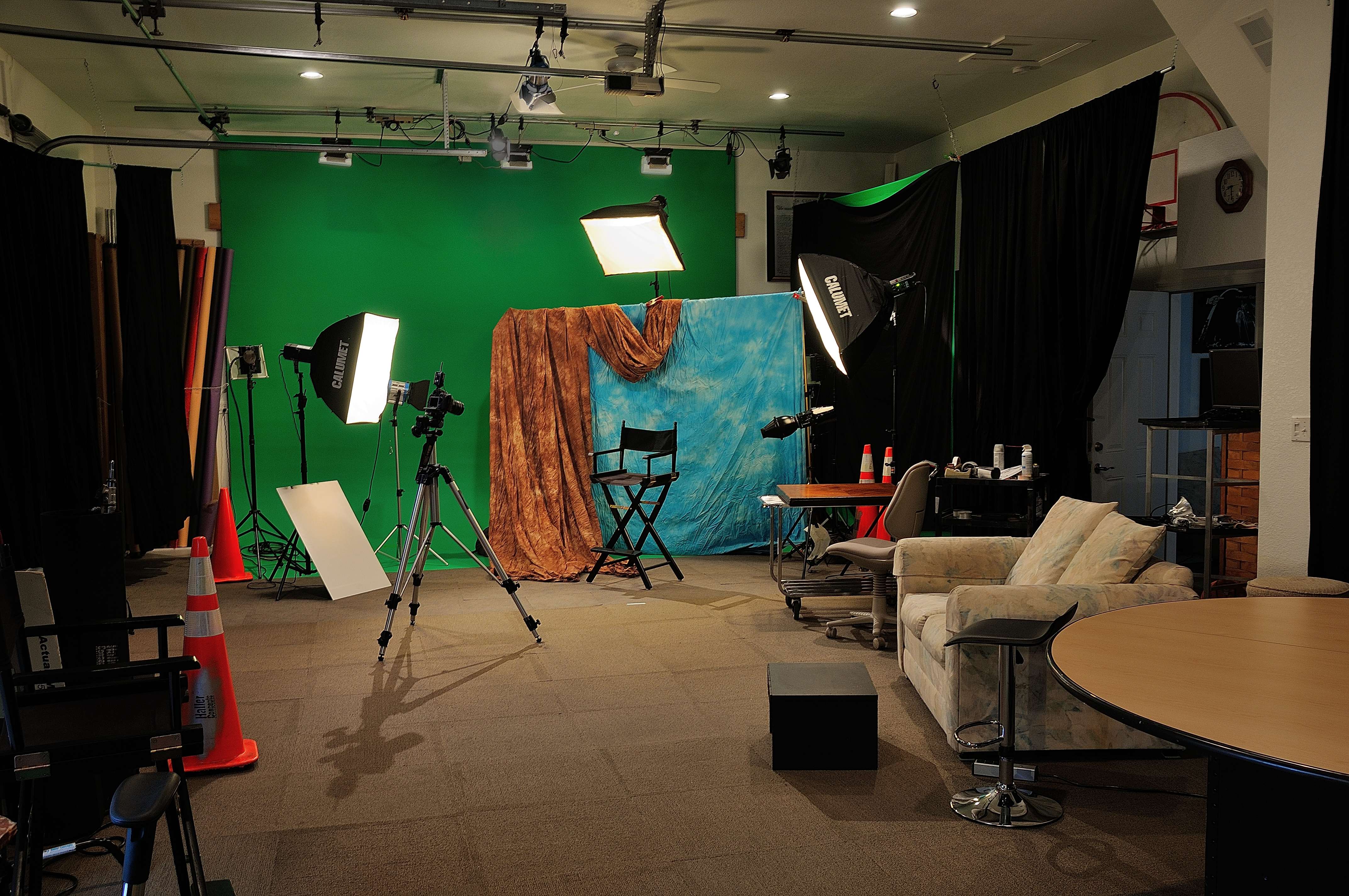
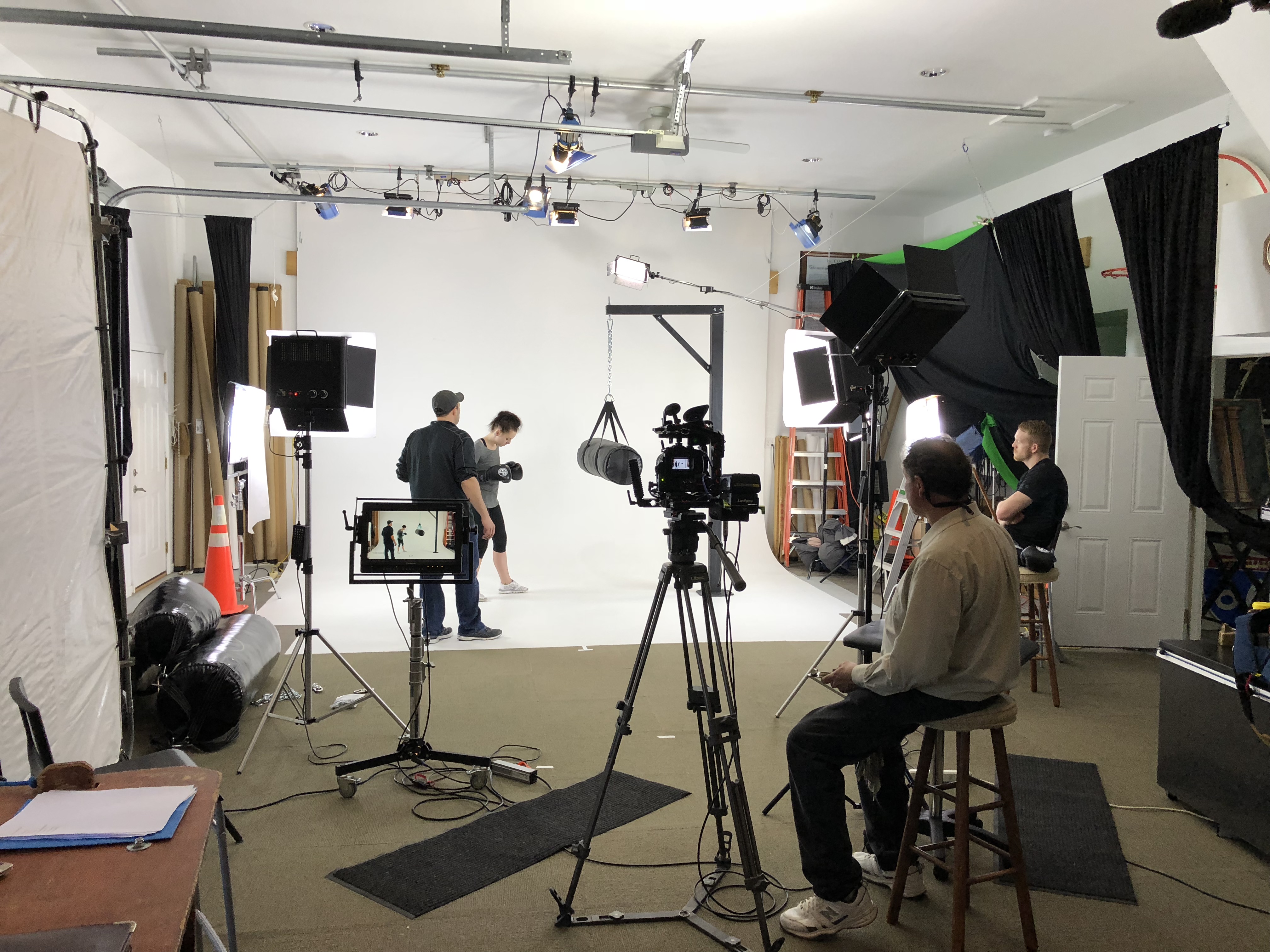
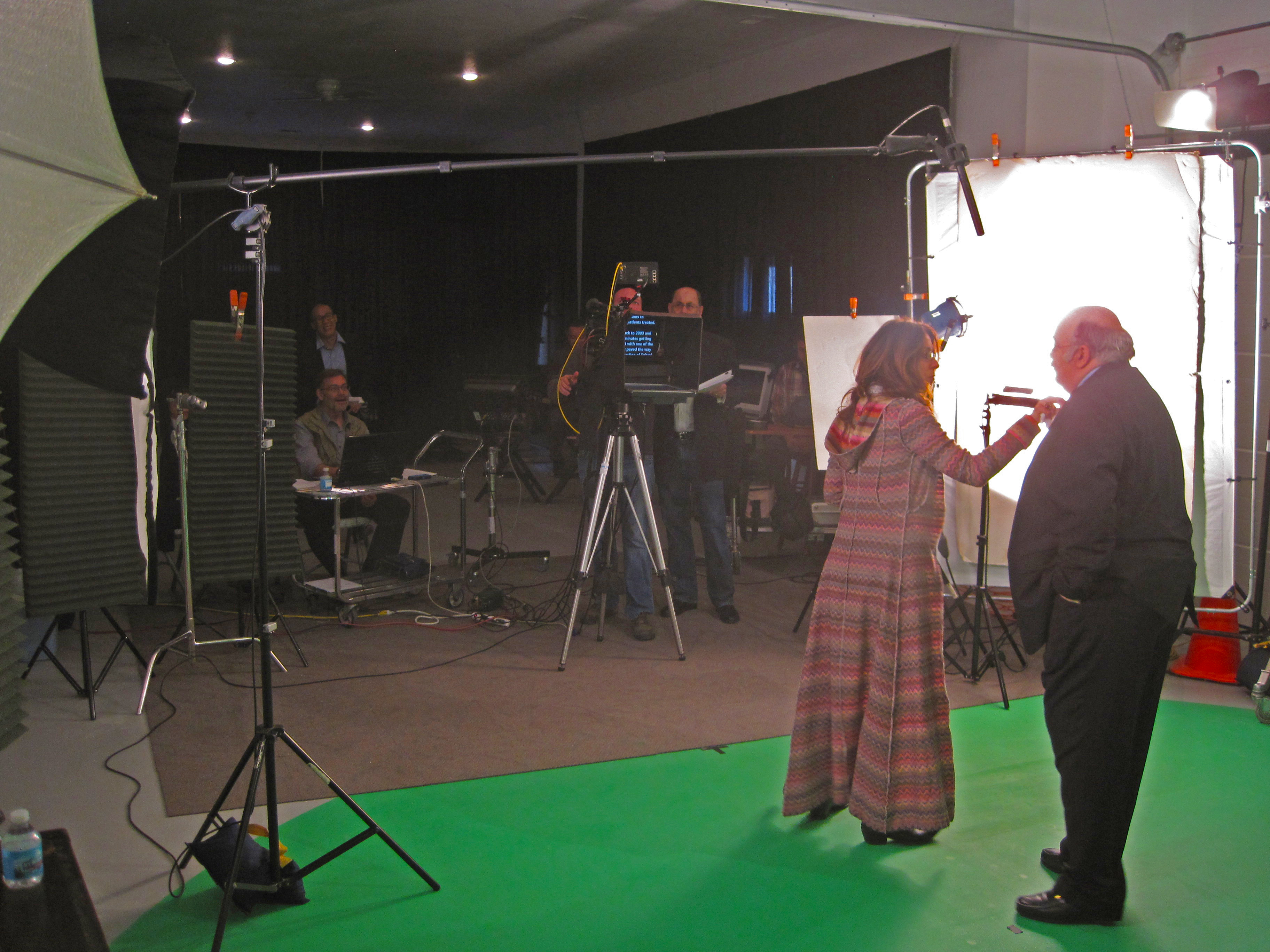
Professional Studio Space: Our private studio lighting and visual setup is perfect for small productions and interview scenes and is large enough to incorporate props to round out your set.
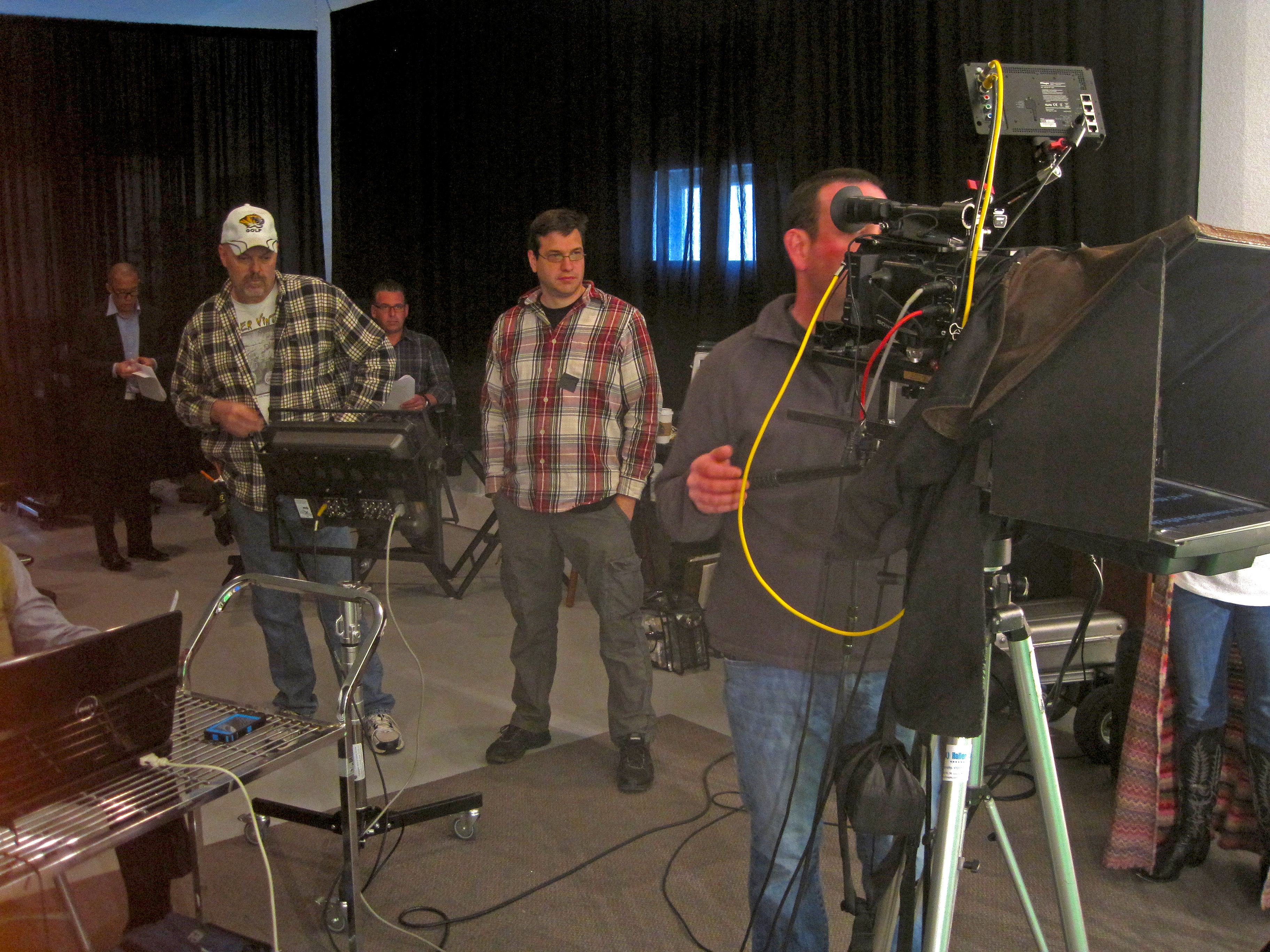
Seamless Production Support: We support every aspect of your production—from setting up a private, custom interview studio to supplying professional sound and camera operators, as well as providing the right equipment—ensuring your next video production is seamless and successful.
As a full-service video and photography production corporation, St Louis Video Production Studio has worked with many businesses, marketing firms, and creative agencies in the St. Louis area for their marketing photography and video needs, delivering expert results that drive business success.
As decision-makers in photography, marketing, and video production, you understand the critical role visual content plays in effective communication. This is especially true when it comes to vital areas like employee safety training. Yet, many organizations find themselves with a library of outdated safety videos – clips gathering digital dust that, while once effective, now feel stale and perhaps even irrelevant to a modern workforce.
But what if those “old” clips weren’t obsolete at all? What if, with a strategic approach and a creative eye, you could breathe fresh life into them, transforming them into engaging, impactful training materials that resonate with today’s employees? At St. Louis Video Production Studio, we firmly believe in the power of repurposing, and safety training is a prime candidate for this transformative process.
Why Repurpose? The Undeniable Advantages
Before diving into the “how,” let’s consider the compelling reasons to repurpose your existing safety video assets:
Cost-Effectiveness: Producing new video content from scratch is a significant investment of time and resources. Repurposing leverages your existing assets, drastically reducing production costs.
Time Efficiency: Editing and re-contextualizing existing footage is inherently faster than planning, shooting, and editing entirely new content.
Consistency in Messaging: Your core safety messages likely haven’t changed. Repurposing allows you to maintain consistent messaging while updating the delivery.
Environmental Responsibility: In a world increasingly focused on sustainability, reusing and repurposing digital assets aligns with environmentally conscious practices.
Agility in Content Creation: The ability to quickly adapt and refresh content means your training can remain current with evolving regulations, equipment, or company policies.
Ideas for Transforming Your Legacy Safety Footage
Here are several expert strategies for repurposing your old safety clips into fresh, engaging training modules:
Micro-Learning Modules:
Concept: Break down longer, older videos into short, digestible “micro-lessons,” each focusing on a single safety concept or procedure. Think 30-second to 2-minute clips.
Execution: Isolate key demonstrations, warnings, or best practices from your existing footage. Add new, concise on-screen text overlays, animated graphics, or voiceovers to highlight critical information.
Impact: Micro-learning is perfect for today’s busy workforce, allowing for quick consumption during breaks or before specific tasks. It’s also highly effective for mobile learning.
Scenario-Based Quizzes & Interactive Training:
Concept: Use old clips as the basis for “what would you do?” scenarios.
Execution: Extract specific moments where a safety violation or a best practice is demonstrated. Integrate these clips into interactive learning platforms where users choose the correct action or identify the hazard. You can add new voiceovers to pose questions and follow up with explanations.
Impact: This hands-on approach actively engages learners, improving retention and critical thinking skills far more than passive viewing.
“Before & After” or “Do’s & Don’ts” Segments:
Concept: Juxtapose old footage showing incorrect procedures with new or re-edited clips demonstrating the proper way.
Execution: Select clips illustrating unsafe actions. Pair them with existing (or newly shot, if necessary) footage of the correct procedure. Use split screens, clear on-screen labeling, and updated narration to emphasize the contrast.
Impact: Visual comparisons are incredibly powerful for illustrating consequences and best practices, making the learning memorable.
Animated Explainer Videos (Hybrid Approach):
Concept: Combine snippets of your old live-action footage with modern animation.
Execution: For complex or abstract safety concepts, use animation to simplify explanations. Integrate short live-action clips from your archive to ground the training in real-world scenarios or to show specific equipment.
Impact: Animation can make dry subjects more engaging and help clarify concepts, while familiar live-action clips add a sense of realism and connection.
Refreshed Narratives & Testimonials:
Concept: Re-edit existing footage with updated voiceovers, music, and perhaps new introductory/concluding remarks.
Execution: Keep the strong visual demonstrations but replace outdated narration with a fresh, contemporary voice. Consider interviewing current employees for short testimonials about the importance of safety, interspersing these new clips with the repurposed footage.
Impact: A new voice and personal stories can revitalize the emotional connection to the training, making it feel current and relevant.
Gamified Safety Challenges:
Concept: Integrate short, repurposed clips into a gamified training environment.
Execution: Use clips as challenges or levels within a safety game. For example, “Identify the 5 hazards in this clip to earn points.”
Impact: Gamification boosts engagement, encourages friendly competition, and makes learning fun, leading to better participation and recall.
The Modern Toolkit: AI and Expert Touch
The good news is that these repurposing strategies are more accessible than ever, especially with the integration of cutting-edge technology. Artificial Intelligence (AI) can now assist with:
Content Identification: Quickly scanning through old footage to identify key actions, objects, or dialogue.
Automated Transcription: Generating accurate transcripts for easier script editing and subtitle creation.
Intelligent Editing Suggestions: AI-powered tools can suggest optimal cut points or highlight areas for enhancement.
Upscaling and Enhancement: Improving the resolution and quality of older, lower-resolution footage to match modern display standards.
However, technology is only part of the equation. The true magic happens when AI is coupled with the experience and creative insight of seasoned professionals.
St. Louis Video Production Studio: Your Partner in Visual Excellence
At St. Louis Video Production Studio, we understand the nuances of successful image acquisition and impactful storytelling. Since 1982, we’ve been a full-service professional commercial photography and video production company, equipped with the right tools, state-of-the-art equipment, and a highly creative crew. We’ve partnered with countless businesses, marketing firms, and creative agencies in the St. Louis area, helping them achieve their marketing and training objectives through compelling visuals.
Whether you need full-service studio or on-location video and photography, expert editing, post-production, or specialized aerial perspectives from our licensed drone pilots, we have the capabilities to customize your productions for diverse media requirements. We excel at repurposing your existing photography and video branding to gain more traction, ensuring your investment continues to pay dividends. We are well-versed in all file types and styles of media and accompanying software, and we leverage the latest in Artificial Intelligence across all our media services to enhance efficiency and creativity.
Our private studio offers the perfect lighting and visual setup for small productions and interview scenes, with ample space to incorporate props and round out your set. We support every aspect of your production – from setting up a private, custom interview studio to supplying professional sound and camera operators, as well as providing the right equipment – ensuring your next video production is seamless and successful. We can even fly our specialized drones indoors for unique perspectives.
Don’t let valuable safety content languish in obscurity. Let St. Louis Video Production Studio help you transform your old safety clips into fresh, engaging, and highly effective training that truly resonates with your workforce.
When an interview video drags, the audience doesn’t just lose interest—they miss your message. In B2B marketing, attention is a scarce commodity, so the mandate is simple: be brief, be clear, be watchable. Here’s the playbook we use at St Louis Video Production Studio to keep interviews engaging, short, and conversion-focused—without sacrificing depth or professionalism.
The Business Case for Short Interviews
Short wins when:
You need top-of-funnel awareness and fast clarity.
Buyers skim on mobile and make snap judgments about credibility.
You’ll repurpose across web, email, LinkedIn, YouTube, and vertical social.
Working runtime targets (by intent & channel):
Website / Landing page hero: 60–90 sec
LinkedIn post: 45–75 sec
Paid social cutdowns: 15–30 sec
YouTube (consideration pages, product explainer): 60–120 sec (only stretch past 2 minutes if you’re showing hard proof)
Structure: The 60–90 Second Interview Blueprint
Think of your interview like a trailer for your value proposition:
Hook (0–5s) – A result, bold claim, or pain point stated in the buyer’s language. “We cut onboarding from three weeks to two days.”
Context (5–20s) – Who you are + why it matters. “I lead operations at Acme; our clients struggled with…”
Proof (20–60s) – 2–3 hard specifics (metrics, demo visuals, customer outcome). “Error rates fell 41%. Here’s how the workflow changed.”
Action (60–90s) – What the viewer should do next. “Book a 15-minute walkthrough” or “Download the spec sheet.”
Guardrails: One idea per sentence. One proof per idea. Anything that doesn’t serve the hook, proof, or action is a candidate for the cutting room floor.
Pre-Production: Design for Brevity
Define the single conversion goal before you roll. Each question must ladder to that goal.
“What should someone do today after watching this?”
Prep your subject to be concise. Share this answer format:
Headline → Proof → One concrete example → CTA (10–20 seconds total).
Block time for cutaways. Even short interviews need visual proof: dashboards, hands-on product use, customer interaction, environment establishing shots. Plan W–M–T (wide/medium/tight) passes for each proof point so the edit flows without filler.
On-Set: Coaching for Short, Watchable Answers
“One breath” rule: If an answer is longer than one breath, it’s two answers—ask for a tighter version.
Interrupt with purpose: “That’s great—can you give that to me in one sentence?”
Ask for the number: “What improved, and by how much?”
Echo & sharpen: Repeat the subject’s best phrase and ask them to restate it cleanly.
Mark keepers on the slate or audio notes to speed the edit.
Framing & lighting that flatter brevity
Eye line just off lens; keep backgrounds simple and branded.
Soft key + gentle negative fill to sculpt.
Lock white balance; avoid mixed color temps that slow grading.
Capture NAT sound beds (keystrokes, machinery) for transitions under cutaways.
Editorial Tactics That Boost Retention
Lead with the answer. Don’t bury the headline.
J-cut your next idea under the last word so the video never “lands” on a static shot.
Cut on movement (hand gestures, page turns) to hide trims.
Pattern interrupt every 7–10 seconds: angle change, cutaway, graphic callout, or bold caption.
On-screen text: 8–12 words max per card; write like a billboard.
Captions by default for mobile and silent autoplay.
Music minimalism: underscore, not a pop single—let clarity win.
Post Paper edit → selects → captions/graphics → color/sound → masters & cutdowns.
Ready to Keep It Short—and Effective?
St Louis Video Production Studio is a full-service professional commercial photography and video production company with the right equipment and a creative crew seasoned in successful image acquisition. We offer full-service studio and location video and photography, plus editing and post-production, and our licensed drone pilots can even fly specialized drones indoors for dynamic, safe perspectives.
We customize productions for diverse media requirements and repurpose your photography and video branding to extend your reach. Our team is well-versed in all file types, media styles, and accompanying software, and we use the latest in Artificial Intelligence across our media services to move faster without compromising quality. Our private studio lighting and visual setup is perfect for small productions and interview scenes, and our studio is large enough to incorporate props to round out your set.
From building a private, custom interview studio to supplying professional sound and camera operators and the right equipment, we support every aspect of your production to ensure your next video is seamless and successful. As a full-service video and photography production corporation since 1982, St Louis Video Production Studio has partnered with businesses, marketing firms, and creative agencies throughout the St. Louis area to deliver marketing photography and video that performs.
Let’s make your next interview short, watchable, and effective.
In today’s visual-first world, video content is a cornerstone of corporate marketing strategies. Yet, one of the most common challenges we hear from clients is this: “Most of our employees or clients aren’t used to being on camera.” For decision makers responsible for overseeing brand visuals, this can be a legitimate concern. Nervous, untrained on-screen talent can result in stiff deliveries, missed messaging, and unusable footage.
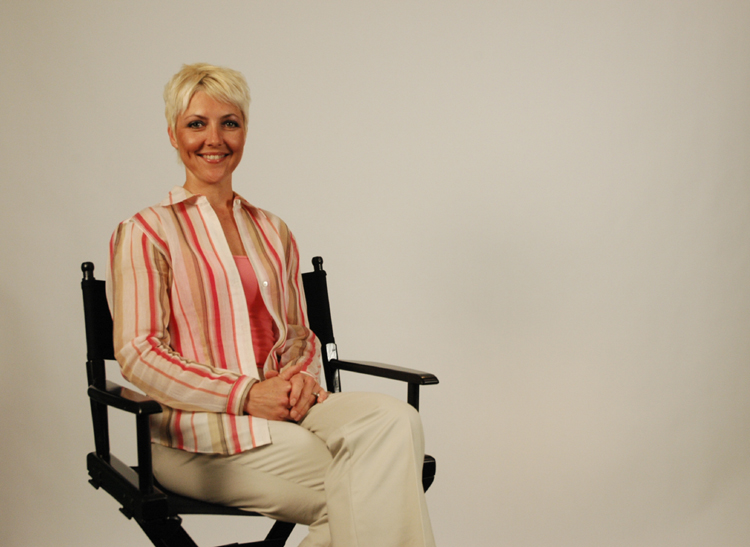
At St Louis Video Production Studio, we’ve spent decades working with everyday professionals—CEOs, sales reps, factory floor employees, and customers—who are not actors, yet need to look authentic and compelling on screen. In this blog, we’ll share expert strategies to help your next shoot feel natural, relaxed, and productive, even when your talent isn’t camera-savvy.
1. Preparation Is Power: Pre-Interview and Gentle Scripting
Rather than launching straight into filming, we schedule informal pre-interviews. This allows us to build rapport and understand the person’s communication style. We use this time to shape the messaging into digestible, conversational talking points—not memorized scripts.
Tip: Avoid having your talent memorize exact wording. Instead, give them 2–3 key ideas to cover in their own voice. Authenticity resonates more than perfection.
2. The Comfort-First Setup
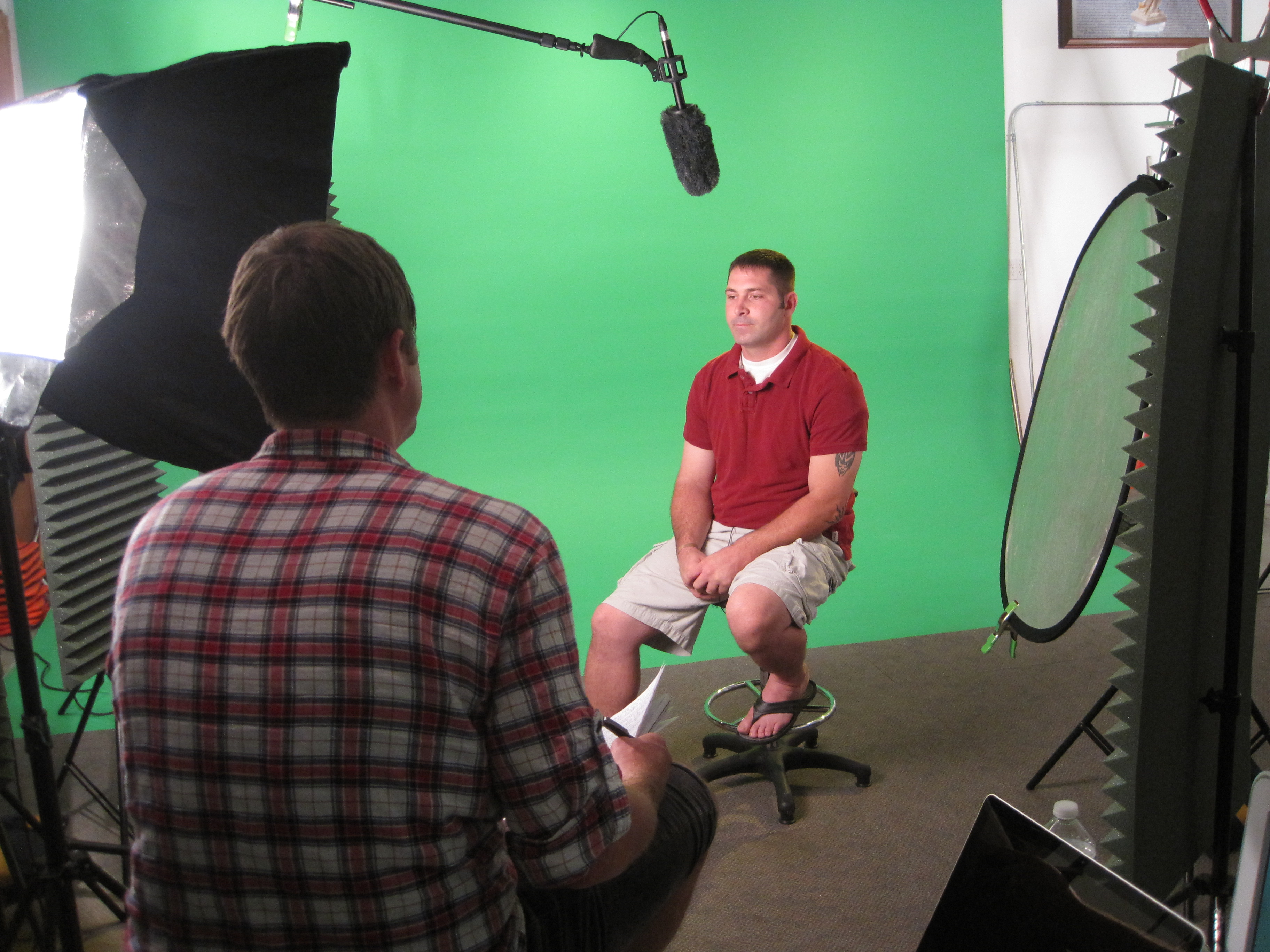
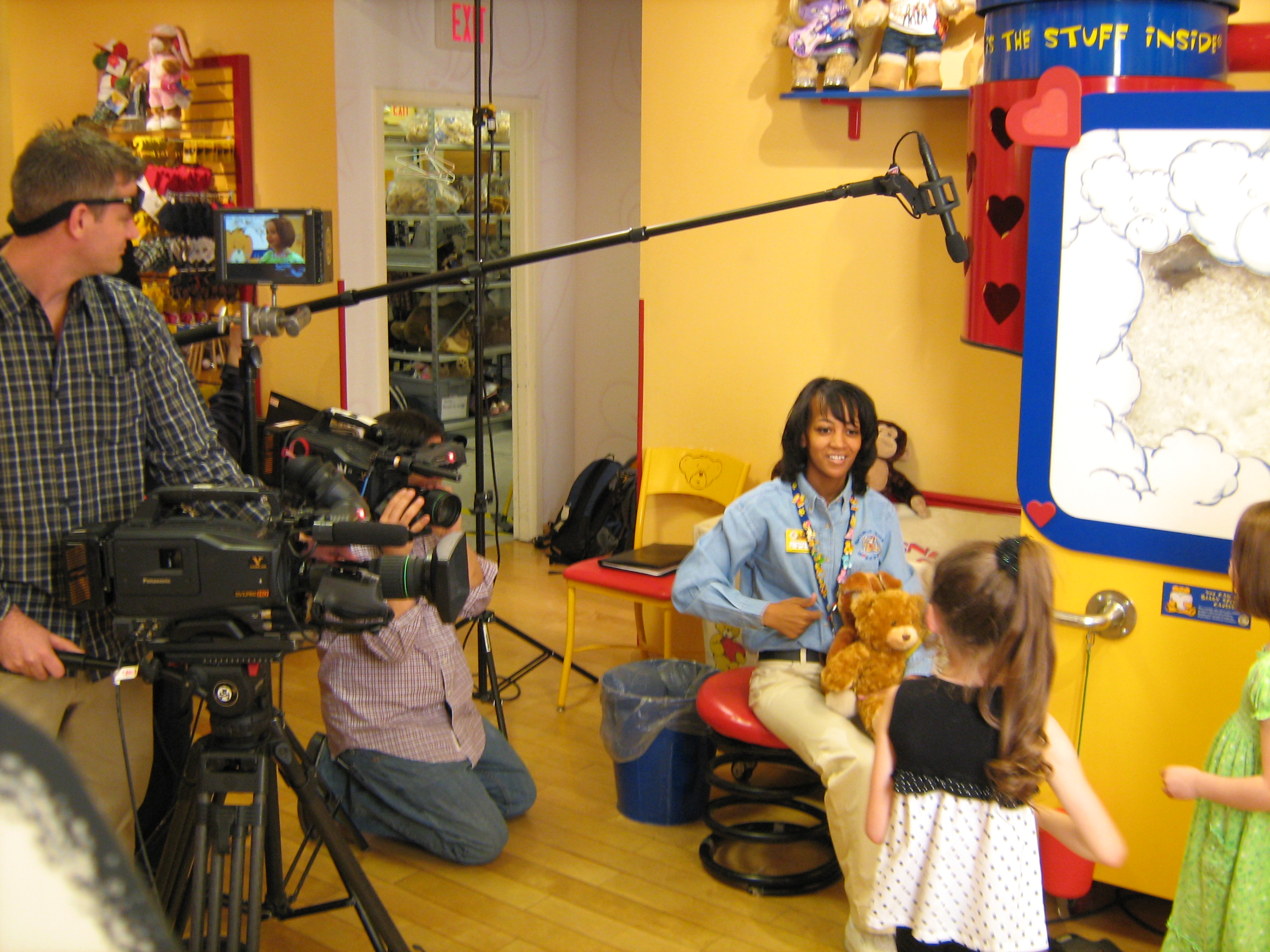
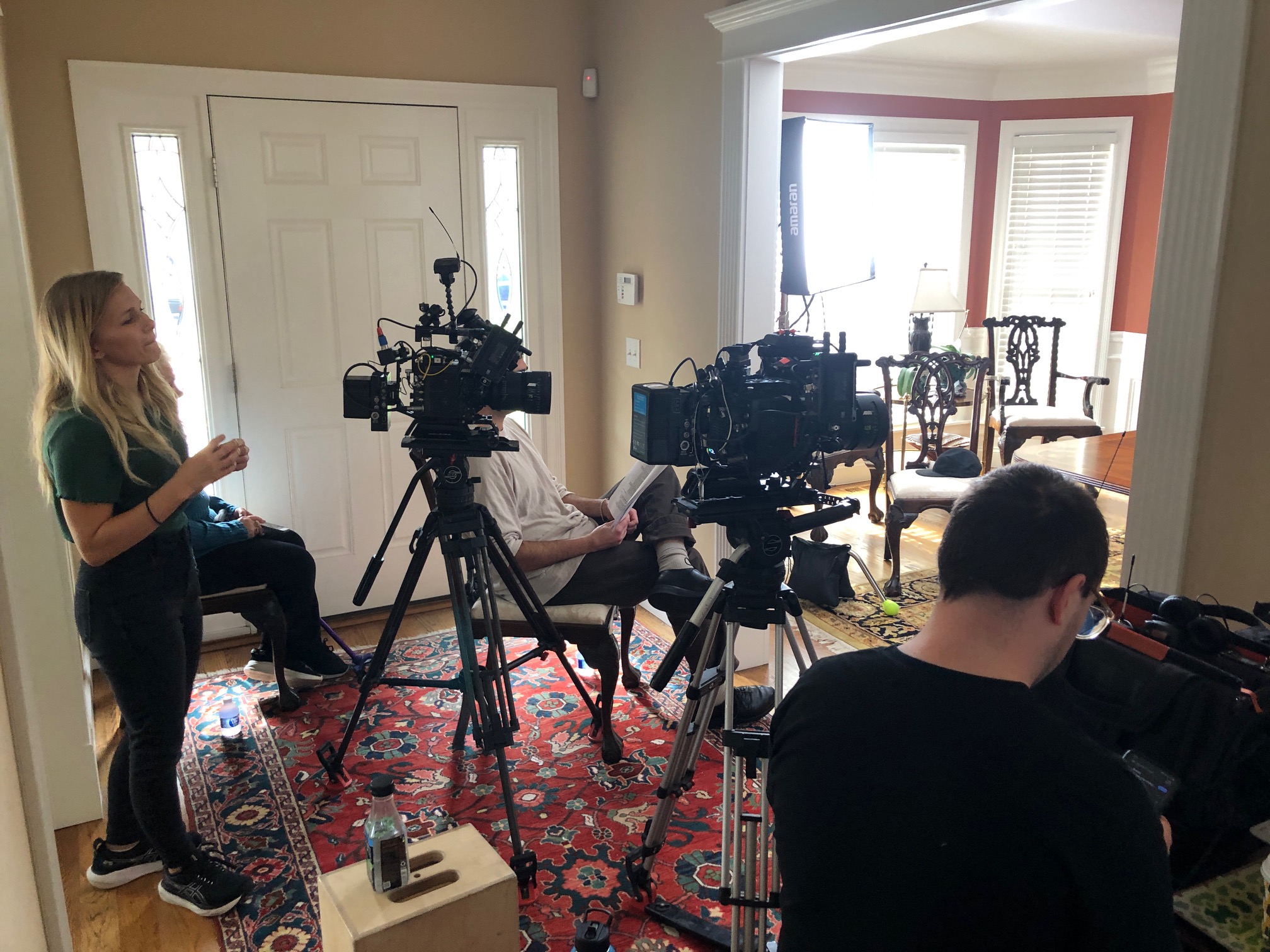
Lighting, cameras, boom mics—these can be intimidating. That’s why we use subtle positioning and soft, diffused lighting to create an inviting studio or on-location environment. Our private studio in St. Louis is especially designed to reduce distractions and create a quiet, calming atmosphere.
We also recommend seated setups for interview-style filming. Sitting promotes ease and a more natural posture, and we keep crew presence to a minimum—usually just the essential sound and camera operator.
3. Use Conversation, Not Command
One of our most effective tools is simply starting with casual conversation while the camera rolls. We treat it like a dialogue, not a performance. Our producer often conducts interviews by asking open-ended questions that prompt natural storytelling.
Instead of: “Please state your name and job title.” We ask: “What’s a typical day like for you here at the company?”
This conversational approach breaks the “performance” mindset and invites candid, relatable responses.
4. Shoot B-Roll for Confidence and Coverage
B-roll—footage that shows the person working, interacting with others, or engaged in their environment—does more than just support your message visually. It gives nervous participants a break from talking directly to the camera while still adding valuable visual context. Plus, it’s perfect for smoothing over interview edits during post-production.
5. Positive Reinforcement and Multiple Takes
No one is perfect on the first take, and we never expect them to be. We normalize multiple takes and use real-time feedback and encouragement to guide better performances. With subtle coaching (“Try saying that again but a little slower, that was great!”), we keep energy up and anxiety down.
6. Consider a Voice-Over Alternative
If your subject is too shy to be on-camera, we can still capture their input using a voice-over recorded in a quiet environment. Then, we match their words with relevant b-roll. This still delivers their insight while taking pressure off their performance.
The magic of editing can’t be overstated. With jump-cut smoothing, color correction, audio enhancement, and filler b-roll, our editors can turn fragmented footage into seamless narratives. What may feel like a rough shoot to the talent often results in polished, professional content after post.
Why Partner with St Louis Video Production Studio?
At St Louis Video Production Studio, we know how to make real people look and sound their best. Since 1982, our full-service commercial photography and video production team has helped businesses, agencies, and marketing professionals in the St. Louis area tell their stories through engaging, high-quality visuals. Whether you’re filming customer testimonials, internal training, or executive interviews, we understand how to guide non-actors into delivering authentic, effective performances.
We provide everything—from concept to capture to final cut. Our services include studio and location video and photography, editing, post-production, and licensed drone work. We use the latest in AI-enhanced editing to ensure every project gets a modern, compelling finish. Our private studio offers custom lighting and a quiet environment ideal for interviews or narrative scenes, and we even fly drones indoors when needed to elevate your production value.
If you’re looking to create professional video content with people who aren’t used to the spotlight, St Louis Video Production Studio is the team that makes it happen—with comfort, creativity, and confidence.
Let’s tell your story the right way. Contact us today to schedule your next successful shoot.
Audio quality can make or break a video production. Even if you have stunning visuals and a compelling message, poor audio will drive your audience away. It’s one of the most common mistakes businesses make when producing marketing videos, interviews, and promotional content. But don’t worry—there are solutions. As experienced professionals in video production, we’ve seen it all and know how to fix bad audio so your content shines.
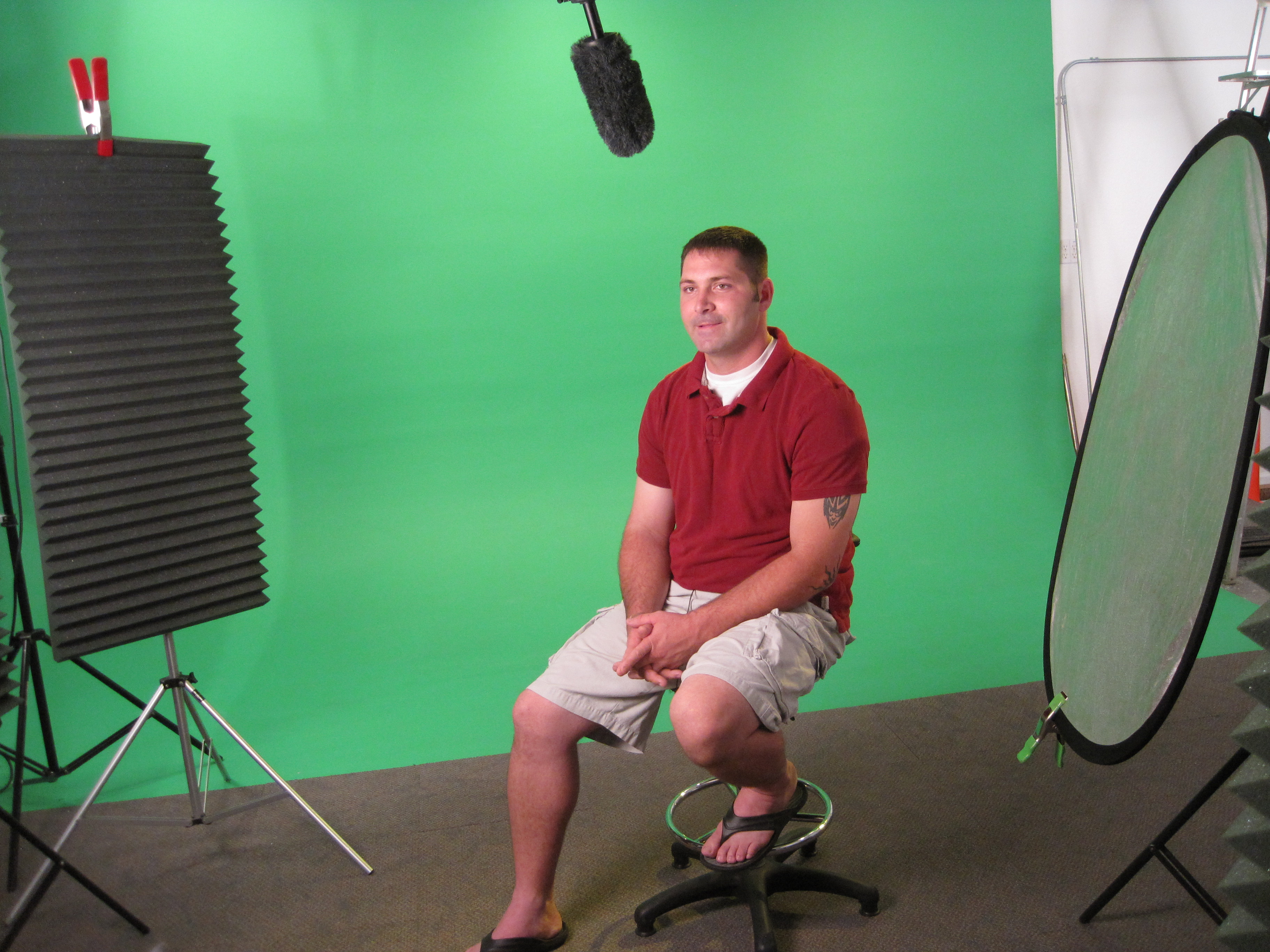
Boom microphones should be positioned just out of frame but as close as possible to capture crisp, direct sound.
Common Audio Problems and Their Fixes
1. Background Noise and Echo
Background noise and echo can be incredibly distracting, whether it’s HVAC hum, traffic, or room reverb. These issues often arise when filming in uncontrolled environments.
Fix:
Use high-quality directional microphones (shotgun or lavalier mics) to focus on the subject’s voice.
Choose a quiet filming location or soundproof your set with acoustic panels, blankets, or foam.
Use post-production tools like noise reduction filters in software such as Adobe Audition or DaVinci Resolve to clean up unwanted sounds.
2. Muffled or Distant Audio
If your subject sounds unclear or too far away, chances are the microphone placement is the culprit.
Fix:
Always position the mic as close to the subject as possible without being visible in the shot.
Lavalier mics can be clipped onto clothing for clear voice pickup.
Boom microphones should be positioned just out of frame but as close as possible to capture crisp, direct sound.
3. Audio Levels Are Too Low or Too High
If the volume is too low, your audience may struggle to hear. If it’s too high, distortion and clipping can occur.
Fix:
Monitor audio levels in real time using professional headphones.
Set recording levels correctly on your camera or external recorder—aim for peaks around -6dB to avoid distortion.
Use compression in post-production to balance fluctuations in volume and create a consistent sound.
4. Wind Noise in Outdoor Shoots
Filming outdoors presents challenges like wind interference, which can render dialogue unusable.
Fix:
Use windshields or “dead cat” covers on microphones.
Position subjects so the wind is not directly hitting the microphone.
In post-production, tools like high-pass filters can remove lower-frequency wind noise.
5. Audio Sync Issues
If the audio doesn’t match the video, it can be distracting and unprofessional.
Fix:
Use timecode synchronization if recording audio separately from video.
Use a clapboard or hand clap at the start of each take to align audio and video in post-production.
Manually adjust and sync audio in editing software if necessary.
6. Room Acoustics and Reverb
Large rooms or hard surfaces can cause reverb, making dialogue sound unnatural and echoey.
Fix:
Film in rooms with soft materials (carpets, curtains, furniture) that absorb sound.
Use portable sound blankets or acoustic foam to reduce reflections.
In post-production, use reverb reduction tools to minimize the effect.
The Importance of Professional Audio Setup
Great video isn’t just about visuals—high-quality audio ensures that your message is delivered clearly and effectively. A well-equipped studio with controlled acoustics and expert sound operators can make a significant difference in your final production.
Why Work with St. Louis Video Production Studio?
St. Louis Video Production Studio is a full-service professional commercial photography and video production company with the right equipment and creative crew to ensure successful image and sound acquisition. Our expertise in video and audio production ensures that your projects maintain the highest professional standards.
We offer:
Full-service studio and location video and photography
Professional editing, post-production, and licensed drone pilots
Customized productions for diverse media requirements
Expertise in repurposing photography and video branding
A private studio lighting and visual setup perfect for small productions and interviews
A large studio space with customizable sets and props
Full-service production support, including sound engineers and camera operators
Specialized indoor drone operation for unique shots
Since 1982, St. Louis Video Production Studio has been the trusted partner for businesses, marketing firms, and creative agencies in the St. Louis area. Let us help make your next video production a success—flawless visuals, pristine audio, and a compelling final product.
Contact us today to ensure your next production has crystal-clear audio and professional quality.
In today’s competitive business landscape, content is king, and video has emerged as one of the most compelling mediums to capture audience attention. Whether you’re producing corporate videos, marketing materials, or internal communications, efficiency in both time and cost is paramount. One of the most overlooked ways to maximize these efficiencies is by leveraging a professional video production studio. When you understand the true cost of doing it yourself versus using a full-service production studio, the benefits become crystal clear.
Repurposing photography and video branding is one of the best ways to gain more traction and value from your initial production.
1. Cutting Costs with Expert Resources
Producing a high-quality video requires not just a camera, but specialized equipment, lighting setups, audio gear, editing software, and—most importantly—experienced professionals to operate and manage everything. If you were to invest in all of this independently, costs would skyrocket. A professional studio has everything in-house, which eliminates the need for businesses to purchase or rent equipment for individual projects.
At St Louis Video Production Studio, we’ve invested in state-of-the-art equipment and have an expert crew ready to deliver a polished final product. This enables you to avoid costly investments in equipment, training, and the time-consuming task of managing a production in-house. The equipment we offer—including specialized drones, private studio lighting, and custom setups for interview scenes—adds significant value, making the entire process streamlined and budget-friendly.
2. Time is Money
When you work with a professional video production studio, you’re also saving valuable time. From the moment you bring a project to the table, our team can handle every stage, from pre-production to post-production. This means less time spent coordinating multiple vendors, managing logistics, or troubleshooting technical issues, allowing you and your team to stay focused on your core business activities.
Our streamlined processes ensure quick turnaround times. Our in-house editing and post-production services mean there’s no need to send footage off to third parties. This level of efficiency keeps timelines on track, preventing delays that could impact your project’s delivery and potentially your bottom line.
3. Customization Without the Premium Price
A misconception some businesses have is that custom video productions are expensive. However, by working with a full-service studio, you gain access to a team that can tailor the production specifically to your needs—without the premium price tag often associated with customization. From setting up custom lighting and visual environments to bringing in props that enhance the overall set, a production studio like ours ensures that your vision is realized without unnecessary expenditure.
At St Louis Video Production Studio, we specialize in creating custom interview studio setups, flying specialized drones indoors, and even setting up scenes with intricate props and backdrops, all within your budget. Our private studio is large enough for your production, yet personal enough to create a collaborative, efficient experience for your team.
4. Maximizing Value with Repurposing
When it comes to video, efficiency doesn’t end with the production of one piece. By working with a studio that understands how to repurpose content, you can extend the life and utility of your video investment. Repurposing photography and video branding is one of the best ways to gain more traction and value from your initial production.
Imagine being able to take a corporate video interview and use segments of it in social media posts, training videos, or even ads. This type of flexibility is one of the key advantages of working with a professional studio. St Louis Video Production Studio is well-versed in repurposing existing media across various platforms, allowing you to maximize your return on investment by creating a library of content from one shoot.
5. Flexibility to Suit Diverse Media Needs
A full-service video production studio is more than just a filming space—it’s a creative hub that can meet any business’s evolving media needs. Whether you need corporate headshots, promotional videos, drone footage for real estate, or in-depth interviews, a production studio can seamlessly adapt to these different requirements. This flexibility ultimately saves businesses time and money compared to hiring different vendors for each type of media project.
At St Louis Video Production Studio, we customize productions to meet your exact needs. Whether you need sound and camera operators for a specific project or a full-scale production that includes drones, interview setups, and post-production, our team is equipped to deliver.
Why St Louis Video Production Studio is the Smart Choice
Since 1982, St Louis Video Production Studio has been the trusted partner for businesses, marketing firms, and agencies across the St. Louis area. As a full-service professional commercial photography and video production company, we offer everything from studio and location video and photography to editing, post-production, and licensed drone pilots.
Our team is skilled at customizing productions to meet diverse media requirements and repurposing photography and video branding to maximize your content’s reach. With our state-of-the-art private studio that includes specialized lighting and visual setups, we can create the perfect environment for your next small production or interview scene. Additionally, our studio is large enough to incorporate props and a variety of backdrops to bring your vision to life.
We are experts in working with all file types, styles of media, and accompanying software to ensure seamless production and post-production. Whether you need an indoor drone shoot, a private custom interview setup, or a full team of sound and camera operators, we have the equipment and experience to make your next video production a success.
If you’re ready to create professional, cost-efficient video content, St Louis Video Production Studio is here to help you every step of the way. Let us take your vision and turn it into a powerful, polished video that enhances your brand and drives engagement.
Reach out today to discover how we can make your next project not only successful but cost-effective.
Video testimonials are one of the most powerful tools for businesses to build credibility and connect with potential customers. They showcase genuine feedback from satisfied clients, humanize your brand, and can significantly influence buying decisions. However, many organizations shy away from producing video testimonials due to budget constraints, believing that high-quality productions always come with a hefty price tag. The good news is that creating compelling video testimonials doesn’t have to break the bank. With the right approach and strategic planning, you can produce impactful testimonial videos that resonate with your audience without overspending. Here’s how:
Editing is where your video can truly shine, but it’s also where costs can escalate quickly. To stay within budget, focus on editing the video for clarity, pacing, and impact.
1. Plan Your Testimonial Content Carefully
The key to creating a budget-friendly testimonial is meticulous planning. Outline the goals of your testimonial video—what do you want it to achieve? Define the core message you want your clients to convey. Create a list of questions that will guide the testimonial and focus on eliciting genuine, engaging responses. These questions should center around the challenges your client faced, how your product or service solved their problem, and the specific results they achieved.
Planning the content thoroughly ensures that the shoot is efficient, saving you time and money. A clear structure also helps keep the testimonial on track, reducing the need for extensive editing later.
2. Choose the Right Location
Choosing the right location is critical to the success of your testimonial video. However, you don’t need to rent a fancy space or travel far to create an effective backdrop. Consider filming on-site at your client’s office or in a space that visually represents their business. This approach not only saves costs but also adds authenticity to the video, making it feel more real and relatable to viewers.
Alternatively, St Louis Video Production Studio offers an affordable in-house studio with flexible setups. Our private studio lighting and visual arrangements are perfect for smaller productions, allowing you to control the environment, sound, and lighting without incurring extra location fees.
3. Leverage Natural Lighting
Good lighting is crucial in video production, but you don’t necessarily need expensive equipment to achieve great results. If you’re filming on location, try to schedule your shoot during times when you can take advantage of natural light. Position your subject near windows or other light sources to illuminate their face evenly.
When natural light isn’t available or sufficient, our studio offers professional-grade lighting setups tailored to create the best atmosphere for your testimonial. Utilizing our equipment ensures consistent and flattering lighting, which is often a challenge when relying solely on natural light.
4. Keep the Equipment Simple
When it comes to equipment, less is often more, especially if you’re working with a limited budget. A high-quality camera, a reliable microphone, and a stable tripod are usually sufficient for most testimonial videos.
For businesses looking for a more professional touch without the expense of renting or purchasing equipment, St Louis Video Production Studio provides sound and camera operators who bring the right tools to ensure your video is of the highest quality. From crisp audio to steady visuals, our team handles the technical aspects, allowing you to focus on the content.
5. Focus on Authenticity Over Perfection
One of the most appealing aspects of testimonial videos is their authenticity. Viewers expect a real, unscripted, and honest portrayal of your client’s experience. Overly polished videos can sometimes come across as staged or insincere. Encourage your clients to speak naturally and from the heart. Don’t worry too much about minor mistakes or imperfections—these elements add a touch of realism that audiences appreciate.
6. Edit for Impact, Not Overproduction
Editing is where your video can truly shine, but it’s also where costs can escalate quickly. To stay within budget, focus on editing the video for clarity, pacing, and impact. Highlight the most compelling parts of the testimonial and keep the overall video concise—usually under two minutes.
Our post-production team at St Louis Video Production Studio can assist with professional editing services that enhance your video without unnecessary bells and whistles. We are skilled at repurposing existing footage and adding branded elements that align with your marketing objectives, making your video look polished and cohesive.
7. Add Graphics and Subtitles
Adding graphics and subtitles can enhance your video and make it more accessible, but it doesn’t have to be costly. Simple text overlays highlighting key points, your client’s name, and their company can add professionalism without extensive investment. Subtitles are especially important, as many viewers watch videos on mute, particularly on social media platforms.
St Louis Video Production Studio provides editing services that include the addition of branded graphics and subtitles, ensuring your testimonial is engaging and professional.
8. Repurpose Content for Maximum Value
Once your testimonial video is complete, maximize its value by repurposing the content across multiple platforms. Use snippets for social media, integrate the video into email marketing campaigns, and feature it on your website. This strategy amplifies the reach of your video without additional costs, giving you more mileage from your production efforts.
Why Choose St Louis Video Production Studio?
St Louis Video Production Studio is a full-service professional commercial photography and video production company with the right equipment and creative crew service experience for successful image acquisition. We offer full-service studio and location video and photography, as well as editing, post-production, and licensed drone pilots. Our team can customize your productions for diverse types of media requirements and specialize in repurposing your photography and video branding to help your business gain more traction.
With expertise in all file types, styles of media, and accompanying software, our private studio lighting and visual setup is perfect for small productions and interview scenes. Our studio is large enough to incorporate props, providing a versatile space that enhances the storytelling aspect of your videos. From setting up private custom interview studios to providing sound and camera operators and the right equipment, we have everything needed to make your next video production perfect. Additionally, our ability to fly specialized drones indoors sets us apart, offering unique angles and perspectives that elevate your video content.
Since 1982, St Louis Video Production Studio has worked with countless businesses, marketing firms, and agencies in the St. Louis area, helping them achieve their corporate photography and video goals. Trust us to bring your vision to life with high-quality, professional, and budget-friendly video testimonial production services. Let’s make your next testimonial video a success.
In today’s competitive business landscape, high-quality video content is more crucial than ever. Whether you’re looking to create engaging marketing materials, informative corporate videos, or compelling brand storytelling, understanding the costs associated with video production is essential. This guide will walk you through the key factors that influence video production costs and help you make informed decisions for your next project.
Studio shoots, while sometimes more economical, still require careful planning and setup.
1. Pre-Production Planning
Pre-production is the foundation of any successful video project. It involves planning, scripting, storyboarding, and scheduling. This stage is crucial as it sets the direction for the entire production. Costs in this phase include:
Scriptwriting and Concept Development: Crafting a compelling script and developing a clear concept can be time-consuming but is essential for a focused and effective video.
Storyboarding: Visualizing each scene helps streamline production and ensures that every element is accounted for.
Location Scouting: Finding the right locations can influence your budget, especially if they require permits or special arrangements.
2. Production Costs
The production phase involves the actual shooting of your video. Key elements that contribute to costs include:
Crew: Hiring experienced videographers, directors, and production assistants ensures a high-quality shoot. The size and expertise of the crew can significantly affect costs.
Equipment: The type of equipment used, such as cameras, lighting, and sound gear, plays a major role in determining expenses. High-end equipment yields better results but comes with higher rental or purchase costs.
Location: Shooting on location may incur additional costs for permits, travel, and set design. Studio shoots, while sometimes more economical, still require careful planning and setup.
3. Post-Production
After filming, the video undergoes post-production, which includes editing, color correction, sound design, and visual effects. Costs in this phase are driven by:
Editing: Skilled editors can transform raw footage into a polished final product. The complexity of the edit, including special effects and graphics, impacts the cost.
Sound Design: High-quality audio is crucial for a professional video. Costs here include sound mixing, voiceovers, and music licensing.
Color Grading: Enhancing the visual appeal of your video through color correction and grading adds a professional touch.
4. Additional Factors
Talent and Licensing: Fees for actors, models, and licensing music or stock footage can add to your budget. Ensure you account for these elements in your planning.
Specialized Equipment: If your project requires advanced technology like drones or specialized cameras, costs will rise. Drones, for example, offer unique perspectives but require additional expertise and licensing.
5. Budgeting Tips
Get Multiple Quotes: Comparing quotes from different production companies can help you find the best value for your budget.
Plan Ahead: Thorough pre-production planning can prevent costly mistakes and delays during shooting.
Be Clear About Your Needs: Clearly defining your project’s requirements helps avoid unexpected expenses and ensures that you get the results you want.
Why Choose St Louis Video Production Studio
At St Louis Video Production Studio, we bring extensive experience and expertise to every project. Since 1982, we have been a trusted partner for businesses, marketing firms, and agencies in the St. Louis area, providing top-notch video and photography services. Our full-service offerings include studio and location video and photography, editing, post-production, and licensed drone pilots.
Our team is well-versed in all file types, media styles, and accompanying software, ensuring that your video content meets the highest standards. Our private studio features custom lighting and visual setups, perfect for small productions and interviews. We also offer specialized drones for indoor use, a versatile studio space for props and set design, and a complete suite of production equipment.
Whether you need a custom interview studio setup or a full-scale video production, St Louis Video Production Studio has the experience and resources to make your vision a reality. Let us help you create impactful, professional video content that drives your brand forward.
For more information or to discuss your next project, contact us today.
Video testimonials have become a powerful tool for businesses to showcase their products or services. The authenticity and credibility that video testimonials provide can significantly impact a potential customer’s decision-making process. However, delivering an impactful video testimonial requires careful planning and execution. One essential tool that can greatly enhance the delivery of video testimonials is a teleprompter.
Not everyone is comfortable speaking in front of a camera, and even the most confident individuals can stumble over their words or forget important points.
The Power of Video Testimonials
Before delving into the benefits of using a teleprompter, let’s first understand why video testimonials are so valuable. In the realm of business marketing communications, testimonials hold a special place. They serve as social proof, offering real-life experiences and opinions from satisfied customers. Video testimonials, in particular, add an extra layer of authenticity and relatability, as viewers can see and hear genuine emotions and expressions.
Video testimonials have several advantages over their written counterparts. They can convey non-verbal cues, such as body language and facial expressions, which can significantly impact the viewer’s perception. Additionally, videos are highly shareable, making them ideal for social media and online platforms where they can reach a wider audience.
The Challenge of Delivery
While video testimonials offer numerous benefits, capturing an effective testimonial can be challenging. Not everyone is comfortable speaking in front of a camera, and even the most confident individuals can stumble over their words or forget important points. This is where a teleprompter can make a significant difference.
The Teleprompter Advantage
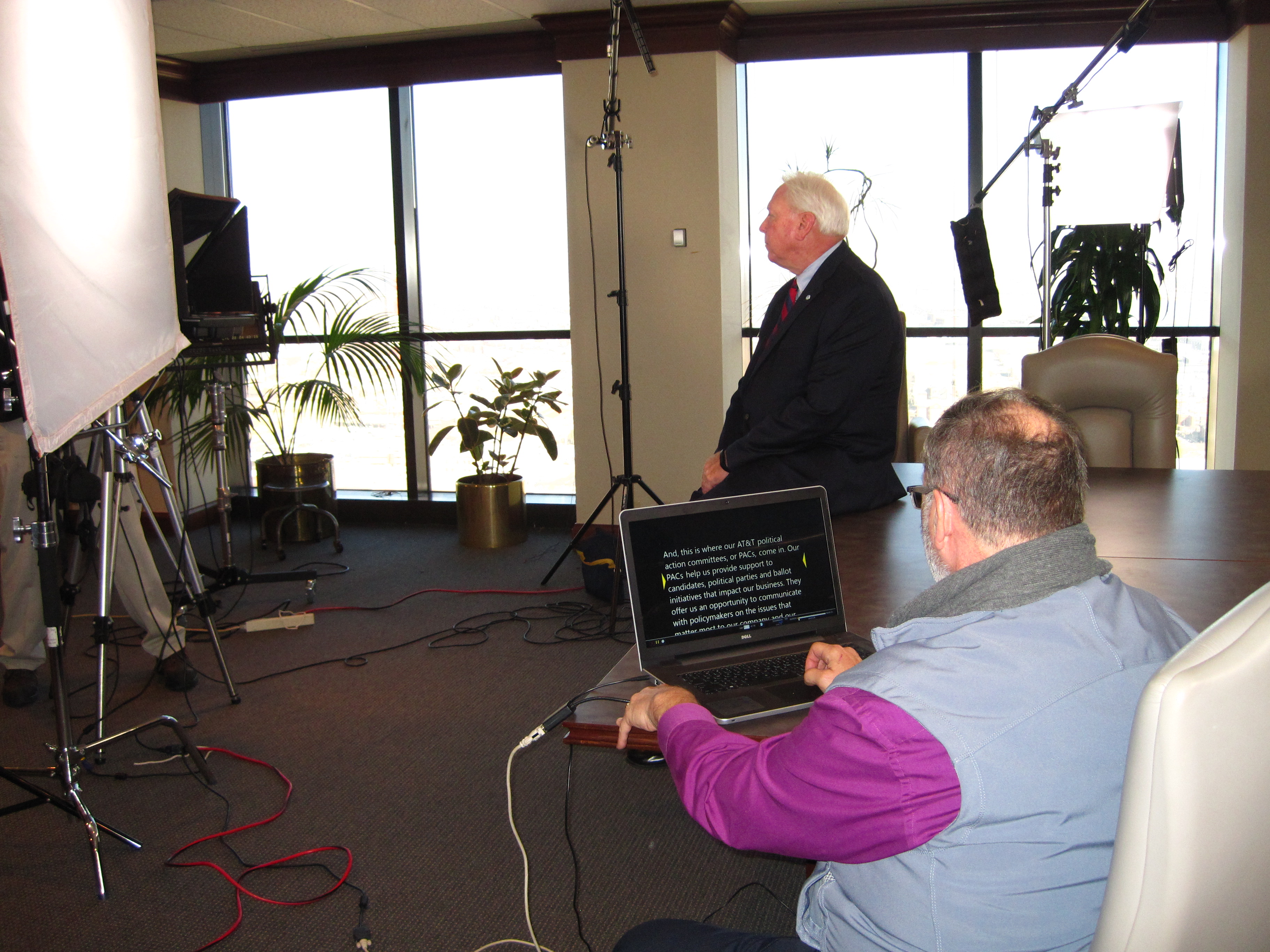
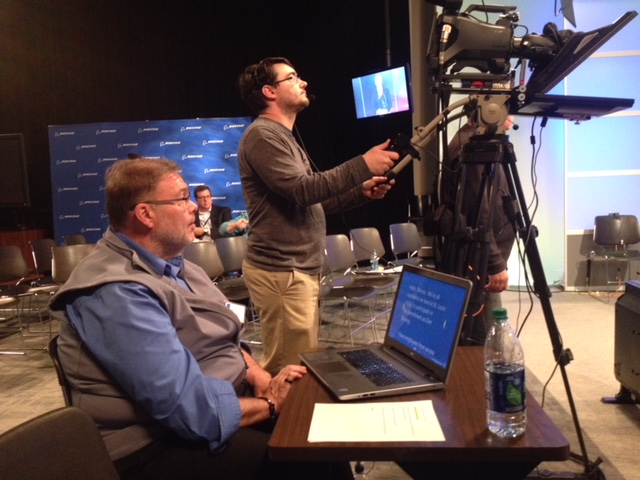
A teleprompter is a device that displays the script or dialogue on a screen in front of the camera lens, allowing the speaker to maintain eye contact with the audience while reading the text. Here are some key advantages of using a teleprompter for video testimonials:
1. Improved Delivery and Confidence
One of the primary benefits of a teleprompter is that it helps the speaker maintain a natural and confident delivery. By reading the script directly in front of them, they can focus on their tone, pacing, and overall performance without the distraction of memorizing lines or searching for words. This results in a smoother and more polished delivery that captivates the audience.
2. Accurate and Consistent Messaging
With a teleprompter, you can ensure that your message remains consistent across different video testimonials. This is particularly important when you have multiple individuals providing testimonials for your brand. A teleprompter eliminates the risk of miscommunication or inconsistency in the messaging, as everyone will be reading from the same script.
3. Time-Saving and Efficient
Using a teleprompter can significantly speed up the recording process. Without the need for multiple retakes due to forgotten lines or stumbling over words, you can complete the testimonial shoot more quickly and efficiently. This saves time for both the speaker and the production team, allowing you to focus on other important aspects of the production.
4. Enhanced Professionalism
A teleprompter adds a level of professionalism to your video testimonials. When the speaker maintains eye contact with the camera throughout the testimonial, it creates a stronger connection with the viewer. This professional and engaging presentation can have a positive impact on how your brand is perceived.
The Importance of B-Roll
While a teleprompter can significantly enhance the delivery of video testimonials, it’s equally important to incorporate b-roll footage. B-roll refers to supplementary footage that is interspersed with the main testimonial footage. It provides visual context and adds depth to the testimonial, making it more engaging and visually appealing.
B-roll can include shots of your product or service in action, behind-the-scenes footage, or even customer interactions. By combining b-roll footage with the testimonial, you create a more dynamic and compelling video that holds the viewer’s attention and reinforces the credibility of the testimonial.
How St Louis Video Production Studio Can Help
As an experienced full-service commercial photography and video company, St Louis Video Production Studio is well-equipped to meet all your branding and business marketing communications needs. Located in St. Louis, our team of skilled professionals is dedicated to delivering high-quality video productions that captivate your target audience.
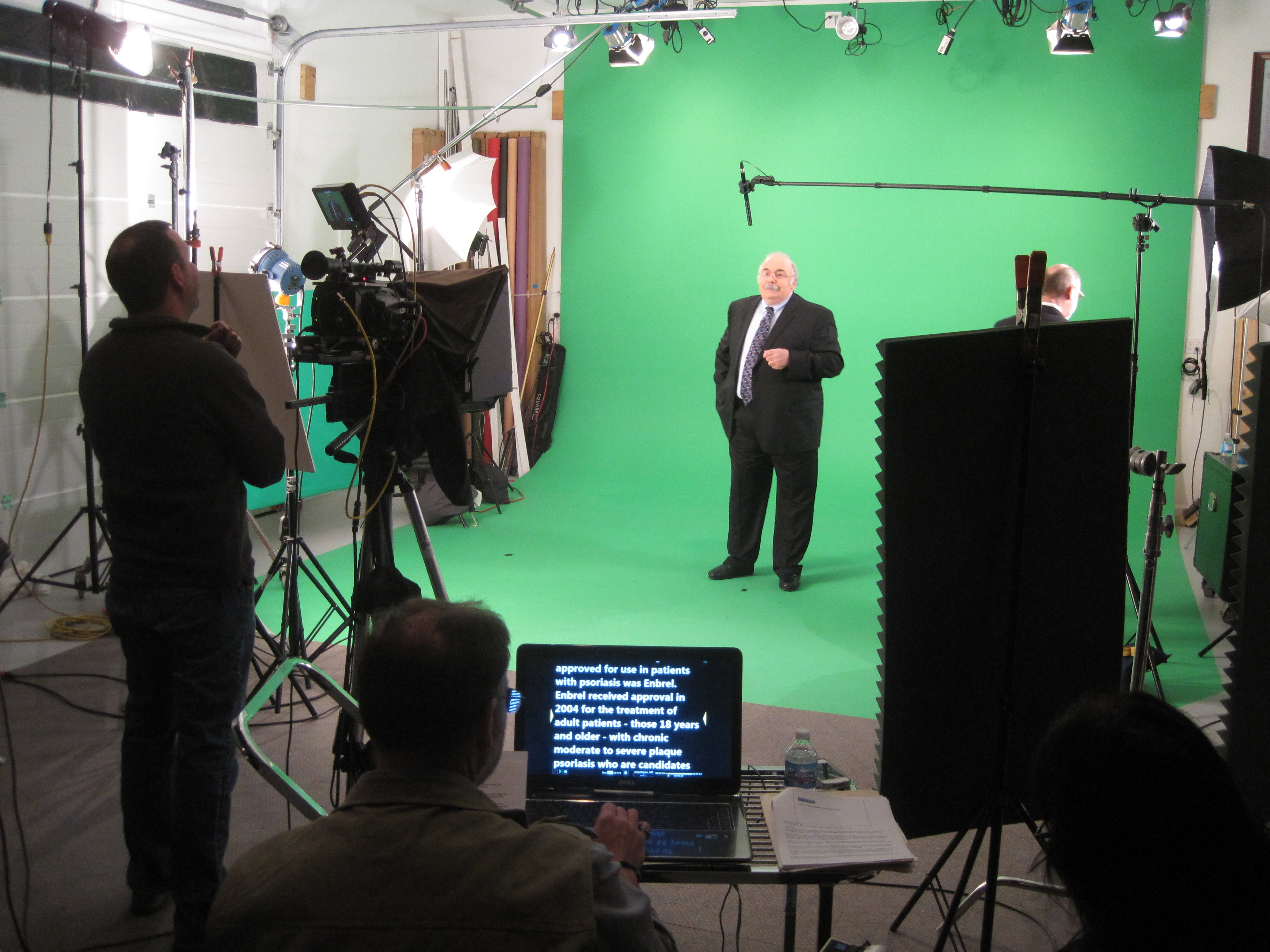
We understand the importance of video testimonials in establishing trust and credibility for your brand. That’s why we specialize in creating customer interviews and testimonial video productions using teleprompters. Our extensive experience in this area ensures that your testimonials are delivered with confidence and precision, maximizing their impact on your audience.
Furthermore, we recognize the significance of b-roll footage in creating engaging video testimonials. Our team will work closely with you to identify the most compelling shots that complement your testimonials, capturing the essence of your brand and product.
Don’t miss out on the opportunity to enhance your branding and business marketing communications through powerful video testimonials. Contact St Louis Video Production Studio today and let us help you create impactful testimonial videos that resonate with your target audience.
As experienced multimedia creators, St Louis Video Production Studio has created many customer interviews and testimonial video productions with teleprompters. Contact us today to discuss your video production requirements and discover how we can elevate your brand through the effective use of teleprompters and compelling b-roll footage.
As a content creator, conducting studio production interviews can be a valuable addition to your content strategy. Interviews provide a unique perspective and add depth and credibility to your content. Whether you’re conducting interviews for a podcast, video series, or blog, it’s important to ensure that your interviews are of the highest quality. We’ll cover the best practices towards studio production interviews. From preparation and research to conducting the interview and post-production editing, we’ll provide expert advice on how to create compelling and engaging interviews that resonate with your audience.
By following the best practices towards studio production interviews, you can ensure that your content stands out in a crowded online space.
Importance of Studio Production Interviews
Studio production interviews are a powerful tool that can help you create compelling and engaging content for your audience. They provide a unique perspective and allow your audience to hear directly from experts in your field. This can add credibility to your content and help establish you as a thought leader in your industry.
Interviews can also help you build relationships with experts in your field. By showcasing their expertise and knowledge, you can create a mutually beneficial relationship that can lead to future collaborations and networking opportunities.
Overall, studio production interviews are an effective way to create valuable and engaging content that resonates with your audience and establishes you as a thought leader in your industry.
Research and Preparation for Studio Production Interviews
The key to a successful studio production interview is preparation. Before conducting an interview, it’s important to research your interviewee and understand their background, expertise, and perspective. This will help you create a list of questions that are relevant and engaging for your audience.
To begin your research, start by looking at the interviewee’s website, social media profiles, and any other relevant online content. This will give you an idea of their expertise and the topics they are passionate about.
Next, create a list of questions that will help you delve deeper into the interviewee’s background and expertise. Make sure to ask open-ended questions that allow the interviewee to provide detailed and thoughtful answers.
Finally, make sure to communicate with your interviewee before the interview to ensure that they are comfortable with the topics you plan to cover. This will help build trust and establish a positive rapport between you and your interviewee.
Creating a List of Questions for the Interview
Creating a list of questions for a studio production interview is a critical step in the preparation process. The questions you ask will determine the direction and overall tone of the interview. To create a list of questions that are engaging and informative, consider the following tips:
Ask open-ended questions that allow the interviewee to provide detailed and thoughtful answers.
Ask follow-up questions to further explore the interviewee’s answers and provide additional context for your audience.
Incorporate current events and trends in your industry to keep the interview relevant and timely.
Avoid asking questions that the interviewee has already answered in previous interviews or online content.
By following these tips, you can create a list of questions that will help you conduct a compelling and engaging interview.
Conducting the Interview: Best Practices for the Interviewer
As the interviewer, it’s your responsibility to create a positive and engaging environment for the interviewee. To ensure a successful interview, consider the following best practices:
Start with an icebreaker question to help the interviewee feel comfortable and relaxed.
Avoid interrupting the interviewee or talking over them.
Listen actively and ask follow-up questions to further explore the interviewee’s answers.
Maintain a positive and professional tone throughout the interview.
Avoid asking leading questions that can influence the interviewee’s answers.
By following these best practices, you can create a positive and engaging environment for the interviewee and ensure a successful interview.
Conducting the Interview: Best Practices for the Interviewee
As the interviewee, it’s important to prepare and present yourself in a professional and engaging manner. To ensure a successful interview, consider the following best practices:
Take time to prepare and research the interviewer and their audience.
Be authentic and honest in your answers.
Speak clearly and concisely.
Avoid using jargon or technical language that may not be understood by the audience.
Keep your answers focused and on topic.
By following these best practices, you can present yourself in a positive and engaging manner and ensure a successful interview.
Recording and Editing the Interview
After conducting the interview, it’s important to properly record and edit the content. This will ensure that the final product is of the highest quality and engages your audience.
When recording the interview, make sure to use high-quality equipment and test it beforehand to ensure that the sound and video quality are optimal. It’s also important to have backup equipment in case of technical difficulties.
When editing the interview, focus on creating a cohesive and engaging story that flows well and keeps the audience’s attention. Remove any unnecessary or repetitive content and ensure that the final product is polished and professional.
Tips for Creating Engaging and Informative Content from the Interview
To create engaging and informative content from the interview, consider using the following tips:
Create a summary or highlights reel that captures the most important points of the interview.
Break the interview into smaller segments that focus on specific topics or themes.
Incorporate visuals and graphics to enhance the content.
Use quotes and sound bites from the interview to create social media posts and promotional material.
By using these tips, you can create engaging and informative content from the interview that resonates with your audience.
The Role of Post-Production in Creating a Successful Interview
Post-production is a critical step in creating a successful interview. It involves editing the content, adding visuals and graphics, and ensuring that the final product is polished and professional.
To ensure a successful post-production process, consider the following tips:
Use high-quality editing software and equipment.
Add visual elements such as graphics, images, and B-roll footage to enhance the content.
Ensure that the audio and video quality are optimal.
Test the final product on multiple devices and platforms to ensure that it is accessible to your audience.
By following these tips, you can ensure that the final product is of the highest quality and engages your audience.
Common Mistakes to Avoid in Studio Production Interviews
To ensure a successful studio production interview, it’s important to avoid common mistakes that can detract from the quality of the content. Some common mistakes to avoid include:
Asking leading or closed-ended questions.
Interrupting the interviewee or talking over them.
Focusing too much on your own agenda and not allowing the interview to flow naturally.
Neglecting to prepare and research the interviewee beforehand.
By avoiding these mistakes, you can create a positive and engaging environment for the interviewee and ensure a successful interview.
Best Practices for Promoting and Sharing Your Interview
After creating a successful interview, it’s important to promote and share the content to ensure that it reaches your audience. To promote and share your interview, consider the following best practices:
Share the content on your website and social media platforms.
Create social media posts and promotional material that highlights the most engaging and informative aspects of the interview.
Reach out to the interviewee and ask them to share the content on their platforms.
Consider collaborating with other content creators or influencers to promote the content.
By following these best practices, you can ensure that your interview reaches a wider audience and resonates with your target demographic.
Examples of Successful Studio Production Interviews
To see the best practices towards studio production interviews in action, consider the following examples of successful interviews:
The Tim Ferriss Show: Tim Ferriss interviews experts in the fields of business, health, and wellness, and delves into their routines and habits.
Armchair Expert: Dax Shepard interviews celebrities and experts in various fields and explores their personal and professional experiences.
TED Talks: TED Talks feature experts from various fields who share their innovative ideas and insights on a wide range of topics.
By studying these examples, you can gain insight into the best practices towards studio production interviews and apply them to your own content strategy.
Resources for Improving Your Studio Production Interview Skills
To improve your studio production interview skills, consider the following resources:
Books on interviewing and journalism, such as “The Art of Asking” by Amanda Palmer and “The New New Journalism” by Robert Boynton.
Online courses and tutorials on interview skills and techniques, such as those offered by Udemy and Skillshare.
Podcasts and blogs on interviewing and content creation, such as “The Creative Penn” and “The Podcast Host.”
The most requested types of video production shot in a studio can vary depending on the needs of the client and the purpose of the video, but here are some common types:
1. Corporate videos: Corporate videos are used to promote a company or its products/services. They are often shot in a studio with a clean background and professional lighting to convey a polished and professional image.
2. Product demos: Product demos are videos that showcase a product’s features and benefits. These videos are often shot in a studio with a white or black background and close-up shots of the product to highlight its details.
3. Interviews: Interviews are commonly shot in a studio with a plain background and professional lighting to create a consistent look and feel. They can be used for a variety of purposes, such as to capture customer testimonials or expert opinions.
4. Promotional videos: Promotional videos are created to promote a specific event, product launch, or service. They often include a mix of live action footage, motion graphics, and animation, and can be shot in a studio or on location.
5. Training videos: Training videos are used to educate employees or customers on a specific process or product. They are often shot in a studio with a clear and concise presentation style, and may include animations or graphics to illustrate complex concepts.
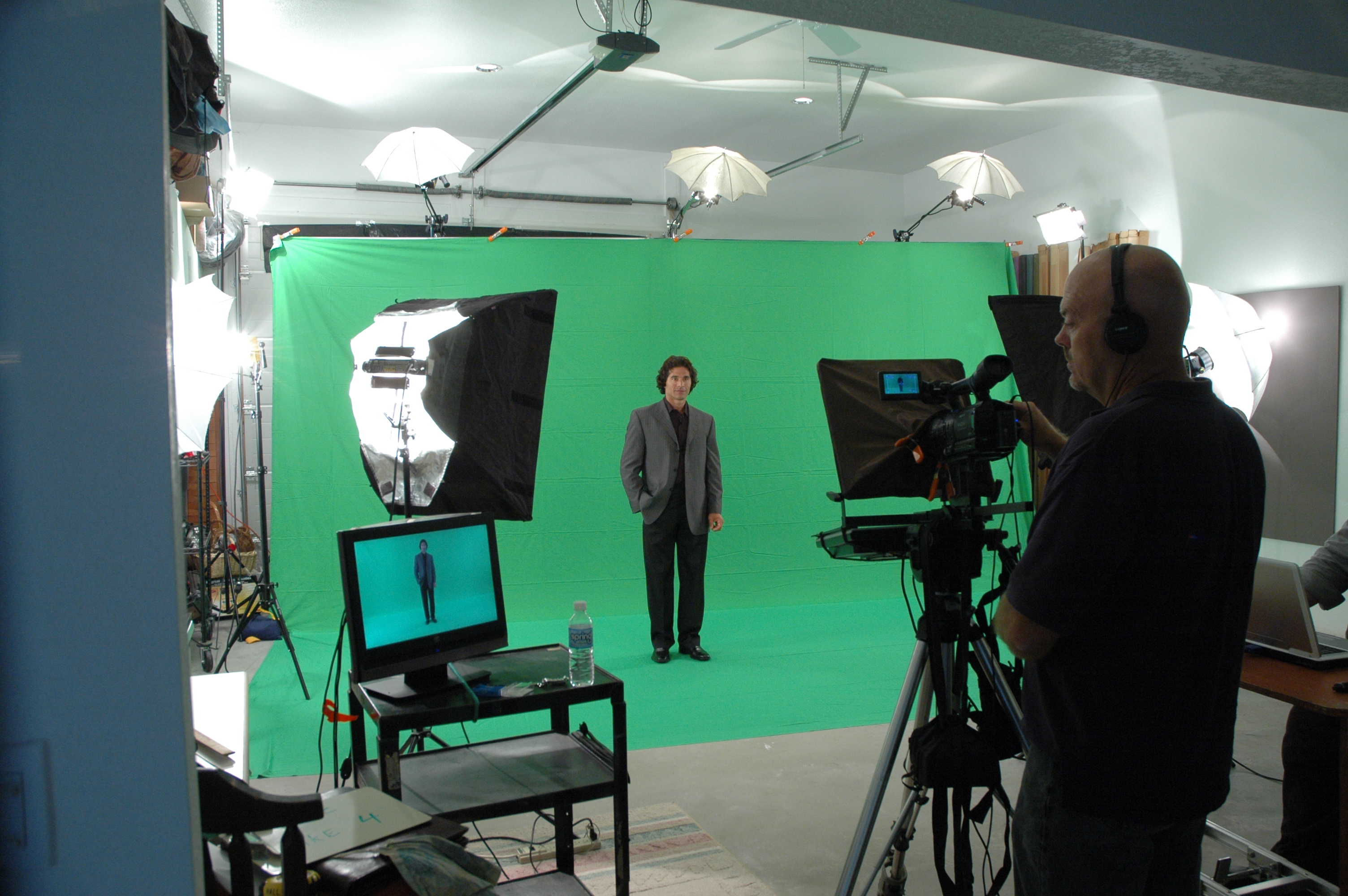
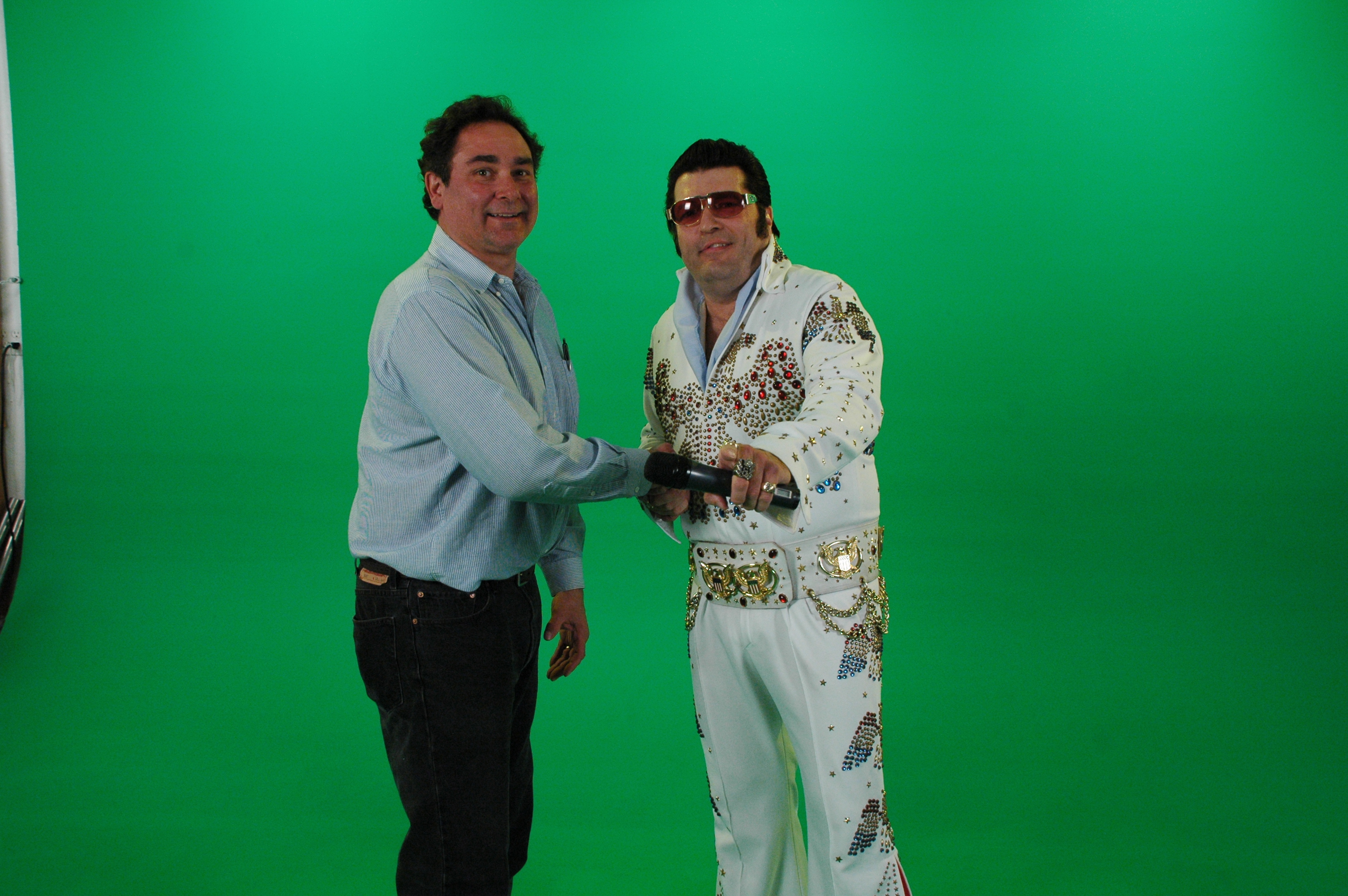
6. Green screen videos: Green screen videos allow for the insertion of different backgrounds or images in post-production. They are often shot in a studio with a green screen backdrop and professional lighting to ensure a clean key. They can be used for a variety of purposes, such as product demos or virtual events.
Conclusion
By utilizing these resources, you can improve your studio production interview skills and create engaging and informative content for your audience. Studio production interviews are a valuable tool in creating compelling and engaging content for your audience. By following the best practices towards studio production interviews, you can ensure that your content stands out in a crowded online space. From research and preparation to post-production editing and promotion, every step in the process is critical to creating a successful interview. By utilizing the tips and resources outlined in this article, you can take your interview skills to the next level and create content that resonates with your audience and establishes you as a thought leader in your industry.
A clear video production brief is essential for securing affordable corporate video production. A video production brief outlines your goals, target audience, messaging, and creative direction.
As a business owner or marketer, you understand the power of video in engaging your audience and promoting your brand. Corporate video production offers a valuable opportunity to showcase your company’s products, services, and culture. However, the cost of producing high-quality corporate videos can be prohibitive, especially for small businesses. In this ultimate guide, I will share insider tips and tricks for securing affordable corporate video production without compromising on quality.
Introduction to Corporate Video Production
Corporate video production refers to the process of creating videos for internal or external use by a business or organization. Corporate videos can take different forms, including product demos, explainer videos, company culture videos, and customer testimonials. The goal of these videos is to inform, educate, engage, and persuade the target audience.
Corporate video production involves several stages, including pre-production, production, and post-production. Pre-production involves planning, scripting, storyboarding, casting, and location scouting. Production involves shooting the video, lighting, sound, and directing. Post-production involves editing, color grading, special effects, and sound design.
Benefits of Corporate Video Production
Corporate video production offers several benefits to businesses, including:
Increased brand awareness: Videos are more engaging and memorable than text or images, making them a powerful tool for promoting brand awareness and recognition.
Improved customer engagement: Videos can communicate complex ideas and emotions in a way that resonates with customers, leading to increased engagement and loyalty.
Higher conversion rates: Videos can persuade customers to take action by showcasing the benefits of a product or service in a compelling way.
Better training and onboarding: Videos can be used to train employees and onboard new hires, saving time and resources.
Competitive advantage: High-quality videos can set your business apart from competitors and position you as a leader in your industry.
Factors that Affect Video Production Costs
Before we dive into the tips for securing affordable corporate video production, it’s important to understand the factors that influence video production costs. These factors include:
Video length: Longer videos require more resources and time to produce, increasing the cost.
Complexity of the project: Videos with complex scripts, special effects, and animation require more time and expertise, increasing the cost.
Crew size: Larger video crews, including directors, camera operators, and sound engineers, increase the cost.
Equipment: High-end cameras, lighting, and sound equipment are more expensive to rent or purchase.
Location: Shooting on location may require permits, travel expenses, and other costs.
Post-production: Editing, sound design, and special effects are time-consuming and require expertise, increasing the cost.
Tips for Securing Affordable Corporate Video Production
Now that you understand the benefits of corporate video production and the factors that affect video production costs, let’s dive into the tips and tricks for securing affordable corporate video production.
Finding the Right Video Company or Video Crew
The first step in securing affordable corporate video production is finding the right video company or video crew to work with. Here are some tips for finding the right partner:
Research: Do your homework and research potential video companies or video crews. Check their portfolio, reviews, and testimonials to ensure they have experience in producing high-quality corporate videos.
Referrals: Ask for referrals from colleagues, friends, or industry experts who have worked with video companies or video crews in the past.
Budget: Be upfront about your budget and expectations. A reputable video company or video crew will work with you to find a solution that meets your needs and budget.
Communication: Choose a partner who communicates clearly and listens to your needs. Clear communication is essential for a successful video production project.
Choosing the Best Video Studio for Your Needs
If you’re planning to shoot your video in a studio, choosing the right video studio is critical for securing affordable corporate video production. Here are some tips for selecting the best video studio for your needs:
Size: Choose a video studio that is the right size for your project. A larger studio may be more expensive, while a smaller studio may be too cramped for your needs.
Equipment: Look for a video studio that has high-quality equipment, including cameras, lighting, and sound.
Location: Choose a video studio that is easily accessible for you and your crew. This will save you time and money on travel expenses.
Amenities: Look for a video studio that has amenities such as a makeup room, wardrobe, and catering. These amenities can save you time and money on additional expenses.
How to Negotiate Video Production Costs
Negotiating video production costs can be intimidating, but it’s essential for securing affordable corporate video production. Here are some tips for negotiating video production costs:
Be upfront: Be upfront about your budget and expectations from the beginning. This will help you avoid surprises later on.
Be flexible: Be open to compromise and be willing to adjust your expectations to meet your budget.
Bundle services: Consider bundling services, such as pre-production, production, and post-production, to save money.
Ask for discounts: Ask your video company or video crew if they offer discounts for repeat business or referrals.
Maximizing Your Video Production Budget
Even with a limited budget, there are ways to maximize your video production budget and secure affordable corporate video production. Here are some tips for maximizing your video production budget:
Plan ahead: Plan ahead and create a detailed video production brief that outlines your goals, target audience, and messaging.
Be efficient: Be efficient with your time and resources. For example, shoot multiple videos on the same day to save on production costs.
Repurpose content: Repurpose existing content, such as blog posts or social media posts, into video content to save time and money.
Use stock footage: Consider using stock footage or animations to save time and money on shooting.
The Importance of a Clear Video Production Brief
A clear video production brief is essential for securing affordable corporate video production. A video production brief outlines your goals, target audience, messaging, and creative direction. A clear video production brief ensures that everyone involved in the project is on the same page and reduces the risk of expensive revisions. Here are some tips for creating a clear video production brief:
Define your goals: Define your goals and objectives for the video. What do you want to achieve with the video?
Identify your target audience: Identify your target audience and tailor your messaging to their needs and interests.
Be specific: Be specific about the creative direction, including visual style, tone, and messaging.
Include a timeline: Include a timeline for the project, including deadlines for each stage of the production process.
Examples of Successful Corporate Video Production
Finally, let’s take a look at some examples of successful corporate video production. These examples demonstrate how businesses can use video to engage their audience and promote their brand:
Dollar Shave Club: Dollar Shave Club’s viral video, “Our Blades Are F***ing Great,” showcases the company’s unique brand personality and product benefits in a humorous way.
Airbnb: Airbnb’s “Belong Anywhere” campaign features a series of videos that showcase the unique experiences that travelers can have while staying in an Airbnb rental.
Slack: Slack’s “So Yeah, We Tried Slack…” video features real customers sharing their experiences with the product in a relatable and engaging way.
Conclusion: The Future of Corporate Video Production
Corporate video production offers a valuable opportunity for businesses to engage their audience and promote their brand. With the tips and tricks outlined in this guide, you can secure affordable corporate video production without compromising on quality. As video technology continues to evolve, we can expect to see even more innovative and engaging corporate videos in the future.
Ready to produce your own corporate video? Contact us today to learn how we can help you create a high-quality video that engages your audience and promotes your brand.






















 st louis video production studio