Tag Archives: St. Louis studio space

Cost-Efficient Video and Photography Studio in St. Louis: How Smart Production Systems Cut Spend Without Cutting Quality

If you’re responsible for marketing outcomes, the real question isn’t, “How much does a video cost?” It’s:

How reliably can we produce on-brand content, at speed, with predictable approvals—without burning budget on reshoots, revisions, and one-off deliverables?

A cost-efficient video and photography studio is not the lowest bidder. It’s the team that runs production like a system: clear pre-production, controlled execution, and post-production workflows designed for repurposing across channels. That’s how you protect both your budget and your brand.

Below is a field-tested framework decision makers can use to evaluate—and consistently win with—cost-efficient production in St. Louis.


Cost-efficient doesn’t mean “cheap”—it means “low waste per finished asset”

The hidden cost drivers in content production are almost always operational:

  • unclear messaging that forces re-editing
  • noisy locations that destroy audio
  • inconsistent lighting that breaks continuity
  • missing coverage that requires pickups
  • deliverables created for one channel only
  • unstructured review cycles with conflicting feedback

A cost-efficient studio reduces waste by engineering the process around repeatable outcomes.


The highest ROI move: design deliverables first, then shoot backward

Most production waste starts with a backwards workflow: people shoot “what feels right,” then try to force it into social, web, paid, and sales afterward.
A cost-efficient plan starts with a deliverable map, such as:

  • Hero video (brand narrative, campaign centerpiece)
  • 30–60s cutdowns for paid and web
  • 15s versions for social and retargeting
  • vertical edits for mobile-first placements
  • short clips for ads, email, LinkedIn, and reels
  • stills and thumbnails pulled from footage
  • b-roll library that can be reused for months

When you define outputs up front, you create a shot list that guarantees coverage—and eliminates “we didn’t get what we need” problems.


Pre-production is where you buy speed, protect budget, and prevent reshoots

Decision makers often underestimate pre-production because it’s not cinematic. But it’s the most controllable variable in cost and timeline.

Cost-efficient pre-production includes:

1) A brief that’s built for approvals

  • single objective (not five)
  • primary audience + secondary audiences
  • key message hierarchy (what must be said vs. nice to have)
  • proof points (data, outcomes, differentiators)
  • CTA and where it lives (end card, VO, on-screen text, caption)
2) Interview architecture that edits cleanly

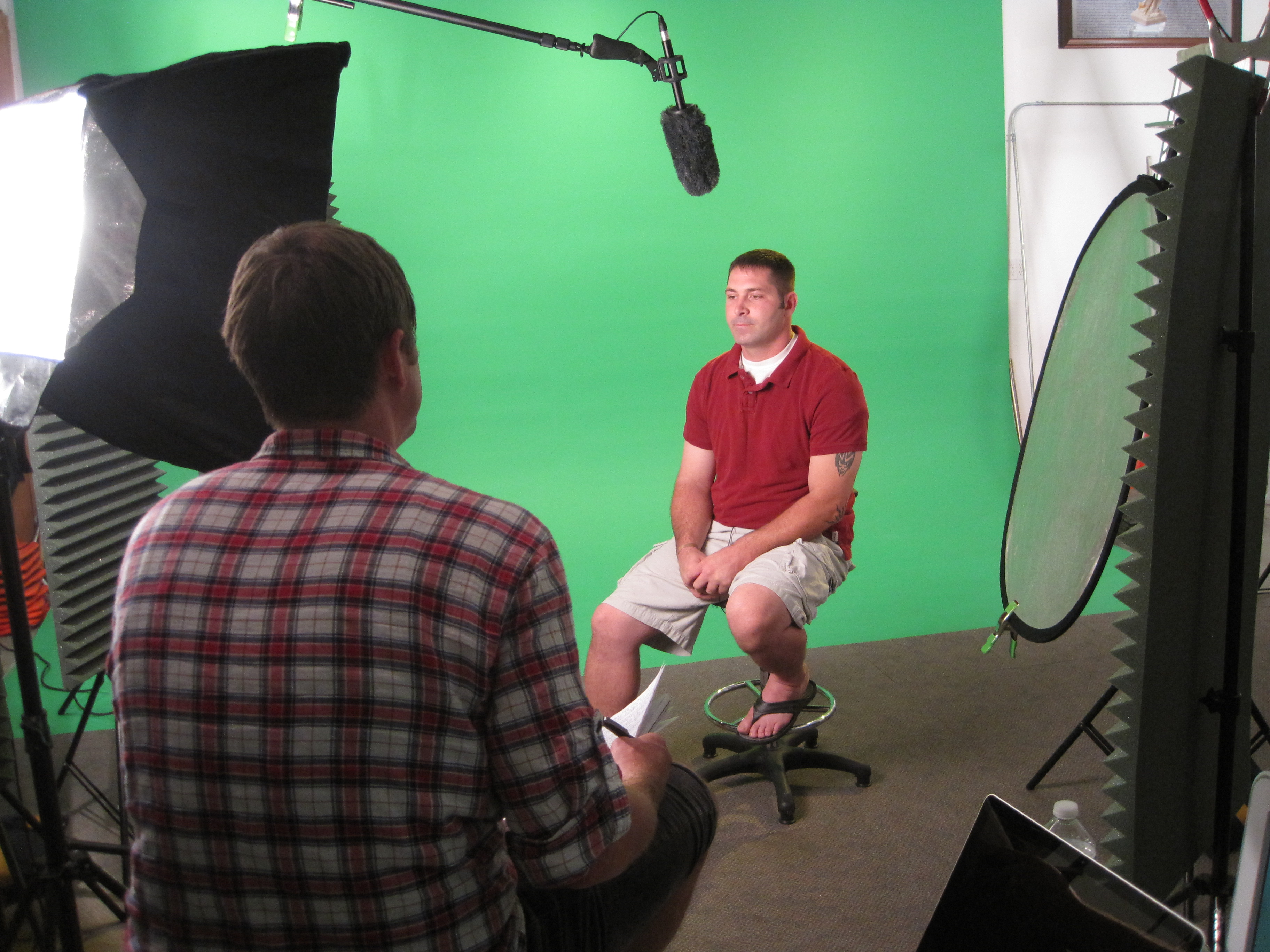
Good interview planning prevents long, repetitive edits. It assigns topics to speakers, avoids overlap, and produces soundbites that convert.

3) Location and set control

Cost-efficient doesn’t mean “anywhere.” It means choosing spaces that reduce:

  • ambient noise
  • poor acoustics
  • foot traffic interruptions
  • lighting inconsistencies
  • power and staging problems

When you control variables, you reduce time-on-set and reduce post fixes.


Studio vs. location: pick control when you need consistency

A cost-efficient studio environment typically wins when you’re producing:

  • executive messaging
  • testimonials
  • recruiting and culture features
  • training and internal comms
  • product or service explainers
  • repeated content series (monthly/quarterly)

Studios are cost-efficient because they:

  • shorten setup time
  • stabilize lighting and sound
  • enable batch production (multiple interviews in one day)
  • maintain consistent brand look across campaigns

Location production is essential for authenticity and proof (operations, scale, real-world context). The efficient strategy is often hybrid:

  • studio for messaging and interviews
  • location for targeted b-roll and environment shots

Lighting: the fastest way to make content look expensive (without spending like it)

Lighting is not a “nice-to-have.” It’s one of the strongest determinants of perceived quality.

Cost-efficient lighting setups:

  • shape faces and reduce retouching time
  • create depth and separation (premium feel)
  • keep continuity across multiple shoot days
  • reduce time spent “fixing” in color
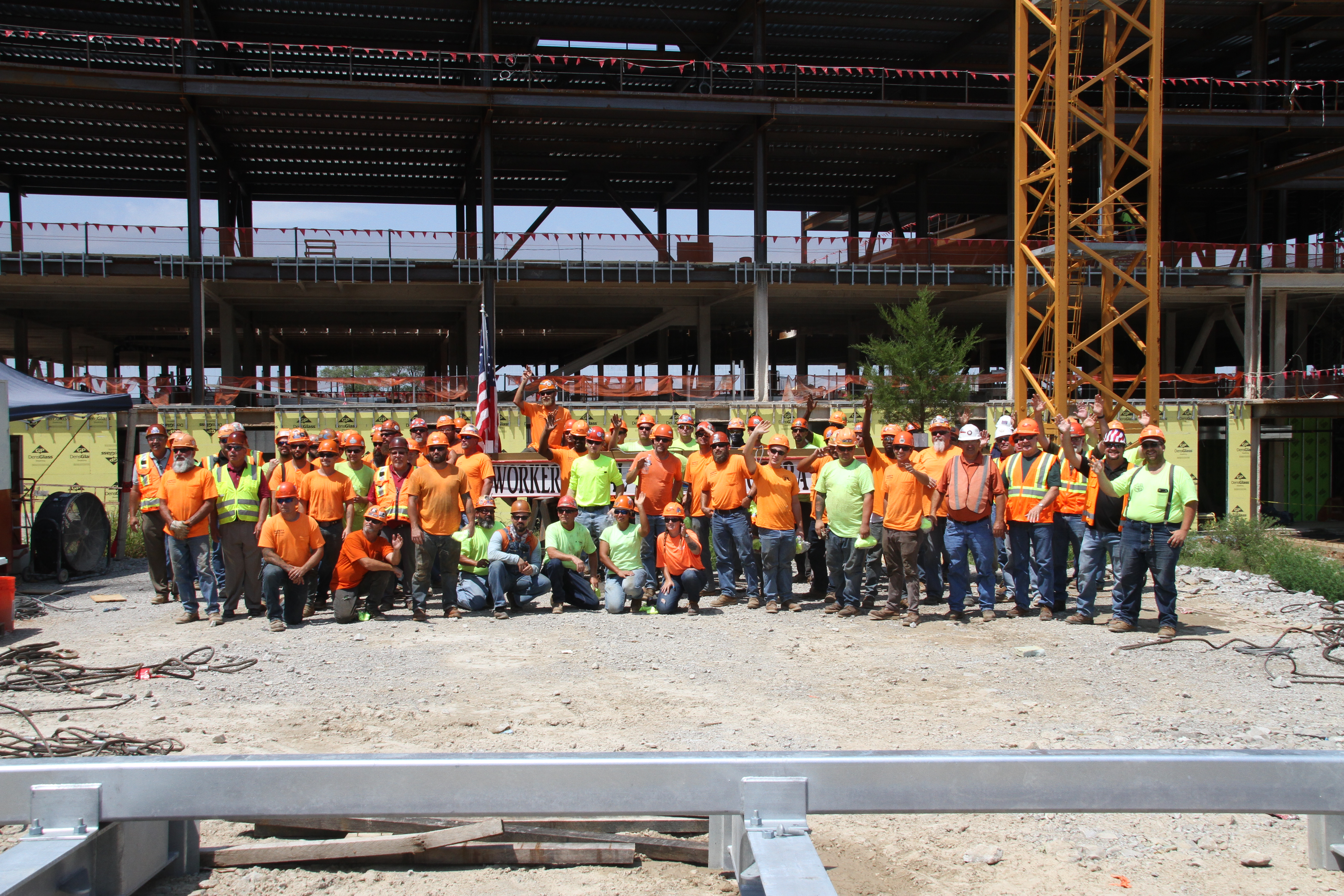
A studio built for controlled lighting is one of the most practical advantages you can buy—because it protects time and produces repeatable brand visuals.


Audio: the most common production failure—and the least economical to fix later

If your content includes people speaking, audio is the product.

Bad audio drives costs through:

  • longer edit hours
  • attempts at repair (often limited)
  • re-recording or pickups
  • slower approvals because stakeholders “feel” it’s amateur

Cost-efficient production treats audio with intent:

  • proper mic strategy (and redundancy)
  • controlled environments
  • clean recording levels
  • proactive noise management

This is one of the simplest ways to keep budgets predictable.

Post-production is where cost-efficient studios separate themselves

If production is the acquisition, post is where you either:

  • deliver a clean set of platform-ready assets quickly, or
  • bleed time in endless revisions and “can we also…” requests.

Cost-efficient post-production is a structured workflow:

Milestones that keep reviews tight

  • story outline / edit plan
  • assembly cut
  • fine cut
  • color + audio polish
  • versions (lengths, ratios, captions)
  • final exports and handoff

Feedback consolidation

One owner. One channel. One set of notes per round. That alone can cut revision time dramatically.

Versioning and packaging

Efficiency comes from templates, consistent motion design, predictable export specs, and systematic naming conventions—so your team can deploy assets without friction.


Repurposing: the cost-efficient multiplier most teams leave on the table

The easiest way to waste money is to treat each platform like a new project.

Cost-efficient studios plan for repurposing at the shoot level:

  • framing that supports horizontal and vertical crops
  • intentional “headline lines” and micro soundbites
  • capture of transitions, inserts, and clean action loops
  • b-roll that matches what’s being said (editable proof)
  • still frames designed for web and sales decks

One well-planned shoot can fuel:

  • your website refresh
  • paid campaigns
  • sales enablement
  • recruiting
  • internal comms
  • trade show playback
  • email marketing

That’s cost efficiency: more usable outputs per production day.

AI: speed gains are real—when applied to the right tasks

AI can meaningfully improve cost efficiency in production when used to accelerate work you already need to do, such as:

  • faster transcript-based selects and story assembly
  • quick caption creation and formatting
  • rapid versioning for different audiences or platforms
  • search and retrieval across archived footage
  • targeted cleanup workflows (used with discretion)

The smart approach: AI supports the pipeline, while human operators protect messaging, legal risk, and brand tone.


Indoor drones: a production-value upgrade when used with purpose

Indoor drone work can be a cost-efficient way to capture:

  • facility walkthroughs
  • operational scale
  • dynamic transitions
  • “movement” shots that would otherwise require more rigging

But it must be planned and executed safely and intentionally. When done right, indoor drone footage can increase production value without inflating production time.


What to ask when evaluating a “cost-efficient” studio partner

If you want predictable outcomes, ask for operational clarity:

  • How do you structure pre-production to prevent reshoots?
  • What’s your audio plan, and what redundancies do you use?
  • How do you design shoots for repurposing across channels?
  • What does your review cycle look like, and how is feedback consolidated?
  • Can you deliver platform-ready versions (lengths, ratios, captions) as part of the workflow?
  • How do you manage files, formats, and handoff for internal teams?

The best studios can answer these questions without hesitation—because they run a system.


Why St Louis Video Production Studio is built for cost-efficient, high-impact content

At St Louis Video Production Studio, cost efficiency isn’t a buzzword—it’s a workflow refined through decades of real-world client demands. As a full-service video and photography production corporation since 1982, we’ve worked with many businesses, marketing firms, and creative agencies throughout the St. Louis area, delivering marketing photography and video built for performance, consistency, and reuse.

We’re a full-service professional commercial photography and video production company with the right equipment and creative crew service experience for successful image acquisition. We offer full-service studio and location video and photography, plus editing, post-production, and licensed drone capabilities. St Louis Video Production Studio can customize your productions for diverse media requirements, and repurposing your photography and video branding to gain more traction is one of our specialties.


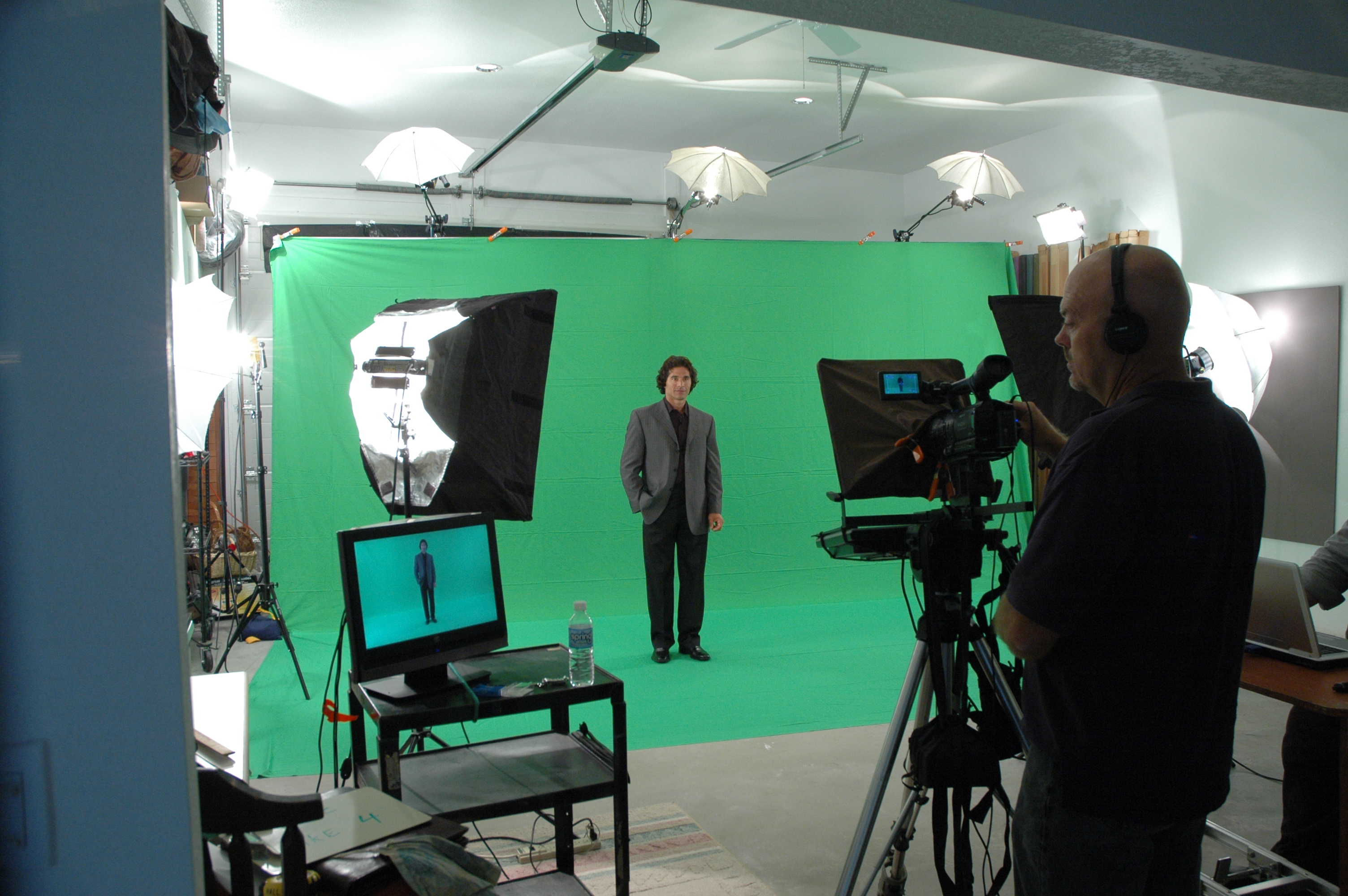
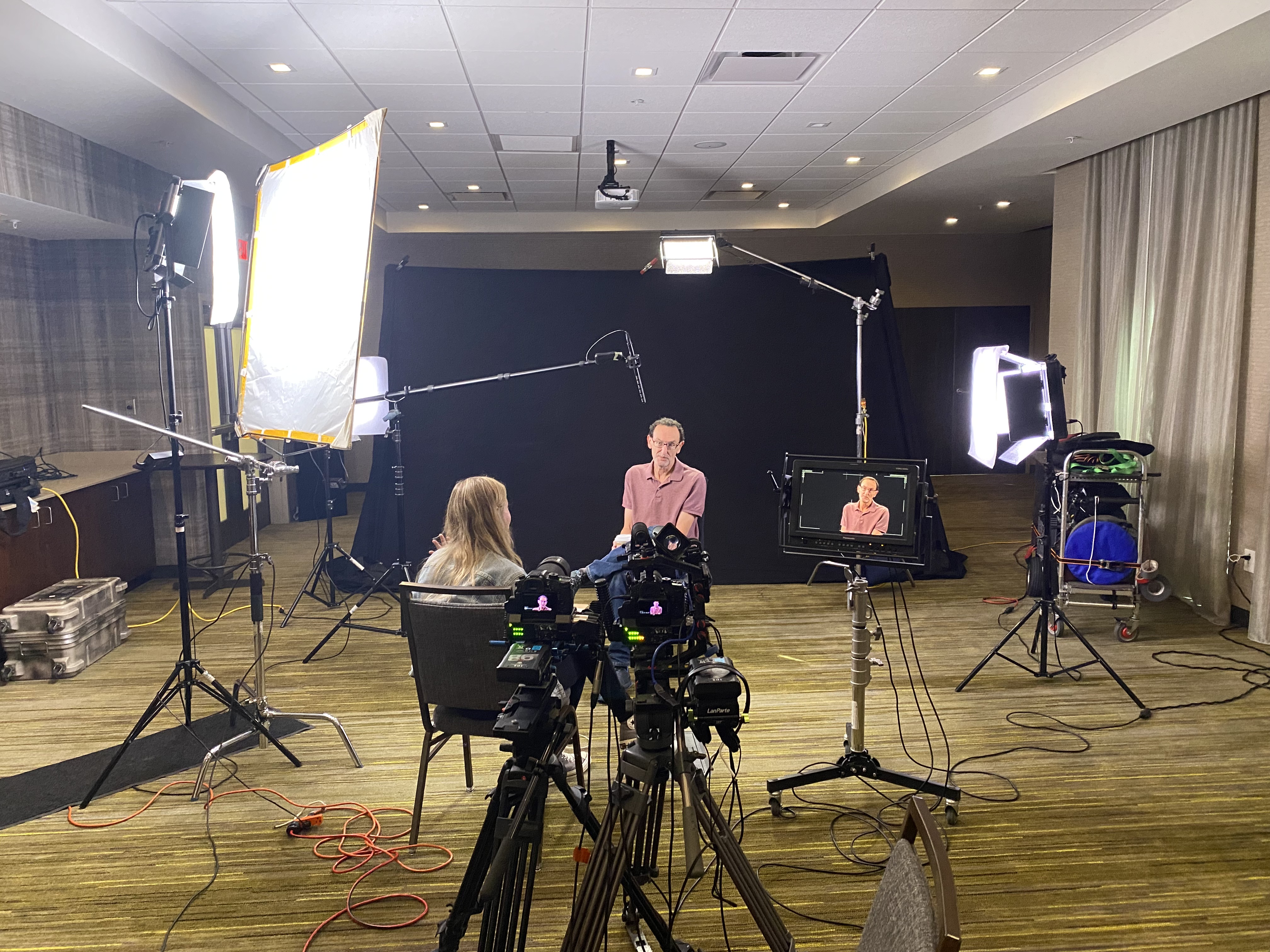
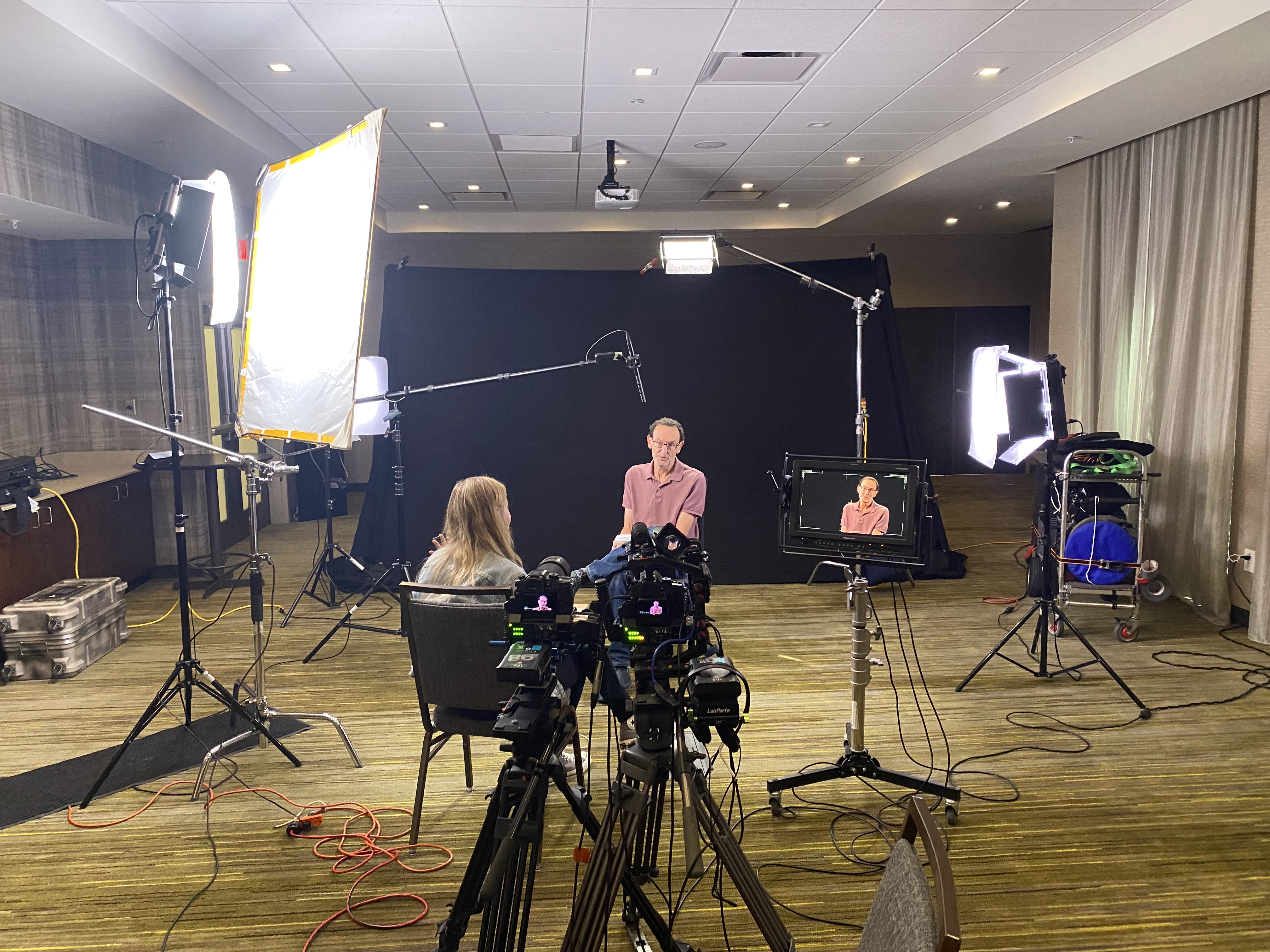
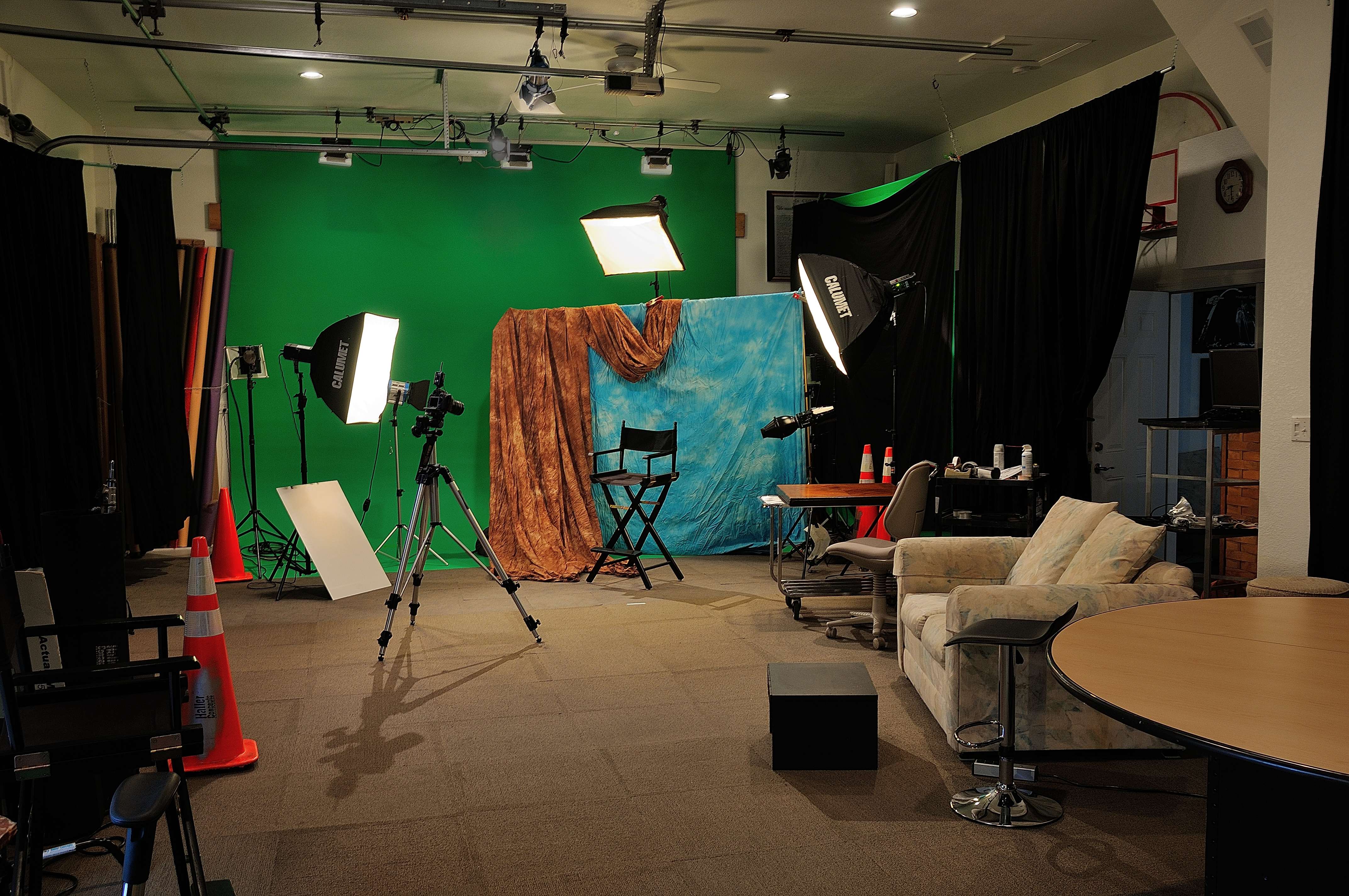
We’re well-versed in all file types, media styles, and accompanying software—and we use the latest in Artificial Intelligence across our media services to accelerate workflows while keeping creative control and brand standards intact. Our private studio lighting and visual setup is perfect for small productions and interview scenes, and our studio is large enough to incorporate props to round out your set.

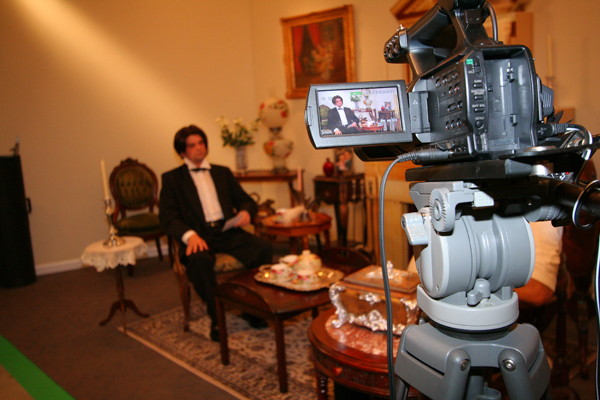
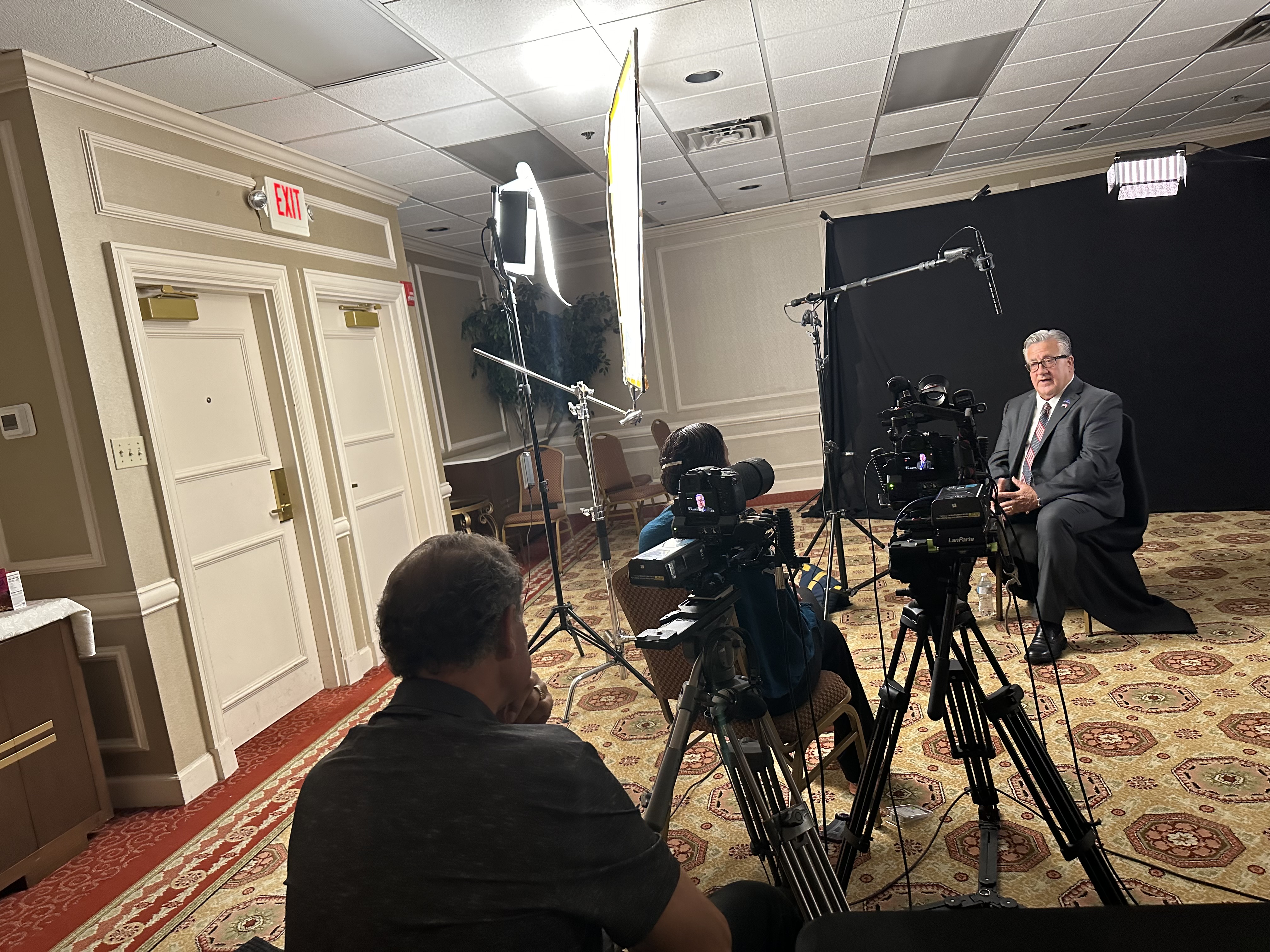
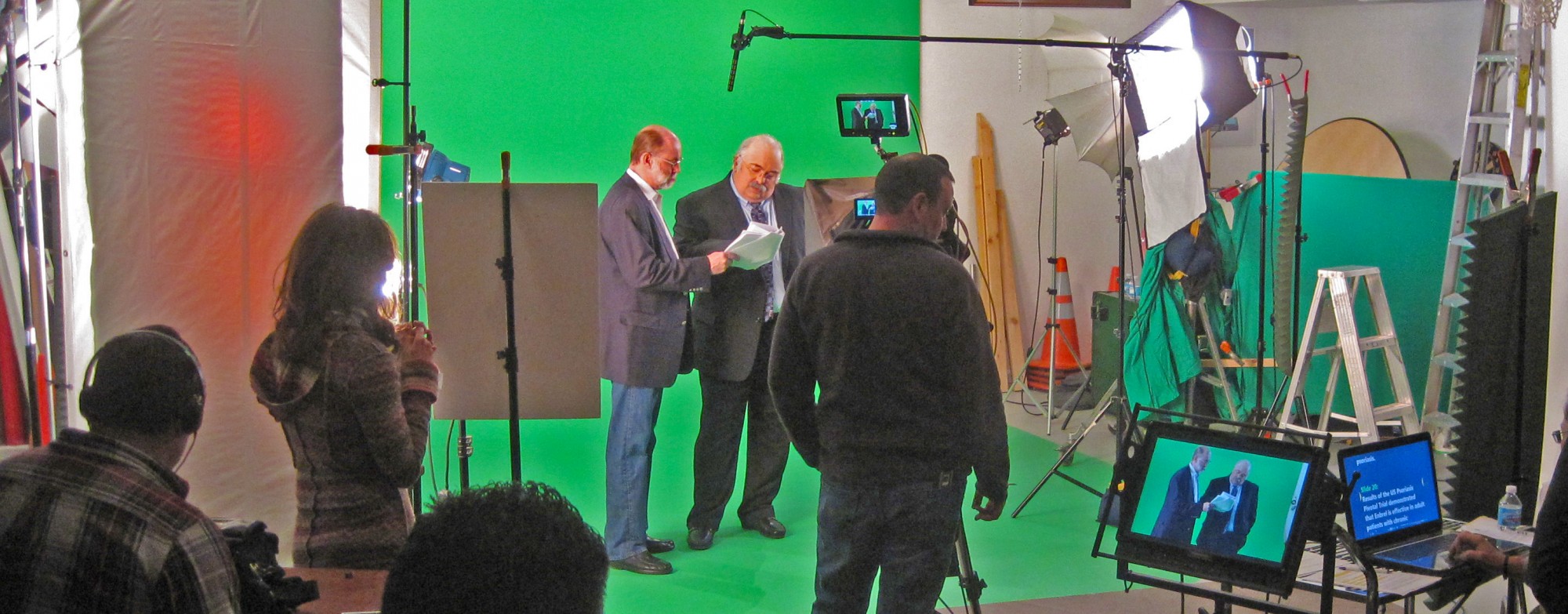
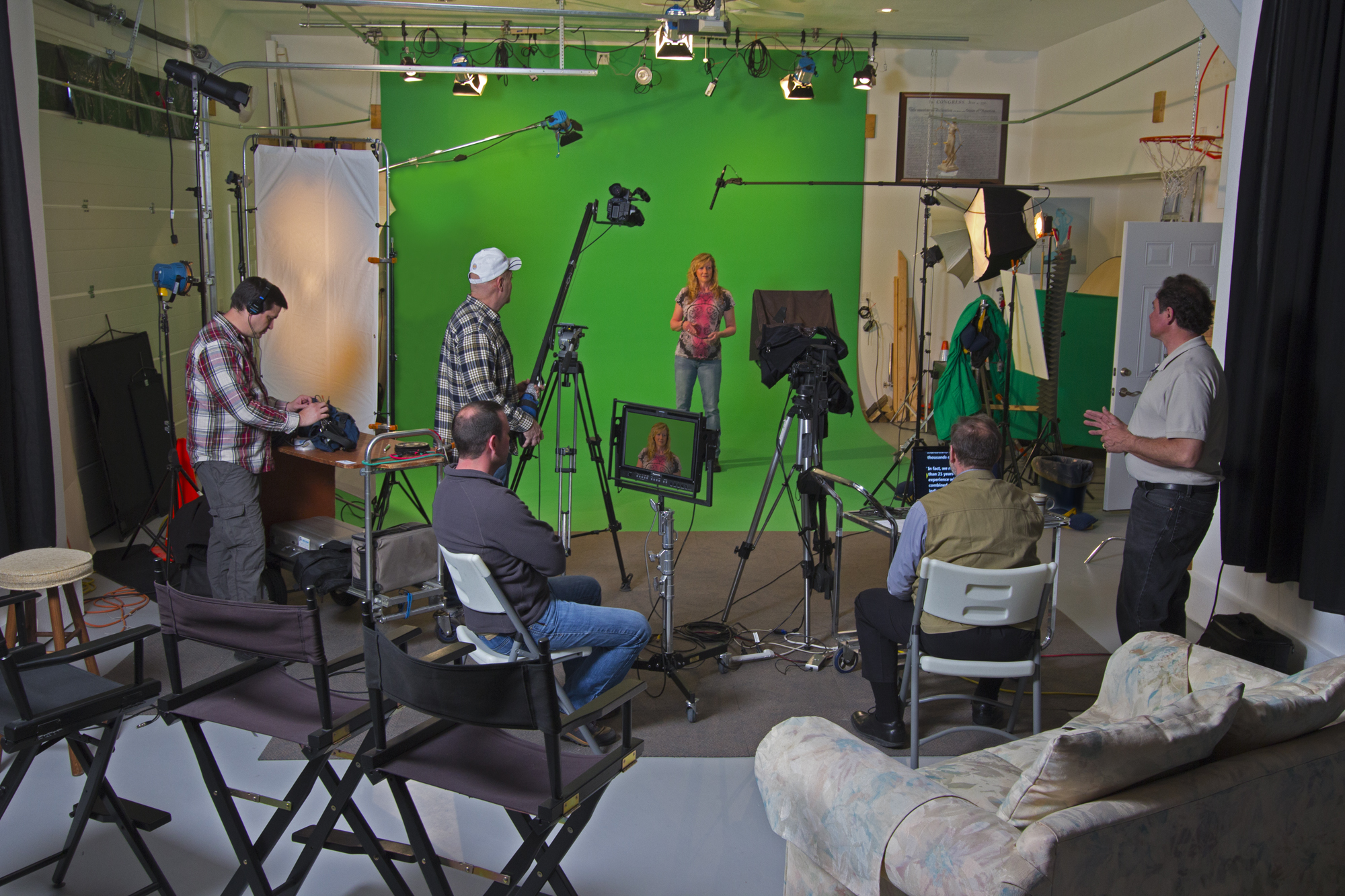
We support every aspect of your production—from setting up a private, custom interview studio to supplying professional sound and camera operators, and providing the right equipment—ensuring your next video production is seamless and successful. We can also fly our specialized drones indoors when the shot calls for it.

If you need a studio partner that protects budget by eliminating waste—while still delivering premium, platform-ready assets—St Louis Video Production Studio is built for exactly that.
314-604-6544

saintlouismostudios@gmail.com

Fix Slow Video Views with Simple Changes That Work for Service Businesses

If your service business videos aren’t getting views, it’s rarely because your company isn’t interesting. It’s usually because the video is built like a brochure: slow intros, generic claims, and a “we do everything” message that makes the viewer do the work.

Decision makers and customers don’t watch videos to admire production value—they watch to answer one question fast:

“Is this relevant to my problem, and can I trust you to fix it?”

The good news: you can dramatically improve performance without reshooting everything. In many cases, you can fix slow views with a few strategic changes to your editing, structure, and distribution.

Below is a practical, production-tested checklist to increase watch time, boost engagement, and turn more views into leads.


Why service business videos stall (the real reasons)

Service businesses face three built-in challenges:

  1. Low attention windows: Most views happen on mobile, in feeds, with sound off.
  2. High trust requirements: Viewers aren’t buying a product—they’re letting you into their home, facility, or jobsite.
  3. “Same-same” messaging: Every competitor claims fast response, great service, fair pricing.

If your video looks like every other service video, your audience has no reason to keep watching.


The fastest fix: change the first 5 seconds

The first five seconds determine whether your video lives or dies.

Replace logos and intros with a “problem hook”

Instead of:

  • Logo animation
  • “Hi, we’re XYZ…”
  • “Serving the area since…”

Start with the viewer’s pain.

High-performing service hooks:

  • “If your [system] is doing this, don’t wait.”
  • “This is why your [issue] keeps coming back.”
  • “Here’s what we found—this would have become a major repair.”
  • “Three signs you need [service] before it fails.”

Then you can earn the right to introduce your brand after the viewer is engaged.

Editing move: Pull your strongest line from later in the video and place it first. This single change often boosts retention immediately.


Fix #1: Tighten pacing by cutting “dead air” and “setup”

Most service videos are 20–40% too long because they include:

  • greetings and small talk
  • slow walk-ups
  • repeated explanations
  • “we’re the best” statements without proof

Simple edit rule: If a sentence doesn’t move the story forward, remove it.

Your goal is not to document the job. Your goal is to hold attention and build confidence.


Fix #2: Use the 5-part structure that keeps people watching

Service videos perform best when they follow a simple sequence:

  1. Problem: What was the symptom?
  2. Cause: What was actually wrong?
  3. Fix: What did you do?
  4. Proof: How did you verify it worked?
  5. Next step: What should the viewer do now?

This structure works for HVAC, electrical, plumbing, roofing, IT, restoration, pest control, and professional services.

Why it works: It feels useful, not promotional—and usefulness drives shares, saves, and calls.


Fix #3: Add on-screen text that makes the video scannable

A huge portion of your audience watches muted. If your video depends on sound, your view velocity will suffer.

Add light, clean overlays:

  • “Problem”
  • “Cause”
  • “Fix”
  • “Result”
  • Key metric (“Restored pressure,” “Heat back on,” “Leak stopped,” “Downtime prevented”)

Keep it simple: A few keywords timed to key moments beats full captions pasted across the screen.


Fix #4: Improve audio clarity (the silent view-killer)

Bad audio makes viewers leave—even if they’re watching muted, they can sense poor quality. And when they turn sound on, it’s over.

Common service-video audio problems:

  • echo in large rooms
  • wind noise
  • HVAC rumble
  • inconsistent levels between clips
  • harsh compression

Simple upgrades:

  • use a lav mic for the speaker
  • record a clean voiceover later if the jobsite is loud
  • normalize levels and remove low-frequency rumble in post

Audio is the fastest way to make your brand feel professional without changing visuals.


Fix #5: Show proof, not just talking

Service business viewers want to see competence.

Make sure your edit includes:

  • the diagnostic moment (meter reading, error code, thermal scan, pressure test)
  • the “before” condition
  • the repair action (tight shots of tools/hands)
  • the verification step (system running, stable reading, test result)

This is where trust is created. Talking heads alone rarely carry service videos.


Fix #6: Convert one video into many formats (vertical wins attention)

If you post a horizontal video into vertical feeds, you’re handicapping performance.

Deliver each video in:

  • 9:16 vertical (Reels/Stories/TikTok/Shorts)
  • 1:1 square (LinkedIn/Facebook feed-friendly)
  • 16:9 horizontal (website/YouTube)

The content can be the same. The framing and text placement must change.


Fix #7: Cut multiple versions for different intent levels

A single “everything video” usually underperforms. Instead, build a small library of targeted cuts:

Top-of-funnel (attention)

  • 15–30 seconds
  • problem hook + quick proof
  • light CTA (“If you’re seeing this, schedule service.”)

Mid-funnel (consideration)

  • 45–90 seconds
  • problem → cause → fix → proof
  • stronger CTA (“Book an inspection/estimate.”)

Bottom-of-funnel (decision)

  • 60–120 seconds
  • process + credibility + guarantee/warranty + expectations
  • CTA that matches purchase (“Call now / request quote.”)

One shoot can produce all three.


Fix #8: Put your CTA earlier—and make it feel helpful

Most service videos save the call-to-action for the end. Many viewers never reach the end.

Add a soft CTA early:

  • “If this is happening to you, pause and call before it becomes worse.”
  • “If you want, we can diagnose this quickly—this is a common issue.”

Then repeat the CTA at the end in a slightly stronger form.

Best practice: match CTA to intent. Don’t force “call now” if the viewer is still learning. Offer a diagnostic, checklist, or estimate.


Fix #9: Build a “series,” not random one-offs

Algorithms—and humans—respond better to consistency than novelty.

Turn your content into repeatable series:

  • “What We Found Today”
  • “3 Signs You Need Service”
  • “Before / After Fixes”
  • “Myth vs Reality”
  • “Avoid This Mistake”

Series content trains your audience to expect value, and it gives your team a repeatable production plan.


Fix #10: Use AI the right way—speed, not gimmicks

AI can help service businesses produce more content faster, without lowering quality.

High-value AI uses in production and post:

  • faster rough cuts and selects
  • auto-captioning and keyword callouts
  • versioning for multiple aspect ratios
  • script tightening for short-form
  • searchable archives of footage and quotes

The goal is efficiency and consistency—not flashy effects that distract from trust.


A practical “repair-first” video checklist

If you want a quick benchmark, your video should answer “yes” to these:

  • Do we lead with the problem or result (not the logo)?
  • Is the first 5 seconds relevant to a real customer pain?
  • Can someone understand it with sound off?
  • Do we show diagnosis and proof?
  • Does the viewer know what to do next within 20–30 seconds?
  • Do we have a vertical version?
  • Did we cut at least one short clip from the long edit?

If you’re missing 2–3 of these, slow views are expected—and fixable.


Closing: why St. Louis Video Production Studio is built to fix slow video performance

At St. Louis Video Production Studio, we’ve helped businesses, marketing firms, and creative agencies in the St. Louis area since 1982—and we know what it takes to turn service business video into real marketing performance: higher retention, stronger trust signals, and clearer calls to action.

We’re a full-service professional commercial photography and video production company with the right equipment and creative crew service experience for successful image acquisition. We provide full-service studio and location video and photography, plus editing and post-production, and licensed drone support—including the ability to fly specialized drones indoors when your project requires dynamic visuals in tight spaces.

St. Louis Video Production Studio can customize your productions for diverse media requirements, and repurposing your photography and video branding to gain more traction is one of our specialties—so a single shoot becomes a full set of platform-ready assets. We’re well-versed in all file types, media styles, and the software ecosystems that modern marketing teams rely on. We also use the latest Artificial Intelligence tools to streamline editing, accelerate versioning, and deliver more usable content—faster—without sacrificing quality.

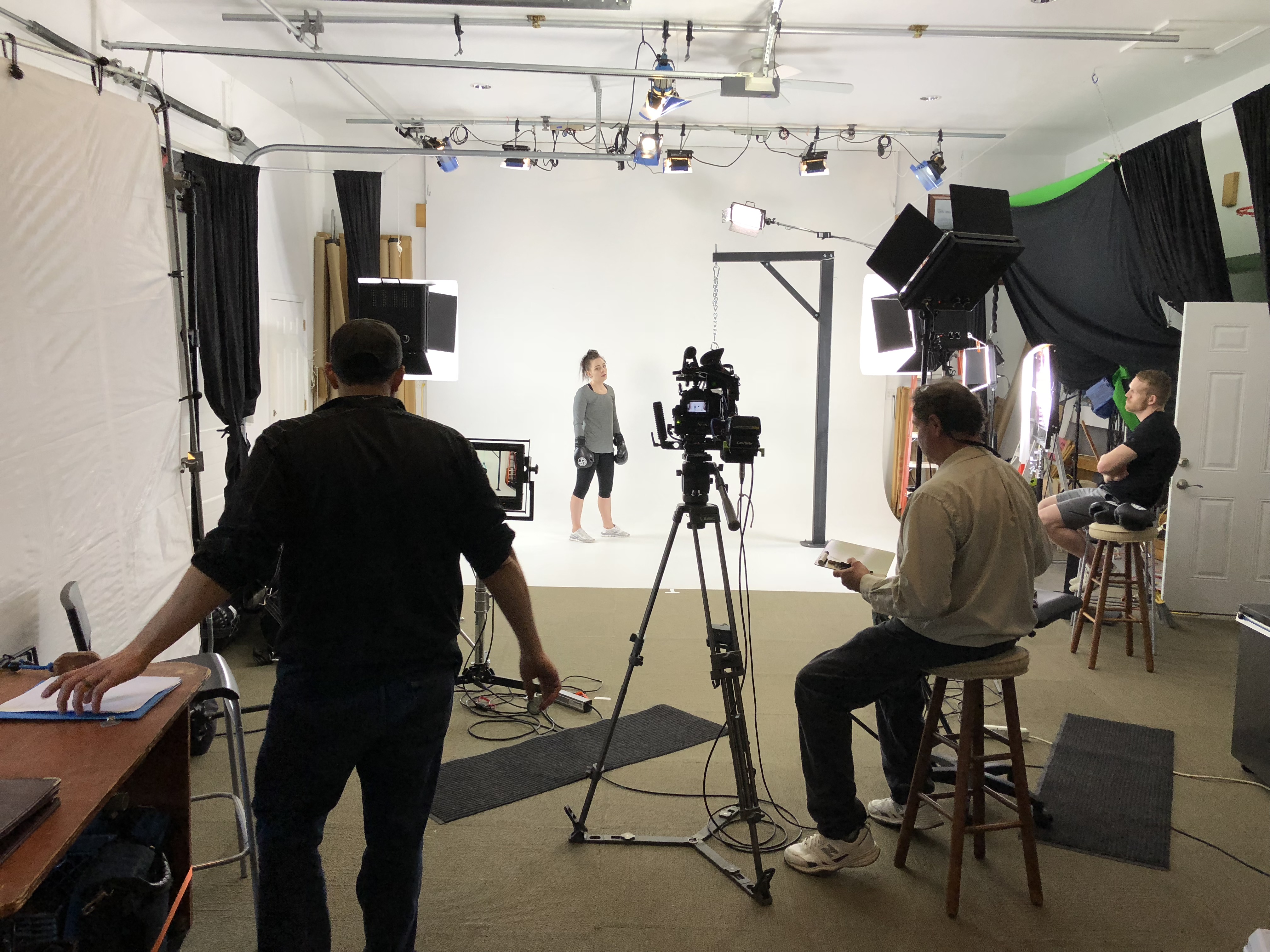
Our private studio lighting and visual setup is ideal for small productions and interview scenes, and our studio has room for props and set elements to round out your set. We support every aspect of your production—from setting up a private, custom interview studio to supplying professional sound and camera operators and the right equipment—so your next video production is seamless and successful.

If your videos are getting slow views, you don’t necessarily need “more content.” You need smarter structure, stronger hooks, better proof, and edits built for how people actually watch. That’s exactly what we do.

314-604-6544

saintlouismostudios@gmail.com

Sound Matters: Common Audio Mistakes to Avoid in Video Production (and How to Prevent Them)

In the world of professional video production, stunning visuals are only half the story. Audio—clear, balanced, and intentional—is equally vital to the success of your message. Yet audio is one of the most overlooked elements in corporate and marketing videos. For decision makers overseeing photography and video production services, understanding common audio pitfalls can be the difference between a polished final product and one that feels unprofessional or untrustworthy.

Here’s a breakdown of the most common audio mistakes—and how to avoid them—based on decades of hands-on experience at St Louis Video Production Studio.


1. Relying on Built-in Camera Microphones

While convenient, built-in microphones are not designed for professional production. They often pick up ambient noise, echo, and inconsistent vocal levels. Using them results in flat, hollow audio that undermines even the most visually compelling footage.

Pro Tip: Always use external microphones—lavalier mics for interviews, shotgun mics for directional capture, and boom mics for larger setups. Match the mic to the scene and speaker’s environment.


2. Poor Room Acoustics

Recording in a room with hard surfaces and minimal sound treatment causes echoes and reverberations that can ruin dialogue clarity. This is especially problematic in high-ceiling offices, lobbies, or empty conference rooms.

Pro Tip: Choose locations thoughtfully. Use sound blankets, acoustic panels, rugs, or furniture to soften sound reflections. For studio interviews, work with a facility that offers controlled environments with proper acoustic treatment—like ours.


3. Ignoring Ambient Noise

HVAC systems, nearby traffic, fluorescent lights, and hallway chatter can bleed into your audio and distract your audience. These background noises are often hard to detect in real time but become glaringly obvious during post-production.

Pro Tip: Monitor with quality headphones during the shoot. Capture room tone (a minute of ambient silence) to help with audio matching later. In post, noise reduction software can help—but it’s not a magic fix.


4. Mismatched Audio Levels

Inconsistent audio levels between speakers, scenes, or transitions can create an uncomfortable viewing experience. If viewers constantly adjust the volume, engagement drops and your message loses impact.

Pro Tip: Use proper gain staging during recording. In post-production, apply normalization and compression to ensure consistent audio dynamics across the timeline.


5. Lack of Redundancy in Recording

Single-source recording leaves no safety net. If one mic fails or picks up interference, that footage could become unusable—costing both time and money.

Pro Tip: Always run a backup audio source. Dual-system recording—where sound is captured separately from video—provides higher-quality and failsafe options for editing.


6. Overprocessing in Post

Too much noise reduction, EQ, or reverb correction can strip out the richness of voice recordings and make speech sound unnatural or robotic.

Pro Tip: Start with clean source audio to reduce the need for excessive processing. When editing, prioritize subtlety—use parametric EQ and gentle noise reduction, preserving the natural tonal qualities of speech.


Why Audio Quality Impacts Viewer Trust

Viewers subconsciously equate poor audio with lack of professionalism. Whether it’s a brand video, interview testimonial, or product walkthrough, bad sound undermines credibility. In contrast, crisp and intentional audio elevates your message, communicates confidence, and drives engagement.


Partner with Audio Professionals Who Understand Production Value

At St Louis Video Production Studio, we know how critical great sound is to great storytelling. Our experienced crew uses professional-grade audio gear—lavalier, shotgun, and boom microphones, wireless systems, multichannel field recorders, and industry-standard post-production software—to ensure your sound is just as impactful as your visuals.

We are a full-service commercial photography and video production company with decades of experience delivering top-tier results. Our capabilities include:

  • Studio and location video and photography
  • Editing and post-production
  • Licensed drone pilots (including specialized indoor drones)
  • Custom interview studio setups with private lighting and sound control
  • Creative crew support for every aspect of production

We’re experts at repurposing your visual content across platforms and optimizing your brand’s reach with AI-enhanced editing workflows. Our private studio offers space for small set builds and interview scenes, and our team is adept with all modern file formats and media styles.

Since 1982, St Louis Video Production Studio has been the trusted partner for marketing firms, agencies, and businesses throughout the St. Louis area.

Ready to elevate your next production with pristine audio and compelling visuals? Let’s make your message resonate.

314-604-6544

saintlouismostudios@gmail.com

The Advantages of Working with a Video Production Studio for Your Corporate Training Materials

Discover the benefits of partnering with a professional video production studio for creating impactful corporate training materials.

Partnering with a video production studio for your corporate training materials offers numerous advantages.

In today’s fast-paced business environment, effective training is crucial for organizations to stay competitive and ensure the success of their employees. Corporate training materials play a vital role in conveying important information, teaching new skills, and engaging learners. While there are various mediums available for training content, video has emerged as one of the most powerful and engaging tools for corporate training.

To create high-quality training videos that captivate and educate your audience, it’s essential to collaborate with an experienced video production studio. In this article, we will explore the advantages of working with a video production studio for your corporate training materials and how it can enhance your business communication needs.

1. Professional Expertise

A reputable video production studio brings years of experience and expertise to the table. Their team of skilled professionals, including producers, directors, scriptwriters, videographers, and editors, have honed their craft through countless projects. They understand the nuances of storytelling, visual composition, and effective communication through video.

By leveraging their expertise, you can ensure that your corporate training materials are produced to the highest standards. A professional studio will guide you through the entire production process, from conceptualization to delivery, ensuring that your training videos align with your organization’s goals and objectives.

2. Quality Production Equipment

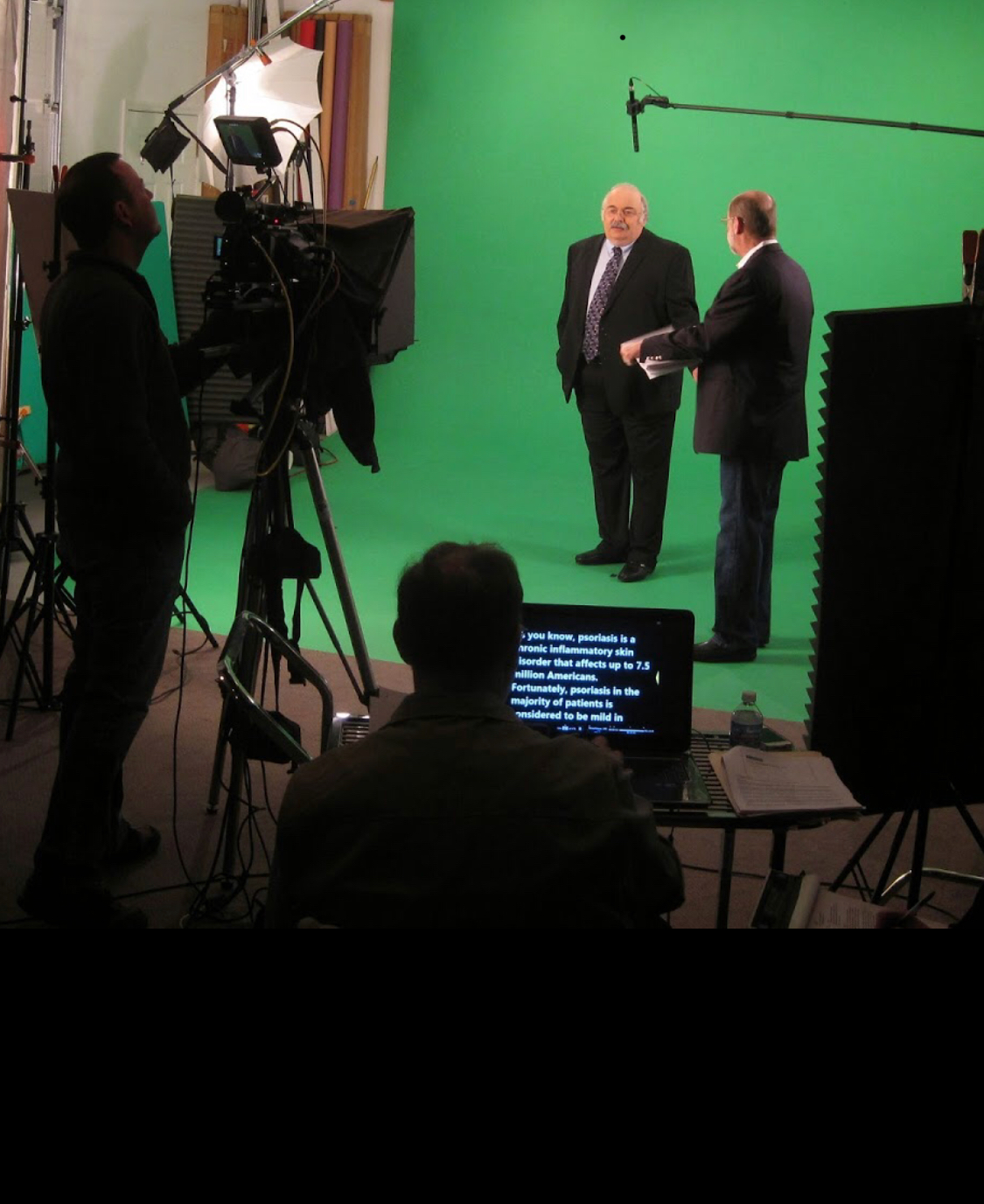
Creating high-quality videos requires specialized equipment and technology. Video production studios are equipped with state-of-the-art cameras, lighting setups, sound systems, and editing software. These tools enable them to capture and deliver visually stunning and well-produced training videos.

Partnering with a studio eliminates the need for you to invest in expensive equipment that may quickly become outdated. By entrusting your training material production to professionals, you gain access to cutting-edge technology without the hassle and cost of ownership.

3. Creative Concept Development

Developing a compelling concept and script is crucial for engaging your audience and effectively delivering your training content. Video production studios excel in creative concept development, leveraging their experience and creativity to craft unique and captivating ideas that align with your training objectives.

They will collaborate with you to understand your organization’s goals, target audience, and desired outcomes. Based on this understanding, they will develop a concept that effectively conveys your message while keeping your learners engaged and motivated.

4. Professional Talent and Actors

Engaging and relatable on-screen talent can significantly enhance the effectiveness of your training videos. Video production studios have access to a network of professional actors and talent who can bring your scripts to life.

These experienced individuals understand how to effectively communicate on camera, ensuring that your training material is delivered in a clear and engaging manner. They can portray various roles, such as trainers, employees, or customers, adding a realistic touch to your videos.

5. Efficient Production Process

Producing high-quality training videos requires a well-structured and efficient production process. Video production studios have the expertise to streamline the production workflow, ensuring that the project is completed on time and within budget.

Their process typically involves pre-production tasks like scriptwriting, storyboarding, and location scouting, followed by production tasks like shooting and directing, and finally post-production tasks like editing, sound design, and color grading. By entrusting your project to a professional studio, you can be confident that the entire process will be managed efficiently and smoothly.

6. Professional Editing and Post-Production

The editing and post-production phase is where the magic happens. Skilled video editors take the raw footage captured during production and transform it into a polished and cohesive final product. They apply various techniques, such as trimming, color correction, visual effects, and audio enhancements, to create a visually appealing and impactful training video.

Video production studios have a team of experienced editors who possess a deep understanding of the post-production process. They can bring your training videos to life by seamlessly weaving together the footage, graphics, animations, and sound elements. With their expertise, they can enhance the clarity, pacing, and overall impact of your training materials.

7. Customization and Brand Consistency

Maintaining brand consistency is essential for any organization. Video production studios understand the importance of aligning your training videos with your brand identity. They can incorporate your brand elements, such as logos, colors, and fonts, into the videos to create a cohesive and recognizable visual identity.

Additionally, studios can tailor the style and tone of the training videos to match your organization’s culture and values. Whether you prefer a formal and professional approach or a more casual and engaging tone, they can adapt their production techniques to meet your specific needs.

8. Versatile Delivery Options

A professional video production studio can offer versatile delivery options for your corporate training materials. Whether you need videos for in-person training sessions, online courses, or mobile learning platforms, they can format and optimize the videos accordingly.

They can provide you with various file formats, resolutions, and aspect ratios to ensure compatibility with different devices and platforms. This flexibility allows you to reach your learners effectively, regardless of their location or preferred mode of training.

9. Experience in Various Training Formats

Video production studios have extensive experience in creating training materials for various formats. Whether you need live-action videos, animated explainer videos, product demonstrations, or interactive simulations, they can cater to your specific requirements.

Their expertise in different training formats allows them to recommend the most effective approach based on your content and learning objectives. They can suggest creative solutions to make complex topics more understandable and engaging for your audience.

How St Louis Video Production Studio Can Help

At St Louis Video Production Studio, we have established ourselves as trusted video production specialists in the St. Louis area. With our wealth of experience, state-of-the-art equipment, and dedicated team, we can assist you with all your video production needs, whether in-studio or on location.

Our experienced professionals will work closely with you to understand your training goals, target audience, and desired outcomes. We will develop a creative concept that aligns with your objectives and produces high-quality training materials that effectively communicate your message.

From scriptwriting to post-production, our team will ensure that every aspect of your training videos is handled with precision and care. We will incorporate your brand elements to maintain consistency and create customized videos that reflect your organization’s identity.

Our versatile delivery options cater to different training formats and platforms, allowing you to reach your learners effectively, no matter where they are. Whether you need videos for employee onboarding, sales training, compliance programs, or any other corporate training needs, we have the expertise to deliver exceptional results.

In conclusion, partnering with a video production studio for your corporate training materials offers numerous advantages. You benefit from their professional expertise, quality production equipment, creative concept development, and efficient production process. Moreover, you can ensure brand consistency, leverage versatile delivery options, and tap into their experience across various training formats.

Contact St Louis Video Production Studio today to discover how our expertise can elevate your business communication through impactful and engaging corporate training materials. Let us help you empower your workforce and achieve your training objectives with the power of video.

314-604-6544

Rob Haller
saintlouismostudios@gmail.com