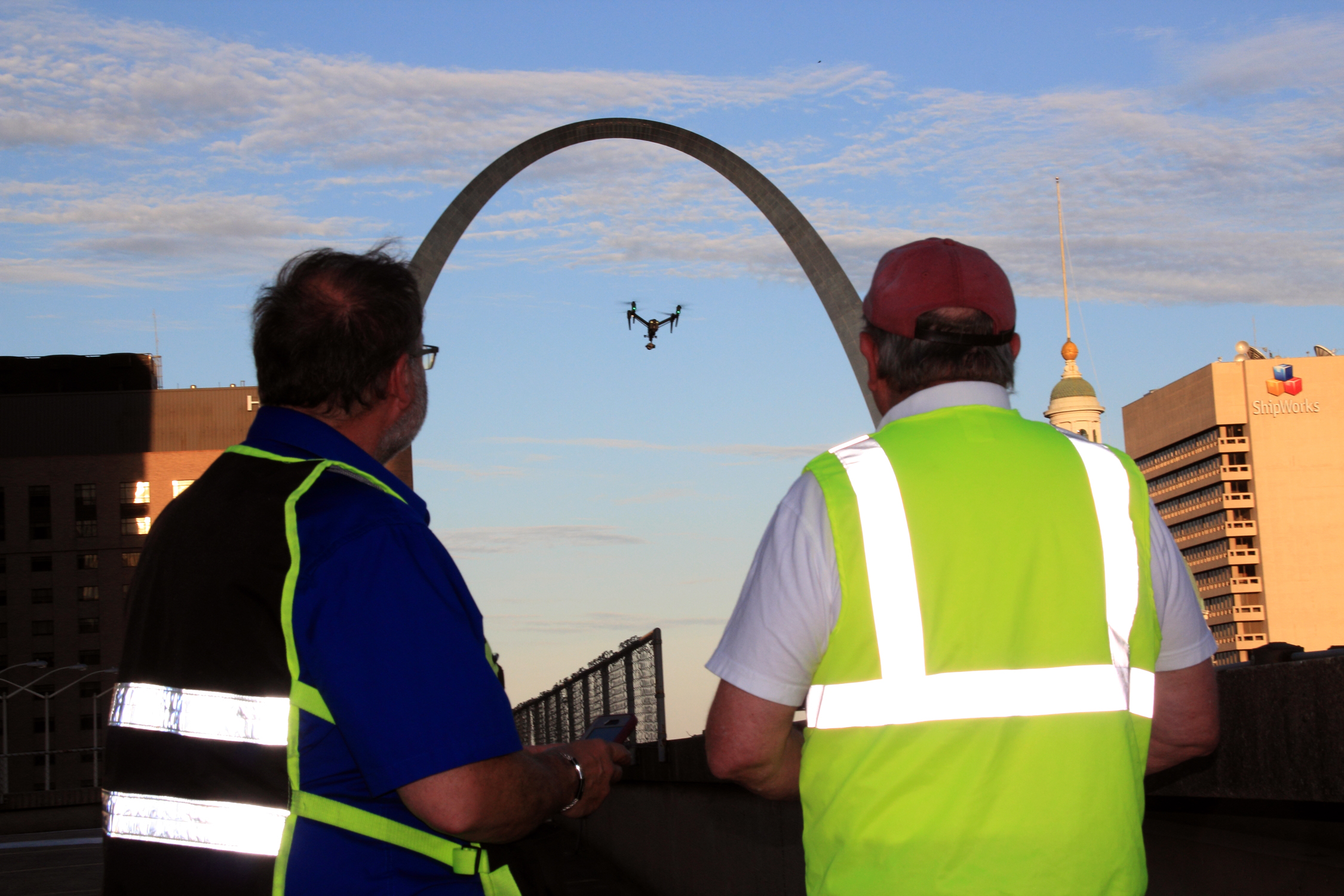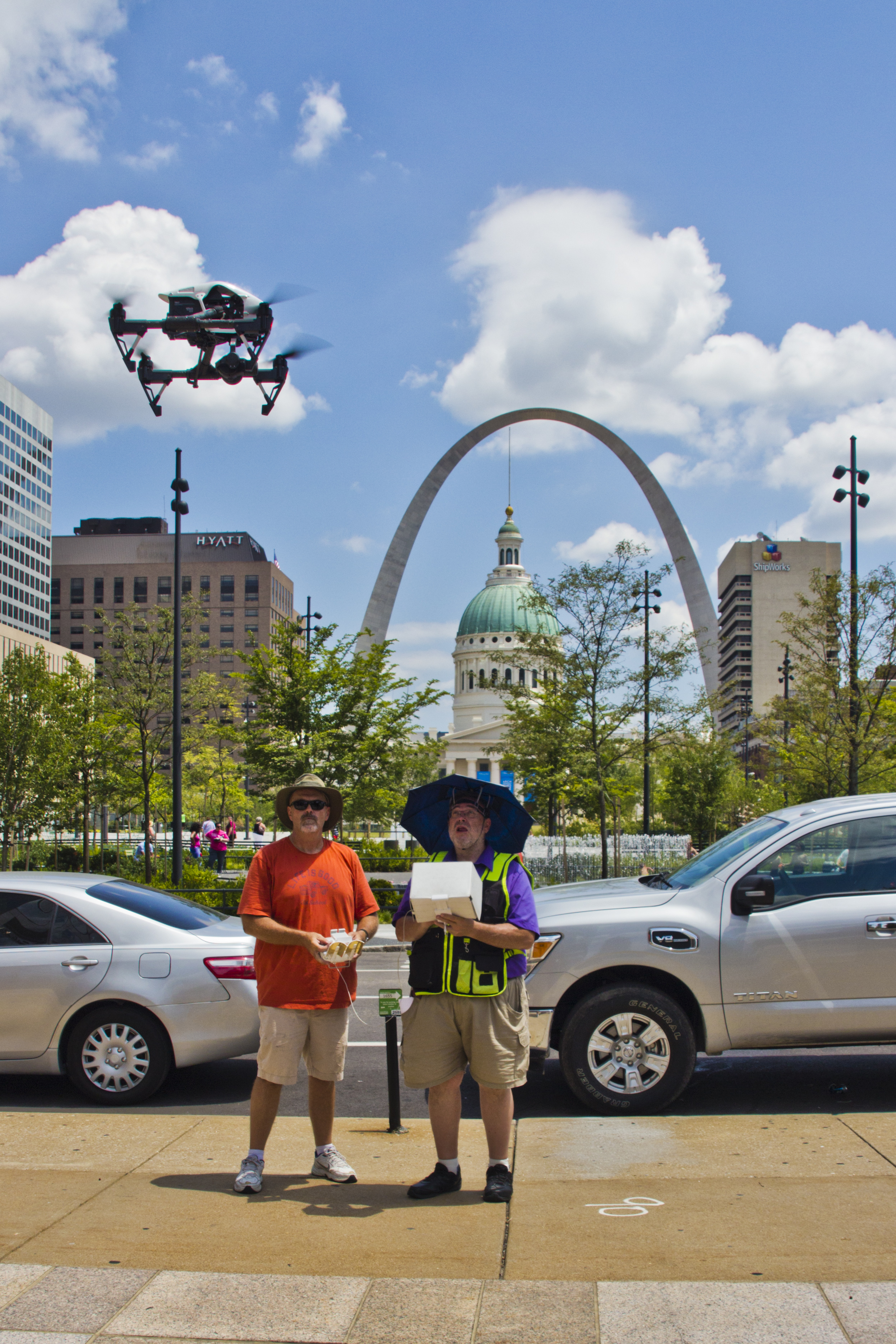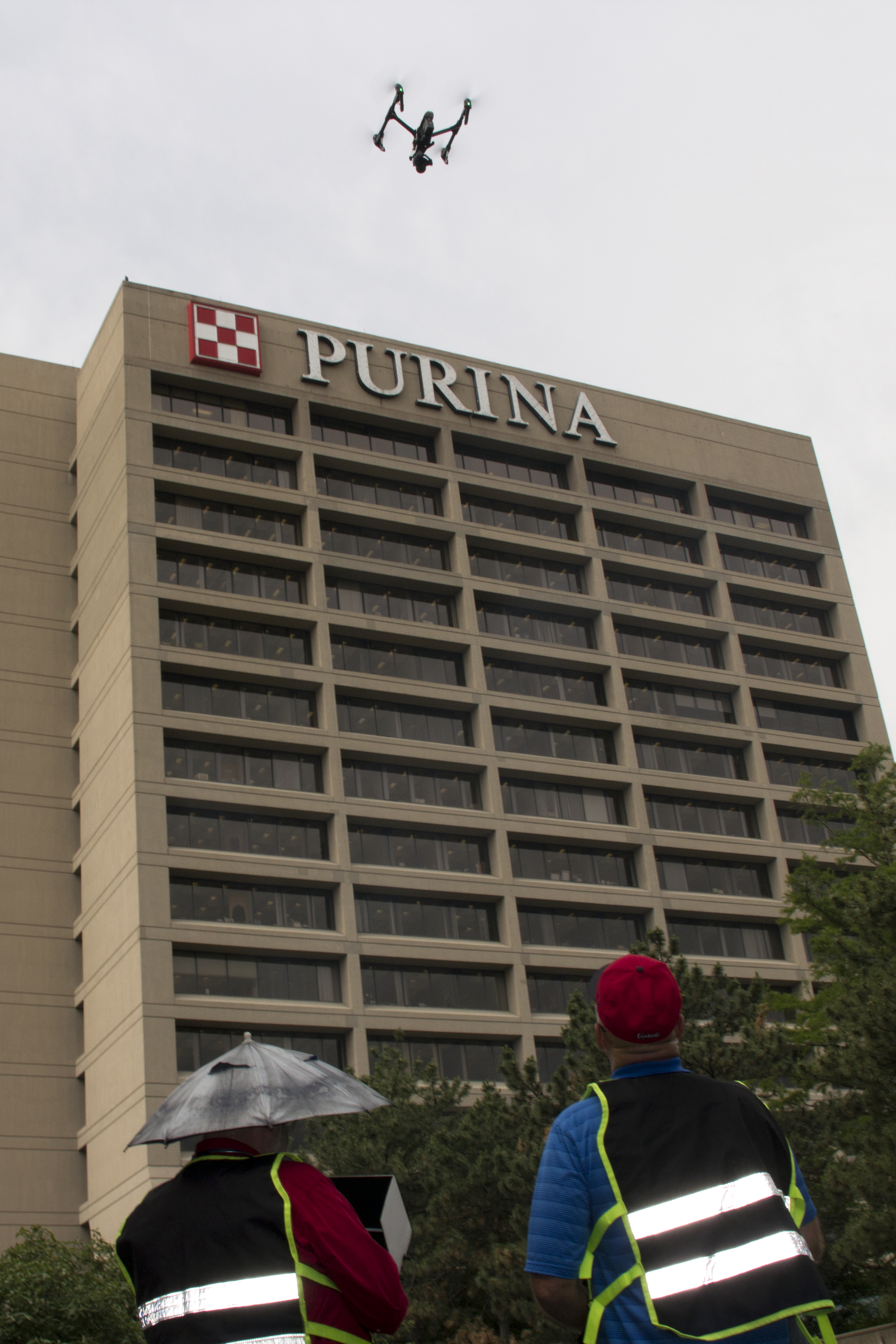
Tag Archives: technology

Drones for Thermal and LiDAR in St. Louis

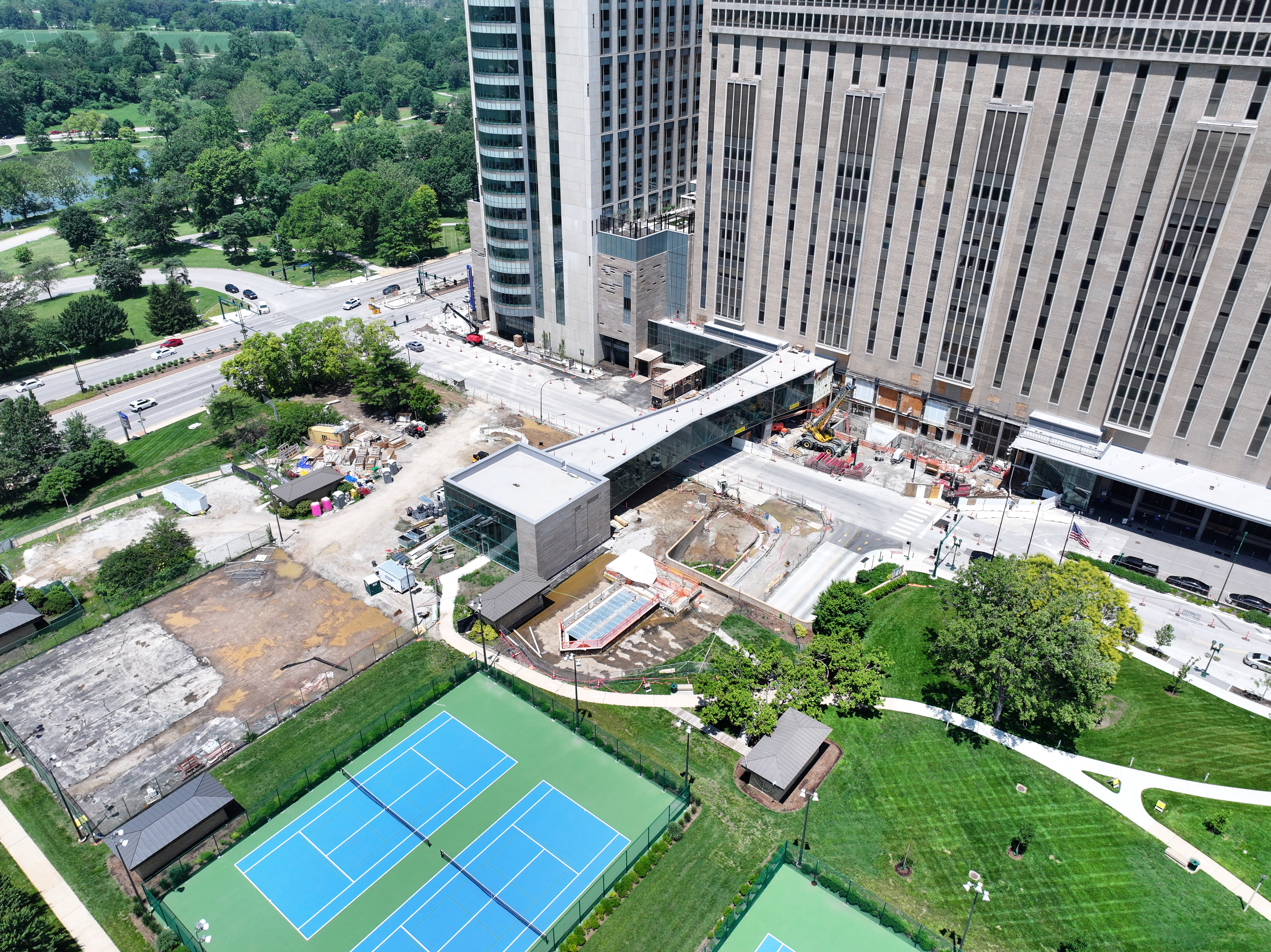
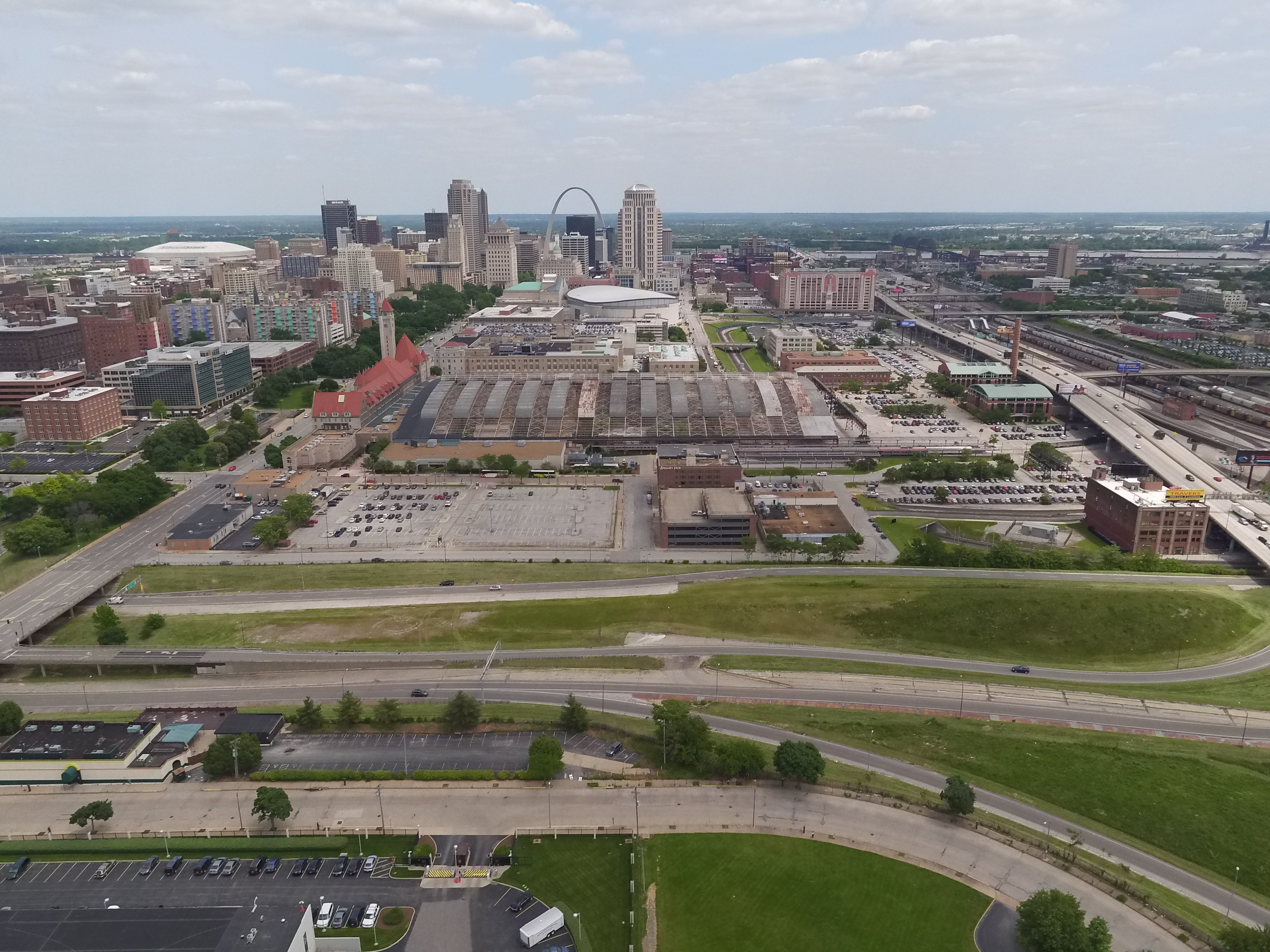
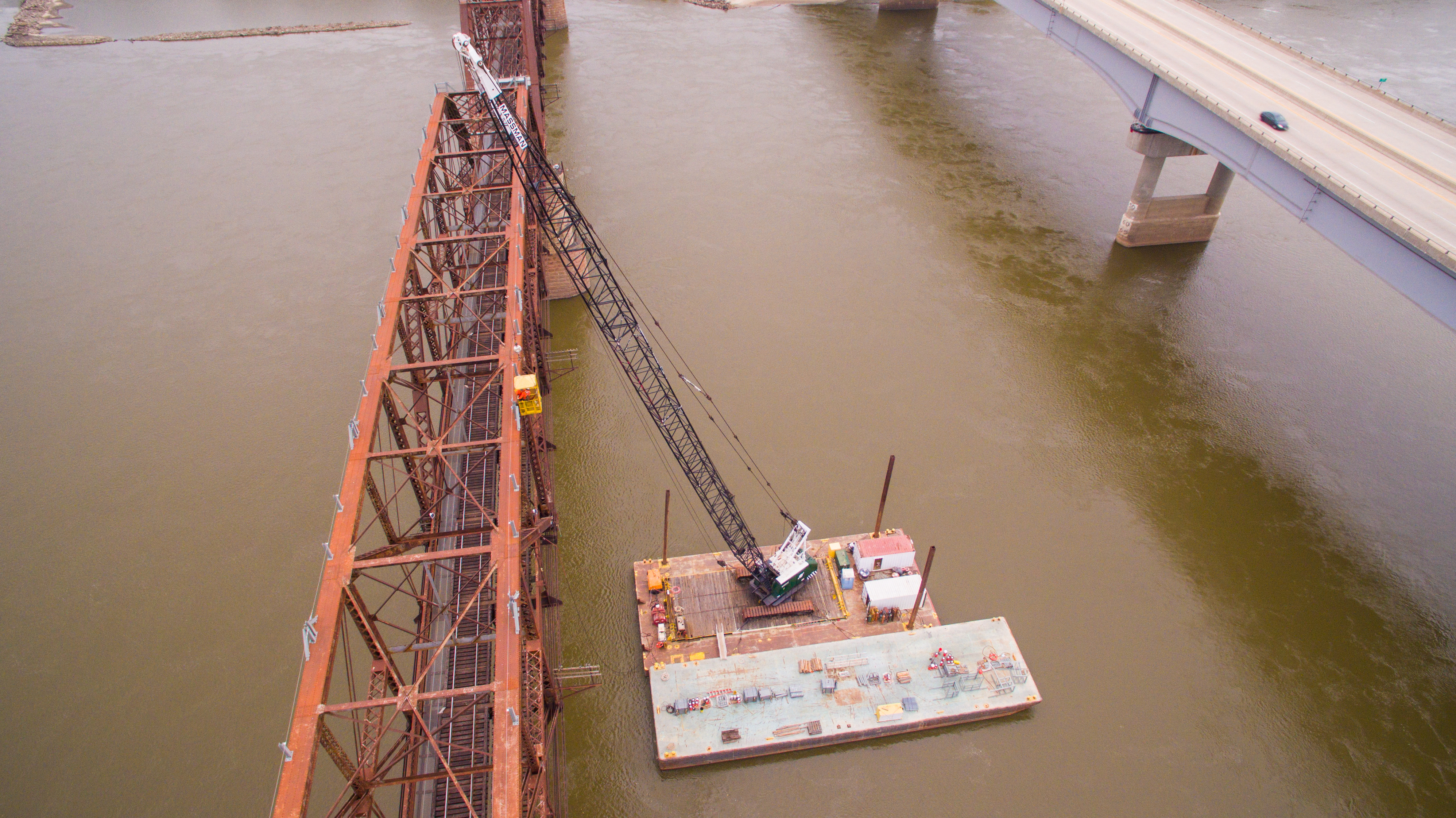
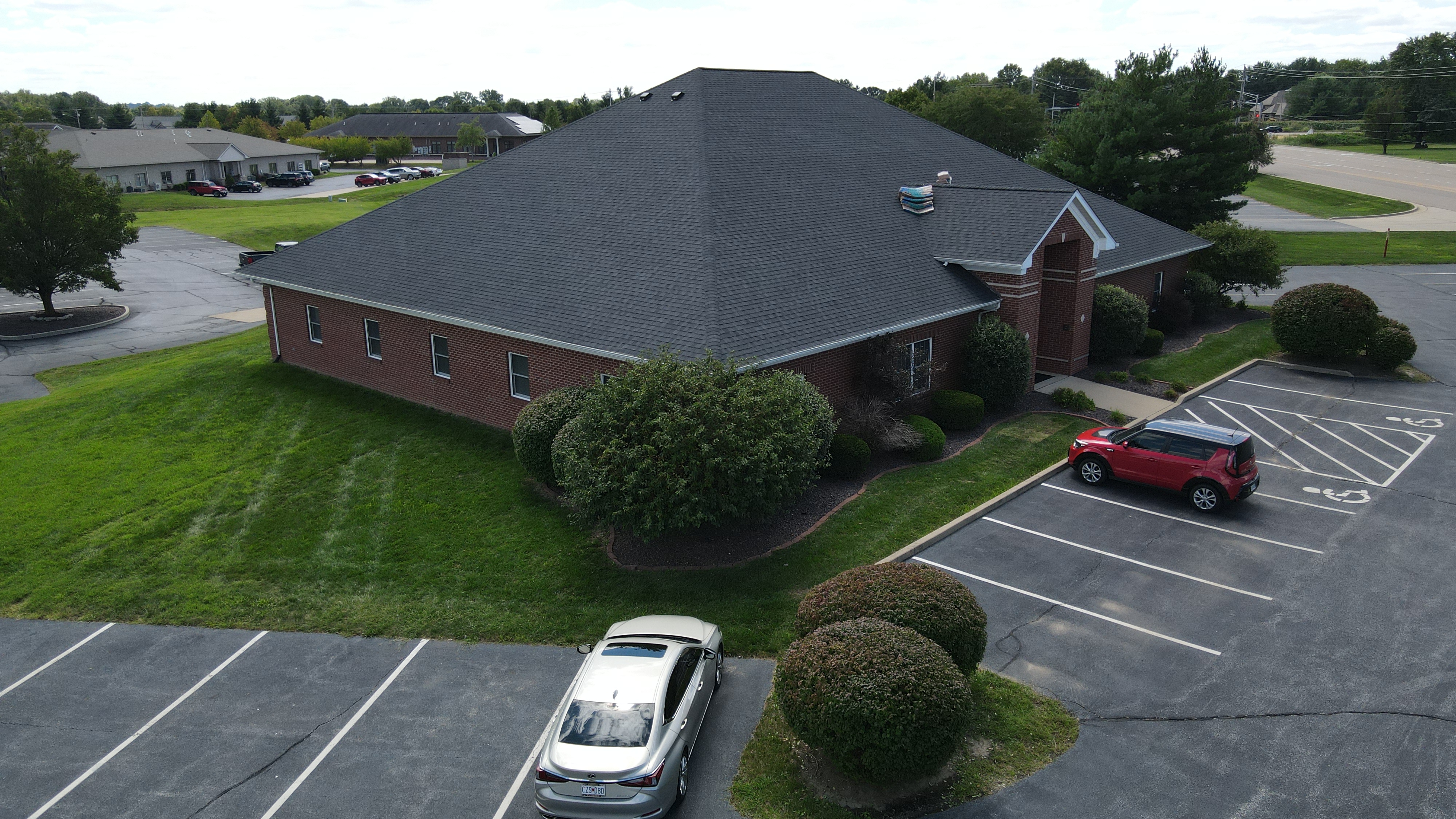
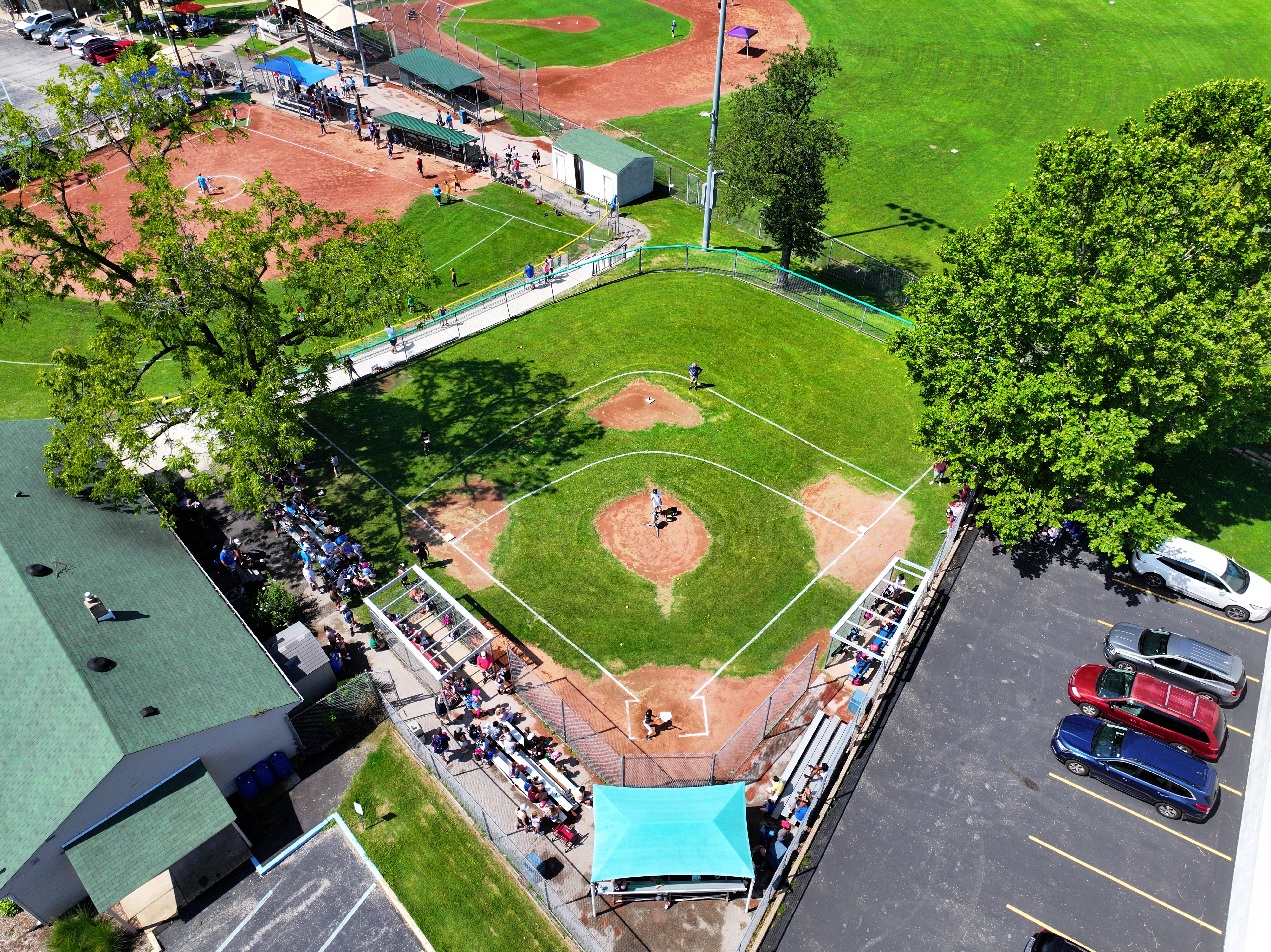
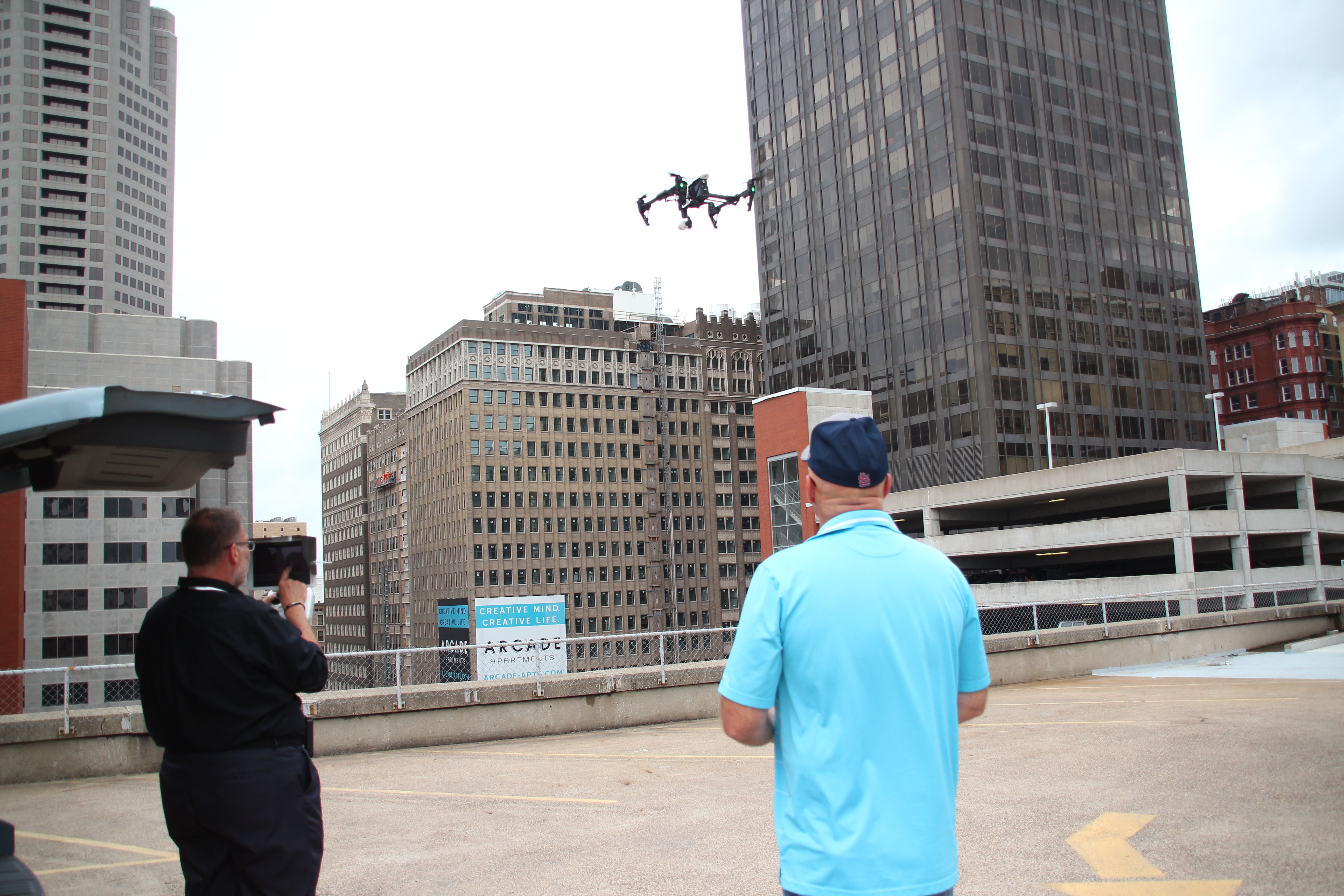
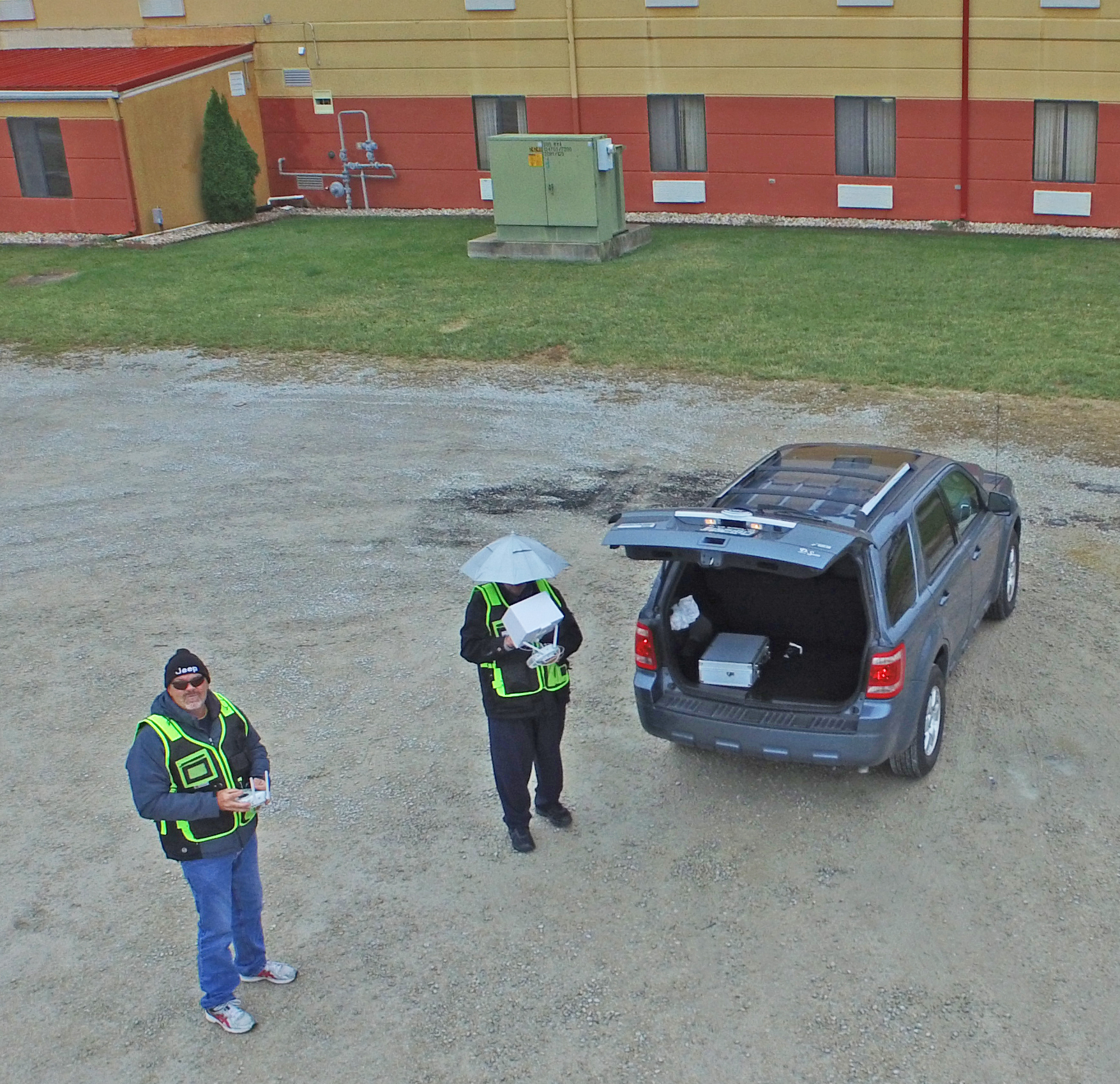
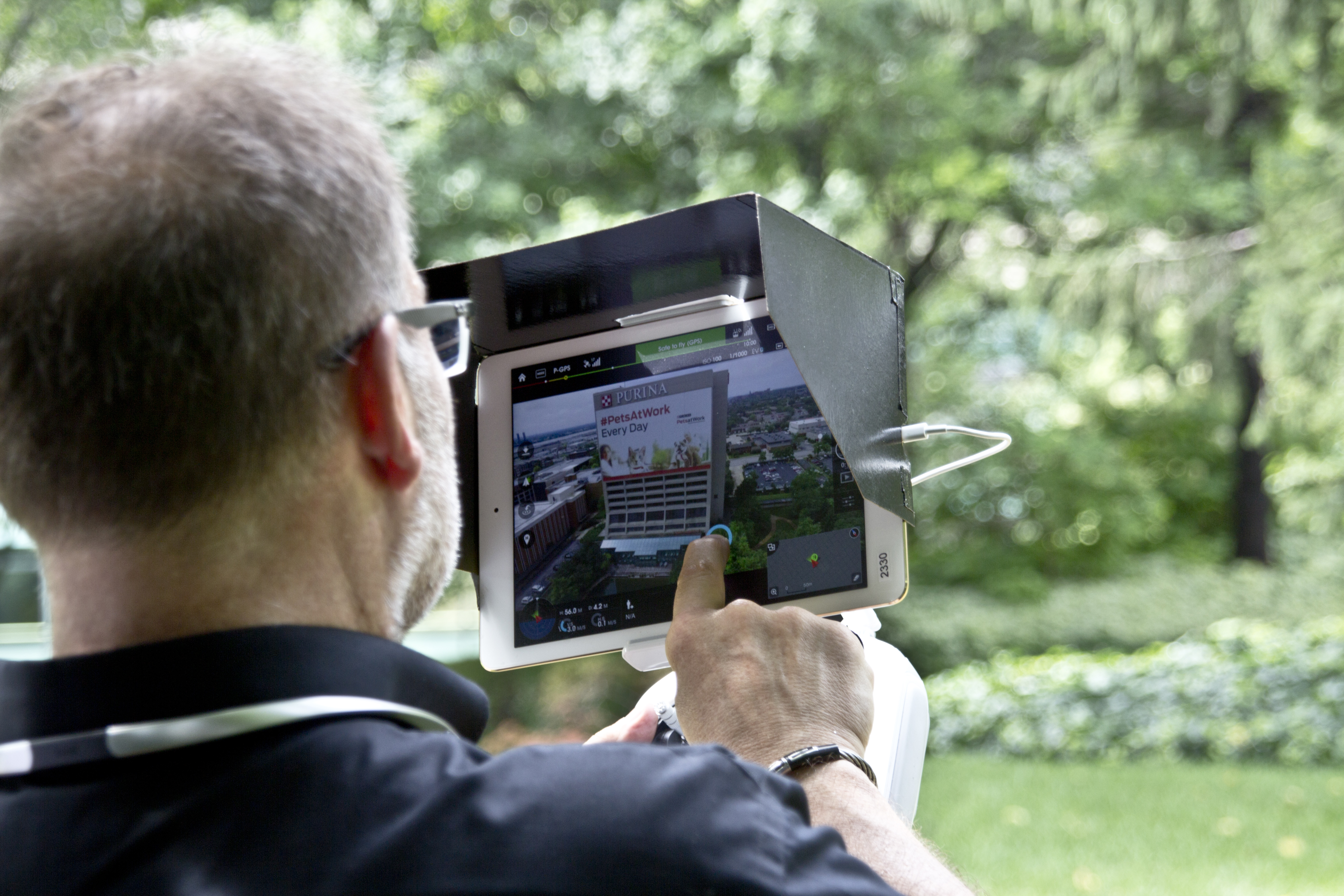
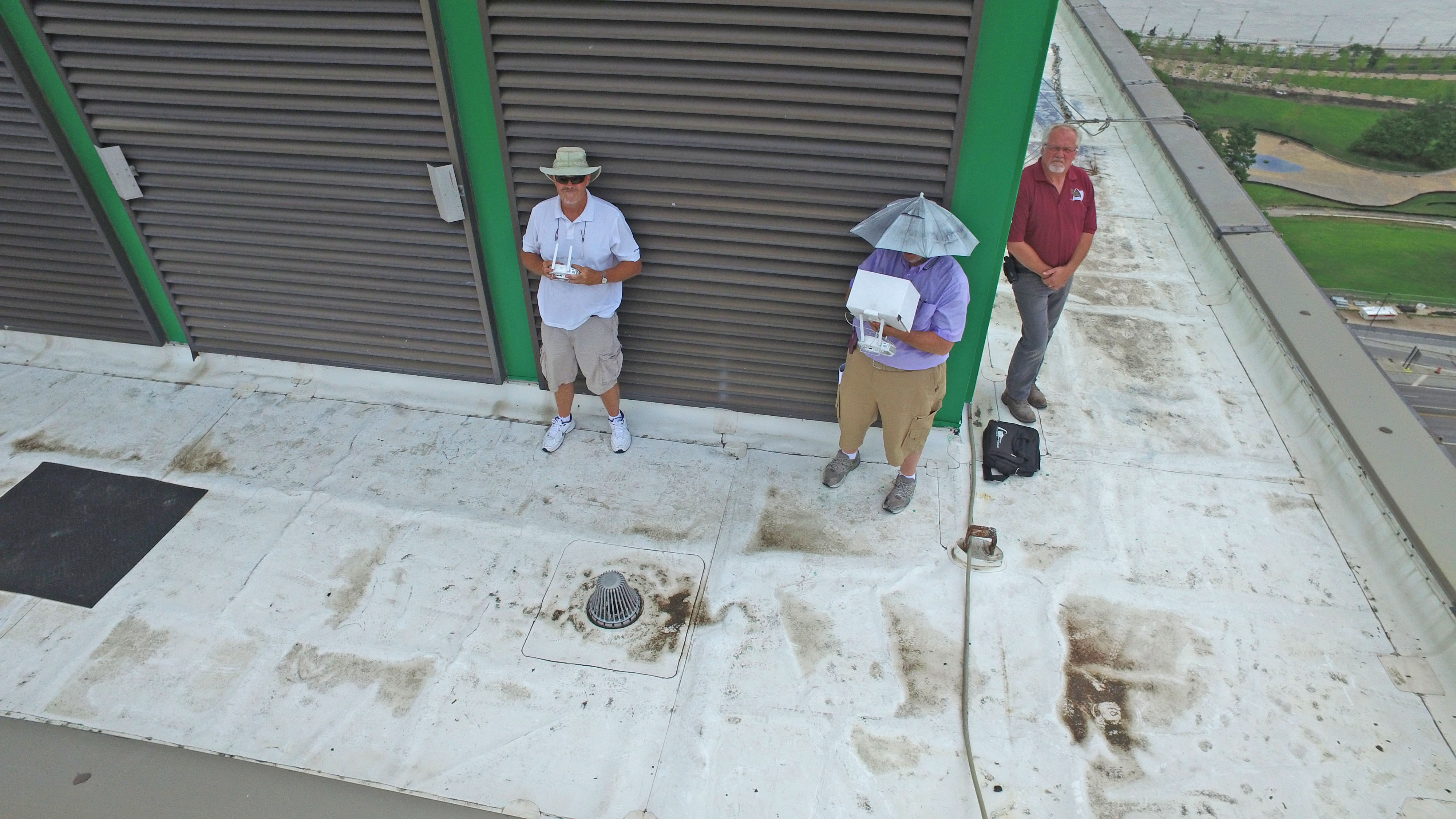
For businesses and organizations that manage buildings, land, infrastructure, industrial sites, and construction assets, drones have become far more than a visual content tool. They are now practical data-collection platforms that can reveal heat loss, moisture intrusion, roof anomalies, site conditions, elevation changes, surface measurements, and terrain detail with a speed and perspective that traditional ground-based methods often cannot match. In St. Louis, where commercial properties, industrial facilities, transportation corridors, utility infrastructure, and active development sites all present unique inspection and documentation demands, thermal and LiDAR drone services have become increasingly valuable.

For decision makers in marketing, operations, facilities, engineering, construction, and communications, understanding the difference between standard aerial imaging and advanced thermal and LiDAR drone capture is important. While conventional drone photography is excellent for visual storytelling, branding, progress images, and promotional media, thermal and LiDAR services produce a more specialized layer of information. They can help organizations identify issues, document conditions, improve planning, support maintenance decisions, and create visual assets that are both technically useful and strategically marketable.

Why Thermal and LiDAR Drones Matter

Most organizations are already familiar with the value of aerial video and photography. Aerial footage helps show property scale, site layout, access routes, surrounding development, and overall visual context. Thermal and LiDAR drones take that value much further by gathering information the naked eye cannot reliably detect.

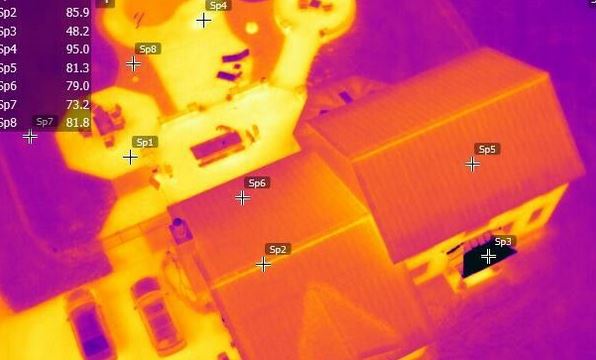
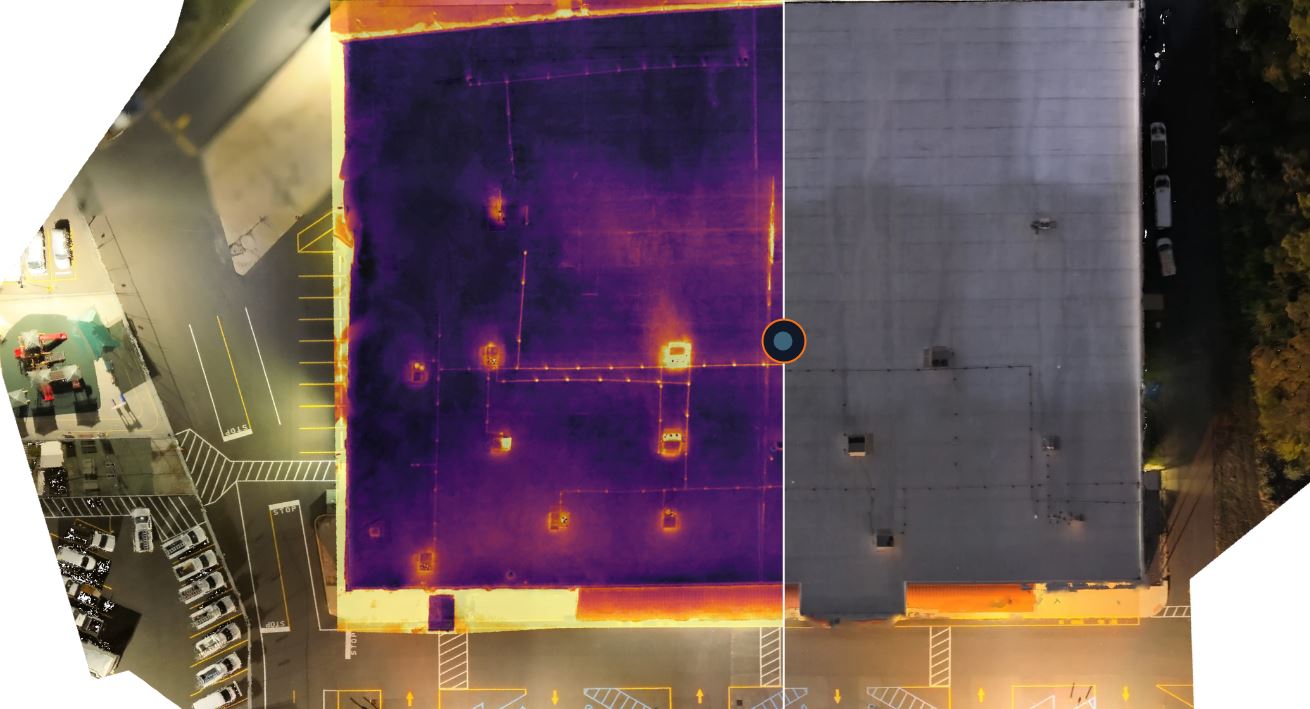
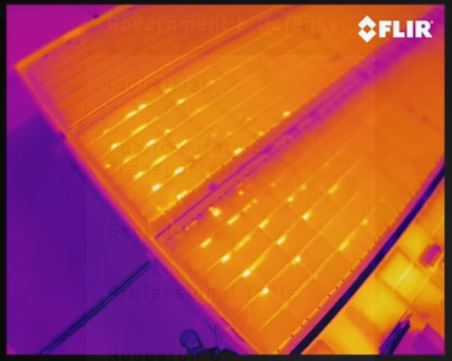
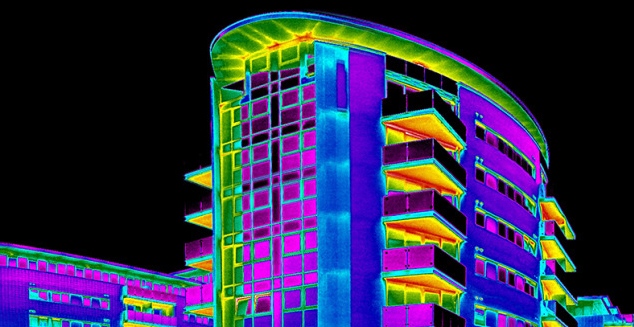
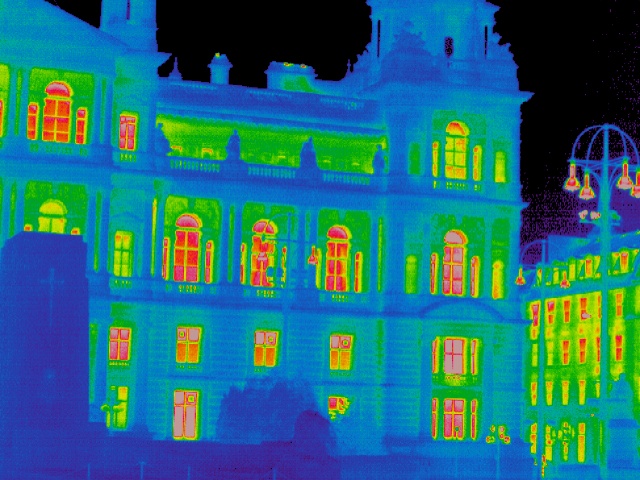
Thermal drones use infrared sensors to detect surface temperature differences. These differences can reveal conditions that are otherwise hidden in standard imagery, such as trapped moisture, insulation problems, overheating equipment, electrical anomalies, energy loss, and other heat-related inconsistencies. For many commercial and industrial applications, thermal imaging adds a diagnostic layer that can make drone operations far more useful than simple visual capture alone.

LiDAR, by contrast, uses laser pulses to measure distance and produce precise three-dimensional point cloud data. This allows teams to document terrain, structures, elevation, slopes, vegetation penetration, and spatial relationships with a level of detail that is highly valuable for mapping, modeling, planning, engineering, and site analysis. In environments where traditional photogrammetry may struggle, especially around vegetation, irregular surfaces, or demanding terrain conditions, LiDAR can offer a more dependable path to measurable spatial intelligence.

For businesses in the St. Louis region, that means drones are no longer just a way to get a better angle. They are a way to gather better information.

Thermal Drones for Commercial and Industrial Use

Thermal drone services are especially valuable when an organization needs to identify temperature-related patterns across large or difficult-to-access areas. In the St. Louis market, this can apply to commercial roofs, industrial facilities, manufacturing equipment, solar installations, utility assets, warehouses, institutional buildings, and expansive properties where manual inspection is time-consuming or potentially disruptive.

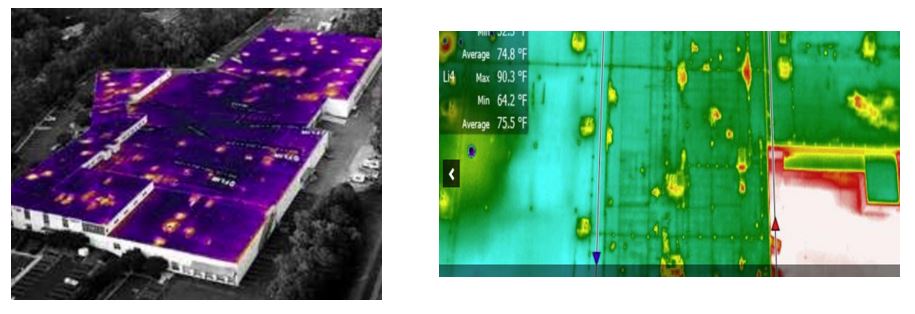
A thermal drone can help identify roof areas that may be retaining moisture beneath the membrane. It can help reveal uneven heat signatures that may point to insulation breakdown or other building-envelope concerns. It can support inspection efforts around HVAC performance, electrical components, and heat-producing systems. On industrial sites, it can assist in spotting abnormal heat behavior that may warrant closer review by facilities or maintenance personnel.

The value here is not simply in flying a drone with a thermal camera. The real value comes from collecting the imagery under the right conditions, with the right flight planning, timing, angle, and sensor interpretation strategy. Thermal work requires an understanding of surface behavior, environmental limitations, and the difference between useful data and misleading readings. Reflections, weather conditions, time of day, building materials, and operational variables all affect the final output. That is why organizations should work with experienced teams that understand both production quality and technical capture discipline.

Common Uses for Thermal Drone Services in St. Louis

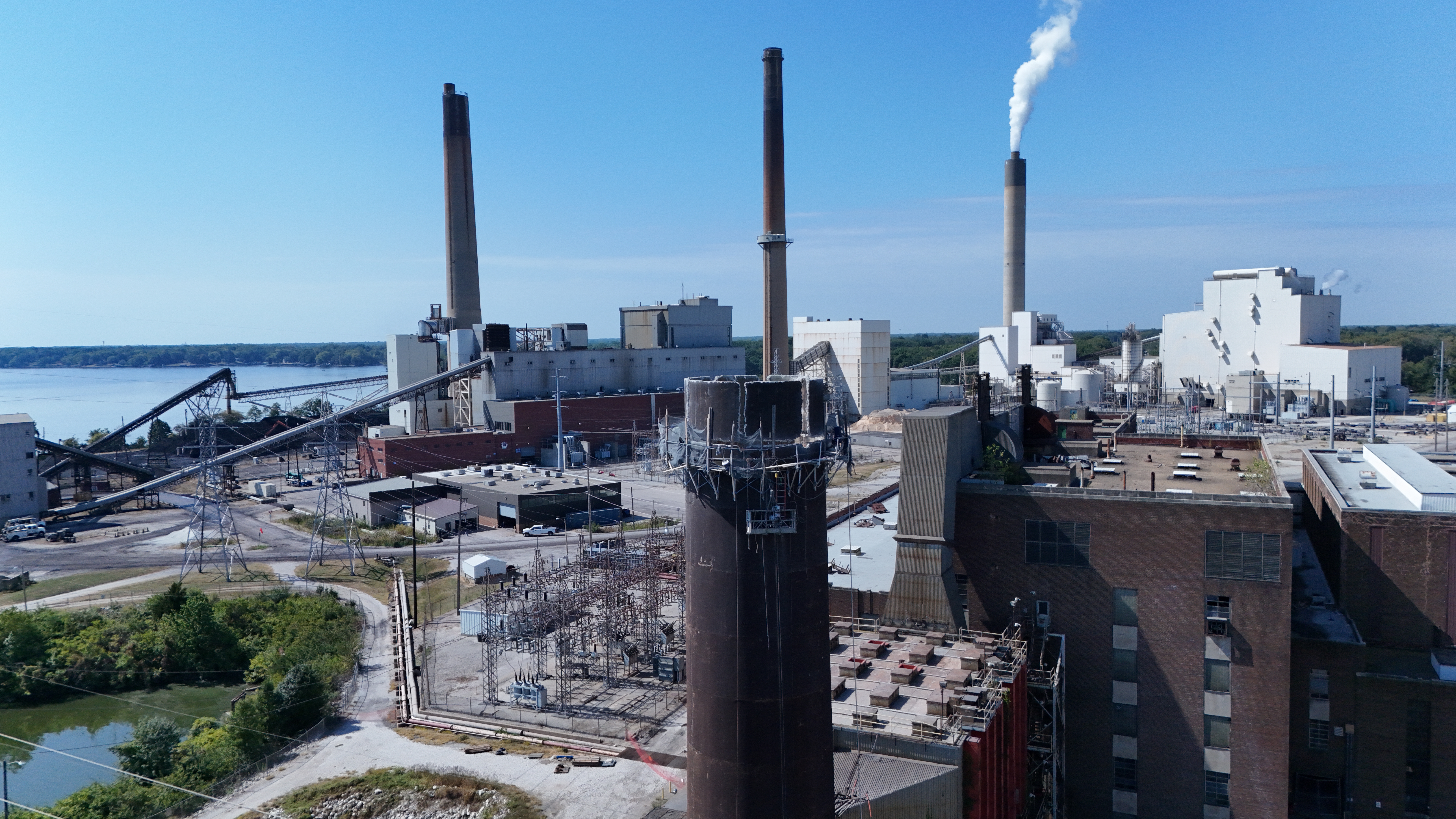
Thermal drone imaging can support a wide range of commercial applications. Roofing consultants and property managers can use it to assess large roof systems more efficiently. Facility managers can use it to help document energy-related concerns or identify unusual thermal signatures in large structures. Industrial operators may use it to review equipment zones, monitor heat concentration areas, or support preventive maintenance planning. Schools, hospitals, municipalities, and institutions can benefit from aerial thermal documentation for campuses, infrastructure, and large building footprints.
There is also value in the communication side of thermal imaging. Decision makers often need to show boards, stakeholders, clients, investors, or maintenance teams why a condition matters. Thermal visuals can be far more persuasive than written notes alone. A cleanly produced thermal image sequence, combined with standard aerials, annotations, and edited deliverables, can help transform a technical finding into a more understandable visual presentation.

That matters because business decisions are often made faster when the issue is clearly seen.

LiDAR Drones and Why They Are Different

LiDAR is often discussed alongside photogrammetry, but the two are not the same. Photogrammetry typically uses overlapping photographs to reconstruct surfaces and generate 3D models. It is highly effective in many situations and is a powerful tool when conditions are favorable. LiDAR, however, actively emits laser pulses and measures their return, which allows it to capture spatial information with a different level of consistency in many demanding environments.

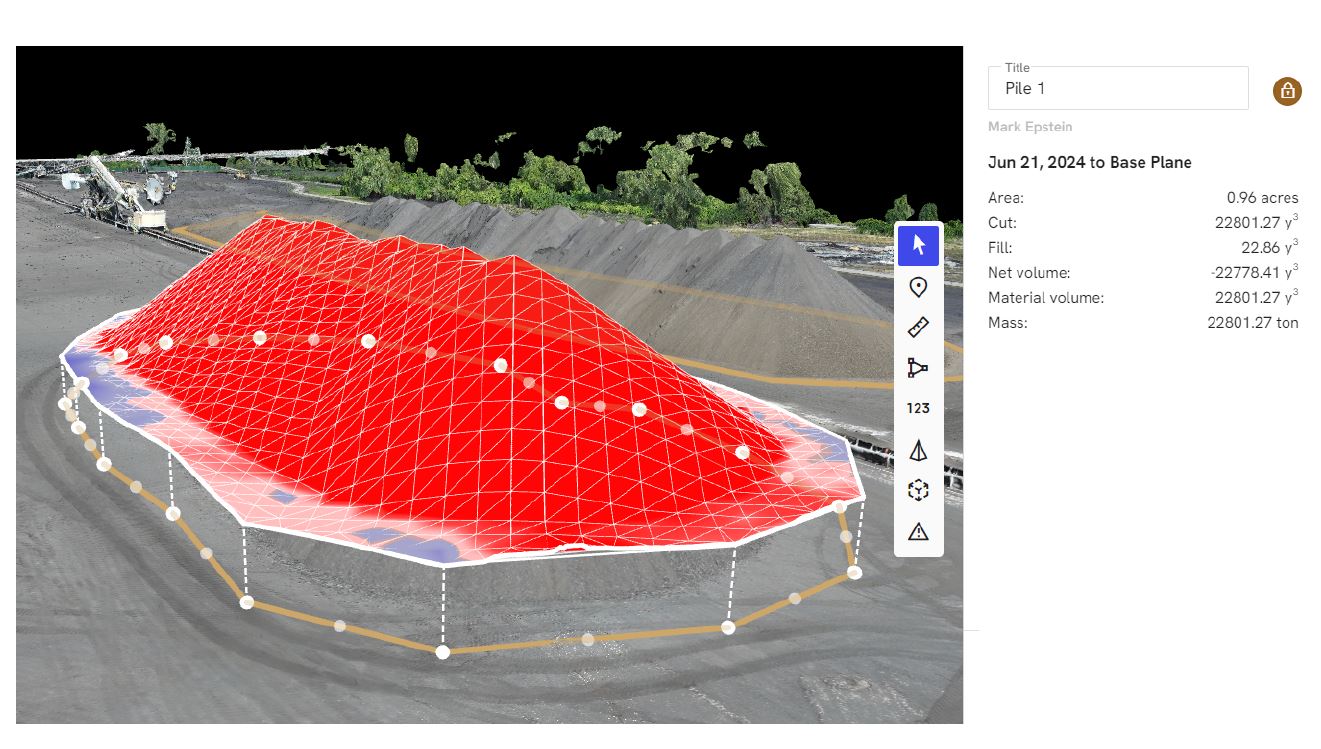
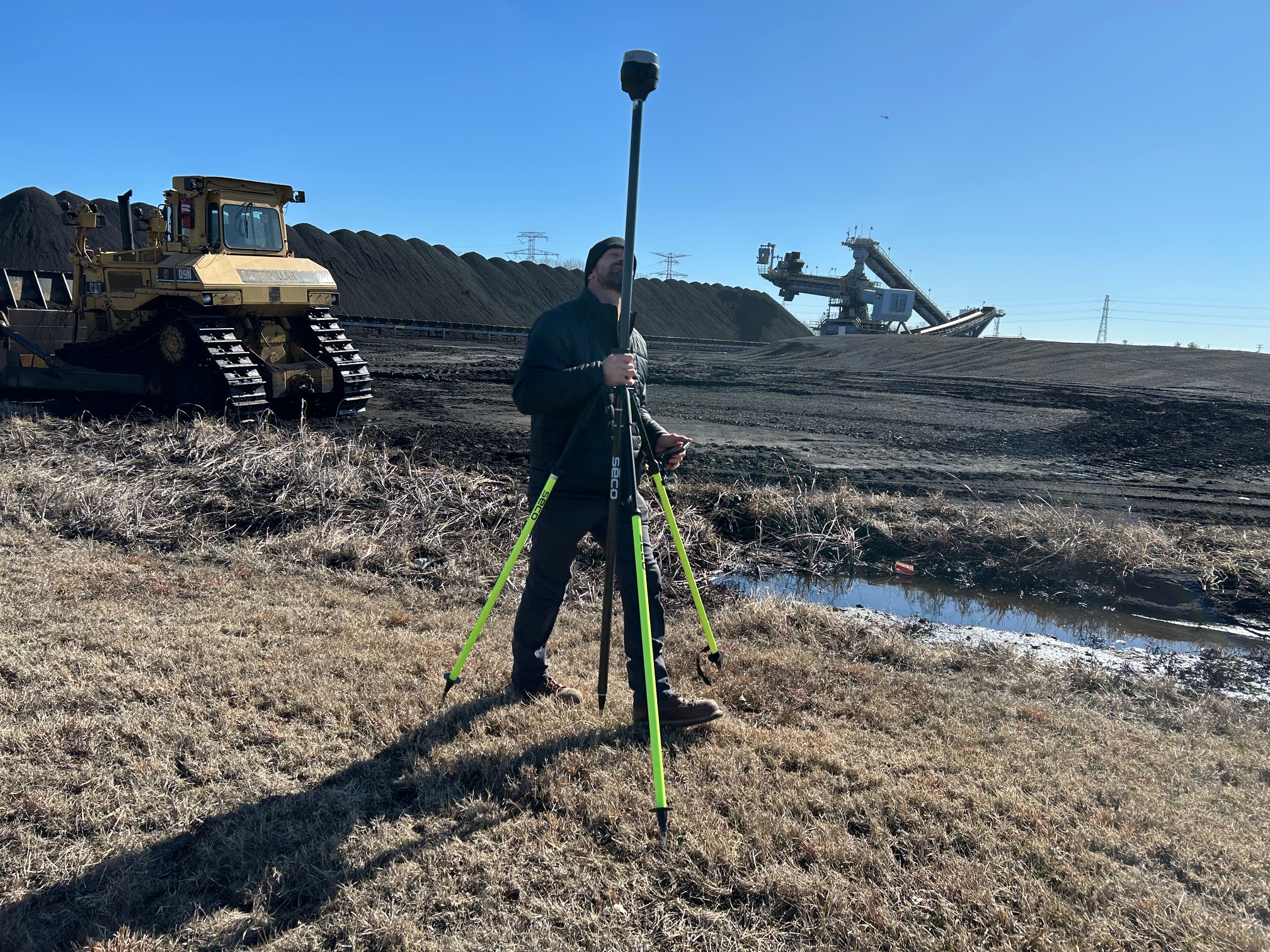
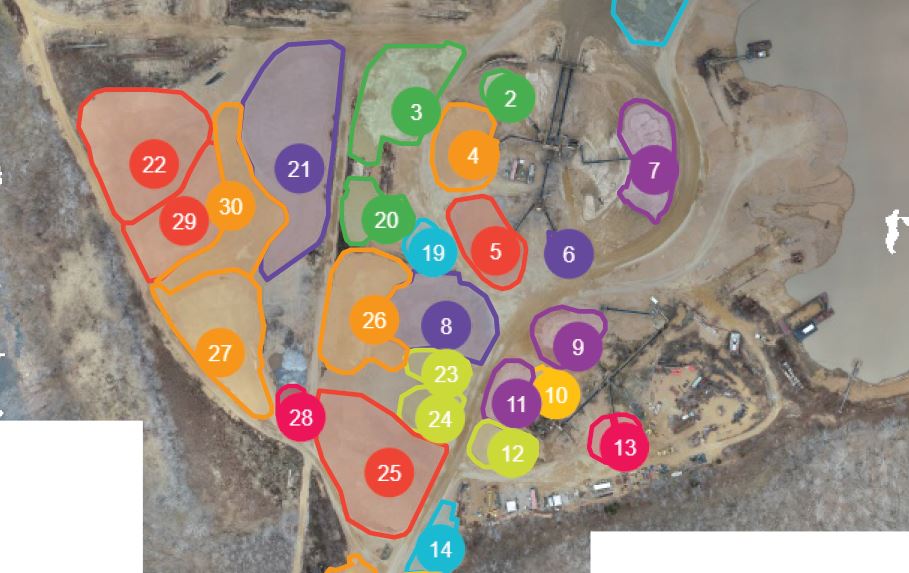
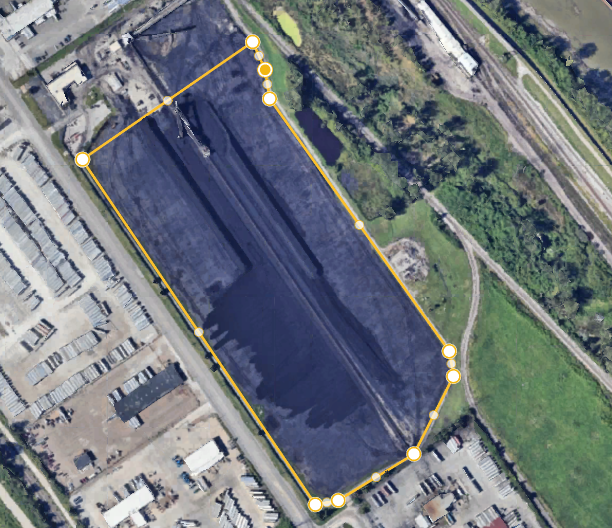
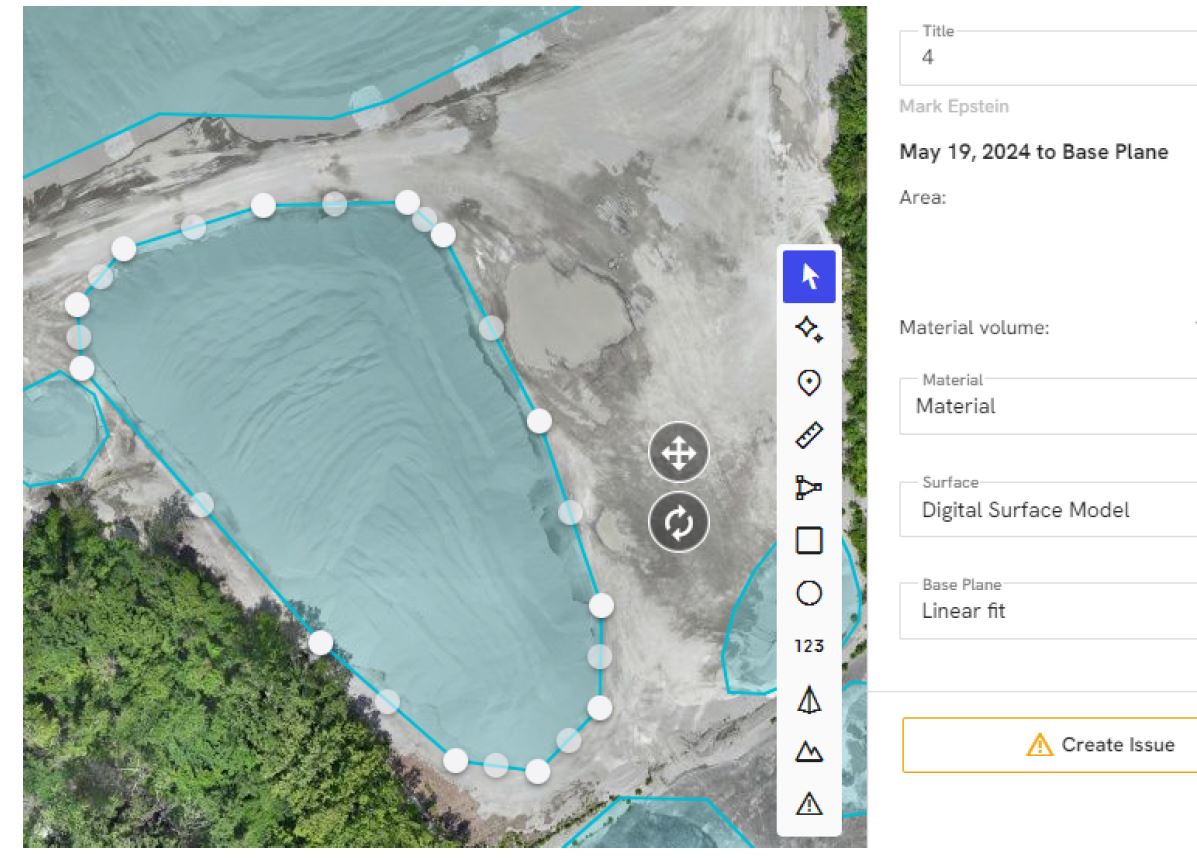
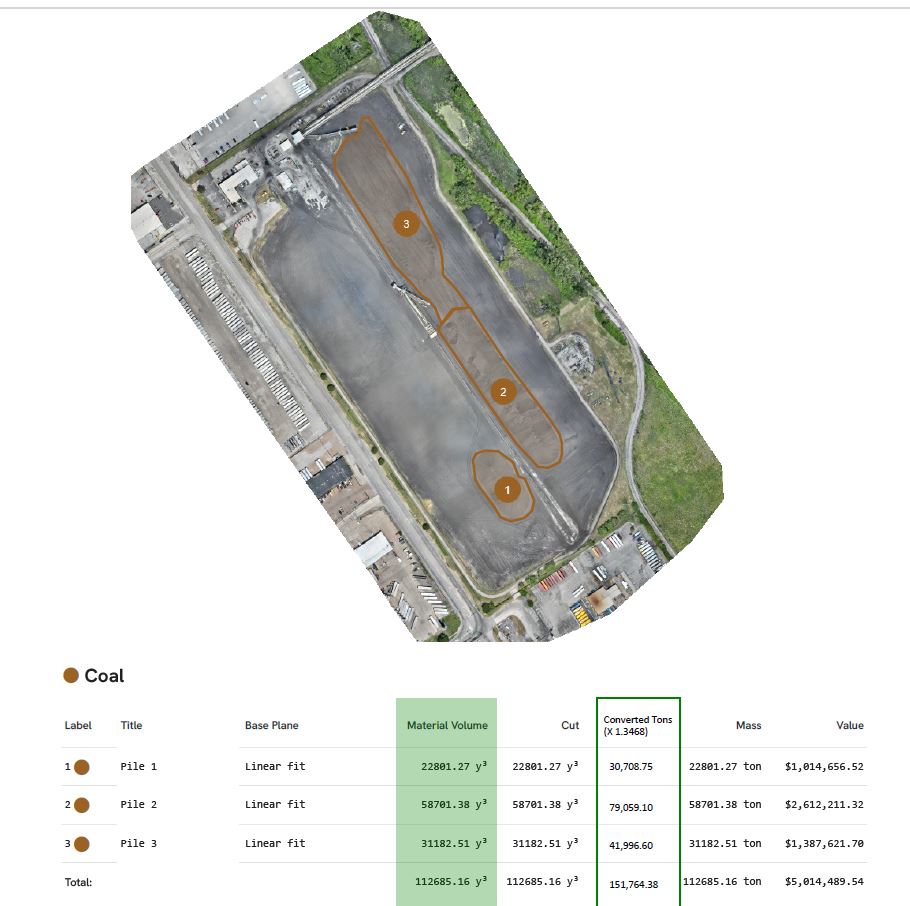
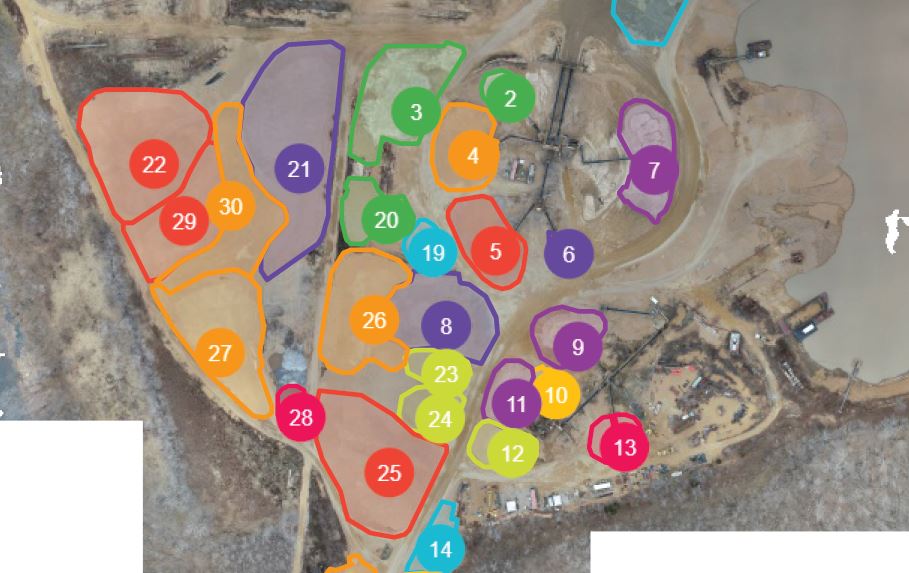
For construction sites, land-development teams, civil planners, engineers, and infrastructure stakeholders in St. Louis, LiDAR can support topographic documentation, corridor mapping, grading analysis, stockpile measurement, route planning, and terrain modeling. It is especially useful where surface complexity, vegetation, or site scale make traditional documentation methods slower or less efficient.

LiDAR data can help organizations better understand the physical reality of a site before design, during construction, or after project completion. It can support decision-making with measurable outputs rather than broad visual impressions. That is particularly important when project teams need dependable terrain information, surface elevation data, or 3D spatial context to inform planning and reporting.

LiDAR Applications for St. Louis Businesses and Organizations

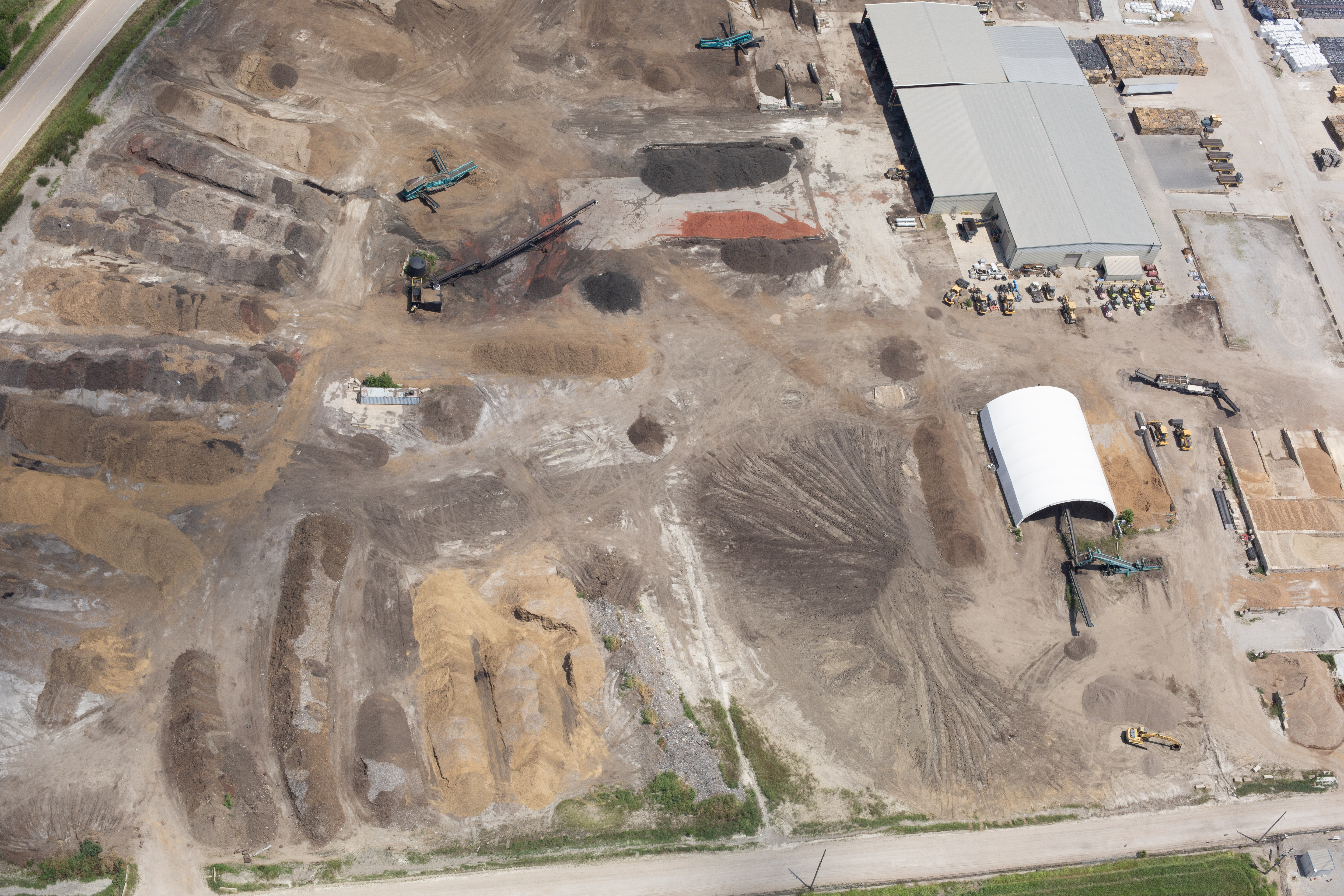
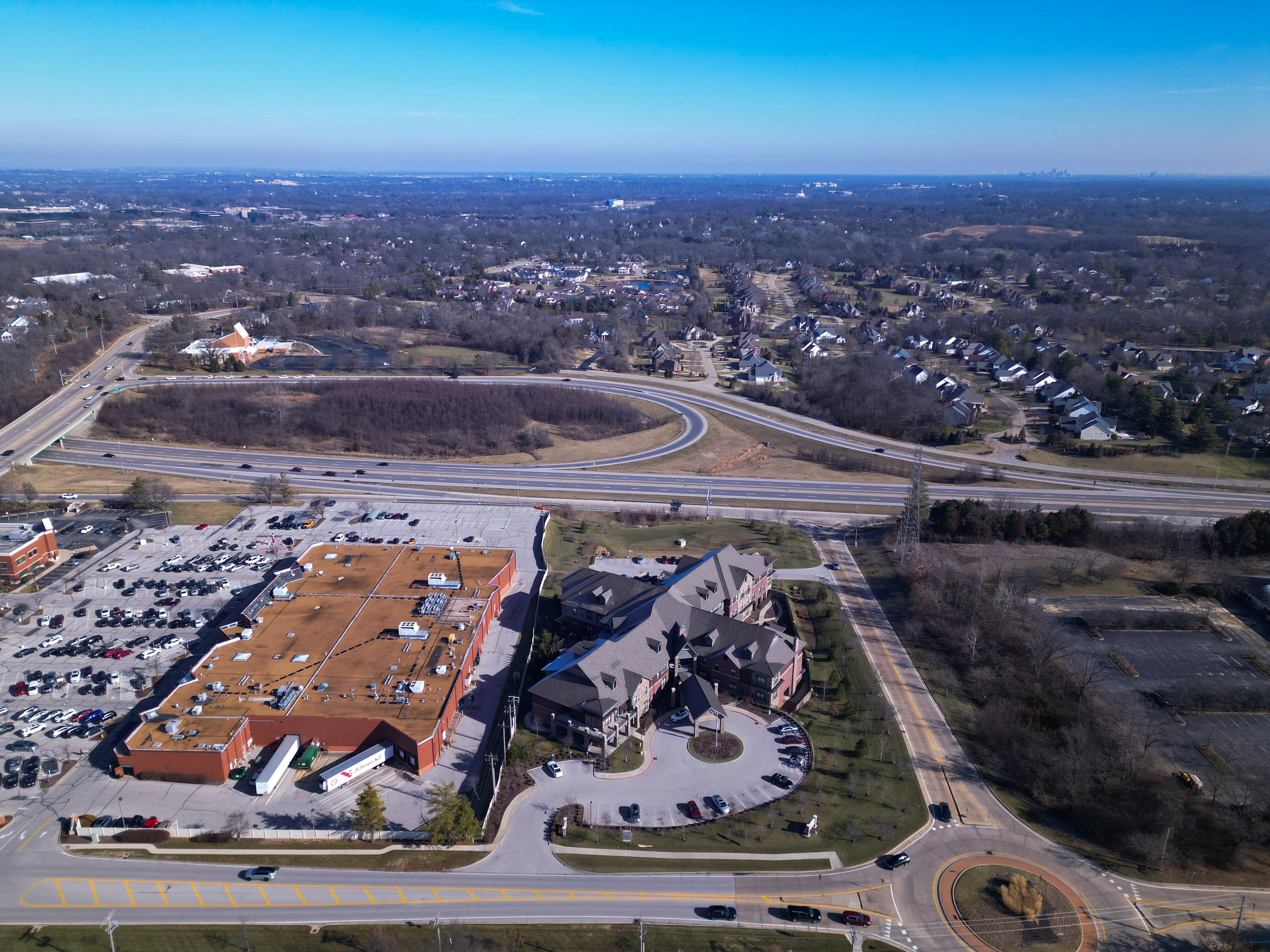
Across the St. Louis area, LiDAR drone services can serve construction firms, developers, engineering groups, municipalities, utility operators, industrial property owners, and organizations responsible for large land tracts or facilities. A construction team may need recurring site documentation to monitor grade progress, drainage paths, material movement, or staging changes. A municipality may need mapping support for infrastructure corridors or property analysis. A developer may want a clearer understanding of the site before planning improvements. Industrial operators may need measurable documentation of large outdoor properties, storage yards, or operational spaces.

LiDAR can also be extremely useful in producing visuals that serve more than one department. Operations may need the measurements. Engineering may need the terrain model. Marketing may need branded visual assets that show the project scale and technical sophistication. Leadership may need presentation-ready graphics that explain what is happening on the site. When the drone provider understands both technical acquisition and media production, the resulting deliverables can be much more useful across the organization.

That cross-functional value is one of the most overlooked advantages of professional drone work.

Thermal and LiDAR Are Not Just for Inspection Teams

A common mistake is to think of thermal and LiDAR drones only as engineering or maintenance tools. In reality, these services can also strengthen communications, business development, documentation, and brand positioning. For example, a company involved in construction, utilities, logistics, industrial services, commercial real estate, or facility management can use drone-collected thermal or LiDAR-supported visuals in proposals, case studies, presentations, website content, recruiting materials, investor communications, and internal reporting.
Today’s organizations need content that does more than look good. They need content that explains capability, proves process, and supports trust. Advanced drone imaging can help do that. A visually strong case study showing thermal roof analysis, infrastructure monitoring, site measurement, or terrain mapping immediately communicates technical competence. For companies selling complex services, that kind of content can be a genuine marketing asset.

This is where the line between technical capture and visual storytelling becomes especially important. The best drone production teams do not simply gather data. They help shape that information into usable media.

Choosing the Right Drone Production Partner

When evaluating drone providers for thermal and LiDAR work in St. Louis, organizations should look beyond whether a company merely owns the equipment. Hardware matters, but experience matters more. Successful thermal and LiDAR projects depend on mission planning, site understanding, safety awareness, regulatory compliance, environmental judgment, capture timing, sensor handling, and post-production workflow. The provider should be able to discuss not just the flight, but the purpose of the flight, the intended output, the end user, and how the deliverables will be used.

That includes understanding file compatibility, data handoff, media formatting, editing requirements, stakeholder presentation needs, and downstream production uses. A company may need raw data, processed visuals, edited video, still images, overlays, marketing-ready presentations, or repurposed content for multiple platforms. A capable team should be prepared to support that full spectrum.

It is also important to work with a provider that understands the business context behind the flight. A facilities team needs something different than a marketing department. An engineer needs something different than a brand manager. A creative agency needs something different than a contractor or municipal client. The right production partner knows how to adapt the approach accordingly.

The Value of Combining Technical Drone Capture with Media Expertise

One of the greatest advantages of working with an experienced video and photography production company for thermal and LiDAR drone work is that the project does not end with raw capture. Instead, the technical content can be integrated into broader communication and marketing strategies.

That means thermal imagery can be paired with standard aerial footage, ground-based video, interviews, graphics, narration, animations, and edited case-study content. LiDAR-driven site visuals can be incorporated into project updates, investor decks, website banners, branded presentations, sales materials, and recruitment campaigns. A single capture session can often support operations, engineering, sales, and marketing at the same time.

For organizations trying to maximize return on production spending, that is a major advantage. Instead of commissioning one vendor for inspection imagery, another for corporate video, and another for marketing visuals, it can be far more efficient to work with a team that understands both the technical and creative sides of the work.

Why St. Louis Organizations Are Expanding Their Use of Drone Technology

The St. Louis region includes a broad mix of industrial properties, corporate campuses, logistics sites, transportation networks, manufacturing facilities, construction projects, institutions, and commercial real estate. Many of these environments are large, operationally active, or difficult to fully understand from the ground. Drone-based thermal and LiDAR services help decision makers capture clearer information while reducing guesswork and improving visual communication.

They also fit the reality of modern business. Teams need faster assessments, stronger visuals, better documentation, and assets that can be reused across departments. Drones support all of that when deployed with purpose and experience. For businesses that want to improve inspections, strengthen planning, support facility decisions, or create more compelling visual communications around technical work, thermal and LiDAR drone services represent a smart and increasingly practical investment.

Experienced Thermal and LiDAR Drone Production in St. Louis

At St Louis Video Production Studio, we understand that advanced drone services must do more than create interesting visuals. They need to deliver meaningful results for businesses and organizations that depend on clear information, dependable production, and professional execution. As a full-service professional commercial photography and video production company, we bring the right equipment, creative crew, and service experience for successful image acquisition.

St Louis Video Production Studio offers full-service studio and location video and photography, as well as editing, post-production, and licensed drone services. We can customize your productions for diverse types of media requirements, whether you need technical aerial capture, polished marketing visuals, presentation-ready deliverables, or multi-use content that supports operations and communications alike. Repurposing your photography and video branding to gain more traction is another specialty, and we are well-versed in all file types, styles of media, and accompanying software. We also use the latest in Artificial Intelligence for all our media services.

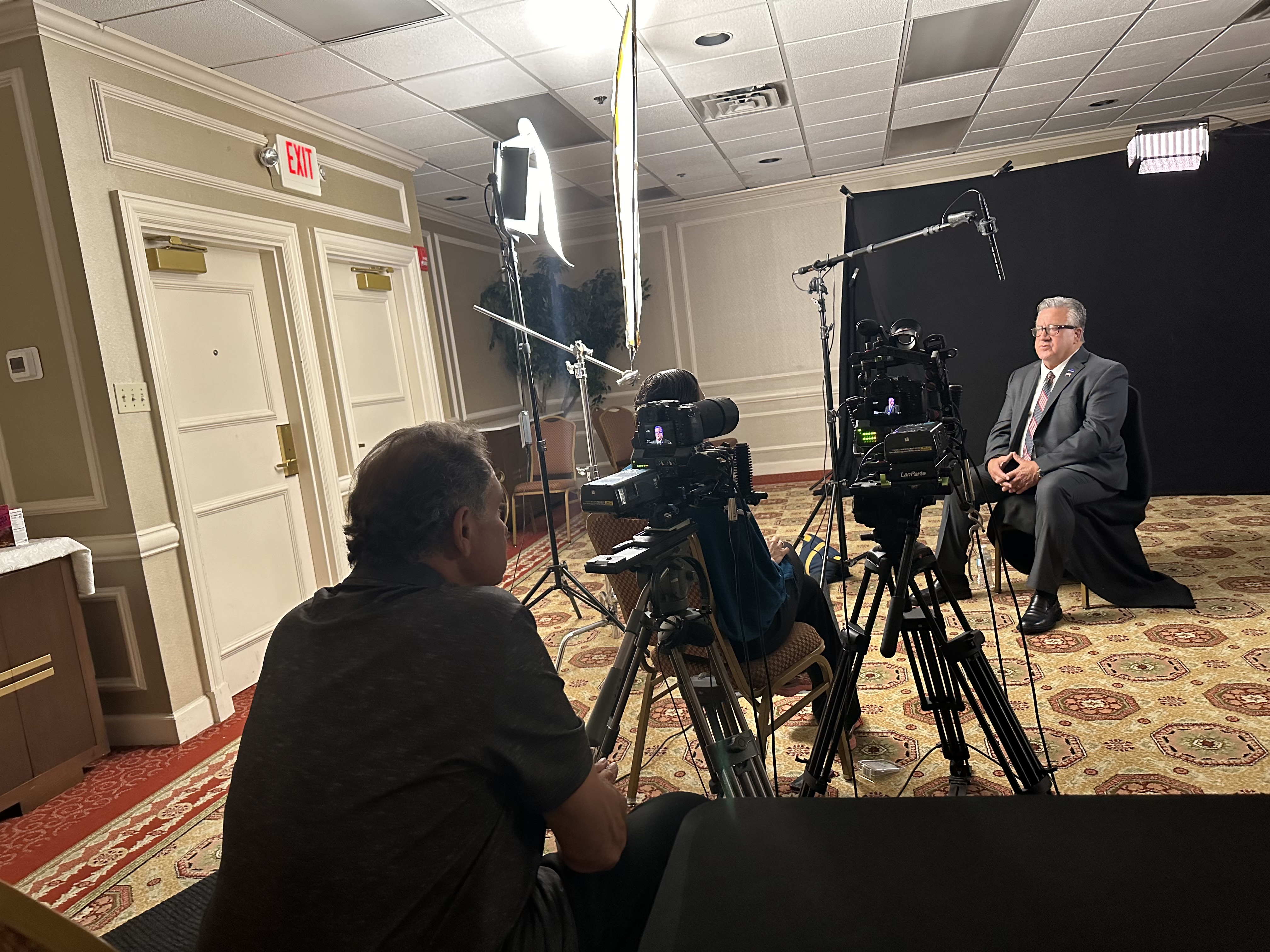
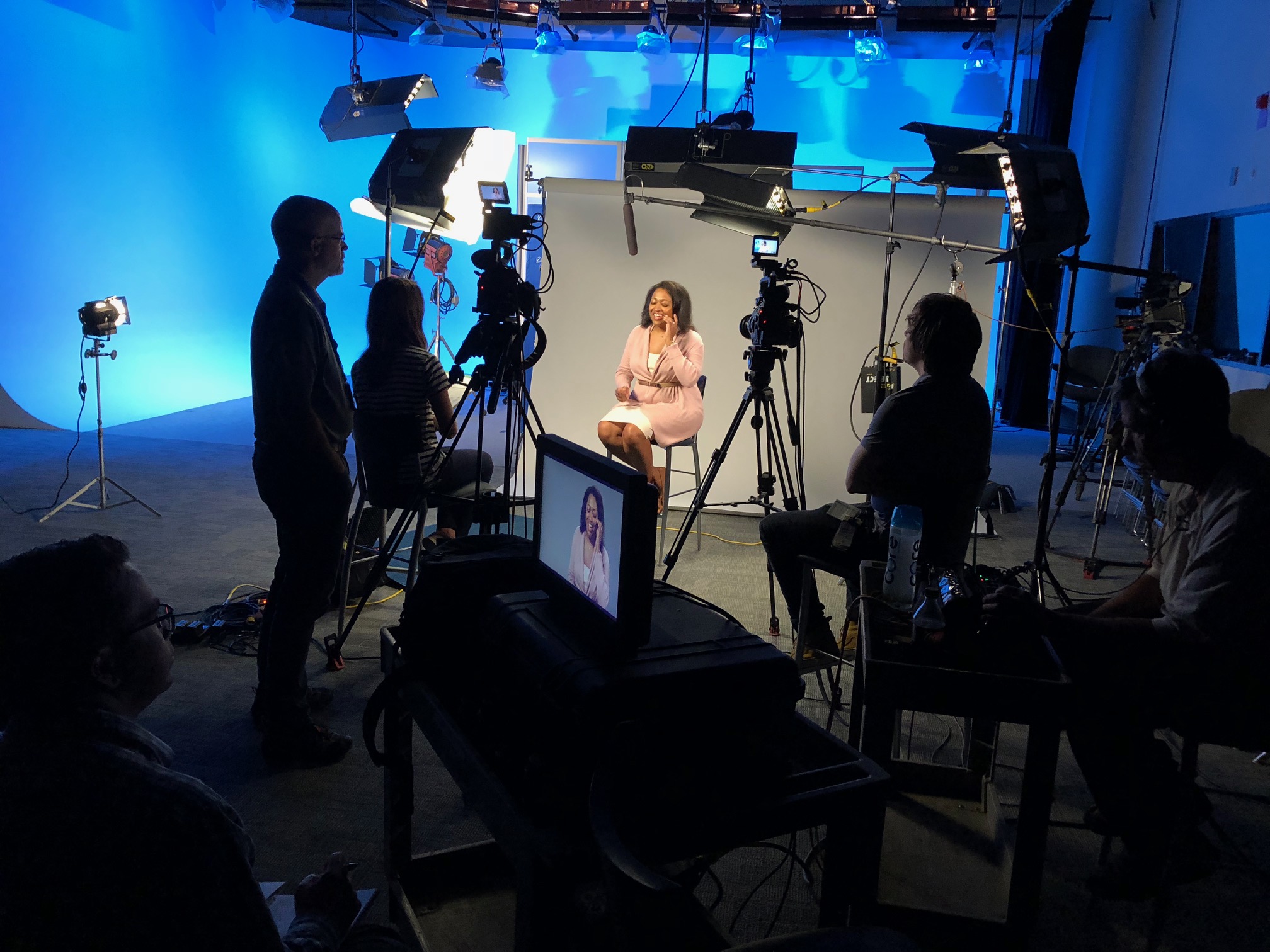
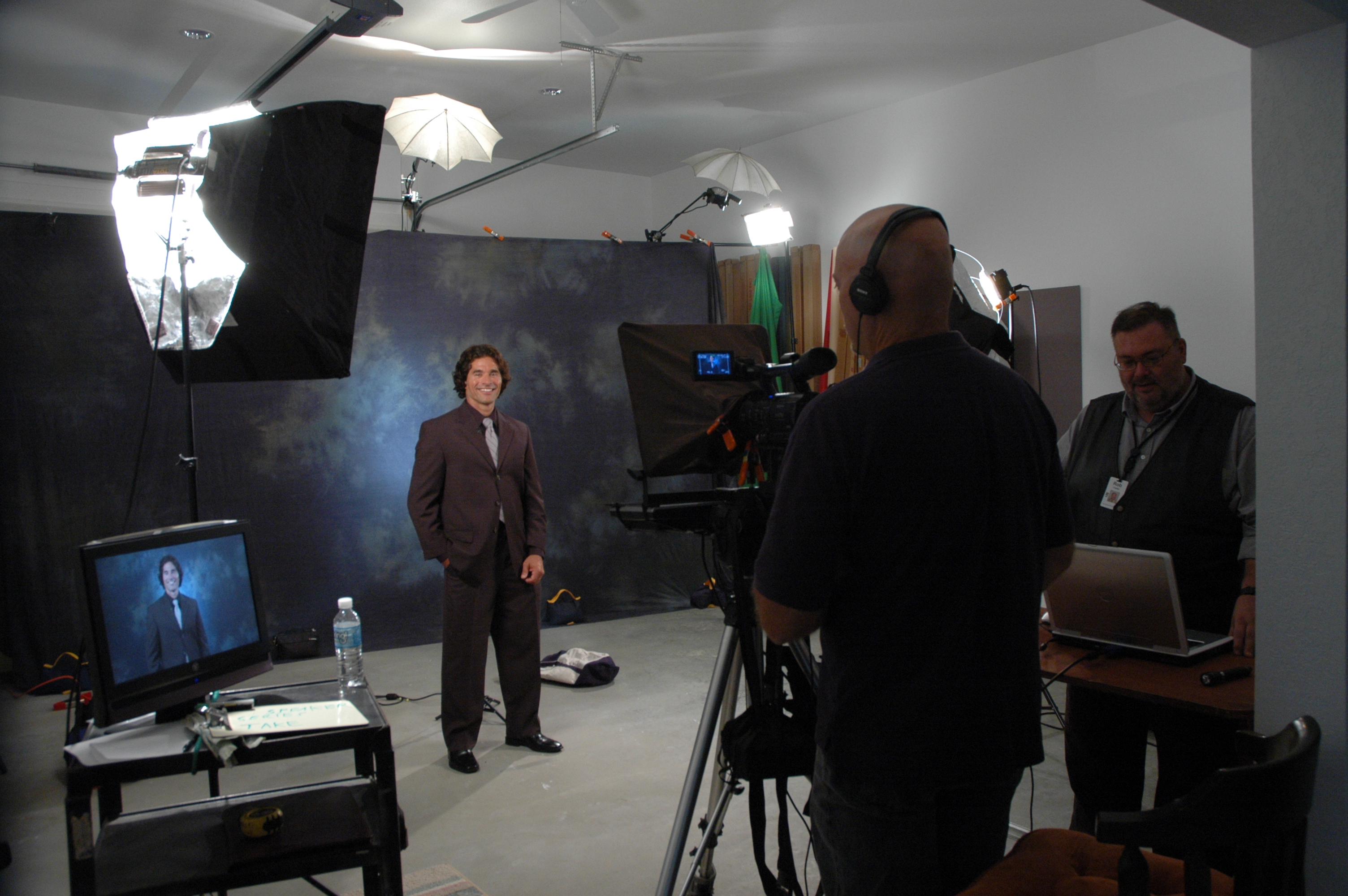
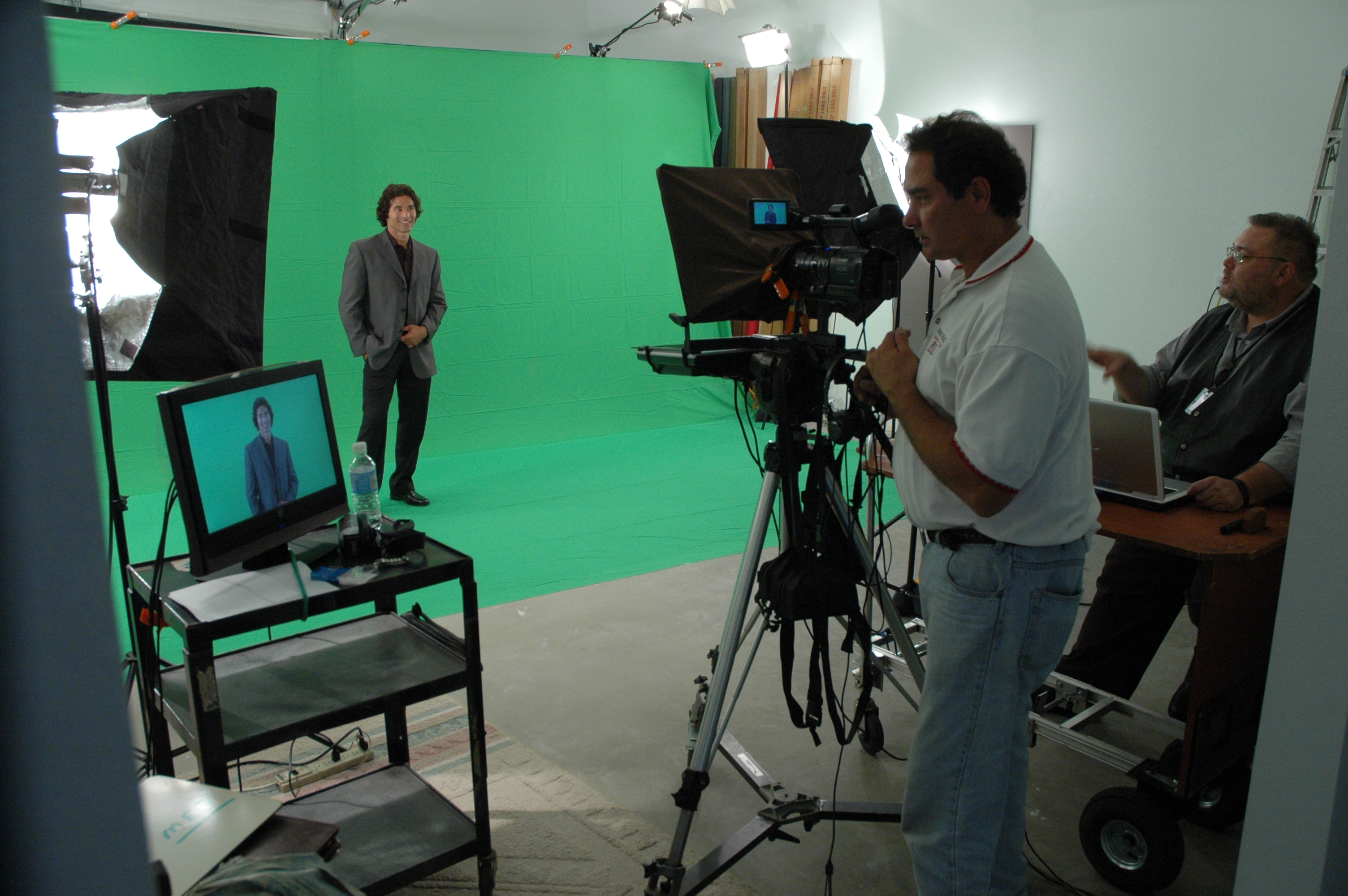
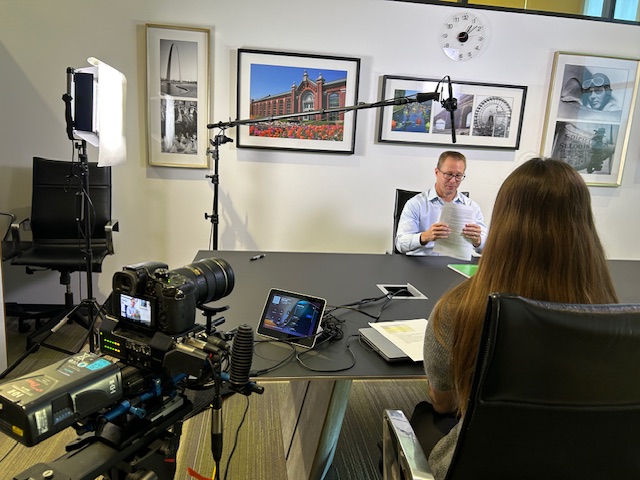
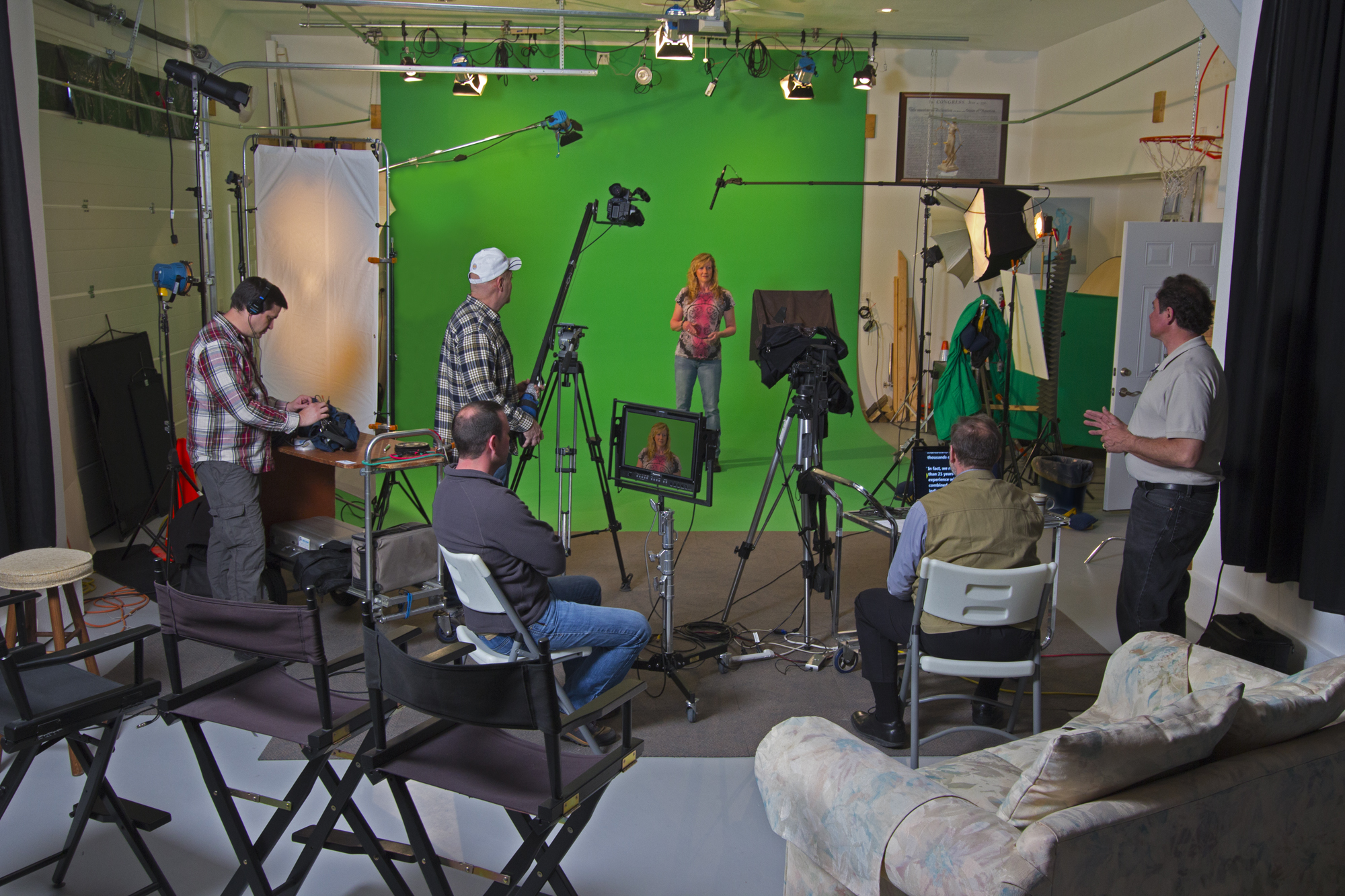
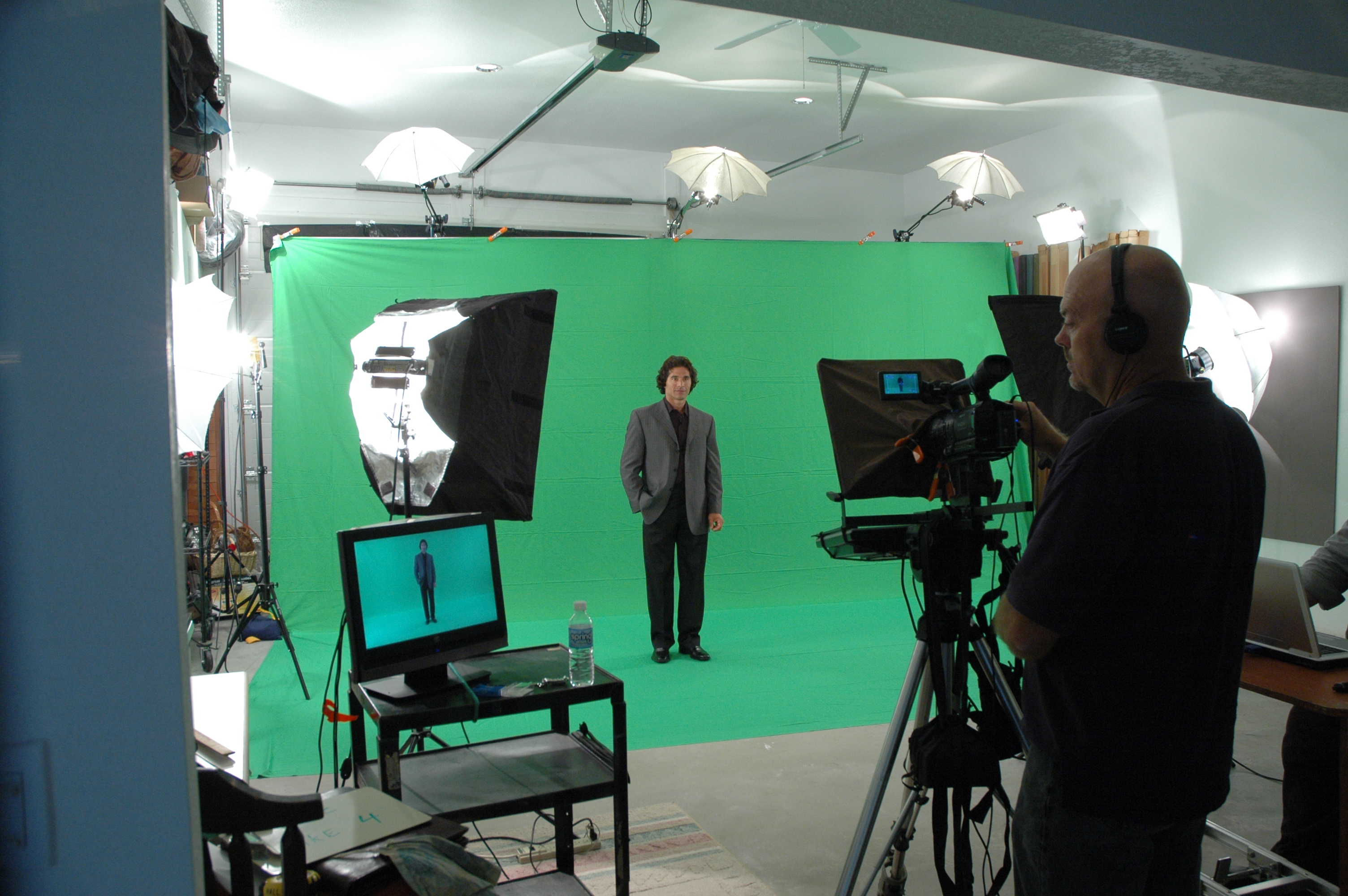
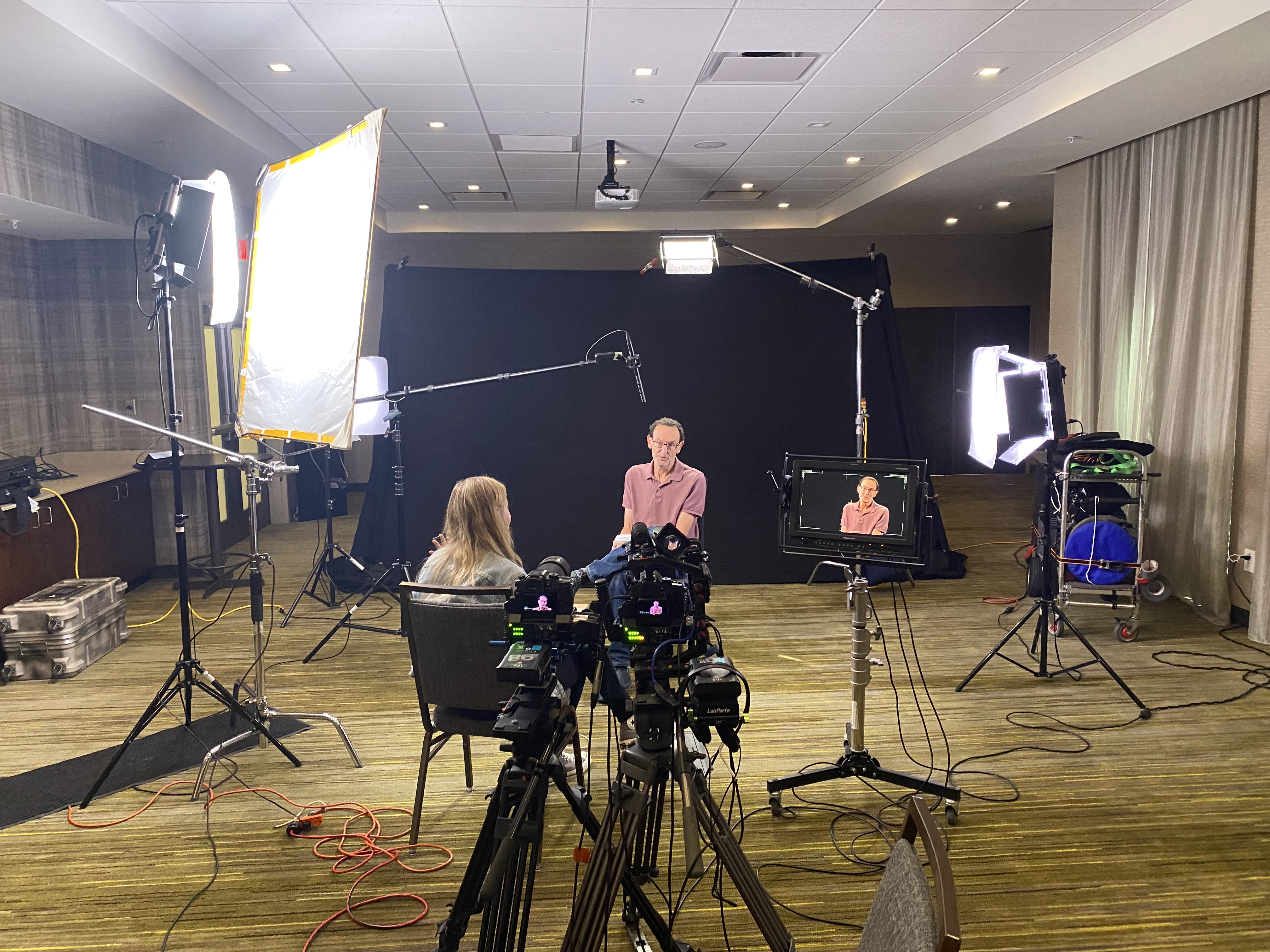
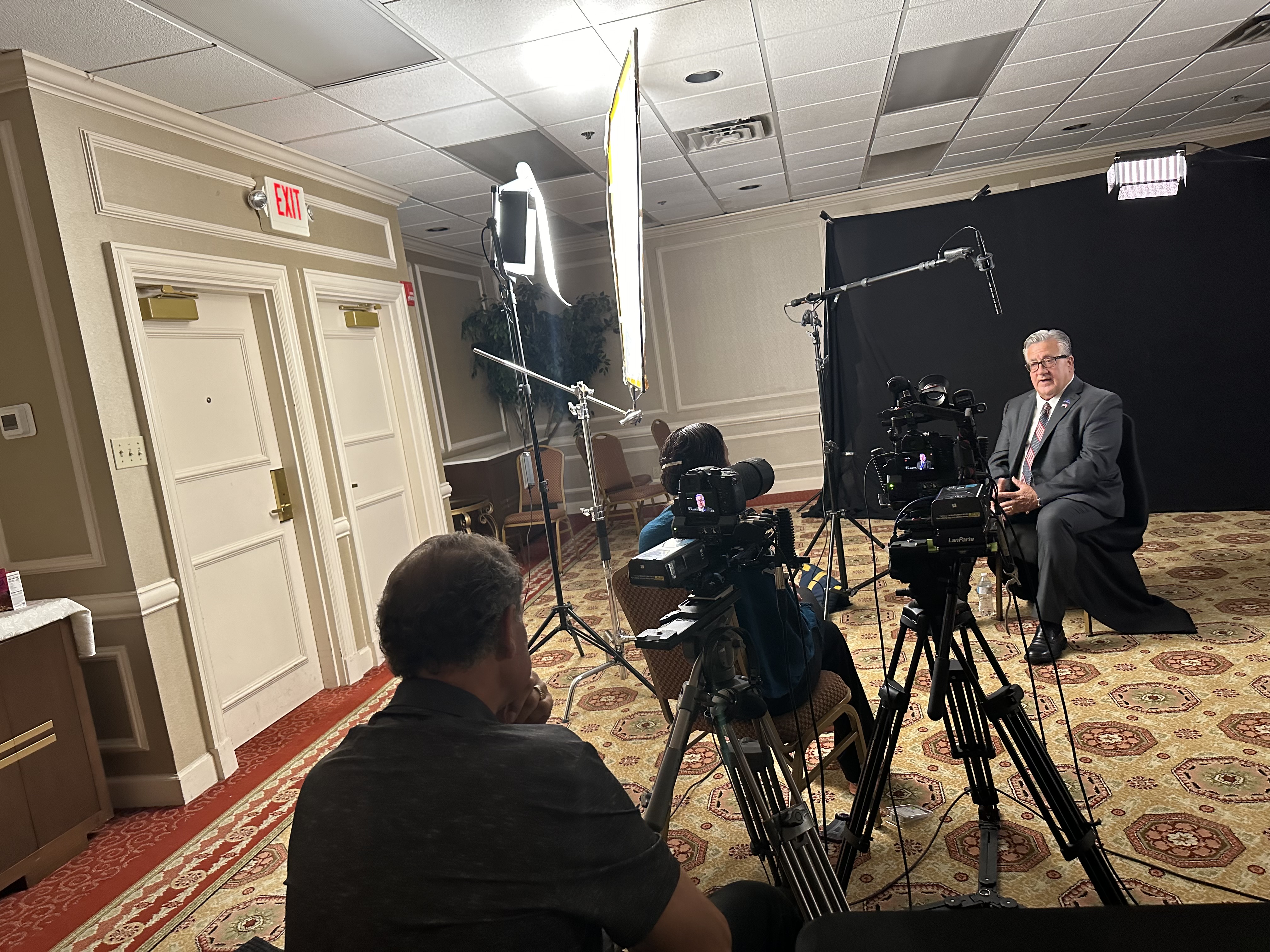
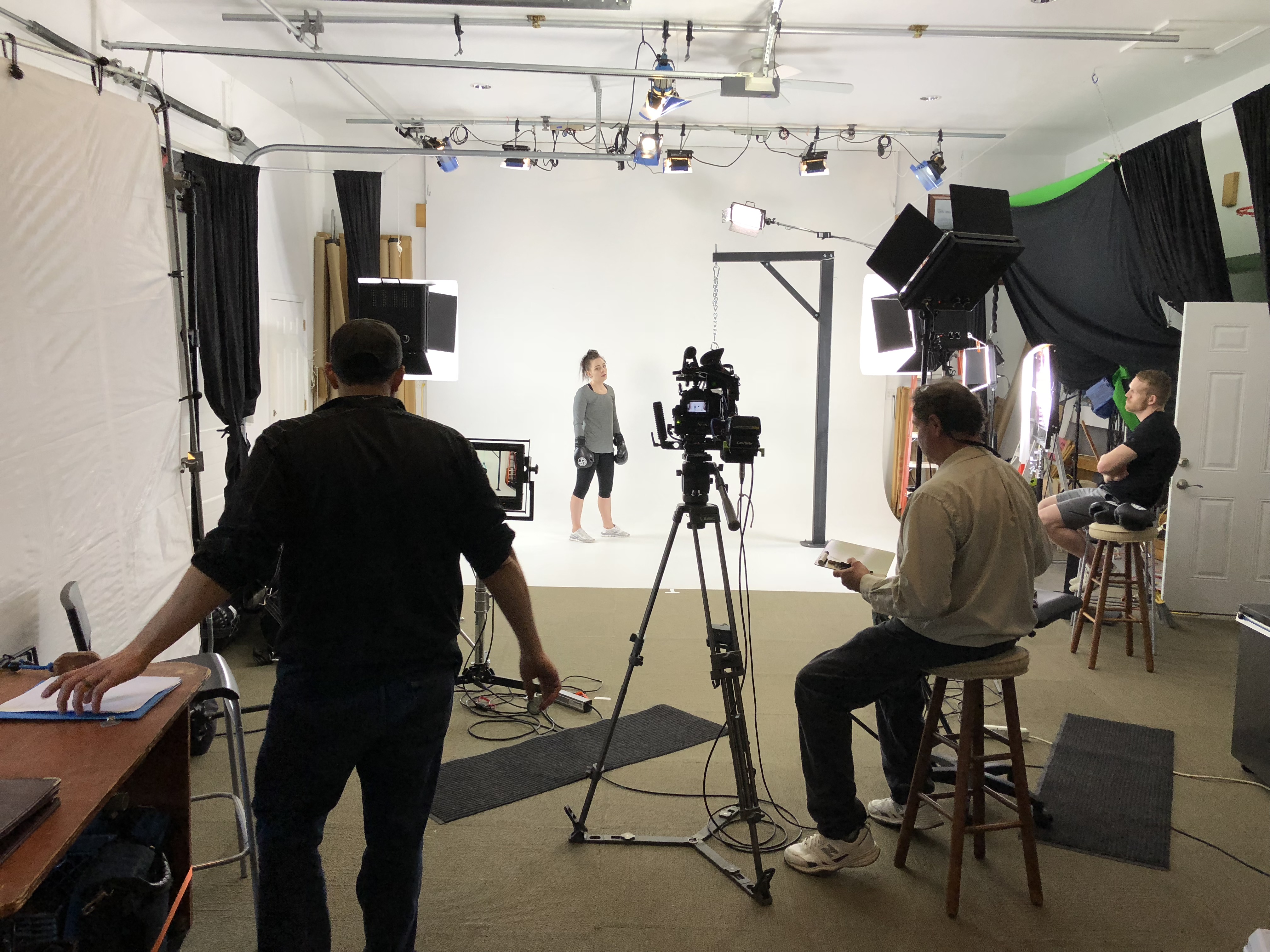
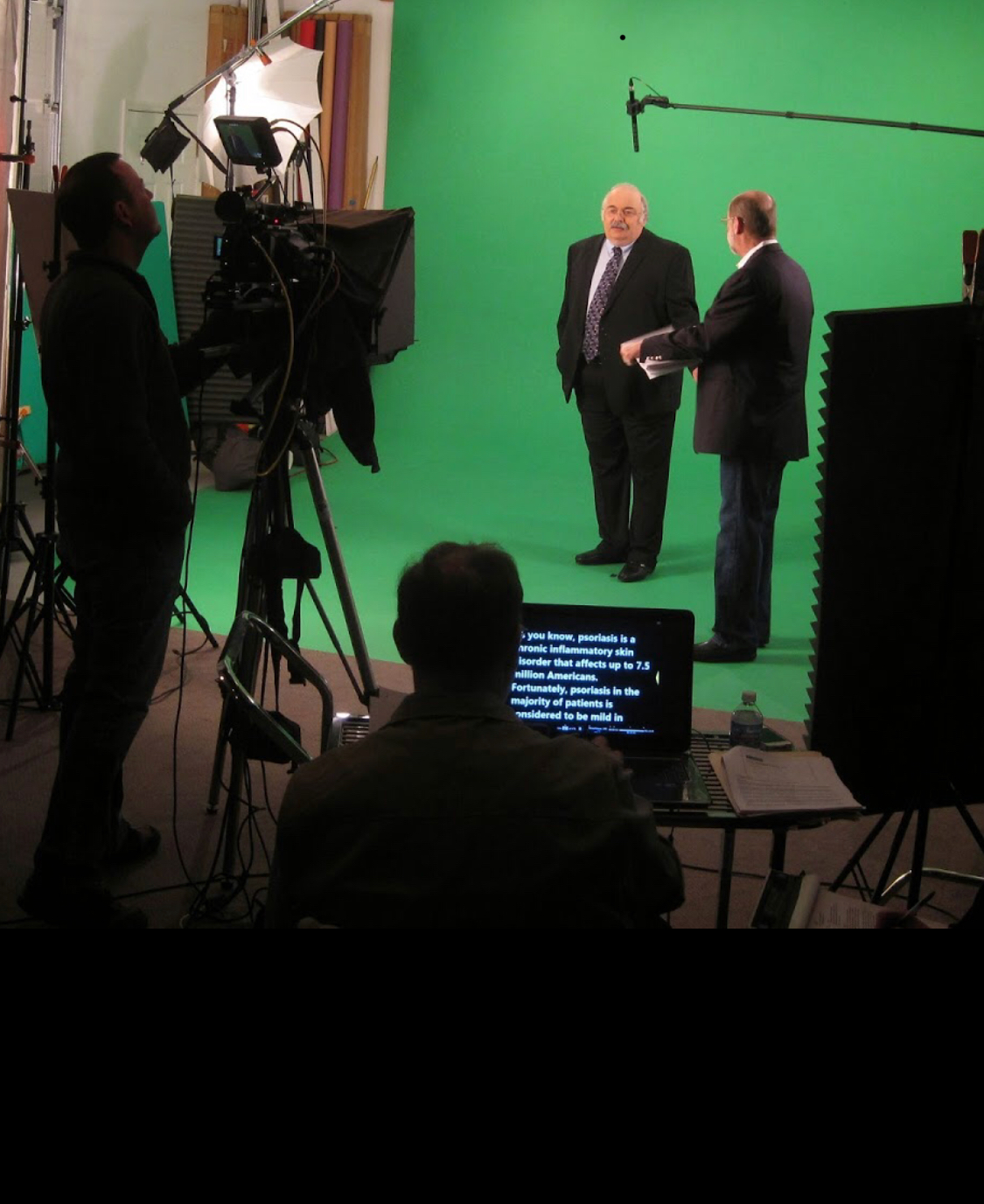
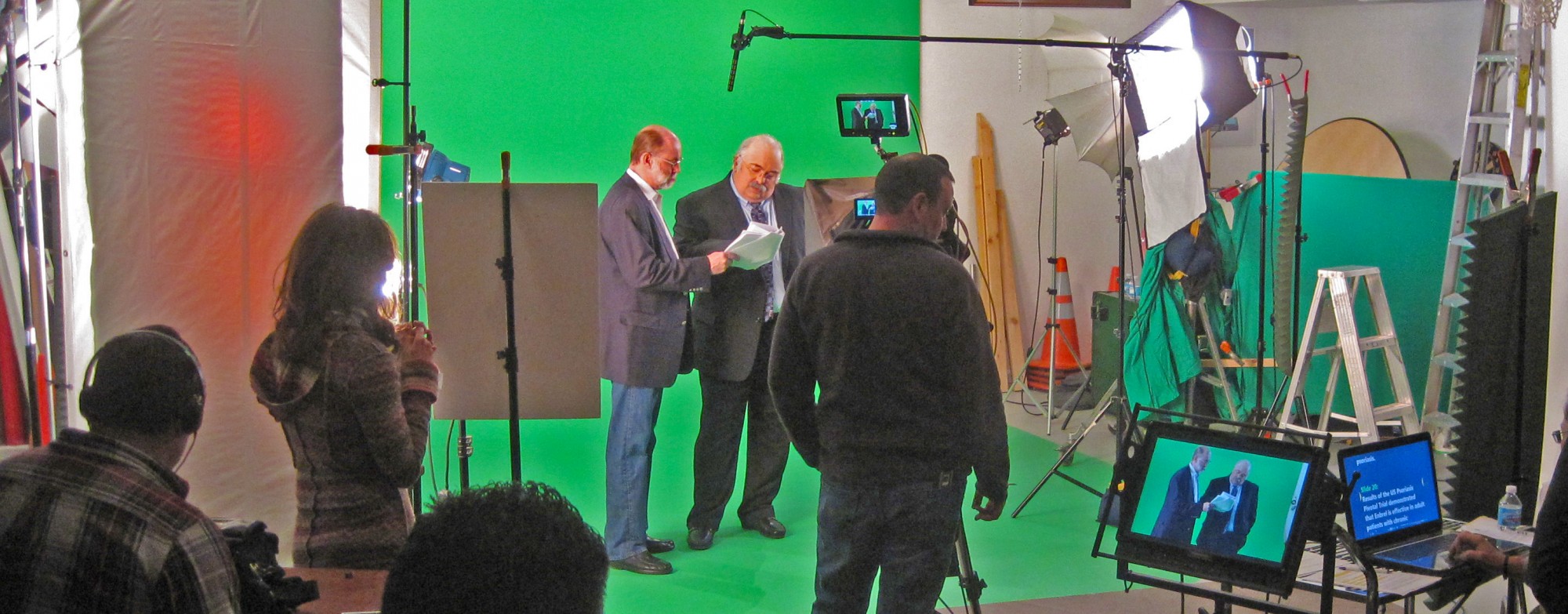
Our private studio lighting and visual setup is perfect for small productions and interview scenes, and our studio is large enough to incorporate props to round out your set. We support every aspect of your production, from setting up a private, custom interview studio to supplying professional sound and camera operators, as well as providing the right equipment, ensuring your next video production is seamless and successful. We can fly our specialized drones indoors. Since 1982, St Louis Video Production Studio has worked with many businesses, marketing firms, and creative agencies in the St. Louis area for their marketing photography and video.

For organizations looking at drones for thermal and LiDAR in St. Louis, experience matters. The right partner helps you gather the images, data, and media assets you need, then turns them into deliverables that are useful, professional, and aligned with your broader goals. That is the level of production St Louis Video Production Studio is built to provide.

Rob Haller 314-604-6544

saintlouismostudios@gmail.com

Cost-Efficient Video and Photography Studio in St. Louis: How Smart Production Systems Cut Spend Without Cutting Quality

If you’re responsible for marketing outcomes, the real question isn’t, “How much does a video cost?” It’s:

How reliably can we produce on-brand content, at speed, with predictable approvals—without burning budget on reshoots, revisions, and one-off deliverables?

A cost-efficient video and photography studio is not the lowest bidder. It’s the team that runs production like a system: clear pre-production, controlled execution, and post-production workflows designed for repurposing across channels. That’s how you protect both your budget and your brand.

Below is a field-tested framework decision makers can use to evaluate—and consistently win with—cost-efficient production in St. Louis.


Cost-efficient doesn’t mean “cheap”—it means “low waste per finished asset”

The hidden cost drivers in content production are almost always operational:

  • unclear messaging that forces re-editing
  • noisy locations that destroy audio
  • inconsistent lighting that breaks continuity
  • missing coverage that requires pickups
  • deliverables created for one channel only
  • unstructured review cycles with conflicting feedback

A cost-efficient studio reduces waste by engineering the process around repeatable outcomes.


The highest ROI move: design deliverables first, then shoot backward

Most production waste starts with a backwards workflow: people shoot “what feels right,” then try to force it into social, web, paid, and sales afterward.

A cost-efficient plan starts with a deliverable map, such as:

  • Hero video (brand narrative, campaign centerpiece)
  • 30–60s cutdowns for paid and web
  • 15s versions for social and retargeting
  • vertical edits for mobile-first placements
  • short clips for ads, email, LinkedIn, and reels
  • stills and thumbnails pulled from footage
  • b-roll library that can be reused for months

When you define outputs up front, you create a shot list that guarantees coverage—and eliminates “we didn’t get what we need” problems.


Pre-production is where you buy speed, protect budget, and prevent reshoots

Decision makers often underestimate pre-production because it’s not cinematic. But it’s the most controllable variable in cost and timeline.

Cost-efficient pre-production includes:

1) A brief that’s built for approvals

  • single objective (not five)
  • primary audience + secondary audiences
  • key message hierarchy (what must be said vs. nice to have)
  • proof points (data, outcomes, differentiators)
  • CTA and where it lives (end card, VO, on-screen text, caption)

2) Interview architecture that edits cleanly

Good interview planning prevents long, repetitive edits. It assigns topics to speakers, avoids overlap, and produces soundbites that convert.

3) Location and set control

Cost-efficient doesn’t mean “anywhere.” It means choosing spaces that reduce:

  • ambient noise
  • poor acoustics
  • foot traffic interruptions
  • lighting inconsistencies
  • power and staging problems

When you control variables, you reduce time-on-set and reduce post fixes.


Studio vs. location: pick control when you need consistency

A cost-efficient studio environment typically wins when you’re producing:

  • executive messaging
  • testimonials
  • recruiting and culture features
  • training and internal comms
  • product or service explainers
  • repeated content series (monthly/quarterly)

Studios are cost-efficient because they:

  • shorten setup time
  • stabilize lighting and sound
  • enable batch production (multiple interviews in one day)
  • maintain consistent brand look across campaigns

Location production is essential for authenticity and proof (operations, scale, real-world context). The efficient strategy is often hybrid:

  • studio for messaging and interviews
  • location for targeted b-roll and environment shots

Lighting: the fastest way to make content look expensive (without spending like it)

Lighting is not a “nice-to-have.” It’s one of the strongest determinants of perceived quality.

Cost-efficient lighting setups:

  • shape faces and reduce retouching time
  • create depth and separation (premium feel)
  • keep continuity across multiple shoot days
  • reduce time spent “fixing” in color

A studio built for controlled lighting is one of the most practical advantages you can buy—because it protects time and produces repeatable brand visuals.


Audio: the most common production failure—and the least economical to fix later

If your content includes people speaking, audio is the product.

Bad audio drives costs through:

  • longer edit hours
  • attempts at repair (often limited)
  • re-recording or pickups
  • slower approvals because stakeholders “feel” it’s amateur

Cost-efficient production treats audio with intent:

  • proper mic strategy (and redundancy)
  • controlled environments
  • clean recording levels
  • proactive noise management

This is one of the simplest ways to keep budgets predictable.


Post-production is where cost-efficient studios separate themselves

If production is the acquisition, post is where you either:

  • deliver a clean set of platform-ready assets quickly, or
  • bleed time in endless revisions and “can we also…” requests.

Cost-efficient post-production is a structured workflow:

Milestones that keep reviews tight

  • story outline / edit plan
  • assembly cut
  • fine cut
  • color + audio polish
  • versions (lengths, ratios, captions)
  • final exports and handoff

Feedback consolidation

One owner. One channel. One set of notes per round. That alone can cut revision time dramatically.

Versioning and packaging

Efficiency comes from templates, consistent motion design, predictable export specs, and systematic naming conventions—so your team can deploy assets without friction.


Repurposing: the cost-efficient multiplier most teams leave on the table

The easiest way to waste money is to treat each platform like a new project.

Cost-efficient studios plan for repurposing at the shoot level:

  • framing that supports horizontal and vertical crops
  • intentional “headline lines” and micro soundbites
  • capture of transitions, inserts, and clean action loops
  • b-roll that matches what’s being said (editable proof)
  • still frames designed for web and sales decks

One well-planned shoot can fuel:

  • your website refresh
  • paid campaigns
  • sales enablement
  • recruiting
  • internal comms
  • trade show playback
  • email marketing

That’s cost efficiency: more usable outputs per production day.


AI: speed gains are real—when applied to the right tasks

AI can meaningfully improve cost efficiency in production when used to accelerate work you already need to do, such as:

  • faster transcript-based selects and story assembly
  • quick caption creation and formatting
  • rapid versioning for different audiences or platforms
  • search and retrieval across archived footage
  • targeted cleanup workflows (used with discretion)

The smart approach: AI supports the pipeline, while human operators protect messaging, legal risk, and brand tone.


Indoor drones: a production-value upgrade when used with purpose

Indoor drone work can be a cost-efficient way to capture:

  • facility walkthroughs
  • operational scale
  • dynamic transitions
  • “movement” shots that would otherwise require more rigging

But it must be planned and executed safely and intentionally. When done right, indoor drone footage can increase production value without inflating production time.


What to ask when evaluating a “cost-efficient” studio partner

If you want predictable outcomes, ask for operational clarity:

  • How do you structure pre-production to prevent reshoots?
  • What’s your audio plan, and what redundancies do you use?
  • How do you design shoots for repurposing across channels?
  • What does your review cycle look like, and how is feedback consolidated?
  • Can you deliver platform-ready versions (lengths, ratios, captions) as part of the workflow?
  • How do you manage files, formats, and handoff for internal teams?

The best studios can answer these questions without hesitation—because they run a system.


Why St Louis Video Production Studio is built for cost-efficient, high-impact content

At St Louis Video Production Studio, cost efficiency isn’t a buzzword—it’s a workflow refined through decades of real-world client demands. As a full-service video and photography production corporation since 1982, we’ve worked with many businesses, marketing firms, and creative agencies throughout the St. Louis area, delivering marketing photography and video built for performance, consistency, and reuse.

We’re a full-service professional commercial photography and video production company with the right equipment and creative crew service experience for successful image acquisition. We offer full-service studio and location video and photography, plus editing, post-production, and licensed drone capabilities. St Louis Video Production Studio can customize your productions for diverse media requirements, and repurposing your photography and video branding to gain more traction is one of our specialties.

We’re well-versed in all file types, media styles, and accompanying software—and we use the latest in Artificial Intelligence across our media services to accelerate workflows while keeping creative control and brand standards intact. Our private studio lighting and visual setup is perfect for small productions and interview scenes, and our studio is large enough to incorporate props to round out your set.

We support every aspect of your production—from setting up a private, custom interview studio to supplying professional sound and camera operators, and providing the right equipment—ensuring your next video production is seamless and successful. We can also fly our specialized drones indoors when the shot calls for it.

If you need a studio partner that protects budget by eliminating waste—while still delivering premium, platform-ready assets—St Louis Video Production Studio is built for exactly that.

314-604-6544

saintlouismostudios@gmail.com

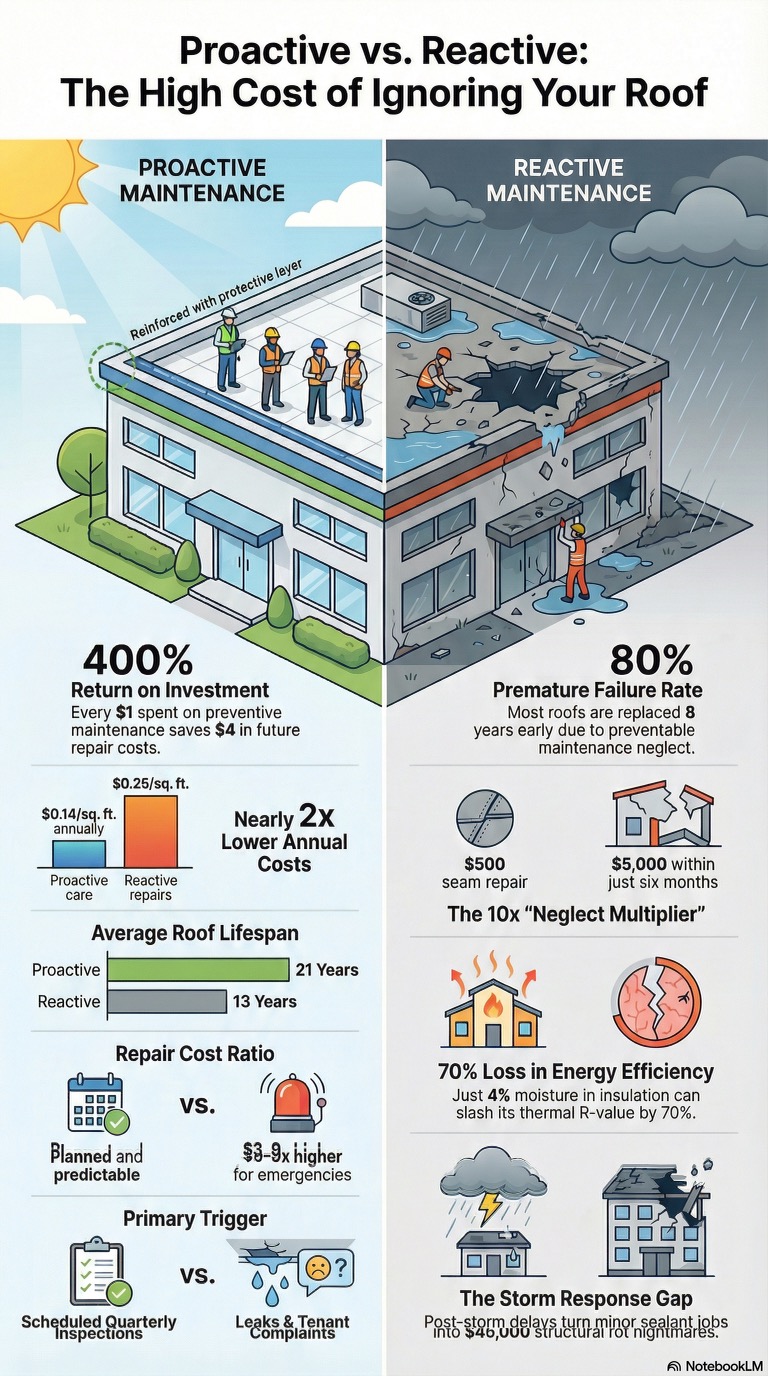
Stop Wasting Repair Dollars: How Drone Thermal Checks Turn Maintenance into Measured ROI

Unplanned repairs will blow up a facilities budget faster than almost anything else.

A roof leak that went unnoticed for a season becomes a mold remediation project. A tiny failure in a steam line becomes a shutdown. A small gap in a façade lets water in, and suddenly you’re dealing with rust, spalling and emergency scaffolding.
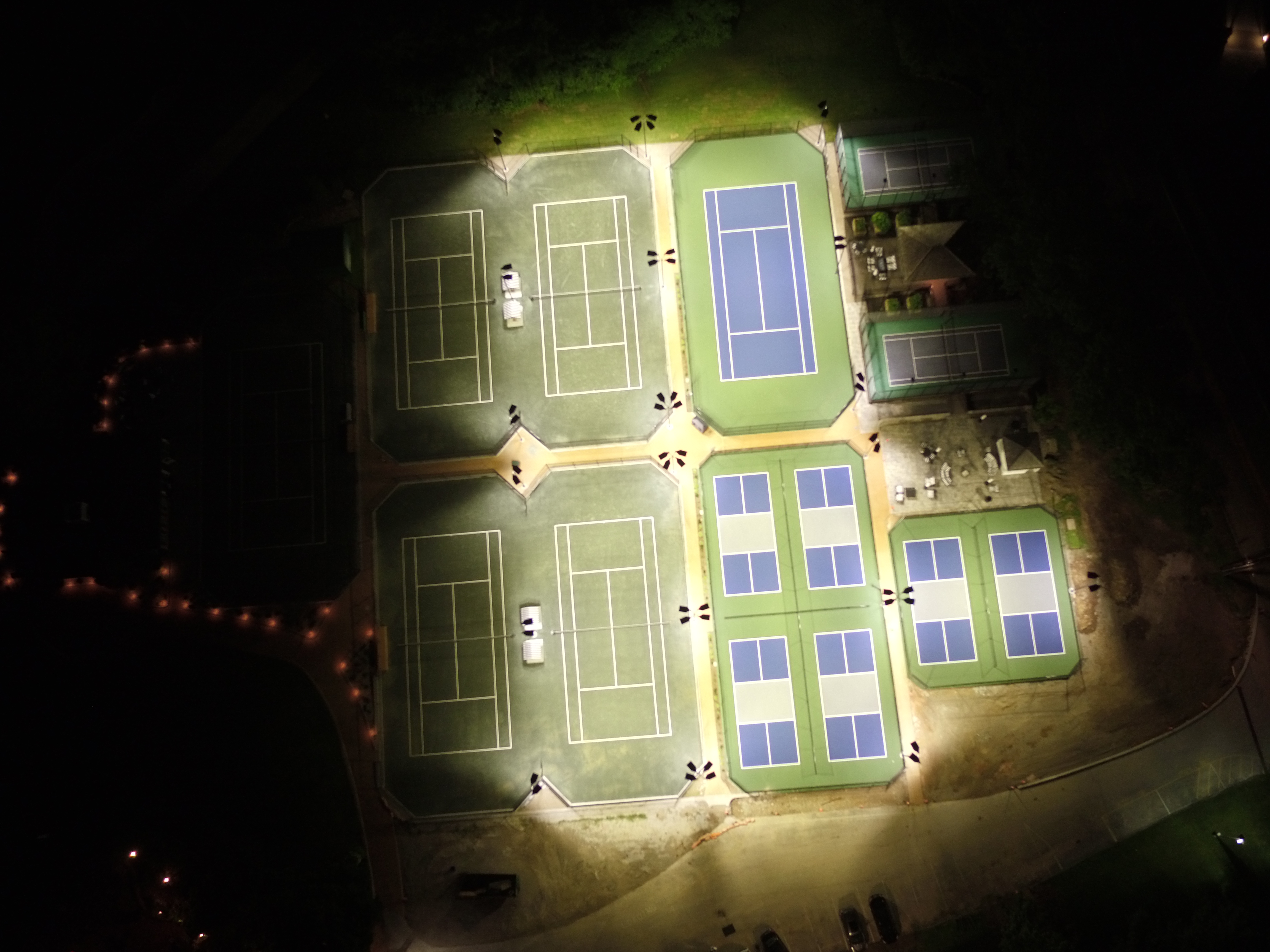
Most of the cost isn’t just the repair itself. It’s:

  • Paying emergency rates instead of planned maintenance pricing
  • Collateral damage to interiors, finishes and equipment
  • Downtime and disruption to operations and tenants
  • The cost of access – scaffolding, lifts, staging, permits, safety setups

Drone-based thermal checks give you a way to flip that script. Instead of paying to fix what finally becomes visible, you use aerial thermography to quietly and systematically find issues early—while they’re still cheap to solve.

Think of it as preventive medicine for roofs, façades and infrastructure, with visual proof you can put in front of a CFO, board, or risk committee.


What Exactly Is a Drone Thermal Check?

At its core, a drone thermal check is a non-invasive, aerial thermographic survey of your building envelope and critical infrastructure.

A specialized drone equipped with a radiometric thermal camera and a high-resolution visual camera:

  • Flies precise, pre-planned patterns over roofs, façades, and key exterior assets
  • Captures thermal images that show temperature differences (hot and cold spots)
  • Records matching visual imagery so your team can see exactly what’s physically there

When analyzed properly, these thermal images reveal:

  • Heat escaping where insulation is damaged or missing
  • Moisture-saturated roof insulation that looks fine to the naked eye
  • Faulty seals around roof penetrations, parapets, windows and doors
  • Overheating mechanical components, steam lines, or electrical gear

The output is a map of risk and opportunity – clear visuals that tell you where to spend your maintenance dollars first for the greatest return.


Why Traditional Inspections Cost You More Than You Think

Facility leaders know what it takes to inspect a large site the “old way”:

  • Multiple technicians walking roofs with handheld cameras
  • Lifts or scaffolding rented to reach upper façades
  • Spot checks and guesswork on where to cut or core-sample
  • Re-inspections after repairs for verification

Each of those steps has a direct cost: labor, rentals, safety setups, permits, disruption. But the indirect costs are just as important:

  • Limited coverage – you never truly see the entire envelope
  • Human fatigue and missed issues – especially on large roofs or multiple buildings
  • Slow data collection – which delays decisions and repair scheduling
  • Inconsistent documentation – making it harder to compare conditions year over year

Drone thermal checks compress that entire process into a faster, safer, and more complete survey—often in a fraction of the time and cost.


Five Ways Drone Thermal Checks Save Cash on Repairs

Let’s talk about where the real savings come from, not just the “cool factor” of aerial footage.

1. Find Problems Before They Become Emergencies

The cheapest roof leak to fix is the one you never see inside the building.
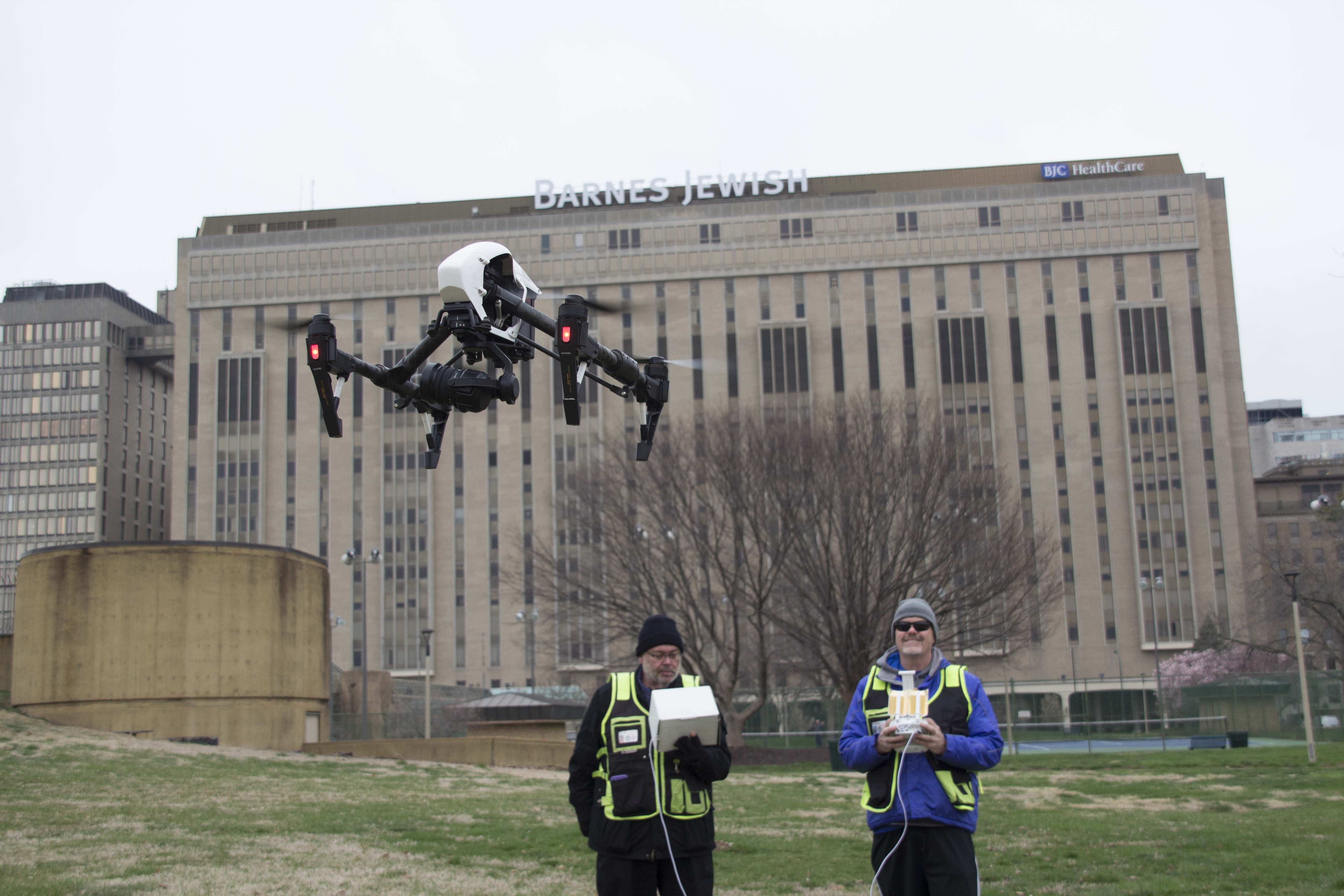
Thermal imagery can reveal:

  • Wet insulation under a membrane long before staining or mold appears
  • Compromised seams and flashings that are starting to fail
  • Small warm spots where conditioned air is leaking out

By catching these early, you turn:

“We have an emergency leak; get someone here tonight.”

into:

“We know exactly which 3 sections of roof need work in Q3. Let’s bundle that into a planned capital project.”
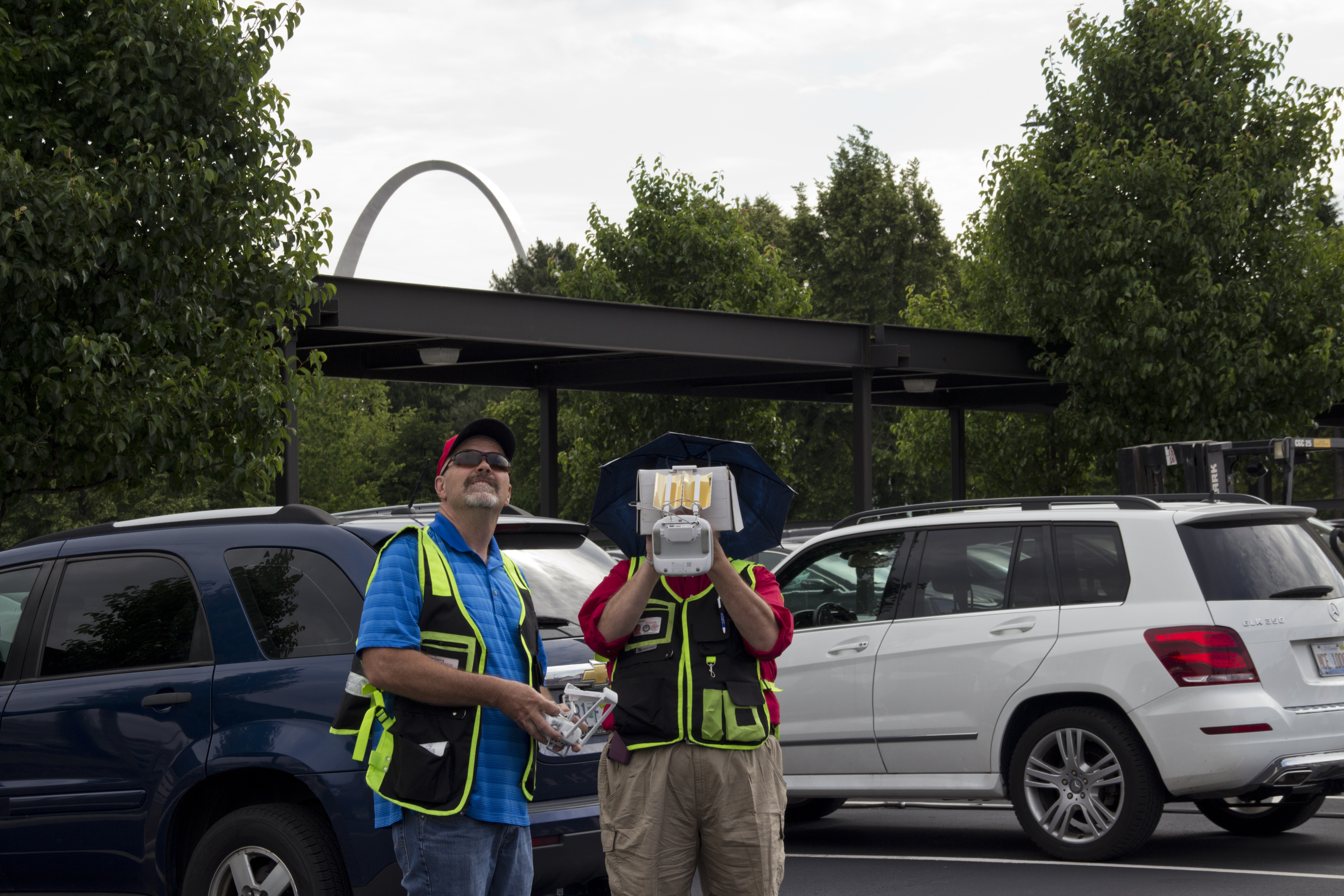
The difference in cost, disruption, and risk is enormous.


2. Prioritize Repairs with Data, Not Gut Feel

Most portfolios can’t afford to “fix everything at once.” Drone thermal checks help you:

  • Rank issues by severity and risk
  • Distinguish between nuisance anomalies and critical failures in progress
  • Plan multi-year budgets around hard visual evidence, not general rules of thumb

This prioritization prevents overspending on low-risk areas while high-risk problems quietly get worse.


3. Reduce Destructive Testing and Rework

Without thermal guidance, testing often goes like this:

  1. Guess where the problem is.
  2. Cut or core-sample.
  3. If wrong, repeat in a new spot.

Each cut costs money. Each wrong guess adds up.

Thermal checks allow you to:

  • Target cuts exactly where anomalies show up
  • Validate moisture patterns before you open the roof
  • Minimize patching and rework

Fewer cuts, fewer surprises, fewer hours billed.


4. Lower Access and Safety Costs

Every time you bring people to height, you pay for it—lifts, railings, scaffolding, fall protection, training, insurance exposure.

With drone thermal checks:

  • Most of the work is done from the ground
  • Flights cover broad areas quickly
  • High-risk, hard-to-reach sections can be inspected with no one leaving the ground

You still bring in crews where needed—but now it’s surgical, not exploratory.


5. Use Visual Proof to Get Better Bids and Better Coverage

Clear thermal and visual documentation is powerful leverage:

  • For bidding
    • You can provide contractors with annotated imagery pinpointing each problem area
    • They quote based on specific, documented conditions instead of vague “roof is old” descriptions
    • You get more accurate, competitive bids—and fewer change orders
  • For insurance and risk management
    • You show that you’re proactively assessing and managing building envelope risk
    • Post-event flights (after hail, wind, or major weather) provide before/after evidence
    • Claims and coverage discussions become less subjective and more data-driven

In both cases, the drone thermal check acts as a visual audit trail that supports every decision you make.


Where Drone Thermal Checks Deliver the Biggest ROI

Commercial Roofs

  • Big-box retail, warehouses, logistics hubs, manufacturing, education campuses
  • Large flat or low-slope roofs with multiple penetrations and complex drainage
  • Facilities that can’t afford leaks in production areas, data centers, or critical spaces

Corporate and Institutional Campuses

  • Office towers and mixed-use complexes
  • Hospitals and research facilities
  • Universities and government properties

Regular drone thermal checks across a campus create a portfolio-wide heat map of risk. That’s board-level capital planning material.

Industrial and Utility Infrastructure

  • Steam lines and tunnels
  • Heat exchangers and processing equipment
  • Mechanical yards and rooftop units

Overheated components, steam leaks, and insulation gaps all show up quickly on properly captured thermal imagery.


Turning Technical Checks into Executive-Ready Visual Storytelling

The drone flight is just the starting point. The real value—especially for marketing and leadership audiences—comes from how that data is presented.

A seasoned production team can turn raw capture into:

  • Short explainer videos
    • Narrated walkthroughs of key findings
    • Animated overlays comparing thermal and visual imagery
    • Clear calls to action tied to repair priorities and budget windows
  • Executive slide decks and visual reports
    • High-quality stills with annotations and labels
    • Before/after comparisons that validate completed work
    • Simple, visual summaries that tie issues to business impact
  • ESG and sustainability content
    • Visual proof of energy-efficiency improvements
    • Storylines around proactive stewardship of assets
    • Media that marketing and communications can repurpose across web, social and investor-facing channels

When thermal checks are integrated with professional video and photography production, you’re not just “saving on repairs”—you’re building reusable content that supports operations, compliance, brand and stakeholder confidence.


The Role of AI in Modern Drone Thermal Inspections

AI is quietly transforming how we extract value from drone and thermal data:

  • Automated anomaly detection – quickly flagging hot and cold spots that deserve human review
  • Pattern recognition over time – comparing past and current flights to see how issues are evolving
  • Smart editing and versioning – rapidly creating different cuts of footage and reports for operations, finance, and marketing teams

When your production partner is fluent in both imaging and AI-driven post-production, you end up with:

  • Faster turnaround from flight to decision
  • More consistent documentation across inspections
  • Sharper, more polished visuals that are easy for stakeholders to understand and act on

Partner with St Louis Video Production Studio for Drone Thermal Checks That Actually Save You Money

St Louis Video Production Studio is an experienced, full-service professional commercial photography and video production company with the right equipment and creative crew service experience for successful image acquisition—on the ground and in the air.

We offer full-service studio and location video and photography, as well as editing, post-production and licensed drone pilots. St Louis Video Production Studio can customize your productions for diverse types of media requirements—technical inspection reports, internal training, executive briefings, and public-facing marketing pieces.

Repurposing your photography and video branding to gain more traction is another specialty. We are well-versed in all file types, media styles and accompanying software, and we use the latest in Artificial Intelligence for all our media services—from enhancing thermal imagery and overlay graphics to producing multiple tailored edits from the same source material.

Our private studio lighting and visual setup is perfect for small productions and interview scenes, and our studio is large enough to incorporate props to round out your set. We support every aspect of your production—from setting up a private, custom interview studio to supplying professional sound and camera operators, as well as providing the right equipment—ensuring your next video production is seamless and successful.

For specialized applications, we can even fly our specialized drones indoors, where appropriate and safe, to capture unique perspectives in large interior spaces, industrial environments, or controlled inspection settings.

As a full-service video and photography production corporation since 1982, St Louis Video Production Studio has partnered with many businesses, marketing firms and creative agencies in the St. Louis area for their marketing photography and video. If you’re ready to save cash on repairs using drone thermal checks—and turn those insights into clear, compelling visuals your stakeholders can act on—our team is ready to help.

Rob Haller 314-604-6544

saintlouismostudios@gmail.com

Sound Matters: Common Audio Mistakes to Avoid in Video Production (and How to Prevent Them)

In the world of professional video production, stunning visuals are only half the story. Audio—clear, balanced, and intentional—is equally vital to the success of your message. Yet audio is one of the most overlooked elements in corporate and marketing videos. For decision makers overseeing photography and video production services, understanding common audio pitfalls can be the difference between a polished final product and one that feels unprofessional or untrustworthy.

Here’s a breakdown of the most common audio mistakes—and how to avoid them—based on decades of hands-on experience at St Louis Video Production Studio.


1. Relying on Built-in Camera Microphones

While convenient, built-in microphones are not designed for professional production. They often pick up ambient noise, echo, and inconsistent vocal levels. Using them results in flat, hollow audio that undermines even the most visually compelling footage.

Pro Tip: Always use external microphones—lavalier mics for interviews, shotgun mics for directional capture, and boom mics for larger setups. Match the mic to the scene and speaker’s environment.


2. Poor Room Acoustics

Recording in a room with hard surfaces and minimal sound treatment causes echoes and reverberations that can ruin dialogue clarity. This is especially problematic in high-ceiling offices, lobbies, or empty conference rooms.

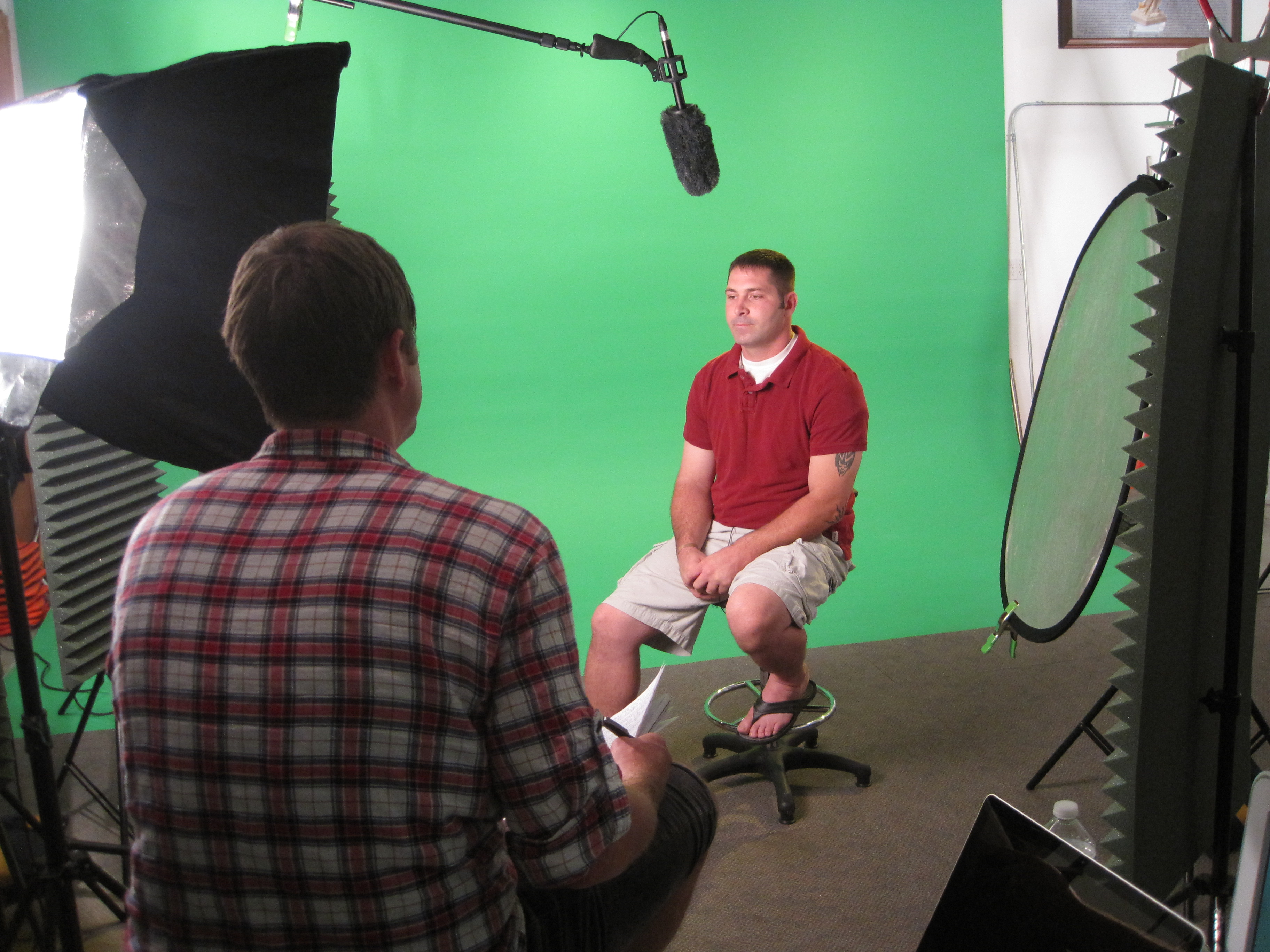
Pro Tip: Choose locations thoughtfully. Use sound blankets, acoustic panels, rugs, or furniture to soften sound reflections. For studio interviews, work with a facility that offers controlled environments with proper acoustic treatment—like ours.


3. Ignoring Ambient Noise

HVAC systems, nearby traffic, fluorescent lights, and hallway chatter can bleed into your audio and distract your audience. These background noises are often hard to detect in real time but become glaringly obvious during post-production.

Pro Tip: Monitor with quality headphones during the shoot. Capture room tone (a minute of ambient silence) to help with audio matching later. In post, noise reduction software can help—but it’s not a magic fix.


4. Mismatched Audio Levels

Inconsistent audio levels between speakers, scenes, or transitions can create an uncomfortable viewing experience. If viewers constantly adjust the volume, engagement drops and your message loses impact.

Pro Tip: Use proper gain staging during recording. In post-production, apply normalization and compression to ensure consistent audio dynamics across the timeline.

5. Lack of Redundancy in Recording

Single-source recording leaves no safety net. If one mic fails or picks up interference, that footage could become unusable—costing both time and money.

Pro Tip: Always run a backup audio source. Dual-system recording—where sound is captured separately from video—provides higher-quality and failsafe options for editing.

6. Overprocessing in Post

Too much noise reduction, EQ, or reverb correction can strip out the richness of voice recordings and make speech sound unnatural or robotic.

Pro Tip: Start with clean source audio to reduce the need for excessive processing. When editing, prioritize subtlety—use parametric EQ and gentle noise reduction, preserving the natural tonal qualities of speech.

Why Audio Quality Impacts Viewer Trust

Viewers subconsciously equate poor audio with lack of professionalism. Whether it’s a brand video, interview testimonial, or product walkthrough, bad sound undermines credibility. In contrast, crisp and intentional audio elevates your message, communicates confidence, and drives engagement.


Partner with Audio Professionals Who Understand Production Value

At St Louis Video Production Studio, we know how critical great sound is to great storytelling. Our experienced crew uses professional-grade audio gear—lavalier, shotgun, and boom microphones, wireless systems, multichannel field recorders, and industry-standard post-production software—to ensure your sound is just as impactful as your visuals.

We are a full-service commercial photography and video production company with decades of experience delivering top-tier results. Our capabilities include:

  • Studio and location video and photography
  • Editing and post-production
  • Licensed drone pilots (including specialized indoor drones)
  • Custom interview studio setups with private lighting and sound control
  • Creative crew support for every aspect of production

We’re experts at repurposing your visual content across platforms and optimizing your brand’s reach with AI-enhanced editing workflows. Our private studio offers space for small set builds and interview scenes, and our team is adept with all modern file formats and media styles.

Since 1982, St Louis Video Production Studio has been the trusted partner for marketing firms, agencies, and businesses throughout the St. Louis area.

Ready to elevate your next production with pristine audio and compelling visuals? Let’s make your message resonate.

314-604-6544

saintlouismostudios@gmail.com