Tag Archives: St Louis Airplane Aerial Photographer

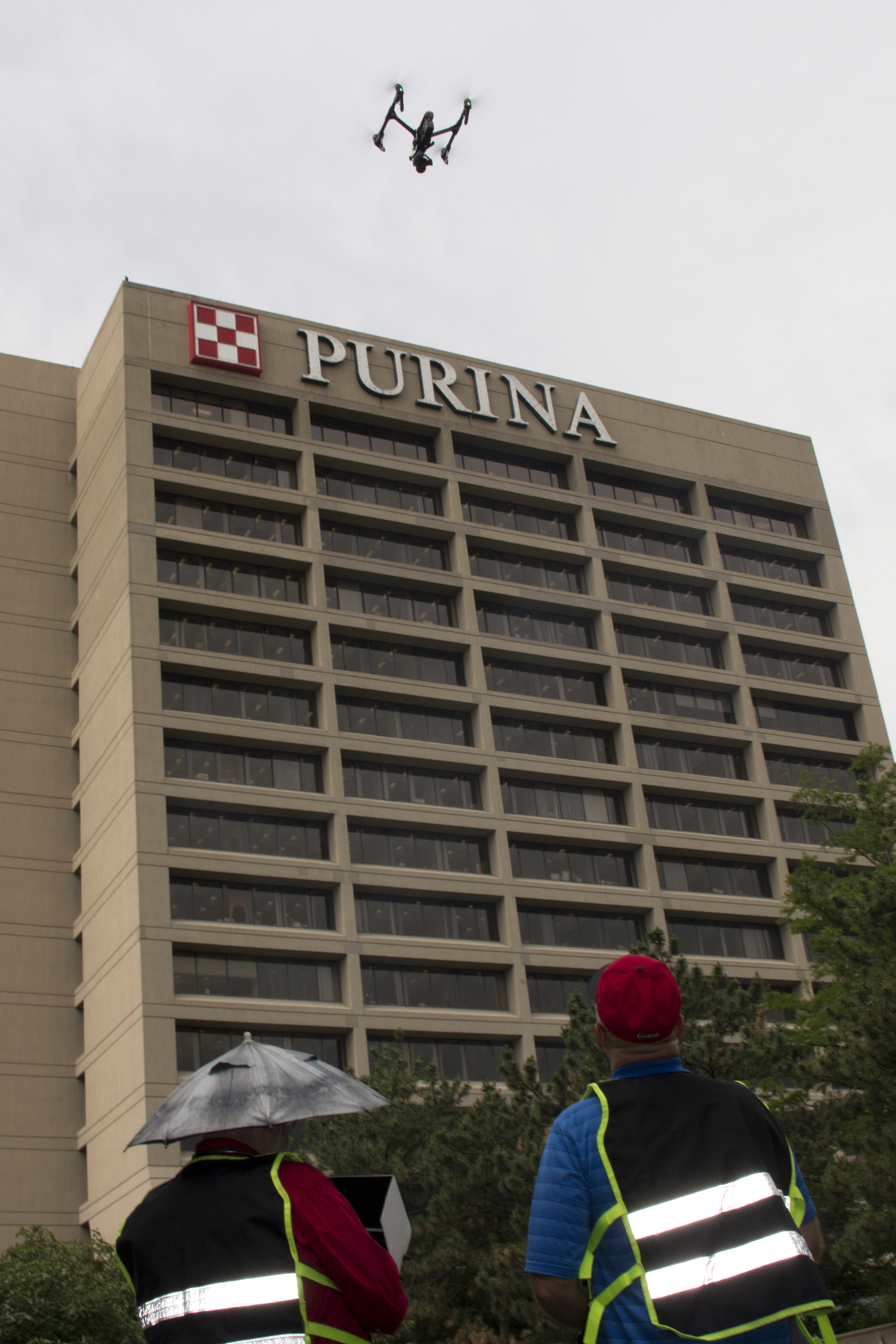
Licensed, Insured, Experienced Drone Pilots for Simple and Advanced Aerial Projects

The Professional Standard for Commercial Aerial Photography and Video — and Why It Matters to Your Organization


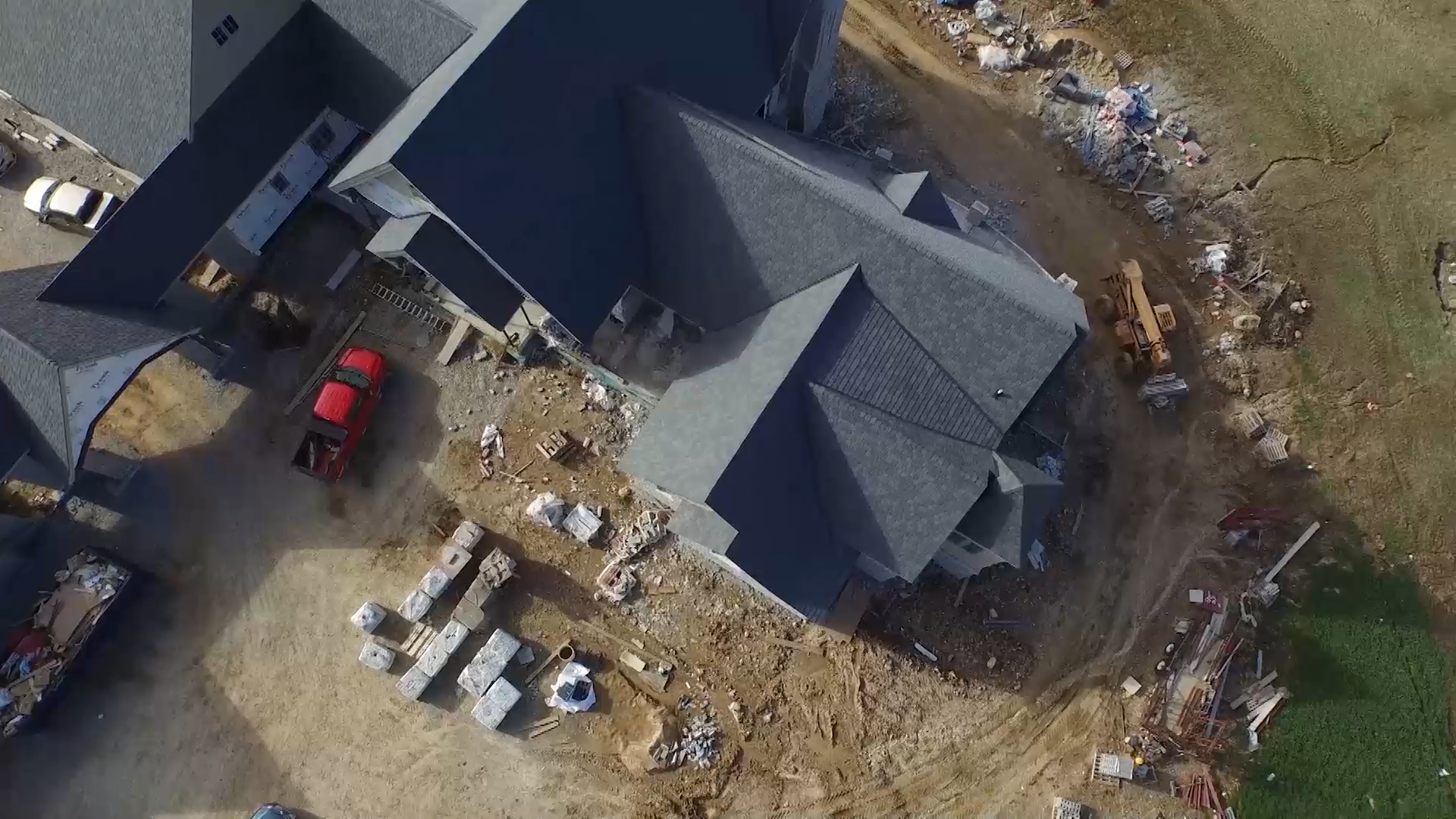
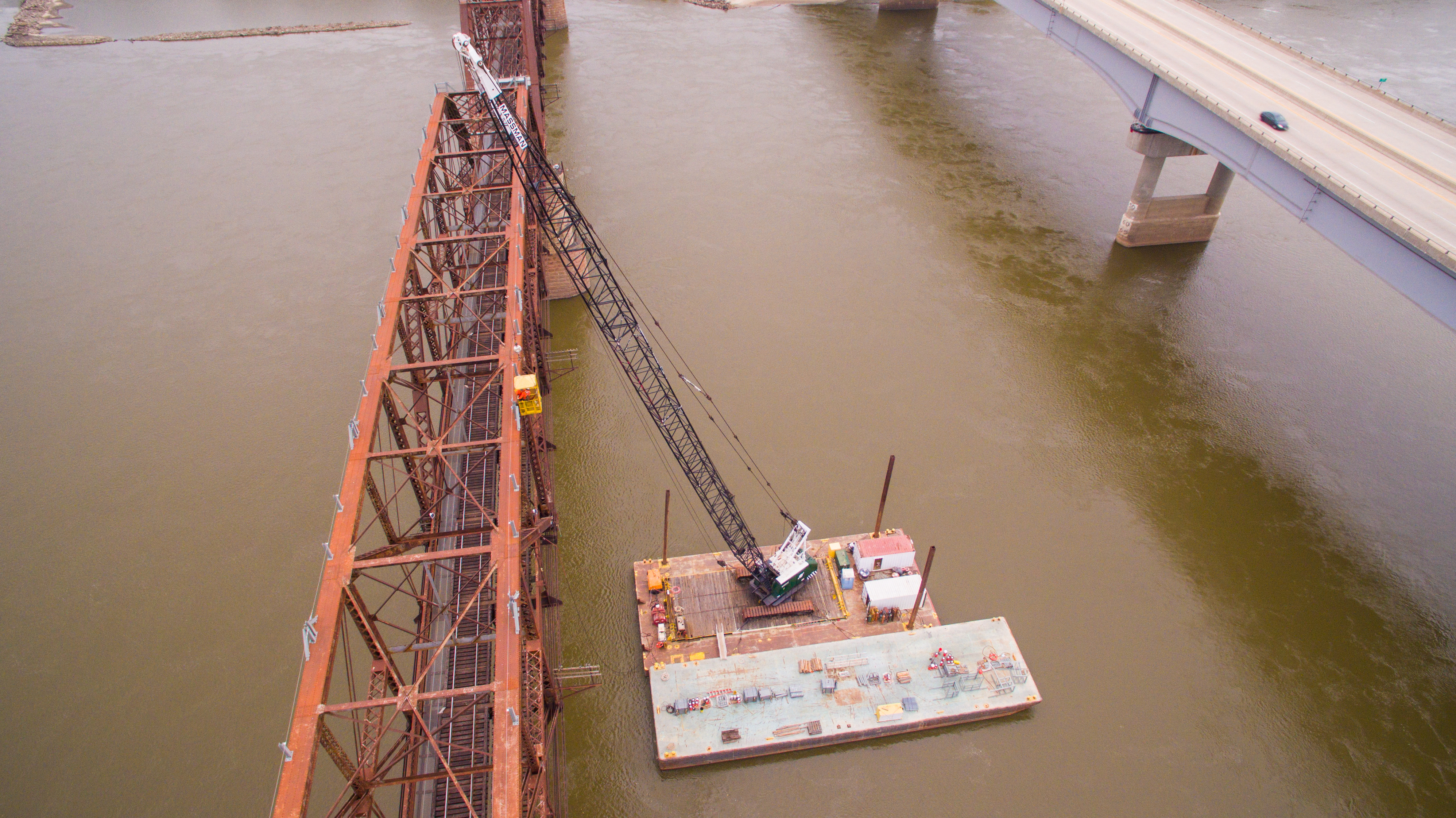
The business case for aerial imagery has never been stronger. From manufacturing facilities and commercial real estate to corporate campuses, infrastructure corridors, and live events, the overhead perspective delivers a visual authority and spatial context that ground-level production cannot replicate. Marketing teams, facilities managers, construction professionals, and brand strategists across virtually every sector have integrated aerial photography and video into their standard production toolkit.

But the operational and legal realities of commercial drone work are frequently misunderstood by the organizations commissioning it. The distance between a professional, credentialed aerial production operation and an unqualified operator with a consumer aircraft is not a matter of creative preference — it is a matter of federal law, organizational liability, data quality, and ultimately whether your production succeeds or fails to deliver what your strategy requires.

This post is written for the decision makers responsible for those outcomes. What follows is a frank, comprehensive look at what professional commercial drone production actually involves — the regulatory framework that governs it, the insurance requirements that protect your organization, the technical capabilities available to informed buyers, and the operational expertise that determines whether any of it produces imagery worth using.
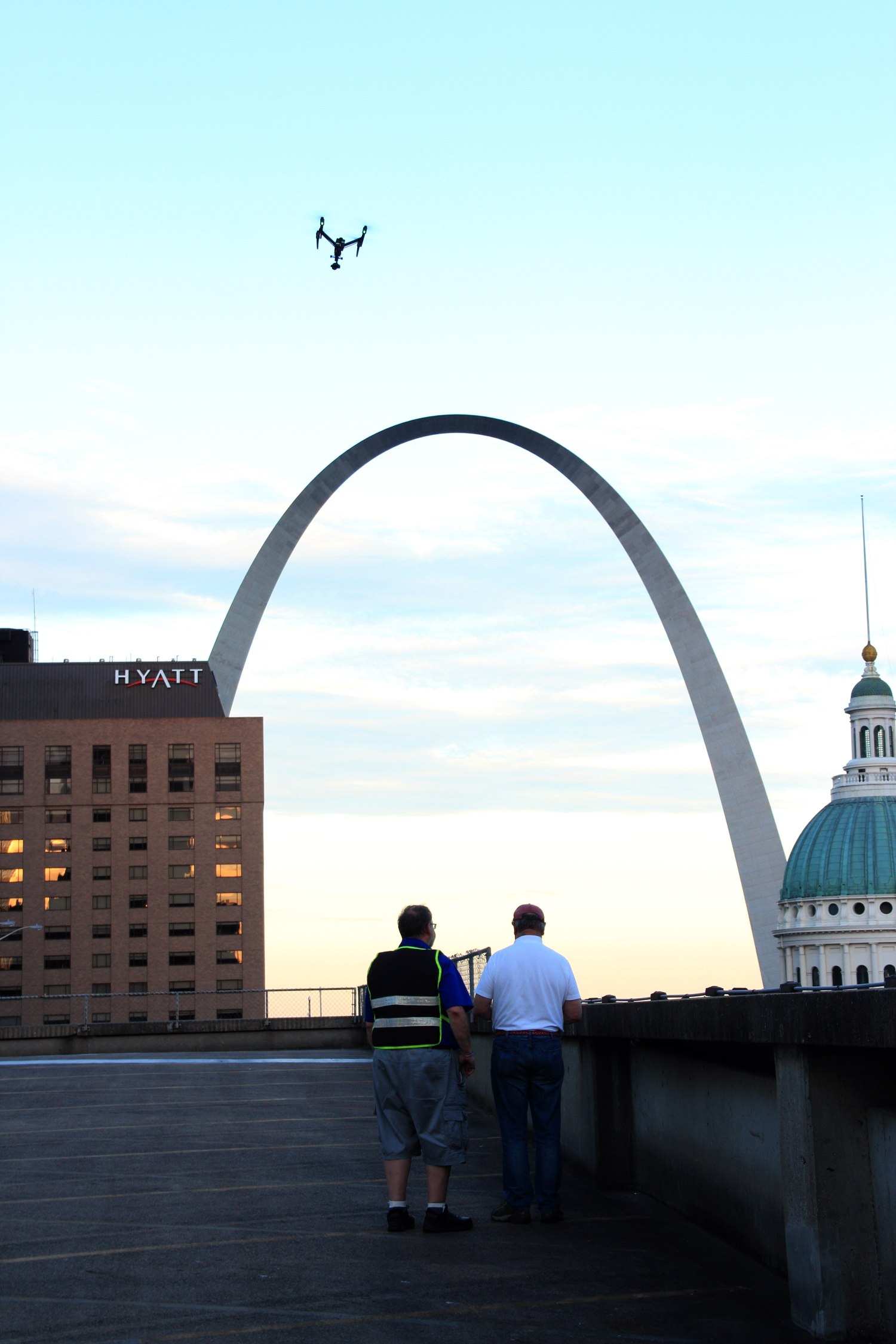
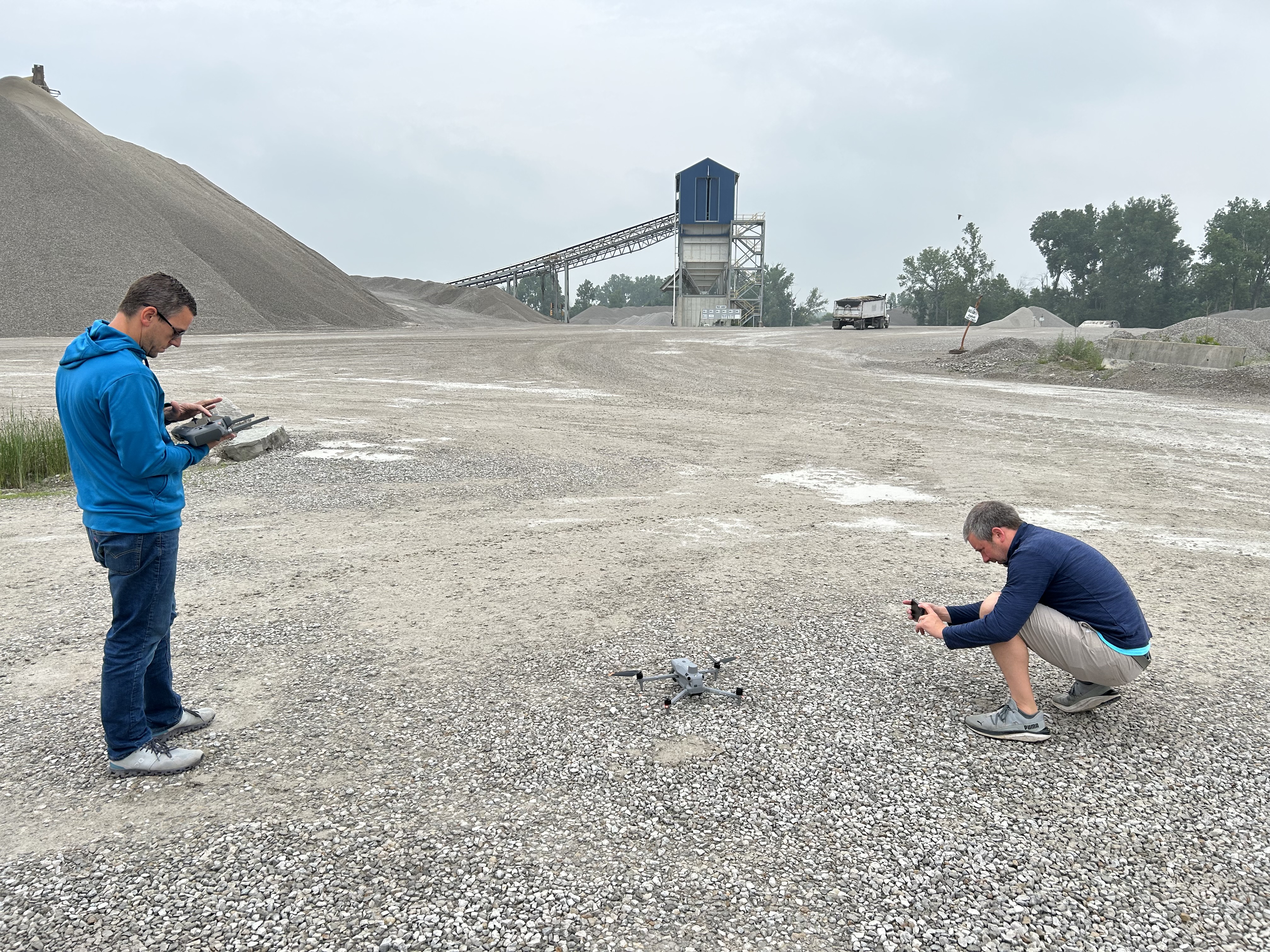
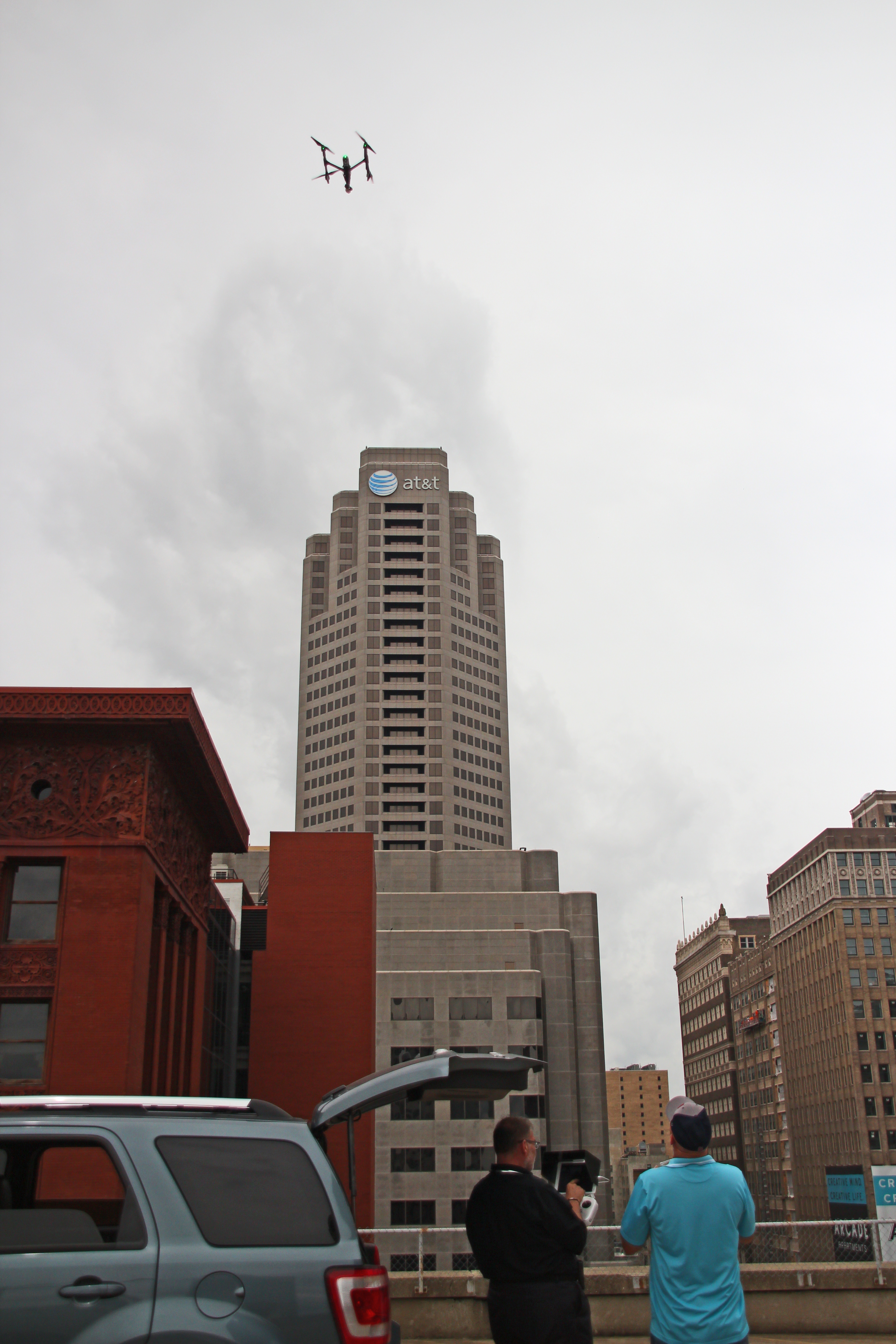
The Regulatory Foundation: FAA Part 107 and What It Requires

Every commercial drone operation conducted in United States airspace is subject to Federal Aviation Administration oversight. The governing regulation is Part 107 of the Federal Aviation Regulations — the Small Unmanned Aircraft Systems rule — which establishes the certification requirements, operational limitations, and compliance obligations that apply to any UAS flight conducted for commercial purposes.

The commercial definition under Part 107 interpretation is intentionally broad. Any drone flight that produces content used for business purposes — marketing video, facility documentation, insurance assessment, construction progress records, survey data, event coverage — is commercial in nature, regardless of whether the flight was performed by an in-house team, a freelancer, or a production company. The requirement is consistent: the pilot in command must hold a valid FAA Part 107 Remote Pilot Certificate issued by the Federal Aviation Administration.

Earning that certificate is not a casual undertaking. Candidates must pass a proctored aeronautical knowledge examination at an FAA-authorized testing center. The examination covers airspace classification and the operating requirements that apply within each class, aviation weather phenomena and their operational implications, UAS performance characteristics and loading considerations, emergency procedures and crew resource management, radio communication protocols, airport operations and traffic pattern awareness, and the full scope of applicable FAA regulations. Certification must be maintained through a recurrent knowledge assessment every 24 calendar months.

Beyond initial certification, many advanced operational scenarios require FAA waivers that go above and beyond Part 107 baseline authority. Night operations, flights over moving vehicles, operations above standard altitude ceilings, and extended visual line of sight work all require specific waivers that must be applied for in advance, reviewed by the FAA, and approved before operations commence. Managing this process requires familiarity with FAA procedures, attention to application lead times, and the kind of regulatory literacy that only comes from operating professionally within the system over time.
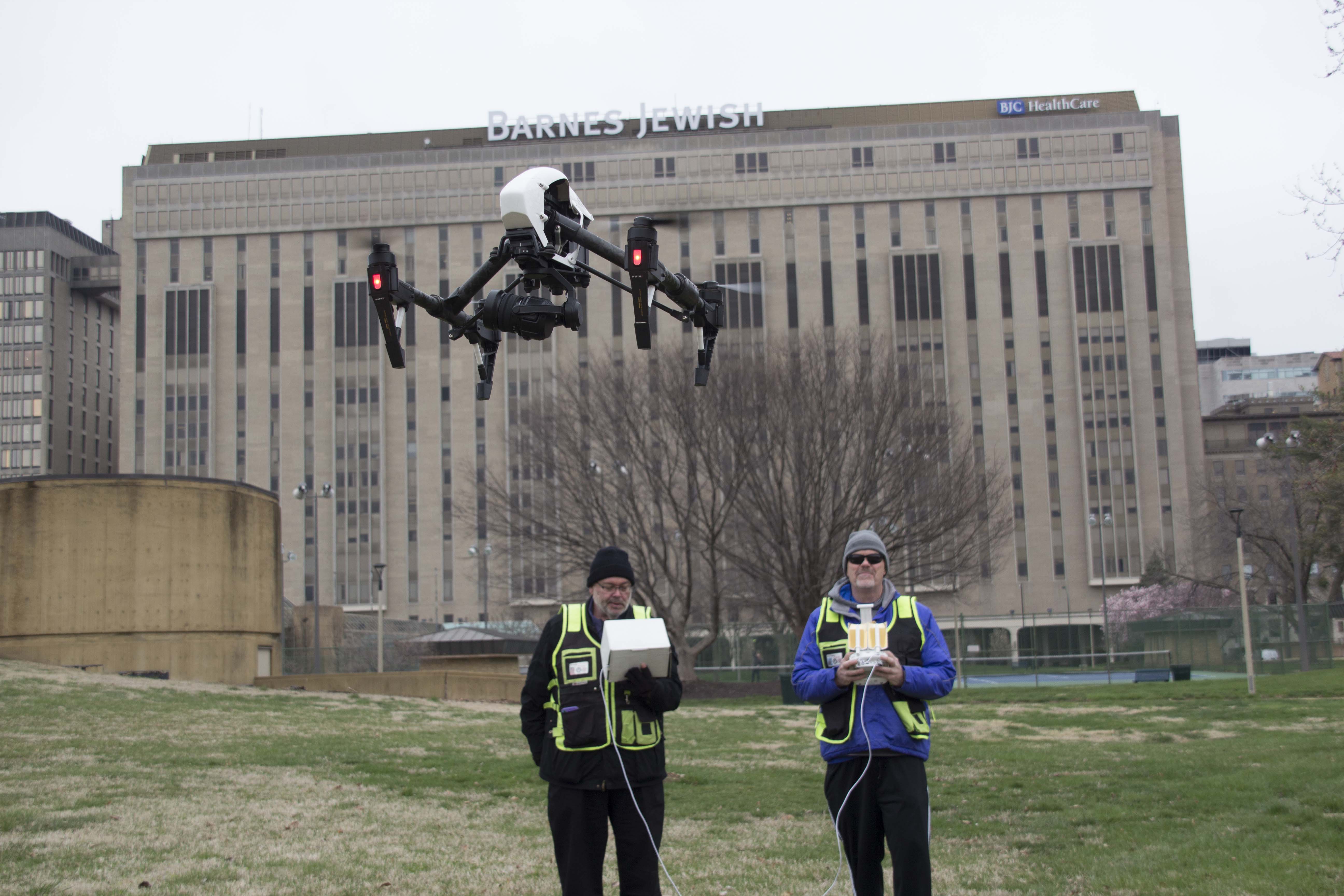
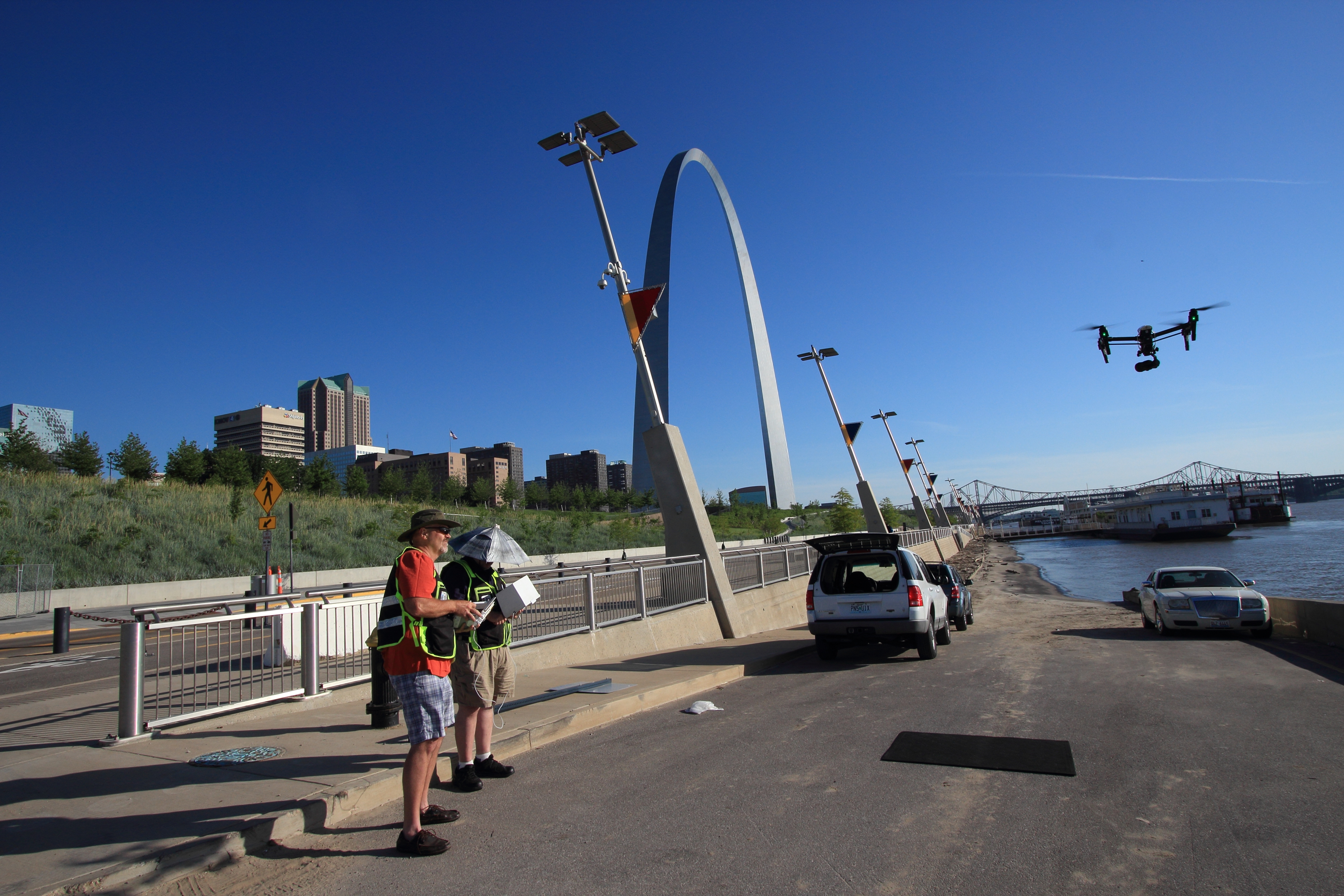
The bottom line for decision makers is straightforward: before engaging any aerial production vendor, confirm Part 107 certification for every pilot who will operate on your project, and request documentation. A professional operation provides this without hesitation. An unqualified operator cannot.


Insurance: What It Covers, Why It Matters to You Specifically

Commercial drone insurance is a distinct product category from the recreational coverage included with consumer aircraft or available through hobby associations. For commercial UAS operations, appropriate insurance encompasses two primary coverage areas: hull insurance, which protects the aircraft and its payload against physical loss or damage, and liability insurance, which addresses third-party property damage and bodily injury claims resulting from drone operations.

For the organizations hiring aerial production services, liability coverage is the figure that demands your direct attention. Commercial drone liability policies for professional production work typically carry per-occurrence limits ranging from one million to ten million dollars, depending on the operator’s scope of work and the risk profile of the environments they routinely operate in. For productions conducted on private property, near occupied structures, in proximity to the public, or within urban environments, adequate liability coverage is not a vendor amenity — it is the minimum acceptable standard of professional conduct.

The practical reason this matters to your organization specifically is that liability in drone incidents does not automatically remain contained to the operator. Depending on the circumstances of an event — a mechanical failure resulting in property damage, a flyaway in a venue that causes injury, a collision during an interior flight — the downstream liability exposure can extend to the client organization, the property owner, the event host, or other parties who granted operational access. Verifying your production partner’s coverage before work begins is a fundamental risk management obligation, not a bureaucratic formality.

Standard professional practice includes providing a certificate of insurance as a routine pre-production deliverable. When project circumstances warrant it — events, third-party venues, client-owned facilities — a professional aerial production company will name your organization or the property owner as an additional insured on the relevant policy. If a prospective vendor treats this request as unusual or inconvenient, that response tells you something important about their operational standards.
Site Assessment, Airspace Authorization, and Pre-Production Planning

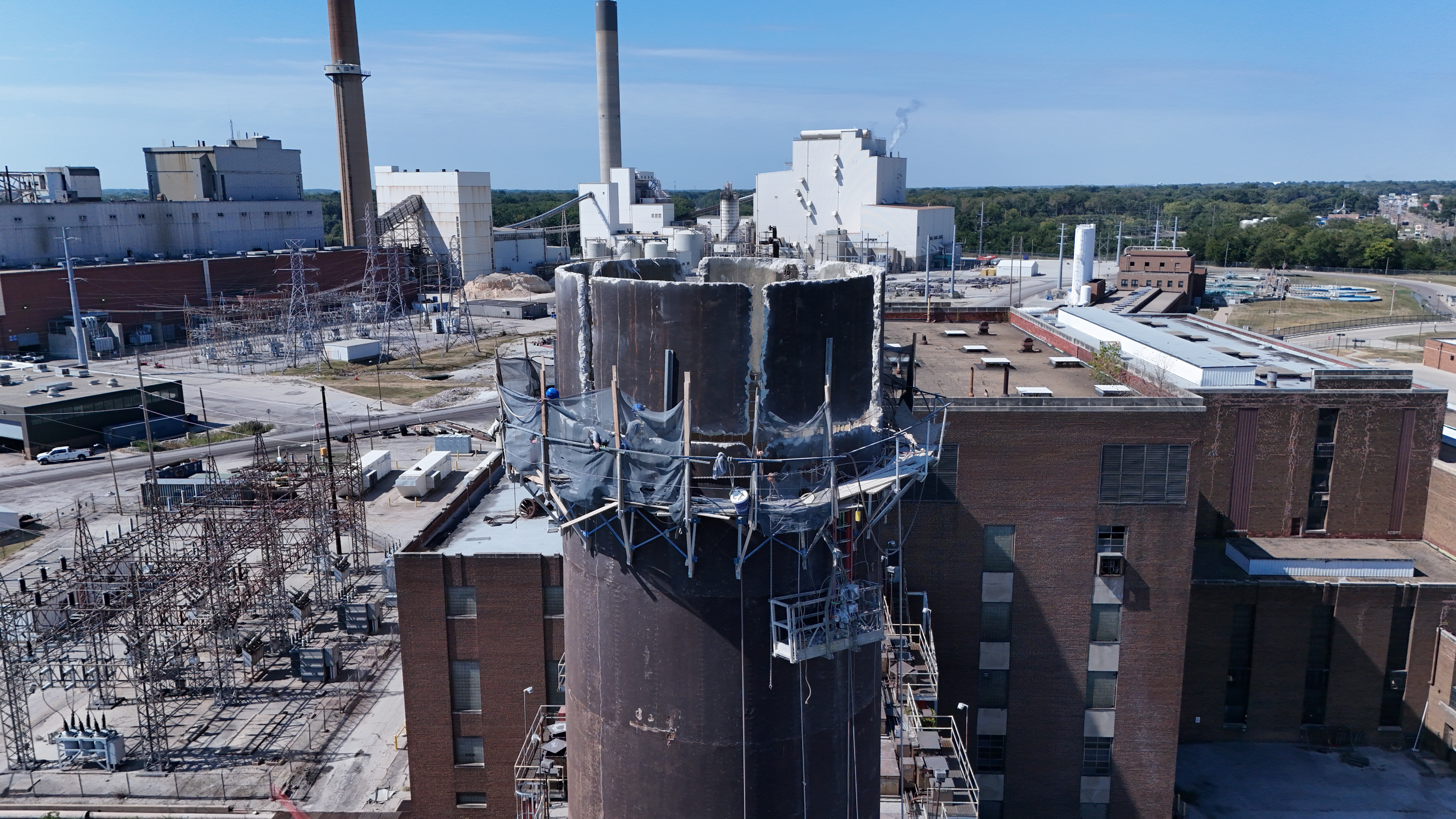
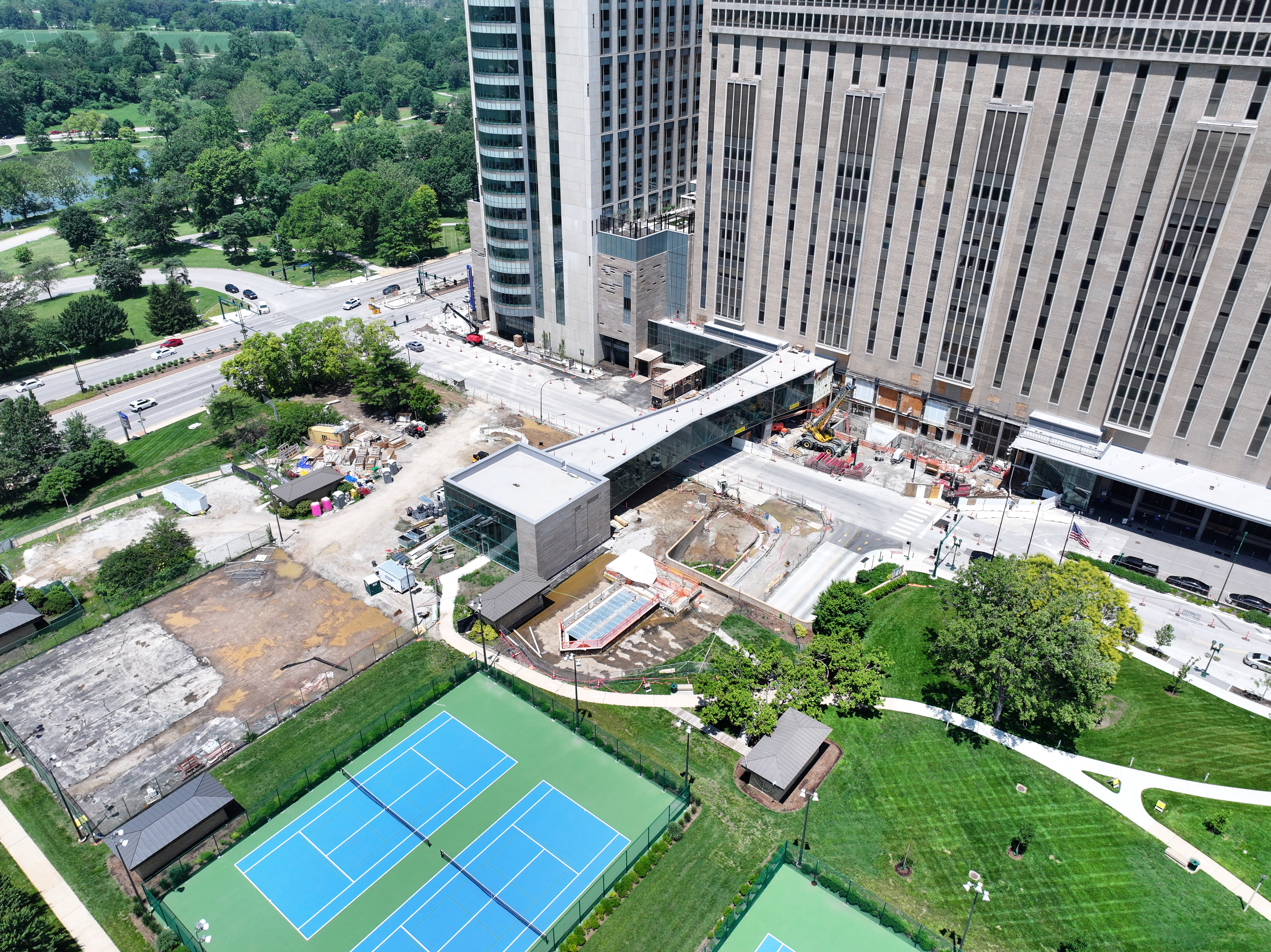
The visible portion of any aerial production — the flight itself — represents a fraction of the professional work involved. The operational planning and regulatory coordination that precede it are where professional aerial producers earn their value, and where inexperienced operators most reliably create problems.

Airspace status assessment is a required pre-production step for every commercial drone flight. The National Airspace System is organized into classifications with distinct operating requirements. Class G airspace — uncontrolled airspace, typically above unpopulated areas away from airports — carries the fewest restrictions for Part 107 operations. Class B, C, D, and E surface airspace surrounding airports, heliports, and other regulated facilities require prior authorization before any commercial drone operations may proceed.

For many controlled airspace environments, the Low Altitude Authorization and Notification Capability system — LAANC — automates the authorization process, enabling near-real-time approvals for operations below defined altitude ceilings within pre-authorized grid cells. For operations that fall outside LAANC parameters, or in airspace not yet covered by the automated system, direct FAA coordination is required. A professional aerial production team knows which authorization pathway applies to a given site and manages that process with appropriate lead time built into the production schedule.

Site assessment goes beyond airspace. Physical hazards — overhead power infrastructure, communication towers, structural features that affect GPS signal reliability, surface conditions that generate rotor wash issues during takeoff and landing — are identified and accounted for in the operational plan. Magnetic anomalies near heavy steel construction or power equipment that can affect compass calibration are identified and addressed. Radio frequency environments that may affect control link reliability, particularly in urban cores or at events with dense wireless infrastructure, are evaluated.
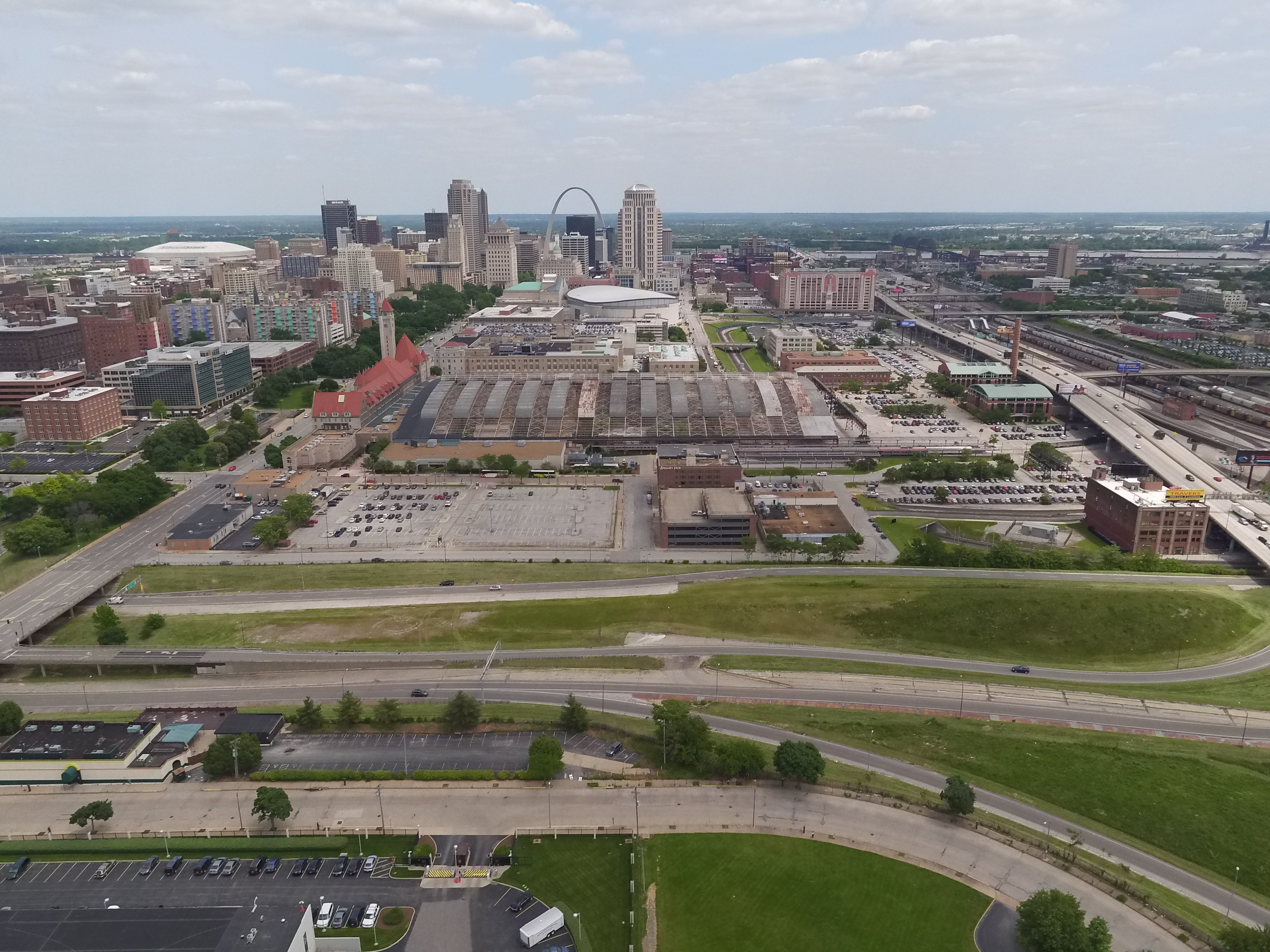
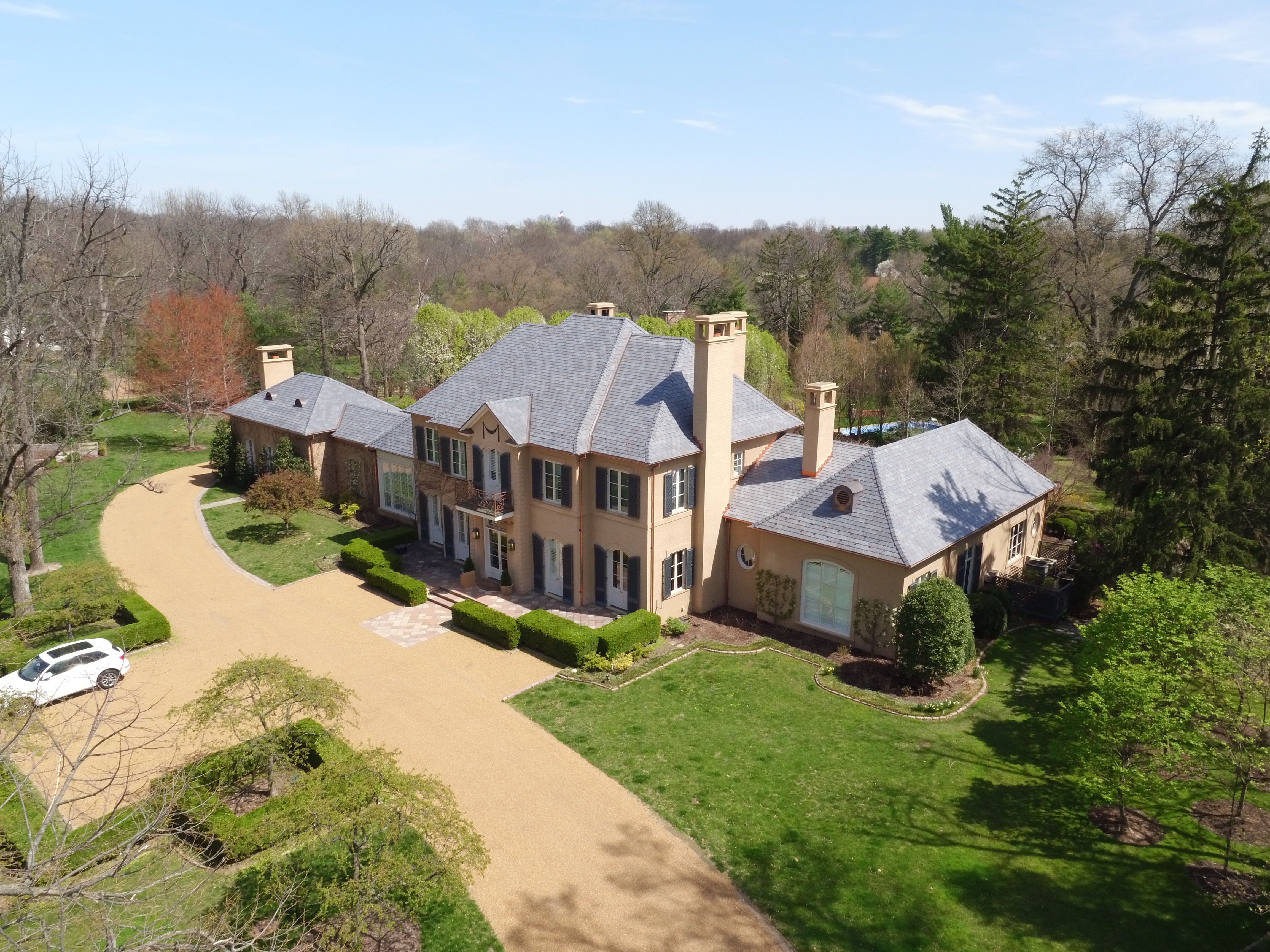
Weather assessment is conducted not just on production day but in the days preceding a scheduled flight, particularly for projects with fixed scheduling constraints. Wind forecasts, precipitation probability, temperature effects on battery performance, and atmospheric visibility are all factored into go/no-go and contingency planning.

This level of pre-production rigor is what separates a professional aerial operation from someone who shows up on the day with an aircraft and improvises. It is also what protects your production from the delays, re-shoots, and liability events that result from inadequate planning.

314-604-6544

saintlouismostudios@gmail.com

Stop Wasting Repair Dollars: How Drone Thermal Checks Turn Maintenance into Measured ROI

Unplanned repairs will blow up a facilities budget faster than almost anything else.

A roof leak that went unnoticed for a season becomes a mold remediation project. A tiny failure in a steam line becomes a shutdown. A small gap in a façade lets water in, and suddenly you’re dealing with rust, spalling and emergency scaffolding.

Most of the cost isn’t just the repair itself. It’s:

  • Paying emergency rates instead of planned maintenance pricing
  • Collateral damage to interiors, finishes and equipment
  • Downtime and disruption to operations and tenants
  • The cost of access – scaffolding, lifts, staging, permits, safety setups

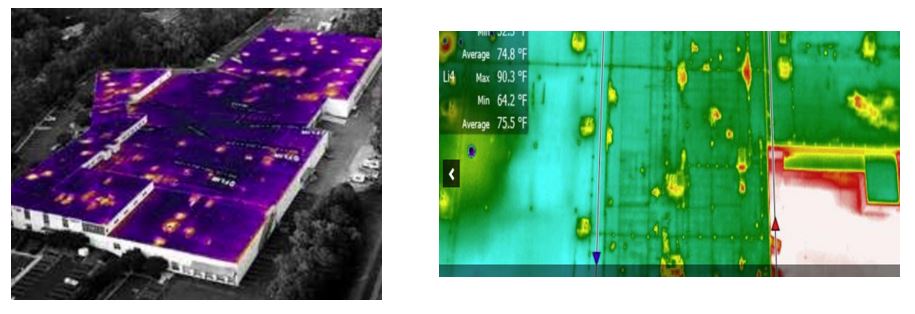
Drone-based thermal checks give you a way to flip that script. Instead of paying to fix what finally becomes visible, you use aerial thermography to quietly and systematically find issues early—while they’re still cheap to solve.

Think of it as preventive medicine for roofs, façades and infrastructure, with visual proof you can put in front of a CFO, board, or risk committee.


What Exactly Is a Drone Thermal Check?

At its core, a drone thermal check is a non-invasive, aerial thermographic survey of your building envelope and critical infrastructure.

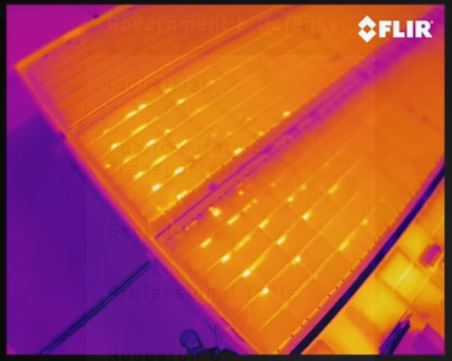
A specialized drone equipped with a radiometric thermal camera and a high-resolution visual camera:

  • Flies precise, pre-planned patterns over roofs, façades, and key exterior assets
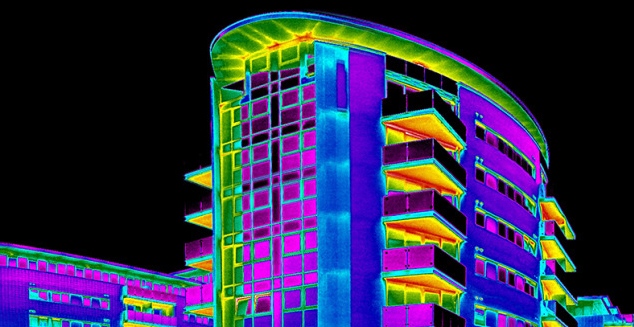
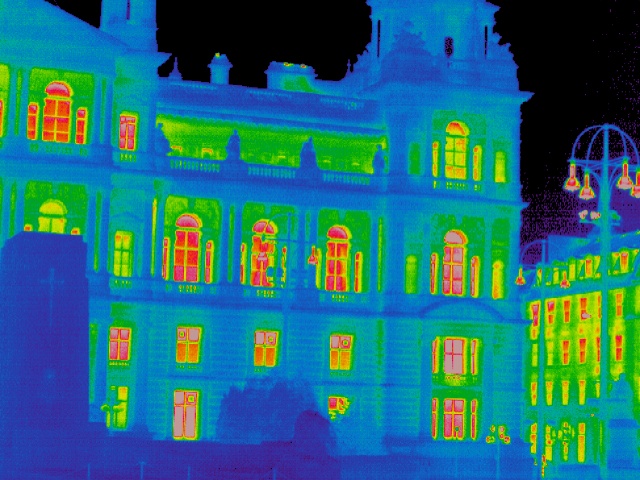
  • Captures thermal images that show temperature differences (hot and cold spots)
  • Records matching visual imagery so your team can see exactly what’s physically there

When analyzed properly, these thermal images reveal:

  • Heat escaping where insulation is damaged or missing
  • Moisture-saturated roof insulation that looks fine to the naked eye
  • Faulty seals around roof penetrations, parapets, windows and doors
  • Overheating mechanical components, steam lines, or electrical gear

The output is a map of risk and opportunity – clear visuals that tell you where to spend your maintenance dollars first for the greatest return.


Why Traditional Inspections Cost You More Than You Think

Facility leaders know what it takes to inspect a large site the “old way”:

  • Multiple technicians walking roofs with handheld cameras
  • Lifts or scaffolding rented to reach upper façades
  • Spot checks and guesswork on where to cut or core-sample
  • Re-inspections after repairs for verification

Each of those steps has a direct cost: labor, rentals, safety setups, permits, disruption. But the indirect costs are just as important:

  • Limited coverage – you never truly see the entire envelope
  • Human fatigue and missed issues – especially on large roofs or multiple buildings
  • Slow data collection – which delays decisions and repair scheduling
  • Inconsistent documentation – making it harder to compare conditions year over year

Drone thermal checks compress that entire process into a faster, safer, and more complete survey—often in a fraction of the time and cost.


Five Ways Drone Thermal Checks Save Cash on Repairs

Let’s talk about where the real savings come from, not just the “cool factor” of aerial footage.

1. Find Problems Before They Become Emergencies

The cheapest roof leak to fix is the one you never see inside the building.

Thermal imagery can reveal:

  • Wet insulation under a membrane long before staining or mold appears
  • Compromised seams and flashings that are starting to fail
  • Small warm spots where conditioned air is leaking out

By catching these early, you turn:

“We have an emergency leak; get someone here tonight.”

into:

“We know exactly which 3 sections of roof need work in Q3. Let’s bundle that into a planned capital project.”

The difference in cost, disruption, and risk is enormous.


2. Prioritize Repairs with Data, Not Gut Feel

Most portfolios can’t afford to “fix everything at once.” Drone thermal checks help you:

  • Rank issues by severity and risk
  • Distinguish between nuisance anomalies and critical failures in progress
  • Plan multi-year budgets around hard visual evidence, not general rules of thumb

This prioritization prevents overspending on low-risk areas while high-risk problems quietly get worse.


3. Reduce Destructive Testing and Rework

Without thermal guidance, testing often goes like this:

  1. Guess where the problem is.
  2. Cut or core-sample.
  3. If wrong, repeat in a new spot.

Each cut costs money. Each wrong guess adds up.

Thermal checks allow you to:

  • Target cuts exactly where anomalies show up
  • Validate moisture patterns before you open the roof
  • Minimize patching and rework

Fewer cuts, fewer surprises, fewer hours billed.


4. Lower Access and Safety Costs

Every time you bring people to height, you pay for it—lifts, railings, scaffolding, fall protection, training, insurance exposure.

With drone thermal checks:

  • Most of the work is done from the ground
  • Flights cover broad areas quickly
  • High-risk, hard-to-reach sections can be inspected with no one leaving the ground

You still bring in crews where needed—but now it’s surgical, not exploratory.


5. Use Visual Proof to Get Better Bids and Better Coverage

Clear thermal and visual documentation is powerful leverage:

  • For bidding
    • You can provide contractors with annotated imagery pinpointing each problem area
    • They quote based on specific, documented conditions instead of vague “roof is old” descriptions
    • You get more accurate, competitive bids—and fewer change orders
  • For insurance and risk management
    • You show that you’re proactively assessing and managing building envelope risk
    • Post-event flights (after hail, wind, or major weather) provide before/after evidence
    • Claims and coverage discussions become less subjective and more data-driven

In both cases, the drone thermal check acts as a visual audit trail that supports every decision you make.


Where Drone Thermal Checks Deliver the Biggest ROI

Commercial Roofs

  • Big-box retail, warehouses, logistics hubs, manufacturing, education campuses
  • Large flat or low-slope roofs with multiple penetrations and complex drainage
  • Facilities that can’t afford leaks in production areas, data centers, or critical spaces

Corporate and Institutional Campuses

  • Office towers and mixed-use complexes
  • Hospitals and research facilities
  • Universities and government properties

Regular drone thermal checks across a campus create a portfolio-wide heat map of risk. That’s board-level capital planning material.

Industrial and Utility Infrastructure

  • Steam lines and tunnels
  • Heat exchangers and processing equipment
  • Mechanical yards and rooftop units

Overheated components, steam leaks, and insulation gaps all show up quickly on properly captured thermal imagery.


Turning Technical Checks into Executive-Ready Visual Storytelling

The drone flight is just the starting point. The real value—especially for marketing and leadership audiences—comes from how that data is presented.

A seasoned production team can turn raw capture into:

  • Short explainer videos
    • Narrated walkthroughs of key findings
    • Animated overlays comparing thermal and visual imagery
    • Clear calls to action tied to repair priorities and budget windows
  • Executive slide decks and visual reports
    • High-quality stills with annotations and labels
    • Before/after comparisons that validate completed work
    • Simple, visual summaries that tie issues to business impact
  • ESG and sustainability content
    • Visual proof of energy-efficiency improvements
    • Storylines around proactive stewardship of assets
    • Media that marketing and communications can repurpose across web, social and investor-facing channels

When thermal checks are integrated with professional video and photography production, you’re not just “saving on repairs”—you’re building reusable content that supports operations, compliance, brand and stakeholder confidence.


The Role of AI in Modern Drone Thermal Inspections

AI is quietly transforming how we extract value from drone and thermal data:

  • Automated anomaly detection – quickly flagging hot and cold spots that deserve human review
  • Pattern recognition over time – comparing past and current flights to see how issues are evolving
  • Smart editing and versioning – rapidly creating different cuts of footage and reports for operations, finance, and marketing teams

When your production partner is fluent in both imaging and AI-driven post-production, you end up with:

  • Faster turnaround from flight to decision
  • More consistent documentation across inspections
  • Sharper, more polished visuals that are easy for stakeholders to understand and act on

Partner with St Louis Video Production Studio for Drone Thermal Checks That Actually Save You Money

St Louis Video Production Studio is an experienced, full-service professional commercial photography and video production company with the right equipment and creative crew service experience for successful image acquisition—on the ground and in the air.

We offer full-service studio and location video and photography, as well as editing, post-production and licensed drone pilots. St Louis Video Production Studio can customize your productions for diverse types of media requirements—technical inspection reports, internal training, executive briefings, and public-facing marketing pieces.

Repurposing your photography and video branding to gain more traction is another specialty. We are well-versed in all file types, media styles and accompanying software, and we use the latest in Artificial Intelligence for all our media services—from enhancing thermal imagery and overlay graphics to producing multiple tailored edits from the same source material.

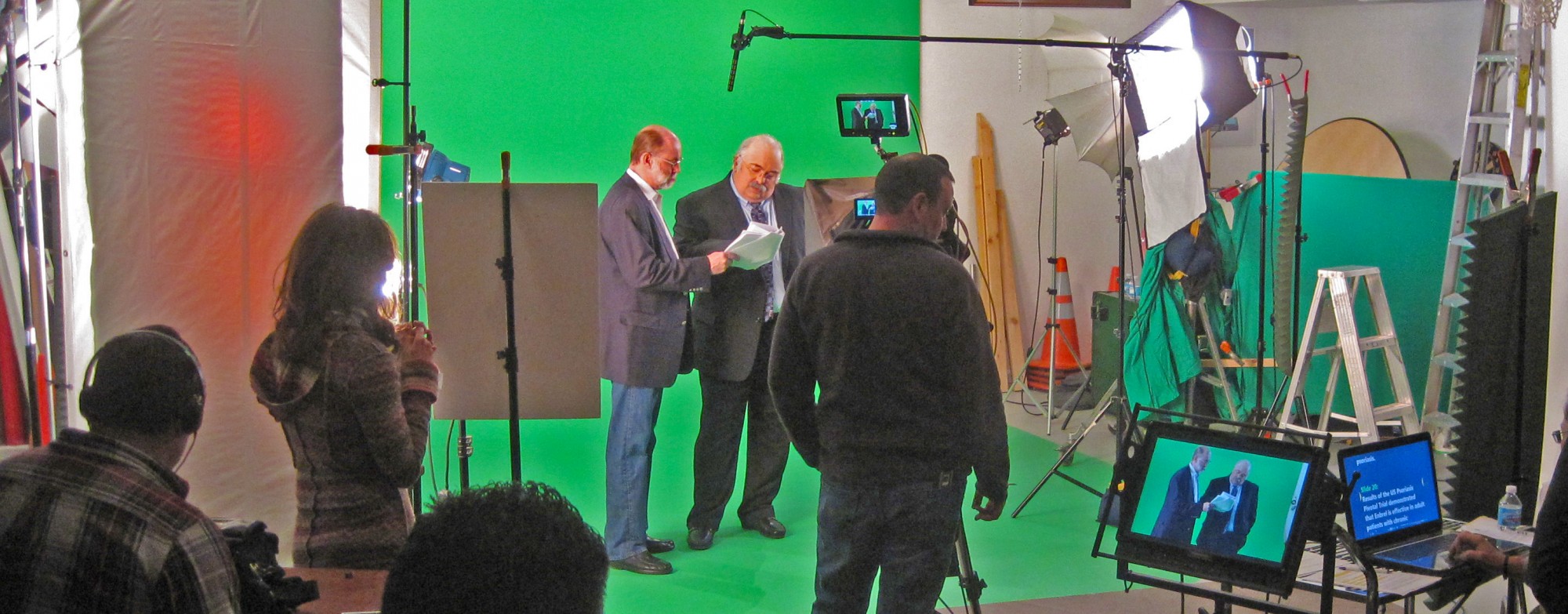
Our private studio lighting and visual setup is perfect for small productions and interview scenes, and our studio is large enough to incorporate props to round out your set. We support every aspect of your production—from setting up a private, custom interview studio to supplying professional sound and camera operators, as well as providing the right equipment—ensuring your next video production is seamless and successful.

For specialized applications, we can even fly our specialized drones indoors, where appropriate and safe, to capture unique perspectives in large interior spaces, industrial environments, or controlled inspection settings.

As a full-service video and photography production corporation since 1982, St Louis Video Production Studio has partnered with many businesses, marketing firms and creative agencies in the St. Louis area for their marketing photography and video. If you’re ready to save cash on repairs using drone thermal checks—and turn those insights into clear, compelling visuals your stakeholders can act on—our team is ready to help.

Rob Haller 314-604-6544

saintlouismostudios@gmail.com